
PODCAST · education
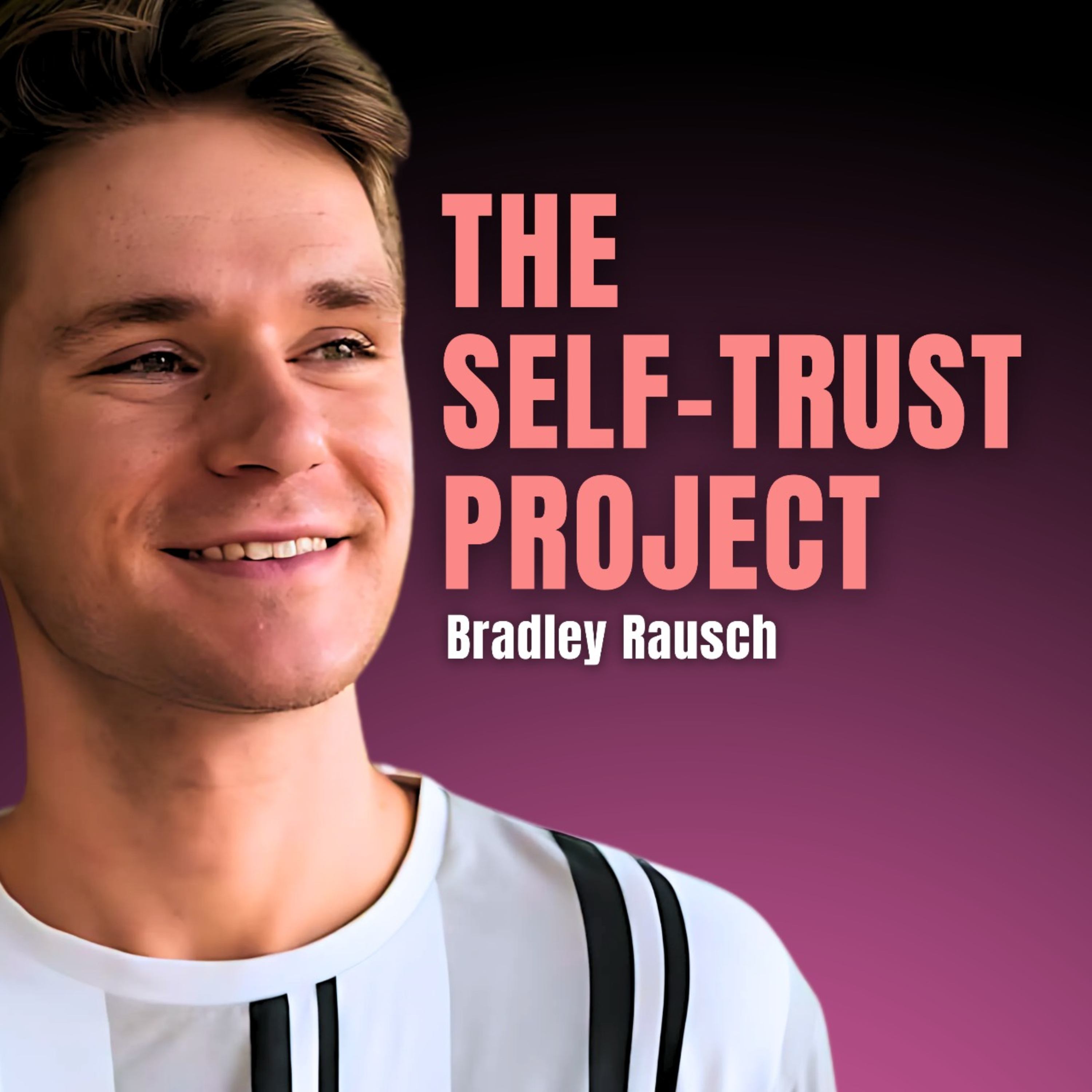
The Self-Trust Project
by Bradley Rausch
The podcast that helps high-functioning overthinkers rebuild their operating system to replace anxious thoughts with confident actions.
-
62
061. Why You Keep Choosing the Same Pain
Here's what you'll learn:The Difference Between Safety, Comfort, and GrowthMost people crave stability, safety, and familiarity.Familiarity often feels good, but it doesn’t always promote growth.Comfort can be mistaken for peace; familiarity for safety.The brain prioritizes survival over growth. It favors what it knows, not what helps you evolve.Anxiety and fear amplify when facing new situations because the brain confuses predictability with safety.Staying in familiar discomfort (jobs, relationships, habits) feels safer than facing the unknown.The nervous system learns through exposure, not logic. You can’t think your way into confidence; you must act.Start with small, manageable discomforts. Don’t jump to “Mount Everest” level challenges before you’re ready.Build resilience through micro-discomforts, stacking small wins to create safety in the unfamiliar.Distinguish between two types of safety:Inherited safety: What you absorbed from childhood, family, or trauma as “safe.”Earned safety: The self-trust and confidence built through exposure and evidence.Inherited and earned safety often conflict, creating tension between who you were and who you’re becoming.Growth happens when you stop obeying fear rather than trying to eliminate it.Exercise:Create two columns: “What I learned was safe” and “What I know is actually safe.”Fill them with examples from work, relationships, and personal growth.Begin retraining your nervous system:Notice when “familiar” is disguising itself as “safe.”Choose one small new action that challenges that pattern.Reassure yourself afterward: “See, we handled it.”Building earned safety is how you teach your body that change is survivable.True growth doesn’t mean destroying comfort. It means redefining what safety really is.The goal isn’t to chase discomfort endlessly but to stop confusing comfort with peace.
-
61
060. What No One Tells You About Surviving a Breakup
The Self-Trust Project: How to Heal After a BreakupEpisode SummaryBradley shares an unfiltered reflection on the six months following his breakupFocuses on emotional recovery, nervous system regulation, and rebuilding identityOffers three mindset reframes and five tactical steps for anyone healing from a major endingCore ThemesBreakups dismantle your sense of safety, self-trust, and identityEmotional chaos is part of your nervous system recalibratingHealing is non-linear and cannot be rushed3 Mindset ShiftsNothing is wrong with you for feeling this wayPain is a natural physiological response to lossGrief has no timelineJudging your emotions slows recoveryYour emotions don’t need to make senseDisorientation and contradiction mean your body is processingFeeling better or worse without reason is normalAcceptance accelerates integrationPain is proof of self-respectLeaving what doesn’t serve you is an act of self-trustThe heartbreak is the cost of choosing integrityWith time, pain converts to confidence and self-belief5 Tactical PracticesConserve energy consciouslyAcknowledge where attention goesLet yourself ruminate, but do it intentionallyDirect even 1% of leftover energy toward yourselfWalk dailyMovement helps regulate emotionWalking processes feelings through the bodySurvive the first 10 seconds of a waveDon’t resist the surgeAcceptance softens intensity fasterRefuse resentmentAnger keeps the bond aliveRespect for the other person speeds emotional detachmentAbandon the idea of linear healingSome days you’ll feel free, others shatteredBoth are valid parts of the same processFinal MessageYou can’t skip the pain to reach clarityYou traded comfort for self-respectKeep walking, breathing, and feelingHealing isn’t about moving on, it’s about moving with yourself
-
60
059. You Don’t Need New Friends to Grow
Here's what you'll learn:Elevating the Conversations Around YouWhy “leveling up your circle” can feel isolatingThe alternative: changing the conversations, not the peopleThree levels of conversation:Low: gossip, complaints, judgmentMid: tasks, work, circumstancesHigh: ideas, growth, changeHow to move from reacting to directing conversationsReplacing statements with questions to shift energy“That sounds frustrating. What do you think would make it better?”“That’s one way to see it. Have you thought about it like this?”Leading without ego or judgmentEmotional regulation in conversationsRecognizing when to shift topics entirelySimple questions that elevate dialogue:“What’s something you’ve learned lately that surprised you?”“What are you trying to get better at right now?”How practicing deeper conversations with others strengthens your inner dialogueReflection prompts:“Where do I default to safety instead of curiosity?”“What thoughts keep looping in my mind and why?”Challenge: observe your conversations this weekNotice if they lean high or low on the spectrumAsk one question that adds depth instead of walking away
-
59
058. How to Keep Going When the Feeling’s Gone
Here's what you'll learn:The Motivation Myth and How to Build Automatic ProgressMotivation is unreliable. It keeps you dependent, not consistent.Overthinkers confuse burnout cycles with growth.Real growth happens when progress becomes automatic.You don’t need motivation. You need systems that remove negotiation with yourself.Main IdeasMotivation fades. Systems sustain progress.Build conditions where doing the right thing is easy.Make progress automatic, not emotional.Success is repetition, not perfection.4 Reasons You Keep Starting OverYou attach identity to intensityYou expect 100% every day.When you miss a day or fall short, you quit.Progress comes from showing up, not from being perfect.Grace means giving yourself permission to do it badly while learning.You lack a minimum viable identityYou only define success by ideal conditions.On bad days, you collapse instead of adjusting.Create a baseline version of yourself that can still execute on hard days.You chase momentum instead of maintenanceYou rely on dopamine instead of discipline.When excitement fades, you stop.Train for maintenance. Build consistency that feels normal, not exciting.You measure evidence, not effortYou wait for proof before continuing.Progress is delayed; effort is immediate.Track the promises you keep to yourself, not external validation.Key FrameworksSelf-trust grows from effort, not outcomes.Define success by daily execution, not motivation spikes.Small, consistent progress compounds faster than sporadic bursts.
-
58
057. Why Fixing Your Problems Feels So Hard
Here's what you'll learn:Problems often form passively, through small unnoticed actions like late-night snacks or years of self-doubt.Fixing problems requires conscious effort, every step feels heavier and intentional.Bad habits are like taking the elevator, they happen automatically without effort.Positive change is like taking the stairs, slow and effortful but the only way up.Misconception: fixing issues takes as long as creating them. In reality, problems form subconsciously while fixing requires deliberate action.Discomfort, fear, and resistance are natural parts of change, not signs of failure.Expecting progress to feel effortless sets you up to quit and restart.Accepting that discomfort is required makes the process easier and sustainable.If there is no discomfort, you are repeating old patterns and creating the same results.True growth is built step by step, with focus, consistency, and intentional action.The short-term discomfort is proof you are doing something different, and that matters.Stop believing there is something wrong with you for feeling resistance. It means you are on the right path.Each intentional step up the stairs shows you who you are and what you are capable of.Progress becomes possible when you embrace the hard work as part of the process.
-
57
056. How to Do More Than You Think You Can
Here's what you'll learn:Most people overestimate what they are willing to do, but underestimate what they are able to doIntentions do not prove your ability, consistent reps doThe problem with overpromising and building unsustainable plansWhy stacking proof matters when aiming for new, unfamiliar goalsLessons from fitness coaching: focus on one variable for sustainabilityExample: waking up earlier in gradual steps instead of going cold turkeyHow your brain resists unfamiliarity and seeks comfortImportance of building small, undeniable wins to shift confidenceThe CRAFT Method for achieving goals with little or no proof:C: Commit to a time horizon, avoid renegotiating the planR: Reveal your goals and action steps to others for accountabilityA: Active curiosity, remove judgment and assumptions about difficultyF: Frame if-then plans to handle predictable pitfallsT: Tolerate short-term discomfort as proof of growthDiscomfort signals you are doing something different to achieve a different outcomeSustainable change comes from small, intentional actions that compound over timeConfidence expands when you prove to yourself that you can take consistent, aligned steps
-
56
055. Why One Sentence Is Enough to Change Your Life
Here's what you'll learn:Why journaling is the most impactful practice for mental health and anxiety after 6.5 years of daily useThe real reason most people fail to stay consistent with journalingMistake 1: Forcing yourself to write a certain length or for a set time each dayWhy this leads to frustration and quittingThe one-sentence daily commitment that actually worksHow writing one sentence a day for 30 days builds repetition and creates an outlet for processing feelingsMistake 2: Making the journaling process too complicatedIntroduction to the “one-on-one” technique for simplifying journalingHow to use “I + verb + adjective/noun” sentences to quickly process feelings during overwhelm or anxietyMistake 3: Adding too much fluff and unnecessary contextWhy skipping backstory and diving straight into feelings helps regulate your nervous systemJournaling as a tool to release emotions quickly without overthinkingHow to adapt journaling so it fits your needs and keeps you consistentThe key takeaway: consistency matters more than length or style, and simple repetition makes journaling a tool you can rely on long term
-
55
054. Befriend Discomfort in 58 Seconds
Here's what you'll learn:Discomfort signals progress, not dangerChange triggers anxiety, fear, and apprehension because you are doing something newIf you felt nothing, you would not be changing at allThe choice: tolerate discomfort to reach your outcome, or abandon the outcome to avoid emotionsBefriending discomfort is the only way to achieve meaningful changeDiscomfort is proof you are on the right path, not an obstacle blocking youDifficulty has no bearing on your ability to succeedGrowth requires accepting the intensity of the feelings that come with it
-
54
053. Control Freak to Confident Doer
Here's what you'll learn:Why opportunities for connection and growth are rare, and why it’s so hard to say no to them—even when the “future potential” is uncertain.The trap of self-punishment: why beating yourself up for not acting sooner doesn’t help and never leads to progress.How reliving the past keeps you stuck, and the only useful thing you can take from it (a lesson to apply moving forward).The need to fully let go of the current situation in order to create space for new patterns, relationships, and outcomes to emerge.The purpose of the “foggy” in-between stage: how stepping forward without full clarity builds trust in yourself and your ability to decide and act.
-
53
052. Different Results? Do Different Sh*t
Here's what you'll learn:Doing the Same Things Won’t Get You New ResultsWhy people stay stuckRepeating the same actions and expecting new results.The illusion of “this time is different” when it’s really not.The truth about discomfortBoth staying the same and making a change are uncomfortable.Your brain resists the unknown because it feels safer in familiar pain.Pain feels endless until you build new evidence for yourself.Neuroplasticity explainedYour brain can rewire itself with new inputs.By responding differently to the same triggers, you train your brain to create new outcomes.Consistently choosing a new response shows your brain it’s safe and effective.Consistency vs. inconsistencyLack of consistency is often the real problem.Overtraining or being inconsistent both lead to the same stuck results.Progress requires consistent actions that actually align with your goals.The myth of “big change”You don’t always need a massive overhaul.Small, meaningful shifts can create real change if they’re outside your comfort zone.Ask: Am I changing enough to get new results, or just enough to feel comfortable?The hard truth about growthBoth paths—staying the same or changing—are difficult.If it’s going to be hard either way, choose the path with the potential for the outcome you actually want.If what you’ve been doing was enough, you’d already be where you want to be.
-
52
051. Why Doing Less Is the Fastest Way to Succeed
Here's what you'll learn:The Power of Saying NoThe Myth of Doing MoreCommon advice: take more action, handle more tasks, chase every opportunity.Reality: doing more only leads to burnout and diluted focus.High performers succeed by doing less, with intention.The Skill of Saying NoSaying yes to everything creates guilt, anxiety, and fear of missing out.The real challenge is not adding more, but learning to decline.Every “no” creates room for a stronger, more aligned “yes.”Reframing DecisionsInstead of asking, “Should I do this?” ask:“What space would saying no create?”“What could I say yes to if I didn’t commit to this?”This shifts focus from short-term payoff to long-term opportunity.Practical TakeawaySuccess is less about managing more and more about curating better.Protect your attention by filtering out the wrong yeses.Clarity comes from subtraction, not addition.
-
51
050. How to Turn Anxiety Into Action (The “100 Marbles” Trick)
Here's what you'll learn:The 100 Marble Method – Using What’s Left to Move ForwardThe Marble MetaphorImagine you have 100 marbles representing your energy and focus.Strong emotions like anxiety, grief, or stress can take up 70, 80, or even 99 of them.The key is not trying to reduce the marbles taken by the feeling, but asking: what can I do with the marbles I still have left?Leftover Effort = AgencyEven when overwhelmed, you often still have 1–30 marbles of discretionary effort.Small actions—breathing, eating, walking, journaling—show you still have control.These choices redirect leftover marbles toward calm, focus, and stability.Why “Just Sit With It” Can BackfireMany are told to “sit with your feelings,” but without knowing how, it can make things worse.Using leftover marbles for active steps prevents spiraling and builds resilience.Proof That Feelings Don’t Kill YouFeelings may convince you they’ll destroy you, but 99 times out of 100, they don’t.Surviving uncomfortable emotions builds evidence for your own strength.Power in Doing It With DiscomfortLife will be hard either way—avoiding feelings doesn’t remove difficulty.Agency comes from making choices alongside the discomfort, not in spite of it.Gratitude emerges from realizing you can still move forward, even when it hurts.Practical TakeawayStop trying to shrink the number of marbles consumed by feelings.Instead, focus on what you do with the marbles that remain.Even one marble is enough to begin changing your direction.
-
50
049. The Ten Questions I Ask Myself to Get Through Uncomfortable Feelings
Here's what you'll learn:Key Themes Covered:Finding good even in painful momentsThe truth about “just do it” adviceWhere to put your extra effortBuilding a bias toward actionLetting go of judgment around feelingsConsistency vs. occasional greatnessWhy waiting to feel ready keeps you stuckHighlights:Clip 1: How to train your brain to notice what’s good, even in hard situations.Clip 2: Why “just step into discomfort” is only the beginning, and what actually happens after.Clip 3: Redirecting extra mental energy—rumination vs. processing through action.Clip 4: Creating momentum by acting, even in small ways, instead of fueling feelings.Clip 5: Normalizing difficult emotions and avoiding self-judgment that prolongs suffering.Clip 6: The power of showing up consistently, not just occasionally performing at your best.Clip 7: Why waiting for confidence or the “right time” is self-sabotage, and why discomfort is part of growth.Takeaways:Look for what’s good—your focus shapes your experience.Action doesn’t erase discomfort, it starts the real work.Don’t waste energy feeding feelings—channel it into action.Consistency beats occasional bursts of greatness.Stop waiting to feel ready. Start acting, even when it’s uncomfortable.
-
49
048. This One Choice Makes Every Other Habit Easier
Here's what you'll learn:Why lasting change never happens all at onceThe mistake most people make when trying to shift their behaviorHow to pick the right kind of action to start withThe difference between inputs that help you grow vs. inputs that just feel productiveKey Takeaways:You didn’t build your current patterns overnight. You slowly integrated them. That’s how change works too.Real transformation comes from slow, consistent 1% shifts—not big overnight changes.Start with one action. Build consistency. Then stack on top of that.There are 3 paths to behavior change:Try to do everything at once — doesn’t stick.Pick the easiest thing you can stick with long-term — builds confidence and momentum.Choose the one input that makes other inputs easier — creates a self-reinforcing system.Path 2 and 3 are both valid. Pick the one that fits your context. Just avoid trying to change everything all at once.
-
48
The Self-Trust Project Trailer
This is the podcast that helps high-functioning overthinkers rebuild their operating system to replace anxious thoughts with confident actions.
-
47
047. Pain Isn’t the Problem, Your Resistance To It Is
🔹 What You’ll Learn:Why avoidance strengthens your emotionsAccepting feelings as they are weakens their grip.Trying to escape them only keeps the cycle going.How uncertainty triggers your brain’s threat responseYour brain treats the unknown as danger.Training yourself to tolerate uncertainty can create new possibilities.Why your choices—not your feelings—define who you areYou can feel fear and still act with intention.What you do matters more than what you feel.How to build evidence against unhelpful mental storiesSmall actions > overthinking.You don’t need to “prove” your thoughts wrong—just act differently.Discomfort is required for new resultsFamiliar actions bring familiar outcomes.New actions = uncertainty = growth.You don’t need all the answers to move forwardOverplanning creates more anxiety.Taking the next step—even without clarity—builds self-trust.
-
46
046. If Punishing Yourself Worked, You’d Be Fine by Now
Here's what you'll learn:Key Takeaways:Guilt is not clarity.It feels like you’re learning something when you feel guilty, but you’re not. Guilt is just punishment with no outcome.Honesty interrupts guilt.When you're honest, you admit both what went wrong and what went right. Guilt only focuses on failure.Punishment doesn’t lead to change.If beating yourself up worked, your problems would be gone by now. But they’re not. That tells you everything.Discretionary effort toward negative thoughts is wasted.If giving all your mental energy to shame and self-blame worked, you’d already be where you want to be.The cycle of guilt keeps you stuck.Most people repeat bad habits even after punishing themselves. Nothing changes—except how bad they feel.Radical honesty creates direction.It helps you clearly see what worked, what didn’t, and what to do next. It moves you forward.
-
45
045. You’re Not Broken. You’re Just In It.
Here's what you'll learn:You're not broken for feeling bad.Feeling discomfort is part of being human. If anything, not feeling uncomfortable emotions might be the actual red flag.Stop judging your emotions.When you stop wondering why you're feeling something and whether it's "okay" to feel it, you make room to actually understand and address it.Emotions are temporary—even when they feel permanent.Your brain tries to convince you that the discomfort will last forever. It won’t. No emotion, good or bad, stays forever.Thoughts can lie.Just because your mind is offering up beliefs during hard moments doesn’t mean you have to believe or engage with them.Discretionary effort matters.Even in your hardest moments, you still have a sliver of energy you can choose where to place. Don’t use it to fuel thoughts that keep you stuck.The “marble” analogy.Think of yourself as a jar of 100 marbles. Strong emotions might take up 99 of them, but you always have at least one left. That one is your power to choose how to respond.You are not your feelings.You experience emotions, but they are not your identity. You can feel anxious and still act with courage. You can feel sad and still function.Act first—feel later.Waiting to feel better before taking action usually keeps you stuck. Movement creates momentum. Take action to shift your emotional state.Ask the hard question: What’s good about this?In your lowest moments, ask how this situation might help you grow. You may not get an answer right away, but keep asking. Growth often hides in struggle.
-
44
044. You Don’t Need to Feel Better to Get Better - On the Relentless Pursuit of Winning Podcast
In this episode, Bradley shares raw insights about his mental health journey, entrepreneurship, and how he built systems to survive, then thrive. From battling severe panic disorder to coaching business owners and leading with frameworks, Bradley opens up about what it really takes to navigate personal growth and professional ambition at the same time.This conversation moves past surface-level inspiration into tactical frameworks for handling discomfort, building confidence, and dealing with burnout without punishing yourself.What You'll Learn:Why pain is required but suffering is optionalThe difference between surviving vs. thriving in therapyHow neuroplasticity helps rewire beliefs and behaviorWhy trusting yourself when there’s no next step is more important than any frameworkThe full breakdown of Bradley’s CRAFT Method for building confidence when you have no proofHow to rethink accountability, burnout, and short-term discomfortA tactical reframe: Replace punishment with self-respect
-
43
043. This Is the Fastest Way to Kill Overthinking
Here's hat you'll learn:Reacting vs. Responding:A strong emotion doesn’t mean you should act on it.When your mind is racing, action often leads you back to the same place—confused, anxious, stuck.Train your brain to pause and stay present with the discomfort instead of avoiding it.Overthinking is Disorganization, Not Identity:Overthinking isn’t a personality trait—it’s just cluttered thinking.Excess energy from anxiety often gets recycled into more anxiety.Write out your thoughts and feelings separately to find clarity and identify patterns.The “One Marble” Strategy:Think of your emotional state as 100 marbles—maybe 99 are consumed by the feeling, but there’s always one left over.Don’t waste that one marble. Use it on a tiny action: take a walk, send a text, breathe deeply.Big tasks don’t work in these moments. Small steps move you forward.Action is the Antidote to Spirals:“You don’t have anxiety. You just never take action.” (a controversial—but clarifying—idea)Emotional spirals can’t be solved with more thinking.Use your leftover energy to move 1% closer to what you want to feel.Try this: For every 10 thoughts you have, write them down. Take action on one.Over time, shift from thought → action to action → progress.Core Takeaway:Discomfort doesn’t mean “stop.” It means “listen.”Action breaks the cycle. Not perfect action—any action.
-
42
042. Why You Keep Getting the Same Results (Even When You Try to Change)
Here's what you'll learn:The Comfort TrapYour brain wants to repeat behaviors it’s done before—even if they don’t lead to what you want.Comfort is prioritized over success because the brain is wired for survival, not fulfillment.Change Requires New InputsYou can’t expect new outcomes from old actions.If nothing changes, nothing changes. Inputs must shift before outputs do.Stop Overcomplicating ChangeBig results don’t require complex strategies.First step: create friction for the old behavior or simplify the new one.Make the new behavior easier and more repeatable.Curiosity Over CriticismYou don’t know how others will respond until you ask.Drop assumptions. Practice new approaches with curiosity, not fear or self-judgment.Ask for FeedbackDon’t wait for validation. Actively ask for it.Simple check-ins with people you trust can reinforce and normalize new behaviors.Micro Accountability WinsPeople can’t hold you to your big goals, but they can help with your small, consistent actions.Peer accountability works best for the tiny, daily steps that lead to bigger growth.
-
41
041. You’re Settling Because It’s Familiar
In this episode, we explore:The survival mindset vs. the growth mindsetWhy avoiding failure is not the same as creating successHow “safety” can be a disguised form of self-sabotageReal-life examples of playing not to loseStaying in a “good enough” relationship out of fear of being aloneAvoiding conflict in friendships to keep the peaceRefusing to raise prices in your business to avoid losing clientsThe biology behind fear and riskYour nervous system is wired to detect danger, not opportunityFamiliar discomfort often feels safer than unfamiliar possibilityLoss aversion is stronger than the desire for gainHow cultural and social conditioning reinforce playing it safeWe reward caution until someone succeeds, then call them a visionaryMost people can't support you while you're taking the risk—they don’t understand itWhat it really means to “play to win”Get clear on what you do want, not just what you fearDefine a specific, emotionally charged vision of successTake action before you feel ready—don't wait for permission from your feelingsThe danger of vague fearYou can’t work through what you don’t nameReplace vague labels like “anxiety” with the real fear (e.g. rejection, failure, judgment)Clarity kills fear; vagueness feeds itReframing risk as dataA failed launch or webinar isn’t a failure—it’s informationYour job is to test, tweak, and try againAdopting an “all or something” mindsetPerfectionism kills progressDoing 1% is better than doing nothing at allYour stretch action challengePick one action outside your comfort zone that aligns with your visionMake it uncomfortable, not recklessExamples: Go live, ask for referrals, set a boundary
-
40
040. The Most Confident People Admit What They Don’t Know
Most people think confidence means having all the answers. It doesn’t. In this video, we break down why real confidence comes from admitting what you don’t know, and how doing that earns more respect, trust, and clarity than pretending ever will.What You’ll Learn:Why admitting “I don’t know” is a strength, not a weaknessHow to stop bullshitting your way through tough conversationsThe difference between confidence and arrogance (and how people can tell)How to use uncertainty as a tool for growth, not avoidanceA simple mindset shift that turns unknowns into learning momentsHow to build real credibility, even when you feel unsure
-
39
039. The Truth About Emotional Pain No One Told You
You don't need to eliminate pain to move forward, you just need a better way to face it. This episode breaks down what real emotional resilience looks like and how to stay grounded, consistent, and in control, especially when everything feels overwhelming.What you’ll learn:Why trying to “overcome” emotions often backfiresThe difference between pain and suffering (and how to stop creating more of the latter)How to return to baseline faster during emotional stormsGrounding practices that actually work (and why they matter more than ever)How successful people handle setbacks differentlyWhy consistency matters more than intensity during hard timesHow to stop believing every story your brain tells youA simple mindset shift to stop judging yourself for feeling badWhy emotional pain doesn’t define you, and what doesHow to build a future you want, even when today feels like chaosSubscribe and share with someone who’s going through it but trying to stay grounded.
-
38
038. How to Rewire Your Brain to Calm the F*** Down
In this episode, we're going to cover my favorite three grounding techniques, as well as what grounding is and how it's useful for busy brains like ours!
-
37
037. Feelings Aren’t Facts
In this episode, we talk about what really happens when fear takes over your decision-making—and how to break the cycle. Most people try to escape their negative feelings, but that only creates more of them. This episode walks through how to relate to emotions differently, so you can move forward even when you feel stuck.What You’ll Learn:Why judging your feelings keeps you trappedHow to treat emotions as information—not ordersA key question to ask when you're overwhelmedWhy “feeling better” isn’t the real goalHow acceptance gives you back controlHow to stop making emotions mean something about your identityWhy discomfort is part of the path to peace
-
36
036. How to Get Your Needs Met Without Losing Yourself
This one goes deep. It breaks down where your emotional needs come from, how your childhood shaped them, and why so many of us fall into the same patterns of attachment again and again. Whether you lean anxious or avoidant, you'll walk away with tools to move toward secure connection, with others and with yourself.You’ll learn:What emotional needs actually are (and where yours came from)The core difference between anxious, avoidant, and secure attachmentWhy you feel needy or too much—and how to stop apologizing for itWhat avoidant partners are really thinking (and how to connect with them)Specific scripts to start expressing your needs without fearWhy emotional safety = clear, consistent communicationHow to rewrite the beliefs that keep you stuck
-
35
035. How to Get Crap Done When You Feel Like Crap
Connect with me on Instagram!Connect with me on LinkedIn!
-
34
034. You Don’t Need Less Pressure. You Need More Strength.
What’s going on guys? Welcome back to Redefining Growth, a podcast where we lean into tough conversations and create frameworks for life’s hardest moments, and in this episode…You’re going to learn: How to stop letting negative thoughts control youWhy “just managing stress” isn’t enoughHow to rewire limiting beliefs with the CRAFT method
-
33
033. Avoiding Pain Is What’s Actually Slowing You Down
Welcome back to Redefining Growth, a podcast where we lean into tough conversations and create frameworks for life’s hardest moments, and in this episode you're going to learn: How to stop emotional avoidance from sabotaging your progressWhy doing the hard thing now saves more pain laterHow action-focused thinking quiets fear faster than trying to think your way through it Connect with me on LinkedIn!
-
32
032. THIS Is How You Start Owning Your Shit
Connect with me on LinkedIn!
-
31
031. THIS is Why Anxiety Controls Your Life
Welcome back to Redefining Growth, a podcast where we lean into tough conversations and create frameworks for life’s hardest moments, and in this episode you're going to learn: Why Anxiety Is Actually Trying to Help YouHow Anxiety Creates Stories That Keep You StuckWhy You Are Not Your Anxious ThoughtsHow Avoiding Discomfort Makes Anxiety WorseWhy Rewiring Your Brain Takes Time (But Works)Connect with me on LinkedIn!Past Redefining Growth Episode on My Framework For Old vs. New Thought PatternsPast Redefining Growth Episode on the Five Ways to Do Something Without Proof You Can Do ItJasmine Star's Instagram
-
30
030. Why Most People Never Actually Improve
Welcome back to Redefining Growth, a podcast where we lean into tough conversations and create frameworks for life’s hardest moments, and in this episode you're going to learn: - My formula for personal excellence Connect with me on LinkedIn!
-
29
029. How to Actually See Results From Therapy (From a 10+ Year Therapy-Goer)
Welcome back to Redefining Growth, a podcast where we lean into tough conversations and create frameworks for life’s hardest moments, and in this episode you're going to learn: - How I’ve come to look at therapy and the frameworks I use to try and get the most value from it Connect with me on LinkedIn!
-
28
028. Stop Letting Uncertainty Control You: My Proven Framework
Welcome back to Redefining Growth, a podcast where we lean into tough conversations and create frameworks for life’s hardest moments, and in this episode you're going to learn: - Why the feeling of uncertainty tends to be one of the most difficult feelings we experience, and my four part framework for how to understand and act with uncertainty Connect with me on LinkedIn!
-
27
027. Why Most People Stay Stuck In a Rut (And How to Break Free)
Welcome back to Redefining Growth, a podcast where we lean into tough conversations and create frameworks for life’s hardest moments, and in this episode you're going to learn: - Why we get in a rut and how to get out of it in three simple steps Connect with me on LinkedIn!
-
26
026. How to Not Lose Yourself In Your Relationship: The Five Lessons I’ve Learned From My Relationship with My Partner
Welcome back to Redefining Growth, a podcast where we lean into tough conversations and create frameworks for life’s hardest moments, and in this episode you're going to learn: - The five most helpful takeaways and lessons I’ve learned from my relationship with my partner of 18 months Connect with me on LinkedIn! Links from the show: Danny Morales - LGBTQ+ Relationship Coach Ry Schwartz - Author of The Relationship Recode Dr. Julie Smith - Psychologist Leila Hormozi - Business Influencer
-
25
025. Why Your Goals Feel Impossible (And What to Do About It)
Welcome back to Redefining Growth, a podcast where we lean into the toughest conversations and get tactical about business and personal development, and in this episode, you’re going to learn: - The mindset roadblock that’s keeping you stuck not making progress towards your goals - My three step framework for how to overcome this hurdle to create lasting change in your life Connect with me on LinkedIn!
-
24
024. THIS Mindset Shift Helped Me Have More Trust In Myself
Welcome back to Redefining Growth, a podcast where we lean into the toughest conversations and get tactical about business and personal development, and in this episode, you’re going to learn: - The one of my favorite mindset shifts that helped me create a stronger relationship with and have more trust in myself Connect with me on LinkedIn!
-
23
023. How to Set Goals So You ALWAYS Meet Them
Welcome back to Redefining Growth, a podcast where we lean into the toughest conversations and get tactical about business and personal development. In this episode you're going to learn: How to set goals so you always meet them and why you’ve been setting goals wrong Connect with me on LinkedIn!
-
22
022. How to Know If Your Personal Brand Will Make Money
Welcome back to Redefining Growth, a podcast where we lean into the toughest conversations and get tactical about business and personal development. In this episode you're going to learn: How to build a monetizable personal brand The four critical mistakes I see so many founders making when building their personal brands, and what you should do instead Connect with me on LinkedIn!
-
21
021. How to Change Your Life BEFORE You Have the Proof That Says You Can
Welcome back to Redefining Growth, a podcast where we lean into the toughest conversations and get tactical about business and personal development. In this episode you're going to learn: The five tools you can use to level up your life, business, or any behavior BEFORE you have the proof you can actually do it Connect with me on LinkedIn!
-
20
020. Being Gay Grants You THIS Superpower (& How to Use It For Success in Life and Business)
Welcome back to Redefining Growth, a podcast where we lean into the toughest conversations and get tactical about business and personal development. In this episode you're going to learn: What objectivity is and why it’s a superpower How to use objectivity in three key areas of your life to create more emotional resilience and stability Connect with me on LinkedIn!
-
19
019: How to Start Your Personal Brand in 2025 Without Spending Hours Each Week Creating Content
Welcome back to Redefining Growth, a podcast where we lean into the toughest conversations and get tactical about business and personal development. In this episode you're going to learn: How to create your personal brand as a founder, from scratch, in 2025 without spending more than ONE hour total per week, with enough video content for every channel you want to post on How to monetize your personal brand from scratch in as little as 2-3 months to justify your time spent creating content The entire tech stack you need to create all the content you’d like in minimal time Connect with me on LinkedIn!
-
18
018: How Being Gay Helped Me Build a Six Figure Company
Welcome back to Redefining Growth, a podcast where we lean into the toughest conversations and get tactical about business and personal development. In this episode you're going to learn: The three mindset shifts I’ve made over the past few years of my consulting career that greatly serve me in maintaining and scaling my six figure consulting company Connect with me on LinkedIn!
-
17
017: 4 Ways I'm Working Through Anxiety in 2025
Welcome to Redefining Growth, a podcast where we lean into tough conversations around life and business! In this episode you're going to learn: The four shifts I'm making in 2025 to work through anxiety and evolve my emotional health Connect with me on LinkedIn! Nick Bare's Podcast Episode
-
16
016: Building a Plan To Change a Stubborn Behavior Without Needing to Wait to See Results
Welcome to Redefining Growth, a podcast where we lean into tough conversations around life and business! In this episode you're going to learn: An easy three part framework to change a stubborn behavior Connect with me on LinkedIn!
-
15
015: Finding Inspiration For Making Content Without Burning Out
Welcome to Redefining Growth, a podcast where we lean into tough conversations around life and business! In this episode you're going to learn: How to have a healthier motivation for creating content (which will lead to you being able to consistently make content for the long term) Why making content for the few makes you more money and creates more influence than making content for the many My three favorite questions to ask yourself to get you creating content faster and out of analysis paralysis Connect with me on LinkedIn!
-
14
014: Pivoting
Why I'm pivoting the show, new name, and what's next. Stay tuned.
-
13
Aligning Personal and Professional Identities for Real Estate Success with Chris Schwagerl
In this engaging episode of the Level Up Real Estate Podcast, host Bradley welcomes Chris Schwegel to discuss the powerful intersection of personal branding, mental health, and real estate syndication. Chris shares his unique STARS method, which helps individuals overcome limiting beliefs and build a strong personal brand in the real estate industry. Through insightful conversation and personal anecdotes, Chris and Bradley explore how mental health and authenticity contribute to professional success. What You'll Learn: The importance of personal branding for real estate brokers and investors. How the STARS method (Study, Tear Apart, Ask, Reimagine, Skies) empowers individuals to overcome mental barriers. The impact of limiting beliefs on professional performance and personal growth. Strategies for aligning personal and professional identities to achieve success. How to build a sustainable know, like, and trust factor in real estate. The role of mental systems in enhancing business productivity and personal fulfillment. Visualization techniques to prepare for challenges and seize opportunities. Practical steps to integrate personal growth with professional development. Quiz from Chris: https://jipof2vd2hs.typeform.com/to/StiIap17 Follow Chris on LinkedIn: https://www.linkedin.com/in/chris-schwagerl/ Let's Connect! Follow me on LinkedIn: https://www.linkedin.com/in/bradley-rausch/
We're indexing this podcast's transcripts for the first time — this can take a minute or two. We'll show results as soon as they're ready.
No matches for "" in this podcast's transcripts.
No topics indexed yet for this podcast.
Loading reviews...
ABOUT THIS SHOW
The podcast that helps high-functioning overthinkers rebuild their operating system to replace anxious thoughts with confident actions.
HOSTED BY
Bradley Rausch
CATEGORIES
Loading similar podcasts...
Frequently Asked Questions
How many episodes does The Self-Trust Project have?
The Self-Trust Project currently has 50 episodes available on PodParley. New episodes are automatically indexed when they're published to the podcast feed.
What is The Self-Trust Project about?
The podcast that helps high-functioning overthinkers rebuild their operating system to replace anxious thoughts with confident actions.
How often does The Self-Trust Project release new episodes?
The Self-Trust Project has 50 episodes. Check the episode list to see recent publication dates and frequency.
Where can I listen to The Self-Trust Project?
You can listen to The Self-Trust Project on PodParley by clicking any episode. We provide an embedded audio player for direct listening, and you can also subscribe via your preferred podcast app using the RSS feed.
Who hosts The Self-Trust Project?
The Self-Trust Project is created and hosted by Bradley Rausch.
URL copied to clipboard!