
PODCAST · society
Where The Ramp Ends
by Where The Ramp Ends
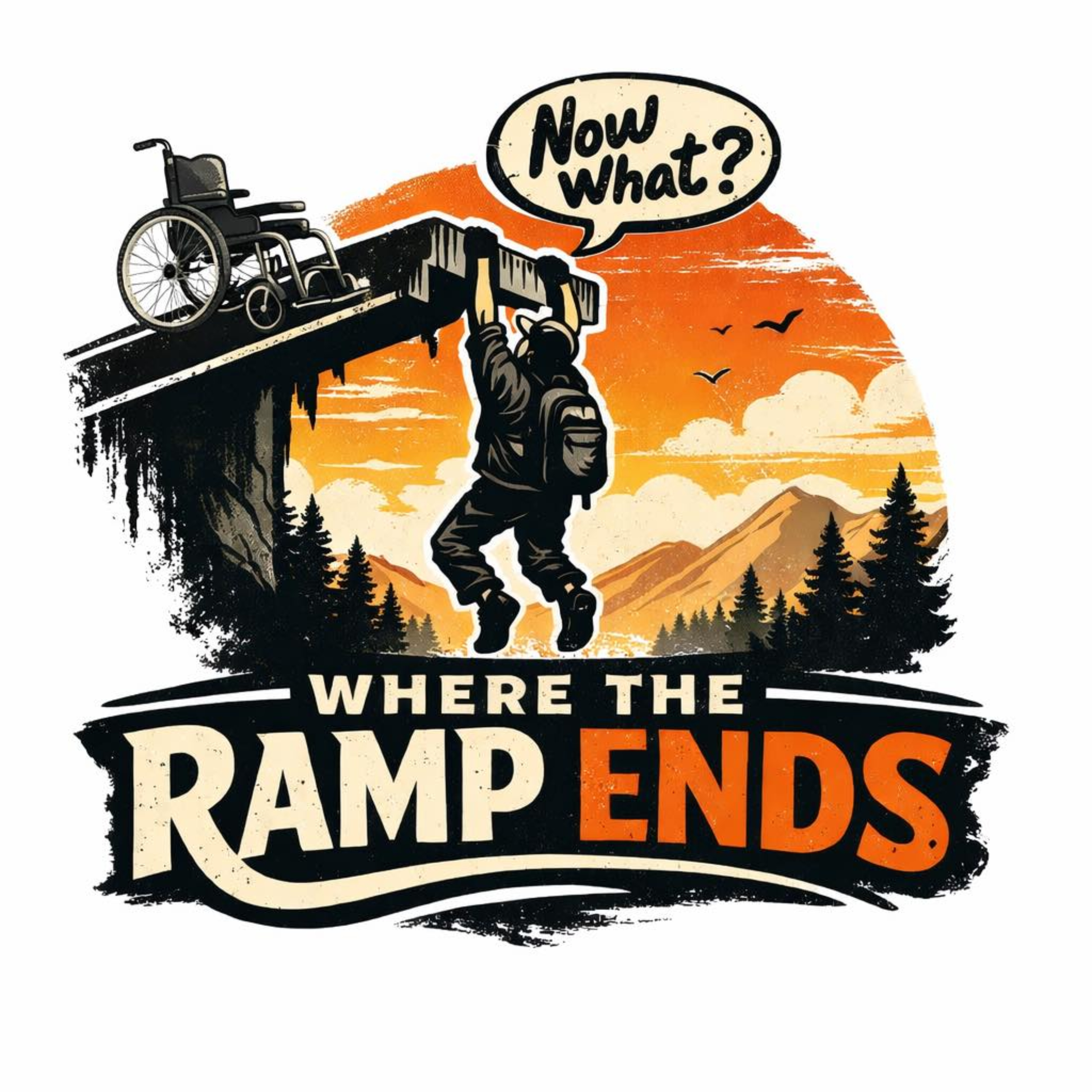
Where the Ramp Ends is a podcast about disability, inclusion, and what happens when good intentions meet real life. Hosted by Summer Parrish and Bryce Wooten, the show centers lived experience, honest conversation, and the voices of people with disabilities, family members, and advocates working to change systems—not just optics. From policy and history to parenting, culture, and everyday barriers, we talk about what inclusion actually looks like when the ramp ends and real access begins.
-
19
From Dominating Ironman Races to Building a Movement—Kyle Pease’s Blueprint for Making a Difference
Please hit the follow button and rate and review to help others find this podcast. Most people view success as a straight line — but Kyle Pease's story proves it’s a vibrant, unpredictable journey filled with resilience, love, and breakthroughs. When you're told you're never supposed to achieve what you dream of, Kyle flips the script, showing that passion and grit rewrite expectations every single day. If you're ready to embrace your true potential despite the odds, this episode is your wake-up call.Kyle Pease, a lifelong wheelchair user and Ironman champion, shares how his relentless pursuit of inclusion has transformed not only his life but inspired thousands. From training with Skittles and potato chips to conquering Hawaii’s toughest race, his journey reveals the power of perseverance and community. Kyle dives into how he’s built a foundation that’s helped over 4,000 families—and why asking for help, investing in mental health, and embracing independence are pivotal lessons for us all.You'll discover: Kyle's groundbreaking approach to navigating daily life with cerebral palsy, including independent travel on Atlanta’s Marta system and turning societal misconceptions into opportunities for growth. He reveals the significance of caregivers as family, the emotional highs of crossing an Ironman finish line, and why every obstacle is an invitation to prove what’s possible. Plus, insights on fostering inclusion, the importance of role models, and how a mindset focused on love and hope sparks extraordinary achievements.Living with a disability doesn’t mean living on the sidelines — it means breaking barriers, rewriting success stories, and inspiring the next generation to dream bigger. Whether you're a caregiver, athlete, parent, or someone seeking to unlock your own potential, this episode offers radical optimism and actionable wisdom to challenge what you thought was possible.Perfectly suited for those ready to transform limitations into launchpads for greatness, Kyle’s story will stay with you long after the final seconds of the race. Hit play and get inspired to see your own life as a race worth running.Guest Credibility:Kyle Pease is an Ironman finisher, two-time World Champion, and founder of the Kyle Pease Foundation, dedicated to empowering people with disabilities through sports and community. To learn more about The Kyle Pease Foundation click here.To learn more about Where The Ramp Ends click here.
-
18
Shannon Pinkerton with The Pinkerton Boys Discusses Adoption, Foster Care and Disability
Please rate and review to help others find this podcast. Thank you for your support! Most people view Down syndrome and children with disabilities through a narrow, often negative lens — but Shannon Pinkerton flips that perspective on its head. Shannon and her husband adopted six boys, five with Down syndrome, Shannon shares her inspiring, unfiltered journey of adopting, fostering, and loving children who often fall through the cracks of the system — and proving that these kids are capable of more than society expects.In this heartfelt episode, Shannon challenges the stereotypes that shroud disabilities. You’ll discover how her family’s unwavering approach fosters independence, respect, and dignity for her boys, even in moments that seem like setbacks. From navigating foster care and adoption to breaking down misconceptions and confronting societal ableism, her story is a testament to the power of love and advocacy. She shares practical advice on how to treat children with Down syndrome as “normal,” emphasizing that expectations and community support make all the difference.We break down:How to shift your mindset from pity to empowermentThe importance of exposing children with disabilities to mainstream settingsWhy nurturing biological family connections enriches a child's identityThe impact of community and social media in fighting stigmaReal stories of resilience, including Cameron’s quest to find his biological family and Tracy’s unexpected adoption journeyEvery parent, educator, or caregiver who wants to see beyond labels and unlock the full potential of children with disabilities will find inspiration and actionable strategies here. Shannon’s experience illustrates that when society treats kids with Down syndrome as capable individuals, everyone wins.This episode isn’t just a story — it’s a rallying cry for inclusion, dignity, and love. Perfect for anyone involved in special needs advocacy, fostering, or simply looking to broaden their understanding. Tune in and discover why these kids aren’t just surviving — they’re thriving, with the right support, expectations, and community.Join Shannon and her family in redefining what’s possible — because everyone deserves to be seen, loved, and celebrated.You can follow The Pinkerton Boys on TikTok and on Facebook. You can follow all of Where Ramp Ends socials and stay informed on our projects here.
-
17
Ricki Sabia -Senior Education Policy Advisor, National Down Syndrome Congress
Please rate and review! Hit the follow button and share! Help us grow our audience! Most parents of children with Down syndrome—and even advocates—would agree: understanding and navigating education policy can feel overwhelming and inaccessible. But what if your voice could shape real change, starting today? Ricki Sabia, Senior Education Policy Advisor at the National Down Syndrome Congress, shares the powerful story of how she shifted from a concerned parent to a fierce advocate influencing federal and state policies that impact millions of children like hers—and yours. Her journey proves that even small actions can spark systemic transformation.In this heartfelt and insightful episode, Ricki recounts her initial moments of advocacy sparked at the beach, observing her son’s uncertain future, and how she turned that worry into a call for systemic change. You'll discover concrete strategies for effective advocacy—whether you're confronting IEP meetings for the first time or advocating for inclusive education policies at the national level. Ricki breaks down complex topics like IDEA, federal funding, and the importance of community-based services, making these essential issues accessible and actionable for families everywhere.We break down the evolution of educational inclusion, highlighting how attitudes, policies, and community support have shifted—and why there’s still work to do. You'll learn: how to advocate assertively but collaboratively in school meetings, ways to build lasting relationships with educators, and why your personal story holds transformative power. Ricki shares practical tips for parents feeling intimidated at IEP meetings, and reveals the importance of setting future-focused goals—like independent living and employment—that can dramatically change your child's life trajectory. This episode isn’t just about policy—it's about empowering you to be a catalyst for change. Whether you’re new to advocacy or seasoned in activism, Ricki’s insights remind us that every voice matters. Her inspiring perspective prioritizes inclusion, respect, and the belief that every child can reach their full potential when we work together to dismantle barriers. Perfect for parents, educators, and advocates committed to creating a future of opportunity and respect for all children with disabilities.Join us as Ricki Sabia models how lived experience, persistence, and a passion for justice can turn personal challenges into powerful advocacy tools. Discover how your voice, big or small, can help shape a more inclusive, equitable future—one policy change at a time.All the resources Ricki mentioned in the podcast are here:NDSC website https://ndsccenter.org/NDSC Policy Pulse https://ndsccenter.org/policy/action-center/the-policy-pulse.htmlNational Down Syndrome, Advocacy Coalition (NDAC) information and free application https://ndsccenter.org/policy/national-down-syndrome-advocacy-coalition-ndac/Sign up for NDSC action alerts https://www.votervoice.net/mobile/NDSCCenter/HomeNDSC policy and advocacy resources. Find policy briefs for families on education here https://ndsccenter.org/policy/advocacy-training-resources/briefs.htmlNDSC DC Policy Summit September 29-30 2026. Registration opens May 14. https://ndsccenter.org/policy/ndsc-down-syndrome-policy-summit/TIES Center on Inclusive Policies and Practices for Students with Significant Cognitive Disabilities https://tiescenter.org/One pager with clickable links for TIES briefs https://ndsccenter.org/file_download/fd5f32f2-7e8d-405f-a0ce-a4c81cb4db10Find all the ways to connect with Where The Ramp Ends here:Where The Ramp Ends
-
16
Empowering Disability Advocacy: A Conversation with Morgan Davis
Please rate and review this podcast to help us reach more listeners. In this episode of Where the Ramp Ends, Bryce Wooten sits down with Morgan Davis, a passionate disability advocate living with cerebral palsy. They explore Morgan's journey through advocacy, the importance of representation, accessibility, and how societal perceptions shape experiences for people with disabilities.Main Topics:Morgan Davis’s advocacy journey and leadership programs like YLF and Partners in PolicymakingThe social model of disability and the importance of representation in media and educationPractical and simple accommodations for accessibility in daily life and workThe concept of dignity of risk and independence for people with disabilitiesThe intersection of disability with race, identity, and DEI effortsChallenges in transportation, healthcare, and the financial burdens faced by the disability communityTimestamps:(00:00) - Introduction to Morgan Davis and her advocacy background(02:04) - How leadership programs like YLF and LEND shaped Morgan’s advocacy skills(08:05) - Key lessons Morgan wishes she could tell her younger self(09:32) - Advice for parents of children with disabilities starting their advocacy journey(10:11) - The analogy of moving leaves on the road as advocacy in action(13:32) - The high cost of transportation when attending college with a disability(15:30) - Financial burdens and employment barriers faced by people with disabilities(18:49) - Simple accommodations such as glasses and voice-to-text technology(22:45) - The importance of proper resources and awareness of assistive technology providers like AbleTech(35:21) - Challenging misconceptions: disability as part of DEI and social inclusion(43:01) - Morgan’s reflections on her journey from disinterest to empowerment through knowledge(47:01) - The importance of mentorship and representation in media and society(49:27) - The need for accurate media portrayals of disability and social model understanding(50:04) - Addressing the stigma around dating and relationships with disability(54:26) - Personal story of taking Julia to the bowling alley and advocating for her independence(58:23) - Dignity of risk: empowering people with disabilities to make their own choices(61:13) - Morgan’s legacy and her hopes for future advocacy impact(63:38) - Final thoughts from Morgan on her journey and encouragement for othersResources & Links:Morgan Davis InstagramOklahoma AbleTechDisability Rights Movement historyPartners in PolicymakingConnect with Morgan Davis:LinkedInTwitterAdditional Notes:Morgan emphasizes that disability rights and understanding must be integrated into education at all levels, advocating for universal design and early representation. She also highlights the personal and societal benefits of viewing disability through the social model lens—a view that society's barriers, not individual impairments, create disability. Her inspiring journey encourages ongoing advocacy, representation, and compassion to foster inclusion and dignity for all.You can find all of Where The Ramp Ends links including contact information here:https://www.fixfinderusa.com/other-services/where-the-ramp-ends
-
15
Julie Forrest Wyman On Her Film "The Tallest Dwarf"
Julie Forest Wyman’s documentary, The Tallest Dwarf, shatters misconceptions, offering a fresh perspective on body image, identity, and community. Set to premiere on PBS’s Independent Lens on April 6th, this powerful film invites you into a world often misunderstood and misrepresented, revealing the resilience, autonomy, and humor of little people with dwarfism. In this episode, Julie shares her transformative 11-year journey of making the film—why she initially hesitated to include her own story, and how her personal experience with body diversity fueled her passion to challenge societal narratives. You’ll discover how she navigated the ethical minefield of representation, avoiding stereotypes and Fetishism, and instead empowering individuals to tell their own stories authentically. She recounts moments of self-doubt, the importance of community and support, and the unexpected revelations about her own body and identity. We break down key themes: the legacy of ableism, the importance of diversity in representation, and the ethical considerations in advocating for marginalized communities. Julie discusses her creative process, the importance of film as a tool for visibility, and how humor becomes a vital weapon against stigma. You'll learn why her film is more than a documentary—it's a call to recognize the humanity behind societal labels and a blueprint for viewers to rethink body image and inclusivity. This episode underscores why understanding and supporting minority communities through exposure and authentic storytelling is critical. If you’re passionate about social justice, filmmaking, or fostering acceptance, this is essential listening. Julie’s insights inspire action, empathy, and a deeper understanding of what it truly means to be seen. Whether you’re a parent, artist, or advocate, you’ll walk away with concrete takeaways on how to foster inclusion in your own circles—and why amplifying marginalized voices is more urgent than ever. Tune in to learn how one filmmaker’s heartfelt journey is building bridges, reshaping narratives, and inspiring a more compassionate worldview. Julie Forest Wyman is an acclaimed filmmaker and professor at UC Davis, whose work bravely confronts societal biases about bodies and identity, championing community and autonomy through her art. This episode is perfect for storytellers, students of social justice, body positivity advocates, or anyone eager to understand the power of representation and the importance of dismantling ableism. Prepare to be inspired, challenged, and motivated to see the world—and yourself—in a new light.Follow Julie and her work on Instagram. And follow The Tallest Dwarf here. Please rate and review this podcast to help others find us. You can follow Where The Ramp Ends on Facebook, Instagram and TikTok.
-
14
Advocate, Comedian, Teacher: Michael' Beer's Journey in Disability History
Please follow, rate and review to help others find this podcast. You can find more about Comedians With Disabilities here. You can follow Where The Ramp Ends on Facebook, Instagram and TikTok Most people don't realize that understanding the history behind disability rights can ignite your advocacy and reshape your entire perspective—until they hear Michael Beers’ powerful stories. In this episode of Where the Ramp Ends, Michael, a comedian, advocate, and history-maker, reveals the pivotal moments that transformed his outlook on disability, identity, and activism. Imagine discovering that the laws meant to protect us, like Section 504, were enacted only after years of protest—by fierce activists willing to take over federal buildings for 28 days. Michael shares how these monumental events and iconic figures like Judy Heumann inspired him to find his voice. He talks about his own journey from masking his disability to embracing it fully through comedy, advocacy, and community. You’ll learn how his battle with societal norms, the importance of shared stories, and the power of staying visible forge the path for real inclusion. You'll discover: the significance of disability history in cultivating confidence and resilience; practical advice for beginners in advocacy—like simply showing up and embracing failure; and eye-opening statistics about the loneliness and limited social connections faced by people with disabilities. Michael emphasizes that despite progress, our community still faces systemic barriers that require collective effort and authentic representation. Why does this episode matter? Because the more we understand our shared history, the better equipped we are to challenge outdated stigmas and build a future where everyone’s voice matters. Whether you're a seasoned advocate or just starting out, Michael’s stories ignite a call to action—show up, speak out, and create spaces for others to thrive.Perfect for advocates, educators, allies, and anyone curious about disability rights and community building. Tune in to learn how one stage, one story, and one moment in history can ripple through generations, inspiring courage—and change.Guest credibility: Michael Beers is a comedian, advocate, and lifelong disability rights supporter known for his humor, activism, and storytelling that bridge communities and spark real change. Why this works: The opening hooks the listener with a compelling story that highlights activism’s power and invites curiosity. The body builds intrigue around historical moments and personal insights, emphasizing transformation and practical steps. It leaves the listener inspired and motivated to listen deeper, knowing this episode offers tangible hope and action.
-
13
Inspiring Advocacy: Bobby Kern's Journey
If you’re enjoying the podcast, please leave a rating and review to help others find it—and be sure to hit follow so you don’t miss new episodes! In this episode, Bryce Wooten and Summer Parrish engage with Bobby Kern, a professor and disability advocate, who shares his personal journey as a father of a son with Down syndrome. Bobby discusses the importance of transparency in sharing their experiences on social media, the unique challenges fathers face in disability advocacy, and the lessons learned from the Partners in Policymaking program. He emphasizes the need for inclusive environments in churches and educational institutions, the significance of social connections for individuals with disabilities, and his aspirations for his son's future. The conversation highlights the importance of dreaming big and advocating for a more inclusive society. takeawaysBobby shares his journey as a father of a son with Down syndrome.Transparency on social media has helped many families.Fathers often struggle with emotional expression in parenting.The importance of dreaming big for all family members.Society often limits the potential of individuals with disabilities.Disability education is crucial in universities.Churches should be inclusive spaces for everyone.Social connections are vital for individuals with disabilities.Bobby's advocacy work focuses on creating inclusive church environments.Legacy is about being a supportive parent and encouraging independence. Follow Where The Ramp Ends on Facebook,Instagram, TikTok and YouTube.
-
12
Dr. Guy Caruso - Changing Roles, Changing Lives
Please Rate and Review to help others find us!And follow us wherever you are listening to this podcast, that will help us to continue to grow and reach more listeners. In this enlightening conversation, Guy Caruso discusses the principles of Social Role Valorization (SRV) and its evolution from normalization. He emphasizes the importance of helping individuals with disabilities achieve valued roles in society, advocating for high expectations from families, and the need for inclusive practices in education and community settings. Caruso shares examples of successful SRV implementations, addresses common concerns about inclusion, and highlights the role of language in shaping perceptions of disability. He expresses hope for the future of SRV, driven by families and individuals advocating for change, and reflects on his legacy in the field of disability advocacy.Easy to read tip sheets on SRV https://issuu.com/keystoneinstituteindia/docs/srv_tip_sheets_2024Website for SRV with tabs About SRV, PASSING, Membership, Resources, Training and Eventshttps://socialrolevalorization.com/srv-theory-about-srv/srv-theory/https://family-advocacy.com/social-role-valorisation/#:~:text=What%20ideas%20can%20we%20draw,(football%20supporter%2C%20dancerYou can find Where The Ramp Ends LinkTree here:https://linktr.ee/where.the.ramp.ends
-
11
Jill Jacobs - Executive Director of NACDD
🎧 Follow and subscribe wherever you listen to podcasts.⭐ Leave a rating and review to help more people find the show.📲 Like, share, and tag someone who needs to hear these conversations.Your support helps us keep these important discussions going. In this conversation, Bryce Wooten speaks with Jill Jacobs, the executive director of the National Association of Councils on Developmental Disabilities (NACDD). They discuss the importance of advocacy for individuals with disabilities, the role of leaders with lived experience, and the impact of community and policy on the lives of people with intellectual and developmental disabilities. Jill shares her personal journey into disability advocacy, emphasizing the need for action and connection within the community. The conversation also highlights the significance of Disability Awareness Month and encourages listeners to find their community and advocate for change.Find out more about NACDD here. Follow Where The Ramp Ends on Facebook, Instagram, and TikTok.
-
10
Dignity of Risk - Michelle Tetschner
🎧 Follow and subscribe wherever you listen to podcasts.⭐ Leave a rating and review to help more people find the show.📲 Like, share, and tag someone who needs to hear these conversations.Unlock the true potential of independence for people with disabilities—Michelle Tetschner shares her inspiring journey of advocating for her son Raymond’s autonomous life, including living independently at 23 and confidently managing daily supports. Discover how intentional parenting, community building, and challenging outdated systems can transform limitations into opportunities for joy, dignity, and belonging.In this episode, you'll hear Michelle's powerful stories about pushing back against restrictive regulations, turning everyday challenges into growth opportunities, and fostering genuine confidence in her son. She shares concrete strategies for cultivating independence from a young age—like teaching safety, practicing decision-making, and creating meaningful routines—and how seeing role models and peer influence sparks lasting change. Michelle also discusses how systems often misunderstand or underestimate individuals with disabilities, and what we must do to reform those narratives.You'll explore how interdependence, community, and supporting risks are essential for fostering true independence. She tackles tough questions: How early should parents start advocating for independence? How do we overcome societal stereotypes of forever children? And what legacy do we hope our children leave? Her honest reflections and practical advice challenge the status quo, encouraging parents, educators, and advocates to think bigger and embrace a future where everyone can thrive. This episode is perfect for parents navigating the journey of independence, educators aiming to create inclusive environments, and anyone committed to dismantling barriers for individuals with disabilities. Michelle’s stories demonstrate that with intentional support, community trust, and a bit of humor, we can radically change what’s possible—and start building a world where every individual’s independence is celebrated and supported.Why this works:This episode immediately captivates with Michelle’s extraordinary story of her son Raymond living independently, breaking common stereotypes. It offers specific strategies and insights tailored for parents and advocates striving to foster independence, balancing emotional depth with practical advice. The emotional appeal, sense of hope, and focus on systemic change make it compelling and shareable—encouraging listeners to imagine and work toward a more inclusive future.Follow Where The Ramp Ends on Facebook, Instagram and TikTok You can follow Michelle Tetschner here. And you can buy a copy of her book "Fully Included, Stories to Inspire Inclusion" here.
-
9
Mike Dodd: Parenting a Child with Down Syndrome and Speaking Up Online
In this episode of 'Where the Ramp Ends', host Summer Parrish and Bryce Wooten welcome Mike Dodd, a father and social media advocate for children with Down syndrome. Mike shares his personal journey of parenting his son Grayson, who has Down syndrome, discussing the emotional challenges and joys that come with the diagnosis. He emphasizes the importance of advocacy, representation, and the need for fathers to share their experiences in the disability community. The conversation highlights the significance of inclusion, understanding, and the shared humanity of all children, regardless of their abilities.Please support our mission by following us where ever you listen to your podcast. You can also follow us on Facebook, Instagram, TikTok and YouTube. You can follow and support Mike and his family on TikTok, Instagram and Facbook. TakeawaysMike Dodd is a father and social media advocate for children with Down syndrome.The emotional journey of receiving a Down syndrome diagnosis can be overwhelming for parents.Advocacy and representation are crucial in the disability community, especially for fathers.Social media can be a platform for sharing real-life experiences and challenges of parenting a child with disabilities.Inclusion and understanding are essential for children with disabilities to thrive in society.Parents should allow their children to experience failure as part of their growth.The importance of patience and love in parenting children with special needs.Mike emphasizes that all children, regardless of their abilities, want to be included and accepted.The need for more fathers to share their stories and experiences in the disability community.Building a supportive community can help parents navigate the challenges of raising children with disabilities.
-
8
Empowering Lives: The 4RKids Journey
In this episode of 'Where the Ramp Ends', hosts Summer Parrish and Bryce Wooten engage with Barbara Whinery, a passionate advocate for individuals with disabilities. Barbara shares her journey of founding '4RKids', an organization dedicated to providing employment and support for individuals with disabilities. The conversation explores the importance of community, innovative employment opportunities, and the impact of advocacy on personal growth and communication skills. Barbara emphasizes the need for a supportive village and the legacy she hopes to leave behind, inspiring listeners to take action in their own communities.https://www.4rkids.com/https://www.facebook.com/4RKidsClick here for all Where The Ramp Ends links,
-
7
Breaking Barriers: Tyler Bond's Journey in Advocacy
SummaryIn this episode of 'Where the Ramp Ends,' hosts Summer Parrish and Bryce Wooten engage in a heartfelt conversation with Tyler Bond, a statewide disability advocate living on the autism spectrum. Tyler shares his personal journey, discussing the importance of individuality beyond labels, the impact of family support, and the misconceptions surrounding autism. He emphasizes the significance of advocacy, both for oneself and within the community, and offers insights on building confidence in social situations. The discussion also touches on the role of parents and educators in fostering inclusion, the experiences gained from the Partners in Policymaking program, and reflections on historical institutions that have shaped the disability rights movement. Tyler's story is a powerful reminder of the ongoing fight for disability rights and the importance of community connections.TakeawaysTyler Bond emphasizes the importance of individuality beyond labels.Family support plays a crucial role in building confidence.Misconceptions about autism often stem from media representation.Advocacy begins with self-acceptance and understanding one's challenges.Social skills can be developed through consistent practice and encouragement.Parents should encourage their children to engage in diverse social settings.Educators must do their research to create inclusive environments.Partners in Policymaking provides valuable insights into disability rights.Community connections are vital for personal growth and support.Historical institutions highlight the ongoing need for advocacy and reform.
-
6
Al Condeluci: Building Bridges in Advocacy
In this episode of 'Where the Ramp Ends', Summer Parrish and Bryce Wooten engage with Al Condeluci, a prominent advocate for disability inclusion and community building. Al shares his personal journey into advocacy, rooted in his childhood experiences with his cousin who had Down syndrome. The conversation explores the importance of social capital, the need for inclusive environments, and strategies for building bridges between individuals with disabilities and the broader community. Al emphasizes that advocacy can be gentle and that understanding and attitude play crucial roles in fostering inclusion. The episode concludes with reflections on legacy and the impact of advocacy on humanity.https://www.alcondeluci.com/
-
5
Advocacy in Action: Supporting Families with Meske Owens
Most caregivers and educators overlook one of the most powerful tools for supporting children with disabilities: understanding trauma and lived experience. In this eye-opening episode of Where the Ramp Ends, mental health advocate Meski Owens shares how rethinking trauma-informed approaches can transform behavior management, foster genuine connection, and ultimately change systems that perpetuate neglect.Meski, a former nurse turned policy advocate in Oklahoma, reveals the profound impact of viewing behaviors as communication—especially when it comes to children on the spectrum or with other invisible struggles. You'll discover how early intervention, trauma awareness, and community involvement create ripple effects that extend far beyond the classroom or clinic. Meski's unique perspective bridges lived experience with policy reform, illustrating how small shifts in mindset can lead to powerful societal change.We break down:The importance of viewing trauma as a disability that rewires brain function and how this understanding shifts caregiver responses.Practical steps to make environments more trauma-informed, emphasizing safety, connection, and dignity.How advocating for early screening and universal assessments can prevent decades of barriers and misdiagnosis.Why society's focus on fixing children ignores the systemic roots of behavior and trauma.The critical role of culture, politics, and parent mindset in creating lasting change for all generations.This episode matters because neglecting trauma can lead to more behavioral challenges, justice issues, and missed potential. By understanding and implementing trauma-informed strategies, you can become part of a movement that values all children and adults for who they are—flaws, traumas, and all.Perfect for teachers, parents, policymakers, and advocates committed to rewiring systems and reshaping perceptions—this conversation is a call to action to see every individual as capable, resilient, and deserving of dignity.Guest Credibility:Meski Owens is an early childhood policy and family systems consultant based in Oklahoma City. Certified in protective factors and trained in TBRI, PCIT, and Circle of Security, she combines lived experience with policy expertise to empower communities and change lives.Join us and discover: how shifting our perspective on trauma and behavior can truly change the world, one person at a time.
-
4
How an Ironman Race Built a Bond That Changed Everything
What if crossing a finish line wasn’t just about winning a race, but about breaking barriers and rewriting perceptions? Rian and Bryce's story will challenge everything you believe about ability, inclusion, and friendship. When Rian and Bryce team up to they create a bond that transforms not only their lives but the narrative around what’s possible for the differently abled community—and for all of us.In this episode, you’ll discover how a chance encounter in a living room led to a life-changing friendship rooted in vulnerability, trust, and shared purpose. Rian shares the raw, emotional journey of immersing himself in Bryce’s world—navigating society’s obstacles, discovering the depths of patience, and building a brotherhood forged in 140.6 miles of grueling endurance and unwavering loyalty. Bryce recounts their powerful training together, from long bike rides feeling every bump to the unpredictable mental hurdles of an Ironman day that seemed impossible—yet proved that resilience and connection can conquer any challenge. You’ll hear stories of vulnerability that reveal the extraordinary strength in authentic connection, and practical steps you can take starting today—volunteering, small acts of kindness, or simply asking questions instead of making assumptions. Their journey underscores a profound truth: real change happens when we immerse ourselves in others’ worlds and lead with compassion.This isn’t just about racing; it’s about redefining human capability. Perfect for anyone craving inspiration, advocates for inclusion, or those eager to make a meaningful impact in their communities. Bryce and Ryan show us that when we choose to see beyond differences, we unlock a powerful truth: we’re all capable of more than we think, especially when we do it together.Are you ready to challenge your beliefs, deepen your understanding, and be part of a movement that’s changing lives? Tune in now and discover how just one act—one genuine connection—can make all the difference.🎧 Listen to Where The Ramp Ends wherever you get your podcasts.Follow us for new episodes, stories, and conversations that challenge how we think about access, inclusion, and community.You can follow Rian on Instagram @tridat365And you can follow Where The Ramp Ends on Facebook and TikTok
-
3
Getting to Know Bryce: His Story, His Work and His Values
In this introductory episode of Where the Ramp Ends, we sit down to get to know Bryce—his story, his work, and the values that guide how he shows up in advocacy spaces.Bryce shares how relationships, community, and intentional connection shape his approach to disability advocacy and systems change. We talk about why belonging matters more than programs alone, how listening changes outcomes, and what it really means to walk alongside individuals with disabilities and their families.This conversation sets the foundation for Where the Ramp Ends: honest dialogue, lived experience, and the belief that progress happens when we build relationships—not just ramps.Whether you’re a parent, professional, advocate, or ally, this episode introduces the perspective that will help guide many of the conversations ahead.
-
2
This Is Where The Ramp Begins
In our very first episode, hosts Summer Parrish and Bryce introduce Where the Ramp Ends—a podcast about disability, inclusion, and what happens after the bare minimum is met. We talk about why we started this show, what “access” really looks like in everyday life, and why lived experience matters more than performative inclusion.This episode sets the foundation for future conversations about parenting, policy, culture, history, and the systems that impact people with disabilities and their families. Honest, candid, and grounded in real life, Where the Ramp Ends is about moving past checklists and into meaningful change.
We're indexing this podcast's transcripts for the first time — this can take a minute or two. We'll show results as soon as they're ready.
No matches for "" in this podcast's transcripts.
No topics indexed yet for this podcast.
Loading reviews...
ABOUT THIS SHOW
Where the Ramp Ends is a podcast about disability, inclusion, and what happens when good intentions meet real life. Hosted by Summer Parrish and Bryce Wooten, the show centers lived experience, honest conversation, and the voices of people with disabilities, family members, and advocates working to change systems—not just optics. From policy and history to parenting, culture, and everyday barriers, we talk about what inclusion actually looks like when the ramp ends and real access begins.
HOSTED BY
Where The Ramp Ends
Loading similar podcasts...
Frequently Asked Questions
How many episodes does Where The Ramp Ends have?
Where The Ramp Ends currently has 18 episodes available on PodParley. New episodes are automatically indexed when they're published to the podcast feed.
What is Where The Ramp Ends about?
Where the Ramp Ends is a podcast about disability, inclusion, and what happens when good intentions meet real life. Hosted by Summer Parrish and Bryce Wooten, the show centers lived experience, honest conversation, and the voices of people with disabilities, family members, and advocates working to...
How often does Where The Ramp Ends release new episodes?
Where The Ramp Ends has 18 episodes. Check the episode list to see recent publication dates and frequency.
Where can I listen to Where The Ramp Ends?
You can listen to Where The Ramp Ends on PodParley by clicking any episode. We provide an embedded audio player for direct listening, and you can also subscribe via your preferred podcast app using the RSS feed.
Who hosts Where The Ramp Ends?
Where The Ramp Ends is created and hosted by Where The Ramp Ends.
URL copied to clipboard!