
EPISODE · Oct 3, 2023 · 33 MIN
#164 Application and Workload Portfolios in Cloud Migration
from Embracing Digital Transformation
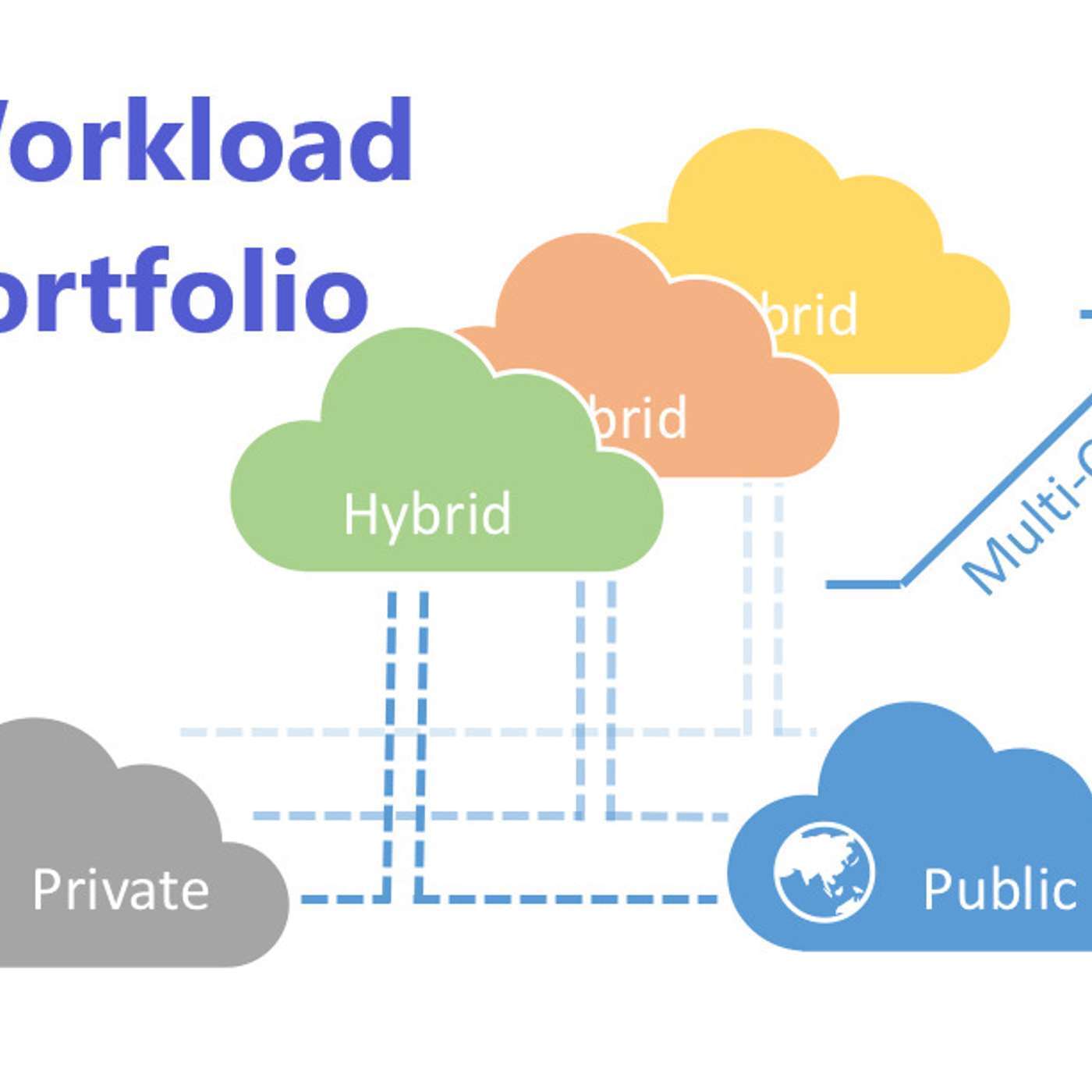
In this episode, Darren interviews Sarah Musick, Cloud Solution Architect at Intel. Together, they dive into the topic of application and workload portfolios in cloud migration. With Sarah's background in cloud consulting and optimization, she brings valuable insights to the discussion. Understanding Application and Workload Portfolios in Cloud MigrationWhen it comes to cloud migration, organizations generally fall into two groups. The first group consists of cloud-native organizations that have architected their applications in the cloud, eliminating any data center dependencies. The second group adopts a hybrid strategy, relying on both the data center and the cloud. However, even these hybrid organizations may have technical debt that needs to be addressed.One of the main challenges in cloud migration is understanding the complexity of applications and workloads. Sarah introduces the concept of "political capital" an application carries. While external-facing and customer-focused applications often receive the most attention and investment, smaller applications that may not seem significant can have a substantial impact on the organization if they malfunction or are neglected. The Importance of Application RationalizationSarah shares a personal experience that highlights the importance of considering the overall portfolio of applications and workloads during cloud migration. She witnessed a disruption to the business caused by the lack of attention to a seemingly small customer-facing application. This experience underscores the need for organizations to conduct a thorough analysis and rationalization of their application portfolio before migrating to the cloud.By understanding the complexities and dependencies of applications and workloads, organizations can ensure a smooth transition to the cloud with fewer surprises or disruptions. Sarah emphasizes the need for organizations to prioritize application rationalization to identify critical applications that may require additional investment and attention, even if they are not the most visible ones. To Touch or Not to Touch: Assessing Workloads for Cloud MigrationWhile migrating workloads to the cloud can bring numerous benefits, it may not always be necessary or beneficial to touch certain workloads or applications. Some workloads may have been running smoothly for years and are critical to the organization's operations. In such cases, it may not make sense to make any changes or migrate them to the cloud.Factors to consider when making the decision include the level of customization and integration of the workload, the presence of technical debt, and the upcoming retirement of legacy systems. However, it is essential to regularly reassess these workloads to ensure they continue to meet the organization's needs. Monitoring industry trends and technological advancements can help identify potential changes in the future. Navigating Compliance Requirements in Cloud MigrationCompliance requirements can pose challenges in cloud migration, especially for organizations in regulated industries. However, cloud service providers have made significant progress in addressing these concerns. They offer tools and services that help automate compliance monitoring and reporting, making it less burdensome for organizations to stay compliant.To navigate these challenges, organizations should conduct a thorough assessment of their compliance requirements. Consulting with experts who can provide guidance on compliance standards and design a cloud architecture that meets these requirements is crucial. Regular audits and monitoring should be implemented to ensure ongoing compliance. ConclusionIn this podcast episode, Darren Pulsipher and Sarah Musick shed light on important aspects of cloud migration, including the rationalization of application portfolios, decision-making regarding touching workloads, and addressing compliance requirements. By understanding these factors and actively managing technical debt, organizations can embark on a successful cloud migration journey, leveraging the agility and flexibility offered by the cloud while minimizing risks and disruptions.See Privacy Policy at https://art19.com/privacy and California Privacy Notice at https://art19.com/privacy#do-not-sell-my-info.
NOW PLAYING
#164 Application and Workload Portfolios in Cloud Migration
No transcript for this episode yet
Similar Episodes
Apr 21, 2026 ·13m
Apr 19, 2026 ·16m
Apr 17, 2026 ·13m
Apr 13, 2026 ·11m
Apr 11, 2026 ·16m