
EPISODE · Aug 22, 2024 · 31 MIN
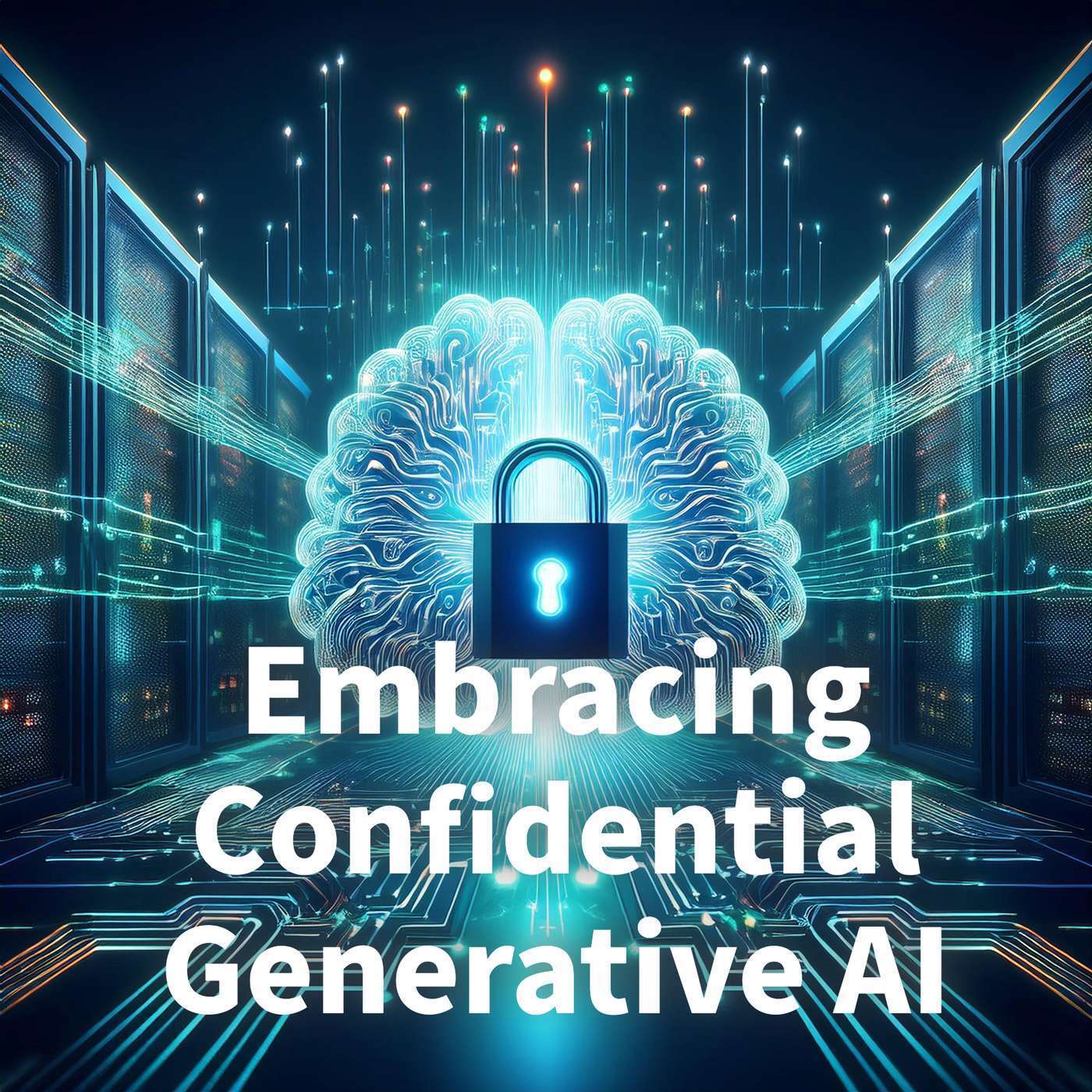
#219 Embracing Confidential Generative AI
from Embracing Digital Transformation
Confidential computing is starting to take hold in industries where data privacy and personal data protection are important. The rise of Generative AI and the lack of protection are the perfect backdrop for the conversation Darren has with returning guest Patrick Conte, VP of sales from Fortanix.As the world increasingly turns to artificial intelligence, the importance of robust data security can no longer be overlooked. With the rise of Generative AI activities, questions arise about protecting sensitive data while leveraging its potential. In this blog post, we will explore essential concepts surrounding confidential computing, the relevance of security from development to deployment, and actionable steps organizations can take to safeguard their AI models.The Landscape of Confidential ComputingConfidential computing represents a paradigm shift in how we think about data security. Traditionally, encryption protects data at rest and in transit, but what happens when that data is actively being used? Enter confidential computing, which ensures that sensitive data remains encrypted even during processing. This technology uses trusted execution environments (TEEs) to create isolated, secure spaces for processing data, effectively creating a fortress around your most sensitive information.Imagine having a data pipeline where all information is encrypted and can only be decrypted within a controlled environment. No more worries about unauthorized access or misinformed data leaks! For technologists and business leaders, this is not just a technical necessity, but a strategic advantage that empowers them to confidently pursue AI initiatives. They can do so, knowing their proprietary data and intellectual property are maintained at a high level of protection.Real-World ApplicationsUsing real-world applications can help illustrate the capabilities of confidential computing. For instance, companies involved in drug development can securely share sensitive research data without exposing it to competitors. Likewise, organizations can collaborate on AI models by sharing data insights while safeguarding individual data sets against leakage. This collaboration fosters innovation while ensuring compliance with data protection regulations.It’s essential to recognize that confidential computing's application goes beyond protecting data during model training and inference. It extends to various sectors, including healthcare, finance, and public utilities, each handling sensitive information daily. Leveraging confidential computing can improve security and trust among users, customers, and partners.Embracing AI GuardrailsWith the rise of Generative AI, new challenges warrant immediate attention. High-profile data breaches and manipulating AI models highlight the need for proactive measures—this is where AI guardrails come into play. These guardrails help delineate clear boundaries for data usage, ensuring compliance and security alongside innovation.Organizations must adopt mechanisms that ensure role-based access controls, data lineage, and auditing capabilities across all AI processes. These guardrails prevent unauthorized users from accessing or manipulating sensitive information, reducing the odds of data contamination through mishandling.Structuring the AI EcosystemThe first step for those looking to integrate AI guardrails into their organization is understanding their data ecosystem. Develop a comprehensive view of all data touchpoints, from ingestion through processing to analysis. Organizations can pinpoint potential vulnerabilities and implement necessary guardrails by mapping data flows. Next, AI techniques focusing on provenance and lineage should be employed to track and validate the information being processed. Doing so helps mitigate risks associated with data poisoning, bias, and misinformation. Creating a monitoring system ensures any data deviations are promptly addressed, maintaining data integrity.Actionable Steps to Secure Future ModelsAlthough the technical concepts behind confidential computing and AI guardrails may seem daunting, there are actionable steps that organizations can implement to fortify their data security.1. Training and Awareness: Invest in training programs that educate employees about AI security and the importance of protecting sensitive data. A culture of security goes a long way in ensuring everyone from data scientists to C-Suite executives is aligned.2. Policy Development: Set a robust data governance framework that outlines data usage policies, roles, and responsibilities. Clear guidelines will help reduce miscommunication and maintain compliance with industry regulations.3. Strategic Technology Adoption: Explore and implement cutting-edge technologies like confidential computing, machine learning governance, and AI monitoring tools. Aligning your technology stack with an emphasis on security will yield long-term benefits.4. Regular Audits and Updates: Establish an internal audit process to review data handling practices regularly. Keep software and hardware systems up to date to ensure you benefit from the latest security features.By taking these steps and embracing confidentiality within AI, organizations can foster a culture of responsibility and innovation that meets and exceeds evolving security challenges.As businesses adopt AI-driven technologies at an unprecedented pace, integrating robust security mechanisms, such as confidential computing and AI guardrails, is vital. By prioritizing data protection, organizations can innovate responsibly, minimizing risks while maximizing the potential benefits of AI. As a call to action, consider implementing these insights today to safeguard your organization’s future.See Privacy Policy at https://art19.com/privacy and California Privacy Notice at https://art19.com/privacy#do-not-sell-my-info.
NOW PLAYING
#219 Embracing Confidential Generative AI
No transcript for this episode yet
Similar Episodes
Apr 21, 2026 ·13m
Apr 19, 2026 ·16m
Apr 17, 2026 ·13m
Apr 13, 2026 ·11m
Apr 11, 2026 ·16m