
EPISODE · Oct 17, 2024 · 30 MIN
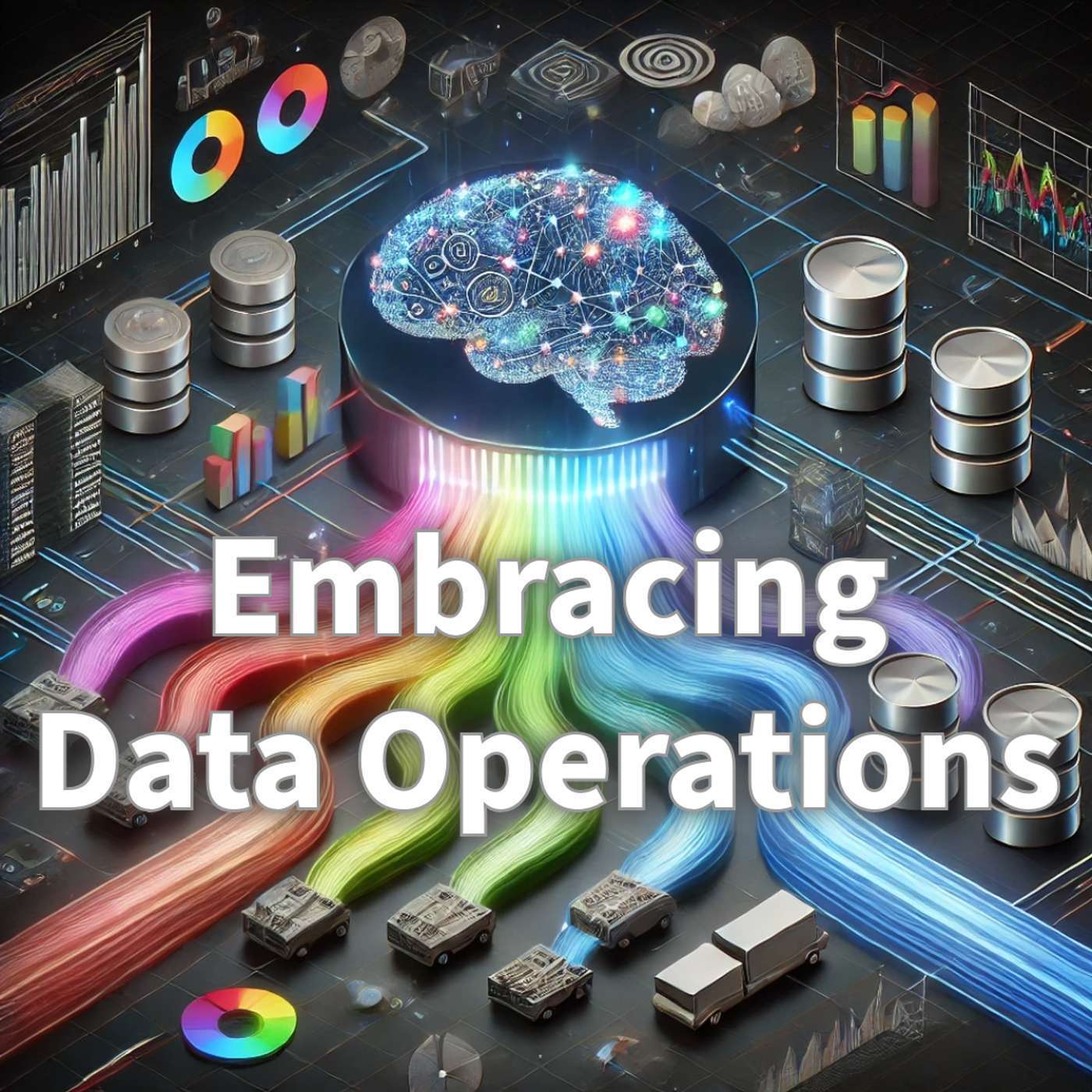
#228 Embracing Data Operations
from Embracing Digital Transformation
The rapid rise of Generative AI has shifted the focus of Chief Innovation Officers (CIOs) from infrastructure management to information and data management. In this episode, Darren interviews Collin Graves, the founder of NorthLabs.# Embracing Data Operations: Building a Solid FoundationIn the rapidly evolving world of technology, data plays a pivotal role in organizational success. The sheer volume and variability of data can overwhelm businesses, making it imperative to establish a strong operational foundation. Understanding the intricacies of data management and operations can set the course for a future where data isn’t just an asset but a competitive advantage. The Importance of Data FoundationAt its core, a robust data foundation revolves around organizing and managing data assets effectively. Many organizations often view data as a byproduct of their operations, failing to recognize its true potential. Data should be treated as a valuable asset that needs to be nurtured, managed, and transformed into actionable insights. Building a solid data foundation typically starts with creating a data lake—a centralized repository where data can be ingested without the need for prior cleaning. This allows organizations to aggregate disparate data sources into one common platform. However, the goal is not merely to collect data but to make sense of it. Implementing a structured data warehouse allows businesses to curate and manage this data, ensuring accurate, reliable, and timely insights.But how do businesses gain end-users' trust in this data? The answer lies in consistency and clarity. By ensuring that all data speaks the same "language" through proper data modeling, organizations can enhance the trustworthiness of their data. As end-users become familiar with reliable datasets instead of scattered local spreadsheets, they'll become more confident in utilizing this data for decision-making. Addressing Data Quality ChallengesAs organizations set out to enhance their data operations, the potential pitfalls of poor data quality become evident. Variability, inconsistency, and inaccuracies can significantly undermine the value of generated data. Research has shown that a staggering proportion of data projects underperform or fail—often due to the very foundation they're built on.To combat data quality issues, organizations must adopt proactive strategies. Rather than attempting to manage the quality of all data sources simultaneously, it's wise to start small. By identifying a few critical data sources that significantly influence decisions, a solid data governance strategy can be implemented. This includes the establishment of standard operating procedures to ensure data accuracy and reliability.Additionally, organizations should leverage technological advances, like generative AI, to assist in cleansing and processing noisy data. These tools can automate the normalization of incoming data, minimizing human error from manual entries. However, identifying the root cause of inaccuracies must also be a priority. This could involve retraining personnel or utilizing system validations to catch errors before they proliferate. Building Trust Through User EngagementWhile establishing a data infrastructure is crucial, fostering an environment of user engagement and trust is equally important. If end-users perceive the data system as cumbersome or if they find the necessary information difficult to access, they may revert to outdated practices, such as relying on individual Excel spreadsheets. To promote trust, organizations must prioritize user education and create intuitive systems accommodating non-technical users. This involves documenting processes, implementing clear workflows, and establishing seamless data access protocols. When users feel confident navigating the system, the likelihood of widespread adoption increases, effectively turning data into a powerful tool for business insights. Training personnel to understand the potential of data and how it can be leveraged in their roles is essential to the success of any data-driven initiative. Emphasizing the importance of accurate data entry and providing front-line employees with the tools to validate their data can foster a culture of accountability and pride. Conclusion: The Path ForwardIn conclusion, embracing data operations is about more than just implementing technology; it’s about creating a cohesive strategy that integrates people, processes, and technology. Organizations willing to invest in building a strong data foundation stand to gain significantly in the long run. By prioritizing data quality, establishing robust governance frameworks, and fostering user engagement, businesses can pivot from viewing data as a mere byproduct to recognizing it as a strategic asset. As the landscape of data continues to evolve, those who adapt will thrive in the digital age. ---As you consider strengthening your own organization's data operations, don't hesitate to seek guidance. Exploring how to streamline your data journey can lead to remarkable outcomes. Share your thoughts on building a data foundation or your experiences navigating data quality challenges in the comments below!See Privacy Policy at https://art19.com/privacy and California Privacy Notice at https://art19.com/privacy#do-not-sell-my-info.
NOW PLAYING
#228 Embracing Data Operations
No transcript for this episode yet
Similar Episodes
Apr 21, 2026 ·13m
Apr 19, 2026 ·16m
Apr 17, 2026 ·13m
Apr 13, 2026 ·11m
Apr 11, 2026 ·16m