
EPISODE · Oct 31, 2024 · 31 MIN
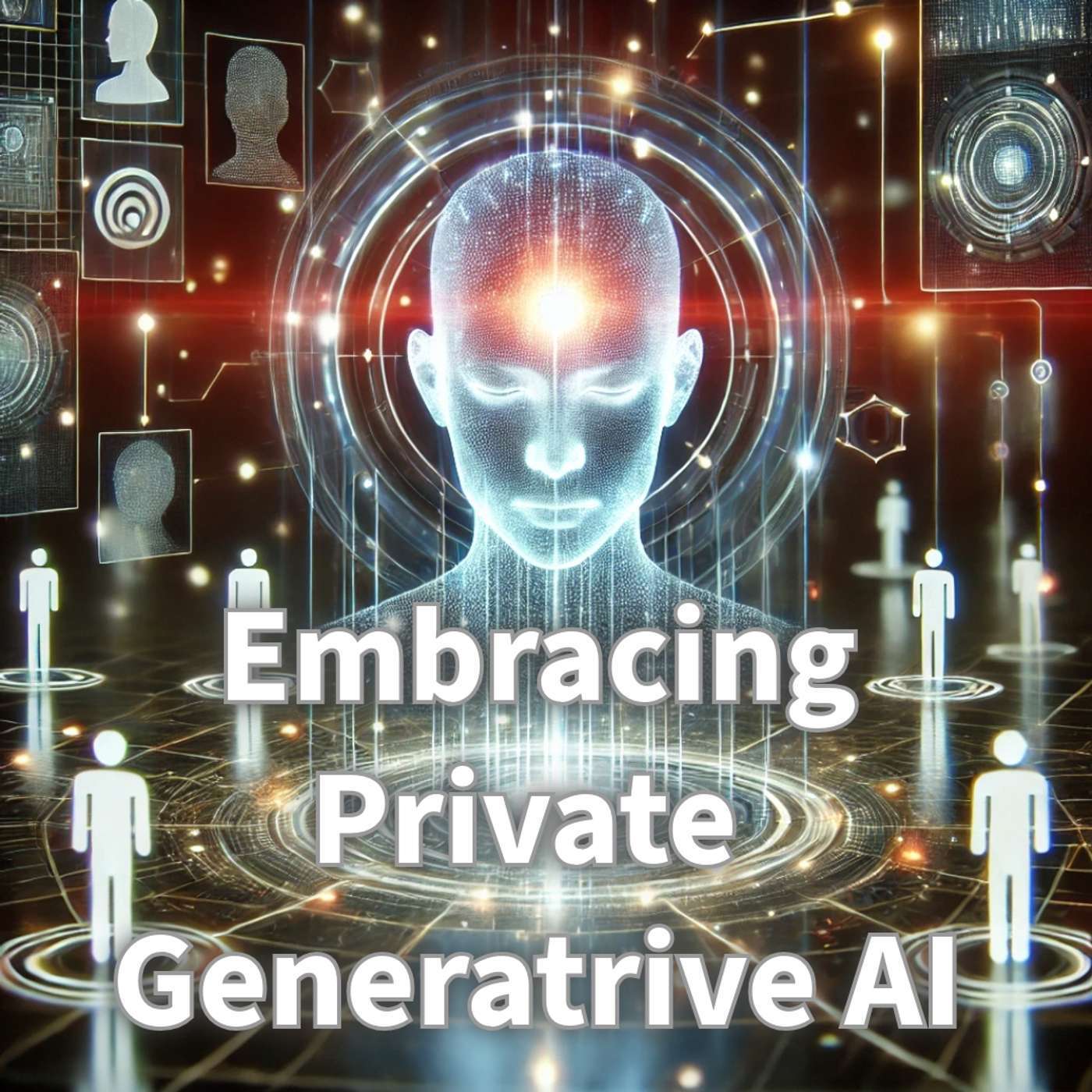
#231 Embracing Private GenAI
from Embracing Digital Transformation
GenAI has transformed the world, sparking significant concerns about data privacy, leakage, bias, and loss of control. However, these concerns can be effectively managed with a unique approach to the prevalent public GenAI. Discover how private GenAI is empowering organizations to regulate and harness this potent new tool. Listen to Darren's insightful interview with Jason Langone, a renowned AI specialist from Nutanix, as he shares his expertise and insights.# Embracing Private Generative AI: The Future of Enterprise TechnologyWith the rapid evolution of technology, especially in the realm of artificial intelligence, businesses are seeking effective ways to harness this power while managing sensitive data. There's a growing interest in **private generative AI**—an approach that allows enterprises to benefit from AI innovations without compromising their data security. In this blog post, we explore the advantages, implementation strategies, and considerations for enterprises interested in adopting private generative AI solutions. The Advantages of Private Generative AI In today's data-driven landscape, **data privacy** is paramount. This concern is particularly pronounced for enterprises dealing with sensitive information. A key advantage of private generative AI is its ability to offer organizations greater control over their data. Unlike traditional public AI services, private solutions ensure that proprietary and sensitive data remains secure within an internal network or a controlled cloud environment. As data breaches and compliance issues become more prevalent, having the ability to safeguard information is not just beneficial—it's essential.Moreover, implementing private generative AI solutions can significantly enhance **performance and reliability**. When operating in a private environment, organizations can tailor their technological resources to their specific workloads. This customization allows for more efficient processing and faster data retrieval, contributing to improved operational effectiveness. Furthermore, enterprises can benefit from fine-tuning AI models to their unique business needs. This level of customization may lead to more insightful and relevant AI outputs, ultimately translating to better decision-making. Best Practices for Implementing Private Generative AIAs more organizations recognize the potential advantages of private generative AI, it’s critical to establish a robust **implementation strategy**. This includes assessing the existing infrastructure to determine if it can support additional AI workloads without significant overhauls. Companies should consider deploying specialized hardware designed to handle the intensive computations associated with AI tasks. While traditional servers may suffice for some AI functions, investing in more advanced hardware is recommended for optimal performance.Another important aspect is establishing a governance framework. As enterprises adopt private generative AI, they must ensure that policies are in place to govern how AI models are accessed and utilized within the organization. This includes controlling who can interact with the AI and ensuring that data handling practices comply with legal regulations. Additionally, implementing a **Retrieval Augmented Generation (RAG)** system can bolster the effectiveness of private AI by ensuring that the models draw from relevant, enterprise-specific databases to produce more contextualized responses. The Evolving Landscape of Generative AI TalentWith the implementation of private generative AI gaining momentum, organizations face the challenge of finding qualified personnel adept at managing these sophisticated technologies. The demand for workers who are not just technically skilled but also understand business needs is on the rise. Organizations must seek out individuals who demonstrate both technological savvy and the ability to apply AI solutions to real-world problems. This could mean hiring from traditional tech backgrounds, investing in training programs, or even fostering internal talent through targeted development initiatives.Encouraging a culture of **continuous learning and exploration** is also crucial. Organizations should provide employees avenues for experimentation with AI technologies. Whether through hackathons, workshops, or dedicated time for research and development, fostering a mindset of innovation can lead to effectiveness in harnessing generative AI capabilities in meaningful ways. Taking the Next StepFor enterprises eager to leverage the potential of generative AI while ensuring data protection, exploring private AI solutions is a crucial next step. By establishing a clear framework for implementation, investing in specialized resources, and committing to ongoing employee development, organizations position themselves to capitalize on the advantages of generative AI in a secure manner.If you’re ready to embark on your private generative AI journey, consider engaging with solutions partners who specialize in tailoring AI deployments to meet your specific needs. Explore platforms that not only provide the technology but also offer the necessary support and guidance to help you stay ahead of the competition. The world of generative AI is rapidly evolving, and those who choose to act now will have the most to gain.---If you're interested in learning more about how private generative AI can transform your enterprise, share your thoughts and questions in the comments below. Let’s bridge the gap between technology and meaningful business applications together!See Privacy Policy at https://art19.com/privacy and California Privacy Notice at https://art19.com/privacy#do-not-sell-my-info.
NOW PLAYING
#231 Embracing Private GenAI
No transcript for this episode yet
Similar Episodes
Apr 21, 2026 ·13m
Apr 19, 2026 ·16m
Apr 17, 2026 ·13m
Apr 13, 2026 ·11m
Apr 11, 2026 ·16m