
EPISODE · Dec 16, 2025 · 34 MIN
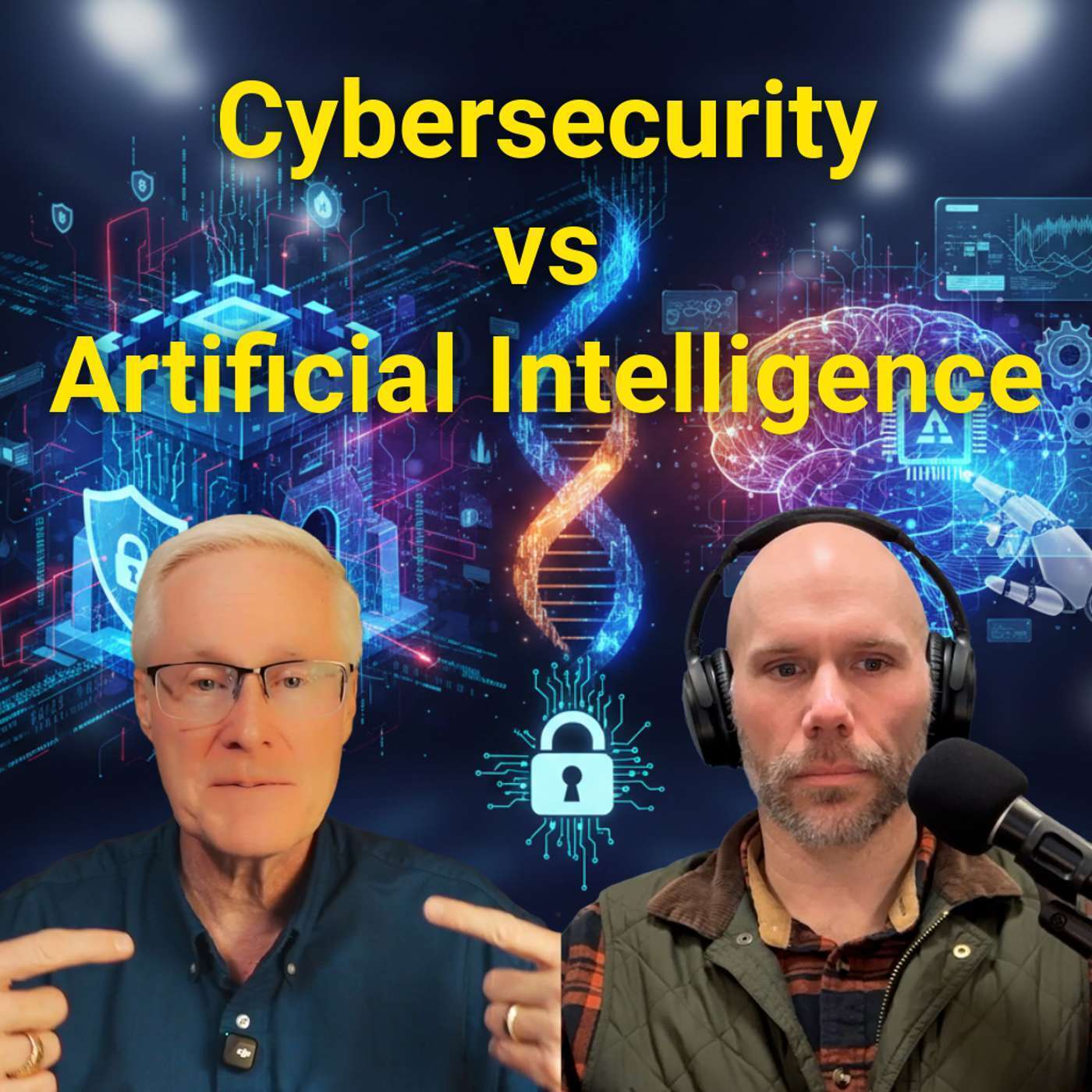
#313 Navigating the Intersection of AI and Cybersecurity
from Embracing Digital Transformation
Welcome to a fascinating conversation that dives deep into the complex relationship between AI and cybersecurity. In this episode, host Dr. Darren speaks with Walter Haydon, an AI cybersecurity expert who sheds light on how modern threats evolve and the unique challenges organizations face in securing their AI systems. ## Key Takeaways: - Cyber threats are evolving rapidly, with AI being leveraged by both malicious actors and cybersecurity professionals. - Espionage and data theft remain pressing issues, particularly from state actors like the Chinese government, who exploit advanced technologies for intelligence gathering. - Organizations need to adopt a more probabilistic approach to risk management in the face of non-deterministic AI behavior. - Implementing clear policies, conducting asset inventories, and performing comprehensive risk assessments are essential steps for organizations deploying AI. - Understanding the provenance of AI models and verifying their security is critical to mitigate risks when using either public or private AI solutions. - Regular integrity checks on AI outputs can help maintain the reliability and security of AI systems. ## Chapters: - 00:00 - Introduction - 01:30 - Walter Haydon's Haydon'snd - 05:00 - Evolution of Cybersecurity Threats - 10:15 - AI's Cybersecurity - 15:50 - Espionage vs Cyber Attacks - 20:00 - Approaching AI Implementation Securely - 25:30 - Risk Management Strategies - 30:00 - Tools for Securing AI Systems - 35:00 - The Future of AI and Cybersecurity - 40:00 - Closing Thoughts and Resources Engage with us to learn how these insights can apply to your own practices! Don’t forget to check out the episode on your favorite podcast platform and connect with us through social media! The Vital Intersection of AI and CybersecurityIn today's landscape, the conversation around artificial intelligence (AI) isn't just a trending topic for tech enthusiasts; it's a pivotal concern for business leaders everywhere. Understanding how AI intertwines with cybersecurity can spell the difference between risk and resilience for organizations of all sizes. In a recent discussion with AI and cybersecurity expert Walter Haydon, we unpacked the nuanced relationship between these two critical domains. With escalating threats from cyber adversaries, particularly state-sponsored entities, organizations must cultivate an awareness that enables them to proactively defend not just their legacy systems, but also their burgeoning AI technologies. The Evolving Threat Landscape Cyber Espionage vs. Cyber AttacksCybersecurity isn't merely about defending against breaches; it encompasses a spectrum of challenges, including espionage and data theft. Haydon points to the Chinese government's long-term strategy to gather information on U.S. citizens as a prime example, highlighting incidents like the Office of Personnel Management hack that compromised sensitive data, including biometrics.Understanding the difference between cyber espionage — a method aimed primarily at intelligence gathering — and crippling cyberattacks against infrastructure is crucial. Not all threats manifest in immediate danger; many form part of a larger strategy that targets information for future use. # Key Takeaways:- Cyber espionage involves gathering sensitive data for strategic advantages.- Cyber attacks are immediate and often disruptive.- Both require tailored strategies for effective defense. The Acceleration of AI-Powered ThreatsAs AI technologies continue to advance, cyber adversaries are quick to exploit them, enhancing the scale and sophistication of their attacks. Haydon underscores that AI not only assists cybersecurity professionals but also provides new tools for cybercriminals. This dual-edged scenario necessitates a proactive stance in cybersecurity measures. Popular Attack Vectors- Phishing remains the leading entry point for cybercriminals, underscoring the need for employee training.- Ransomware attacks jeopardize operational continuity by denying access to key systems.- AI models can be weaponized through prompt injection, introducing new vulnerabilities without traditional defensive measures. Proactive Measures for Secure AI Deployment Preparing for the Uncertainty of AIOrganizations adopting AI must navigate its inherent unpredictability, which complicates their security posture. Establishing clear policies about acceptable AI usage lays the foundation for responsible adoption. Haydon recommends conducting comprehensive risk assessments that map out the permissible use of AI applications.Organizations should not only invest in training their staff but also in maintaining an inventory of AI assets and their vulnerabilities. # Best Practices to Implement:- Develop clear policies regarding AI usage and data handling.- Conduct regular risk assessments focusing on AI tools and their intended use.- Monitor and audit AI systems to catch anomalies and correct course when necessary. Tools for Effective ManagementAs organizations grapple with safeguarding their assets, tools that monitor and govern AI applications are essential. Haydon emphasizes the importance of employing asset management systems that not only assess current applications but also analyze the data used to train AI models. Organizations can apply cybersecurity measures, such as rate limiting and integrity checks, to AI outputs to mitigate risks and protect sensitive information. Closing ThoughtsThe conversation about AI and cybersecurity may be daunting, but it has also fostered an environment where awareness and readiness can lead to significant enhancements in organizational strength. To truly thrive in a technology-driven landscape, leaders must embrace the proactive management of cybersecurity and AI, ensuring that they mitigate risks while harnessing the transformative capabilities of these technologies.For further insights on managing cybersecurity in an AI-enabled world, reach out to experts like Walter Haydon at Stack Aware, and share this article with your peers to foster broader discussions on these vital topics. If you found this information valuable, don't forget to check out our whole discussion and explore more resources at Embracing Digital Transformation.See Privacy Policy at https://art19.com/privacy and California Privacy Notice at https://art19.com/privacy#do-not-sell-my-info.
NOW PLAYING
#313 Navigating the Intersection of AI and Cybersecurity
No transcript for this episode yet
Similar Episodes
Apr 21, 2026 ·13m
Apr 19, 2026 ·16m
Apr 17, 2026 ·13m
Apr 13, 2026 ·11m
Apr 11, 2026 ·16m