PodParley PodParley
Bunion Surgery

EPISODE · May 2, 2026 · 21 MIN

Bunion Surgery

from BIPEDAL · host Robert Weinstein

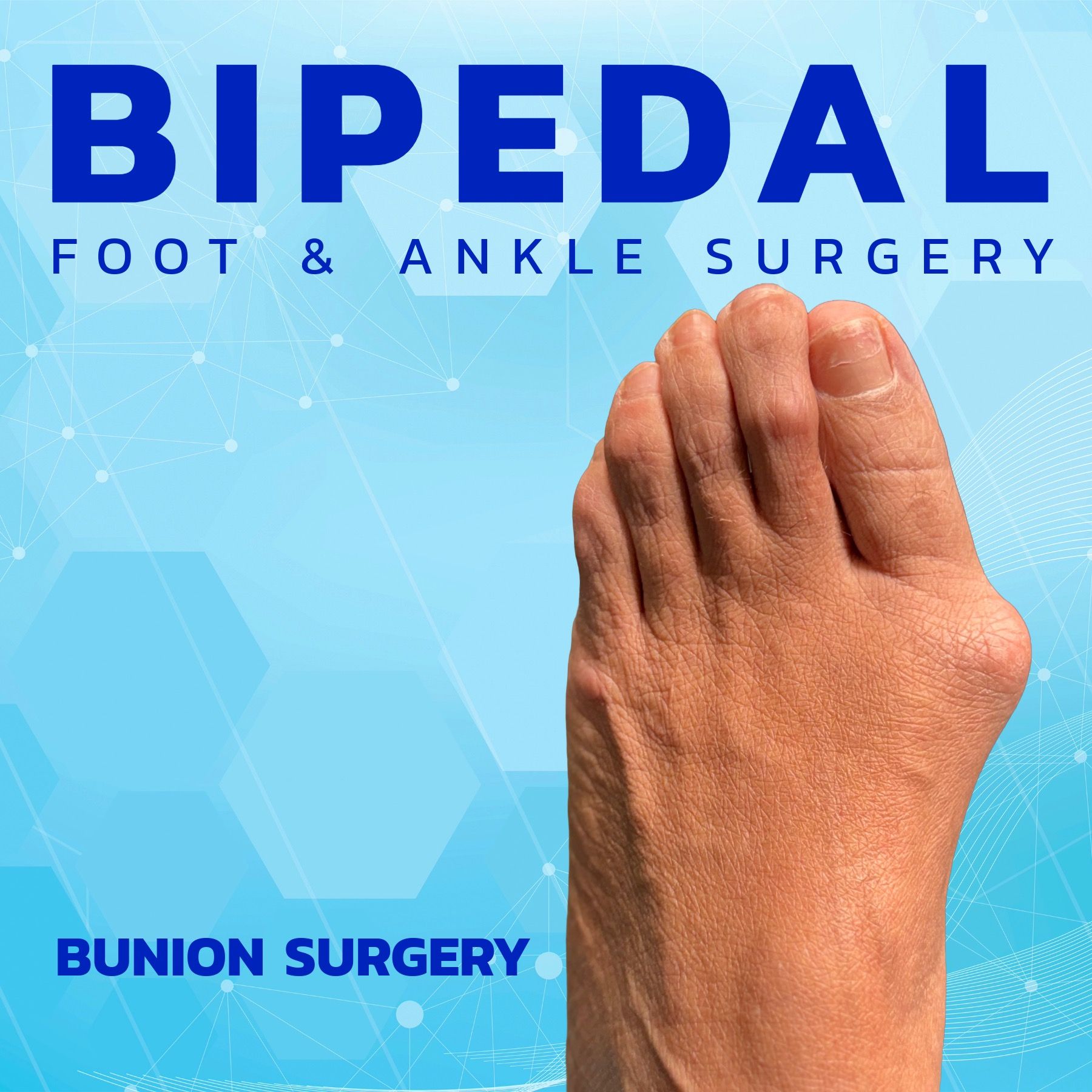
There is no simple solution to a complex problem. This is true in life, and in bunion surgery.  A bunion is a complex condition resulting from either structural anomaly or biomechanical instability, and often both. Careful evaluation of the condition is required; no two bunion deformities are identical. Mistakes are made when patient expectations are unrealistic, physician capabilities are limited, there is no sound surgical plan to address every component of the deformity, or the procedure is poorly executed. The failure often occurs before the procedure is carried out. Proper planning includes complete evaluation for causation. Removing the bump may provide short term relief, but not addressing all the causative factors will result in long term failure. That is why clinical and radiographic parameters are so critical. Along with an arsenal of procedure selection in the surgeon's pocket to choose from.  Distal osteotomy procedures are the least technically demanding and have the lowest complication rates. The good news, most patients will fall into this category. More proximal procedures are required for extremes of the deformity - rigidity, age of patient and deformity, and profound dynamic forces acting across the first ray. For the segment of patients that fall into this category, expectations should be set accordingly - the more complex the procedure, the more can go wrong. Nonunions, neuritis, hardware complications, and load transfer related issues all have a higher incidence with these procedures.  The content of this podcast is for educational and informational purposes only and does not constitute medical advice. Always seek the advice of your physician or other qualified health provider with any questions you may have regarding a medical condition.

NOW PLAYING

Bunion Surgery

0:00 21:13

No transcript for this episode yet

We transcribe on demand. Request one and we'll notify you when it's ready — usually under 10 minutes.

Yeti BBC Radio 4 Tales of a bipedal ape-like creature persist in the myth and legend of the Himalayas. But does the yeti really exist? Two enthusiasts are determined to find out. Andrew Benfield and Richard Horsey travel through India, Myanmar, Nepal and Bhutan in search of stories of yeti sightings and encounters. Over 10 episodes, they hear from villagers, yak herders, sherpas and mountaineers, who give surprisingly consistent descriptions of a mysterious, large, hairy creature. This series takes us on a journey deep into Himalayan culture as the presenters grapple with their own inner demons to try to make sense of the yeti myth. Tales from the Low City Dom Guilfoyle Deep beneath the soil of a dead world, there is life.Tales From The Low City is a collection of tales from a strange, bleak, and beautiful world where all creatures great and small, ambitious and content, bipedal and tripedal and quadrupedal must come together and make something like "civilisation".Created by Dom Guilfoyle.Support the show: www.patreon.com/domguilfoyleDiscord:https://discord.gg/BF5Ar6pNny Hosted on Acast. See acast.com/privacy for more information. The Great Moon Hoax of 1835 Inception Point Ai The Great Moon Hoax of 1835 stands as one of the most remarkable instances of media deception in history. This series of six articles, published in the New York Sun newspaper between August 25 and August 31, 1835, captivated the public's imagination with tales of fantastic lunar discoveries allegedly made by renowned British astronomer Sir John Herschel. The articles, which claimed to be reprinted from the Edinburgh Journal of Science, described a wealth of life on the Moon, including unicorns, bipedal beavers, and bat-like humanoids. Despite the outlandish nature of these claims, the hoax gained significant traction, drawing in readers and showcasing the power of sensationalistic journalism in the 19th century. At the heart of the Great Moon Hoax was Richard Adams Locke, a journalist working for the New York Sun. Locke, who had a background in science and technology, recognized the public's fascination with astronomical discoveries and saw an opportunity to boost the newspaper's Could we get a priest in here?! Amit G On a medium filled with words, listen to two bipedal great apes discover the meaning of life. Because it ain't all banana suits and cults, it's also about that 👽 shit. When you hear them speak, they hope it ends with the thought of 'could we get a priest in here?!' They're also available for children's parties and corporate seances and would love to engage with you on Instagram through @srushti.shivaraj and @layogtima (keep it light, yo).
URL copied to clipboard!