
EPISODE · Apr 19, 2026 · 16 MIN
Course 30 - Practical Malware Development - Beginner Level | Episode 6: Developing a Command and Control (C2) System with PHP and MySQL
from CyberCode Academy · host CyberCode Academy
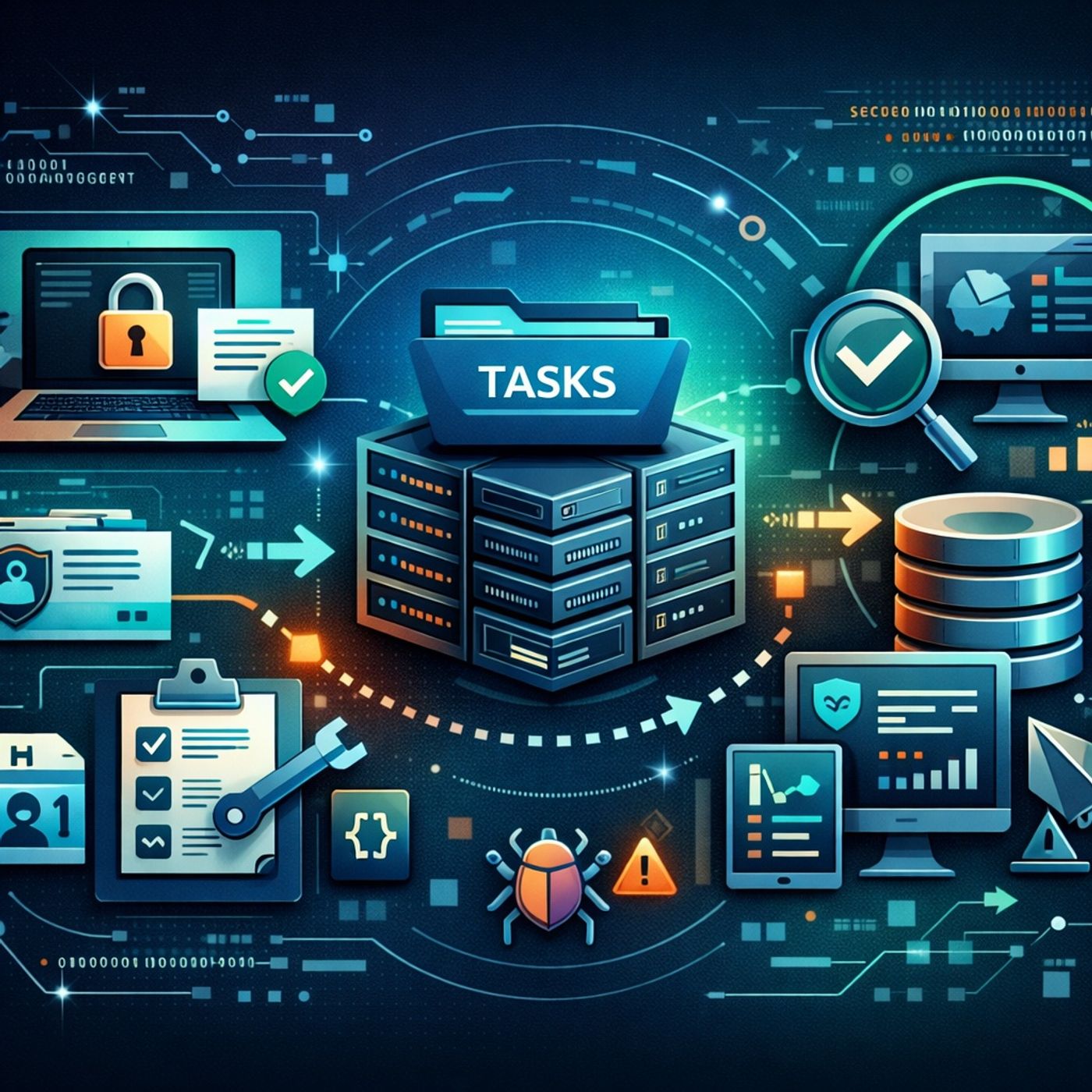
In this lesson, you’ll learn about: Designing a secure tasking & telemetry system for authorized endpoints1. Endpoint Registration (Trusted Enrollment, not open POSTs)Goal:Allow approved devices to enroll and be trackedSecure approach:Use mutual TLS (mTLS) or signed tokens (e.g., short-lived JWTs)Issue each device a unique ID + certificate/secret during provisioningValidate:Device identityRequest signatureData to store:Device ID, hostname, OS, last check-in, compliance statusAvoid:Anonymous POST registrationTrusting raw client-supplied fields2. Task Retrieval (Controlled Job Queue)Replace “get command” with:Task queue for authorized operations (e.g., run diagnostics, collect logs)Secure design:Devices poll a /tasks endpoint with authenticationServer returns:Only tasks assigned to that device IDSigned payloads (integrity protection)Reliability:Use idempotent task IDsTrack states: pending → delivered → in_progress → completed → failedSafety:Enforce allow-listed actions only (no arbitrary command execution)3. Results Ingestion (Telemetry Pipeline)Endpoint sends:Task IDStatus + structured output (JSON)Server:Validates signature + device identityStores results in a results/telemetry tableApplies size limits and schema validationSecurity controls:Rate limitingInput validation (prevent injection/log poisoning)Separate write/read roles in DB (least privilege)4. Admin Dashboard (Authorized Operations Only)Replace “victim management” with:Device/asset management UIFeatures:View device inventory (hostname, IP, OS, last seen)Assign predefined tasksView task history and resultsBackend protections:Strong auth (bcrypt via password_hash)RBAC (admin vs read-only)CSRF protection on formsOutput escaping (htmlspecialchars) to prevent XSS5. Real-Time Updates (Safer than Aggressive Polling)Instead of 2-second AJAX polling:Prefer:WebSockets or Server-Sent Events (SSE) for push updatesOr:Backoff polling (e.g., 5–30s with jitter)Benefits:Lower loadLess noisy network patternsBetter scalability6. Database & API SecurityUse:Prepared statements / PDOSeparate DB users:app_read, app_write (least privilege)Store:Passwords → bcrypt (never MD5)Secrets → environment variables / secret managerAdd:Audit logs (who assigned which task, when)Soft deletes / history tables for traceability7. Monitoring & Detection (Blue-Team Angle)Watch for:Beaconing patterns (regular check-ins from endpoints)Unusual spikes in task assignments or failuresUnknown devices attempting to enrollImplement:Central logging (SIEM)Alerts on anomalies (rate, geography, auth failures)8. Key Differences vs. Unsafe DesignAreaUnsafe PatternSecure SystemEnrollmentAnonymous POSTAuthenticated provisioning (mTLS/JWT)CommandsArbitrary executionAllow-listed tasks onlyIdentityHostname/IPUnique device ID + certResultsRaw textStructured, validated JSONAuthWeak hashing / nonebcrypt + RBAC + CSRFUpdatesTight pollingWebSockets / backoffKey TakeawaysThe pipeline (register → task → result → dashboard) is valid in legitimate systemsSecurity comes from:Strong identity & authenticationLeast privilege & allow-listingAuditing and monitoringAvoid any design that enables arbitrary remote command execution or unmanaged endpointsYou can listen and download our episodes for free on more than 10 different platforms:https://linktr.ee/cybercode_academy
NOW PLAYING
Course 30 - Practical Malware Development - Beginner Level | Episode 6: Developing a Command and Control (C2) System with PHP and MySQL
No transcript for this episode yet
Similar Episodes
Apr 28, 2026 ·22m
Apr 19, 2026 ·43m
Apr 12, 2026 ·31m
Mar 22, 2026 ·33m
Mar 15, 2026 ·31m