
EPISODE · May 25, 2026 · 1H 8M
Episode 13 - "What's it like to be a dog?"
from Philosophy Playdate · host Clever Make Funny Productions Ltd
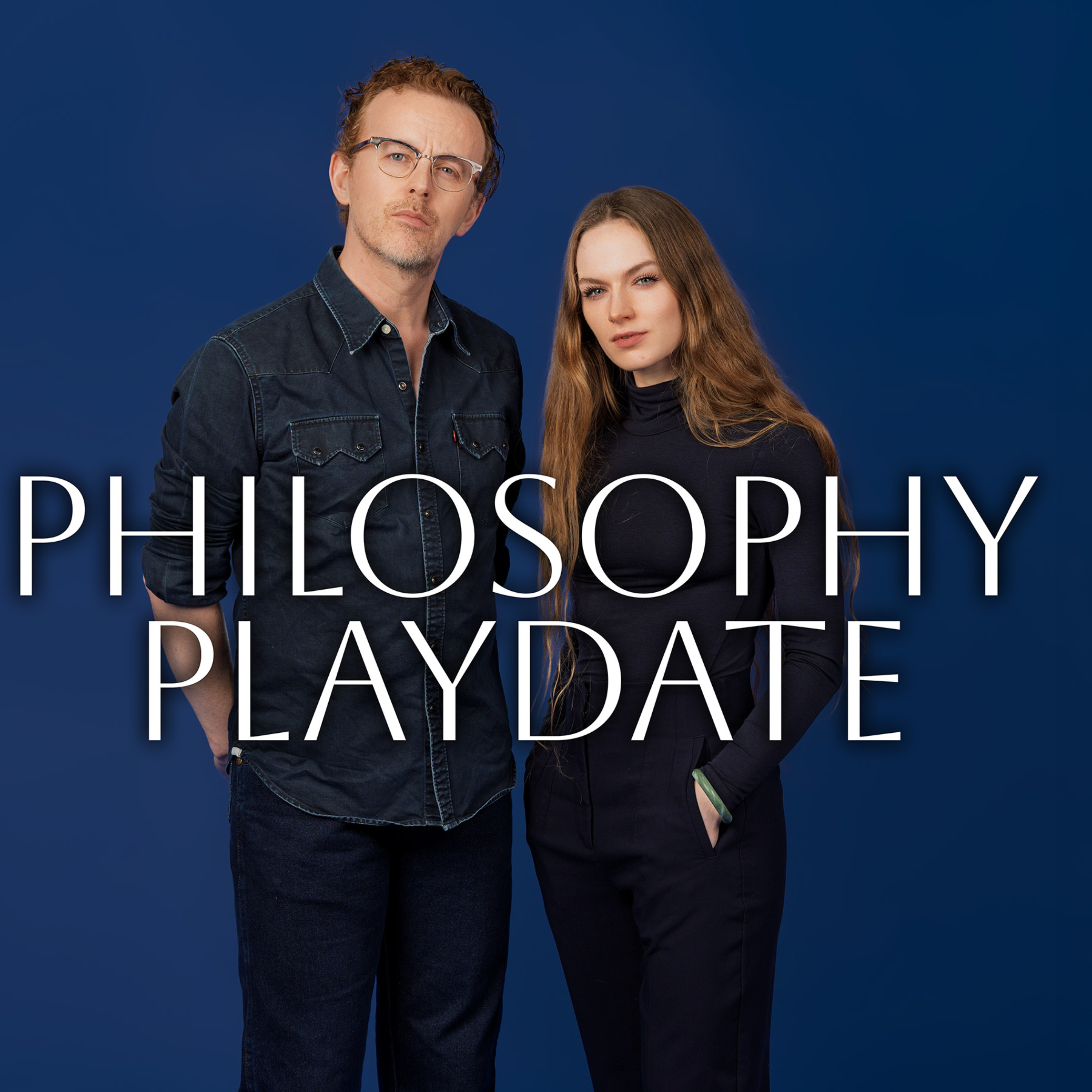
This week, Steve and Christabel respond to Max, who asks ‘What is it like to be a dog?’ Christabel tells us of Thomas Nagel’s seminal paper ‘What is it like to be a bat?’ and his sceptical answer. This leads discussion to David Hume’s observations as to the limitations of imagination, and to Frank Jackson’s ‘Mary the super scientist’ thought experiment. Steve learns about the nature of qualia (which we learn isn’t just the name of the hamster Christabel kept as an undergraduate) and informs us how to control for mentos variability under experimental conditions. For reasons best known to herself, Christabel explains how toasters work. The duo then tackle Gregory Berns’ rebuttal of Nagel’s claim that we can’t know what it’s like to be a bat, which he bases on his extensive collection of MRI scans of dog brains. Steve points out that Berns is making a rookie mistake; he’s scanned the wrong mammal. Our hosts settle on the strategy of abduction: perhaps it’s impossible to know EXACTLY what it’s like to be anyone other than yourself, but we can use inference to the best explanation to guide us towards a best-guess approximation of how the subjective experiences of others feel to them. They end with a discussion of the work of Ali Boyle and Johnathan Birch on animal sentience, noting some chilling experimental data gathered about the empathetic capacities of rats. Email us the impossible questions children ask you at [email protected] Find Steve at https://drstevecross.squarespace.com Philosophy Playdate theme by Piers Cane
What this episode covers
This week, Steve and Christabel respond to Max, who asks ‘What is it like to be a dog?’ Christabel tells us of Thomas Nagel’s seminal paper ‘What is it like to be a bat?’ and his sceptical answer. This leads discussion to David Hume’s observations as to the limitations of imagination, and to Frank Jackson’s ‘Mary the super scientist’ thought experiment. Steve learns about the nature of qualia (which we learn isn’t just the name of the hamster Christabel kept as an undergraduate) and informs us how to control for mentos variability under experimental conditions. For reasons best known to herself, Christabel explains how toasters work. The duo then tackle Gregory Berns’ rebuttal of Nagel’s claim that we can’t know what it’s like to be a bat, which he bases on his extensive collection of MRI scans of dog brains. Steve points out that Berns is making a rookie mistake; he’s scanned the wrong mammal. Our hosts settle on the strategy of abduction: perhaps it’s impossible to know EXACTLY what it’s like to be anyone other than yourself, but we can use inference to the best explanation to guide us towards a best-guess approximation of how the subjective experiences of others feel to them. They end with a discussion of the work of Ali Boyle and Johnathan Birch on animal sentience, noting some chilling experimental data gathered about the empathetic capacities of rats. Email us the impossible questions children ask you at [email protected] Find Steve at https://drstevecross.squarespace.com Philosophy Playdate theme by Piers Cane
NOW PLAYING
Episode 13 - "What's it like to be a dog?"
No transcript for this episode yet
Similar Episodes
Nov 1, 2023 ·52m
Oct 11, 2023 ·50m