
EPISODE · May 23, 2026 · 6 MIN
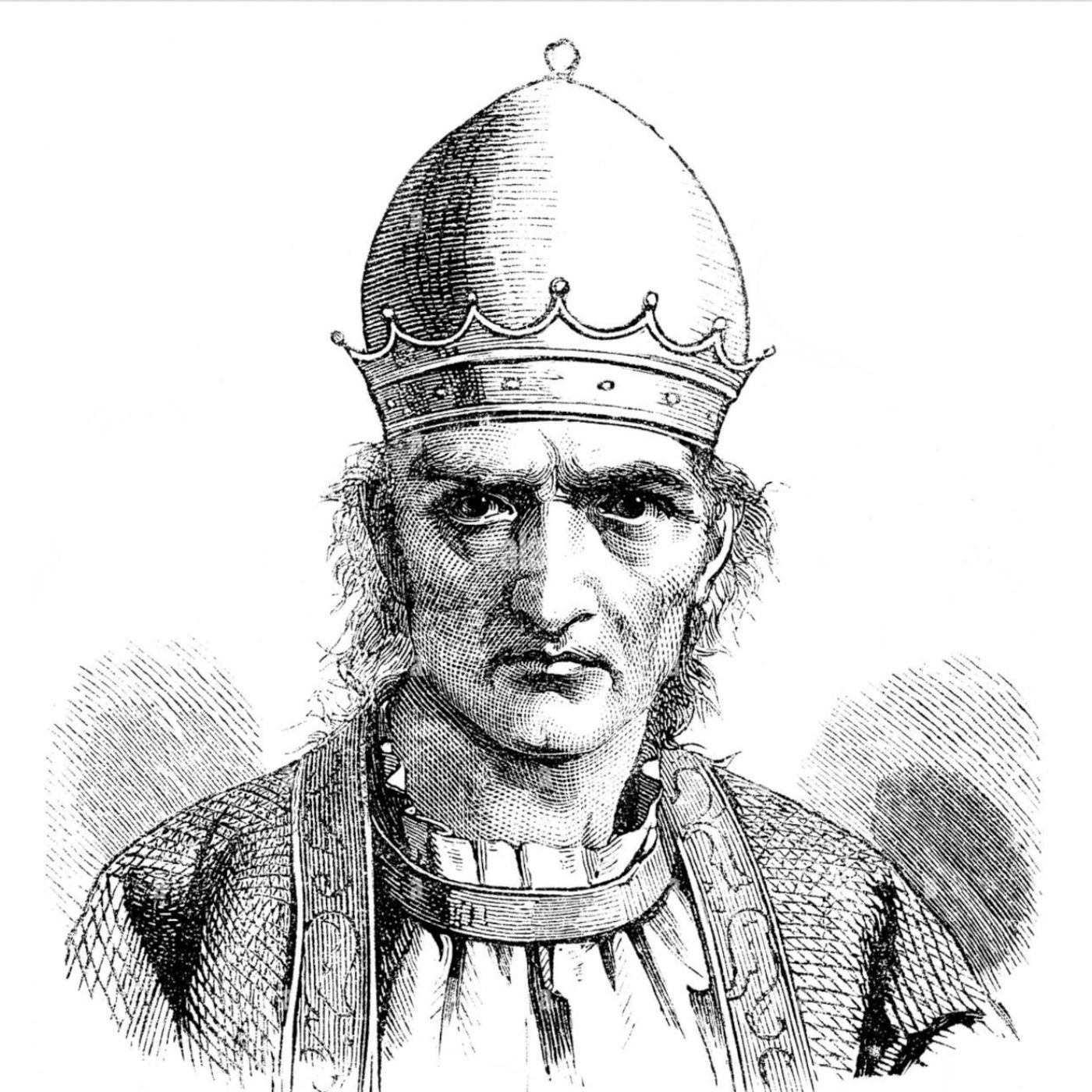
May 25: Saint Gregory VII, Pope, Religious
from Catholic Saints & Feasts · host Fr. Michael Black
May 25: Saint Gregory VII, Pope, Religious c. 1015–1085 Optional Memorial; Liturgical Color: White A pope dies on the run The last words spoken by Pope Saint Gregory VII were “I have loved justice and hated iniquity, that is why I die in exile.” His enemies would have claimed that they loved justice equally as much but understood it differently, which is why the pope had to die on the run. No one really wins epic battles for power, though one side may prevail in the short run. Everyone loses something in a fight: some their dignity, others their property, their position, or maybe their teeth. There is no such thing as a win-win outcome. Pope Gregory VII was a scrappy fighter who boxed his powerful opponents for years. Yet he didn’t fight for his own honor, wealth, or position, but because he believed that “the blessed Peter is father of all Christians, their chief shepherd under Christ, (and) that the holy Roman Church is the mother and mistress of all the churches.” He battled for the right of the Bishop of Rome to govern the Church’s internal life free of interference from worldly powers. Pope Gregory’s victories and losses colored all of medieval history and established key precedents for the perennial tensions between Church and State which continue until today. Gregory VII was baptized as Hildebrand in the Tuscany region of Italy. He received an excellent education from Roman tutors, including one who later became Pope Gregory VI. Most of his adult life was dedicated to serving various popes in important diplomatic and administrative roles. He was one of the most essential papal advisers of his era, even helping to craft the Church law limiting papal conclaves to cardinals alone. While still a deacon, Cardinal Hildebrand was chosen Pope in 1073 by popular acclamation. He refused to be seated on the papal throne as the result of such an outlaw election and went into hiding. Not until a proper vote of the cardinals took place did Hildebrand accept his election as canonically legitimate. He was shortly thereafter ordained a priest and bishop and then crowned Pope Gregory VII on the Feast of the Chair of Saint Peter, June 29, 1073. When Pope Gregory VII first sat on the throne of Saint Peter and gazed out at the universal church, he did not peer through rose-colored glasses. Long firsthand experience of the world made him no novice, so he set about with great determination to implement needed reforms. His twelve-year papacy would be one of the most consequential in history. Gregory first sought to carve out a space for the papacy to operate free from German meddling in its internal affairs. It was common at the time for princes, kings, and other powerful laymen to appoint clerics to their positions and to “invest,” or clothe, new bishops at their Ordination Masses with the symbols of office, such as their pastoral staff, miter, and ring. Gregory decreed an end to this practice, not least because of the confusion it engendered about who was the source of the bishop’s authority. But the “lay investiture” battle would continue for centuries, leading to recriminations on all sides, including Gregory’s dramatic excommunication of Emperor Henry IV and Henry’s deposition—and driving into exile—of the pope. Incredibly, as late as 1903, the Holy Roman Emperor still directly intervened in a papal conclave, exercising his ancient right of veto to block a cardinal from being elected pope. Pope Gregory VII pulled every lever at his disposal to make priestly celibacy compulsory, sought to heal the Schism of 1054 with the Orthodox, railed against simony (the purchasing of church offices), and encouraged the recovery of the holy sites in Jerusalem, a harbinger of the Crusades which commenced soon after his death. Gregory also memorialized in the clearest of terms the Church’s theology of the real presence of Christ in the Holy Eucharist, a statement of faith that presaged the deep devotion to the Blessed Sacrament so characteristic of the High Middle Ages. Long before the popes were known as “Vicar of Christ,” they were called “Vicar of Peter.” Pope Gregory VII was a model medieval pope above personal reproach, ambitious only for the health and freedom of the Church. He represented both Christ and Saint Peter well. Pope Saint Gregory VII, may your earthly example and heavenly intercession sustain and inspire the leaders of the Church to act impetuously, to fight ceaselessly, and to forgive generously when confronted by forces inimical to the well-being of the Church.
NOW PLAYING
May 25: Saint Gregory VII, Pope, Religious
No transcript for this episode yet
Similar Episodes
May 13, 2026 ·83m
May 11, 2026 ·15m
May 11, 2026 ·32m
May 6, 2026 ·83m
Apr 29, 2026 ·94m