
EPISODE · May 27, 2026 · 41 MIN
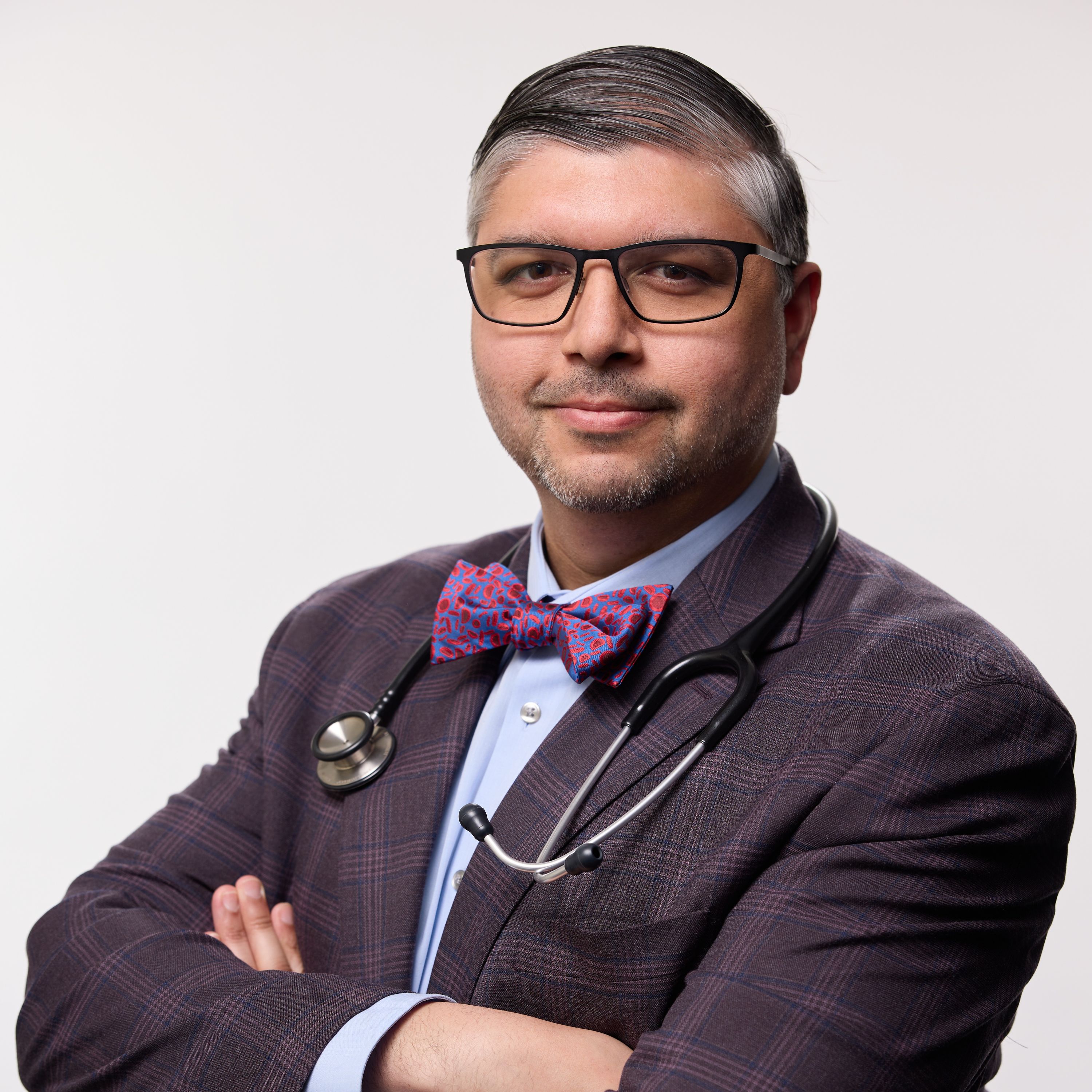
The Medical Side of Transplant Survivorship - Dr. Amar Kelkar
from Marrow Masters · host Dr. Amar Kelkar, Peggy Burkhard
Today, Peggy Burkhard talks with Dr. Amar Kelkar of the Dana-Farber Cancer Institute about the medical side of survivorship after bone marrow, stem cell, or CAR-T transplant. The conversation begins with the important shift from the urgent “save my life” phase to the longer “protect my health” phase. Dr. Kelkar explains that this transition often starts around the 100-day mark, though timing varies by transplant center, geographical region and patient needs. A major theme is the need to restart routine care that may have been paused during transplant. Dental care, dermatology, ophthalmology, and primary care all become important again. Dental visits are especially important because oral graft-versus-host disease (GVHD) can cause dry mouth, irritation, cavities, and other problems. Skin checks matter because transplant can increase the risk of skin cancers. Dr. Kelkar stresses annual dermatology visits, sun protection, SPF 50 or higher, protective clothing, and smart decisions about sun exposure. Fatigue is another central topic. Dr. Kelkar describes post-transplant fatigue as different from normal tiredness. It can feel deep, physical, and mental, and it may last for months or even years. He encourages patients to pace themselves, listen to their bodies, and build activity back slowly. Returning to work also needs to be individualized. Some patients work remotely during treatment, while others may need extended disability or a gradual return. The episode also covers immune recovery and repeat vaccinations. Dr. Kelkar explains that after transplant, the immune system has been reset, and many childhood vaccines need to be repeated. Most programs begin revaccination around six, nine, or 12 months, depending on immune suppression and other factors. He reassures listeners that many patients have fewer vaccine symptoms early on because their immune systems are still rebuilding. Dr. Kelkar also reviews long-term screening and prevention. Survivors need routine cancer screenings, including mammograms, colonoscopies, lung cancer screening when appropriate, skin exams, and monitoring for thyroid or other changes. Metabolic health is also important. Steroids can affect blood sugar, transplant can change body composition, and quick weight loss often includes muscle loss. Nutrition support and exercise programs can help, and Peggy notes that Blood Cancer United offers nutrition services for patients and caregivers. Blood Cancer United’s nutrition program provides free one-on-one consultations with oncology dietitians by phone or email. Bone health, hormone changes, sexual health, and early aging are also discussed. Dr. Kelkar explains that steroids, menopause, testosterone changes, vitamin D deficiency, and time indoors can affect bones. Many centers use DEXA scans and vitamin D supplementation. He also encourages patients to bring up sexual health concerns, including menopause symptoms, low testosterone, pain with intercourse, ulcers, or fear about resuming intimacy. The episode closes with practical advice for everyday life. Food restrictions often loosen around 100 days, but patients should reintroduce foods slowly and carefully. Raw foods, alcohol, tobacco, and inhaled smoke should generally be avoided, especially during the first year. Dr. Kelkar also emphasizes mental health support, counseling, and honest conversations with the medical team. Survivorship is a bumpy road, but the goal is to help patients regain control and thrive. Blood Cancer United Nutrition Offerings: https://bloodcancerunited.org/blood-cancer-care/adults/food-nutrition Thanks to this season's sponsors, Incyte and Sanofi. (00:00) Intro (01:16) Moving from acute treatment to survivorship (02:17) Dental, dermatology, ophthalmology, and routine care (05:45) Fatigue after transplant versus normal tiredness (08:35) Pacing yourself and avoiding setbacks (10:26) Returning to work after transplant (12:24) Resetting the immune system and repeat vaccinations (16:07) Secondary malignancy prevention and cancer screenings (18:59) Sun protection and skin cancer prevention (20:23) Metabolic health, blood sugar, and weight management (23:58) Bone health, vitamin D, DEXA scans, and early aging (29:32) Sexual health and hormonal changes (32:43) Everyday living after transplant (36:07) Psychological and cognitive hurdles in survivorship (38:16) Pulmonary function tests and liver monitoring (40:42) Closing thoughts National Bone Marrow Transplant Link - (800) LINK-BMT, or (800) 546-5268.nbmtLINK Website: https://www.nbmtlink.org/Check out our valued nbmtLINK resource books, some for sale, some free as downloadable, https://www.nbmtlink.org/shop/nbmtLINK Facebook Page: https://www.facebook.com/nbmtLINKFollow the nbmtLINK on Instagram! https://www.instagram.com/nbmtlink/The nbmtLINK YouTube Page can be found by clicking here.This content is provided for informational purposes only and is not intended to substitute for professional medical advice, diagnosis, or treatment. It is crucial to consult directly with a qualified healthcare professional regarding any medical conditions, treatment options, or other health concerns.The views and opinions expressed by the speakers are their own and do not necessarily reflect the official policy or position of the nbmtLINK. Unless otherwise stated in an official policy, the nbmtLINK does not endorse any specific treatments, products, or services mentioned by the speakers. Reliance on any information provided is solely at your own risk.The Marrow Masters Podcast is produced by JAG Podcast Productions: https://jagpodcastproductions.com/ Hosted by Simplecast, an AdsWizz company. See pcm.adswizz.com for information about our collection and use of personal data for advertising.
NOW PLAYING
The Medical Side of Transplant Survivorship - Dr. Amar Kelkar
No transcript for this episode yet
Similar Episodes
May 12, 2026 ·31m
May 7, 2026 ·35m
May 5, 2026 ·31m
May 2, 2026 ·40m