
EPISODE · Apr 19, 2026 · 1H 3M
Is Aid Designed to Solve Problems or Manage Them?
from Discover Permaculture - The Podcast · host Discover Permaculture
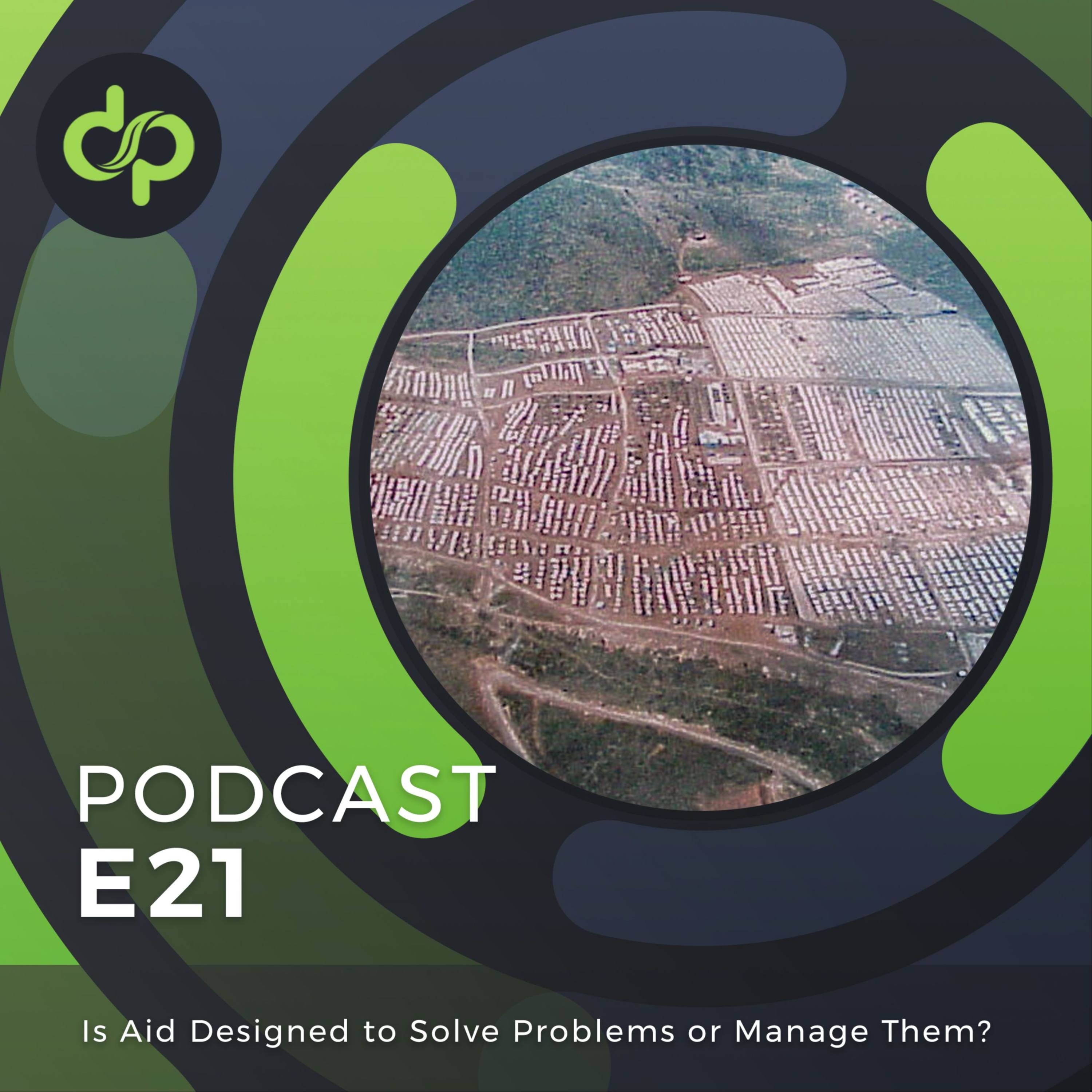
In this episode, Geoff and the team unpack the hidden realities of the global aid industry—sharing firsthand stories from refugee camps, war zones, and on-the-ground permaculture projects. From inefficiency and dependency to real solutions that build self-reliance, this conversation challenges the system and explores what actually works. At its core, this episode asks a powerful question: Can we design aid that makes itself unnecessary? Watch the video episode here. Key Takeaways 00:00 – 01:01: Is aid solving problems… or managing them? 01:01 – 03:03: Aid as a business model reveals how funding structures and salaries can prioritize continuity over real solutions. 03:03 – 05:19: Firsthand experiences suggesting some projects may support hidden economic agendas. 05:19 – 08:21: Bureaucracy and overhead can leave only a small fraction of funding reaching people on the ground. 08:21 – 10:05: Can aid ever create independence? questions why successful outcomes are rarely scaled or shared to empower communities long-term. 10:05 – 12:56: A rare success story demonstrates how directing most funds to the ground can create farms, businesses, and lasting impact. 12:56 – 15:13: Why most aid fails long-term highlights the limits of single-solution projects compared to whole-system design thinking. 15:13 – 17:50: The well problem (and the real solution) shows why recharging landscapes beats endlessly digging deeper wells. 17:50 – 20:17: The goal: make aid redundant emphasizes teaching skills and building systems that remove the need for outside help. 20:17 – 22:00: How strategy must shift depending on whether people are temporary or settled. 22:00 – 25:10: A powerful refugee camp transformation shares how education and food systems created real hope and engagement. 25:10 – 26:26: How politics and authority can dismantle successful projects overnight. 26:26 – 29:24: Lasting change comes when people understand, value, and take ownership of systems. 29:24 – 32:00: Hw compost and water systems can become income streams and resilience tools. 32:00 – 36:26: Dependency vs real economies contrasts conventional aid with permaculture systems that create independence and local economies. 36:26 – 40:01: Why smaller, localized efforts are often more effective than large institutions. 40:01 – 45:13: The ethics and psychology of aid work dives into burnout, disillusionment, and the emotional weight of working in crisis zones. 45:13 – 48:17: What it really takes to make an impact highlights patience, persistence, and the long timeline required for meaningful change. 48:17 – 50:03: The hardest lesson: you may achieve very little (at first) reframes success as simply showing up and staying consistent. 50:03 – 53:29: Low-tech solutions win explains why simple, maintainable systems outperform complex, high-tech interventions. 53:29 – 59:08: How aid changes your worldview reflects on resilience, lost skills, and the contrast between modern and traditional knowledge. 59:08 – 01:00:25: Climate instability and fragile systems highlights how global systems are becoming increasingly vulnerable. 01:00:25 – 01:02:08: If imports stopped tomorrow… what happens? challenges us to consider how dependent our regions really are. 01:02:08 – 01:03:40: Permaculture thinking is essential in an increasingly unstable world.
NOW PLAYING
Is Aid Designed to Solve Problems or Manage Them?
No transcript for this episode yet
Similar Episodes
No similar episodes found.