
EPISODE · Feb 16, 2026 · 42 MIN
Micro 19: Streptococcus and Enterococcus
from Clinical Deep Dives · host Dr Manaan Kar Ray
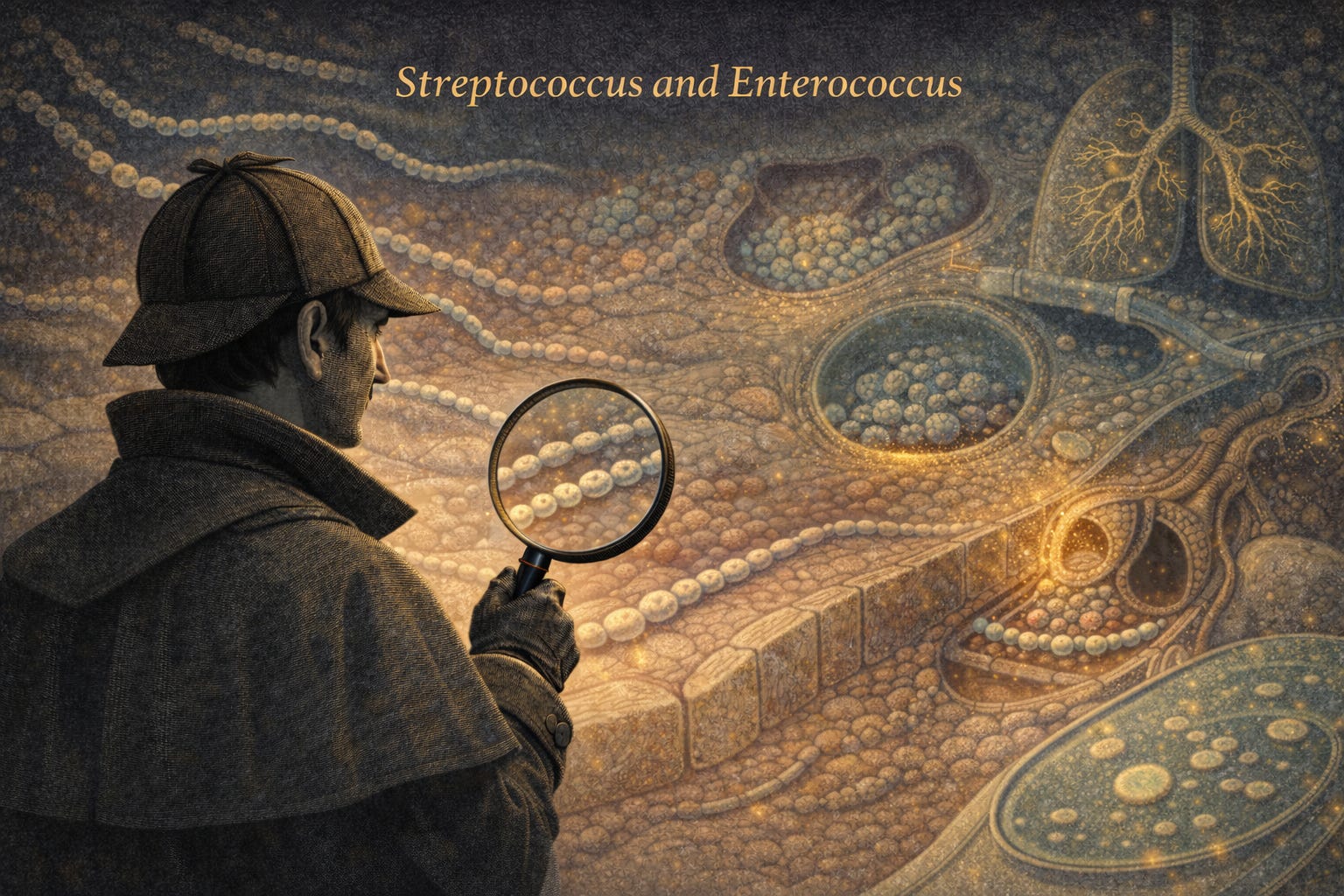
This episode explores the Gram-positive cocci that grow in chains or pairs - Streptococcus and Enterococcus. Drawing from Murray’s chapter, it introduces their classification by haemolysis patterns and Lancefield grouping, linking laboratory identity with clinical consequence.The narrative moves through the major streptococcal groups:* Streptococcus pyogenes (Group A) and its role in pharyngitis, cellulitis, necrotising fasciitis, and post-infectious sequelae such as rheumatic fever and glomerulonephritis.* Streptococcus pneumoniae as a leading cause of pneumonia, meningitis, and otitis media, distinguished by its capsule and alpha-haemolysis.* Viridans streptococci in dental flora and subacute endocarditis.* Enterococcus species as resilient colonisers capable of causing urinary tract infection, bacteraemia, and endocarditis, often with notable antimicrobial resistance.Virulence mechanisms such as M protein, capsule formation, pneumolysin, and intrinsic antibiotic tolerance are framed as adaptive tools that shape clinical patterns.Clinically, this chapter emphasises pattern recognition - sore throat with rash, lobar pneumonia, dental source bacteraemia - and the importance of recognising immune-mediated complications.Key Takeaways* Streptococci are classified by haemolysis and Lancefield grouping* Group A streptococci cause both acute infection and immune sequelae* S. pneumoniae relies heavily on its capsule for virulence* Viridans streptococci are linked to dental flora and endocarditis* Enterococci are notable for resilience and antibiotic resistance This is a public episode. If you'd like to discuss this with other subscribers or get access to bonus episodes, visit drmanaankarray.substack.com/subscribe
NOW PLAYING
Micro 19: Streptococcus and Enterococcus
No transcript for this episode yet
Similar Episodes
No similar episodes found.