
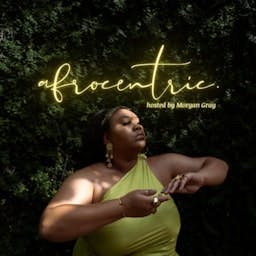
PODCAST · education
Afrocentric.
by Morgan Gray
Mission: To redefine and expand the understanding of Afrocentrism by illuminating the deeper, often untold histories and lived experiences of the Black Aboriginal peoples of North America—those later labeled as African American. The podcast bridges these truths with the ancestral narratives of Africa, South America, and the Caribbean, fostering a renewed global appreciation for Black heritage, resilience, and cultural continuity. Purpose: This podcast exists to challenge limited historical frameworks, such as the dominant 1619 narrative, by restoring depth, dignity, and context to the story of the original dark-skinned, swarthy peoples of the Americas. Through dialogue, storytelling, and scholarship, it seeks to empower listeners to see the continuum between ancient ancestry, contemporary identity, and future potential. Embrace the Movement.Join the Movement.Afrocentric.</str
-
129
The Revelations: Secretum, The Secret Covenant
In the latest episode of The Revelations: Secretum, The Secret Covenant, we plunge into the shadowy realm of elite manipulation through a full, unfiltered reading of The Secret Covenant. This mysterious manifesto—often linked to the Rockefeller lineage—exposes an alleged master plan for worldwide control, from corrupting bodies and minds to forging a docile "nation of workers, not thinkers."The episode delivers a pure, continuous audio presentation, allowing Morgan's listening audience to hear the manifesto's raw power unfiltered. No interruptions, no analysis—just the voice bringing the words to life for deep, meditative absorption.Gray delivers a meticulous line-by-line narration of the Covenant's ominous vows, such as "We will keep their lifespan short and their minds weak while pretending to do otherwise" and the notorious demand for laborers over independent thinkers. This potent audio ceremony—ideal for meditative listening or communal reflection—empowers us to unearth truths concealed in the open. Catch it now on Spotify and YouTube, with the next installment previewing Frederick T. Gates' authentic Country School of To-Morrow for stark comparison.
-
128
Spoken Word: Yts on the Moon
In this gripping episode of the Afrocentric Podcast, Morgan Gray delivers “Yts on the Moon,” a modern spoken word reinterpretation inspired by Gil Scott-Heron’s iconic critique of inequality- Whitey on the Moon. With a steady, unfiltered voice, this piece draws a stark line between the spectacle of space exploration and the lived reality of rising rent, broken healthcare systems, and economic strain in everyday communities.Weaving in references to private space flights, celebrity astronauts, and livestreamed launches, Morgan reframes a timeless question: how can society reach for the stars while so many are still struggling to survive on the ground?Bold, reflective, and unapologetically grounded, this episode invites listeners to confront the imbalance between progress and justice in the modern age.
-
127
Morgan and the Divine Feminine Principle featuring The Slay Gawd
In this powerful and soul-stirring episode, The Afrocentric Podcast welcomes guest The Slay Gawd to join Morgan in exploring the timeless essence of the Divine Feminine Principle. Together, they unpack what it truly means to embody divine femininity — not as a trend, but as an ancient birthright rooted in balance, grace, and inner power.The conversation journeys through the primordial waters of creation, tracing how the Divine Feminine first appeared in religion, cosmology and nature’s eternal rhythms. Morgan and The Slay Gawd reflect on how men and women express harmony when their masculine and feminine energies are aligned, and what that looks like in daily life, relationships, and spiritual practice.Listeners are invited to remember the sacred within themselves — to see the Divine Feminine not just as a concept, but as a living principle moving through the earth, the womb, the waters, and the heart of community life.
-
126
The Revelations: Salto, To Dance
In this episode of The Afrocentric Podcast, Morgan continues her unfolding journey through revelation with Salto, To Dance—a meditation on movement, consciousness, and divine rhythm.Through an act of metacognition, Morgan recalls a moment of revelation: realizing that she could observe people dancing in the spirit—witnessing the beauty, surrender, and spiritual translation that occurs when the body becomes a vessel of praise. From that awareness, she began to see how observation itself can be sacred, how even attention participates in the flow of divine energy.The conversation moves between scripture and spirit—exploring King David’s ecstatic dance before the Ark, the natural heartbeat of the Earth pulsing through hertz frequencies, and the mystery of singing in the spirit. Morgan reveals how, at the deepest level, every act—every step, every breath, every creation—is a form of dancing or singing in the spirit.The Revelations: Salto, To Dance calls listeners to remember the sacred rhythm that underlies all existence. Whether we move, sing, or simply breathe with intention, we are participating in the eternal song—the pulse of creation itself.
-
125
The Revelations: Scribo, To Write
In this intimate and spiritually charged episode of The Afrocentric Podcast, Morgan speaks openly about the revelations behind her written works—Get Out of the Cave and Get Into the Field, To Consume the Scroll, Energy in Motion, and The 2026–2027 Afrocentric Spiritual Codex. Each title stands as a chapter in her evolving spiritual journey, capturing the ascension, alignment, and ancestral wisdom that define her path. All four works will be available April 2026 on Kindle and Amazon.Through thoughtful reflection and sacred storytelling, Morgan reveals how writing became her act of revelation—a divine practice through which ancestral guidance took form in language. She unpacks the emotional and spiritual labor behind each book, showing how they bridge awakening, embodiment, and the codification of Afrocentric spirituality for this generation and the next.The Revelations: To Write is more than an episode—it’s a spiritual invocation for all creators walking the line between scholarship and spirit. Morgan invites listeners to remember that to write is to translate revelation into permanence—to let the ancestors speak through words that refuse to die.
-
124
Simeon Toko's Midnight Activation Prayer
This episode dives into the pivotal midnight prayer of Simeon Toko, the Angolan spiritual leader born in 1918, often called the "Black Jesus" for his miraculous healings, resurrections, and resistance against colonial oppression. On July 25, 1949, in Mayenge Street at Vanga Ambrosio's house, Toko and 35 choir members gathered; as midnight struck, a powerful wind filled the space, lifting eyes heavenward and igniting celestial lights, tongues, and voices in a profound Holy Spirit manifestation.Historical ContextSimeon Toko, a Baptist choir leader, faced accusations of "black magic" from white missionaries due to Holy Spirit outpourings during performances, leading to his excommunication. Three years prior, he prayed publicly for the Holy Spirit's arrival in Africa to counter colonial abuses; the 1949 prayer repeated this plea, addressing God directly about his "sheep" and the immense mission ahead without divine aid.The Prayer BreakdownThe reconstructed prayer from eyewitness accounts states: "Father, I know You always answer my prayers. Now look; consider these sheep you have sent to me. This duty is so immense that without the Holy Spirit, the Comforter, we will never be able to achieve what you intended. The prayer I addressed to you three years ago, didn't you hear it?" It sparked tongues of fire, healings, and prophetic voices, marking Tokoism's birth—a movement of spiritual empowerment, racial unity, and justice amid Portuguese and Belgian rule.Spiritual ImpactThis event unleashed "Toko's army," leading to mass visions on January 4, 1959, in Kinshasa (now a holiday), accelerating Congo's independence a year later. Toko's legacy endures in African-initiated churches, emphasizing Afrocentric prophecy, DNA activation parallels, and defiance of Western marginalization. Listeners will explore how this prayer symbolizes Black spiritual sovereignty.
-
123
The Imperial Prayer: A Prayer of Promise
This episode delves into the profound "Imperial Prayer of Promise," a powerful invocation drawing from Malachi 4:1 and 2 Thessalonians 1:8, emphasizing divine judgment on the wicked and eternal reward for the righteous.Core ThemesThe prayer contrasts the fate of evildoers—burned like stubble in a furnace day, leaving neither root nor branch—with the righteous who rise unharmed, their eternal light shining forth. It urges believers to claim God's intelligence through His Spirit, destroying evil influences while embracing holiness over superficial labor.Scriptural FoundationRooted in Malachi's prophecy of a coming day that burns the proud like an oven, the prayer reveals this mystery as stable and revealed. Echoing 2 Thessalonians, it describes flames of judgment on those rejecting God's truth, ensuring no more desert wind consumes the faithful.Key MessageListeners are called to embody the Divine Intelligence's breath, carrying truth from righteousness to shatter illusions of death, sorrow, or pain, standing firm in promised peace. The episode explores this as a bold declaration of spiritual victory.
-
122
The Living Word: Psalm 23- The LORD, the Psalmist's Shepherd.
The LORD, the Psalmist's Shepherd.
-
121
Morgan and the Black Sun featuring AMKRAH AMUN
In this transformative episode of The Afrocentric Podcast, Morgan sits down with AMKRAH AMUN to journey into the hidden architecture of the universe — where ancient wisdom and modern science meet. Together, they explore dark matter and electromagnetism not as distant astrophysical concepts, but as expressions of the same invisible forces the ancient Kemetians once described as the breath of creation.Through deep dialogue, they uncover how melanin connects humanity to this universal field of consciousness — serving as both a spiritual conduit and a cosmic signature of divine energy. The conversation centers on the Black Sun, the radiant darkness that symbolizes the original source of life, power, and illumination within. From the ultraviolet frequencies that transform and protect, to crystals that fine-tune our electrical resonance, Morgan and AMKRAH reveal how these energies live through us, shaping perception, vitality, and spiritual evolution.“Morgan and the Black Sun” is both a remembrance and a revelation — a call to rediscover the luminous power hidden within the darkness and to awaken the divine circuitry that connects us all to the Source.
-
120
Act II – Let Me Introduce You to the Band
In this editorial prelude, Morgan Gray sets the stage for Act II of The Afrocentric Podcast—a journey titled “Let Me Introduce You to the Band.” Here, Morgan explains that this act will center on intimate one-on-one conversations with her bandmates, each voice offering its own rhythm, story, and spiritual texture. As they collectively ascend into the fifth state of matter—quintessence—Morgan invites listeners to embrace the concepts of oneness and formless unity. Though each individual will explore distinct ideas and experiences, all will be harmonizing around a shared frequency: the same fundamental truth, expressed through different words and melodies.
-
119
Reflection VIII — Little Weapons Everywhere
In this reflective episode, host Morgan Gray unpacks Abbey Lincoln’s profound notion of “the promise of protection” — a promise once extended to Black women in America but gradually stripped away through systems of hierarchy and control. Revealing the necessity of self-preservation in a world that often denies it.In this intimate reflection, Morgan emphasizes the truth that it is ultimately ignorant to expect anyone outside yourself to protect you. You must be your first line of defense — and when that foundation is strong, the rest will naturally follow.Through personal insight and poetic analysis, the conversation turns toward fear: how it hides in the body, dysregulates the nervous system, and stands as one of the greatest obstacles to healing and empowerment. Reflection VIII invites listeners to confront fear not as an enemy, but as a teacher — and to rediscover protection as an internal, self-regulated practice rooted in awareness, courage, and self-trust.
-
118
Reflection VII: Imagining Heaven on Earth
In this visionary installment of The Afrocentric Podcast hosted by Morgan Gray, we explore what it truly means to imagine heaven on earth. Drawing inspiration from solarpunk philosophy, this reflection redefines paradise as something we co-create through collective care, innovation, and abundance.Morgan unpacks guiding principles for building a just and sustainable world — do no harm, circulate wealth, and prioritize wellbeing — while reminding listeners that there is more than enough room for everyone. Through an Afrocentric lens, this episode invites listeners to dream of liberation not as a distant promise, but as a practice grounded in community, creativity, and shared flourishing.
-
117
Reflection VI: When I Speak Truth to Power
In this introspective episode of the Afrocentric Podcast, we journey into the heart of truth-telling — and the cost that often comes with it. Drawing from personal experience and historical insight, the host explores what it really means to speak truth to power in a world that prizes comfort over authenticity.The reflection begins with a raw acknowledgment: truth is no lullaby. It disrupts, demands, and reshapes. Through the wisdom of Bayard Rustin and the symbolism of alchemy, truth emerges as a force that refines both speaker and listener. The episode traces a pivotal moment in the host’s life — securing an $18,000 grant from the Southern Poverty Law Center to challenge white supremacy — a triumph that leads from Mississippi to the March on Washington.Yet, amid celebration, an uncomfortable reality surfaces. In a room full of leaders, authenticity often takes a back seat to performance. Confronting this, the host dares to name the despair within Mississippi’s Black communities — and faces resistance for doing so. This moment becomes a mirror reflecting society’s obsession with respectability over honesty.The conversation deepens with a discussion of code-switching and W.E.B. Du Bois’s double consciousness, questioning how long Black voices must contort themselves to be heard. True empowerment, the host insists, begins when we stop splitting ourselves to fit systems that never meant to hold us whole.Reflection 6 stands as a meditation on courage, discomfort, and the alchemy of authenticity. It reminds us that speaking truth to power may isolate us, but it also transforms us—and, in time, the world around us.
-
116
Reflection IV: MLK and the Epiphanies
Unraveling the Hidden Narratives of Black History: A Personal Journey In this enlightening podcast episode, the host delves into the often overlooked and misrepresented aspects of Black history, drawing on personal experiences and insights gained during their college years. From the politics of respectability to the complex legacy of figures like Margaret Sanger, this discussion aims to challenge conventional narratives and inspire listeners to seek deeper understanding.
-
115
Reflection III: Nigga-Rigged
In today's fast-paced world, the ability to innovate and create from seemingly nothing is more crucial than ever. In a recent episode of the Afrocentric Podcast, the host passionately discusses the term "nigger rigging"—a concept that embodies resourcefulness and creativity in the face of adversity. This blog post delves into the essence of this philosophy, illustrating how it can empower us to transform challenges into opportunities for growth and self-expression.Understanding 'Nigger Rigging': At the heart of the podcast discussion is the term "nigger rigging," which refers to the ability to fix or create something using makeshift methods and available materials, rather than relying on conventional tools or resources. The host reflects on how even traditional soul food, like chitlins, originated from discarded parts, exemplifying the art of making something delicious from virtually nothing. This practice of innovation isn't just a survival tactic; it's a celebration of creativity and resilience.A Year of Nigger Rigging: Morgan emphasizes the importance of embracing this mindset in the current year, suggesting that we will face circumstances that require us to innovate and adapt. As we move into a future where convenience may not always be accessible, the ability to create from limited resources will become invaluable. She encourages listeners to approach this concept with enthusiasm, viewing it as an opportunity to cultivate their creativity and problem-solving skills.Personal Journey of Innovation: Drawing from personal experience, the host shares the story of launching the podcast with minimal resources—just a laptop and a few ideas. Despite facing setbacks, including the loss of recording equipment and a vehicle, the host continues to find ways to produce content. By utilizing an Android phone to record and creatively editing audio, the host demonstrates that determination and resourcefulness can lead to meaningful work, even in challenging situations.The Philosophy of Bootlegged Solutions: The podcast also touches on the broader philosophy behind "nigger rigging"—the idea that we should take pride in our ability to make do with what we have. The host shares anecdotes of fixing personal possessions, like cars, with simple solutions, emphasizing that it's not about perfection but about functionality and creativity. This philosophy encourages listeners to shift their mindset, focusing on the value of their efforts rather than the perceived shortcomings of their methods.Conclusion and Key Takeaways: The conversation on the Afrocentric Podcast serves as a powerful reminder of the importance of innovation and resourcefulness in our lives. Embracing the concept of "nigger rigging" can empower us to overcome ob
-
114
Reflection II: Save the Children
In a world that often seems to overlook the needs of its youth, one passionate voice stands out, advocating fiercely for the children of today. This blog post explores the heartfelt narrative shared in a recent podcast episode, where the speaker reflects on her experiences working with children, the challenges she faced, and the crucial lessons learned about nurturing the next generation.Section 1: Growing Up in the Boys and Girls ClubThe speaker begins her journey by recounting her childhood spent at the Boys and Girls Club. Here, she found a sense of community and belonging that shaped her social skills and personal growth. "I spent the majority of my childhood nowhere but the Boys and Girls Club," she shares, emphasizing how this environment influenced her life trajectory.Section 2: A Passion for TeachingFast forward to her collegiate days, she returned to the same Boys and Girls Club, this time as a staff member. Her dedication to the children was evident as she passionately worked with them, stating, "They were all black and I preferred to work with young black children like this because so many people in this world do not have the patience, the fortitude... to be able to yield the results of having what is considered a good class." However, her unwavering love for the children led to her dismissal, which she describes as a shocking and painful experience. The speaker recalls, "I was shell shocked. I was crying."Section 3: The Impact of Generational MindsetsThe narrative shifts to a broader reflection on generational differences in caring for youth. The speaker notes that many from older generations fail to understand the struggles faced by today's youth. "The youth have nothing to look forward to. They are watching their earth die," she laments, highlighting the disconnect between generations. Her call for empathy and understanding is a poignant reminder that the burden of today's challenges often falls heavily on the shoulders of the young.Section 4: Empowering the Next GenerationA recurring theme throughout the podcast is the importance of prioritizing the needs of children. The speaker's mantra, "Everything that I do is for the kids," encapsulates her commitment to advocacy and support. She recounts how her students remembered her as a safe space, saying, "My students see me to this day and they remember me because they knew that wherever I was was a judge-free zone."Section 5: The Reality of ParentingThe podcast also addresses the complexities of parenting and its impact on children. The speaker shares her experiences witnessing domestic violence and its potential consequences on unborn children. "The amount of stress that the mother feels, the baby can feel it as well," she explains, stressing the need for awareness of how adult actions affect the younger generation.Conclusion: Key TakeawaysThe podcast serves as a powerful reminder of the importance of nurturing and protecting our children. It calls for a collective effort to understand their struggles, advocate for their needs, and create a supportive environment where they can thrive. As the speaker poignantly asks, "What are you going to do to save the children?" This question resonates as a challenge for us all to reflect on our roles in shaping the future.
-
113
Reflection I: Mo Wept
In a world that often equates strength with stoicism, the act of crying is frequently misunderstood. In a recent podcast episode, the host shares profound insights about the significance of tears, not just as a sign of sadness but as a powerful tool for emotional liberation. This blog post dives deep into that conversation, exploring the transformative power of vulnerability and the healing nature of tears.Understanding the Weight of TearsThe host begins by recounting a deeply personal experience from 2025, where a conversation with the divine in a car late at night opened the floodgates of emotion. This moment marked a turning point, as they realized that crying is not a sign of weakness but an essential part of the human experience. The discussion touches on biblical references, including how Christ wept, emphasizing that even the strongest figures in history expressed their emotions through tears.The Impact of Societal NormsThe narrative shifts to reflect on societal expectations surrounding emotions. The host recounts their own journey of being labeled as 'too emotional' throughout their life, from childhood to adulthood. This societal conditioning often leads individuals to suppress their feelings, which can result in emotional stagnation. The host's experience with a friend battling cancer highlights the importance of allowing oneself to feel deeply, as this is a natural response to life's challenges.Crying as a Form of DetoxificationOne of the most enlightening messages from the podcast is the biological and emotional benefits of crying. The host explains that tears are not just a physical response but a form of detoxification. The salt in tears is a natural crystal, and the act of crying can cleanse one’s energy and provide mental relief. This perspective encourages listeners to embrace their tears as a method of emotional release rather than viewing them as something to be ashamed of.Normalizing VulnerabilityThe podcast also emphasizes the need to normalize crying, especially among men who are often socialized to hide their emotions. The host shares experiences of crying in public and the empowering feeling that came with it. They argue that vulnerability should be celebrated, not stigmatized, and that showing one’s feelings can foster deeper connections with others.Conclusion: Key TakeawaysThe conversation serves as a reminder that crying is a natural and healthy expression of emotion. It is an invitation to embrace vulnerability as a strength rather than a weakness. By allowing ourselves to cry, we can detoxify our emotions, understand our burdens better, and ultimately liberate ourselves from the constraints of societal expectations. The host’s journey illustrates that tears can be a source of strength, connection, and healing.
-
112
Dorsee Savage's Monologue: When You Eat the Flesh and Drink the Blood
Dorsee Savage's Monologue: When You Eat the Flesh and Drink the Blood
-
111
The Valley of Dry Bones –Part 2: Prophecy for the Final Generation featuring Dorsee Savage
Dorsee Savage joins Morgan Gray to explore Ezekiel 37’s vision of the valley of dry bones-a powerful symbol of hopelessness transformed by divine revival. Savage connects this ancient prophecy to the struggles of today’s communities, emphasizing that the call to rise as a mighty, Spirit-filled army is for this generation, echoing the biblical 144,000.The conversation draws parallels with other prophetic traditions, including the Hopi prophecy of the 144,000 “Rainbow Warriors,” Frederick Douglass’s vision of universal emancipation and the “Year of Jubilee,” and Marcus Garvey’s call for a return to Africa. Together, these prophecies point to a time of spiritual awakening, unity, and restoration.Listeners are encouraged to see themselves as part of this prophetic movement-called to speak life into places of despair and become living testimonies of hope, justice, and renewal.
-
110
Dorsee Savage's Monologue: The Power of the Blood
The Power of Blood: Exploring Spiritual Sacrifices and Their Impact in Modern Society In the latest episode of the Afrocentric Podcast, Morgan Gray dives deep into the profound symbolism and significance of blood in spiritual practices and modern-day sacrifices. With a captivating exploration of historical and contemporary beliefs, this episode unveils how these concepts influence our lives today.Main Content:Understanding Blood SacrificeIn the podcast, Morgan discusses the ancient and modern perceptions of blood sacrifice, emphasizing its importance in various spiritual realms. He explains that blood has always held a potent significance across cultures, often seen as a medium of power and protection. For example, he mentions the biblical concept of pleading the blood of Jesus, which serves as a shield against evil forces. This practice illustrates the belief that those covered by this sacred blood are untouchable by malevolent spirits.The Impact of Historical PracticesMorgan brings to light the historical context of blood sacrifices, particularly referencing the ancient deity Moloch, known for his demand for child sacrifices. He highlights how modern acts, like abortions, can be viewed through this lens of sacrifice, creating a chilling connection between past and present. He states, "When you sacrifice to Moloch, you're actually sacrificing your blood and the baby's blood."Spiritual Communion and Its SignificanceOne compelling practice discussed is Morgan's daily communion with his wife, where they consciously remember the blood of Jesus. He points out that this ritual may seem routine, but it carries deep spiritual implications. By consuming the blood and body of Christ, believers engage in a profound act of remembrance and connection to their faith, which reflects a desperate hunger for spiritual sustenance.The Dark Side of SacrificeMorgan also delves into disturbing historical accounts, such as cannibalism during desperate times, where individuals resorted to consuming others for survival. He references the infamous tale of Nat Turner and the extreme measures taken in times of deprivation, stating, "In your lowest nature, in your most deprived state of hunger, you will eat the next man in order to stay alive."Modern Obsession with Sacrificial BeliefsThe podcast further explores contemporary practices, including the bizarre fascination with consuming exotic and mythical beings, like mermaids, for perceived mystical powers. Morgan discusses how this reflects a societal craving for extraordinary experiences and the belief that consuming such entities can bestow unique abilities. This highlights a troubling trend in how society views sacrifice and consumption.Conclusion: Key TakeawaysMorgan Gray's insights on blood and sacrifice challenge listeners to reconsider their understanding of these concepts in both historical and modern contexts. He encourages an awareness of the spiritual implications of sacrifices made in today's world and how these practices resonate with ancient traditions. By reflecting on the profound impact of blood in spiritual beliefs, listeners are reminded of the power that such sacrifices hold in shaping our realities.
-
109
The Valley of Dry Bones –Part 1: Prophecy for the Final Generation featuring Dorsee Savage
Dorsee Savage joins Morgan Gray to explore Ezekiel 37’s vision of the valley of dry bones-a powerful symbol of hopelessness transformed by divine revival. Savage connects this ancient prophecy to the struggles of today’s communities, emphasizing that the call to rise as a mighty, Spirit-filled army is for this generation, echoing the biblical 144,000.The conversation draws parallels with other prophetic traditions, including the Hopi prophecy of the 144,000 “Rainbow Warriors,” Frederick Douglass’s vision of universal emancipation and the “Year of Jubilee,” and Marcus Garvey’s call for a return to Africa. Together, these prophecies point to a time of spiritual awakening, unity, and restoration.Listeners are encouraged to see themselves as part of this prophetic movement-called to speak life into places of despair and become living testimonies of hope, justice, and renewal.
-
108
Freestyle 4: The GRANDEST RISING OF ALL TIME
In this visionary Afrocentric freestyle, we explore what it means to truly rise—spiritually, culturally, and consciously. From the morning greeting “Grand Rising” to cosmic ascension, the episode traces the sacred language of awakening through the Bible, African cosmology, Indigenous prophecy, and modern thought. We unpack how a simple phrase transforms into a declaration of power—how rising replaces mourning—and how this language of light fuels liberation and gratitude in Black spiritual and wellness spaces. From the 144,000 in Revelation to the Rainbow Warriors of Native tradition, we uncover a shared vision of a remnant people awakening to lift humanity into a new spiritual era. Drawing from biblical prophecy and African memory, we invoke the “Sleeping Giants”—symbols of oppressed peoples reawakening to their divine heritage as builders of a renewed world. The journey moves through the Emerald City and Rainbow Bridge, merging myth and mysticism into a vision of heaven and earth made one. Grounded in science and spirit, we explore epigenetics as ancestral remembrance written in our blood—a bridge between lineage, trauma, and divine DNA. Finally, through an Afrofuturist lens, we see prophecy fulfilled: Black creativity, spirituality, and science converging to reveal our latent godhood. “The Grandest Rising of All Time” calls listeners to remember who they are—living bridges between earth and heaven, carrying ancestral light into a new creation.
-
107
-
106
Freestyle 3: The Little Ship that Couldn't
Morgan Gray takes listeners aboard the infamous Jesus of Lübeck, tracing its transformation from a European warship built for monarchs and merchants to one of the earliest vessels in the Atlantic slave trade. Once a symbol of naval power, the ship became a floating prison—its decks witnessing the violent convergence of commerce, conquest, and human suffering. Through vivid storytelling, the episode explores the ship’s ties to royal ambition and mercantile greed, mapping its perilous voyages that linked Europe, Africa, and the Americas. Morgan unpacks the potent symbolism of the Jesus of Lübeck, reimagining it as a distorted kind of “ark”—a vessel that carried not salvation, but the foundations of slavery and empire. Expanding the lens to a global scale, the narrative positions the ship as both artifact and omen: a maritime emblem of Christian imperialism whose routes and logic would seed centuries of exploitation. By confronting its history, the episode challenges the myths that sanctified empire while obscuring the human cost at its core.
-
105
-
104
-
103
Freestyle 2: Another Deletiable Negro
This freestyle episode of The Afrocentric Podcast dives deep into a grim but often hidden history — the literal and symbolic consumption of Black bodies throughout American history. From the era when enslaved Africans were treated as commodities to the disturbing cases of human consumption in early America, this episode retraces how anti-Black cannibalism took many forms — physical, spiritual, and economic. We explore the ways Black flesh and identity were objectified: from the “alligator bait” atrocities and furniture stuffed with African hair to the grotesque relics made from human skin. We’ll recall figures like Nat Turner and reframe acts of rebellion and retribution in light of this system of consumption. Finally, the episode bridges past and present, questioning whether the appetite for Black life continues today — in the commodification of “melanin,” the fetishization of Black culture, and the haunting rise in missing Black children that rarely make national headlines. This episode challenges listeners to confront the question: has the consumption of Black humanity ever truly stopped — or has it just evolved?
-
102
Freestyle 1: On The Chitterlin Circuit
Season 4 of Afrocentric opens with an editor’s note that sets the tone for what’s ahead — a return to the roots, rhythms, and raw spaces that shaped Black expression. Freestyle 1: On The Chitterlin Circuit isn’t just a title; it’s a call to gather in the “hole in the wall,” those sacred, gritty places where truth and art were born out of survival. This season looks back to the Chitterlin Circuit — the juke joints, bars, theaters, and backroom stages that carried the sound and soul of Black America during segregation — and turns that spirit into a modern metaphor. We’re creating our own circuit now: a safe space to question everything, challenge narratives, and center the world through the lens of Ancient Kemet and living Afrocentricity. It’s about redefining what it means to be Afrocentric today — not just in name, but in thought, spirit, and perception. Expect deep questions, fearless perspectives, and bold conversations that stretch beyond comfort zones
-
101
Season 4 Trailer: Someone Almost Walked Away with All of My Stuff
This season on The Afrocentric Podcast, host Morgan Gray steps to the mic with a word, a warning, and a reclamation: somebody almost walked away with all of our stuff. Not the playlist or the podcast—but the real stuff. The kind passed down through bloodlines, rhythms, recipes, and revolutionary memory. Season 4 is a journey into what it means to lose and reclaim the sacred—our culture, our language, our spiritual and physical selves. Morgan blends spoken word, archival storytelling, and social commentary to ask bold questions about ownership, identity, and survival in an age that profits off our genius while pretending it discovered us. This season is louder, deeper, and more defiant. It’s for every person who’s ever felt their story stolen or their joy recycled as someone else’s product. Morgan and her guests call names, name systems, and summon ancestors—turning critique into testimony and testimony into sound. Someone Almost Walked Away with All of My Stuff isn’t a metaphor. It’s a reminder. We are still here, still whole, and still calling back what was ours from the beginning.
-
100
Resist the White Devil and He Shall Flee: A Black History Month Series – The Episode About Capitalism, Colonization, Black Economic Warfare, and Resistance featuring Ben Parker
In part three of The Afrocentric Podcast’s Black History Month series, "Resist the White Devil and He Shall Flee," host Morgan dives deep into the critical intersections of Black economics, colonization, and resistance. This episode, centered on capitalism and Black economic warfare, continues the series’ exploration of Black resilience and liberation by focusing on the ways Black communities have historically resisted systemic oppression through economic empowerment and institution building.Joined by economist Ben Parker, Morgan unpacks how Black people have created thriving financial institutions, businesses, and communities despite being systematically excluded from white-dominated systems. The conversation highlights pivotal moments in Black economic history, such as the wealth of Mansa Musa’s empire and the rise and destruction of Black Wall Street. These stories illuminate a legacy of resilience that continues to inspire resistance today.Ben also shares his personal experiences navigating both Black and white spaces in the field of economics, offering insight into how he maintains his authenticity while resisting pressures to assimilate. His reflections underscore the ongoing challenges faced by modern Black leaders, entrepreneurs, and institutions as they work to reclaim economic power in a world that often seeks to erase or undermine their efforts.As part three of this powerful series, this episode serves as both a history lesson and a call to action. It challenges listeners to reflect on the systemic barriers that persist while providing practical advice for building and supporting Black institutions today. By reclaiming economic power through collective efforts, this episode reminds us that resistance is not just about survival—it is about creating a future where Black communities can thrive unapologetically.
-
99
Resist the White Devil and He Shall Flee: A Black History Month Series – The Episode About Protecting Black Children Featuring Jeremy Brown
In this powerful installment of The Afrocentric Podcast's Black History Month Series, host Morgan Gray sits down with Jeremy Brown, founder of Better Juices LLC, to tackle one of the most pressing issues facing our community: protecting Black children in America. Jeremy shares his personal journey growing up as a Black child in the American South, offering raw and honest insights into the systemic injustices that threaten the safety and well-being of Black youth. From rising suicide rates and disproportionate incarceration of Black girls to the pervasive dangers of sex trafficking, this episode sheds light on the harsh realities our children face daily. Together, Morgan and Jeremy explore how societal structures—particularly within education—often fail to safeguard Black children by erasing their history and marginalizing their experiences. Through his work with Better Juices, Jeremy advocates for community health and child wellness, emphasizing the collective responsibility we all share in nurturing and protecting our youth. This episode isn’t just a conversation; it’s a call to action. Learn how we can resist systemic harm through education, awareness, and grassroots engagement. By fostering resilience and empowerment, we can create safer spaces where Black children can thrive unapologetically.Tune in now for an authentic, unfiltered discussion that challenges us all to do better for the next generation. Subscribe to The Afrocentric Podcast today—because protecting our children is protecting our future.#BlackHistoryMonth #ProtectBlackYouth #ResistTheWhiteDevil
-
98
Resist the White Devil and He Shall Flee: A Black History Month Series – The Episode About Critical Thinking, Problem-Solving, and Resistance
Black History Month serves as a powerful backdrop for this episode of "Resist the White Devil and He Shall Flee: A Black History Month Series." Kendrick D. from KD Creative Arts joins Morgan Gray to delve into the transformative power of critical thinking in Black empowerment. he conversation highlights how critical thinking has historically been used as a tool for resistance and liberation, from dismantling harmful narratives to fostering self-reliance and unity. Kendrick shares insights on how Black communities can develop this skill to challenge societal norms, reclaim cultural identity, and build sustainablesolutions for economic and social progress. Together, they discuss actionable strategies for cultivating critical thinking and applying it to empower individuals and future generations. They explore how this essential skill has been a cornerstone of resistance and liberation throughout history, challenging harmful narratives and fostering self-reliance and unity within Black communities. The conversation highlights practical strategies for developing critical thinking skills to question societal norms, reclaim cultural identity, and create sustainable solutions for economic and social progress. Kendrick and Morgan emphasize the importance of critical consciousness as a foundation for collective empowerment and resilience, offering actionable insights for individuals to apply in their daily lives and pass on to future generations. This episode not only reflects on the historical significance of critical thinking in Black resistance but also serves as a call to action for listeners to harness this powerful tool in their ongoing struggle for equality and justice.
-
97
A Message to the Singularly Conscious Community: Exploring Double Continuous and the Freedom in Black Identity featuring Amaya Franklin
Dive into a profound exploration of double consciousness with host Morgan Gray and guest Amaya Franklin. This transformative podcast episode delves deep into the intricate concept of double consciousness, revealing how the tension between being Black and American can become a powerful source of personal liberation and understanding. The discussion unravels the complex experience of navigating racial identity, challenging listeners to view the dual perspective not as a limitation, but as a unique lens of cultural insight and personal strength. Gray and Franklin examine how Black individuals continuously negotiate their sense of self within a society that has historically marginalized their experiences, transforming internal conflict into a nuanced celebration of identity. Listeners will be invited to explore the multifaceted nature of Black existence, understanding how the seemingly contradictory aspects of identity can be harmonized into a powerful, empowered sense of self. This conversation goes beyond academic analysis, offering personal insights, practical strategies, and emotional depth that illuminate the extraordinary resilience inherent in navigating multiple cultural realities.By confronting the psychological complexities of "two-ness," this podcast provides a compelling narrative of personal growth, cultural understanding, and the ongoing journey of self-discovery. It promises to be an enlightening experience for anyone interested in understanding the rich, intricate landscape of Black identity in the modern world.
-
96
Freestyle 12: Come from Amongst Them and Be Ye Separate
In the latest episode of the Afrocentric podcast, "Freestyle 12: Come from Amongst Them and Be Ye Separate," host Morgan Gray delves into the crucial theme of self-reliance and independence within the Black community. Drawing inspiration from the biblical quote in 2 Corinthians 6:17, the episode emphasizes the urgent need for economic and cultural autonomy. Morgan explores the concept of economic divestment, urging the Black community to leverage its collective spending power by withdrawing support from corporations backing Trump's 2024 campaign. This strategy is compared to the impactful Montgomery Bus Boycotts, highlighting the potential for organized economic action to effect change. The podcast also addresses the importance of cultural self-sufficiency, challenging listeners to examine their dependence on white-dominated institutions, businesses, and cultural norms. Morgan encourages the building of strong, self-reliant Black communities and the re-education of future generations. The episode provides a critical analysis of the resurgence of white supremacist ideologies in contemporary politics, citing both historical and modern examples of systemic racism and violence. Additionally, it tackles the issue of accountability within the Black community, addressing individuals who align themselves with oppressive systems and emphasizing the importance of unity in rejecting harmful alliances. Throughout the episode, Morgan Gray underscores the urgency for the Black community to foster independence, build internal strength, and resist external pressures that may compromise their cultural integrity and economic power. The overarching message calls for a strategic separation from systems and influences that do not serve the community's best interests, advocating for a path of self-determination and collective empowerment. This episode serves as a rallying cry for the Black community to come together, reevaluate their relationships with white-dominated institutions, and take concrete steps towards economic and cultural autonomy. Gray's message is clear: it's time for the Black community to "come from amongst them and be separate," focusing on self-reliance, community building, and the preservation of cultural integrity in the face of ongoing challenges.
-
95
Freestyle 11: Let Everything That Hath Breath- The Historical Suppression of Black Expression
In the powerful podcast episode "Freestyle 12: Let Everything That Hath Breath", Morgan Gray explores the profound historical and contemporary suppression of Black voices. The narrative traces a devastating journey from the brutal silencing tactics during slavery to modern systemic oppression.During the era of slavery, African Americans experienced comprehensive linguistic and cultural erasure. Enslaved individuals were systematically denied fundamental communication rights, with slave owners employing horrific methods to prevent gathering, speaking native languages, and maintaining cultural traditions. These tactics went far beyond physical restraint, targeting the very essence of human expression.The episode highlights shocking mechanisms of control, including the prohibition of native languages, banning of traditional communication methods like drumming, and the use of brutal punishment devices. Enslaved people were often subjected to extreme silencing techniques such as tongue mutilation, iron muzzles, and corporal punishments that prevented them from speaking or communicating freely.Resistance emerged through creative adaptations like "patting juba", a body percussion technique developed after drums were banned, and preservation of creole languages like Gullah. These strategies represented profound acts of cultural resilience in the face of systematic dehumanization.Gray connects historical suppression to contemporary challenges, examining modern manifestations like voter suppression, algorithmic bias on social media, and the ongoing stigmatization of Black activism. The episode ultimately serves as a powerful exploration of voice, resistance, and the ongoing struggle for genuine freedom of expression.
-
94
Freestyle 10: Whities on the Moon
In this thought-provoking episode of Afrocentric, host Morgan Gray delves into the complex history of colonization and its modern-day implications, drawing inspiration from Gil Scott-Heron's iconic poem "Whitey on the Moon." She begins by exploring the European colonization of Africa, known as the "Scramble for Africa," highlighting how European powers, driven by technological advancements and economic motivations, rapidly colonized nearly 90% of the African continent between 1870 and 1914. Morgan draws parallels between this historical colonization and the current corporate space race, emphasizing the continuity of imperialist mindsets.The episode examines the intricate connections between the trans-Atlantic slave trade and European colonization of Africa. Morgan explains how the slave trade systematically weakened African societies over 300 years, setting the stage for subsequent colonization. She discusses how colonizers co-opted local authorities, creating artificial power structures that delegitimized traditional African political institutions. Shifting focus to contemporary issues, Morgan connects historical colonization with modern space exploration, discussing topics such as the formation of the Space Force, recent alien disclosure discussions, and Elon Musk's SpaceX and its satellite projects. She critically examines how capitalism and greed have led to environmental destruction, disproportionately affecting communities of color. Morgan argues that after depleting Earth's resources, certain entities now aim to colonize space, perpetuating historical patterns of exploitation.In conclusion, Morgan reflects on the poem's enduring relevance, challenging listeners to consider how historical patterns of colonization and exploitation continue to shape our world today, from Earth to the stars.
-
93
Freestyle 9: White Man Paperwork
In Freestyle 9: White Man Paperwork, host Morgan Gray delves into the term "White Man Paperwork," as articulated by Dr. Umar Johnson, which critiques the bureaucratic processes that disproportionately affect marginalized communities, especially in healthcare and social services. The episode explores the historical context of allyship among African Americans and other minority groups, highlighting their advocacy for civil liberties.Morgan reflects on post-election sentiments, emphasizing a renewed focus on self-sufficiency and black nationalism, particularly among black women who are shifting their advocacy inward. She provocatively asks, "Do you have your white man paperwork?" while addressing contemporary issues like immigration policies and systemic injustices faced by communities of color.
-
92
Is Hip Hop Dead? featuring Chris Mayberry
In this thought-provoking episode of the Afrocentric podcast, Morgan and Mayberry TV Podcaster Chris Mayberry the contentious question: "Is Hip Hop Dead?" The duo explores the genre's evolution, from its humble beginnings to its current global dominance, while examining the factors that have led some to question its vitality.The conversation delves into the numerous high-profile beefs that have rocked the hip hop world over the past year, discussing how these conflicts have both energized and divided the community. They analyze the impact of social media on these feuds, considering whether they contribute to the art form or detract from its essence.A somber tone pervades as they address the alarming trend of young musicians dying prematurely, often due to violence or substance abuse. Chris Mayberry shares personal reflections on how these losses have affected the industry and the music itself, questioning whether the culture glorifies self-destructive behavior.The discussion shifts to the commercialization of hip hop and its influence on authenticity. They examine how mainstream success has changed the sound and message of the genre, debating whether this evolution is natural progression or a dilution of hip hop's core values.Technology's role in shaping modern hip hop production and distribution is scrutinized, with Takeisha offering insights on how digital platforms have democratized the industry while potentially oversaturating the market.As the episode winds down, the conversation comes full circle. After exploring the multifaceted nature of contemporary hip hop - its triumphs, challenges, and contradictions - Morgan and Chris Mayberry leave listeners with a final, resonating question: "Is Hip Hop dead?"
-
91
Freestyle 6: Get Your Weather Together: When Nature Discriminates- The Harsh Reality of Environmental Racism
In this eye-opening episode of "Get Your Weather Together," we delve into the complex and often overlooked issue of environmental racism. We explore how natural disasters, infrastructure failures, and environmental hazards disproportionately affect communities of color and low-income areas.We begin by examining the recent impact of Hurricane Helene on North Carolina and Georgia, using news footage to highlight the devastation in predominantly Black neighborhoods. This sets the stage for a broader discussion on how climate change-induced extreme weather events often hit marginalized communities the hardest.The episode then shifts to the chemical fire in Georgia, analyzing how industrial accidents tend to occur more frequently in areas with higher populations of color. We explore the long-term health and economic impacts on these communities.A significant portion of the episode is dedicated to the ongoing water crises in various parts of the country. We revisit the undrinkable water situations in Flint, Michigan, and Jackson, Mississippi, drawing parallels to the recent water main break in Atlanta during the summer of 2024. These incidents serve as stark examples of how failing infrastructure in impoverished, rural, and mostly Black areas can lead to long-term health and quality of life issues.Throughout the episode, we examine the politicization of weather-related natural disasters. We analyze how both Democrats and Republicans often use these vulnerable times to push their agendas, sometimes at the expense of providing immediate and effective aid to affected communities.The episode concludes by calling attention to the systemic nature of environmental racism and the urgent need for policy changes to address these inequities. We highlight grassroots efforts and community organizations working to combat these issues and provide resources for viewers to get involved in environmental justice initiatives.This powerful episode aims to educate viewers on the intersectionality of race, poverty, and environmental hazards, encouraging a more nuanced understanding of how climate change and infrastructure failures disproportionately affect marginalized communities.
-
90
The Ballot and the Bullet: Voting Rights Then and Now featuring Teresa Roberts
In the latest episode of the Afrocentric podcast, titled "The Ballot and the Bullet: Voting Rights Then and Now," host Morgan Gray engages in a compelling discussion with guest Teresa Roberts. The episode explores the historical struggle for voting rights before and during the Civil Rights Movement, highlighting the sacrifices made by activists and the ongoing fight for equality at the ballot box.Morgan and Teresa reflect on the profound impact of losing civil rights leaders, examining how these losses resonate on both personal and societal levels. They address the generational disconnect regarding the importance of voting rights, emphasizing how different life was before these rights were secured and the necessity of protecting them today.The conversation shifts to the urgent need to mobilize younger voters, particularly Millennials and Gen Z, for the upcoming election. Morgan and Teresa discuss strategies to engage these demographics and encourage their participation in the democratic process.Finally, the episode tackles contemporary threats to voting rights, including Project 2025, which aims to alter the status quo by raising the voting age and expanding criminalization that could disenfranchise more individuals. This thought-provoking episode serves as both a historical overview and a call to action, urging listeners to recognize the critical importance of voting rights and to remain vigilant in their defense.
-
89
Freestyle 5: Ain't No Fun When the Rabbit got the Gun
In this compelling episode of the Afrocentric podcast titled "Freestyle 5: Ain't No Fun When the Rabbit got the Gun" Morgan explores the fascinating concept of the trickster archetype, with a particular focus on its significance in Black culture. While acknowledging the universal presence of trickster figures across various races and religions, the episode delves deep into the unique manifestations and importance of this archetype in African and African American folklore. The discussion covers iconic trickster characters such as Anansi, the cunning West African spider god, High John the Conqueror, who outsmarted slave owners, and Brer Rabbit, known for outwitting stronger animals. These figures are presented as embodiments of resilience, intelligence, and the ability to overcome oppression through wit rather than physical strength. The podcast then shifts to examine historical figures like Nat Turner, portraying him as a complex individual who utilized cunning and charisma to challenge the oppressive system of slavery. Moving to contemporary times, the hosts highlight modern examples of the trickster spirit, including YSL Woody and the intriguing case of Dwight Jackson, who exposed systemic racism by changing his name on a job application. The episode also incorporates literary analysis, drawing insights from scholarly works like "From Trickster to Badman" and Adam Gussow's "Beyond the Crossroads," which explore the evolution of the trickster archetype in African American culture and its connection to the blues tradition. Throughout the episode, the hosts emphasize that the trickster spirit in Black culture represents more than just humor; it's a powerful tool for survival, resistance, and social commentary in the face of oppression, offering valuable insights into Black cultural resilience and creativity.
-
88
I’ve Always Been Nice To You People featuring Dr. Shonna Tillman
In this thought-provoking episode of the Afrocentric Podcast, host Morgan Gray engages in a captivating dialogue with Dr. Shonna Tillman, delving into the nuances of racism and challenging the notion that Black people can perpetuate racist systems and ideologies beyond individual bias and prejudice.Drawing from her expertise in reconstructing white supremacy, Dr. Tillman argues that true racism requires institutional power and privilege to enforce discriminatory policies and norms. While acknowledging that Black people can undoubtedly hold prejudiced views towards other races, she contends that racism is a systemic issue rooted in the historical oppression and marginalization of racial groups by those in power.Morgan Gray skillfully guides the conversation, inviting Dr. Tillman to explore the complexities of racism in the context of America and other Western nations built on foundations of white dominance. Together, they examine how Black people have traditionally lacked the institutional power necessary to enforce widespread racist structures, despite facing individual prejudices.Through insightful analysis and thought-provoking discourse, Dr. Tillman and Morgan Gray invite listeners to critically examine the power dynamics and historical contexts that shape our understanding of racism. They encourage a nuanced approach that acknowledges the unique experiences and challenges faced by marginalized communities while distinguishing between individual prejudices and the systemic perpetuation of racist ideologies.
-
87
A Message for the 144,000 featuring Dr. Galen Jones
This episode of the Afrocentric podcast delves into the complex world of the Hebrew Israelites, exploring their historical roots, modern movement, and impact on the Black community. Dr. Galen Jones, an expert on religion and religious movements, provides insights into this often misunderstood group.The episode begins by tracing the origins of the Hebrew Israelite belief system, which claims that certain people of color, particularly African Americans, are the true descendants of the ancient Israelites. Dr. Jones discusses how this ideology emerged in the late 19th and early 20th centuries as a response to racial oppression and a search for identity among Black Americans. The conversation then shifts to the modern Hebrew Israelite movement, examining its organizational structure and various subgroups. Dr. Jones explains how these groups often operate independently but share core beliefs about Black identity and biblical interpretation.A significant portion of the episode is dedicated to analyzing media portrayals of Hebrew Israelites. Dr. Jones highlights how sensationalized coverage of more extreme factions has sometimes overshadowed the diverse perspectives within the movement. He emphasizes the importance of understanding the nuanced beliefs and practices of different Hebrew Israelite groups.The podcast also explores the movement's message and its resonance within some segments of the Black community. Dr. Jones discusses how Hebrew Israelite teachings often intertwine themes of empowerment, cultural pride, and spiritual identity, appealing to those seeking alternatives to mainstream religious traditions. Throughout the episode, the hosts and Dr. Jones critically examine the movement's impact, both positive and negative. They address controversies surrounding some Hebrew Israelite groups; interpretations of scripture and their views on other races and religions.The episode concludes with a reflection on the broader implications of the Hebrew Israelite movement for Black identity and spirituality in America. Dr. Jones offers insights into how this phenomenon fits into the larger landscape of African American religious and cultural expression.
-
86
Freestyle 3: Get Your House in Order
In the latest episode of the Afrocentric podcast, "Freestyle 3: Get Your House in Order," host Morgan Gray tackles several pressing issues affecting the Black community. The episode focuses on three main topics: preparing for life after the election, the potential for political violence post-election, and the complex issues of self-hate among Black people and violence towards Black people in Great Britain. Morgan begins by discussing the importance of being prepared for various scenarios that could unfold after the election. She emphasizes the need for community organization, resource sharing, and having contingency plans in place, regardless of the election outcome. The conversation then shifts to the concerning possibility of political violence in the aftermath of the election. Morgan explores historical precedents and current societal tensions that could contribute to such unrest. She offers insights on how the Black community can protect itself and maintain solidarity during potentially turbulent times. A significant portion of the episode is dedicated to addressing the issue of self-hate among Black men. Morgan delves into the root causes of this phenomenon, examining how systemic racism, media portrayals, and internalized oppression contribute to negative self-perception within the Black male community. She discusses strategies for combating these harmful mindsets and promoting self-love and empowerment. Lastly, the podcast touches on the alarming trend of violence towards Black people in Great Britain. Morgan provides context for this issue, drawing parallels between the experiences of Black communities in the UK and the US. She highlights the importance of global Black solidarity and shares resources for supporting anti-racism efforts in Britain. Throughout the episode, Morgan maintains her signature approach of combining historical context, personal insights, and practical advice. She encourages listeners to stay informed, engaged, and proactive in addressing these challenges, emphasizing the importance of community strength and individual growth in navigating uncertain times.
-
85
Shoutout to the Black Crashouts featuring Chris Mayberry
In this eye-opening episode, we delve into the complex world of "crashout culture" and its impact on urban communities across the South. Our guest, Chris Mayberry, breaks down the origins and definition of this phenomenon, exploring its prevalence among young people and its connection to violence, particularly in rap and hip-hop scenes We examine how social media amplifies crashout behavior and discuss the systemic factors fueling its rise, including poverty and lack of opportunities. We'll dive deep into the disturbing rise in shootings and murders, especially in cities like Jackson, MS and New Orleans, LA. Chris breaks down the real data on who is perpetrating and falling victim to this violence. He exposes the racist myth of "Black-on-Black" crime - how this term is used to demonize entire communities when the reality is much more complex. The episode highlights the devastating effects on individuals, families, and entire neighborhoods, focusing on the cycle of retaliation and violence. Chris shares insights from community leaders and former gang members working to interrupt this cycle and provide alternative paths for youth. We analyze the intersection of crashout culture with issues of race, class, and urban development, critically examining media representation and public discourse surrounding the topic. The conversation explores evidence-based strategies and interventions showing promise in addressing root causes of crashout behavior. We discuss the crucial role of education, mentorship, and community-based programs in prevention efforts. This episode offers a nuanced look at a pressing issue affecting urban communities, providing listeners with a deeper understanding of crashout culture and potential solutions for creating safer, more resilient neighborhoods.
-
84
The Hopes and the Dreams of the Slaves featuring Porsha B.
In this powerful episode of the Afrocentric podcast, we sit down with Porsha B. to explore the experiences of Black first-generation college students and their navigation of predominantly white institutions (PWIs). Porsha begins by reflecting on the courageous actions of trailblazers like James Meredith, who integrated Ole Miss in 1962, and Richard Holmes, who peacefully integrated Mississippi State University in 1965. She discusses how their bravery paved the way for future generations of Black students in higher education. Drawing from her personal journey as a first-generation college student, Porsha shares the unique challenges and triumphs she faced at both private and public universities. She highlights the importance of support systems and resources that were crucial to her success, while also addressing the gaps that still exist for Black students in these spaces. Porsha then delves into the pros and cons of being a first-generation college student, emphasizing the weight of family expectations and the pressure to succeed. She offers valuable advice for future Black students preparing to embark on their college journeys, sharing strategies and mindsets that helped her overcome obstacles. The episode concludes with a powerful discussion on the legacy of slavery and its ongoing impact on Black education and advancement. Porsha reflects on how understanding this history has shaped her own educational experience and fueled her determination to succeed, carrying forward the hopes and dreams of her ancestors.
-
83
Freestyle 2: When They Go Low..
"Freestyle 2: When They Go Low" challenges Michelle Obama's famous quote "When they go low, we go high" and explores how the Black community has shifted away from this philosophy. The episode examines instances where non-Black individuals and communities have engaged in disrespectful or harmful behavior, and how Black people have responded with even more forceful reactions. The podcast delves into the politics of respectability, resistance, and anti-Blackness, presenting examples of people of color and white individuals "going low" and the Black community responding by "going lower." Key cases discussed include Jasmine Crockett, the Montgomery Brawl, and OJ Simpson in the context of Rodney King. This thought-provoking episode aims to spark a conversation about the evolving strategies of resistance within the Black community and the rejection of respectability politics in the face of persistent racism and discrimination.
-
82
Victory Abroad, Victory at Home featuring Jason Bailey
In the latest episode of the Afrocentric podcast, "Victory Abroad, Victory at Home," Morgan and Jason delve into various aspects of the black experience in the United States military and society. They discuss the role of black men in the Civil War, segregation within the military post-emancipation, the impact of black soldiers on their communities post-emancipation, and significant events such as the Memphis Massacre. The episode also covers the Double V Campaign, the Civil Rights Movement, and the challenges of discrimination, rape, and sexual assault faced by black men and women in the military today. They explore the reasons why some black Americans, and Americans in general, are reluctant to join the U.S. military.The episode draws on historical events, such as the Double V Campaign during World War II, which aimed for "Victory Abroad, Victory at Home," and the struggles of African Americans to combat segregation and achieve equal treatment in the armed forces and on the home front. The discussion provides a comprehensive look at the complex and multifaceted experiences of black individuals in the military and their broader societal impact. Subscribe to our podcast to catch the latest episodes and join the conversation. Your support amplifies the voices and experiences we share.
-
81
Freestyle 1: The Crossroads
This thought-provoking episode Morgan discusses the intricate relationship between Black men and the realm of witchcraft and spirituality, uncovering a rich tapestry of cultural traditions and spiritual practices. We begin our journey at the crossroads in Mississippi, where the legend of the Black man at the crossroads intertwines with the mystical world of hoodoo and rootwork. From there, we explore the influential figures of Aaron Harris and Jellyroll Morton, whose music and stories shed light on the vibrant New Orleans voodoo culture. Delving deeper into the musical realm, we examine the enigmatic Robert Johnson and his iconic song about the powerful "Mojo" and "High John the Conquer," revealing the profound influence of African spiritual traditions on early blues music. Next, we shed light on the fascinating history of the founder of the Church of God in Christ (COGIC), a prominent figure who was also a practitioner of hoodoo, blurring the lines between organized religion and folk magic traditions. The episode then takes a darker turn as we explore the intersection of Black men, witchcraft, and gang culture, examining the complex dynamics of power, protection, and survival within urban environments. Finally, Moving beyond music, we unravel the connections between Black men and the ancient art of alchemy, drawing parallels with modern-day icons like JAY-Z and their embrace of esoteric symbolism. Join us on this captivating journey as we uncover the hidden histories and spiritual legacies that have shaped the experiences of Black men throughout the ages.
-
80
A Message from Farmer John featuring John Jones
In this thought-provoking episode, we sit down with John Jones, a prominent Black farmer, to dispel common misunderstandings about agriculture in the African American community. Jones sheds light on the often-overlooked global and STEM aspects of modern agriculture, which extend far beyond regional practices.He delves into the rich history and deep roots of agriculture and agribusiness, tracing their origins back to ancient civilizations in Africa. Jones also addresses the pressing issue of environmental racism, highlighting how marginalized communities disproportionately bear the brunt of environmental hazards related to agricultural practices. However, the conversation takes an uplifting turn as Jones explores the vast opportunities available in the agricultural sector, from cutting-edge technologies to sustainable farming methods. He encourages listeners, particularly young Black individuals, to consider pursuing careers in this vital and ever-evolving field. Through his wealth of knowledge and personal experiences, Jones aims to inspire a new generation of African American leaders in agriculture, fostering a deeper appreciation for the industry's global impact and its potential to drive positive change.
No matches for "" in this podcast's transcripts.
No topics indexed yet for this podcast.
Loading reviews...
ABOUT THIS SHOW
Mission: To redefine and expand the understanding of Afrocentrism by illuminating the deeper, often untold histories and lived experiences of the Black Aboriginal peoples of North America—those later labeled as African American. The podcast bridges these truths with the ancestral narratives of Africa, South America, and the Caribbean, fostering a renewed global appreciation for Black heritage, resilience, and cultural continuity. Purpose: This podcast exists to challenge limited historical frameworks, such as the dominant 1619 narrative, by restoring depth, dignity, and context to the story of the original dark-skinned, swarthy peoples of the Americas. Through dialogue, storytelling, and scholarship, it seeks to empower listeners to see the continuum between ancient ancestry, contemporary identity, and future potential. Embrace the Movement.Join the Movement.Afrocentric.</str
HOSTED BY
Morgan Gray
Loading similar podcasts...
URL copied to clipboard!