
PODCAST · education
Brains Under Pressure
by Brenda Neves
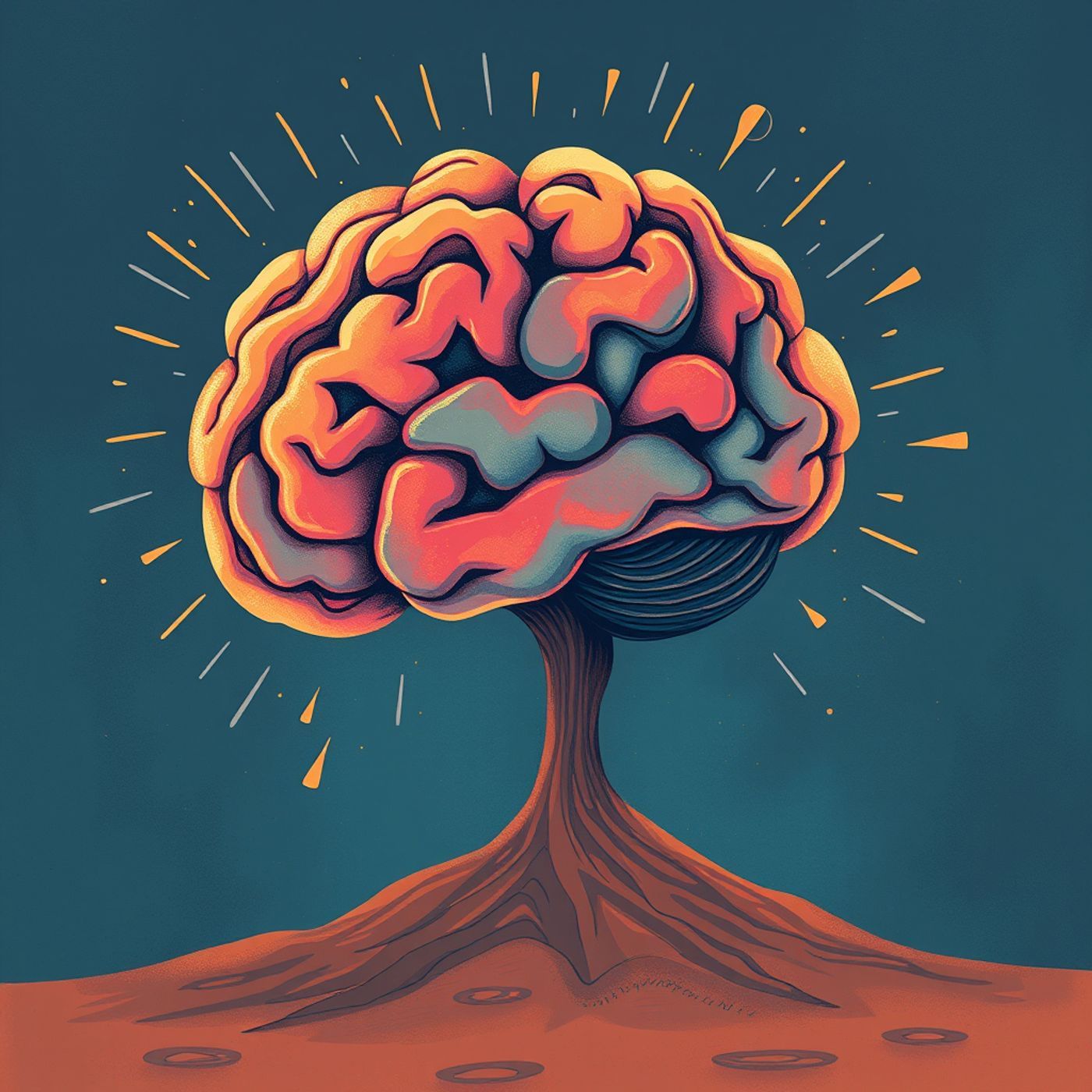
Children's behaviors are not random. They are shaped by the environments they grow up in. When kids face poverty, racism, chronic stress, or instability, their brain development is affected in ways that influence learning, emotions, and behavior. This podcast breaks down the science from developmental psychology and shares evidence based strategies for parents and educators. No jargon. no Judgement, Just clarity, compassion, and tools that actually help.
-
3
Episode 1- “Understanding How Adversity Shapes the Developing Brain”
In this episode, I walk through the research that helped me make sense of why childhood stress affects learning, emotions, and behavior. Growing up, I often felt misunderstood, especially when school felt harder than it should have. It wasn’t until reading studies like Smith & Pollak (2021), Dumornay et al. (2023), and Nelson et al. (2025) that I finally understood how factors like threat, deprivation, and racism-related stress change the way the brain develops. I explain what these researchers found, what areas of the brain are impacted, and why timing and context matter. This episode sets the scientific foundation for the whole podcast: adversity isn’t just “being stressed”—it reshapes development, and understanding the science helps us respond with empathy rather than judgment.
-
2
Episode 2: “Why Kids React the Way They Do: Stress, Behavior, and What Adults Often Miss”
In this episode, I talk about why children’s emotions and behaviors can look “difficult” when they’re actually responding to stress. I explain how adversity affects brain regions involved in attention, emotional regulation, and learning, drawing on research by Smith & Pollak (2021) and Whittle (2025). I also reflect on how, growing up, I didn’t understand why school felt harder for me during stressful times — and how I often felt misunderstood by adults. By connecting the science to real experiences, the episode helps caregivers see children’s reactions not as misbehavior, but as signs of overloaded stress systems. I walk listeners through what stress-related behaviors can look like and why understanding the brain makes such a difference.
-
1
Episode 3 — Building Supportive Environments That Help Kids Thrive
In this episode, I focus on how caregivers and educators can create the kinds of environments that truly support children who are dealing with adversity. I talk about what consistent routines, emotional responsiveness, and supportive relationships actually look like in everyday life — and why they matter so much for learning, behavior, and mental health. Drawing from the developmental concepts I introduced earlier, I explain how predictable, caring environments can act as a buffer against the effects of stress on the brain. I also walk through how small, intentional changes at home or in the classroom can strengthen attention, emotional regulation, and confidence. This episode is really about putting the research into action in a way that feels doable for real families and real kids.
We're indexing this podcast's transcripts for the first time — this can take a minute or two. We'll show results as soon as they're ready.
No matches for "" in this podcast's transcripts.
No topics indexed yet for this podcast.
Loading reviews...
ABOUT THIS SHOW
Children's behaviors are not random. They are shaped by the environments they grow up in. When kids face poverty, racism, chronic stress, or instability, their brain development is affected in ways that influence learning, emotions, and behavior. This podcast breaks down the science from developmental psychology and shares evidence based strategies for parents and educators. No jargon. no Judgement, Just clarity, compassion, and tools that actually help.
HOSTED BY
Brenda Neves
Loading similar podcasts...
URL copied to clipboard!