
PODCAST · arts
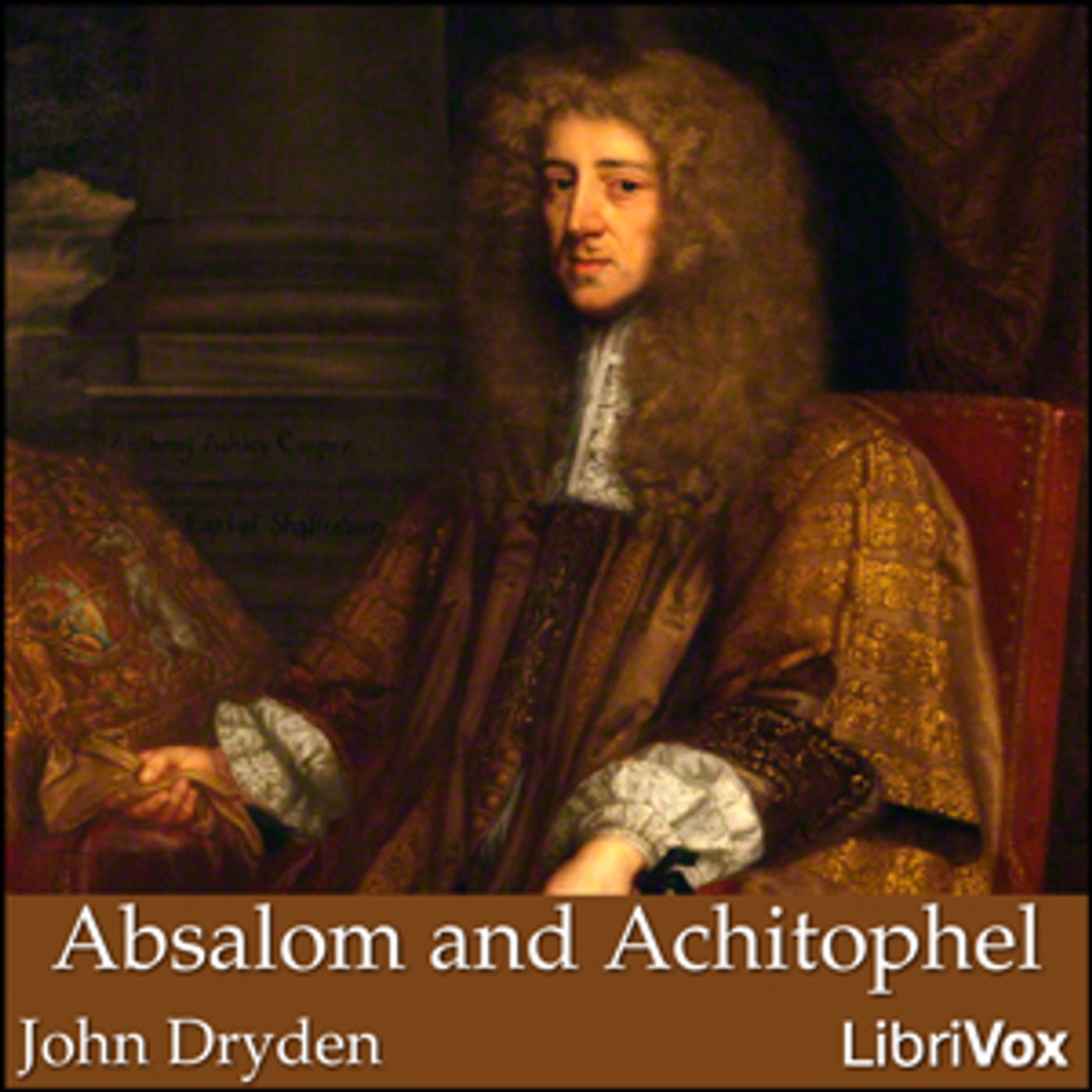
Absalom and Achitophel by John Dryden
by Mentor New York
John Dryden published Absalom and Achitophel: A Poem in 1681. It is an elaborate historical allegory using the political situation faced by King David (2 Samuel 14-18) to mirror that faced by Charles II. Each monarch had a son whom a high-ranking minister attempted to use against him. James Scott, first Duke of Monmouth, Charles II's illegitimate son, was detected planning a rebellion late in 1681, supposedly instigated by the Earl of Shaftesbury, who was tried for high treason, and it is believed that Dryden wrote the poem in an effort to sway the jury in his trial. The fates of both Absalom (Monmouth) and Achitophel (Shaftesbury) are left unspecified at the end of the poem (Monmouth did rebel in 1685, after his father's death, and was executed, and Shaftesbury was acquitted), but we are left to surmise that their fates would resemble those of their Biblical counterparts: Absalom was killed against David's instructions and Achitophel hanged himself. The poem can be enjoyed without any
-
2
-
1
We're indexing this podcast's transcripts for the first time — this can take a minute or two. We'll show results as soon as they're ready.
No matches for "" in this podcast's transcripts.
No topics indexed yet for this podcast.
Loading reviews...
ABOUT THIS SHOW
John Dryden published Absalom and Achitophel: A Poem in 1681. It is an elaborate historical allegory using the political situation faced by King David (2 Samuel 14-18) to mirror that faced by Charles II. Each monarch had a son whom a high-ranking minister attempted to use against him. James Scott, first Duke of Monmouth, Charles II's illegitimate son, was detected planning a rebellion late in 1681, supposedly instigated by the Earl of Shaftesbury, who was tried for high treason, and it is believed that Dryden wrote the poem in an effort to sway the jury in his trial. The fates of both Absalom (Monmouth) and Achitophel (Shaftesbury) are left unspecified at the end of the poem (Monmouth did rebel in 1685, after his father's death, and was executed, and Shaftesbury was acquitted), but we are left to surmise that their fates would resemble those of their Biblical counterparts: Absalom was killed against David's instructions and Achitophel hanged himself. The poem can be enjoyed without any
HOSTED BY
Mentor New York
CATEGORIES
Loading similar podcasts...
Frequently Asked Questions
How many episodes does Absalom and Achitophel by John Dryden have?
Absalom and Achitophel by John Dryden currently has 2 episodes available on PodParley. New episodes are automatically indexed when they're published to the podcast feed.
What is Absalom and Achitophel by John Dryden about?
John Dryden published Absalom and Achitophel: A Poem in 1681. It is an elaborate historical allegory using the political situation faced by King David (2 Samuel 14-18) to mirror that faced by Charles II. Each monarch had a son whom a high-ranking minister attempted to use against him. James Scott,...
How often does Absalom and Achitophel by John Dryden release new episodes?
Absalom and Achitophel by John Dryden has 2 episodes. Check the episode list to see recent publication dates and frequency.
Where can I listen to Absalom and Achitophel by John Dryden?
You can listen to Absalom and Achitophel by John Dryden on PodParley by clicking any episode. We provide an embedded audio player for direct listening, and you can also subscribe via your preferred podcast app using the RSS feed.
Who hosts Absalom and Achitophel by John Dryden?
Absalom and Achitophel by John Dryden is created and hosted by Mentor New York.
URL copied to clipboard!