
PODCAST · education
Ask The Educators
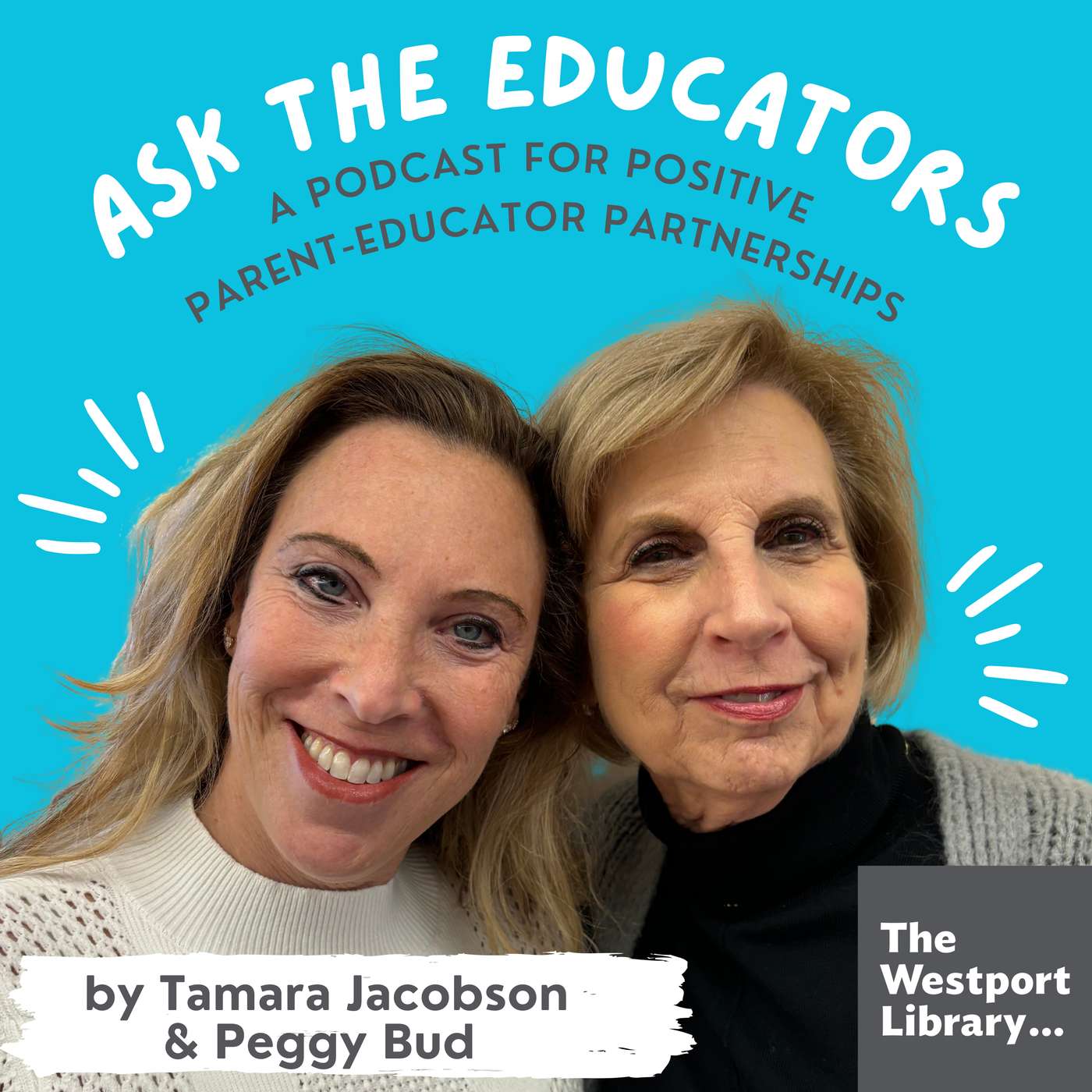
by Peggy Bud & Tamara Jacobson
Peggy Bud and Tamara Jacobson are the voices behind Ask the Educators, bringing together over 60 years of experience as teachers and administrators. They believe that the child’s voice must be at the center of all conversations. Best practices highlight the importance of parents and educators building a strong, positive partnership to support student success. Each episode of Ask the Educators takes a deep dive into relevant 21st Century topics. Through animated conversations, Peggy and Tamara break down the what, why, and how of each podcast by sharing their expertise and professional knowledge. They leave their listeners with practical, easy-to-use strategies to foster collaboration within the child’s community of practice. The purpose of each podcast is to equip parents and educators with tools and perspectives that can help ensure each child receives the support they need.
-
12
Making Sense of the Alphabet Soup of Education
This episode begins with a lighthearted poem, “I Do Not Like These IEPs.” The Alphabet Soup of Education, Jargon, acronyms, and technical terms, make communication between educators and parents confusing, causing misunderstandings and miscommunication. Bud and Jacobson discuss some of the l terms that perplex and befuddle parents during IEP meetings. Their intent is to help close this communication gap.
-
11
Family Engagement and Its Lasting Impact on Student Learning
Bud and Jacobson define family engagement as parents and school staff working together to support and improve the learning, development, and health of a student. In this episode, Carrie Falcone, a mother of a middle school child, is their guest. She shares her insights regarding the importance of family engagement, and the difficulties she experienced that impacted on her ability to trust her local school district.
-
10
The Importance of Early Intervention Services
This episode offers a deep dive into early intervention services. Peggy Bud interviews Tamara Jacobson, her Ask the Educator partner, about her experiences as a parent of a child with significant special needs. Tamara gives a detailed account of her journey as a mother and educator navigating the early intervention process.
-
9
Trust + Transparency = Authenticity
This episode will discuss how and why it is crucial to build genuine connections through open communication. The mantra of Ask the Educators is Trust is a Must. Trust is trusting ME to tell the truth. Trust is trusting YOU to tell the truth. And Trust is YOU believing ME and ME believing YOU. Authentic, data driven conversations build trust through honesty and transparency.
-
8
Parent-Input and the IEP Process
Parents’ input is crucial, which is why Ask the Educators invited Sivan Hong, parent and noted author, to be their special guest. This podcast discusses the importance of parents having a voice in the IEP process, which special education law specifically outlines by saying parents are equal members of their child’s IEP team. Many times,parents feel their voices are not heard or validated, leading to feeling intimidated by the process. Sivan shares her story and perspective regarding parent-input and its impact on her child’s learning.
-
7
Pre-meetings Foster Engagement
Bud and Jacobson introduced an original concept, the pre-meeting in their book Navigating Special Education. This episode discusses the importance of pre-meetings as laying the groundwork for active participation between parents and educators during the IEP process. Pre-meetings build trust and lead to parent engagement.
-
6
Consensus vs. an Unhappy Minority
Reaching consensus prevents meetings from turning adversarial. This episode focuses on the importance of meshing ideas during the compromise process so that parents and educators can support the decisions even if they don’t totally agree, which Bud and Jacobson define as “reaching consensus.” An example of the antithesis of reaching consensus is a school district telling parents ‘This is the program we offer for students with your child’s learning needs.’ In this case, parents feel their voices don’t matter and become ‘the unhappy minority.’ The goal is to find a path to consensus.
-
5
Compromise: The Art of Meshing Ideas
To Bud and Jacobson compromise is not a ‘dirty word,’ and they define it as the meshing of ideas instead of being a process that requires each side to give something up. In this episode they discuss how conversations open new possibilities and can lead to creative ways to address the child’s needs. Honing the art of compromise leads to everyone feeling heard and respected.
-
4
Cultivating Parent – Teacher Partnerships
Building parent-teacher partnerships leads to student success. In this episode, Bud, and Jacobson use Justin’s story, from their book Navigating Special Education, to highlight the importance of parents and teachers working together to support the student. Cultivating these partnerships is crucial for all parents.
-
3
Unlocking Dialogues: The Art and Science of Meaningful Conversations
This episode brings to light Bud and Jacobson’s vision of parents and educators forging partnerships; working collaboratively and cooperatively to ensure the child gets what they need to be successful. It’s all about the conversation, which must be a dialogue, not a monologue. Asking questions, perspective taking, and active listening are the core elements of an effective conversation. Conversations will lead to productive meetings and encourage everyone to have a voice. Peggy and Tamara share real case studies to highlight the importance of conversations. Being willing to have open, honest, and transparent conversations will have a positive effect on student success.
-
2
Building Bridges: An Effective Communication Framework for Success!
In this episode, Bud and Jacobson present the 5-C Model of Communication, an original communication framework, which they first introduced in their book Navigating Special Education, the Power of Building Positive Parent-Educator Partnerships. During this podcast, they discuss the key components of their model: conversations, collaboration, cooperation, compromise, and consensus. Using their framework ensures everyone’s voice is heard and valued, which will help parents be active participants in the IEP process.
-
1
Yesterday’s Dream and the Grieving Process
This episode presents an often-overlooked aspect of parenting a child with special needs, the grieving process. Bud and Jacobson discuss the Five-Stages of Grief as outlined by Elizabeth Kubler-Ross. Parents grieving influences how they communicate with educators. Bud and Jacobson offer practical insights regarding the grieving process as it impacts not only families,but the education community. Awareness and empathy are the path to building collaborative parent-teacher relationships.
We're indexing this podcast's transcripts for the first time — this can take a minute or two. We'll show results as soon as they're ready.
No matches for "" in this podcast's transcripts.
No topics indexed yet for this podcast.
Loading reviews...
ABOUT THIS SHOW
Peggy Bud and Tamara Jacobson are the voices behind Ask the Educators, bringing together over 60 years of experience as teachers and administrators. They believe that the child’s voice must be at the center of all conversations. Best practices highlight the importance of parents and educators building a strong, positive partnership to support student success. Each episode of Ask the Educators takes a deep dive into relevant 21st Century topics. Through animated conversations, Peggy and Tamara break down the what, why, and how of each podcast by sharing their expertise and professional knowledge. They leave their listeners with practical, easy-to-use strategies to foster collaboration within the child’s community of practice. The purpose of each podcast is to equip parents and educators with tools and perspectives that can help ensure each child receives the support they need.
HOSTED BY
Peggy Bud & Tamara Jacobson
Loading similar podcasts...
URL copied to clipboard!