
PODCAST · arts
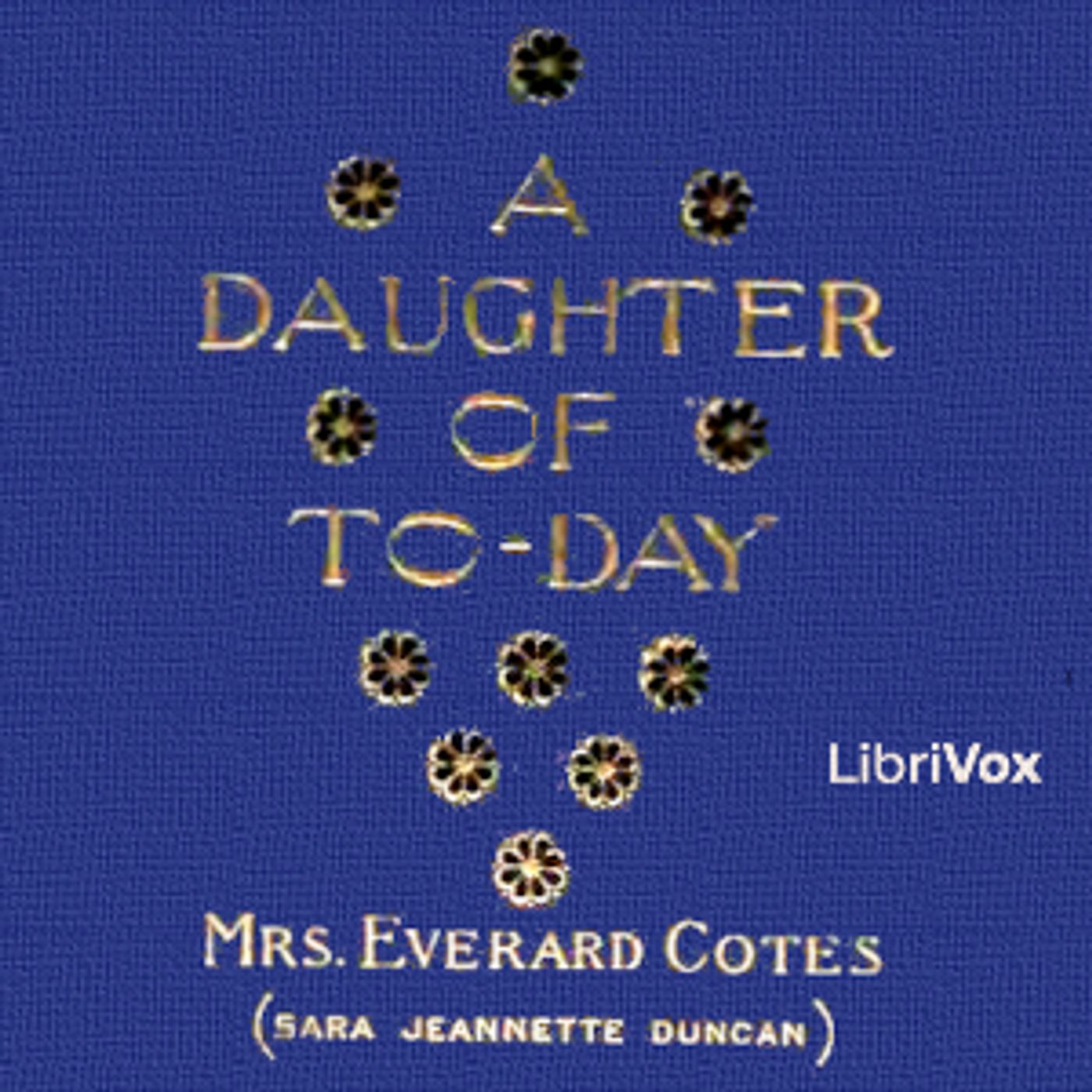
Daughter of Today, A by Sara Jeannette Duncan (1861 - 1922)
by ciesse
The Canadian author Sara Jeannette Duncan (aka Mrs. Everard Cotes) is today best known for her 1904 novel of Ontario life, “The Imperialist” (also available as a LibriVox recording), but in Duncan’s own time readers were impressed more by her other works, including “A Daughter of Today,” published in 1894. “A Daughter of Today” follows the story of Elfrida Bell, a young woman who escapes the American Midwest to pursue first an artistic education in Paris, and then a novice career in journalism in London. As the novel’s title indicates, Elfrida is a product “of today,” i.e., of her day — the 1890s. She is swept up in the heady notions of that period: Aestheticism (“art for art’s sake”), fin-de-siècle Decadence, and ideas about the “New Woman” who breaks free of bourgeois conventions. With the self-absorption of youth, Elfrida sets about constructing herself along these lines. She pursues this project with bracing energy, mixed with pretension and affectation: “In nothing tha
No episodes available yet.
We're indexing this podcast's transcripts for the first time — this can take a minute or two. We'll show results as soon as they're ready.
No matches for "" in this podcast's transcripts.
No topics indexed yet for this podcast.
Loading reviews...
ABOUT THIS SHOW
The Canadian author Sara Jeannette Duncan (aka Mrs. Everard Cotes) is today best known for her 1904 novel of Ontario life, “The Imperialist” (also available as a LibriVox recording), but in Duncan’s own time readers were impressed more by her other works, including “A Daughter of Today,” published in 1894. “A Daughter of Today” follows the story of Elfrida Bell, a young woman who escapes the American Midwest to pursue first an artistic education in Paris, and then a novice career in journalism in London. As the novel’s title indicates, Elfrida is a product “of today,” i.e., of her day — the 1890s. She is swept up in the heady notions of that period: Aestheticism (“art for art’s sake”), fin-de-siècle Decadence, and ideas about the “New Woman” who breaks free of bourgeois conventions. With the self-absorption of youth, Elfrida sets about constructing herself along these lines. She pursues this project with bracing energy, mixed with pretension and affectation: “In nothing tha
HOSTED BY
ciesse
Loading similar podcasts...
Frequently Asked Questions
How many episodes does Daughter of Today, A by Sara Jeannette Duncan (1861 - 1922) have?
Daughter of Today, A by Sara Jeannette Duncan (1861 - 1922) currently has 0 episodes available on PodParley. New episodes are automatically indexed when they're published to the podcast feed.
What is Daughter of Today, A by Sara Jeannette Duncan (1861 - 1922) about?
The Canadian author Sara Jeannette Duncan (aka Mrs. Everard Cotes) is today best known for her 1904 novel of Ontario life, “The Imperialist” (also available as a LibriVox recording), but in Duncan’s own time readers were impressed more by her other works, including “A Daughter of Today,” published...
How often does Daughter of Today, A by Sara Jeannette Duncan (1861 - 1922) release new episodes?
Daughter of Today, A by Sara Jeannette Duncan (1861 - 1922) is no longer actively publishing new episodes, but the existing catalog remains available.
Where can I listen to Daughter of Today, A by Sara Jeannette Duncan (1861 - 1922)?
You can listen to Daughter of Today, A by Sara Jeannette Duncan (1861 - 1922) on PodParley by clicking any episode. We provide an embedded audio player for direct listening, and you can also subscribe via your preferred podcast app using the RSS feed.
Who hosts Daughter of Today, A by Sara Jeannette Duncan (1861 - 1922)?
Daughter of Today, A by Sara Jeannette Duncan (1861 - 1922) is created and hosted by ciesse.
URL copied to clipboard!