
PODCAST · society
Epic Love Legacy™
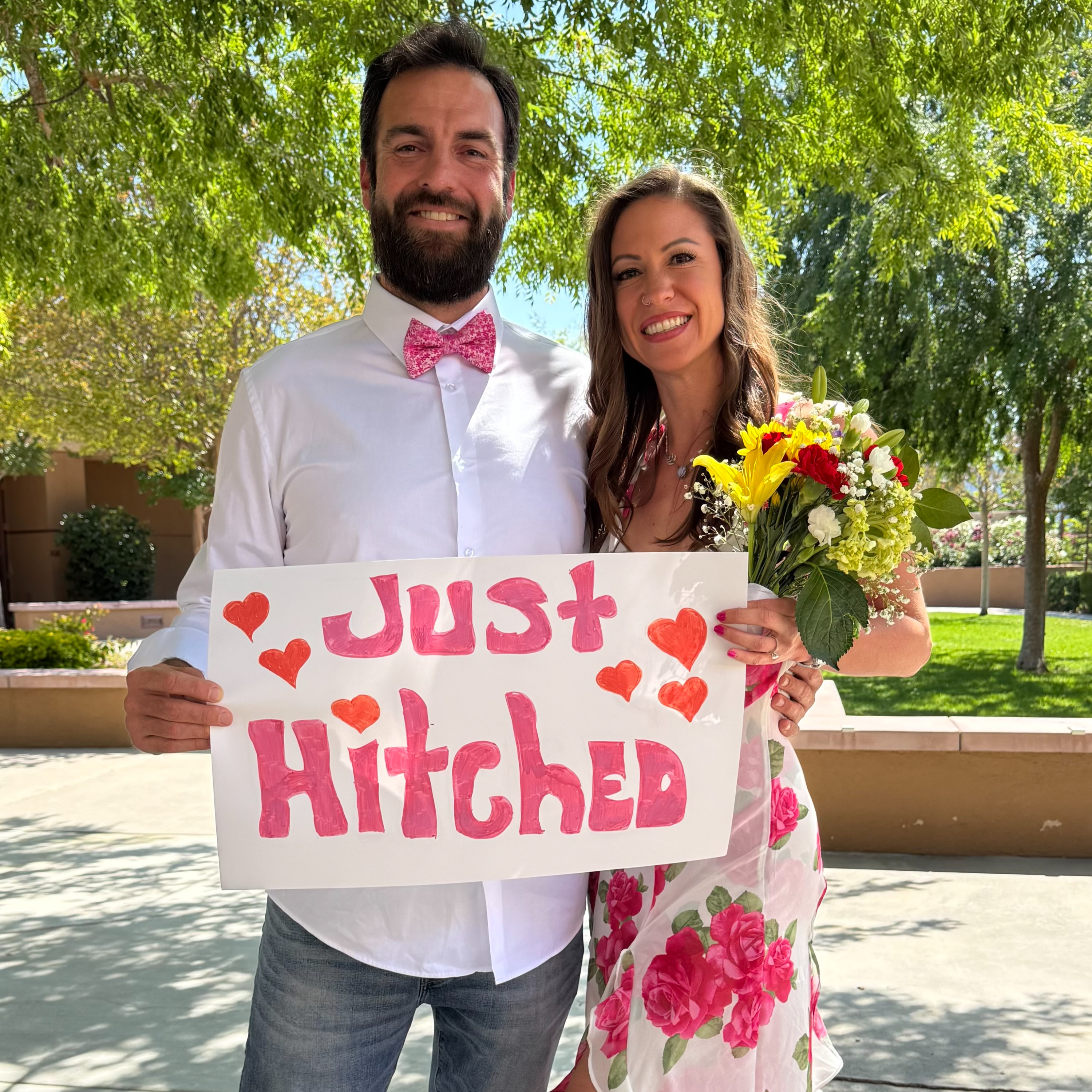
by Jake and Carissa Worthington
Epic Love Legacy is the no-fluff, soul-deep personal growth podcast for anxious Mama's who want to heal anxious attachment for good. Hosted by Jake & Carissa, to help women heal anxious attachment so they can stop chasing avoidant men and finally attract safe, secure, passionate love. Using neuroscience, manifestation, shadow work, and nervous system healing, we guide cycle breakers to rewire old patterns, strengthen self-worth, and open their hearts to lasting intimacy. This channel is for you!Episodes drop weekly(ish). Come for the insight. Stay for the laughs. Experience the liberation.
-
14
The Mother Wound
The first episode of the Epic Love Legacy podcast features a deep dive into the concept of the mother wound, exploring its impact on childhood development, adult relationships, and self-love. Carissa and Jake Worthington share personal experiences and insights, shedding light on the complexities of the mother wound and its lasting effects. The conversation delves into the impact of the mother wound on relationships, boundaries, and emotional well-being. It explores the importance of setting boundaries, differentiating intuition from anxiety, and practicing emotional literacy. The discussion also emphasizes the need for healing, self-mothering, and choosing safety over familiar chemistry in relationships.TakeawaysMother wound impactDifficulty receiving love and consistency Mother wounds can impact relationships, boundaries, and emotional well-being.Setting boundaries, practicing emotional literacy, and differentiating intuition from anxiety are crucial for healing.Healing, self-mothering, and choosing safety over familiar chemistry are essential for emotional well-being and healthy relationships.Chapters00:00 Difficulty Receiving Love and Consistency36:10 Choosing Safety Over Familiar Chemistry
-
13
Duality of Reality in Relationships
In this episode of 'Manifestation for Assholes', Jake and Carissa Worthington explore the complexities of relationships through the lens of duality. They discuss how past experiences shape current dynamics, the importance of vulnerability, and the balance between acceptance and change. The conversation emphasizes the significance of self-compassion and emotional intimacy, while also addressing common misperceptions that lead to conflict. Ultimately, they encourage listeners to embrace the paradoxes of life and relationships to foster deeper connections and personal growth.TakeawaysThe duality of reality is essential in understanding relationships.Fear and faith are two sides of the same coin.Past relationships can influence current dynamics.Desiring safety while being addicted to chaos is a common paradox.Perception shapes our shared reality in relationships.Vulnerability is crucial for emotional intimacy.Most relationship conflicts stem from misperceptions, not incompatibility.Self-compassion is more important than self-esteem for relationship satisfaction.Acceptance and change must coexist for growth.Healthy relationships require both softness and accountability.Chapters00:00 Exploring the Duality of Reality05:14 Navigating Relationships and Personal Growth09:33 Understanding Projections and Truth in Relationships16:28 The Role of Parenting in Shaping Reality24:00 The Dance of Duality in Relationships24:12 Embracing the Paradox of Intimacy34:19 The Spectrum of Human Experience41:52 Navigating Control and Connection in Relationships43:05 Embracing Individuality in Relationships45:35 The Balance of Acceptance and Change47:39 The Universe's Signs for Change50:07 Authenticity vs. Connection53:31 The Importance of Vulnerability56:10 Understanding Misperceptions in Relationships58:51 The Fear of Vulnerability in Love01:01:36 Self-Compassion and Relationship Satisfaction01:03:05 Creating Your Dream Relationship
-
12
SAFE LOVE (Part 1)
SummaryIn this episode of 'Manifestation for Assholes', Jake and Carissa Worthington delve into the concept of 'Safe Love' and how it relates to manifesting healthy relationships. They discuss the importance of self-worth, accountability, forgiveness, and personal evolution in creating fulfilling connections. The conversation emphasizes that everyone deserves love and that personal growth is a continuous journey that requires self-awareness and effort.TakeawaysSafe love begins with self-worth and subconscious beliefs.Accountability is crucial for manifesting desires.Forgiveness is a process that involves self-acceptance.Evolution is a gradual journey of personal growth.Self-worth influences how we perceive and attract relationships.Subconscious beliefs can hinder or help our manifestations.Practicing accountability can lead to healthier relationships.Forgiveness is not about the other person, but about freeing oneself.Emotional intelligence is key to understanding and managing feelings.Everyone is on their own journey of evolution and growth.Chapters00:00 Introduction to Safe Love02:19 Understanding Safe Love and Its Importance04:42 The Framework of Safe Love: Self-Worth and Accountability07:21 The Role of Forgiveness in Relationships23:25 The Importance of Self-Forgiveness25:20 Understanding Evolution of the Soul27:37 Navigating Relationships and Personal Growth31:03 Radical Acceptance and Emotional Growth37:27 Emotional Quotient and Maturity41:16 Conclusion and Future ConversationsKeywordsmanifestation, relationships, self-worth, accountability, forgiveness, personal growth, emotional intelligence, safe love, subconscious beliefs, healing
-
11
F*ck Love & Light
SummaryIn this conversation, Jake Worthington and Carissa explore a unique approach to manifestation that challenges traditional love and light paradigms. They discuss the importance of acknowledging trauma, the role of the inner asshole as both a protector and a saboteur, and the journey from healing to thriving. The hosts emphasize personal responsibility, community support, and the integration of one's darker aspects as essential components of successful manifestation. They also share personal stories and insights on relationships, emotional dysregulation, and the transformative power of manifestation.TakeawaysManifestation can be approached from a different lens than love and light.Trauma survivors can benefit from a more authentic approach to manifestation.The inner asshole can serve as both a protector and a saboteur.Emotional dysregulation can impact relationships and personal growth.Healing is a stage, but thriving is the goal.Manifestation requires personal responsibility and accountability.Integrating the inner asshole is essential for personal growth.Trauma can block manifestations if not addressed properly.Community support is vital in the journey of healing and manifestation.Manifesting a dream relationship involves self-awareness and growth.Sound Bites"You can be an asshole and still grow.""Your inner asshole kept you alive.""You can outgrow your past."Chapters00:00 Introduction to Manifestation for Assholes03:03 The Challenges of Love and Light in Manifestation05:56 Healing vs. Moving Forward09:02 Understanding the Inner Teenager12:01 Navigating Emotional Dysregulation15:04 Projection and Self-Awareness18:00 Integrating the Inner Asshole20:46 The Role of the Protector in Our Lives26:41 The Burden of Medication29:49 The Journey to Healing32:04 Breaking Free from Big Pharma36:25 Reinventing Oneself in Recovery39:23 The Role of the Inner Protector42:22 From Surviving to Thriving49:00 Manifesting Healthy Relationships56:36 The Power of ManifestationKeywords:manifestation, trauma, healing, inner asshole, emotional dysregulation, personal growth, relationships, self-discovery, accountability, spirituality
-
10
The Power Of Pussy Healing with Mollie B.
🎧 Why You Should Listen:This episode is raw, real, and absolutely necessary. If you’ve ever felt disconnected from your body, struggled with sexual shame, or wanted to step deeper into your divine feminine power, this is a must-listen.🎙️ Hit Play & Let’s Go Deep! 🚀💫🔮 Guest: Mollie Billings, aka The Pussy Healer💫 Hosts: Jake Worthington & Carissa Ferns Healing & Reclaiming Pussy Power – How Mollie went from struggling with her libido to fully embodying her divine feminine. The Four Aspects of Pussy Energy – Mental, Emotional, Spiritual & Physical (and why most women only focus on one). Energetic Imprints & Trauma Storage – Why past life wounds, ancestral trauma, and personal experiences all impact your connection to your body. Releasing Shame & Reclaiming the Word ‘Pussy’ – The deep societal programming behind this word and why de-stigmatization is so crucial. Masculine & Feminine Balance in Sex & Relationships – Why emotional safety is key to deep intimacy. Manifestation & Sexual Energy – The direct connection between frequency, orgasmic energy, and creation. How Men Can Show Up as Safe Partners – Jake’s powerful insight into healing past mistakes & stepping into conscious masculinity."Every time you say yes when your pussy is saying no, you're traumatizing her. And you chose that, not your partner. You are betraying yourself." – Mollie"A pussy is the strongest part of the body. It gives birth, it endures, and it’s the gateway to life itself. Why has society made it a shameful word?" – Jake"I went from 9% pussy capacity to 80% in three weeks. When you remove stored trauma, you completely transform." – Mollie"For women, foreplay starts at breakfast… last week." – Carissa Free Pussy Profile Session – Get your unique energy readout 1:1 Energy Healing & Coaching – Virtual deep dive Upcoming Event: Microdose to Manifest Your Divine Feminine (March 12) – Join Mollie & Carissa in a sacred healing experience.📲 Connect with Mollie:🔗 Website: [molli-b.com]📸 Instagram: [m.o.l.l.i.e.b]📲 Connect with Us:🌐 Website: [schoolofscars.com] (Launching Soon!)📸 Instagram: [consciouslycarissa.com]🔑 Key Topics Covered:💬 Powerful Quotes:🌟 Work With Mollie:
-
9
Emotional Regulation, Healing, & Neuroplasticity
Summary In this episode of the Thought Therapy Podcast, hosts Jake Worthington and Carissa Ferns explore the intricate relationship between healing, neuroplasticity, and emotional regulation. They discuss the importance of breaking free from limiting beliefs, the role of manifestation in healing, and the significance of bridge affirmations. The conversation delves into emotional dysregulation, particularly in the context of borderline personality disorder, and emphasizes the need for validation and understanding in relationships. The hosts share personal experiences and insights on navigating emotional events, the impact of past trauma, and the limitations of the DSM-5 in diagnosing mental health issues. They highlight the importance of connection, willingness to change, and celebrating personal victories in the journey of healing. Keywords neuroplasticity, healing, manifestation, emotional dysregulation, relationships, validation, mental health, trauma, anxiety, depression Takeaways Healing is a continuous journey, not a destination. Neuroplasticity allows us to rewire our subconscious mind. Manifestation requires belief and time for healing. Bridge affirmations help in overcoming limiting beliefs. Emotional dysregulation can stem from unresolved trauma. Validation is crucial in emotional relationships. Willingness to change is key to personal transformation. The DSM-5 may not accurately reflect individual experiences. Anxiety often relates to fear of future loss. Celebrating small victories is essential for growth. Chapters 00:00 Introduction to Thought Therapy Podcast 01:08 The Journey of Healing and Neuroplasticity 02:58 Manifestation and Healing: The Science Behind It 06:02 Bridge Affirmations: A New Approach to Healing 09:01 Understanding Emotional Dysregulation and BPD 11:59 Navigating Emotional Events in Relationships 15:07 The Importance of Validation in Relationships 18:04 Creating a Safe Space for Emotional Expression 20:54 The Role of Willingness in Personal Transformation 23:59 The Impact of Past Trauma on Present Behavior 26:57 The DSM-5 and Its Limitations 29:58 Understanding Anxiety and Depression 32:58 The Cycle of Negative Thinking and Behavior 35:51 Rewiring the Mind for Positive Change 39:02 Empowering Personal Growth Through Healing 41:56 The Importance of Connection in Relationships 45:07 Lessons from Parenting and Coaching 47:55 Celebrating Personal Victories and Growth
-
8
The Journey to Authenticity
In this episode of the Thought Therapy Podcast, hosts Jake Worthington and Carissa Ferns delve into the themes of authenticity and accountability. They explore the challenges of living authentically in a world filled with societal expectations and personal insecurities. The conversation highlights the importance of self-acceptance, the impact of family dynamics, and the role of accountability in relationships. Through personal anecdotes and insights, they emphasize the significance of understanding one's own desires and the journey towards embracing authenticity. Takeaways: Authenticity is about being genuine and real. Living inauthentically can lead to physical and mental health issues. The journey to authenticity is unique for everyone. Accountability is crucial for personal growth and relationships. Conditional love can hinder our ability to be authentic. Family dynamics can complicate our journey to authenticity. Self-responsibility is key to emotional well-being. Authentic communication enhances intimacy in relationships. Judgment of self and others can impede authenticity. Embracing imperfections is part of the authentic journey. "Living authentically can be really challenging." "I don't want to think about my wrinkles." "It's not a black or white issue." Chapters 00:00 Introduction to Authenticity and Accountability 02:54 The Challenge of Living Authentically 06:02 Navigating Personal Choices and Societal Expectations 08:53 The Science of Authenticity and Health 11:53 Personal Journeys of Authenticity 14:35 The Role of Relationships in Authenticity 17:45 Accountability vs. Responsibility 20:40 The Impact of Conditional Love 23:35 Finding Your Authentic Self 26:26 The Importance of Authentic Communication 29:01 Conclusion and Call to Action
-
7
Unlocking the Power of Microdosing
Summary In this episode of the Thought Therapy Podcast, hosts Jake Worthington and Carissa Ferns delve into the transformative power of microdosing, particularly with psilocybin. They share their personal journeys with addiction, mental health, and the healing benefits of psychedelics. The conversation explores the science behind microdosing, including neuroplasticity, and emphasizes the importance of intention and self-compassion in the healing process. They also discuss the influence of Big Pharma on mental health treatments and the necessity of becoming the observer in one's life to foster personal growth and emotional healing. microdosing, psilocybin, neuroplasticity, emotional healing, self-compassion, Big Pharma, personal growth, mental health, alternative medicine, psychedelics Takeaways Microdosing can significantly improve mental health and emotional well-being. Neuroplasticity allows the brain to reorganize and heal through new experiences. Self-compassion is crucial for personal growth and healing. Big Pharma often prioritizes profit over genuine healing solutions. The observer effect helps individuals gain perspective on their thoughts and behaviors. Microdosing should be approached with intention and guidance. Failure is a part of the learning process and should be embraced. The heart has more neurons than the brain, influencing decision-making. Chronic stress and conditional love can lead to physical illness. Personal growth requires stepping outside of comfort zones and facing fears. Chapters 00:00 Introduction to Microdosing and Personal Journeys 08:45 Understanding Microdosing: Psilocybin Explained 19:28 The Science of Neuroplasticity and Healing 29:59 Transformative Effects of Microdosing 37:54 Intention Behind Microdosing 46:53 The Role of Big Pharma in Psychedelic Research 53:38 Becoming the Observer: Self-Compassion and Accountability 59:17 The Heart vs. Mind: Making Decisions 01:08:12 Breaking Free from Conditional Love 01:18:05 Conclusion and Resources for Microdosing
-
6
Becoming Divine Masculine & Divine Feminine
Summary In this episode, Jake and Carissa discuss the concepts of divine masculine and divine feminine. They explain that these energies are not limited to gender and that both men and women possess both energies. They emphasize the importance of balancing these energies to live authentically. Jake shares his personal journey of discovering his divine masculine and the misconceptions he had about it. Carissa highlights the significance of emotional safety and the need for women to feel safe enough to surrender and trust. They also discuss the importance of active listening and being present in relationships. The conversation explores the concept of divine femininity and the challenges women face in embracing it. The speakers discuss the importance of safety and protection for women and the role of homosexuality in the context of divine femininity. They emphasize the need for open-mindedness and the willingness to challenge ideas. The conversation also touches on the concept of toxic masculinity and the impact of societal expectations on women. The speakers discuss the influence of communism on women's suffrage and the workplace, as well as the role of microdosing psilocybin in helping women connect with their divine feminine. In this part of the conversation, Jake and Carissa discuss the importance of communication and vulnerability in a relationship. They talk about how microdosing helped Jake find a space between his reactions and what happened, allowing him to make better choices. They also discuss the dynamics of the divine masculine and divine feminine energies in their relationship, and how being honest and authentic with each other strengthens their connection. They share their experience of going through a period of disconnection and how they were able to reconnect through open and honest communication. They emphasize the importance of unselfishness and being present for each other in a relationship. Keywords divine masculine, divine feminine, balance, energy, gender, authenticity, emotional safety, surrender, trust, active listening, presence, divine femininity, safety, protection, homosexuality, open-mindedness, toxic masculinity, societal expectations, communism, women's suffrage, workplace, microdosing psilocybin, communication, vulnerability, microdosing, space, reactions, choices, divine masculine, divine feminine, connection, disconnection, honesty, authenticity, unselfishness Takeaways Divine masculine and divine feminine energies are not limited to gender and both men and women possess both energies. Balancing these energies is important for living authentically and in a state of wholeness. Emotional safety is crucial for women to feel safe enough to surrender and trust. Active listening and being present in relationships are key to fostering emotional intimacy and connection. Safety and protection are essential for women to embrace their divine femininity. Open-mindedness and the willingness to challenge ideas are important for personal growth. Toxic masculinity is a result of societal expectations and can be harmful. Communism has influenced women's suffrage and the workplace. Microdosing psilocybin can help women connect with their divine feminine. Microdosing helped Jake find a space between his reactions and what happened, allowing him to make better choices. Honest and authentic communication is essential for maintaining a strong connection in a relationship. The dynamics of the divine masculine and divine feminine energies play a role in the dynamics of a relationship. Being present and unselfish in a relationship strengthens the bond between partners.
-
5
Lets Talk about Trauma
Summary In this episode, Carissa and Jake discuss trauma and its impact on their lives. They define trauma as anything that forever changes the way a person thinks about or interacts with the world. They share their personal experiences with trauma, including childhood trauma, combat trauma, and the trauma of the COVID-19 pandemic. They emphasize the importance of acknowledging and addressing trauma, as well as the role it plays in relationships. They also critique the current approach to mental health treatment, particularly the overreliance on medication. The conversation explores the topics of trauma, medication, psychiatry, therapy, and coaching. The hosts share their personal experiences with trauma and how it affected their mental health. They discuss the use of medication, such as SSRIs, and its effectiveness in addressing trauma. They also compare the approaches of psychiatrists and therapists, highlighting the importance of finding a professional who is compassionate and solution-oriented. The hosts emphasize the benefits of coaching in providing future-oriented solutions and helping individuals overcome limiting beliefs. They also touch on the impact of abandonment wounds and the search for approval from family. Overall, the conversation highlights the importance of addressing trauma and finding the right support system for healing. In this conversation, Jake and Carissa discuss the impact of trauma on their relationship and personal lives. They share their experiences with PTSD and how it has affected their behavior, relationships, and work. They emphasize the importance of addressing trauma and finding healing and peace. They also discuss the concept of fighting fair and the need for self-compassion and forgiveness. They provide insights into the process of navigating a relationship while dealing with trauma and offer a worksheet for self-reflection and growth. Keywords trauma, definition, experiences, denial, addressing trauma, impact, relationships, mental health treatment, medication, trauma, medication, psychiatry, therapy, coaching, SSRIs, mental health, abandonment wounds, approval, trauma, PTSD, relationships, healing, peace, fighting fair, self-compassion, forgiveness Takeaways Trauma is anything that forever changes the way a person thinks about or interacts with the world. Trauma can be experienced in various ways and is not limited to major events. Acknowledging and addressing trauma is important for healing and personal growth. Trauma can impact relationships and it is important to communicate and support each other. The current approach to mental health treatment, particularly the overreliance on medication, needs to be reevaluated. Trauma can have a significant impact on mental health and may require professional support for healing. Medication, such as SSRIs, can be helpful in managing symptoms of trauma, but it is important to consider individual needs and potential side effects. Psychiatrists and therapists have different approaches, with psychiatrists focusing more on medication management and therapists providing a space for emotional support and coping skills. Coaching offers a future-oriented and solution-focused approach to personal growth and overcoming limiting beliefs. Abandonment wounds and the search for approval from family can influence relationships and self-perception. Trauma can have a profound impact on behavior, relationships, and work. Addressing trauma and seeking healing can lead to personal growth and improved relationships. Fighting fair in a relationship involves being accountable for one's actions and words. Understanding the impact of trauma on oneself and one's partner can foster empathy and compassion. Finding victories and areas of growth in navigating trauma can contribute to a healthier relationship. Identifying trauma while still in it can be challenging, but self-reflection and curiosity can help in the healing process.
-
4
When Someone You Love is Dying
Carissa shares about her mother's health struggles and her own journey of healing and forgiveness. She discusses the power of thoughts and beliefs in shaping our reality and the importance of interacting with our thoughts in a healthy way. Carissa also talks about her spiritual beliefs regarding her mother's life and the lessons she has learned from her. She expresses gratitude for her mother's sacrifices and the gifts she has given her. The conversation also touches on the role of Western and Eastern medicine in her mother's care and the importance of hope and faith. In this conversation, Jake and Carissa discuss the concept of thought therapy and how it can help individuals change their thoughts and improve their lives. They emphasize the importance of self-love and self-acceptance, and how attaching meaning to our thoughts can impact our behavior. They also talk about the power of manifestation and how they manifested each other in their relationship. They announce an upcoming masterclass on how to manifest your dream relationship. Keywords alcoholism, addiction, grief, thoughts, beliefs, spirituality, soul contract, gratitude, Western medicine, Eastern medicine, hope, faith, thought therapy, self-love, self-acceptance, manifestation, dream relationship Takeaways Thoughts control our entire reality, and it is important to interact with our thoughts in a healthy way. Grief is often masked as anger, and allowing ourselves to feel grief keeps our hearts open. Carissa has found healing and gratitude in her relationship with her alcoholic mother, seeing her struggles as a gift that has shaped her own journey. Western medicine and Eastern medicine both have their place in healthcare, and it is important to find a balance between the two. Having hope and faith can be more empowering than focusing on a specific life expectancy. Thought therapy involves changing our thoughts and the meanings we attach to them. Self-love and self-acceptance are crucial for personal growth and transformation. Manifestation is a powerful tool for creating the life and relationships we desire. The upcoming masterclass will provide techniques and tools for manifesting your dream relationship. Sound Bites "Anger is really just unprocessed grief." "This is never gonna end, this is never gonna end." "I am very grateful for my mother's alcoholism." "Thought therapy is brilliant." "Is it true every time?" "Taking ownership and accountability for our thoughts and behavior." Chapters 00:00 Introduction and Update 04:19 The Power of Thoughts and Beliefs 08:55 Finding Healing and Gratitude in the Face of Addiction 16:44 Carissa's Spiritual Beliefs and Soul Contract 22:11 Balancing Western and Eastern Medicine 26:09 The Importance of Hope and Faith 29:09 Introduction to Thought Therapy 40:10 Rebranding as Thought Therapy 45:07 Upcoming Masterclass: Manifesting Your Dream Relationship 48:47 Closing Remarks and Words of Encouragement
-
3
How to Love Yourself After Addiction
Summary In this episode, Jake and Carissa discuss the importance of loving yourself after addiction and how it relates to recovery. Carissa shares her personal journey of learning to love herself and the misconceptions she had in the past. They talk about the concept of radical acceptance and the power of choice in self-improvement. They also discuss the difference between guilt and shame and how to navigate these emotions. The conversation highlights the significance of being mindful of what we feed our subconscious minds and the impact it has on our well-being. In this conversation, Carissa and Jake discuss the importance of consistency in personal growth and the power of forgiveness. They explore the concept of doing 90 meetings in 90 days in Alcoholics Anonymous and how it relates to the brain's ability to prune and create new neural pathways. They emphasize the need to show oneself grace and forgiveness, even when it feels undeserved. They also discuss the benefits of performing unselfish acts and the importance of being kind to oneself and others. Keywords self-love, addiction recovery, radical acceptance, guilt, shame, subconscious mind, consistency, personal growth, forgiveness, Alcoholics Anonymous, neural pathways, grace, unselfish acts, kindness Takeaways Loving yourself after addiction is an important part of the recovery process. Radical acceptance is a key aspect of self-love, allowing for acceptance of where you are in life. Guilt is an effective emotion that signals a desire for change and growth, while shame is not productive and can hinder progress. Being mindful of what we feed our subconscious minds is crucial for our well-being and self-improvement. The mind is powerful and can manifest both positive and negative outcomes, so it's important to focus on positive thoughts and images. Consistency is key in personal growth. The brain needs time to prune old neural pathways and create new ones. Showing oneself grace and forgiveness, even when it feels undeserved, is crucial for healing and growth. Performing unselfish acts and being kind to oneself and others can help build self-esteem and create positive change. Comparing oneself to others and dwelling on past mistakes only perpetuates negative self-talk and prevents growth.
-
2
Jake's Story
Summary Jake shares his journey of getting sober and finding a new identity. He talks about his struggles with addiction, his time in the Marine Corps, and his decision to go to rehab. Jake emphasizes the importance of honesty, accountability, and making different decisions to change his life. He also discusses his meeting with Carissa and how their connection led to a new chapter in his life. In this conversation, Jake and Carissa discuss Jake's personal journey of healing and transformation through sobriety and plant medicine. They touch on topics such as the power of psychedelics, the benefits of therapeutic MDMA, and the profound changes that can occur after a session. Jake shares his experience of finding compassion and peace of mind after years of anger and trauma. They also provide resources for those who are curious about exploring sobriety or plant medicine. Keywords sobriety, addiction, rehab, Marine Corps, identity, honesty, accountability, decision-making, connection, healing, transformation, sobriety, plant medicine, psychedelics, therapeutic MDMA, compassion, peace of mind Takeaways Honesty and accountability are crucial in the journey to sobriety. Making different decisions can lead to a completely different life. Finding a supportive community and connection can be transformative. Embracing vulnerability and sharing one's story can help save lives. Changing one's identity and letting go of fear can lead to personal growth and peace of mind. Sobriety and plant medicine can lead to profound healing and transformation. Therapeutic MDMA has been shown to be highly effective in treating PTSD. Closing the thought loop and rewiring the brain can lead to lasting change. Finding compassion and peace of mind can replace anger and trauma. Curating a positive environment and seeking support are important steps in the healing journey.
-
1
Carissa's Story Episode 1
Carissa shares her journey of overcoming trauma, addiction, and mental illness through alternative healing modalities, including plant medicine. She discusses her experience with CBD and THC for anxiety and pain relief, as well as the process of tapering off prescription pills. Carissa emphasizes the importance of self-compassion and positive self-talk in the healing process. She also highlights the role of neuroplasticity in rewiring the brain and creating new neural pathways. While plant medicine can be beneficial, she notes that it requires willingness and readiness for introspection and change. Carissa and Jake discuss the importance of addressing trauma and finding effective treatments. They emphasize that trauma is not exclusive to veterans and that many people have experienced trauma in various forms. Carissa shares her journey with plant medicine and how it has helped her heal and find hope. They discuss the limitations of traditional treatments like SSRIs and the importance of personalized approaches. Carissa also shares her experience advocating for herself to get the necessary treatment. They end with a message of love and the promise of more insightful conversations to come. Keywords trauma, addiction, mental illness, alternative healing, plant medicine, CBD, THC, prescription pills, self-compassion, positive self-talk, neuroplasticity, rewiring the brain, neural pathways, trauma, veterans, plant medicine, hope, personalized treatment, advocating for oneself, love Takeaways Alternative healing modalities, such as plant medicine, can be effective in overcoming trauma, addiction, and mental illness. CBD and THC can provide relief for anxiety and pain, but it's important to use them responsibly and in conjunction with other healing practices. Positive self-talk and self-compassion are crucial in the healing process. Neuroplasticity allows the brain to create new neural pathways and heal from past traumas. Willingness and readiness for introspection and change are necessary for the benefits of plant medicine to be realized. Trauma is not exclusive to veterans; many people have experienced trauma in various forms. Plant medicine can be an effective tool for healing and finding hope. Traditional treatments like SSRIs may not work for everyone, and personalized approaches are important. Advocating for oneself and seeking the necessary treatment is crucial. Love and compassion can have a transformative impact on one's life.
We're indexing this podcast's transcripts for the first time — this can take a minute or two. We'll show results as soon as they're ready.
No matches for "" in this podcast's transcripts.
No topics indexed yet for this podcast.
Loading reviews...
ABOUT THIS SHOW
Epic Love Legacy is the no-fluff, soul-deep personal growth podcast for anxious Mama's who want to heal anxious attachment for good. Hosted by Jake & Carissa, to help women heal anxious attachment so they can stop chasing avoidant men and finally attract safe, secure, passionate love. Using neuroscience, manifestation, shadow work, and nervous system healing, we guide cycle breakers to rewire old patterns, strengthen self-worth, and open their hearts to lasting intimacy. This channel is for you!Episodes drop weekly(ish). Come for the insight. Stay for the laughs. Experience the liberation.
HOSTED BY
Jake and Carissa Worthington
CATEGORIES
Loading similar podcasts...
URL copied to clipboard!