
PODCAST · arts
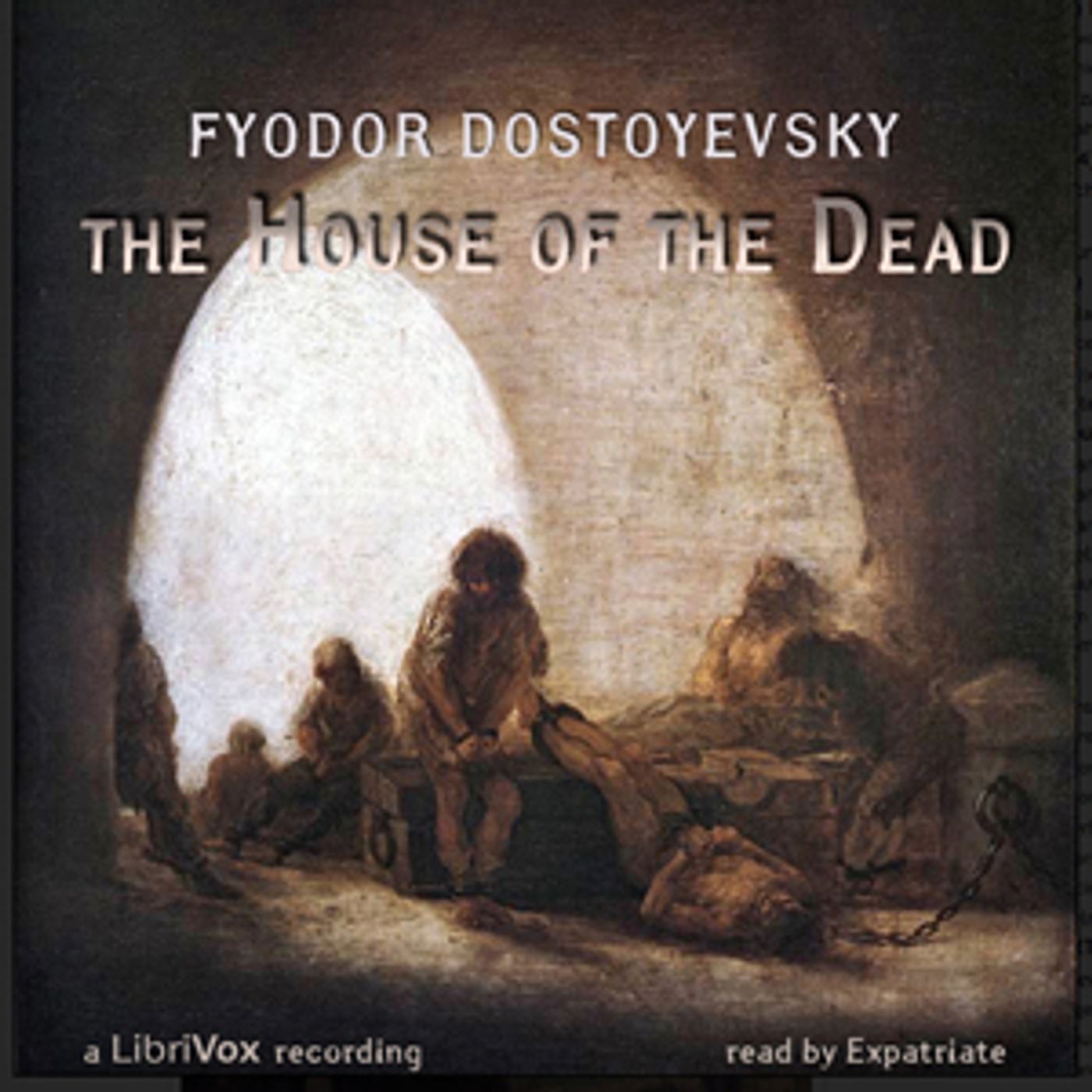
Fyodor Dostoevsky - The House of the Dead
by Audiobooks by Librivox
The House of the Dead is a novel published in 1861 by Russian author Fyodor Dostoyevsky, which portrays the life of convicts in a Siberian prison camp. Dostoyevsky himself spent four years in exile in such a camp following his conviction for involvement in the Petrashevsky Circle. This experience allowed him to describe with great authenticity the conditions of prison life and the characters of the convicts. The narrator, Aleksandr Petrovich Goryanchikov, has been sentenced to penalty deportation to Siberia and ten years of hard labour. Life in prison is particularly hard for Aleksandr Petrovich, since he is a "gentleman" and suffers the malice of the other prisoners, nearly all of whom belong to the peasantry. Gradually Goryanchikov overcomes his revulsion at his situation and his fellow convicts, undergoing a spiritual re-awakening that culminates with his release from the camp. It is a work of great humanity; Dostoyevsky portrays the inmates of the prison with sympathy for their pli
-
22
-
21
-
20
-
19
-
18
-
17
-
16
-
15
-
14
-
13
-
12
-
11
-
10
-
9
-
8
-
7
-
6
-
5
-
4
-
3
-
2
-
1
We're indexing this podcast's transcripts for the first time — this can take a minute or two. We'll show results as soon as they're ready.
No matches for "" in this podcast's transcripts.
No topics indexed yet for this podcast.
Loading reviews...
ABOUT THIS SHOW
The House of the Dead is a novel published in 1861 by Russian author Fyodor Dostoyevsky, which portrays the life of convicts in a Siberian prison camp. Dostoyevsky himself spent four years in exile in such a camp following his conviction for involvement in the Petrashevsky Circle. This experience allowed him to describe with great authenticity the conditions of prison life and the characters of the convicts. The narrator, Aleksandr Petrovich Goryanchikov, has been sentenced to penalty deportation to Siberia and ten years of hard labour. Life in prison is particularly hard for Aleksandr Petrovich, since he is a "gentleman" and suffers the malice of the other prisoners, nearly all of whom belong to the peasantry. Gradually Goryanchikov overcomes his revulsion at his situation and his fellow convicts, undergoing a spiritual re-awakening that culminates with his release from the camp. It is a work of great humanity; Dostoyevsky portrays the inmates of the prison with sympathy for their pli
HOSTED BY
Audiobooks by Librivox
CATEGORIES
Loading similar podcasts...
Frequently Asked Questions
How many episodes does Fyodor Dostoevsky - The House of the Dead have?
Fyodor Dostoevsky - The House of the Dead currently has 22 episodes available on PodParley. New episodes are automatically indexed when they're published to the podcast feed.
What is Fyodor Dostoevsky - The House of the Dead about?
The House of the Dead is a novel published in 1861 by Russian author Fyodor Dostoyevsky, which portrays the life of convicts in a Siberian prison camp. Dostoyevsky himself spent four years in exile in such a camp following his conviction for involvement in the Petrashevsky Circle. This experience...
How often does Fyodor Dostoevsky - The House of the Dead release new episodes?
Fyodor Dostoevsky - The House of the Dead has 22 episodes. Check the episode list to see recent publication dates and frequency.
Where can I listen to Fyodor Dostoevsky - The House of the Dead?
You can listen to Fyodor Dostoevsky - The House of the Dead on PodParley by clicking any episode. We provide an embedded audio player for direct listening, and you can also subscribe via your preferred podcast app using the RSS feed.
Who hosts Fyodor Dostoevsky - The House of the Dead?
Fyodor Dostoevsky - The House of the Dead is created and hosted by Audiobooks by Librivox.
URL copied to clipboard!