
PODCAST · kids
Growing up WEIRD Podcast
by Guen Bradbury and Greg Dickens
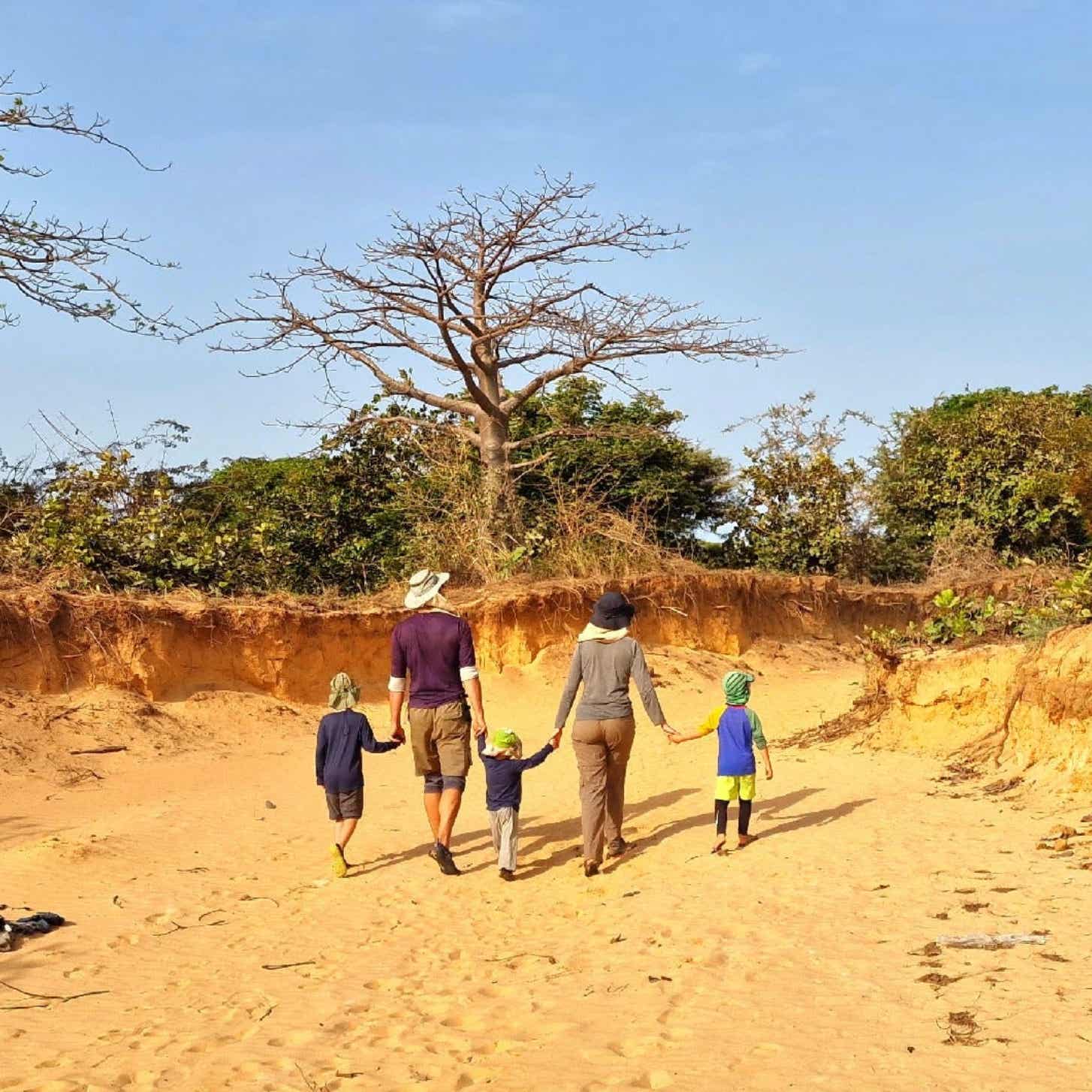
WEIRD cultures are Western, Educated, Industrialised, Rich, and Democratic. Us WEIRD adults get allergy, diabetes, arthritis, etc – and these are shaped by how we’re raised. Traditional cultures show us how to give children better adult health. guenbradbury.substack.com
-
35
Childhood exploration
If you like to listen - hit play. If you prefer to read, click the transcript button top right on the web version.In this episode, Greg Dickens and I discuss recent news on how hanging and swinging from the arms affects the length and strength of our upper body muscles. We discuss how SSRI antidepressants alter gut function, and how new drug targets may better help new mothers. We then talk about the links between sugar and metabolic syndrome, and how the scientific understanding is evolving. We then discuss children’s independent mobility and exploration - what it is, why it’s important, and why it’s hard to provide in our culture. We then talk about how we navigate this, and how we reassure other adults in our community. Finally, we talk about what movements are important for setting up abdominal muscles that are the right length and strength.* For more information on childhood exploration and independent mobility, see this article: https://guenbradbury.substack.com/p/children-love-to-get-lost-what-happens* For more information on how sucking in your belly affects your health, see this article: https://guenbradbury.substack.com/p/should-kids-suck-their-bellies-inMy veterinary degree taught me about mammalian body systems.My career in health research taught me about Western health and Western bodies.Spending 18 months living with my three children in remote African and South American communities taught me about human health and human bodies in other cultural environments.I share what I’ve learned about child physical health and development in weekly articles and podcast episodes.Everything is free, but if you find my work useful and would like to show your support, you can now upgrade – completely optional, always appreciated.Topics covered* How does hanging and swinging from the arms (or ‘brachiating’) affects the length and strength of our upper body muscles? * How do SSRI antidepressants affect gut function in babies, and how can we reduce the risk of depression in mothers?* What do we know about sugar and metabolic syndrome?* Why do children need to explore, and why is this hard to enable in our culture?* How do we reassure other adults in our community?* What movements are important for setting up abdominal muscles that are the right length and strength?Recent episodesNotes“This theoretical paper proposes that brachiation-based movements—particularly unilateral hanging with oscillatory perturbation—may offer a biomechanically optimal approach for addressing Upper Crossed Syndrome and related postural dysfunctions by restoring muscle activation patterns consistent with our evolutionary heritage.” https://www.sciencedirect.com/science/article/abs/pii/S1360859226000148“These findings provide fundamental insights into how the gastrointestinal tract modulates emotional behaviors, reveal a novel gut-targeted therapeutic approach for mood modulation, and suggest a new link in humans between in utero SSRI exposure and DGBI development.” https://www.gastrojournal.org/article/S0016-5085(24)05751-2/fulltextGuardian article on Barnardo’s and baby boxes to reduce stress on families: https://www.theguardian.com/lifeandstyle/2026/apr/09/four-in-10-uk-parents-struggle-to-afford-newborn-babies-essentials-study-barnardos“Under modern conditions of overnutrition, chronic excess fructose drives features of metabolic syndrome. Emerging evidence further links fructose to cancer and dementia.” https://www.nature.com/articles/s42255-026-01506-y Get full access to Growing up WEIRD at guenbradbury.substack.com/subscribe
-
34
Children's bellies
If you like to listen - hit play. If you prefer to read, click the ‘transcript’ button top right. In this episode, Greg Dickens and I discuss recent news on risk factors for food allergies in babies and children and on the cost of raising children in the US. We then talk about bellies - what they are, how they shape our health, and why we need to avoid sucking them in. Finally, we talk about sunscreen - does sunscreen increase the risk of cancer more than sunlight does? And what other risks might we want to consider?* For more information on setting children up for better belly health, see this article: https://guenbradbury.substack.com/p/should-kids-suck-their-bellies-in* For more information on setting children’s guts up for better long-term health, see this article: https://guenbradbury.substack.com/p/gut-feelings* Interested in why children need enough sunlight? https://guenbradbury.substack.com/p/throwing-shadeMy veterinary degree taught me about mammalian body systems.My career in health research taught me about Western health and Western bodies.Spending 18 months living with my three children in remote African and South American communities taught me about human health and human bodies in other cultural environments.I share what I’ve learned about child physical health and development in weekly articles and podcast episodes.Everything is free, but if you find my work useful and would like to show your support, you can now upgrade – completely optional, always appreciated.Topics covered* What factors in a child’s early life increase their risk of food allergy?* How much does it cost to raise a child in the US, and at what point do parents spend that money?* What are bellies and why should we care about their size?* How can we set children up for better relationships with their bellies?* Does sunscreen increase the risk of skin cancer more than sunlight does?Recent episodesNotes“In this meta-analysis, the most credible risk factors associated with development of childhood food allergy are a combination of major and minor risk factors, including early allergic conditions (atopic march/diathesis), delayed allergen introduction, genetics, antibiotic exposure, demographic factors, and birth-related variables.” https://pubmed.ncbi.nlm.nih.gov/41661638/ “Average per-child investments from birth to age 18 total $502,152 (2024 USD), with overall disparities by household income and race/ethnicity of 6% to 15%. Early childhood shows the largest gaps—often over 50%—driven mainly by housing and child care.” https://www.nature.com/articles/s41467-026-70316-3Possible Explanations for Rising Melanoma Rates Despite Increased Sunscreen Use over the Past Several Decades: https://www.mdpi.com/2072-6694/15/24/5868 Get full access to Growing up WEIRD at guenbradbury.substack.com/subscribe
-
33
Microbes and monsters
In this microbiome-heavy episode, recorded on the bike, Greg Dickens and I discuss recent news on how fathers shape children’s long-term health, on how early-life stress affects the development of the gut-brain axis, and on how fecal microbiome transplants affect Autism Spectrum Disorders in children. We then talk about microbes - why they are important, why children need to look after them, and why they are like Santa Claus. Finally, we talk about how we understand repetitive behaviours in animals and children.For more information on how to help children care for their microbiomes, see this article: For more information on setting children’s guts up for better long-term health, see this article: https://guenbradbury.substack.com/p/gut-feelingsTopics covered* How young men’s experiences shape their own and their partners’ health behaviours during pregnancy and beyond* How early-life stress affects IBD, GERD, and other disorders of the gut-brain axis* How fecal microbiome transplants affect symptoms of Autism Spectrum Disorder* Why microbiomes are important* How to help children care for their microbiomes* How we understand repetitive disorders in children and animalsRecent episodesSome of my subscribers have been urging me for a while to turn on the paid option to increase my Substack visibility. I’ve quietly turned on the paid option for this newsletter. Everything stays free, but you’d like to support my work, you can now upgrade – completely optional, always appreciated.Notes“Across biological and behavioural research, young men's early life course experiences have been shown to shape their own and their partner's preconception physical, emotional, and behavioural health.” https://www.thelancet.com/journals/lancet/article/PIIS0140-6736(26)00148-0/abstract“In humans, significant associations between maternal mental health problems and pediatric disorders of gut-brain interaction (DGBI) were observed in both cohorts, mirroring preclinical findings.” https://www.gastrojournal.org/article/S0016-5085(26)00205-2/abstract“This novel hydrogen nanobubble water–based FMT method was safe and effective, reducing both core and peripheral symptoms of ASD and suggesting broad benefits via the gut microbiota–brain axis.” https://www.frontiersin.org/journals/pediatrics/articles/10.3389/fped.2026.1767346/full“While most often described in children with autism spectrum disorder (ASD) and intellectual disability (ID), stereotypies can also present without developmental delay and persist into adulthood.” https://pmc.ncbi.nlm.nih.gov/articles/PMC5370241/ Get full access to Growing up WEIRD at guenbradbury.substack.com/subscribe
-
32
Mattresses
In this episode, Greg Dickens and I discuss recent news on how melatonin supplements affect children’s sleep and development, and why putting all drugs in gummies is a bad idea. We talk about early childhood caries, why it’s linked to prolonged breastfeeding, and why this may have a more negative effect in today’s society. We then talk mattresses - what they are, why they are used, and why we might want to consider other alternatives. Finally, we talk about co-sleeping bed attachments - what they aim to do, and why they may influence child and mother sleep in different ways to closer co-sleeping practices..For more information on how mattresses affect child health, see this article:Topics covered* How do melatonin supplements affect a child’s development?* Why does breastfeeding older children at night increase their risk of dental disease?* What’s the deal with mattresses and health?* Do co-sleepers give the same sleep-synchronising benefits of co-sleeping?You may be interested in these other episodes:Some of my subscribers have been urging me for a while to turn on the paid option to increase my Substack visibility. I’ve quietly turned on the paid option for this newsletter. Everything stays free, but if you find these episodes useful, you can now upgrade – completely optional, always appreciated.Notes“Exclusive breastfeeding for up to six months is associated with reduced ECC risk, while prolonged and nocturnal feeding after eruption of primary teeth elevates risk.” https://www.mdpi.com/2227-9067/13/1/102“Our data suggest that the consumption of an HFCS-sweetened beverage increased breast milk fructose concentrations, which remained elevated up to five hours post-consumption.” https://www.mdpi.com/2072-6643/10/6/669https://www.colorado.edu/today/2023/11/13/melatonin-use-soars-among-children-unknown-risks“Due to a number of concerns regarding inappropriate use, lack of efficacy and safety data across pediatric populations and variability in actual content, melatonin should be used with caution in children and only under medical supervision.” https://link.springer.com/article/10.1007/s12519-025-00896-5“These findings suggest a global rise in prescriptions without efficacy data on use in children with typical development, underscoring the need to identify strategies to prevent and reduce melatonin use in young children, as well as to improve adherence by pediatricians to evidence-based practice standards.” https://jamanetwork.com/journals/jamanetworkopen/fullarticle/2843284 Get full access to Growing up WEIRD at guenbradbury.substack.com/subscribe
-
31
How should kids play football?
In this episode, Greg Dickens and I discuss recent news on how antibiotics during labour affect a child’s long-term health, on how our brains continue to develop into our early thirties, on how astringent flavours help us learn, and on how adverse childhood experiences affect fitness in adulthood. We then talk about football - why it’s great for children, why industrialised football poses some very specific risks, and how parents can navigate the risks so children can get the benefits of sports. Finally, we talk about why high-salt diets contribute to metabolic syndrome.For more information on the long-term health effects of industrialised sport in childhood, see this article: https://guenbradbury.substack.com/p/do-children-need-protection-fromFor more information on why childhood cruciate ruptures are up 2000% since the year 2000, see this article: https://guenbradbury.substack.com/p/cruciate-ruptures-are-up-2000-inTopics covered* How does in-labour antibiotic prophylaxis for Group B Strep affect the baby’s long-term health?* How does your brain continue to develop into your early thirties?* How do astringent flavours affect learning?* How do adverse childhood experiences affect adult physical fitness?* What’s good and bad about industrialised football?* How does salt contribute to metabolic syndrome?These other podcasts cover related topics:Some of my subscribers have been urging me for a while to turn on the paid option to increase my Substack visibility. I’ve quietly turned on the paid option for this newsletter. Everything stays free, but you’d like to support my work, you can now upgrade – completely optional, always appreciated.NotesIntrapartum Antibiotic Prophylaxis and Child Health Outcomes: A Systematic Review and Meta-Analysis of Observational Studies: https://obgyn.onlinelibrary.wiley.com/doi/10.1111/1471-0528.70015 UK recommendations on GBS testing: https://www.rcog.org.uk/for-the-public/browse-our-patient-information/group-b-streptococcus-gbs-in-pregnancy-and-newborn-babies/“In the United Kingdom, where universal screening is not currently implemented and the background rate is much lower than it was in the United States before screening was implemented, it is estimated that 440 women need to receive IAP to prevent 1 case of EOD, and 3000 to prevent 1 case of EOD leading to death or severe disability.” https://www.ajog.org/article/S0002-9378(22)00622-6/fulltext Brain not sealed until early thirties: https://www.nature.com/articles/s41467-025-65974-8Astringent FLAVOURS help you learn: http://sciencedirect.com/science/article/pii/S2665927125002266Another big "ACEs cause adulthood dysfunction" study: https://www.researchgate.net/publication/400839476_Adverse_childhood_experiences_and_ad[…]e_Brazilian_Longitudinal_Study_of_Adult_Health_ELSA-BrasilHigh salt intake causes leptin resistance and obesity in mice by stimulating endogenous fructose production and metabolism: https://www.pnas.org/doi/10.1073/pnas.1713837115 Get full access to Growing up WEIRD at guenbradbury.substack.com/subscribe
-
30
How bad is salt?
In this episode, Greg Dickens and I discuss recent news on how the artificial sweetener sorbitol affects liver health, and how gut microbes influence this. We discuss how early-life adversity affects cardiovascular health, and why it’s so challenging to really understand this. We then talk about salt - why it’s important, why it can be harmful, and how we should limit salt consumption in babies. Finally, we talk about motor milestones in different cultures.For more information on salt consumption in babies, see this article: https://guenbradbury.substack.com/p/how-bad-is-salt-for-babiesTopics covered* How does eating sorbitol affect the liver, and how do your microbes help?* Does early-life adversity affect later-life health, and how does this differ in different cultures?* What does salt do in the body?* Why is too much salt bad for babies?* What foods do we need to limit for babies?* Do babies still roll in cultures in which they are never put down on the floor?These other podcasts cover related topics:Some of my subscribers have been urging me for a while to turn on the paid option to increase my Substack visibility. I’ve quietly turned on the paid option for this newsletter. Everything stays free, but you’d like to support my work, you can now upgrade – completely optional, always appreciated. NotesIntestine-derived sorbitol drives steatotic liver disease in the absence of gut bacteria https://www.science.org/doi/10.1126/scisignal.adt3549Early life adversity and physical health implications in adulthood: The Multi-Ethnic Study of Atherosclerosis https://www.sciencedirect.com/science/article/pii/S030645302500397X Get full access to Growing up WEIRD at guenbradbury.substack.com/subscribe
-
29
First hundred hours of life
In this episode, Greg Dickens and I discuss recent news on how young chimpanzees take risks, on how certain types of dishwasher detergents may affect the gut, and on how gaming affects university students. We then talk about the first hundred hours of life - why it’s more important than the second, what baby bodies expect, and how we can set ourselves and others up for a better postnatal period. Finally, we talk about giving fruit as gifts.For more information on the early postnatal period, see this article: https://guenbradbury.substack.com/p/getting-the-first-hundred-hours-rightTopics covered* How does risk taking in young chimpanzees vary with age?* How worried should we be about dishwasher detergents?* What’s the effect of video gaming on university students?* Should teens sleep in on the weekends?* How does your gut microbiome affect your risk of cancer and your response to anticancer drugs?* How does your weight in childhood affect your likelihood of disease in adulthood, and how does this alter if your weight changes in adulthood?* What’s important in the early postnatal period, and what can we do to set things up for success?* If everyone gave fruit as gifts, would it lose its appeal?These other podcasts cover related topics:Some of my subscribers have been urging me for a while to turn on the paid option to increase my Substack visibility. I’ve quietly turned on the paid option for this newsletter. Everything stays free, but you’d like to support my work, you can now upgrade – completely optional, always appreciated. Notes“We found that physical risk-taking correlated with age, peaking in infancy and decreasing gradually thereafter through juvenility and adolescence. We hypothesize that a similar pattern would be exhibited in humans if oversight were relaxed earlier in childhood, as it is among chimpanzees.”https://www.cell.com/iscience/fulltext/S2589-0042(25)02713-0“The expression of genes involved in cell survival, epithelial barrier, cytokine signaling, and metabolism was altered by rinse aid in concentrations used in professional dishwashers.” (NB - professional, not home dishwashers)https://pubmed.ncbi.nlm.nih.gov/36464527/“High-frequency gamers (>10 h/wk) demonstrated significantly poorer diet quality, higher body mass index, and impaired sleep quality compared to low-frequency gamers.”https://www.sciencedirect.com/science/article/pii/S0899900725003685“Weekend catch-up sleep reduced daily depression risk by 41 % in late adolescents and young adults.”https://www.sciencedirect.com/science/article/abs/pii/S0165032725020555“The gut microbiome is a central determinant of immunotherapy efficacy, particularly in patients treated with immune checkpoint inhibitor drugs.”https://www.nature.com/articles/s41422-025-01212-6“Both plumper and thinner body sizes during childhood are associated with an increased risk of developing NCDs later in life. However, adherence to a healthier lifestyle in adulthood may partially mitigate these long-term health risks, especially for individuals with larger childhood body size.”https://www.nature.com/articles/s43856-025-01129-6 Get full access to Growing up WEIRD at guenbradbury.substack.com/subscribe
-
28
Tummy time
In this episode, Greg Dickens and I discuss recent news on how overstimulating babies with lots of toys can affect their learning, and on how vegetarian and vegan diets affect children’s health. We then talk about tummy time - what it is, why it was developed, why it’s problematic, and how babies can get similar benefits in other ways. We finish by talking about why different women have different levels of risk when birthing at home or in hospital, and why you might want to weigh up risks beyond mortality.For more information on tummy time, see this article: https://guenbradbury.substack.com/p/is-tummy-time-necessaryTopics covered* How do Christmas presents affect children?* Do vegetarian and vegan diets affect children’s health and growth?* What is tummy time?* Why is tummy time problematic, and what else can we do?* Why are the risks of maternal mortality in home vs hospital birth equivalent in the UK?These other podcasts cover related topics:Some of my subscribers have been urging me for a while to turn on the paid option to increase my Substack visibility. I’ve quietly turned on the paid option for this newsletter with a January special offer. Everything stays free, but you’d like to support my work, you can now upgrade – completely optional, always appreciated. Notes“Repetition is key to early learning as parents are warned not to stimulate babies with too much information.” https://www.telegraph.co.uk/news/2026/01/02/the-secret-to-making-your-child-clever/“In conclusion, this systematic review and meta-analysis suggests that lacto-ovo-vegetarian and vegan diets in childhood can be nutrient-rich and support healthy growth when carefully planned. These diets may confer health benefits, including greater consumption of plant foods and improved cardiovascular risk profiles, while also aligning with ethical and environmental values. However, they pose a higher risk of specific nutrient deficiencies if key nutrients are not supplied through fortified foods or supplements.” https://www.tandfonline.com/doi/10.1080/10408398.2025.2572983?“The evidence for the global agreement on the association between the prevalence of stunting and chronic undernutrition in modern and historic populations is weak. We find overwhelming evidence to support the vision that stunting is the natural condition of human height also in the affluent and well-nourished social strata of feudal rural and urban societies.” https://onlinelibrary.wiley.com/doi/full/10.1002/ajhb.23693References on home and hospital birth in this article: Hello! My name’s Guen. I’m a veterinarian by background and I’ve worked in health innovation for a decade. I spent eighteen months living in traditional villages across Africa and South America, learning from communities that raise children in very different ways. My passion is helping parents, doctors, and teachers identify small things they can do to set children up for better long-term physical health.If you’re interested in this area, drop your email below and I’ll send you bi-weekly articles and podcast episodes with stories from other cultures and deep scientific dives on different aspects of child development and health. It’s free, easy, and you can unsubscribe at any time. Get full access to Growing up WEIRD at guenbradbury.substack.com/subscribe
-
27
Better treats for children
In this episode, Greg Dickens and I discuss how a baby’s experience of labour shapes their stress responses in childhood, and why that matters. We talk about how a few minutes of movement affect how children perform in school. We then talk about treats - what they are, what they could be, and how we can set them up differently. Finally, we answer a listener question about how we respond to research that suggests that we or our children might be at higher risk of health problems in the future.To read more about creating better treats, see here: https://guenbradbury.substack.com/p/how-to-get-kids-to-crave-healthyTopics covered* Does a child’s experience of labour affect their later response to stress?* How does a few minutes of movement affect children’s school performance?* What makes a treat?* Why might we want to think differently about treats?* How might we respond to research that suggests that we are at higher risk of health problems?These other podcast episodes cover related topics:NotesEvolved birth physiology meets modern birth practice: Sustained effects of planned cesarean delivery on child hair cortisol in Brazil https://www.pnas.org/doi/abs/10.1073/pnas.2519365122The behavioural, cognitive, and neural corollaries of blunted cardiovascular and cortisol reactions to acute psychological stresshttps://www.sciencedirect.com/science/article/abs/pii/S0149763416304614Acute 3.5-minute light-intensity exercise enhances executive function and psychological mood in children: https://www.nature.com/articles/s41598-025-27358-2Hello! My name’s Guen. I’m a veterinarian by background and I’ve worked in health innovation for a decade. I spent eighteen months living in traditional villages across Africa and South America, learning from communities that raise children in very different ways. My passion is helping parents, doctors, and teachers identify small things they can do to set children up for better long-term physical health.If you’re interested in this area, drop your email below and I’ll send you bi-weekly articles and podcast episodes with stories from other cultures and deep scientific dives on different aspects of child development and health. It’s free, easy, and you can unsubscribe at any time. Get full access to Growing up WEIRD at guenbradbury.substack.com/subscribe
-
26
Moving women in labour
In this episode, Greg Dickens and I discuss a set of recent papers summarising the evidence on ultra-processed food. We talk about the effect of childhood stress in rats, and how their gut microbes influence this. We then explore the problems that arise when women are transported during labour, and how this disrupts the normal hormonal processes of birth. We finish by talking about why drinking a smoothie has very different effects on the body from eating the same fruit whole, and why just focusing on the individual nutrients isn’t enough to understand the complexity of the system.For more information on why moving labouring women disrupts their hormones, see this article: https://guenbradbury.substack.com/p/donkeys-cars-or-boats-why-transportingFor more information on how birth should work in humans, try this talk: https://guenbradbury.substack.com/p/veterinary-perspectives-on-childbirthTopics covered * What do we know now about ultra-processed foods, and what should society do?* How do probiotics help stressed rats?* What is physiological birth and why should we care about it?* What can we do to enable physiological birth?* Why is whole fruit better than smoothies?These other podcasts cover related topics:Notes“The rise of ultra-processed foods (UPFs) in human diets is damaging public health, fuelling chronic diseases worldwide, and deepening health inequalities. Addressing this challenge requires a unified global response that confronts corporate power and transforms food systems to promote healthier, more sustainable diets, according to a new Lancet Series on UPFs and human health, published on Nov 19.” https://www.thelancet.com/journals/lancet/article/PIIS0140-6736(25)02322-0/fulltextMild environmental stress inoculation promotes resilience to anxiety in female rats: https://www.nature.com/articles/s41598-025-24717-xProcessing Apples to Puree or Juice Speeds Gastric Emptying and Reduces Postprandial Intestinal Volumes and Satiety in Healthy Adults: https://www.sciencedirect.com/science/article/pii/S0022316622023586Hello! My name’s Guen. I’m a veterinarian by background and I’ve worked in health innovation for a decade. I spent eighteen months living in traditional villages across Africa and South America, learning from communities that raise children in very different ways. My passion is helping parents, doctors, and teachers identify small things they can do to set children up for better long-term physical health.If you’re interested in this area, drop your email below and I’ll send you bi-weekly articles and podcast episodes with stories from other cultures and deep scientific dives on different aspects of child development and health. It’s free, easy, and you can unsubscribe at any time. Get full access to Growing up WEIRD at guenbradbury.substack.com/subscribe
-
25
High-movement homes
In this episode, Greg Dickens and I are joined by biomedical scientist and international touch rugby player Anna Wilson. We discuss recent papers on early induction of labour, on artificial sweeteners and early puberty, on learning and hearing loss in rats, on dog ownership and teen microbiomes, and on repurposing drugs for previously fatal conditions. We then talk about the effects of early movement on child musculoskeletal development, and how simple tweaks to your home can set up both you and your children to move more. Finally, we answer a listener question on giving sugar to children when they are ill.To see photos of our home, try this article:https://guenbradbury.substack.com/p/come-look-around-our-high-movementTopics covered* Does induction of labour at term reduce the number of Caesarean sections in the real world?* Might some artificial sweeteners affect early puberty?* How does deafening rats at different ages affect their learning ability?* Is living with a dog good for teens?* Can we repurpose existing drugs for a fatal skin disease?* How do we create a home that makes us move?* Should we give foods containing sugar to sick children?These other podcast episodes cover related topics:NotesInduction of Labor at 40 Weeks of Gestation after Dissemination of the ARRIVE Trial: https://pubmed.ncbi.nlm.nih.gov/41106401/Deafening rats at different ages: https://www.nature.com/articles/s41598-025-26704-8Early puberty and artificial sweeteners: https://link.springer.com/article/10.1007/s40618-025-02677-3Effects of dog ownership on teen microbiomes: https://www.cell.com/iscience/fulltext/S2589-0042(25)02209-6Can we repurpose existing drugs for a fatal skin disease?https://www.nature.com/articles/s41586-024-08061-0JNK pathway signalling and fructose : https://pmc.ncbi.nlm.nih.gov/articles/PMC3523093/Hello! My name’s Guen. I’m a veterinarian by background and I’ve worked in health innovation for a decade. I spent eighteen months living in traditional villages across Africa and South America, learning from communities that raise children in very different ways. My passion is helping parents, doctors, and teachers identify small things they can do to set children up for better long-term physical health.If you’re interested in this area, drop your email below and I’ll send you bi-weekly articles and podcast episodes with stories from other cultures and deep scientific dives on different aspects of child development and health. It’s free, easy, and you can unsubscribe at any time. Get full access to Growing up WEIRD at guenbradbury.substack.com/subscribe
-
24
Child health win #3 – Sunshine
In this episode, Greg Dickens and I discuss recent papers on high blood pressure in children. We talk about recent evidence untangling the strength of the link between acetaminophen exposure in pregnancy and autism and ADHD. We talk about how disposable diapers affect how a child behaves when urinating. We then talk about why getting children outside is a really efficient way of giving their bodies what they need for physical and mental development. Finally, we answer a listener question on salt recommendations for young children.For more information on the health benefits of being outside, try this article: https://guenbradbury.substack.com/p/how-to-get-children-outsideTopics covered * What’s happening to children’s blood pressure and why?* What’s the evidence for maternal paracetamol/acetaminophen intake during pregnancy and autism or ADHD?* How do diapers affect the urination behaviour of children who are not potty trained?* Why is being outside so good for children?* Should we avoid all salt in foods for toddlers?These other podcasts cover related topics:NotesGlobal prevalence of hypertension among children and adolescents aged 19 years or younger: an updated systematic review and meta-analysis (Lancet paper) https://www.thelancet.com/journals/lanchi/article/PIIS2352-4642(25)00281-0/abstractHypertension in children and adolescents: emerging global evidence and clinical implications (Nature paper) https://www.nature.com/articles/s41440-025-02459-7#Sec6Maternal paracetamol (acetaminophen) use during pregnancy and risk of autism spectrum disorder and attention deficit/hyperactivity disorder in offspring: umbrella review of systematic reviews (BMJ) https://www.bmj.com/content/391/bmj-2025-088141Do disposable diapers reduce urination elimination signals in non-toilet-trained children? https://link.springer.com/article/10.1007/s00431-025-06542-6Dietary Intake of Sodium during Infancy and the Cardiovascular Consequences Later in Life: A Scoping Review https://pubmed.ncbi.nlm.nih.gov/32259824/Contribution of inappropriate complementary foods to the salt intake of 8-month old infants: https://www.nature.com/articles/ejcn2011137Hello! My name’s Guen. I’m a veterinarian by background and I’ve worked in health innovation for a decade. I spent eighteen months living in traditional villages across Africa and South America, learning from communities that raise children in very different ways. My passion is helping parents, doctors, and teachers identify small things they can do to set children up for better long-term physical health.If you’re interested in this area, drop your email below and I’ll send you bi-weekly articles and podcast episodes with stories from other cultures and deep scientific dives on different aspects of child development and health. It’s free, easy, and you can unsubscribe at any time. My agent is currently approaching publishers with my book, so if you like, comment, share, or subscribe, you’ll help publishers to see that people are interested in helping children grow healthier adult bodies and minds. Thank you! Get full access to Growing up WEIRD at guenbradbury.substack.com/subscribe
-
23
Child health win #2 - Sugar
In this episode, Greg Dickens and I discuss a recent paper on the effects of recent guidelines about early introduction of food allergy. We discuss how much activity is needed to set children up for longer telomeres and better health. We then talk about sugar - how it affects metabolic health and how we can set children up for healthier lives. Greg talks about his experience with sugar addiction. Finally, we talk about the Pikler approach - what we agree with, and where we think the evidence doesn’t fully support this approach.For more information on sugar’s effects on child health, try this article: https://guenbradbury.substack.com/p/helping-children-avoid-sugarFor more information on why sugar affects every part of health, try this article: https://guenbradbury.substack.com/p/the-biggest-return-on-investmentFor more information on raising children who don’t want sugar, try this article: https://guenbradbury.substack.com/p/raising-children-who-dont-want-sugarTopics covered* How have recent guidelines on food allergen introduction affected rates of food allergy? [01:54]* How much activity sets children up with longer telomeres? [07:10]* How does sugar affect a child’s long-term health? [12:19]* Why do we recommend avoiding sugar in early childhood? [29:40]* What does it feel like to quit sugar as an adult on a high-sugar diet? [33:24]* What does the Pikler approach say about helping children move, and what’s our perspective? [40:24]Hello, I’m so glad you’re here! I need a hand…I’m trying to find a publisher for my book at the moment, and they use ‘number of subscribers’ as a proxy for value of writing. I want to keep my writing on Substack free so it’s available for all parents, but Substack’s algorithm seems to now hide a lot of unpaywalled writing. I’m struggling to get much reach.If you find my writing or podcasts useful, please would you consider forwarding this email or podcast to someone you know who might be interested? Or liking, sharing, or commenting if you read it on the Substack app?My agent is approaching publishers in the next month or two, so your help would be SO appreciated. 😊 Thank you so much!These other podcasts cover related topics:Notes“We detected decreased rates of peanut or any IgE-FA in the period following the publication of early introduction guidelines and addendum guidelines. Our results are supportive of the intended effect of these landmark public health recommendations.” https://publications.aap.org/pediatrics/article/156/5/e2024070516/204636/Guidelines-for-Early-Food-Introduction-andTelomeres and extracurricular physical activity: https://www.nature.com/articles/s41390-025-04445-8 Get full access to Growing up WEIRD at guenbradbury.substack.com/subscribe
-
22
Child health win #1 - Shoes
In this episode, Greg Dickens and I discuss a recent paper on the effects of different parenting practises on a child’s brain volume… when they are seventy. We discuss a study investigating whether induction of labour reduces the risk of stillbirth in migrant women. We then discuss shoes - why we should care about the shoes that we put our children in, and what we can do with their shoes to set them up for healthy feet and bodies throughout life. Finally, we discuss what parents of older children can do to help their jaws grow enough to make space for their teeth.For more information on selecting shoes for children, try this article: For more information on why children should go barefoot, try this article: https://guenbradbury.substack.com/p/why-barefoot-running-isnt-possibleFor more information on helping children avoid having crooked teeth, try this article: https://guenbradbury.substack.com/p/biting-off-less-than-we-can-chewTopics covered* How does brain volume at seventy correlate with a person’s relationship with their mother? [01:14]* How does induction of labour affect the risk of stillbirth in migrant women? [05:02]* How do shoes affect a child’s long-term health? [13:30]* What should a child wear on their feet? [20:35]* What can parents do to help older children grow jaws that fit their teeth? [26:22]Hello, I’m so glad you’re here! I need a hand…I’m trying to find a publisher for my book at the moment, and they use ‘number of subscribers’ as a proxy for value of writing. I want to keep my writing on Substack free so it’s available for all parents, but Substack’s algorithm seems to now hide a lot of unpaywalled writing. I’m struggling to get much reach.If you find my writing or podcasts useful, please would you consider forwarding this email to someone you know who might be interested? Or liking, sharing, or commenting if you read it on the Substack app?My agent is approaching publishers in the next month or two, so your help would be SO appreciated. 😊 Thank you so much!These other podcast episodes cover related topics:Notes“Associations between perceived excessive maternal control in childhood, well-being, and dorsal striatum volume in older adults” https://www.nature.com/articles/s41598-025-20526-4“There was no improvement in the perinatal mortality rate with IOL at any gestation for non-Australian region of birth groups.” https://onlinelibrary.wiley.com/doi/10.1111/birt.70003 Get full access to Growing up WEIRD at guenbradbury.substack.com/subscribe
-
21
Keeping mouths closed
In this episode, Greg Dickens and I discuss recent papers on crooked teeth in the Amazon rainforest and on how plastics affect children’s health in adulthood. We then explore open-mouth posture in children - what it is, why it’s a problem, and what we can do to help them keep their mouth closed. Finally, Greg gives his perspective on how he models assessing and mitigating risk for his children.For more information on helping children keep their mouths closed, try this article: https://guenbradbury.substack.com/p/how-to-help-children-keep-their-mouths For more information on why children start to hold their mouths open, try this article: https://guenbradbury.substack.com/p/breathtakingFor more information on why we don’t sleep with mattresses, try this article: https://guenbradbury.substack.com/p/sleeping-like-a-logTopics covered* What do the indigenous people of the Amazon have to teach us about the etiology of dental malocclusion?* How are plastics driving a health crisis?* Why shouldn’t children hold their mouths open?* What can we do to help them keep their mouths closed?* How can we better manage the risks of ‘risky play’?These other podcast episodes cover overlapping topicsNotesWhat do the indigenous people of the Amazon have to teach us about the etiology of dental malocclusion? https://www.sciencedirect.com/science/article/abs/pii/S1073874625000635Lancet article on plastics and child development: https://www.thelancet.com/journals/lanchi/article/PIIS2352-4642(25)00212-3/abstractThanks for reading Growing up WEIRD! Subscribe for free for a weekly dose of information on raising children for better long-term health. Get full access to Growing up WEIRD at guenbradbury.substack.com/subscribe
-
20
Facilitating fertility
In this episode, Greg Dickens and I are joined by Kirsten Karchmer, a health-tech pioneer and women’s health expert, and the founder and CEO of Conceivable Technologies. After helping more than 10,000 women in her clinic, she built one of the first AI-driven fertility platforms to tackle the hidden factors that keep women from getting and staying pregnant. Named one of the most innovative health startups, her work has been featured everywhere from TechCrunch to Fox News, and she’s built a community of over 300,000 women on TikTok.Greg, Kirsten and Guen discuss period stigma, early-life influences on fertility, and how we can set children up for better fertility in adulthood. We discuss why menstrual health is such a sensitive marker of whole-body health, and how AI-based diagnostics and tracking enable more effective improvement of reproductive health. We discuss Kirsten’s technology, Conceivable OS, a science-backed digital platform that helps people optimize their fertility and overall well-being. It uses personalized tracking, evidence-based recommendations, and expert support to demystify reproductive health and make real improvements accessible to everyone.For more information on setting children up for better fertility - try this article: https://guenbradbury.substack.com/p/raising-fertile-daughtersTopics covered* Does moisturising babies reduce their risk of eczema? [01:40]* Should we all be taking lignan supplements? [07:06]* How is AI doing at detecting breast tumours on mammograms? [09:15]* Who is Kirsten Karchmer? [10:59]* How is fertility built on a childhood foundation? [19:21]* When should couples opt for IVF? [39:14]These other podcast episodes cover overlapping topicsNotesSimpson, Eric L., et al. "Emollients to prevent pediatric eczema: a randomized clinical trial." JAMA dermatology 161.9 (2025): 957-965. https://pmc.ncbi.nlm.nih.gov/articles/PMC12287936/ - Kirsten’s socials:* IG: https://instagram.com/conceivable.official* LinkedIn: https://linkedin.com/in/kirstenkarchmer* TT @yourfertilityexpert Get full access to Growing up WEIRD at guenbradbury.substack.com/subscribe
-
19
How to disgust children
In this episode, Greg Dickens and I discuss recent news on how breast milk varies during the day, how breastfeeding affects the milk microbiome, and how the age at which a child gets their first smartphone influences their later mental health. We then discuss disgust - what it is, why it’s good, and when it can be bad. We talk about how we can help children set up healthy levels of disgust. Finally, we talk about how the age at which a child walks affects their long-term hip health.For more information on setting children up for a healthy level of disgust - try this article: https://guenbradbury.substack.com/p/should-we-avoid-disgusting-childrenThis episode mentions these articles:It also mentions Greg’s beautiful-bug Instagram: https://www.instagram.com/drgregdickens/Topics covered* How does breast milk vary over the day?* How does the age at which a child gets a smartphone influence their mental health? * What is disgust and why is it needed?* How can we set children up for healthy levels of disgust?* How does the age at which a child walks affect their hip development?These other podcast episodes cover overlapping topicsNotesDay/night fluctuations of breast milk bioactive factors and microbiome: https://www.frontiersin.org/journals/nutrition/articles/10.3389/fnut.2025.1618784/fullFeeding Expressed Breast Milk Alters the Microbial Network of Breast Milk and Increases Breast Milk Microbiome Diversity over Time: https://www.mdpi.com/2076-2607/13/1/12Protecting the Developing Mind in a Digital Age: A Global Policy Imperative: https://www.tandfonline.com/doi/full/10.1080/19452829.2025.2518313#d1e383Age at Onset of Walking in Infancy Is Associated With Hip Shape in Early Old Age: https://pmc.ncbi.nlm.nih.gov/articles/PMC6446733/ Get full access to Growing up WEIRD at guenbradbury.substack.com/subscribe
-
18
Parental burnout
In this episode, Greg Dickens and I discuss recent news on how underwear affects testicular function and how aluminium-based vaccines affect a child’s risk of chronic disease. We then dive into the subject of parental burnout - what it is, why it’s so common in Western cultures, and how we can set up our environment to reduce our own risk. Finally, we discuss whether soap affects underarm odour.Did you know that liking this post or leaving a comment helps it find more readers? If you are reading this as an email, there is a heart button at the top and bottom of this email. Click on it and it will take you to the Substack website where you can also leave a comment. If you are reading it online, again, just click the heart button at the top or bottom of this post. I appreciate your support so much!This episode relates to this article: Topics covered* How does underwear affect testicular function?* Do aluminium-based vaccines affect chronic disease in children?* What’s parental burnout and how common is it?* What can we change in our environment to reduce the risk of burnout?* Does using soap under your arms increase body odour?These other podcast episodes cover overlapping topics:NotesUnderwear and testicular function: https://academic.oup.com/humrep/article/33/9/1749/5066758?Aluminum-adsorbed vaccines and chronic disease in children: https://www.acpjournals.org/doi/10.7326/ANNALS-25-00997Antiperspirants and odour production: https://link.springer.com/article/10.1007/s00403-014-1487-1 Get full access to Growing up WEIRD at guenbradbury.substack.com/subscribe
-
17
Hamstrings
In this episode, Greg Dickens and I discuss recent news on how second-hand smoke affects eye development and on how child health affects later risk of many different diseases. We then talk about why our Western hamstrings (the muscles on the backs of our legs) are typically shorter and stiffer, and how we can set children up for better functioning hamstrings to help their back and knee health in adulthood. Finally, we discuss whether hot and cold water temperatures affect skin barrier function in the same way. Did you know that liking this post or leaving a comment helps it find more readers? If you are reading this as an email, there is a heart button at the top and bottom of this email. Click on it and it will take you to the Substack website where you can also leave a comment. If you are reading it online, again, just click the heart button at the top or bottom of this post. I appreciate your support so much!This episode relates to these two articles (and references are here):Topics covered* How does second-hand smoke exposure affect a child’s eye growth? [01:05]* How do seven key factors in childhood reduce an adult’s risk of disease? [05:58]* What are hamstrings and why should we care? [12:23]* How can we set children up for longer, more flexible hamstrings? [25:02]* Do hot and cold water affect the skin in the same way? [28:36]These other podcast episodes cover overlapping topics:NotesSecond-hand smoke and myopia: https://bmcophthalmol.biomedcentral.com/articles/10.1186/s12886-025-03890-7Simple 7 effects on health throughout the lifespan: https://www.ahajournals.org/doi/10.1161/JAHA.124.038566How does water temperature affect skin barrier function? https://www.mdpi.com/2077-0383/11/2/298 Get full access to Growing up WEIRD at guenbradbury.substack.com/subscribe
-
16
Good and bad dirt
In this episode, Greg Dickens and I talk about how heat affects children’s development and how the effects depend on what they are eating. We discuss mineral intake during pregnancy, why baby microbiomes don’t have much overlap with their mother’s microbiomes, and we discuss what affects a boy’s testosterone health as he develops. And finally, we explore how we can tell whether dirt is likely to make children sick, and how that should affect what we do about it.This episode relates to this article (and references are here):Topics covered* Why we should minimise heat stress in children [01:16]* How maternal exposure to trace elements influence a baby’s risk of infection [06:10]* Why baby microbiomes don’t have much in common with their mother’s vaginal microbiome [08:35]* What affects a boy’s ability to balance his testosterone levels [16:35]* What we should know about good and bad dirt: [21:48]These other podcast episodes cover overlapping topics:NotesMice that have a single episode of heat stress show long-term effects: https://www.nature.com/articles/s42003-025-07484-3Maternal selenium exposure may have protective effects on Streptococcus infection among children: https://journals.plos.org/plosone/article?id=10.1371/journal.pone.0319356Babies don’t get their microbes from their mother’s vagina: https://link.springer.com/article/10.1186/s12884-025-07358-wChildhood and adolescent BMI and early childhood infection alter boys’ ability to regulate testosterone throughout life: https://onlinelibrary.wiley.com/doi/full/10.1111/andr.70091 Get full access to Growing up WEIRD at guenbradbury.substack.com/subscribe
-
15
Veterinary perspectives on childbirth
To doctors, a normal death is a natural one, and a normal birth is not. To veterinary surgeons, a normal birth is a natural one, and a normal death is not.When my father was dying, I was terrified. I’d never seen animals die without assistance, or without a lot of medical intervention trying to avoid it. I couldn’t understand how things could happen differently. My medical friends talked with me, and those conversations reframed my entire view. They helped me understand what was going to happen - what I could control and what I couldn’t. Their kindness and clarity helped me to make sense of an overwhelmingly difficult time.Ten years later, I had the opportunity to repay that favour.I was asked to give the speech at my college’s Medical and Veterinary Society Annual Dinner. I thought back to the conversations I’d had with my medical friends, and how much they’d influenced my views on death.I thought about the trauma that medical students see on obstetric wards throughout their training. I thought about how their time of seeing nothing but worst-case scenarios must influence their own ability to give birth years later. I thought about the fear that cause many of them feel, and how they might perpetuate that fear in their interactions with their patients throughout their career.I recognised that fear. It’s the same fear I’d felt around death. And just as they’d helped me, I thought that I could help them.I decided that the one talk I most wanted to give to the medical and veterinary society, was about exactly where vets and medics cross over, and what vets wish medics knew about birth. Normal mammalian birth.This is that talk.Fancy listening to something else? Want to learn more about birth and the challenges of birth in healthcare systems?Here are a few articles I’ve enjoyed recently:And a couple on breastfeeding Get full access to Growing up WEIRD at guenbradbury.substack.com/subscribe
-
14
Snacking
In this episode, Greg Dickens and I discuss recent news on cultural susceptibility to optical illusions, on how a boy’s metabolic health influences his offspring’s health, and the effects of prenatal cannabis exposure. We then talk about the recent UK National Diet and Nutrition survey and how snacking affects the findings. We then talk about why typical Western snacking patterns are bad for children’s health, and how we can use snacking as a way to teach children to listen to their bodies and eat more nutritious foods. Finally, we discuss whether breastfeeding on the floor is better than breastfeeding on the couch.This episode relates to this article (and references are here):Topics covered* How do cultural factors affect your susceptibility to optical illusions? [01:40]* When should boys be healthy to set their kids up for better health? [04:48]* What happens to babies exposed to cannabis in the womb? [11:28]* What are children in the UK eating? [17:38]* Is snacking bad or good? [24:06]* How can we make snacking better? [35:34]* Should you breastfeed on the floor? [38:33]These other podcast episodes cover overlapping topics:NotesRural Namibians struggle with the Coffer illusion in the other direction: https://osf.io/preprints/psyarxiv/gxzcp_v3A boy’s metabolic status when his voice breaks affects the epigenetics he passes on to his children: https://www.nature.com/articles/s42003-025-08121-9Cannabis exposure during pregnancy affects babies:https://www.nature.com/articles/s41390-025-04209-4UK National Diet and Nutrition Survey 2019 to 2023: https://www.gov.uk/government/statistics/national-diet-and-nutrition-survey-2019-to-2023/national-diet-and-nutrition-survey-2019-to-2023-reportChildren with high dietary fiber consumption at 12 months of age are healthier age 6: https://www.mdpi.com/2072-6643/8/9/531Katy Bowman’s breastfeeding ecology podcasts:* https://nutritiousmovement.com/articles/breastfeeding-ecology-part-1-podcast-episode-72* https://nutritiousmovement.com/articles/breastfeeding-ecology-part-2-podcast-episode-77 Get full access to Growing up WEIRD at guenbradbury.substack.com/subscribe
-
13
Flattened heads
In this episode, Greg Dickens and I discuss recent news on how parental screen time affects children, on how sugar consumption influences the risk of Type 2 diabetes, and, in celebration of Fathers’ Day, some of the many ways that fathers positively influence their children. We then talk about why so many children in WEIRD cultures have flattened heads, how we can reduce the risk, and what we can do to reduce the risk of consequences if our children have flattened heads. Finally, we discuss Karen Millen’s comments on breastfeeding past the age of six months.This episode relates to this article:Topics covered* Do both active and passive parental screen time affect children in the same way? [01:23]* What’s the worst way to consume sugar? [04:00]* Why are fathers important for children? [08:50]* Why do so many children have flattened heads? [15:16]* What can we do about it? [31:15]* How about if your child already has a slightly flattened head? [35:07]* What’s the recent media hype around breastfeeding? [36:53]These other podcast episodes cover overlapping topics:NotesActive and passive parental screen time and effects on children: https://jamanetwork.com/journals/jamapediatrics/article-abstract/2833506 Sugar consumption and type 2 diabetes risk: https://www.sciencedirect.com/science/article/pii/S2161831325000493#fig2Watching fathers sets men up for better romantic relationships: https://onlinelibrary.wiley.com/doi/abs/10.1111/famp.12458 Academic performance related to fathers: https://www.ceeol.com/search/article-detail?id=1086743Fathers affect the diet you aspire to: https://arrow.tudublin.ie/scschbioart/292/ SIDS risk in different ethnic groups in the UK: https://jech.bmj.com/content/jech/72/10/911.full.pdf Get full access to Growing up WEIRD at guenbradbury.substack.com/subscribe
-
12
Dealing with pain
In this episode, Greg Dickens and I discuss recent news on picky eating in adolescence, on childhood exposures that increase the risk of bowel cancer, and on how the gut develops tolerance to potential allergens. We then talk about why everyday pains are so important for children, what allows them to experience these pains, and why mildly painful rites of passage can help children to learn to manage their own pain. Finally, we discuss the effects of humming on airway health.Topics covered* Do Children Who Were Preschool Picky Eaters Eat Different Foods at School Lunch When Aged 13 Years Than Their Non-Picky Peers? (actual paper title question!) [01:02]* What’s the deal on the media hype about colibactin in childhood and bowel cancer risk? [07:55]* What are thetis cells and how do they reduce a child’s risk of allergies? [10:12]* How can we set children up for better long-term ability to deal with pain? [16:34]* How can we help adolescents learn to better deal with pain? [38:07]* Why is humming good for you? [40:42]These other podcast episodes cover overlapping topics:Resources mentioned in this podcast* My recent pain article (and all the associated pain references that we discuss here):* Cross-cultural picky eating here:* Social learning and reinforcement of pain features in my article about setting up guts that work well throughout life: * Do Children Who Were Preschool Picky Eaters Eat Different Foods at School Lunch When Aged 13 Years Than Their Non-Picky Peers? https://onlinelibrary.wiley.com/doi/full/10.1111/jhn.70063?msockid=006b94e58178633c336581b580b362d3* Colibactin and risk of bowel cancer: https://www.nature.com/articles/s41586-025-09025-8* Thetis cells and immune tolerance: https://www.science.org/doi/10.1126/science.adp0535* Humming greatly increases nasal nitric oxide (15 fold): https://www.atsjournals.org/doi/full/10.1164/rccm.200202-138BC* Case report on humming for chronic rhinosinusitis: https://www.sciencedirect.com/science/article/abs/pii/S0306987705006328 Get full access to Growing up WEIRD at guenbradbury.substack.com/subscribe
-
11
Walking
In this episode, Greg Dickens and I discuss recent news on induction of labour to prevent shoulder dystocia and on the link between gestational diabetes and ADHD. We then talk about walking - the benefits, why it’s hard to enable children to walk enough, and what we can do for babies and children to help them walk more. Finally, we discuss the links between premastication and dental disease.We’re going to start releasing either an article or a podcast every week (instead of both), so stay tuned for the next episode the week after next!Topics covered* Why the conclusions of the Big Baby trial aren’t well supported by the data [01:05]* Why you really shouldn’t worry if you’re told you’re at risk of having a ‘big baby [07:45]* How a mother’s gestational diabetes may affect the child’s risk of ADHD [13:48]* Why walking is great [18:58]* Why it’s hard for children in WEIRD cultures to walk enough [24:40]* How to set babies up for walking [31:44]* How to help children walk more [35:35]* How premastication affects dental disease [45:35]What topics should we cover next?These other podcast episodes cover overlapping topics:Resources mentioned in this podcast* Big Baby trial results: https://www.thelancet.com/journals/lancet/article/PIIS0140-6736(25)00162-X/fulltext* Critique of Big Baby trial by Sara Wickham, research midwife and all-round incredible bad-science debunker: https://www.sarawickham.com/articles-2/bigbaby/* Gestational diabetes and risk of ADHD: https://bmcpediatr.biomedcentral.com/articles/10.1186/s12887-024-05365-y* Premastication may transmit bacteria associated with decay: https://www.ncbi.nlm.nih.gov/books/NBK535349/* Premastication may reduce tooth decay: https://www.ncbi.nlm.nih.gov/pmc/articles/PMC5101600/ and https://www.fortunejournals.com/articles/parity-maternalchild-oral-interactions-and-early-childhood-caries-ecc-among-northern-nigerian-hausa-children.html* Genes associated with walking: https://www.nature.com/articles/s41562-025-02145-1 Get full access to Growing up WEIRD at guenbradbury.substack.com/subscribe
-
10
Auditory processing
In this episode, Greg Dickens and I discuss recent news on how childhood vitamin D levels correlate with heart health, on the effects of sun exposure on multiple sclerosis, and how the month of a child’s conception affects their later metabolic health. We then talk about auditory processing - what it is, how it develops, and what children need in order to develop good auditory processing skills. Finally, we discuss whether we should be concerned about the long-term effects of microplastics in children.* Topics covered* How childhood vitamin D levels correlate with heart health fifty years later [1:12]* How prenatal and early-life sun exposure reduce the symptoms of multiple sclerosis [03:19]* How the weather at conception influences a child’s risk of metabolic disease [06:45]* How our hearing system detects sound [11:03]* How our hearing system processes sound [17:26]* Whether we should be concerned about the long-term effects of microplastics [33:50]What topics should we cover next?Resources mentioned in this podcast* “In this large cohort study of children with MS, greater early childhood and prenatal sun exposure time was associated with lower risk of relapse.”: https://www.neurology.org/doi/10.1212/NXI.0000000000200375 and the easier-to-read version: https://www.sciencedaily.com/releases/2025/02/250212170002.htm* Childhood blood vitamin D levels predict cardiovascular disease in adulthood: pubmed.ncbi.nlm.nih.gov/40296578/* “Here we report that individuals whose mothers conceived during cold seasons exhibit higher BAT activity, adaptive thermogenesis, increased daily total energy expenditure and lower body mass index and visceral fat accumulation.”https://www.nature.com/articles/s42255-025-01249-2* Microplastics during childhood - very little information from human trials, according to this recent review: https://www.mdpi.com/2305-6304/10/10/597* Many more references in my article on hearing development belowYou might also enjoy… Get full access to Growing up WEIRD at guenbradbury.substack.com/subscribe
-
9
Weaning and pre-chewing
In this episode, Greg Dickens and I discuss recent news on obstructive sleep apnea and on grandparent-provided screen time. We then talk about premastication - what it is, how it’s done, and how it stacks up against spoon-fed weaning and baby-led weaning practises. We talk about how you can do it yourself, and how to help structure the food environment if your child is older. Finally, we discuss whether or not ‘teaching’ a baby to do certain movements is bad for their long-term physical health.* Topics covered* How obstructive sleep apnea is influenced by the microbiome [01:09]* What grandparent-provided screen time looks like [07:00]* Why babies need ‘processed’ food when they start to eat solid food [11:52]* When and how to incorporate premastication during weaning [31:01]* How to set up a better food environment in older picky eaters [33:38]* Whether ‘teaching’ certain movements is bad for babies [39:16]What topics should we cover next?Resources mentioned in this podcast* Sleep apnea’s links to the microbiome: https://www.sciencedirect.com/science/article/abs/pii/S1389945725001546* Grandparents and screen time: https://www.tandfonline.com/doi/full/10.1080/17482798.2025.2480088* Distinct oral microbiomes in mothers and infants in a traditional culture: https://pmc.ncbi.nlm.nih.gov/articles/PMC5101600/* Good and bad effects of Helicobacter pylori: https://www.tandfonline.com/doi/full/10.1586/egh.11.69#d1e126 (quick Google Scholar search will turn up a whole load more)* Many more references in my article on premastication belowYou might also enjoy… Get full access to Growing up WEIRD at guenbradbury.substack.com/subscribe
-
8
Upper-body strength
In this episode, Greg Dickens and I discuss recent news on how formal preschool social and emotional education affects teenagers’ likelihood of committing violent crime, and how footwear choices affect lifelong movement health. We then talk about gross motor skills and fine motor skills and what’s missing from current recommendations for babies. We finish by discussing how we help set children up for better upper body musculoskeletal health.* Topics covered* How preschool emotional education affects violent crime [00:50]* Why minimal footwear should be the default [05:48]* Why gross motor and fine motor skills are important in childhood [11:10]* Why these foundational motor skills are important in adulthood[15:07]* What movements should children be doing? [16:15]* Should nurseries ban common allergens [27:17]What topics should we cover next?* Resources mentioned in this podcast* How preschool social and emotional education affects likelihood of committing violent crime - Science Daily article here: https://www.sciencedaily.com/releases/2025/04/250408122118.htm and published article here: https://www.sciencedirect.com/science/article/abs/pii/S0047272725000519?via%3Dihub* Critical review of the effects of daily footwear choice on health https://www.mdpi.com/2227-9032/13/5/527* * Thanks for reading Growing up WEIRD! Subscribe for free to receive new posts and support my work. Get full access to Growing up WEIRD at guenbradbury.substack.com/subscribe
-
7
Toileting babies
In this episode, Greg Dickens and I discuss recent news on how fasting affects acne and how phthalates and air pollution affect brain development. We then talk about diaper dermatitis - what it is and how it affects both short and long-term health. We then discuss how other cultures react proactively to baby toileting and what that looks like in practice. We finish by discussing how to know when your baby needs to go.Topics covered* How Ramadan fasting affects acne [00:40]* How phthalates and air pollution affect brain development [03:34]* Why we should care about diaper dermatitis [10:03]* What diaper dermatitis is [17:16]* How other cultures manage infant toileting [24:07]* Which cultures still use proactive toileting? [36:17]What topics should we cover next?Resources mentioned in this podcast* Bacterial immunity, viral immunity, and the effects of fasting: https://www.cell.com/cell/fulltext/S0092-8674(16)30972-2* The effect of Ramadan fasting on acne: https://link.springer.com/article/10.1007/s00403-024-03561-5 * Prenatal phthalates and neurodevelopment: https://www.nature.com/articles/s41467-025-57273-z* Readable version of the particulate pollution and neurodevelopment paper: https://www.sciencedaily.com/releases/2025/04/250401131319.htm* Babies who toilet outside of diapers learn how to fully empty their bladder earlier than those who don’t: https://www.sciencedirect.com/science/article/abs/pii/S1477513113001198* More common bedwetting with disposable diaper use in China: https://onlinelibrary.wiley.com/doi/abs/10.1002/nau.24002* Infant toileting in China: https://www.soultravelers3.com/2013/01/bare-butt-babies-in-china-diaper-free-split-pants.htmlThanks for reading Growing up WEIRD! Subscribe for free to receive new posts and support my work. Get full access to Growing up WEIRD at guenbradbury.substack.com/subscribe
-
6
Avoiding addiction in childhood
In this episode, Greg Dickens and I discuss recent news around the effects of movement and screen time on child mental health, on what parents can do to reduce the risks to their children after a gestational diabetes diagnosis, and on dentists’ increasing awareness of chewy weaning foods for better jaw growth. We then get into the nuances of GLP-1 drugs (like Ozempic) - what they are for, how they work, and why they have effects beyond weight loss alone. We then discuss addictive things that Western children are exposed to, and look at what parents can do to delay the exposure of their children to these things.Topics covered* How increasing movement and reducing screen time affects mental health in adolescence [00:40]* What parents can do to reduce the risk of obesity in children if they’ve been exposed to gestational diabetes [04:10]* What dentists are saying to parents about foods at weaning [07:50]* How GLP-1 drugs (like Ozempic) work [10:20]* How to raise children who won’t need Ozempic [19:32]* How to avoid modelling and reinforcing sickness behaviours [35:08]What topics should we cover next?Resources mentioned in this podcast* Increasing movement and reducing screen time affects mental health in adolescence- https://jamanetwork.com/journals/jamanetworkopen/fullarticle/2830233* Modifiable behaviours that reduce the impact of gestational diabetes on children - https://onlinelibrary.wiley.com/doi/10.1002/oby.24261* Dentists recommending chewy foods: https://www.newsweek.com/ultra-processed-food-dentists-teeth-jaw-development-2018460* Nozempic article and more references here:* Television reduces the attention that children pay to toys: https://onlinelibrary.wiley.com/doi/abs/10.1111/j.1532-7078.2011.00070.x* Fewer toys increase the attention paid to each one: https://www.sciencedirect.com/science/article/pii/S0163638321000643* Learned sickness behaviours in IBS Get full access to Growing up WEIRD at guenbradbury.substack.com/subscribe
-
5
Making sleep stronger
In this episode, Greg Dickens and I discuss recent news around global trends in children with overweight and obesity and around how the resilience of our cells is programmed when we’re embryos. Today’s major topic is sleep - why we sleep, what happens when we don’t sleep, and why how we sleep in childhood sets the foundations for how we sleep in adulthood. We finish by suggesting ways that parents can help their children to sleep more easily through their lives by making sleep very slightly more difficult in childhood.Topics covered* What the future might be for child and adolescent obesity worldwide [1:21]* How stressors on the embryo alters cellular resilience [4:40]* Why we sleep [12:47]* What’s different about sleep in other cultures [23:00]* How we set our thresholds for acceptable sleep [26:10]* How we can help our children set their sleep thresholds at a good level [37:05]Resources mentioned in this podcast* Global Burden of Disease report in the Lancet on worldwide prevalence of overweight and obesity:* Paper on telomeres and embryo exposures: https://www.nature.com/articles/s41467-025-57794-7* Sensationalist earth.com article reporting on the paper above: https://www.earth.com/news/moms-health-shapes-how-well-an-embryo-develops/* Sad lonely parrots and their telomeres: https://pmc.ncbi.nlm.nih.gov/articles/PMC3976323/* Rat sleep deprivation study: https://pubmed.ncbi.nlm.nih.gov/2928622/* Insomnia and sugar consumption: https://pmc.ncbi.nlm.nih.gov/articles/PMC8848117/ Get full access to Growing up WEIRD at guenbradbury.substack.com/subscribe
-
4
Avoiding allergies
This week’s episode talks everything allergy. Greg and I discuss why allergies are increasingly common, how scientists believe allergies develop, and what we can do to raise children who are at lower risk. We discuss recent research around the airway microbiome and on the effects of washing babies on their skin health. Get full access to Growing up WEIRD at guenbradbury.substack.com/subscribe
-
3
Enjoying enough of the sun
Show notesEpisode title: Enjoying enough of the sunIn this episode, Greg Dickens and I talk about how moderate hardship at the right points in childhood seems to be protective against anxiety. We look at the evidence on screen time and shortsightedness. We then discuss why sun exposure is vital for health, why it can be damaging, and how parents can help children learn healthy sun behaviours.* When children grow stronger after hardship [00:44]* How screen time is linked to myopia [05:14]* How our body reacts to the sun [11:38]* How sun exposure can damage health [12:57]* How sun exposure can improve health [14:05]* How our bodies have evolved to get the right amount of sun exposure [17:30]* Why our WEIRD relationship with the sun is dysfunctional [22:06]* How we can set children up with the right mindset, behaviours, and equipment for lifelong healthy sun exposure [24:27]* Is eating mud good or bad for children? [31:52]Resources mentioned in this article* How hardship affects anxiety in childhood: https://www.nature.com/articles/s44271-025-00193-x* How screen time affects myopia: https://jamanetwork.com/journals/jamanetworkopen/fullarticle/2830598* Why shortsightedness happens and how to avoid it:* Getting the right balance of sun exposure* Cows like shade: https://www.sciencedirect.com/science/article/abs/pii/S0168159107001037* Soil microbes and stress resilience : https://pubmed.ncbi.nlm.nih.gov/31887415/* How meat consumption (especially of mammalian meat) affects levels of inflammation: https://www.frontiersin.org/journals/nutrition/articles/10.3389/fnut.2022.1015566/full Get full access to Growing up WEIRD at guenbradbury.substack.com/subscribe
-
2
Healthy scalps
In this episode, Greg Dickens and I talk about antibiotic resistance and about what multilingualism looks like in non-WEIRD culture. Greg discusses how fathers can build stronger relationships with their daughters. We talk about scalp health – evolution, the effect of shampoo, the contribution of air pollution, and about how parents can set their child’s scalp up for lifelong comfort.Topics discussed in this episode- What we might do when we’re prescribed antibiotics [00:36]- How kids in non-WEIRD cultures learn multiple languages [03:29]- What dads can do to set up stronger relationships with their daughters [07:16]- How our skin has evolved to function [10:46]- Why most of us use shampoo [16:16]- How shampoo alters the scalp function [17:08]- Why we wash baby hair [24:20]- How air pollution affects the scalp [26:45]- What might adults consider for their own scalp health [29:40]- What can parents do to set up their child’s scalp for health [29:55]Resources mentioned in this article- Findings from the UK investigation into antibiotic resistance https://www.nao.org.uk/wp-content/uploads/2025/02/investigation-into-how-government-is-addressing-antimicrobial-resistance-summary.pdf- How children learn languages in Ghana https://www.sciencedirect.com/science/article/pii/S0885201425000176- Why dads might want to go for a walk with their children https://bristoluniversitypressdigital.com/view/journals/frs/aop/article-10.1332-20467435Y2024D000000052/article-10.1332-20467435Y2024D000000052.xml Coconut oil appears to support scalp commensal microbes: https://pmc.ncbi.nlm.nih.gov/articles/PMC8012655/Interested in a weekly conversation about how simple tweaks can set children up for better health throughout life? Get full access to Growing up WEIRD at guenbradbury.substack.com/subscribe
-
1
Crooked teeth
Episode summaryIn this episode, Greg Dickens and I discuss recent news around constipation and paternity leave and then dive into a bit more detail about why WEIRD children’s jaws don’t grow enough. We talk about what we learned about changing patterns of jaw deformity in the Amerindian communities in South America, and about what parents can do to set their kids up for straight teeth throughout life.Know anyone who might be interested in a different view of health and human biology?Topics discussed in this episode- Why is childhood constipation on the rise, and what’s a surprise contributor? [01:34]- How does paternity leave affect a mother’s behaviour [05:51]- Why are our teeth actually scales? [11:24]- Why is this starting to affect traditional communities? [14:08]- What can parents do to improve their children’s jaw size? [18:12]Have you seen any recent articles we should discuss on this podcast? Or any topics you’d love us to cover?Resources mentioned in this episode- Childhood constipation increasing: https://www.theguardian.com/uk-news/2025/feb/18/primary-age-child-constipation-rates-up-60-in-england-and-wales - Elimination communication reduces bladder and bowel dysfunction https://www.nature.com/articles/s41598-021-91704-3 - Paternity leave and maternal gatekeeping behaviour: https://www.sciencedaily.com/releases/2025/02/250220122623.htm Want a weekly dose of information and inspiration on how to set children up for better long-term health? Get full access to Growing up WEIRD at guenbradbury.substack.com/subscribe
We're indexing this podcast's transcripts for the first time — this can take a minute or two. We'll show results as soon as they're ready.
No matches for "" in this podcast's transcripts.
No topics indexed yet for this podcast.
Loading reviews...
ABOUT THIS SHOW
WEIRD cultures are Western, Educated, Industrialised, Rich, and Democratic. Us WEIRD adults get allergy, diabetes, arthritis, etc – and these are shaped by how we’re raised. Traditional cultures show us how to give children better adult health. guenbradbury.substack.com
HOSTED BY
Guen Bradbury and Greg Dickens
Loading similar podcasts...
Frequently Asked Questions
How many episodes does Growing up WEIRD Podcast have?
Growing up WEIRD Podcast currently has 35 episodes available on PodParley. New episodes are automatically indexed when they're published to the podcast feed.
What is Growing up WEIRD Podcast about?
WEIRD cultures are Western, Educated, Industrialised, Rich, and Democratic. Us WEIRD adults get allergy, diabetes, arthritis, etc – and these are shaped by how we’re raised. Traditional cultures show us how to give children better adult health. guenbradbury.substack.com
How often does Growing up WEIRD Podcast release new episodes?
Growing up WEIRD Podcast has 35 episodes. Check the episode list to see recent publication dates and frequency.
Where can I listen to Growing up WEIRD Podcast?
You can listen to Growing up WEIRD Podcast on PodParley by clicking any episode. We provide an embedded audio player for direct listening, and you can also subscribe via your preferred podcast app using the RSS feed.
Who hosts Growing up WEIRD Podcast?
Growing up WEIRD Podcast is created and hosted by Guen Bradbury and Greg Dickens.
URL copied to clipboard!