
PODCAST · health
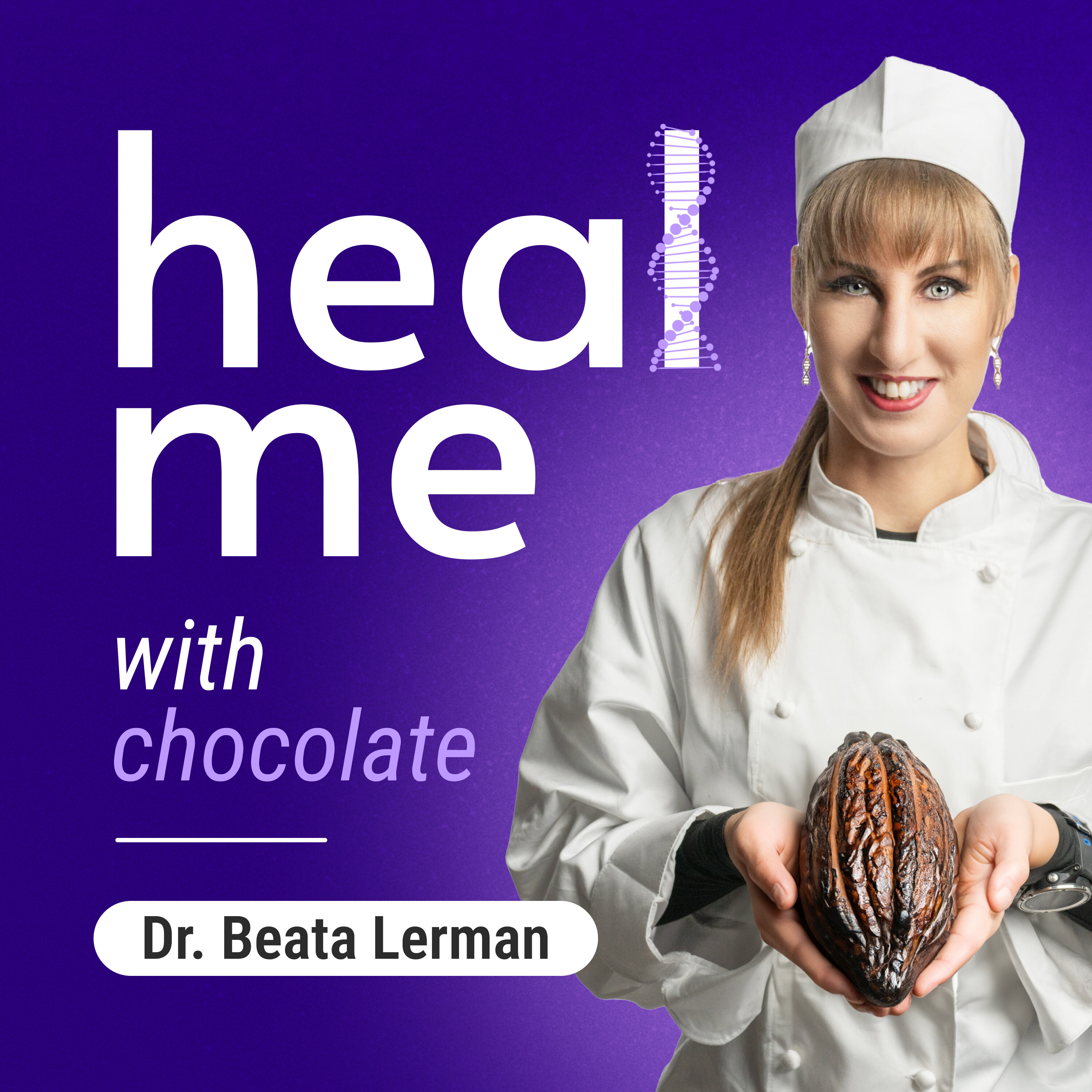
Heal Me with Chocolate
by Dr. Beata Lerman
Heal Me with Chocolate is hosted by Dr. Beata Lerman, scientist, cancer survivor, and founder of Sinless Treats Chocolate. Each episode explores the intersection of food, health, and science, focusing on how ingredients like sugar and processed additives affect the body.Dr. Lerman shares her personal journey of overcoming cancer, eliminating sugar, and developing chocolate using only natural, metabolically friendly sweeteners and whole-food ingredients. Heal Me with Chocolate provides evidence-based insights on nutrition, the realities of the chocolate industry, and practical advice for making healthier choices.Listeners will learn about functional foods, the role of fiber and gut health, and alternatives to conventional sweeteners. Join the community to discover how food can support wellness-one chocolate at a time.
-
17
Clean Label Chocolate: How to Choose Chocolate That’s Good for You
What happens when the pursuit of healthier chocolate misses the mark? During this season one finale of Heal Me with Chocolate, I’m going to walk through the story of a big chocolate company’s attempt to make a better bar, what went wrong, and why so many people searching for something good end up disappointed. I’ll share: How ingredient choices change the way chocolate affects your body What truly separates functional chocolate brands Why my own journey with chocolate transformed my health Join the community to discover how food can support wellness, one chocolate at a time! For more information, visit sinlesstreatschocolate.com or contact [email protected]. Follow Sinless Treats Chocolate on Facebook and subscribe to Heal Me with Chocolate on Apple, Spotify, and wherever you get your podcasts. Key Takeaways 1. Simply reducing sugar without rethinking the base ingredients doesn’t create truly healthier chocolate. Mainstream efforts—like Cadbury’s 30% less sugar bar—often swap sugar for highly processed additives that may still spike blood sugar and cause digestive issues, ultimately failing to meet consumers’ health and taste expectations. 2. Functional chocolate is intentionally crafted using whole cacao, non-glycemic plant-based sweeteners, and beneficial botanicals. The goal is to create chocolate that provides both joy and tangible health benefits (for brain, gut, and hormonal health), not just less sugar or fewer calories. 3. Dr. Beata Lerman shares how her journey from cancer survivor to chocolate innovator transformed her relationship with chocolate. By seeking to create treats that comfort, nourish, and heal, she demonstrates that food grounded in science and love can lead to powerful personal and communal change. 4. Many common sugar replacements in chocolate (like maltitol or synthetic fibers) are problematic, as they can still impact blood sugar or cause gut distress. A thoughtfully combined blend of whole plant sweeteners (e.g., stevia, chicory root inulin, erythritol from fruit) can achieve sweetness with metabolic and digestive benefits, proving that taste and health are not mutually exclusive. 5. Consumers should look beyond marketing labels like “dark” or “sugar-free” and focus on ingredient quality, functional benefits, and brand transparency. By choosing chocolates made with real, recognizable ingredients and clear health intentions, people can enjoy indulgence without regret, supporting both personal wellbeing and ethical sourcing. Timestamped Overview 00:00 Rethinking Chocolate: Industry Missteps 04:51 Demand for Healthier Chocolate Options 09:50 Reinventing Chocolate for Health 11:02 From Bitter Fails to Sinless Treats 14:16 Reinventing Chocolate for WellbeingSee omnystudio.com/listener for privacy information.
-
16
When Chocolate Lies: Exposing the Sweet Myths in the Health Aisle
Can you really trust the label on your chocolate bar? You know, many people see words like "organic," "dark chocolate," or "keto friendly" and assume they're making a healthy choice. What if I told you that lecithins and fillers do more harm than you think? That sugar free chocolate might still spike your blood sugar? And that even organic chocolate can contain heavy metals? I'm talking about five truths that may change the way you eat chocolate and how you read the next label you find. Join the community to discover how food can support wellness, one chocolate at a time! For more information, visit sinlesstreatschocolate.com or contact [email protected]. Follow Sinless Treats Chocolate on Facebook and subscribe to Heal Me with Chocolate on Apple, Spotify, and wherever you get your podcasts. Key Takeaways 1. Dark chocolate’s health reputation is misleading—most grocery store dark chocolate contains added sugars, emulsifiers like soy or sunflower lecithin, and processed cacao with reduced antioxidants. True health benefits only come from minimally processed, high-quality chocolates free from fillers and unnecessary additives. 2. Emulsifiers such as soy lecithin are often used for reasons unrelated to health (like texture or shelf life) and may be harmful, disrupting gut health and acting as toxic fillers. Chocolate made without these additives preserves purity and better supports digestive health. 3. The processing method of cacao matters; Dutch processing (alkalized cacao) removes up to 90% of beneficial flavonoids, stripping chocolate of its health benefits. Fillers and additives like milk fats and artificial colors further dilute chocolate’s positive effects. Always choose unprocessed, single-origin cacao and scrutinize labels for transparency. 4. Sugar-free chocolates often contain sweeteners like maltitol and sorbitol, which can still raise blood sugar or upset digestion. Meanwhile, an organic label doesn’t guarantee the chocolate is free of heavy metals such as lead or cadmium, which depend on the source of the cacao and farm practices. 5. Fair Trade certification is not the same as regenerative or transparent sourcing. Many “functional” chocolates have only insignificant doses of adaptogens or added bioactives. True functional chocolate uses clinically effective dosages, prioritizes regenerative and transparent sourcing, and provides proof of purity and effectiveness. Timestamped Overview 00:00 Lecithin Use in Chocolate Debated 05:11 Natural vs. Dutch Processed Cacao 09:24 Keto Label Misleading, Choose Wisely 13:19 Chocolate Safety: Heavy Metals Concerns 15:34 Nutrient-Packed Chocolate: Effective Ingredients 18:16 Choosing Metabolically Friendly ChocolateSee omnystudio.com/listener for privacy information.
-
15
Chocolate with a Conscience: How to Choose Clean Chocolate AND Support Rainforests
Where does your chocolate come from? What do ethical farming, healthy soil, and trusted suppliers mean for the chocolate I eat every day? In this episode, I'm sharing: Why ethical cacao sourcing matters for farms, people, and the planet How ancient traditions and soil practices shape every bite What you should know about heavy metals in store-bought chocolate Join the community to discover how food can support wellness, one chocolate at a time! For more information, visit sinlesstreatschocolate.com or contact [email protected]. Follow Sinless Treats Chocolate on Facebook and subscribe to Heal Me with Chocolate on Apple, Spotify, and wherever you get your podcasts. Key Takeaways 1. Ethical chocolate means more than just great flavor—it involves supporting farms that avoid slave and child labor, ensure living wages, and practice sustainable agriculture. Ethical sourcing cares for both people and the planet. 2. Agroforestry (growing cacao amid diverse native plants and trees rather than monocropping) enhances soil biodiversity, which leads to healthier cacao plants, richer flavors, improved resilience to disease, and a better ecological footprint. 3. Cacao has deep indigenous roots, originating in the Amazon and revered as sacred by cultures such as the Olmecs, Mayans, and Aztecs. Today's ethical cacao farming still honors these traditions by cultivating cacao in ways that respect the land and culture. 4. Not all chocolate is equally safe—some contain dangerous levels of heavy metals like lead and cadmium. By choosing chemical-free, agroforestry-grown cacao and performing rigorous testing, safer and cleaner chocolate can be produced for consumers. 5. Sustainability in chocolate involves more than farming—it's also about responsible packaging, waste reduction, and supporting farmers who keep their land healthy for future generations. True sustainability nurtures both people and the environment. Timestamped Overview 00:00 Agroforestry's Defense Against Cacao Disease 06:18 Indigenous Roots of Cacao 10:36 Cacao Bean Taste Issues in Farming 15:15 Traditional Cacao Farming in Ecuador 18:15 Agrochemicals and Cadmium in Cacao 22:28 Eco-Friendly Farming and Healthier Chocolate 23:35 Sacred Chocolate: Healing Body & PlanetSee omnystudio.com/listener for privacy information.
-
14
Chocolate O’Clock: The Ideal Times to Indulge for Wellness
Is there a right time to eat chocolate, or does it really matter? People often believe chocolate is just for dessert or a special treat, but I found that timing your chocolate can change your energy, focus, and even your sleep. On today’s episode, I’ll talk through: What happens when you eat chocolate in the morning How chocolate can support workouts and endurance Why chocolate at night may help or hurt your rest Join the community to discover how food can support wellness, one chocolate at a time! For more information, visit sinlesstreatschocolate.com or contact [email protected]. Follow Sinless Treats Chocolate on Facebook and subscribe to Heal Me with Chocolate on Apple, Spotify, and wherever you get your podcasts. Key Takeaways 1. Eating chocolate at different times of the day can produce varied benefits—morning consumption supports energy and alertness, midday intake helps manage stress and blood sugar, pre-workout boosts endurance, and nighttime choices can aid sleep and relaxation. Matching the timing to your personal goals can maximize chocolate’s positive effects. 2. Not all chocolate is created equal; functional chocolate, especially those with healthy fats, fiber, adaptogens, and low sugar, offers additional health benefits beyond taste, such as supporting ketosis, improving gut health, and promoting mental clarity. 3. Scientific studies (such as the 2021 study from Brigham and Women’s Hospital) and real-life testimonials underscore chocolate’s role in supporting metabolism, mood, reduced hunger, and sustained energy—emphasizing the evidence-based approach behind functional chocolate recommendations. 4. Integrating chocolate into mindful rituals—like pairing it with a walk, journaling, or simply taking a pause—shifts the narrative from guilty pleasure to intentional self-care, empowering individuals to enjoy chocolate without guilt. 5. The message is personalized: the best time and way to eat chocolate depends on individual goals and responses. Functional chocolate is positioned as a positive, empowering part of self-care, inviting listeners to experiment and find what works best for them. Timestamped Overview 00:00 Morning Boost: Functional Chocolate Benefits 03:11 Chocolate Breakfast Benefits 08:34 Functional Chocolate for Mood Balance 10:18 Chocolate Choices for Better Sleep 13:48 Chocolate Timing and SustainabilitySee omnystudio.com/listener for privacy information.
-
13
Sugar-Free Chocolate Smackdown: Natural Sweeteners and Their Health Impact
Have you ever picked up a sugar-free chocolate bar and wondered what really goes into it? Maybe you have seen stevia, monk fruit, or erythritol on the label, but you are not sure what each one means for taste, for your blood sugar, or even for your stomach. In this episode, I’m breaking down what these sweeteners do: Where each sweetener comes from and how it is made How each one changes the flavor and texture of chocolate What the real impact is on your metabolism and digestion Join the community to discover how food can support wellness, one chocolate at a time! For more information, visit sinlesstreatschocolate.com or contact [email protected]. Follow Sinless Treats Chocolate on Facebook and subscribe to Heal Me with Chocolate on Apple, Spotify, and wherever you get your podcasts. Key Takeaways 1. Dr. Lerman centers the discussion on the most common natural sugar substitutes—stevia, monk fruit, and erythritol—used in healthier dark chocolates, emphasizing their plant-based origins and differences from chemical or artificial sweeteners. 2. Each sweetener affects chocolate’s flavor in unique ways: Stevia can give a licorice or bitter aftertaste (especially when processed and isolated; less so when whole-plant is used), monk fruit is described as clean and most similar to sugar, and erythritol brings a mild sweetness with a cooling sensation that can sometimes clash with certain chocolate notes. The blending of sweeteners can optimize both flavor and mouthfeel. 3. All four sweeteners—stevia, monk fruit, erythritol, and allulose—are highlighted as non-glycemic options that won’t spike blood sugar or insulin. This is especially beneficial for those with diabetes, insulin resistance, or anyone interested in metabolic health. The discussion also warns against maltitol, a common sugar alcohol in cheaper chocolates, for its much higher glycemic impact. 4. Erythritol is considered the most gut-friendly among sugar alcohols, especially when sourced from high-quality fruit rather than corn, which may contain pesticide residues and cause digestive discomfort. Individual gut tolerance varies, and the addition of prebiotic fibers like inulin or chicory root can help with digestion. Stevia and monk fruit are generally easy on digestion unless combined with high quantities of sugar alcohols. 5. The episode breaks down which sweetener works best in different culinary applications (e.g., stevia and monk fruit in high-cacao or nut-based chocolates; erythritol in peppermint or keto snacks; allulose for caramelized textures or chewy bites). Attention to ingredient source, processing, and combining sweeteners can greatly affect both health and flavor outcomes. Timestamped Overview 00:00 Exploring Natural Sweeteners in Chocolate 05:40 Erythritol's Role in Chocolate Sweetening 08:59 Low-Glycemic Sweeteners for Health 10:19 Allulose vs. Maltitol: Sweetener Insights 13:33 Sinless Treats: Gut-Friendly Sweeteners 17:53 Allulose: Low-Calorie Sugar AlternativeSee omnystudio.com/listener for privacy information.
-
12
Chocolate as Medicine: Science-Backed Reasons to Savor Every Bite
How does chocolate affect heart health, brain function, mood, and immunity? Dr. Beata Lerman explains the effects of minimally processed dark chocolate on the body. She describes flavonoids like epicacin, magnesium, and theobromin as key compounds in cacao. These components help relax blood vessels and lower blood pressure. Dr. Lerman shares that communities with frequent cacao consumption tend to see lower hypertension rates and greater longevity. Chocolate also supports neurogenesis and improved cognitive performance, particularly through flavonoids and tryptophan. Phenylethylamine and anandamide are present in cacao and influence mood and stress. Attention is drawn to the importance of selecting chocolate with minimal sugar and quality ingredients. Gut health, the immune system, and iron absorption also receive mention. Dr. Lerman suggests mindful chocolate rituals and notes the cultural significance of cacao. She emphasizes using chocolate as a functional food when it is thoughtfully produced. For more information, visit sinlesstreatschocolate.com or contact [email protected]. Follow Sinless Treats Chocolate on Facebook and subscribe to Heal Me with Chocolate on Apple, Spotify, and wherever you get your podcasts. Key Takeaways 1. Chocolate—especially minimally processed dark chocolate—is packed with beneficial compounds like flavonoids, magnesium, and theobromine that support heart health. These components help relax blood vessels, lower blood pressure, and improve circulation, making dark chocolate a smart, heart-loving treat when consumed in its purest forms. 2. The consumption of high-flavanol chocolate can enhance brain health by improving attention, reaction time, and even supporting the growth of new neurons (neurogenesis). Chocolate’s natural compounds help improve memory, learning, and mental clarity—especially when sugar content is kept low. 3. Chocolate contains mood-boosting molecules like phenylethylamine (the “love drug”), anandamide (the “bliss molecule”), and tryptophan, which help promote feelings of happiness, calm, and mental resilience. The synergy of these compounds makes chocolate a scientifically supported “emotional support food.” 4. The minerals and polyphenols in cacao, such as zinc and iron, help strengthen immune function and increase oxygenation in the body. Beneficial fibers in good quality chocolate also foster a healthy gut, which in turn supports better overall health and immunity. 5. The health benefits of chocolate are truly realized only when the chocolate is minimally processed, free of excessive sugars and artificial additives, and enjoyed mindfully. Incorporating chocolate into a self-care ritual—rather than mindless snacking—enhances both the physical and emotional benefits. Timestamped Overview 00:00 Dark Chocolate: Heart Health Benefits 05:43 Theobromin: Chocolate’s Caffeine Alternative 06:46 Flavonoids Boost Brain Regeneration 12:40 Gut Health and Serotonin Connection 14:01 Functional Chocolate: Ritual and RelaxationSee omnystudio.com/listener for privacy information.
-
11
The Health Benefits of Functional Chocolate: Boost Your Mood and Body
What makes functional chocolate different from the regular chocolate most people eat? Dr. Beata Lerman breaks down the concept of functional chocolate, which falls under the broader category of functional foods. Functional chocolate uses premium cacao that is minimally processed and often grown in biodiverse, agroforestry conditions. Included ingredients like adaptogens, prebiotics, and nootropics create products intended to support health beyond basic nutrition. Dr. Lerman explains how cacao can help with stress, gut health, cognitive performance, and mood. The fermentation process, the use of natural sweeteners, and the presence of healthy fats like medium chain triglycerides contribute to these benefits. The discussion touches on how specific nutrients in cacao support heart health, mental focus, the immune system, and even skin appearance. Dr. Lerman describes functional chocolate as intentional in its ingredient combinations for a broader impact on well-being. For more information, visit sinlesstreatschocolate.com or contact [email protected]. Follow Sinless Treats Chocolate on Facebook and subscribe to Heal Me with Chocolate on Apple, Spotify, and wherever you get your podcasts. Key Takeaways 1. Functional chocolate goes beyond just being a sweet treat—it serves as a vessel for delivering health benefits, thanks to its combination of premium cacao and additional functional ingredients like adaptogens, prebiotics, and nootropics. The main idea is that chocolate can be formulated not just for taste but for wellness, offering more than basic nutrition. 2. Cacao, especially when minimally processed and grown in biodiverse, agroforestry environments, is inherently health-promoting. It’s rich in compounds (proteins, fats, carbohydrates, minerals, polyphenols) that support physiological needs, making it a true "food for the gods" that influences everything from heart health to immune function. 3. Ingredients such as adaptogens, prebiotics, and nootropics are selected not just for their individual effects, but for how they interact with cacao to enhance overall health benefits. This synergy ensures the resulting chocolate supports mood, stress resilience, cognitive performance, gut health, and more—far beyond what single supplements could achieve. 4. The podcast emphasizes the importance of low-impact, minimal processing and natural fermentation, particularly with agroforestry-grown cacao. These methods preserve cacao’s natural compounds and improve the synergy with added functional ingredients, leading to more potent and healthful chocolate. 5. Functional chocolate can play a unique role in holistic health—supporting beauty, mood, energy, cognitive function, and metabolic balance. Its nutrients, antioxidants, and healthy fats make it a beneficial food for women’s health, anti-aging, and maintaining overall wellbeing. Timestamped Overview 00:00 Functional Health Benefits of Cacao 05:25 Agroforestry Cacao and Health Benefits 06:47 "Functional Chocolate Benefits" 10:36 Chocolate: A Secret to Youthful SkinSee omnystudio.com/listener for privacy information.
-
10
Is Sugar-Free Chocolate Really Sugar-Free? Understanding Labels & Ingredients
How can chocolate lovers truly know if their sugar free treats are as guilt-free as they hope? Dr. Beata Lerman breaks down what “sugar free” really means on chocolate labels, highlighting hidden sugars and explaining glycemic impact. Many products use sweeteners, sugar alcohols, or even high glycemic additives that still affect blood sugar and health. Choosing wisely means understanding these ingredients and their effects. For more information, visit sinlesstreatschocolate.com or contact [email protected]. Follow Sinless Treats Chocolate on Facebook and subscribe to Heal Me with Chocolate on Apple, Spotify, and wherever you get your podcasts. Key Takeaways 1. "Sugar free" chocolate doesn’t necessarily mean it’s completely free of sweeteners or carbohydrates—by FDA standards, it means less than 0.5 grams of sugar per serving. There may still be sugar alcohols, artificial or natural sweeteners, or other carb-based ingredients present. 2. “No added sugar” means no extra sugar was included during processing, but natural sugars (like lactose in milk or fructose in fruit) may still be present and impact your blood sugar. “Unsweetened” means no sweeteners, natural or artificial, have been used at all. 3. Many "sugar free" products may include ingredients like maltodextrin or glucose syrup solids, which can have a higher glycemic index than regular sugar. These can rapidly spike blood sugar and insulin levels—making them unhealthy, especially for people with diabetes or metabolic concerns. 4. Natural sweeteners, such as stevia, monk fruit, and allulose, tend to have little or no impact on blood sugar and may even offer metabolic benefits, but the form and source matter. Artificial sweeteners (like aspartame and sucralose), though FDA-approved, come with potential long-term health concerns—such as gut disruption, metabolic changes, and even possible increased risks for certain illnesses. 5. Not all sugar alternatives are created equally—their health effects can depend greatly on their source (e.g., organic fruit-based vs. industrial corn-based erythritol) and how they're used in chocolate production. High-quality ingredients and thoughtful manufacturing (like using whole cacao beans and suitable fibers) can make a big difference in health outcomes and taste experience. Timestamped Overview 00:00 "Is Sugar-Free Chocolate Truly Sugar-Free?" 04:54 High Glycemic Index Risks 08:28 Stevia: Sweetness, Benefits, and Controversies 11:53 Risks of Artificial Sweeteners 14:45 Erythritol's Benefits and Sugar-Free Chocolate Challenges 16:24 Sugar-Free Chocolate with Natural IngredientsSee omnystudio.com/listener for privacy information.
-
9
Believe Your Eyes: Cutting Through Sweetener Myths and Insulin Spikes
How can we truly know which nutrition advice to trust in a world of conflicting opinions and influencers? Dr. Beata Lerman challenges listeners to "believe your eyes" rather than blindly follow experts, emphasizing the importance of personal experience and continuous glucose monitoring. She dismantles myths around sweeteners, explaining the nuances of natural versus artificial options and their real effects on metabolic health. Ultimately, Dr. Lerman empowers individuals to take control of their own health journeys through observation and informed choices. For more information, visit sinlesstreatschocolate.com or contact [email protected]. Follow Sinless Treats Chocolate on Facebook and subscribe to Heal Me with Chocolate on Apple, Spotify, and wherever you get your podcasts. Key Takeaways 1. Dr. Lerman highlights how nutrition and health advice from influencers and even doctors can be confusing and contradictory. Instead of blindly trusting any authority, she suggests that people should empower themselves to “believe their eyes” and seek out evidence and personal experience. 2. There's a misconception that artificial sweeteners don’t elicit an insulin response and are healthier alternatives for weight loss. However, Dr. Lerman argues that chemical/artificial sweeteners can in fact raise insulin levels, and their widespread use correlates with worsening metabolic health in society, not improved outcomes. 3. Not all sweeteners marketed as “natural” (like stevia or monk fruit) are equal. Many commercial products labeled as such actually contain highly processed, non-nutritive sweeteners and fillers (e.g., dextrose, maltodextrin) that can be metabolically harmful. Real, whole-plant stevia or monk fruit used properly are metabolically friendly, but most commercial versions are not. 4. Dr. Lerman encourages consumers to read ingredient labels carefully, since marketing can be misleading. She explains how the order and type of ingredients (like the use of erythritol as a bulking agent) affect the product’s impact on health. Being label-savvy is essential for making healthier choices. 5. The advent of continuous glucose monitors (CGMs) offers individuals a tool to directly observe how specific foods affect their blood sugar in real time. This allows them to bypass conflicting external advice and base their dietary choices on their own physiological responses—reclaiming agency in their health decisions. Timestamped Overview 00:00 Sweet Debate: Misconceptions on Sugar Alternatives 04:11 Debunking Sweetener Myths 07:25 Stevia: Natural, Intense Sweetener 12:04 Erythritol: Non-Carb Sweetener Sources 15:37 Non-Nutritive Sweeteners' Weight Impact 17:45 Empowerment Through Glucose MonitoringSee omnystudio.com/listener for privacy information.
-
8
Red 40, Yellow 5, and the Secret Life of Your Food’s Colors
Why do foods in the U.S. still contain artificial colorings banned in much of the world? Dr. Beata Lerman explores the history and health impacts of food dyes derived from petroleum and other sources, linking them to issues like ADHD, allergies, and even cancer. While many countries prohibit these additives, American food manufacturers continue to rely on them for profit and visual appeal. Dr. Lerman advocates for natural alternatives from plants and minerals, showing that vibrant, safe colors are possible. For more information, visit sinlesstreatschocolate.com or contact [email protected]. Follow Sinless Treats Chocolate on Facebook and subscribe to Heal Me with Chocolate on Apple, Spotify, and wherever you get your podcasts. Key Takeaways 1. Many artificial food colorings, including popular ones like Red 40, Yellow 5, and Blue 1, were originally developed for non-food purposes such as textile dyes. These colorings are often sourced from petroleum or, sometimes, natural sources like insects, but their widespread use in food is more about cost and visual appeal than nutrition. 2. There is substantial scientific evidence linking artificial food dyes to negative health outcomes, especially in children, such as ADHD and other attention disorders. Notably, highly reputable journals like The Lancet have published influential studies showing these associations, which has prompted concern among health professionals. 3. While many countries—including those in the European Union, Japan, and Russia—have banned or strictly limited artificial food colorings due to health concerns, the United States continues to use them widely. This ongoing usage is largely driven by the profitability and low cost they offer to food manufacturers. 4. There is a push for using natural, plant-based colorings as healthier alternatives. The podcast host discusses her own pursuit of vibrant, health-promoting colors using freeze-dried fruits, vegetables, and even flowers. These natural sources not only reduce health risks but also add beneficial phytonutrients and antioxidants to food products. 5. While creating natural, stable, and visually appealing food colorings can be challenging—especially for colors like blue—technological solutions such as freeze-drying and careful ingredient selection make it possible. Brands and producers are encouraged to transition toward these healthier options for the benefit of consumer well-being. Timestamped Overview 00:00 Textile Dyes' Impact on Health 03:39 Clinical Trial Links Food Dyes to ADHD 08:36 Natural Alternatives to Harmful Colorings 11:32 Freeze-Drying: Natural Chocolate Colors 14:39 Creating Blue from NatureSee omnystudio.com/listener for privacy information.
-
7
How Sinless Treats Chocolate Supports Ketogenic and Diabetic Lifestyles
What makes chocolate compatible with ketogenic, diabetic, and vegan diets? Dr. Beata Lerman shares her journey as a cancer survivor seeking a diet that avoids feeding cancer cells. She describes developing Sinless Treats chocolate after not finding sugar-free and additive-free options. Testing with continuous glucose monitors showed her chocolates didn't spike blood sugar in keto, diabetic, or healthy individuals. She details replacing traditional milk with organic grass-fed cream to lower carbohydrates and explains why plant-based milks like oat milk may raise blood sugar. All dark chocolates are vegan, and products cater to multiple dietary needs. Join the community to discover how food can support wellness, one chocolate at a time! For more information, visit sinlesstreatschocolate.com or contact [email protected]. Follow Sinless Treats Chocolate on Facebook and subscribe to Heal Me with Chocolate on Apple, Spotify, and wherever you get your podcasts. Key Takeaways 1. Dr. Beata Lerman shares her personal health journey, including her battle with lymphoma, which led her to adopt a strict ketogenic, sugar-free lifestyle. This prompted her to invent her own healthy chocolate to meet dietary needs unmet by products on the market—laying the foundation for Sinless Treats. 2. The formulation of Sinless Treats chocolate is guided by scientific principles: it’s sugar-free and low-carb to prevent blood sugar spikes. Dr. Lerman recounts her own experiments and third-party lab testing, showing that even large amounts of her chocolate do not impact ketosis or blood sugar, making it suitable for people on ketogenic diets and diabetics. 3. Real-world feedback, including stories from diabetics and people using continuous glucose monitors, confirm that Sinless Treats chocolate can lower or stabilize blood sugar rather than cause spikes. This makes it a unique and safe option for those managing diabetes or metabolic dysfunctions. 4. The company caters not only to keto and diabetic communities, but also to vegans, offering dairy-free dark chocolate. Dr. Lerman educates listeners about why plant-based milk alternatives like oat milk can still spike blood sugar, emphasizing their commitment to honest, health-based ingredients. 5. Dr. Lerman cautions against trusting products heavily marketed as “keto,” especially processed foods, stating that real ketogenic diets are based on whole, unprocessed foods. She urges listeners to be mindful of ingredient quality, focusing on metabolic health over marketing claims. Timestamped Overview 00:00 Keto-Friendly Chocolate Invention 04:05 "Chocolate's Unexpected Diabetic Benefit" 07:48 "Low-Carb Chocolate Surprise" 10:26 Skeptic's Surprise: Healthy Chocolate Impact 14:11 Oat Milk Sugar Concerns 18:05 "Healthiest Chocolate: Test Our Claims"See omnystudio.com/listener for privacy information.
-
6
What Makes Chocolate Healthy?
What is the difference between bean to bar and tree to bar chocolate? Dr. Beata Lerman explains the chocolate-making process from cacao farms to finished bars. She discusses how chocolate makers start with whole cacao beans, roasting and refining them, which differs from chocolatiers who use already-made chocolate to create confections. Some chocolate makers work directly with farmers to source beans and handle fermentation methods, placing them between bean to bar and tree to bar approaches. This episode covers the importance of fermentation, how yeast from banana leaves drives the process, and the impact of roasting on nutrients. Dr. Lerman also highlights why some companies use soy lecithin and what it indicates about chocolate quality. Join the community to discover how food can support wellness, one chocolate at a time! For more information, visit sinlesstreatschocolate.com or contact [email protected]. Follow Sinless Treats Chocolate on Facebook and subscribe to Heal Me with Chocolate on Apple, Spotify, and wherever you get your podcasts. Key Takeaways 1. The episode distinguishes between “bean to bar” and “tree to bar” chocolate. "Bean to bar" refers to chocolate makers who start with whole cacao beans and control each step until the finished chocolate bar. "Tree to bar" goes even further, involving direct relationships with farmers, starting from the cacao tree itself, ensuring greater traceability and authenticity. 2. There’s a crucial difference between chocolate makers and chocolatiers. Chocolate makers transform raw cacao beans into chocolate, mastering processes like roasting and winnowing, while chocolatiers are chefs or artists who use pre-made chocolate to craft confections, bonbons, and sculptures. Rarely do individuals or companies excel at both. 3. Large-scale chocolate production is often disconnected from cacao origins and focuses on mass processing, sometimes sacrificing ethics and quality. Artisanal makers, however, place emphasis on origins, flavor profiles, and ingredient quality, seeking to craft healthier, more authentic products. 4. Ingredient lists reveal quality. Additives like soy lecithin are common in ultra-processed chocolate to achieve shelf stability or emulsification. Truly healthy chocolate typically contains just cacao and perhaps sugar, without unnecessary additives, making it a functional food rather than an ultra-processed one. 5. The craft process—from cacao pod harvest, fermentation (noting the optimal six-day fermentation in the speaker’s method), sun-drying, gentle roasting, to stone grinding—directly impacts flavor and health. Controlled fermentation and minimal processing preserve nutraceuticals, vitamins, and amino acids, yielding chocolate that nourishes beyond taste. Timestamped Overview 00:00 Chocolate Makers vs Chocolatiers 03:06 "Tree-to-Bar Artisan Chocolate Journey" 08:47 "Chocolate: Apocalypse Food and Emulsifiers" 12:28 Cacao Fermentation's Health Benefits 14:59 "Optimizing Fermentation for Healthier Chocolate" 18:09 Crafting Chocolate the Mayan WaySee omnystudio.com/listener for privacy information.
-
5
Cacao Butter: The Secret to Great-Tasting and Healthy Chocolate
Why is the type of cacao used in chocolate important for taste, health, and ethics? Dr. Beata Lerman explains the origins and differences between the main types of cacao, focusing on Cacao Nacional, a rare variety recovered in Ecuador. Most chocolate relies on Forastero cacao, which is widely grown but offers a different taste profile than Cacao Nacional. Industrial chocolate production often removes cacao butter to sell to other industries, replacing it with other fats, which changes flavor and health qualities. Cacao Nacional grows only in rainforest-like, biodiverse environments and is farmed by collectives dedicated to sustainable methods. These farmers resist pressure to monocrop and avoid pesticides and herbicides, which reduces heavy metals like cadmium and lead. Dr. Lerman emphasizes the ethical considerations, such as child labor and environmental sustainability. She encourages consumers to ask questions about chocolate origins and support farmers committed to responsible practices. Join the community to discover how food can support wellness, one chocolate at a time! For more information, visit sinlesstreatschocolate.com or contact [email protected]. Follow Sinless Treats Chocolate on Facebook and subscribe to Heal Me with Chocolate on Apple, Spotify, and wherever you get your podcasts. Key Takeaways 1. Cacao is the fundamental ingredient that gives chocolate its distinct flavor. The specific content and quality of cacao butter within the bean is what defines a chocolate’s taste and overall health benefits. 2. There are four main types of cacao—Forastero, Trinitario, Criollo, and Cacao Nacional (Original DNA Cacao). Each has unique genetic backgrounds, flavor profiles, and histories, with Cacao Nacional standing out for its rare, non-bitter, and complex flavor. 3. Cacao Nacional is rare, originally thought extinct, and can only be cultivated in regenerative, rainforest-like environments rather than monocropped plantations. This traditional, cooperative approach supports ecosystem health, soil biodiversity, and yields premium cacao without chemical contamination. 4. Industrial chocolate often substitutes natural cacao butter with oils and uses monocrop farming with heavy pesticides, resulting in contamination with heavy metals like cadmium and lead. Ethically sourced chocolate, especially from small co-ops, avoids these issues, ensuring both higher nutritional value and the fair treatment of farm workers. 5. Consumers should be proactive in questioning the origins, farming practices, and safety of their chocolate. Supporting ethically produced, environmentally friendly chocolate helps maintain both personal health and sustainable livelihoods for cacao farmers. Timestamped Overview 00:00 Cacao Nacional's Unique Flavor Profile 06:58 Rediscovery of Original Cacao Trees 08:17 Cacao Nacional Farming Practices 11:20 Ecuadorian Farmers Defend Ethical Cacao 15:27 Heavy Metals Contaminate Chocolate 20:01 Cacao Origins and Market TurmoilSee omnystudio.com/listener for privacy information.
-
4
Sweet Deceptions: The Secret Lives of Sugar Replacements
What natural sweeteners can be used in chocolate to avoid blood sugar spikes? Dr. Beata Lerman reviews alternatives to sugar in chocolate making. She discusses how fiber helps slow sugar absorption, resulting in a gentler impact on blood sugar. By using unprocessed cacao beans and retaining the shell, the chocolate contains more fiber. In its whole plant form, stevia packs a potent sweetness and lack of glycemic impact. Inulin from chicory root, also featured, acts as a prebiotic fiber. Erythritol, sourced from organic apples and pears in France, and allulose, a rare sugar, round out the choices. Chemical and non-nutritive sweeteners are avoided due to possible health effects and their impact on the liver. Join the community to discover how food can support wellness, one chocolate at a time! For more information, visit sinlesstreatschocolate.com or contact [email protected]. Follow Sinless Treats Chocolate on Facebook and subscribe to Heal Me with Chocolate on Apple, Spotify, and wherever you get your podcasts. Key Takeaways 1. The chocolate made by Dr. Lerman’s company has a gentle lowering effect on blood sugar levels, contrasting with most commercial chocolates. This is attributed to the inclusion of whole cacao beans and natural fibers, as well as the use of alternative sweeteners. 2. Fiber, while not digestible by humans, is crucial for gut microbiome health, which influences overall wellness and even outcomes of serious treatments like chemotherapy. Including fiber in chocolate helps moderate blood sugar and supports gut health. 3. The podcast provides an overview of natural sweeteners used in place of sugar, highlighting their origins, health effects, and specific characteristics. Not all forms of “stevia” or other sweeteners are created equal, and the source and processing method matter for both health and culinary benefits. 4. Chemical and non-nutritive sweeteners such as aspartame, dextrose, and maltodextrin are avoided due to potential health risks, including possible spikes in blood sugar and concerns like carcinogenicity. The emphasis is on natural, plant-derived alternatives. 5. Dr. Lerman stresses transparency in ingredient choices and the value of consumer education. She invites listeners to learn more about how ingredients are sourced and how they affect health, empowering them to make informed food decisions. Timestamped Overview 00:00 Fiber's Impact on Blood Sugar 03:53 Fiber-Rich Chocolate Innovation 08:39 "Chemically Altered Stevia Explained" 12:37 Erythritol: Misleading Names, True Origins 17:26 Avoiding Harmful Sweeteners and Cacao Talk 18:52 "Exploring Rare Cacao Nacional"See omnystudio.com/listener for privacy information.
-
3
The Hidden Dangers in Your Chocolate: Sugar, Oils & Additives Explained
What really happens to chocolate before it lands on your grocery store shelf? During this episode, you’ll learn what’s inside a common chocolate bar. Dr. Lerman explains how modern chocolate processing removes most cacao butter to sell it for other uses, then substitutes cheaper oils and additives. The result is a product with hidden sugars, hydrogenated vegetable oils, emulsifiers like lecithin, and little of the original cacao’s benefits. Listeners hear about how sugar and these additives may negatively affect health, including the impact on the liver and the gut. The episode highlights how much added sugar exists in a typical American diet and why it’s so often present in unexpected foods. Join the community to discover how food can support wellness, one chocolate at a time! For more information, visit sinlesstreatschocolate.com or contact [email protected]. Follow Sinless Treats Chocolate on Facebook and subscribe to Heal Me with Chocolate on Apple, Spotify, and wherever you get your podcasts. Key Takeaways 1. Most commercial chocolates, even premium brands, contain long lists of ultra-processed ingredients and hidden sugars. These are added during manufacturing to cut costs, extend shelf life, and make the product addictive, but often at the expense of consumers' health. 2. Sugar, especially in its free (refined) form, can be highly detrimental to health when consumed excessively. It’s metabolized differently depending on the type (glucose vs. fructose), with fructose being harder on the liver, and high sugar intake is linked to inflammation, insulin resistance, and long-term damage to blood vessels and proteins in the body. 3. Traditionally, cacao was consumed as a nutrient-rich, fermented food with multiple health benefits. Modern industrial chocolate production removes the most beneficial component—cacao butter—replacing it with inferior fats, which strips chocolate of its health value and turns it into an unhealthy treat. 4. Once cacao butter is extracted (usually sold to the cosmetic and pharma industries), cheap, highly processed fats and emulsifiers like palm oil, hydrogenated oils, and lecithins are added. These substitutions lead to health risks like inflammation and gut issues due to their unnatural properties and chemical structure. 5. Sugar and additives in processed foods are deliberately used to enhance cravings and drive repeat purchases, not nutrition. There are safer, more metabolically friendly sweetener alternatives, and shifting to these can help break the cycle of sugar dependence and support better health. Timestamped Overview 00:00 "Unveiling Chocolate's Hidden Truths" 06:00 "Candy Industry's Cacao Butter Swap" 09:52 Lecithins, Sugar, and Gut Health 11:45 Sugar's Impact on Blood Proteins 16:11 "Exploring Sugar Alternatives"See omnystudio.com/listener for privacy information.
-
2
Chocolate As Medicine: Creating Luxury Chocolate that Loves You Back
Why would a cancer researcher turn to chocolate as a tool for better health? Dr. Beata Lerman opens up about her journey from gene therapy and cancer research to developing food as a form of medicine. After being diagnosed with cutaneous T cell lymphoma, she began investigating the relationship between sugar and disease. Her search for healthier options led to cutting sugar and processed foods, a process she describes as challenging. Finding no chocolate she could eat safely, Dr. Lerman traveled to Costa Rica to learn traditional chocolate-making methods. Whole-plant sweeteners like stevia and chicory root replaced refined sugar. She now incorporates microgreens, including broccoli microgreens, into chocolate to boost nutritional value. Dr. Lerman discusses using food technology to create products free from artificial ingredients for people interested in health and prevention. Join the community to discover how food can support wellness, one chocolate at a time! For more information, visit sinlesstreatschocolate.com or contact [email protected]. Follow Sinless Treats Chocolate on Facebook and subscribe to Heal Me with Chocolate on Apple, Spotify, and wherever you get your podcasts. Key Takeaways 1. Dr. Beata Lerman shares her diagnosis with cutaneous T cell lymphoma and how it was a wake-up call that led her to rethink her lifestyle, diet, and approach to health. Her experience underscores how personal health challenges can prompt deep self-examination and motivate major changes. 2. Through her research and personal journey, Dr. Lerman discovered compelling scientific evidence that sugar feeds cancer. This realization led her to meticulously cut sugar and ultra-processed foods out of her diet, highlighting the importance of diet in disease progression and recovery. 3. Dr. Lerman emphasizes that quitting sugar is a difficult, withdrawal-like process, made harder by sugar’s ubiquity in store-bought foods. Her journey demonstrates the challenges of maintaining a healthy, sugar-free diet in today’s food landscape and the need for personal innovation in the kitchen. 4. Unable to find chocolate without problematic ingredients, Dr. Lerman dove into traditional methods—traveling to South America—to learn how to make and sweeten chocolate using natural, non-glycemic alternatives. Her efforts resulted in creating a chocolate that’s both indulgent and health-promoting, showing how food traditions and science can merge for healthier indulgences. 5. Dr. Lerman founded Seamless Treats Chocolate and Reva Green to develop functional foods, starting with nutrient-rich chocolate enriched with microgreens like broccoli. This theme highlights the capacity of innovative foods to deliver both pleasure and significant health benefits, especially by targeting chronic diseases and nutrient deficiencies. Timestamped Overview 00:00 Cancer Treatment & Sugar's Role 04:02 Reinventing Diet Against Cancer 07:12 Struggles with Sugar-Free Chocolate 12:05 Rethinking Sugar: A Health Necessity 14:55 Nutrient-Rich Chocolate RevolutionSee omnystudio.com/listener for privacy information.
-
1
Welcome to Heal Me with Chocolate
Heal Me with Chocolate is hosted by Dr. Beata Lerman, scientist, cancer survivor, and founder of Sinless Treats Chocolate. Each episode explores the intersection of food, health, and science, focusing on how ingredients like sugar and processed additives affect the body. Dr. Lerman shares her personal journey of overcoming cancer, eliminating sugar, and developing chocolate using only natural, metabolically friendly sweeteners and whole-food ingredients. Each episode is packed with evidence-based insights on nutrition, the realities of the chocolate industry, and practical advice for making healthier choices. You'll learn about functional foods, the role of fiber and gut health, and alternatives to conventional sweeteners. Join the community to discover how food can support wellness, one chocolate at a time! For more information, visit sinlesstreatschocolate.com or contact [email protected]. Follow Sinless Treats Chocolate on Facebook and subscribe to Heal Me with Chocolate on Apple, Spotify, and wherever you get your podcasts. About Dr. Beata Lerman:Dr. Lerman is a scientist specializing in gene therapy and immuno-oncology, founder of Sinless Treats Chocolate, and chief medical officer of Revogreen, a food technology company focused on dietary supplements.See omnystudio.com/listener for privacy information.
We're indexing this podcast's transcripts for the first time — this can take a minute or two. We'll show results as soon as they're ready.
No matches for "" in this podcast's transcripts.
No topics indexed yet for this podcast.
Loading reviews...
ABOUT THIS SHOW
Heal Me with Chocolate is hosted by Dr. Beata Lerman, scientist, cancer survivor, and founder of Sinless Treats Chocolate. Each episode explores the intersection of food, health, and science, focusing on how ingredients like sugar and processed additives affect the body.Dr. Lerman shares her personal journey of overcoming cancer, eliminating sugar, and developing chocolate using only natural, metabolically friendly sweeteners and whole-food ingredients. Heal Me with Chocolate provides evidence-based insights on nutrition, the realities of the chocolate industry, and practical advice for making healthier choices.Listeners will learn about functional foods, the role of fiber and gut health, and alternatives to conventional sweeteners. Join the community to discover how food can support wellness-one chocolate at a time.
HOSTED BY
Dr. Beata Lerman
Loading similar podcasts...
Frequently Asked Questions
How many episodes does Heal Me with Chocolate have?
Heal Me with Chocolate currently has 17 episodes available on PodParley. New episodes are automatically indexed when they're published to the podcast feed.
What is Heal Me with Chocolate about?
Heal Me with Chocolate is hosted by Dr. Beata Lerman, scientist, cancer survivor, and founder of Sinless Treats Chocolate. Each episode explores the intersection of food, health, and science, focusing on how ingredients like sugar and processed additives affect the body.Dr. Lerman shares her...
How often does Heal Me with Chocolate release new episodes?
Heal Me with Chocolate has 17 episodes. Check the episode list to see recent publication dates and frequency.
Where can I listen to Heal Me with Chocolate?
You can listen to Heal Me with Chocolate on PodParley by clicking any episode. We provide an embedded audio player for direct listening, and you can also subscribe via your preferred podcast app using the RSS feed.
Who hosts Heal Me with Chocolate?
Heal Me with Chocolate is created and hosted by Dr. Beata Lerman.
URL copied to clipboard!