
PODCAST · society
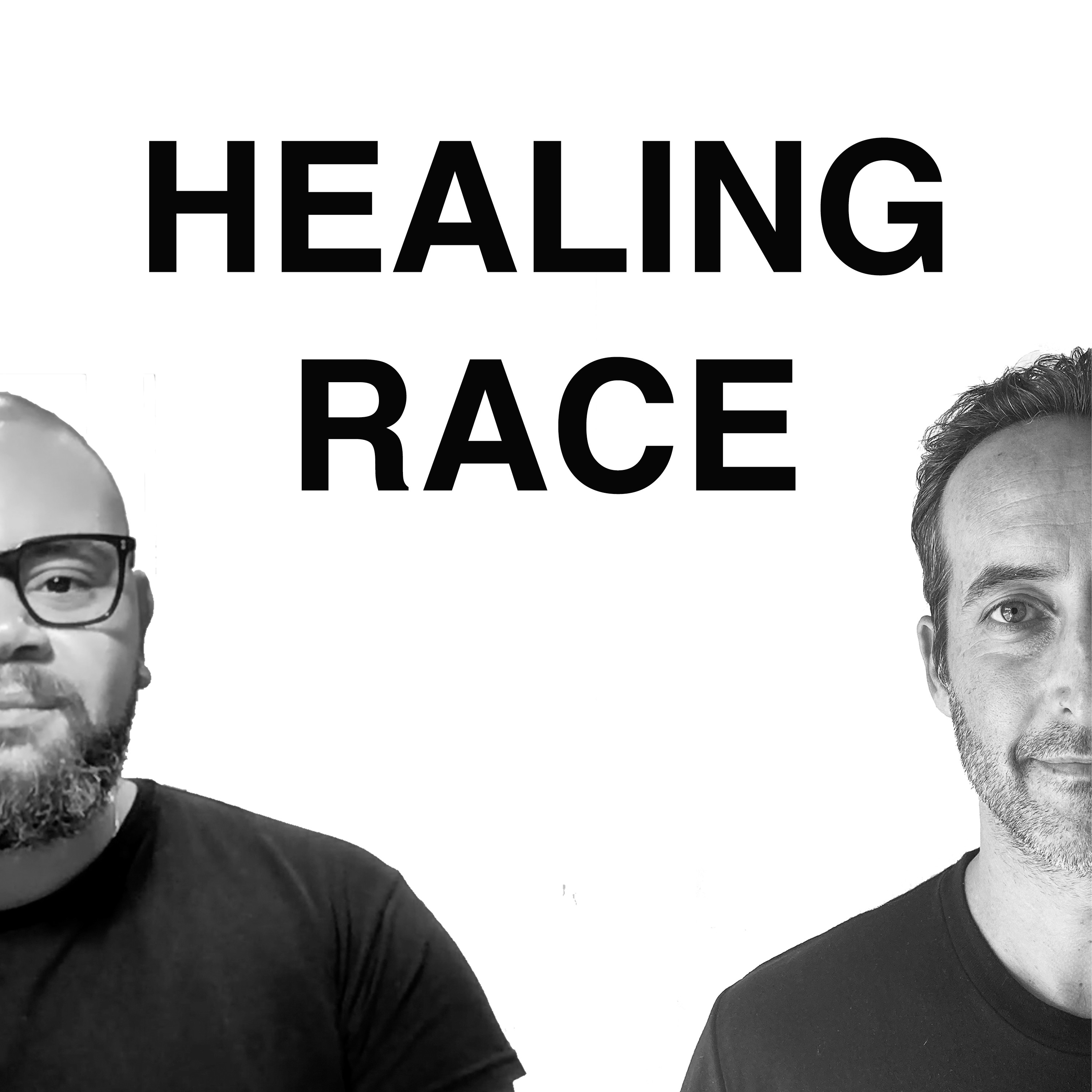
Healing Race
by Healing Race Media
Talking about race isn’t always easy. Andre and Todd were college freshman roommates - one black, one white - who spent the first 25 years of knowing each other without ever discussing the topic. So they decided to go deep on the role of race and the state of race relations in the U.S... and to make their conversations public so that others could see what a first conversation about race might look like, where no topic is off the table and no views are stifled or censored, but where they always listen, respect, and seek to understand - even and especially when they see things differently. And they are now welcoming guests on to experience that same kind of radical openness, honesty, and empathy. Healing Race is about having the real-deal, don’t-filter-what-you-think conversation about race, and they would love for you to join.
-
53
Do Black People Still Face Racism in America?
Is racial bias & prejudice still a regular occurrence for black people in today’s America? Do Black Americans show prejudice in reverse against white people? Does all racial bias give white people a white privilege? And if there is indeed a white privilege, what are potential solutions? Is there a double standard when it comes to how White & Black Americans are expected to react to bias against them? In other words, are white people given greater allowance to express their hurt feelings, while black people are accused of being too sensitive? In this conversation, our guests discuss racial prejudices and stereotypes that Black Americans experience in their daily lives and what’s behind the assumptions that black people make about white people in response. Can Black and White Americans find any common understanding of whether there any white advantage still exists in America and what that white advantage is? Our guests also turn to discussing solutions that would engender greater racial equality.
-
52
Is There Still White Privilege in America? Conservatives & Liberals Discuss
Our guests discuss white privilege, touch on frustrations of being judged based on race, and talk about how society addresses racial inequality and institutional racism. Do all white people have white privilege? What is it, and how does it show up in people’s lives? Is white privilege a major reason for racial inequality? And how do references to “white privilege” impact relationships across racial lines? Do they inflame tensions? Increase understanding? Lead to healing? Exacerbate racial conflict? Our guests discuss whether or not white privilege exists, whether or not it is overused or misunderstood, and how racial biases affect White and Black Americans today. They share personal experiences of times they were judged based on their skin color and how stereotypes and biases have impacted their lives and their feelings about how we talk about race in America.
-
51
Should Black People Give Up Being “Black?”
Should we get rid of our racial identities and see ourselves as “human” first? Do our racial identities prevent us from getting past racial issues in America, and does the construct of race also hurt white people? Does calling ourselves “black” and “white” keep us from seeing each other’s humanity and perpetuate the racial divisions and inequities that we aspire to resolve? Is there a way to own our various identities and appreciate them all without conflict and division? In this conversation, we discuss how we should navigate racial (and other) differences, whether these identity labels - or “boxes” - are part of the problem, and how we can move forward toward a more integrated country.
-
50
Why Are Black Single Moms Blamed in America?
Is Black single motherhood a factor in racial inequalities? If so, are Black women themselves at fault? Is it black men? Is it a public policy issue related to welfare programs or mass incarceration? Is it the imbalance between the number of black men and black women? And what should be done to reduce the prevalence of single-parent households if they are indeed a key factor in economic issues? In this conversation, our guests take on the sensitive, and sometimes contentious, issue of single-parent households and the role they might play in economic distress and racial inequalities. They also get very personal, discussing the kind of human motivations and difficult choices that can arise when it comes to marriage, having children, and the various factors that can lead to divorce or having children out of wedlock.
-
49
America: Too Much Government OR Too Capitalist?
Our guests discuss the merits and drawbacks of capitalism, the promise and challenges of relying on government to solve social and economic problems, and what kind of changes in American morality would be required to rise above materialism and find a sustainable shared humanity. Are Americans too capitalist or not capitalist enough? Do Americans value the greater good, or are they too focused on their own personal and materialistic interests? Should we have faith in government to create equal opportunity for all Americans, or has government lost too much faith in its ability to solve economic and societal problems? Are we as Americans even in it together anymore, or have we lost our common humanity, our shared purpose, and our caring for one another’s well being and opportunity for success? For instance, the guests discuss education inequality. Should Americans be willing to invest in creating quality education for children who don’t live in their own neighborhoods, or is it acceptable for rich neighborhoods to be able to fund well-resourced schools and poor neighborhoods to only be able to fund poorly resourced schools?
-
48
DEI in American Colleges: A Major Threat or Overblown?
Should we keep affirmative action and other DEI diversity efforts to reduce racial inequality? Is the striking down of affirmative action in colleges an example of a wider trend of rolling back progress for - and targeting of - historically disadvantaged communities? And should we focus more on resolving inequalities in early education than on affirmative action policies? Our guests discuss recent anti-DEI efforts in education, including the roll back of affirmative action policies. They discuss whether it unfairly targeted black students and whether it should instead focus on preferences and privileges based on wealth. Will racial inequalities ever get solved, and what levers of change are most important to prioritize?
-
47
Are White Activists Reversing Black Progress in America?
This episode covers identity politics, critical race theory, and the idea that the U.S is somehow immune to succumbing to a dictatorship. It touches on freedom, racial inequalities and DEI efforts, questioning how we address US history. Is the advancement of Black Americans still held back by White Americans with power? Is the attack on DEI a necessary corrective or an attempt to hold back Black progress? And is there an authoritarian movement that wants to rewind the clock on racial progress to times before racial integration and equality before the law were instituted? In this conversation, our guests discuss recent anti-DEI efforts in education, in the economy, and in the teaching of American history. The guests also discuss whether a rise in authoritarian behavior is an omen of worse times ahead. Is there too much complacency among Americans who don’t see current trends as a dangerous sign of increased violence and oppression in our future, or are warnings about increasing authoritarianism overblown?
-
46
Black & White Americans Go Deep: What Matters Most in Life?
What do Americans - white, black or otherwise - all share when it comes to what matters most in life? And if there are racial inequalities in the opportunity to achieve the good life, what is the responsibility of White Americans, of Black Americans - and of all Americans - in rectifying unfair barriers where they exist? In this conversation, our guests discuss what defines success in life and whether our society places value on what matters most to us as human beings. They also cover what they see as root issues contributing to racial issues and our tendency to stereotype, prejudice and discriminate against those different from us. What are we missing as a society and as human beings that lead us to form unfair or false impressions of one another?
-
45
Are Black & White Americans Too Suspicious of Each Other?
How do you know when someone is acting with racial prejudice or bias when you can’t see inside their mind and heart to know their intention? How can we rise above our stereotypes to come together as people? What kind of experiences indicate to Black Americans that someone is acting with racial bias? In this conversation, our guests discuss the barriers that can block our ability as Americans - and as human beings - to connect across our racial, political and other identities. How can we get past our tribal instincts - and the anxiety and mistrust it can foster - and make strong human connections across our differences?
-
44
Why Do Black Americans Dismiss Some White "Wokeness?"
Why do some Black Americans sometimes react dismissively to White attempts to show support for the Black community? Are White Americans too defensive of criticisms of how they approach race in America? How do our egos block our ability to understand and accept each other across racial lines and our ability to heal race relations? In this conversation, our guests share personal experiences that demonstrate some of the challenges that can surface in black-white relations and discuss the question of how to tell if something is truly racist. They emphasize the importance of understanding different perspectives and the role of individual experience in how we respond to each other across race. They also discuss how to distinguish performative actions and meaningful actions taken toward racial healing and racial justice.
-
43
Is Racial Inequality a "White Problem?"
Who is responsible for improving racial disparities, and why? Do White Americans today bear any responsibility for rectifying the sins that White Americans committed in the past? If they don’t, is there any moral duty to do something to help improve racial inequality anyways? And is there any benefit that White Americans still receive today for the legacy of racial discrimination and abuse from the past? In this conversation, our guests discuss what responsibility we have for one another as human beings and as fellow citizens, and they apply their ideas of responsibility to the area of race. What is the role of White Americans and what is the role of Black Americans to rectify the racial inequities we observe in society? How can we show up and show support for people of different racial and other identities when they are being disparaged, put down, or discriminated against? Is there a moral duty to do so?
-
42
Are White Children Shielded from America’s Racial History?
Should racial issues and racial history be taught to American kids in schools? If yes, how should it be taught at different ages? Is critical race theory being taught in schools, or is it a made-up boogie man used to oppose teach about race in history? Are white children made to feel responsible and guilty for America’s racial wrongs, or are they simply being taught the realities of our racial history? Are they taught to feel fundamentally wrong or racist as a white person? Should we be sensitive to white children’s feelings when it comes to teaching the racial parts of our history, or should we accept their feelings as natural and focus on teaching them what to do with those feelings? In this conversation, our guests discuss how we should navigate teaching about the role of race in our history and society in America. Do we teach enough about race in history? Should we teach more? Is the example of how Germans teach about the Holocaust and atone for their ancestors sins a model for what should be done in America? The guests also discuss whether there is a double standard in what black children have to face and learn when it comes to race and what white children have to learn… and the kind of sensitivity that their parents can and do bring to that education process.
-
41
Should Americans Let Go of Their Racial Identities?
Do our racial identities prevent us from getting past racial issues in America? Does calling ourselves “black” and “white” keep us from seeing each other’s humanity and perpetuate the racial divisions and inequities that we aspire to resolve? Should we get rid of the “boxes” we use to categorize ourselves, or is there a way to own those identities and appreciate them all without conflict and division? In this conversation, our guests discuss how we should navigate racial (and other) differences, they discuss whether these identity labels, or “boxes,” are part of the problem, and they reflect on how we can move forward toward a more integrated country. They also discuss the role that cultural differences, public policies, and politics can play in exacerbating our differences.
-
40
What Divides White & Black Americans? Everyday Americans Get Real…
How do Black Americans balance their experiences of prejudice with their experiences of inclusion when it comes to how they interact with White Americans? Do their negative experiences hold more sway and create caution and wariness, or do their positive experiences lead them to trust others until proven otherwise? In this conversation, our guests discuss how racial stereotypes can create misunderstandings between Black & White Americans, and how we can stop those misunderstandings from creating conflicts and dividing us from one another. They also discuss how standards of beauty and professionalism have impacted Black Americans, such as how they choose to style their hair.
-
39
Racial Bias? White Privilege? Overblown or Major Problems?
What happened when a black girl’s school was integrated, and she was moved from gifted and talented classes to basic classes? What happened when a black girl was bused to a faraway all-white school after attending a more mixed school the year before? What happened when a high school black girl was turned down because she was black when she asked out the white boy who was her close friend? How have these kinds of experiences impacted Black Americans views of white people, and how they move through the world in America? In this conversation, our guests share and discuss examples of how racial bias has impacted their lives. They also discuss how racial bias plays a role in private sector hiring and what this generally means about the idea of white privilege.
-
38
Is America Too "Woke" OR Is Racism Still Prevalent?
What happened when white grandparents told their daughter they had a problem with her son having a black girlfriend? What happened when a black girl wasn’t allowed to go to her best friend’s church because she was black? Are these stories from a bygone era of discrimination? Or are they remnants of our prejudicial history that still remain with us today? In this conversation, our guests share examples of discrimination they’ve seen or experienced across the black and white divide. They discuss how these experiences of racial bias and discrimination stick with you and impact how you think, feel and behave when it comes to the other race. The guests also discuss the relationship between black and white women, and how their racial and gender identities play into that relationship.
-
37
The Real Barrier Between Black & White Americans
What happens when a black woman in the military has her white friend’s mother ask to touch her black curly hair? Are such experiences based in racism or simply based in ignorance and curiosity? Is White American curiosity about Black people based in a failure to see their humanity, or is it more often just a genuine desire to connect with them as people? Is it understandable for Black Americans to be wary of White people’s interest in their lives and intentions in getting to know them from a concern that their questions are based in - and perhaps trying to confirm - racial stereotypes? In this conversation, our guests grapple with how to overcome racial divides in how we understand each other as Americans and in who we have in our social networks. How do we overcome racial biases, stereotypes, and prejudices when we're engaged in racial mixing? How can Black & White Americans be curious about each other without making each other feel defined by our skin color or feel like objects instead of human beings? Are DEI efforts part of the solution to this, or do they exacerbate these issues? And more generally, is America still racist, or do Black & White Americans just misunderstand each other because our lives are too segregated from one another?
-
36
Why Do Black & White Americans Still Segregate?
Are Black & White Americans socialized to fear each other? Are we taught to segregate from each other because of the stereotypes we learn growing up? Does cancel culture play a role in preventing Americans from engaging more deeply with one another? Do white Americans hold back because they're too afraid to be called "racist?" What keeps Americans from integrating more across race? In this conversation, our guests share their motivations for joining Healing Race to talk about race, and they discuss their experiences living in diverse or non-diverse places and interacting with other Americans across the racial divide. They tell stories of segregation, of being called out as "racist," and of finding a way to engage meaningfully across race, to embrace America's diversity, and to learn from each other.
-
35
Americans Divided: Do We Focus Too Much on Race?
Should Americans keep focusing on race to resolve inequalities and injustices, or should we focus more on what unites us as humans and Americans? Should we be ashamed of America, have pride in America, or some mix of both? Are we too politically and racially tribal? Does focusing on race make us overly tribal? How can we individually take steps to ease the divisions in our country? Would we feel more trust and less threatened by each other if we didn't give so much power to our President or the federal government, and instead reinforced the checks and balances of our political system? Our guests talk about what is dividing America, and what can bring us together as Americans, across our political and racial differences. Are we too closed off in our own ideological bubbles? Are we sorting ourselves into ideologically pure communities? Are we too afraid of what's different? The guests also discuss the possible dangers that AI might bring in how we relate to each other, how we experience the world and what is "real," and how we are treated as Americans?
-
34
Do White People Mistrust Black Leaders?
Do Americans care about the race of their political leaders? Or is political ideology a bigger driver of how Americans view their leaders? How should we resolve our vast America's economic & racial inequalities? Is it government action? community action? repairing the family structure? Is government action problematic because it is captured by corrupt special interests and the influence of big money interests? Do wealthy families have an unfair advantage of extra resources and time? And is there a victimhood culture in Black and poor America, or do some Americans really have a leg up when it comes to how they are supported to succeed?
-
33
Does America Need DEI & Affirmative Action?
Is affirmative action based on race still needed in America, or was the Supreme Court right to remove race as a consideration in college admissions? Are affirmative action and other diversity initiatives fair and important to achieving racial justice, or do they unfairly disadvantage some Americans? Have White Americans, white men in particular, been blocked from success with policies like affirmative action and DEI (diversity, equity and inclusion)? Is there a victimhood culture in Black and poor America, or do some Americans really have a leg up when it comes to how they are supported to succeed? Our guests talk about whether factors such as race and class should play a role in giving America more opportunity and reducing inequality.. They also discuss whether the push for greater diversity in companies, schools and governments has put white men at a disadvantage and has led to the political backlash we see in American society. Does race still play a major role in economic inequalities? Or has “woke” culture led us to see racial biases and racial inequities where there are none (or at least relatively few)? And how should we respond to economic inequality and social alienation in American society, regardless of one's race?
-
32
Is America A Meritocracy OR Are Racial Inequities Real?
Is success in America driven more by hard work or circumstances? Do racial biases still play a major role in economic inequalities? Or has “woke” culture led us to see racial biases and racial inequities where there are none (or at least relatively few)? Is their a victimhood culture in Black and poor America, or do some Americans really have a leg up when it comes to how they are supported to succeed? And have White Americans, in particular white men, been blocked from success with policies like affirmative action and DEI (diversity, equity and inclusion)? Our guests talk about whether the U.S. is truly a meritocracy, or if factors such as race, class and geography strongly influence the outcomes of most Americans. They also discuss whether the push for greater diversity in companies, schools and governments has put white men at a disadvantage and has led to the political backlash we see in American society today.
-
31
Black & White Americans REVEAL Their Racial & Political Biases
Do racial biases still play a major role in American society? Or has “woke” culture led us to see racial biases where there is none? How do we know what’s in our minds and hearts when we judge and interact with people in our everyday lives? Do most of us carry biases about fellow Americans who are racially and politically different? Do our racial, political & cultural biases create caution, division and animosity where there’s nothing to fear? And how do our biases about each other affect the policies that Americans support and legislators enact? Our guests talk about the biases they carry about other social groups and even about their own social groups. They also discuss the cultural differences that fuel the stereotypes that separate us and the cultural similarities that can often be overlooked.
-
30
Americans Get Real On Black-Police Tensions
How does a black cop deal with the tension between police and the black community? How does he view the state of the police profession, and how do tensions with American communities affect police morale? And what are the hopes and worries of conservatives and liberals from different parts of America when it comes to police killings of black civilians and the heightened conflict between police and the black community? Our guests share their views on police relations and behavior. Is the police force driven by racial profiling and racial bias, or does the media simply spin a heightened racial injustice narrative? Are we destined to a cycle of crime, violence and brutality, or is there is a path that can ease tensions and improve relations? To be a guest on Healing Race, email us at [email protected] To suggest a topic for Healing Race, email [email protected]
-
29
Do Cops Over-Police Blacks in America?
Is over-policing a racial issue in America? How do we resolve the long-standing problems between police and the Black community? And how does a black cop deal with these tensions? Do police use more force against Black Americans; if so, why does it happen; and what should America do about it? Would having a more diverse police force help? Would investing more in communities plagued by crime help? Our guests discuss these questions and also explore their views on police relations and behavior. Is the police force driven by racial profiling and racial bias, or does the media simply spin a heightened racial injustice narrative? Is police violence toward Black Americans a product of challenges within the black community or a product of racialization of Black Americans? To be a guest on Healing Race, email us at [email protected] To suggest a topic for Healing Race, email us at [email protected]
-
28
How Should America's Founding Be Judged Given Its Stand On Race?
Our guests discuss whether early White Americans truly believed that black people weren’t fully human, or if they simply rationalized that belief to themselves to justify maintaining the institution of slavery and the power and prosperity it gave them. Marin, Susan, Marcus and Landon also discuss if we should prioritize or minimize learning American history through a racial lens, covering the racial prejudice, discrimination and persecution that Black Americans have endured? More generally, can we teach U.S. history in a way that captures the unique experiences and perspectives of diverse Americans but that doesn’t breed defensiveness and racial and ethnic divisions among Americans? To be a guest on Healing Race, email us at [email protected] To suggest a topic for Healing Race, email us at [email protected]
-
27
Should We Focus on Race When Teaching U.S. History?
How can our country teach the good and the bad of our history in a way that confronts the racial challenges we've had while also highlighting the good that we've brought to our country and the world? Can we teach our racial history in a way that isn’t watered down - covering the range of discrimination, persecution, and prejudice that has existed - but that also doesn’t create defensiveness with Americans who feel proud of what our country has accomplished? And can using race as a way to frame our education go too far, as expressed by opponents of "critical race theory" and "anti-racism" approaches? To be a guest on Healing Race, email us at [email protected] To suggest a topic for Healing Race, email us at [email protected]
-
26
Do Black Americans Overplay The Racism That Exists Today?
Our guests talk about whether it’s time to let go of thinking about race relations through the prism of our difficult racial history. Have times changed enough when it comes to the role of race in society and the impact of skin color on Americans’ lives to think differently about the way race does or does not divide us today? Marin, Susan, Marcus and Landon also discuss the difficulty that exists in trying to offer constructive feedback to the country in a way that doesn’t come across as antagonistic toward or ungrateful for the opportunities our country provides. Finally, they talk about the tricky terrain of Black Americans being proud of their unique history and culture when some take it as us not being proud to be Americans as well. To be a guest on Healing Race, email us at [email protected] To suggest a topic for Healing Race, email us at [email protected]
-
25
Do White Americans Understand the Black American Experience?
In this episode, Marin asks Susan how her perceptions and beliefs around race have evolved given her upbringing in a Southern community where open racial bigotry was commonplace and racial segregation was the norm. What kind of life experiences can shape and re-shape our views about race, and how do we handle new information that contradicts what we’ve been socialized to believe about each other? What can lead us to rely less on racial stereotypes and toward greater racial reconciliation? Landon also shares his evolution having grown up as a Mormon in conservative Utah. How does media, popular music (like rap), and what we learn about history impact how Black Americans are viewed? And what happens when someone like Marin doesn’t fit those racial stereotypes? To be a guest on Healing Race, email us at [email protected] To suggest a topic for Healing Race, email us at [email protected]
-
24
Should Black Americans Get Reparations For Past Racial Wrongs?
In this episode, Landon asks how we can make progress in putting our racial past behind us and focus more on our future together. Would resolving racial inequalities make a difference Are America's racial disparities still a product of racial injustice? Should economic reparations be part of the solution? What do our guests think about intensely debated ideas like affirmative action and reparations? And is there any role for conversations like the ones we have on Healing Race that are focused on building greater understanding and healing racial divides? Susan asks how we can even have these sensitive conversations about race when there is such a strong threat of being called out, be judged as a racist, and maligned for one’s views. Let’s get to those conversations now. Enjoy To be a guest on Healing Race, email us at [email protected] To suggest a topic for Healing Race, email us at [email protected]
-
23
Are Black Cops Part of A Policing Problem or Policing Solution?
In this episode, our guests discuss their feelings about policing and the way that police are viewed and treated in America today. Marcus pointedly asks why he, as a black police officer, is outcast from his black community because of his choice to be a cop. Should black cops be seen as Uncle Toms and race traitors or be a source of Black pride and police reform? Are black cops a target or racialization in the same way that black civilians might? Marcus is also asked how he balances the support and pride he feels for the police force with the racial bias or racial profiling that he also knows can exist within the force? Should police officers be held to a higher standard in how biases influence their behavior than the community members they are paid to protect? How should we understand policing and racial justice in the midst of the Black Lives Matter and Blue Lives Matter narratives? Let’s get to those conversations now. Enjoy… To be a guest on Healing Race, email us at [email protected] To suggest a topic for Healing Race, email us at [email protected]
-
22
Were Racial Justice Protests Right to Call for "Defunding" the Police?
In this episode, our four guests discuss racial protests and policing. Why have some of today’s protests become more violent or destructive than the silent, nonviolent marches that have taken place in decades past? Is this more forceful approach necessary to create social change? Our guests also explore their feelings about police and the idea of defunding the police. What’s changed in the relationship between police and the black community in recent decades, and what are the motivations and challenges for the defund-the-police idea? Is the police force driven by racial profiling and racial bias, or does the media simply spin a racial injustice narrative? Is police violence toward Black Americans a product of racialization or a product of challenges within the black community? Let’s get to those conversations now. Enjoy… To be a guest on Healing Race, email us at [email protected] To suggest a topic for Healing Race, email us at [email protected]
-
21
Do Black Americans Use U.S. History To Feel Like Victims or Victors?
Thank you for tuning into Healing Race. In this episode, our four guests - Marin, Susan, Landon and Marcus - talk about how they view our racial history. Landon wonders how the other guests process the good, the bad and the ugly of our history, particularly as it relates to race - do we feel bitterness or espouse a victim narrative? Do we idealize our nation and its history and focus too much on our human triumphs rather than our moral failings? Or do we feel something in between or more nuanced? Our guests also begin discussing how we should think about responsibility for the racial wrongs done in our nation’s history. Does tolerance of a racial wrong - even when not committing that actual wrong - morally implicate someone in the wrong? Do our ancestors’ racial wrongs implicate us now? For racial reconciliation do we need a racial reckoning? Let’s get to those conversations now. Enjoy… To be a guest on Healing Race, email us at [email protected] To suggest a topic for Healing Race, email us at [email protected]
-
20
Do Black Americans Still Have To Face More Obstacles Growing Up?
Thank you for tuning into Healing Race. In this episode, our four guests continue to discuss how their upbringings shaped their views about race. Marin and Marcus share what they learned as Black Americans growing up about what it means to be black or white in our country. The conversation touches on the role of race in standards of beauty, in how we see - or don’t see - ourselves represented in books and media, and in what it takes to succeed in our country. What kind of effect can race have on how we see ourselves, who we want to be, and what others expect us to be as we grow up? This conversation opens up an emotional window into the ways race can seep into our upbringings, and it provided a chance for our guests to find some common experiences and outlooks, while also showing that having the same racial identity does not always mean that you have the same kind of life experiences. So let’s get to that conversation now. Enjoy… To be a guest on Healing Race, email us at [email protected] To suggest a topic for Healing Race, email us at [email protected]
-
19
Can Black & White Americans Talk Openly About Race Without Blowback and Blowups?
What happens when four Americans - two black and two white - meet each other and have their first conversation about race together? For this next season of Healing Race, Andre and Todd will be bringing guests from across America together onto the show to ask the questions that they most want to discuss, or that they think our society should be talking about, when it comes to race. In the first episode of Season 2, we start this new Healing Race journey with Marin, Susan, Landon and Marcus - who grew up in Georgia, Texas and Utah and bring a range of backgrounds and beliefs to the conversation. Their conversations were meaningful, impactful, and show what can happen when people bring curiosity, openness, and grace to a topic as charged as race is in our country. Andre and Todd had the privilege to talk with each guest before they met. So before we get to their conversations, let’s meet them first. The video starts with Andre introducing the Healing Race show to the guests and then we learn a bit about their motivations and background. If you want to get right to their conversation with each other, you can skip this video and go right to the next Season 2 episode. If you’d like to meet them first, stay with us here and enjoy… To be a guest on Healing Race, email us at [email protected] To suggest a topic for Healing Race, email us at [email protected]
-
18
Are White Americans Taught to Feel Negatively About Blacks Growing Up?
Over the course of the next few episodes, you will see our first ever group of guests - four Americans, two black, two white - have their first conversation about race together. They start by sharing how their backgrounds have uniquely shaped their approach to race and why they wanted to take part in a Healing Race conversation. Marin then asks the white guests what they learned about black people growing up. Landon and Susan candidly share what they learned and experienced within their communities, schools, colleges, and through moving to new cities; they share how they feel about those experiences looking back; and they also reflect on how their experiences shaped their views about black people over time and about the role of race in our country and in their lives. So let’s get to that conversation now. Enjoy… To be a guest on Healing Race, email us at [email protected] To suggest a topic for Healing Race, email us at [email protected]
-
17
Should We Grow a Thicker Skin When It Comes To Racial Issues?
Andre and Todd talk more about political correctness and what some call “cancel culture” - where people who say or do something that’s seen as politically incorrect are punished in some way. Should we just grow a thick skin that makes us resilient at times we might feel disrespected? Or should we also change the ways that we treat each other to bring more respect and inclusiveness to our interactions? Andre and Todd connect the discussion to racial history as well as to the word “racist” itself, exploring what is and is not racist and the role the word plays as a tool for social punishment. So let’s get to that conversation now. Enjoy… To be a guest on Healing Race, email us at [email protected] To suggest a topic for Healing Race, email us at [email protected]
-
16
Response to Glenn Loury & John McWhorter: Does A Victim Narrative Stop Black Americans from Letting Go of Racial Issues? - Part 2
Andre and Todd continue discussing Glenn Loury and John McWhorter’s video about the Harriet Tubman statue that was awarded to a white artist. Can a white artist create monuments to the black experience in a way that is authentic and impactful? And are Black Americans who say “no” to that question just too attached to a victimhood narrative, as McWhorter suggests they are? Todd starts the video by asking Andre how he would feel about a white artist winning this kind of commission if it was evaluated in a race-blind way by a group that included ample black judges. Let’s get to that conversation now. Enjoy… To be a guest on Healing Race, email us at [email protected] To suggest a topic for Healing Race, email us at [email protected]
-
15
Response to Glenn Loury & John McWhorter: Should a White Artist Be Chosen for a Harriet Tubman Monument? - Part 1
Andre and Todd respond to a discussion between Glenn Loury and John McWhorter about a Harriet Tubman statue commissioned in Philadelphia that was awarded to a white artist. Loury and McWhorter critique responses from some black people who say that black Americans should be the ones to tell their own stories. Is the story of Harriet Tubman only Black history, or should it be owned by all Americans as American history? Is it possible to tap into a common humanity whereby we can tell each other’s stories in an authentic, compelling way? Has enough trust been built with the black community such that white creatives can tell black stories through public works of art, and what does it look like for such trust to be built? Let’s get to that conversation now. Enjoy… To be a guest on Healing Race, email us at [email protected] To suggest a topic for Healing Race, email us at [email protected]
-
14
Adopting Black Culture: Insensitive Violation Or Desired Cultural Sharing?
Andre and Todd continue discussing what makes some members of the Black community upset when parts of their culture are adopted by others. What is at the root of those feelings? How can you adopt parts of another culture, particularly one that has been historically exploited and persecuted, in a way that is respectful and accepted? To make it even more personal and real, Andre and Todd discuss an incident from early in our friendship where Todd expressed wanting to put his hair in cornrows, a traditionally black hairstyle. What about that idea didn’t, and still doesn’t, sit right with Andre? And what might explain the different feelings people have about the spread of their cultures to others? Let’s get to that conversation now. Enjoy… To be a guest on Healing Race, email us at [email protected] To suggest a topic for Healing Race, email us at [email protected]
-
13
Is It Disrespectful for a White Person to Adopt Black Culture?
Andre and Todd discuss the all-black majorette dance team started at USC that received criticism from people who think that majorette dancing, which has its roots and plays an important role at historically black colleges and universities, shouldn’t be represented at a predominantly white college. They talk about the tension that can exist between cultural sharing and cultural appropriation - where people from one culture inappropriately, or in an unacknowledged way, adopt parts of another culture. On one hand, there is a natural tendency for culture to spread, which is important because it can bring people together across cultural divides and it shares the inspiring diversity of human cultures. On the other hand, when a part of a group’s culture is strongly tied to their identity, to their historical traditions, or perhaps to some painful parts of their history, others adopting it can feel disrespectful or even exploitative, particularly for groups who have historically been exploited. How do we navigate that tension? Let’s get to that conversation now. Enjoy… To be a guest on Healing Race, email us at [email protected] To suggest a topic for Healing Race, email us at [email protected]
-
12
Is the Backlash to Cancel Culture about Racial Issues Justified?
Todd and Andre tackle what has come to be known as “cancel culture,” discussing what they like and what they don’t like about how we talk about and treat each other in this “cancel culture” world. They also discuss the backlash that can occur when people feel that their speech and behavior are unfairly stifled. What is the line between canceling someone and criticizing them for behaviors that are taken as offensive? How do we distinguish what is ignorance and what is harmful intent when it comes to those offensive behaviors? And when do punishments go too far in responding to such behaviors? Let’s get to that conversation now. Enjoy… To be a guest on Healing Race, email us at [email protected] To suggest a topic for Healing Race, email us at [email protected]
-
11
Skin Color or Personal Responsibility: What Plays More of a Role in Life Success?
Andre shares how he expects his life success and his lighter “black” skin to lead viewers to doubt whether he has ever had to face racial bias in his life, and Todd asks him how he feels that some in the black community will attribute his success more to his lighter skin than his individual initiative. That leads Andre and Todd to discuss the roles that skin color and personal responsibility play in Americans’ success, and which of these factors deserve more attention in our society today. So let’s get to that conversation now. Enjoy… To be a guest on Healing Race, email us at [email protected] To suggest a topic for Healing Race, email us at [email protected]
-
10
What is the White & Black Responsibility for Healing Racial Divides?
Andre and Todd ask themselves, “What is the White responsibility in overcoming racial conflict, prejudice, and inequities, what is the black responsibility, and who has the responsibility to lead that process? Todd asks Andre what led him to lower the walls that typically guard his heart in conversations with white people during their Healing Race conversation... even amid the caution that he usually brings to white relationships. Todd also asks Andre about the kindnesses he’s been shown by white people and the impact they have had on how he interacts with the white community. So let’s get to that conversation now. Enjoy… To be a guest on Healing Race, email us at [email protected] To suggest a topic for Healing Race, email us at [email protected]
-
9
What Stops Us from Having “Real” Conversations about Race?
Andre and Todd reflect on the personally profound conversation they had in the previous episode. Andre shares what led him to resonate so emotionally with Todd’s grandfather’s story, and how his grandfather’s experience very much spoke to how the black community has had to navigate being black in America throughout our history here. Andre also asks how Todd would approach conversations with people who simply deny someone’s stories of prejudice, discrimination, or hate and they discuss what it takes to not take things personally or get defensive when having difficult conversations about race. So let’s get to that conversation now. Enjoy… To be a guest on Healing Race, email us at [email protected] To suggest a topic for Healing Race, email us at [email protected]
-
8
A Black Man and White Man Get Emotional: How Their Stories Converged?
In this episode, Todd shares with Andre his epiphany about one of the ways that Andre's mistrust of white people has played into their own relationship and their working together on this Healing Race project, and Todd connects that epiphany with his grandfather’s story and the way his grandfather experienced mistrust as a Jewish Holocaust survivor. In his grandfather’s story, Andre sees a parallel to the caution that he brings to white relationships, and Todd and Andre have a particularly touching moment as they discuss the way Todd's grandfather dealt with his mistrust at the end of his life. So let’s get to the conversation. Enjoy… To be a guest on Healing Race, email us at [email protected] To suggest a topic for Healing Race, email us at [email protected]
-
7
Is the Push for Racial Diversity an Issue of Fairness or Divisive Identity Politics?
Andre and Todd discuss whether or not there should be a push for black people to have more equal representation in media and positions of power and we react to some of the critiques of that push. Should we strive to include people with a wide range of experiences and perspectives in our media and leadership? And does doing so in any way conflict with being fair and impartial? Let’s get to that conversation. Enjoy… To be a guest on Healing Race, email us at [email protected] To suggest a topic for Healing Race, email us at [email protected]
-
6
How a Black Man Feels He is Portrayed and Received in American Culture
Andre shares with Todd the ways he's seen black people portrayed by leaders and in the media and the messages it sends about black people. Andre and Todd also discuss how black and white behaviors and views can be misinterpreted and misunderstood and the challenges that can create for racial relationships. So let’s get to that conversation. Enjoy… To be a guest on Healing Race, email us at [email protected] To suggest a topic for Healing Race, email us at [email protected]
-
5
What a Black American Wishes White People Would See About Black People
In the last episode, we discussed how some Americans view black Americans as having a victim mentality when they push for racial equity. In this episode, Todd asks Andre what he would instead like white people to know about the black community that he feels is not generally acknowledged by them. What do some white people miss about us in the black community because of the stereotypes expressed in how we’ve been painted over history, and how have these biases affected me and other members of the black community? Let’s get to that conversation now. Enjoy… To be a guest on Healing Race, email us at [email protected] To suggest a topic for Healing Race, email us at [email protected]
-
4
When Is The “Racist” Label Deserved?
Andre and Todd ask… what motivates people to support policies that perpetuate racial inequities? Is it self interest? Ideology? Racial bias? White supremacy? As part of that conversation, Andre shares how he himself reacted to a property tax bill, that would dramatically lower his taxes, but would take away from public schools that support opportunity for many local Black children. Let’s get to that conversation now. Enjoy… To be a guest on Healing Race, email us at [email protected] To suggest a topic for Healing Race, email us at [email protected]
We're indexing this podcast's transcripts for the first time — this can take a minute or two. We'll show results as soon as they're ready.
No matches for "" in this podcast's transcripts.
No topics indexed yet for this podcast.
Loading reviews...
ABOUT THIS SHOW
Talking about race isn’t always easy. Andre and Todd were college freshman roommates - one black, one white - who spent the first 25 years of knowing each other without ever discussing the topic. So they decided to go deep on the role of race and the state of race relations in the U.S... and to make their conversations public so that others could see what a first conversation about race might look like, where no topic is off the table and no views are stifled or censored, but where they always listen, respect, and seek to understand - even and especially when they see things differently. And they are now welcoming guests on to experience that same kind of radical openness, honesty, and empathy. Healing Race is about having the real-deal, don’t-filter-what-you-think conversation about race, and they would love for you to join.
HOSTED BY
Healing Race Media
Loading similar podcasts...
URL copied to clipboard!