
PODCAST · business
How 96-Well Assay Plates Are Revolutionizing Scientific Research
by Markhenry
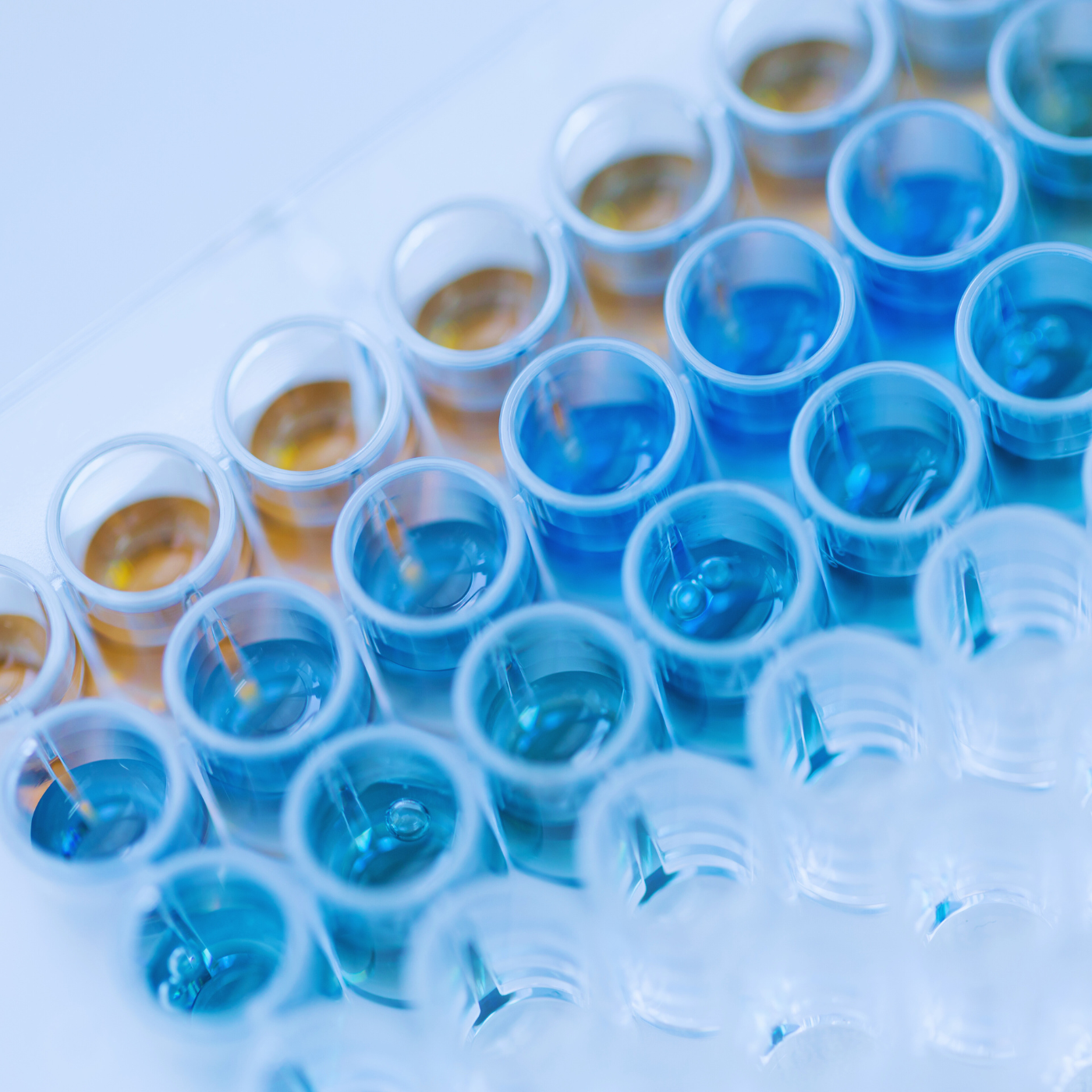
96-well plates, also known as well plates, are now standard tools in laboratories. They support high-throughput screening, improve consistency in experiments, and reduce resource use. These plates allow researchers to perform multiple tests at once using a small sample volume. This format improves efficiency and accuracy in scientific research.Structure and Function of 96-Well PlatesA 96-well plate contains 96 small wells arranged in an 8x12 grid. Each well can hold liquid samples. The uniform size of the wells supports repeatable and controlled experiments. These plates are made from plastic or glass. Plastic is more common due to cost and flexibility. Glass is used when chemical resistance or clarity is required.The standard volume capacity per well is around 300 µL. The exact volume depends on the plate design. Most plates are compatible with automated equipment. This includes liquid handling robots and plate readers. Compatibility allows for
No episodes available yet.
We're indexing this podcast's transcripts for the first time — this can take a minute or two. We'll show results as soon as they're ready.
No matches for "" in this podcast's transcripts.
No topics indexed yet for this podcast.
Loading reviews...
ABOUT THIS SHOW
96-well plates, also known as well plates, are now standard tools in laboratories. They support high-throughput screening, improve consistency in experiments, and reduce resource use. These plates allow researchers to perform multiple tests at once using a small sample volume. This format improves efficiency and accuracy in scientific research.Structure and Function of 96-Well PlatesA 96-well plate contains 96 small wells arranged in an 8x12 grid. Each well can hold liquid samples. The uniform size of the wells supports repeatable and controlled experiments. These plates are made from plastic or glass. Plastic is more common due to cost and flexibility. Glass is used when chemical resistance or clarity is required.The standard volume capacity per well is around 300 µL. The exact volume depends on the plate design. Most plates are compatible with automated equipment. This includes liquid handling robots and plate readers. Compatibility allows for
HOSTED BY
Markhenry
Loading similar podcasts...
Frequently Asked Questions
How many episodes does How 96-Well Assay Plates Are Revolutionizing Scientific Research have?
How 96-Well Assay Plates Are Revolutionizing Scientific Research currently has 0 episodes available on PodParley. New episodes are automatically indexed when they're published to the podcast feed.
What is How 96-Well Assay Plates Are Revolutionizing Scientific Research about?
96-well plates, also known as well plates, are now standard tools in laboratories. They support high-throughput screening, improve consistency in experiments, and reduce resource use. These plates allow researchers to perform multiple tests at once using a small sample volume. This format improves...
How often does How 96-Well Assay Plates Are Revolutionizing Scientific Research release new episodes?
How 96-Well Assay Plates Are Revolutionizing Scientific Research is no longer actively publishing new episodes, but the existing catalog remains available.
Where can I listen to How 96-Well Assay Plates Are Revolutionizing Scientific Research?
You can listen to How 96-Well Assay Plates Are Revolutionizing Scientific Research on PodParley by clicking any episode. We provide an embedded audio player for direct listening, and you can also subscribe via your preferred podcast app using the RSS feed.
Who hosts How 96-Well Assay Plates Are Revolutionizing Scientific Research?
How 96-Well Assay Plates Are Revolutionizing Scientific Research is created and hosted by Markhenry.
URL copied to clipboard!