
PODCAST · history
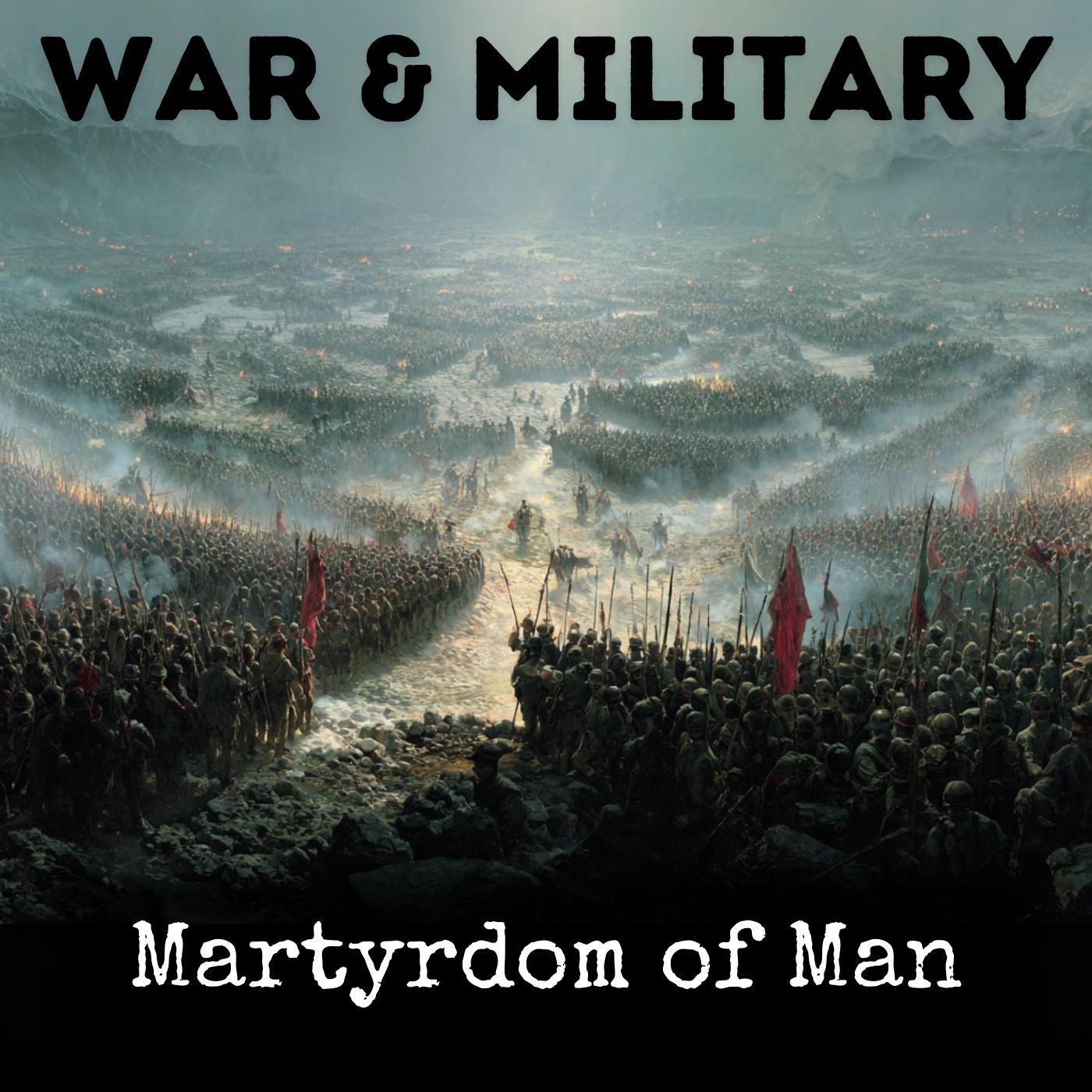
Martyrdom of Man
by (William) Winwood Reade
Discover the thought-provoking insights of William Winwood Reade (1838 - 1875), a remarkable British historian, explorer, and philosopher. His seminal work, *The Martyrdom of Man* (1872), offers a captivating secular and universal history of the Western world, encapsulated in the evocative phrase From Nebula to Nation. The book is thoughtfully divided into four compelling sections the first, War, explores the confinement of mens bodies; the second, Religion, delves into the constraints on their minds; the third, Liberty, presents a conventional narrative of European political and intellectual history; and the fourth, Intellect, examines the cosmogony that defines a universal history. Esteemed figures such as Cecil Rhodes, H. G. Wells, Winston Churchill, and George Orwell have hailed Reades work as transformative. Even Sherlock Holmes pays tribute to this influential text in *The Sign of the Four*. Join us as we explore the legacy of a book that has inspired countless thinkers.
-
51
051 - Chaper 4 - Intellect - Section 14
Discover the thought-provoking insights of William Winwood Reade (1838 - 1875), a remarkable British historian, explorer, and philosopher. His seminal work, *The Martyrdom of Man* (1872), offers a captivating secular and universal history of the Western world, encapsulated in the evocative phrase From Nebula to Nation. The book is thoughtfully divided into four compelling sections the first, War, explores the confinement of mens bodies; the second, Religion, delves into the constraints on their minds; the third, Liberty, presents a conventional narrative of European political and intellectual history; and the fourth, Intellect, examines the cosmogony that defines a universal history. Esteemed figures such as Cecil Rhodes, H. G. Wells, Winston Churchill, and George Orwell have hailed Reades work as transformative. Even Sherlock Holmes pays tribute to this influential text in *The Sign of the Four*. Join us as we explore the legacy of a book that has inspired countless thinkers.
-
50
050 - Chaper 4 - Intellect - Section 13
Discover the thought-provoking insights of William Winwood Reade (1838 - 1875), a remarkable British historian, explorer, and philosopher. His seminal work, *The Martyrdom of Man* (1872), offers a captivating secular and universal history of the Western world, encapsulated in the evocative phrase From Nebula to Nation. The book is thoughtfully divided into four compelling sections the first, War, explores the confinement of mens bodies; the second, Religion, delves into the constraints on their minds; the third, Liberty, presents a conventional narrative of European political and intellectual history; and the fourth, Intellect, examines the cosmogony that defines a universal history. Esteemed figures such as Cecil Rhodes, H. G. Wells, Winston Churchill, and George Orwell have hailed Reades work as transformative. Even Sherlock Holmes pays tribute to this influential text in *The Sign of the Four*. Join us as we explore the legacy of a book that has inspired countless thinkers.
-
49
049 - Chaper 4 - Intellect - Section 12
Discover the thought-provoking insights of William Winwood Reade (1838 - 1875), a remarkable British historian, explorer, and philosopher. His seminal work, *The Martyrdom of Man* (1872), offers a captivating secular and universal history of the Western world, encapsulated in the evocative phrase From Nebula to Nation. The book is thoughtfully divided into four compelling sections the first, War, explores the confinement of mens bodies; the second, Religion, delves into the constraints on their minds; the third, Liberty, presents a conventional narrative of European political and intellectual history; and the fourth, Intellect, examines the cosmogony that defines a universal history. Esteemed figures such as Cecil Rhodes, H. G. Wells, Winston Churchill, and George Orwell have hailed Reades work as transformative. Even Sherlock Holmes pays tribute to this influential text in *The Sign of the Four*. Join us as we explore the legacy of a book that has inspired countless thinkers.
-
48
048 - Chaper 4 - Intellect - Section 11
Discover the thought-provoking insights of William Winwood Reade (1838 - 1875), a remarkable British historian, explorer, and philosopher. His seminal work, *The Martyrdom of Man* (1872), offers a captivating secular and universal history of the Western world, encapsulated in the evocative phrase From Nebula to Nation. The book is thoughtfully divided into four compelling sections the first, War, explores the confinement of mens bodies; the second, Religion, delves into the constraints on their minds; the third, Liberty, presents a conventional narrative of European political and intellectual history; and the fourth, Intellect, examines the cosmogony that defines a universal history. Esteemed figures such as Cecil Rhodes, H. G. Wells, Winston Churchill, and George Orwell have hailed Reades work as transformative. Even Sherlock Holmes pays tribute to this influential text in *The Sign of the Four*. Join us as we explore the legacy of a book that has inspired countless thinkers.
-
47
047 - Chaper 4 - Intellect - Section 10
Discover the thought-provoking insights of William Winwood Reade (1838 - 1875), a remarkable British historian, explorer, and philosopher. His seminal work, *The Martyrdom of Man* (1872), offers a captivating secular and universal history of the Western world, encapsulated in the evocative phrase From Nebula to Nation. The book is thoughtfully divided into four compelling sections the first, War, explores the confinement of mens bodies; the second, Religion, delves into the constraints on their minds; the third, Liberty, presents a conventional narrative of European political and intellectual history; and the fourth, Intellect, examines the cosmogony that defines a universal history. Esteemed figures such as Cecil Rhodes, H. G. Wells, Winston Churchill, and George Orwell have hailed Reades work as transformative. Even Sherlock Holmes pays tribute to this influential text in *The Sign of the Four*. Join us as we explore the legacy of a book that has inspired countless thinkers.
-
46
046 - Chaper 4 - Intellect - Section 9
Discover the thought-provoking insights of William Winwood Reade (1838 - 1875), a remarkable British historian, explorer, and philosopher. His seminal work, *The Martyrdom of Man* (1872), offers a captivating secular and universal history of the Western world, encapsulated in the evocative phrase From Nebula to Nation. The book is thoughtfully divided into four compelling sections the first, War, explores the confinement of mens bodies; the second, Religion, delves into the constraints on their minds; the third, Liberty, presents a conventional narrative of European political and intellectual history; and the fourth, Intellect, examines the cosmogony that defines a universal history. Esteemed figures such as Cecil Rhodes, H. G. Wells, Winston Churchill, and George Orwell have hailed Reades work as transformative. Even Sherlock Holmes pays tribute to this influential text in *The Sign of the Four*. Join us as we explore the legacy of a book that has inspired countless thinkers.
-
45
045 - Chaper 4 - Intellect - Section 8
Discover the thought-provoking insights of William Winwood Reade (1838 - 1875), a remarkable British historian, explorer, and philosopher. His seminal work, *The Martyrdom of Man* (1872), offers a captivating secular and universal history of the Western world, encapsulated in the evocative phrase From Nebula to Nation. The book is thoughtfully divided into four compelling sections the first, War, explores the confinement of mens bodies; the second, Religion, delves into the constraints on their minds; the third, Liberty, presents a conventional narrative of European political and intellectual history; and the fourth, Intellect, examines the cosmogony that defines a universal history. Esteemed figures such as Cecil Rhodes, H. G. Wells, Winston Churchill, and George Orwell have hailed Reades work as transformative. Even Sherlock Holmes pays tribute to this influential text in *The Sign of the Four*. Join us as we explore the legacy of a book that has inspired countless thinkers.
-
44
044 - Chaper 4 - Intellect - Section 7
Discover the thought-provoking insights of William Winwood Reade (1838 - 1875), a remarkable British historian, explorer, and philosopher. His seminal work, *The Martyrdom of Man* (1872), offers a captivating secular and universal history of the Western world, encapsulated in the evocative phrase From Nebula to Nation. The book is thoughtfully divided into four compelling sections the first, War, explores the confinement of mens bodies; the second, Religion, delves into the constraints on their minds; the third, Liberty, presents a conventional narrative of European political and intellectual history; and the fourth, Intellect, examines the cosmogony that defines a universal history. Esteemed figures such as Cecil Rhodes, H. G. Wells, Winston Churchill, and George Orwell have hailed Reades work as transformative. Even Sherlock Holmes pays tribute to this influential text in *The Sign of the Four*. Join us as we explore the legacy of a book that has inspired countless thinkers.
-
43
043 - Chaper 4 - Intellect - Section 6
Discover the thought-provoking insights of William Winwood Reade (1838 - 1875), a remarkable British historian, explorer, and philosopher. His seminal work, *The Martyrdom of Man* (1872), offers a captivating secular and universal history of the Western world, encapsulated in the evocative phrase From Nebula to Nation. The book is thoughtfully divided into four compelling sections the first, War, explores the confinement of mens bodies; the second, Religion, delves into the constraints on their minds; the third, Liberty, presents a conventional narrative of European political and intellectual history; and the fourth, Intellect, examines the cosmogony that defines a universal history. Esteemed figures such as Cecil Rhodes, H. G. Wells, Winston Churchill, and George Orwell have hailed Reades work as transformative. Even Sherlock Holmes pays tribute to this influential text in *The Sign of the Four*. Join us as we explore the legacy of a book that has inspired countless thinkers.
-
42
042 - Chaper 4 - Intellect - Section 5
Discover the thought-provoking insights of William Winwood Reade (1838 - 1875), a remarkable British historian, explorer, and philosopher. His seminal work, *The Martyrdom of Man* (1872), offers a captivating secular and universal history of the Western world, encapsulated in the evocative phrase From Nebula to Nation. The book is thoughtfully divided into four compelling sections the first, War, explores the confinement of mens bodies; the second, Religion, delves into the constraints on their minds; the third, Liberty, presents a conventional narrative of European political and intellectual history; and the fourth, Intellect, examines the cosmogony that defines a universal history. Esteemed figures such as Cecil Rhodes, H. G. Wells, Winston Churchill, and George Orwell have hailed Reades work as transformative. Even Sherlock Holmes pays tribute to this influential text in *The Sign of the Four*. Join us as we explore the legacy of a book that has inspired countless thinkers.
-
41
041 - Chaper 4 - Intellect - Section 4
Discover the thought-provoking insights of William Winwood Reade (1838 - 1875), a remarkable British historian, explorer, and philosopher. His seminal work, *The Martyrdom of Man* (1872), offers a captivating secular and universal history of the Western world, encapsulated in the evocative phrase From Nebula to Nation. The book is thoughtfully divided into four compelling sections the first, War, explores the confinement of mens bodies; the second, Religion, delves into the constraints on their minds; the third, Liberty, presents a conventional narrative of European political and intellectual history; and the fourth, Intellect, examines the cosmogony that defines a universal history. Esteemed figures such as Cecil Rhodes, H. G. Wells, Winston Churchill, and George Orwell have hailed Reades work as transformative. Even Sherlock Holmes pays tribute to this influential text in *The Sign of the Four*. Join us as we explore the legacy of a book that has inspired countless thinkers.
-
40
040 - Chaper 4 - Intellect - Section 3
Discover the thought-provoking insights of William Winwood Reade (1838 - 1875), a remarkable British historian, explorer, and philosopher. His seminal work, *The Martyrdom of Man* (1872), offers a captivating secular and universal history of the Western world, encapsulated in the evocative phrase From Nebula to Nation. The book is thoughtfully divided into four compelling sections the first, War, explores the confinement of mens bodies; the second, Religion, delves into the constraints on their minds; the third, Liberty, presents a conventional narrative of European political and intellectual history; and the fourth, Intellect, examines the cosmogony that defines a universal history. Esteemed figures such as Cecil Rhodes, H. G. Wells, Winston Churchill, and George Orwell have hailed Reades work as transformative. Even Sherlock Holmes pays tribute to this influential text in *The Sign of the Four*. Join us as we explore the legacy of a book that has inspired countless thinkers.
-
39
039 - Chaper 4 - Intellect - Section 2
Discover the thought-provoking insights of William Winwood Reade (1838 - 1875), a remarkable British historian, explorer, and philosopher. His seminal work, *The Martyrdom of Man* (1872), offers a captivating secular and universal history of the Western world, encapsulated in the evocative phrase From Nebula to Nation. The book is thoughtfully divided into four compelling sections the first, War, explores the confinement of mens bodies; the second, Religion, delves into the constraints on their minds; the third, Liberty, presents a conventional narrative of European political and intellectual history; and the fourth, Intellect, examines the cosmogony that defines a universal history. Esteemed figures such as Cecil Rhodes, H. G. Wells, Winston Churchill, and George Orwell have hailed Reades work as transformative. Even Sherlock Holmes pays tribute to this influential text in *The Sign of the Four*. Join us as we explore the legacy of a book that has inspired countless thinkers.
-
38
038 - Chaper 4 - Intellect - Section 1
Discover the thought-provoking insights of William Winwood Reade (1838 - 1875), a remarkable British historian, explorer, and philosopher. His seminal work, *The Martyrdom of Man* (1872), offers a captivating secular and universal history of the Western world, encapsulated in the evocative phrase From Nebula to Nation. The book is thoughtfully divided into four compelling sections the first, War, explores the confinement of mens bodies; the second, Religion, delves into the constraints on their minds; the third, Liberty, presents a conventional narrative of European political and intellectual history; and the fourth, Intellect, examines the cosmogony that defines a universal history. Esteemed figures such as Cecil Rhodes, H. G. Wells, Winston Churchill, and George Orwell have hailed Reades work as transformative. Even Sherlock Holmes pays tribute to this influential text in *The Sign of the Four*. Join us as we explore the legacy of a book that has inspired countless thinkers.
-
37
037 - Chaper 3 - Liberty - Section 9
Discover the thought-provoking insights of William Winwood Reade (1838 - 1875), a remarkable British historian, explorer, and philosopher. His seminal work, *The Martyrdom of Man* (1872), offers a captivating secular and universal history of the Western world, encapsulated in the evocative phrase From Nebula to Nation. The book is thoughtfully divided into four compelling sections the first, War, explores the confinement of mens bodies; the second, Religion, delves into the constraints on their minds; the third, Liberty, presents a conventional narrative of European political and intellectual history; and the fourth, Intellect, examines the cosmogony that defines a universal history. Esteemed figures such as Cecil Rhodes, H. G. Wells, Winston Churchill, and George Orwell have hailed Reades work as transformative. Even Sherlock Holmes pays tribute to this influential text in *The Sign of the Four*. Join us as we explore the legacy of a book that has inspired countless thinkers.
-
36
036 - Chaper 3 - Liberty - Section 8
Discover the thought-provoking insights of William Winwood Reade (1838 - 1875), a remarkable British historian, explorer, and philosopher. His seminal work, *The Martyrdom of Man* (1872), offers a captivating secular and universal history of the Western world, encapsulated in the evocative phrase From Nebula to Nation. The book is thoughtfully divided into four compelling sections the first, War, explores the confinement of mens bodies; the second, Religion, delves into the constraints on their minds; the third, Liberty, presents a conventional narrative of European political and intellectual history; and the fourth, Intellect, examines the cosmogony that defines a universal history. Esteemed figures such as Cecil Rhodes, H. G. Wells, Winston Churchill, and George Orwell have hailed Reades work as transformative. Even Sherlock Holmes pays tribute to this influential text in *The Sign of the Four*. Join us as we explore the legacy of a book that has inspired countless thinkers.
-
35
035 - Chaper 3 - Liberty - Section 7
Discover the thought-provoking insights of William Winwood Reade (1838 - 1875), a remarkable British historian, explorer, and philosopher. His seminal work, *The Martyrdom of Man* (1872), offers a captivating secular and universal history of the Western world, encapsulated in the evocative phrase From Nebula to Nation. The book is thoughtfully divided into four compelling sections the first, War, explores the confinement of mens bodies; the second, Religion, delves into the constraints on their minds; the third, Liberty, presents a conventional narrative of European political and intellectual history; and the fourth, Intellect, examines the cosmogony that defines a universal history. Esteemed figures such as Cecil Rhodes, H. G. Wells, Winston Churchill, and George Orwell have hailed Reades work as transformative. Even Sherlock Holmes pays tribute to this influential text in *The Sign of the Four*. Join us as we explore the legacy of a book that has inspired countless thinkers.
-
34
034 - Chaper 3 - Liberty - Section 6
Discover the thought-provoking insights of William Winwood Reade (1838 - 1875), a remarkable British historian, explorer, and philosopher. His seminal work, *The Martyrdom of Man* (1872), offers a captivating secular and universal history of the Western world, encapsulated in the evocative phrase From Nebula to Nation. The book is thoughtfully divided into four compelling sections the first, War, explores the confinement of mens bodies; the second, Religion, delves into the constraints on their minds; the third, Liberty, presents a conventional narrative of European political and intellectual history; and the fourth, Intellect, examines the cosmogony that defines a universal history. Esteemed figures such as Cecil Rhodes, H. G. Wells, Winston Churchill, and George Orwell have hailed Reades work as transformative. Even Sherlock Holmes pays tribute to this influential text in *The Sign of the Four*. Join us as we explore the legacy of a book that has inspired countless thinkers.
-
33
033 - Chaper 3 - Liberty - Section 5
Discover the thought-provoking insights of William Winwood Reade (1838 - 1875), a remarkable British historian, explorer, and philosopher. His seminal work, *The Martyrdom of Man* (1872), offers a captivating secular and universal history of the Western world, encapsulated in the evocative phrase From Nebula to Nation. The book is thoughtfully divided into four compelling sections the first, War, explores the confinement of mens bodies; the second, Religion, delves into the constraints on their minds; the third, Liberty, presents a conventional narrative of European political and intellectual history; and the fourth, Intellect, examines the cosmogony that defines a universal history. Esteemed figures such as Cecil Rhodes, H. G. Wells, Winston Churchill, and George Orwell have hailed Reades work as transformative. Even Sherlock Holmes pays tribute to this influential text in *The Sign of the Four*. Join us as we explore the legacy of a book that has inspired countless thinkers.
-
32
032 - Chaper 3 - Liberty - Section 4
Discover the thought-provoking insights of William Winwood Reade (1838 - 1875), a remarkable British historian, explorer, and philosopher. His seminal work, *The Martyrdom of Man* (1872), offers a captivating secular and universal history of the Western world, encapsulated in the evocative phrase From Nebula to Nation. The book is thoughtfully divided into four compelling sections the first, War, explores the confinement of mens bodies; the second, Religion, delves into the constraints on their minds; the third, Liberty, presents a conventional narrative of European political and intellectual history; and the fourth, Intellect, examines the cosmogony that defines a universal history. Esteemed figures such as Cecil Rhodes, H. G. Wells, Winston Churchill, and George Orwell have hailed Reades work as transformative. Even Sherlock Holmes pays tribute to this influential text in *The Sign of the Four*. Join us as we explore the legacy of a book that has inspired countless thinkers.
-
31
031 - Chaper 3 - Liberty - Section 3
Discover the thought-provoking insights of William Winwood Reade (1838 - 1875), a remarkable British historian, explorer, and philosopher. His seminal work, *The Martyrdom of Man* (1872), offers a captivating secular and universal history of the Western world, encapsulated in the evocative phrase From Nebula to Nation. The book is thoughtfully divided into four compelling sections the first, War, explores the confinement of mens bodies; the second, Religion, delves into the constraints on their minds; the third, Liberty, presents a conventional narrative of European political and intellectual history; and the fourth, Intellect, examines the cosmogony that defines a universal history. Esteemed figures such as Cecil Rhodes, H. G. Wells, Winston Churchill, and George Orwell have hailed Reades work as transformative. Even Sherlock Holmes pays tribute to this influential text in *The Sign of the Four*. Join us as we explore the legacy of a book that has inspired countless thinkers.
-
30
030 - Chaper 3 - Liberty - Section 2
Discover the thought-provoking insights of William Winwood Reade (1838 - 1875), a remarkable British historian, explorer, and philosopher. His seminal work, *The Martyrdom of Man* (1872), offers a captivating secular and universal history of the Western world, encapsulated in the evocative phrase From Nebula to Nation. The book is thoughtfully divided into four compelling sections the first, War, explores the confinement of mens bodies; the second, Religion, delves into the constraints on their minds; the third, Liberty, presents a conventional narrative of European political and intellectual history; and the fourth, Intellect, examines the cosmogony that defines a universal history. Esteemed figures such as Cecil Rhodes, H. G. Wells, Winston Churchill, and George Orwell have hailed Reades work as transformative. Even Sherlock Holmes pays tribute to this influential text in *The Sign of the Four*. Join us as we explore the legacy of a book that has inspired countless thinkers.
-
29
029 - Chaper 3 - Liberty - Section 1
Discover the thought-provoking insights of William Winwood Reade (1838 - 1875), a remarkable British historian, explorer, and philosopher. His seminal work, *The Martyrdom of Man* (1872), offers a captivating secular and universal history of the Western world, encapsulated in the evocative phrase From Nebula to Nation. The book is thoughtfully divided into four compelling sections the first, War, explores the confinement of mens bodies; the second, Religion, delves into the constraints on their minds; the third, Liberty, presents a conventional narrative of European political and intellectual history; and the fourth, Intellect, examines the cosmogony that defines a universal history. Esteemed figures such as Cecil Rhodes, H. G. Wells, Winston Churchill, and George Orwell have hailed Reades work as transformative. Even Sherlock Holmes pays tribute to this influential text in *The Sign of the Four*. Join us as we explore the legacy of a book that has inspired countless thinkers.
-
28
028 - Chaper 2 - Religion - Section 12
Discover the thought-provoking insights of William Winwood Reade (1838 - 1875), a remarkable British historian, explorer, and philosopher. His seminal work, *The Martyrdom of Man* (1872), offers a captivating secular and universal history of the Western world, encapsulated in the evocative phrase From Nebula to Nation. The book is thoughtfully divided into four compelling sections the first, War, explores the confinement of mens bodies; the second, Religion, delves into the constraints on their minds; the third, Liberty, presents a conventional narrative of European political and intellectual history; and the fourth, Intellect, examines the cosmogony that defines a universal history. Esteemed figures such as Cecil Rhodes, H. G. Wells, Winston Churchill, and George Orwell have hailed Reades work as transformative. Even Sherlock Holmes pays tribute to this influential text in *The Sign of the Four*. Join us as we explore the legacy of a book that has inspired countless thinkers.
-
27
027 - Chaper 2 - Religion - Section 11
Discover the thought-provoking insights of William Winwood Reade (1838 - 1875), a remarkable British historian, explorer, and philosopher. His seminal work, *The Martyrdom of Man* (1872), offers a captivating secular and universal history of the Western world, encapsulated in the evocative phrase From Nebula to Nation. The book is thoughtfully divided into four compelling sections the first, War, explores the confinement of mens bodies; the second, Religion, delves into the constraints on their minds; the third, Liberty, presents a conventional narrative of European political and intellectual history; and the fourth, Intellect, examines the cosmogony that defines a universal history. Esteemed figures such as Cecil Rhodes, H. G. Wells, Winston Churchill, and George Orwell have hailed Reades work as transformative. Even Sherlock Holmes pays tribute to this influential text in *The Sign of the Four*. Join us as we explore the legacy of a book that has inspired countless thinkers.
-
26
026 - Chaper 2 - Religion - Section 10
Discover the thought-provoking insights of William Winwood Reade (1838 - 1875), a remarkable British historian, explorer, and philosopher. His seminal work, *The Martyrdom of Man* (1872), offers a captivating secular and universal history of the Western world, encapsulated in the evocative phrase From Nebula to Nation. The book is thoughtfully divided into four compelling sections the first, War, explores the confinement of mens bodies; the second, Religion, delves into the constraints on their minds; the third, Liberty, presents a conventional narrative of European political and intellectual history; and the fourth, Intellect, examines the cosmogony that defines a universal history. Esteemed figures such as Cecil Rhodes, H. G. Wells, Winston Churchill, and George Orwell have hailed Reades work as transformative. Even Sherlock Holmes pays tribute to this influential text in *The Sign of the Four*. Join us as we explore the legacy of a book that has inspired countless thinkers.
-
25
025 - Chaper 2 - Religion - Section 9
Discover the thought-provoking insights of William Winwood Reade (1838 - 1875), a remarkable British historian, explorer, and philosopher. His seminal work, *The Martyrdom of Man* (1872), offers a captivating secular and universal history of the Western world, encapsulated in the evocative phrase From Nebula to Nation. The book is thoughtfully divided into four compelling sections the first, War, explores the confinement of mens bodies; the second, Religion, delves into the constraints on their minds; the third, Liberty, presents a conventional narrative of European political and intellectual history; and the fourth, Intellect, examines the cosmogony that defines a universal history. Esteemed figures such as Cecil Rhodes, H. G. Wells, Winston Churchill, and George Orwell have hailed Reades work as transformative. Even Sherlock Holmes pays tribute to this influential text in *The Sign of the Four*. Join us as we explore the legacy of a book that has inspired countless thinkers.
-
24
024 - Chaper 2 - Religion - Section 8
Discover the thought-provoking insights of William Winwood Reade (1838 - 1875), a remarkable British historian, explorer, and philosopher. His seminal work, *The Martyrdom of Man* (1872), offers a captivating secular and universal history of the Western world, encapsulated in the evocative phrase From Nebula to Nation. The book is thoughtfully divided into four compelling sections the first, War, explores the confinement of mens bodies; the second, Religion, delves into the constraints on their minds; the third, Liberty, presents a conventional narrative of European political and intellectual history; and the fourth, Intellect, examines the cosmogony that defines a universal history. Esteemed figures such as Cecil Rhodes, H. G. Wells, Winston Churchill, and George Orwell have hailed Reades work as transformative. Even Sherlock Holmes pays tribute to this influential text in *The Sign of the Four*. Join us as we explore the legacy of a book that has inspired countless thinkers.
-
23
023 - Chaper 2 - Religion - Section 7
Discover the thought-provoking insights of William Winwood Reade (1838 - 1875), a remarkable British historian, explorer, and philosopher. His seminal work, *The Martyrdom of Man* (1872), offers a captivating secular and universal history of the Western world, encapsulated in the evocative phrase From Nebula to Nation. The book is thoughtfully divided into four compelling sections the first, War, explores the confinement of mens bodies; the second, Religion, delves into the constraints on their minds; the third, Liberty, presents a conventional narrative of European political and intellectual history; and the fourth, Intellect, examines the cosmogony that defines a universal history. Esteemed figures such as Cecil Rhodes, H. G. Wells, Winston Churchill, and George Orwell have hailed Reades work as transformative. Even Sherlock Holmes pays tribute to this influential text in *The Sign of the Four*. Join us as we explore the legacy of a book that has inspired countless thinkers.
-
22
022 - Chaper 2 - Religion - Section 6
Discover the thought-provoking insights of William Winwood Reade (1838 - 1875), a remarkable British historian, explorer, and philosopher. His seminal work, *The Martyrdom of Man* (1872), offers a captivating secular and universal history of the Western world, encapsulated in the evocative phrase From Nebula to Nation. The book is thoughtfully divided into four compelling sections the first, War, explores the confinement of mens bodies; the second, Religion, delves into the constraints on their minds; the third, Liberty, presents a conventional narrative of European political and intellectual history; and the fourth, Intellect, examines the cosmogony that defines a universal history. Esteemed figures such as Cecil Rhodes, H. G. Wells, Winston Churchill, and George Orwell have hailed Reades work as transformative. Even Sherlock Holmes pays tribute to this influential text in *The Sign of the Four*. Join us as we explore the legacy of a book that has inspired countless thinkers.
-
21
021 - Chaper 2 - Religion - Section 5
Discover the thought-provoking insights of William Winwood Reade (1838 - 1875), a remarkable British historian, explorer, and philosopher. His seminal work, *The Martyrdom of Man* (1872), offers a captivating secular and universal history of the Western world, encapsulated in the evocative phrase From Nebula to Nation. The book is thoughtfully divided into four compelling sections the first, War, explores the confinement of mens bodies; the second, Religion, delves into the constraints on their minds; the third, Liberty, presents a conventional narrative of European political and intellectual history; and the fourth, Intellect, examines the cosmogony that defines a universal history. Esteemed figures such as Cecil Rhodes, H. G. Wells, Winston Churchill, and George Orwell have hailed Reades work as transformative. Even Sherlock Holmes pays tribute to this influential text in *The Sign of the Four*. Join us as we explore the legacy of a book that has inspired countless thinkers.
-
20
020 - Chaper 2 - Religion - Section 4
Discover the thought-provoking insights of William Winwood Reade (1838 - 1875), a remarkable British historian, explorer, and philosopher. His seminal work, *The Martyrdom of Man* (1872), offers a captivating secular and universal history of the Western world, encapsulated in the evocative phrase From Nebula to Nation. The book is thoughtfully divided into four compelling sections the first, War, explores the confinement of mens bodies; the second, Religion, delves into the constraints on their minds; the third, Liberty, presents a conventional narrative of European political and intellectual history; and the fourth, Intellect, examines the cosmogony that defines a universal history. Esteemed figures such as Cecil Rhodes, H. G. Wells, Winston Churchill, and George Orwell have hailed Reades work as transformative. Even Sherlock Holmes pays tribute to this influential text in *The Sign of the Four*. Join us as we explore the legacy of a book that has inspired countless thinkers.
-
19
019 - Chaper 2 - Religion - Section 3
Discover the thought-provoking insights of William Winwood Reade (1838 - 1875), a remarkable British historian, explorer, and philosopher. His seminal work, *The Martyrdom of Man* (1872), offers a captivating secular and universal history of the Western world, encapsulated in the evocative phrase From Nebula to Nation. The book is thoughtfully divided into four compelling sections the first, War, explores the confinement of mens bodies; the second, Religion, delves into the constraints on their minds; the third, Liberty, presents a conventional narrative of European political and intellectual history; and the fourth, Intellect, examines the cosmogony that defines a universal history. Esteemed figures such as Cecil Rhodes, H. G. Wells, Winston Churchill, and George Orwell have hailed Reades work as transformative. Even Sherlock Holmes pays tribute to this influential text in *The Sign of the Four*. Join us as we explore the legacy of a book that has inspired countless thinkers.
-
18
018 - Chaper 2 - Religion - Section 2
Discover the thought-provoking insights of William Winwood Reade (1838 - 1875), a remarkable British historian, explorer, and philosopher. His seminal work, *The Martyrdom of Man* (1872), offers a captivating secular and universal history of the Western world, encapsulated in the evocative phrase From Nebula to Nation. The book is thoughtfully divided into four compelling sections the first, War, explores the confinement of mens bodies; the second, Religion, delves into the constraints on their minds; the third, Liberty, presents a conventional narrative of European political and intellectual history; and the fourth, Intellect, examines the cosmogony that defines a universal history. Esteemed figures such as Cecil Rhodes, H. G. Wells, Winston Churchill, and George Orwell have hailed Reades work as transformative. Even Sherlock Holmes pays tribute to this influential text in *The Sign of the Four*. Join us as we explore the legacy of a book that has inspired countless thinkers.
-
17
017 - Chaper 2 - Religion - Section 1
Discover the thought-provoking insights of William Winwood Reade (1838 - 1875), a remarkable British historian, explorer, and philosopher. His seminal work, *The Martyrdom of Man* (1872), offers a captivating secular and universal history of the Western world, encapsulated in the evocative phrase From Nebula to Nation. The book is thoughtfully divided into four compelling sections the first, War, explores the confinement of mens bodies; the second, Religion, delves into the constraints on their minds; the third, Liberty, presents a conventional narrative of European political and intellectual history; and the fourth, Intellect, examines the cosmogony that defines a universal history. Esteemed figures such as Cecil Rhodes, H. G. Wells, Winston Churchill, and George Orwell have hailed Reades work as transformative. Even Sherlock Holmes pays tribute to this influential text in *The Sign of the Four*. Join us as we explore the legacy of a book that has inspired countless thinkers.
-
16
016 - Chaper 1 - War - Section 15
Discover the thought-provoking insights of William Winwood Reade (1838 - 1875), a remarkable British historian, explorer, and philosopher. His seminal work, *The Martyrdom of Man* (1872), offers a captivating secular and universal history of the Western world, encapsulated in the evocative phrase From Nebula to Nation. The book is thoughtfully divided into four compelling sections the first, War, explores the confinement of mens bodies; the second, Religion, delves into the constraints on their minds; the third, Liberty, presents a conventional narrative of European political and intellectual history; and the fourth, Intellect, examines the cosmogony that defines a universal history. Esteemed figures such as Cecil Rhodes, H. G. Wells, Winston Churchill, and George Orwell have hailed Reades work as transformative. Even Sherlock Holmes pays tribute to this influential text in *The Sign of the Four*. Join us as we explore the legacy of a book that has inspired countless thinkers.
-
15
015 - Chaper 1 - War - Section 14
Discover the thought-provoking insights of William Winwood Reade (1838 - 1875), a remarkable British historian, explorer, and philosopher. His seminal work, *The Martyrdom of Man* (1872), offers a captivating secular and universal history of the Western world, encapsulated in the evocative phrase From Nebula to Nation. The book is thoughtfully divided into four compelling sections the first, War, explores the confinement of mens bodies; the second, Religion, delves into the constraints on their minds; the third, Liberty, presents a conventional narrative of European political and intellectual history; and the fourth, Intellect, examines the cosmogony that defines a universal history. Esteemed figures such as Cecil Rhodes, H. G. Wells, Winston Churchill, and George Orwell have hailed Reades work as transformative. Even Sherlock Holmes pays tribute to this influential text in *The Sign of the Four*. Join us as we explore the legacy of a book that has inspired countless thinkers.
-
14
014 - Chaper 1 - War - Section 13
Discover the thought-provoking insights of William Winwood Reade (1838 - 1875), a remarkable British historian, explorer, and philosopher. His seminal work, *The Martyrdom of Man* (1872), offers a captivating secular and universal history of the Western world, encapsulated in the evocative phrase From Nebula to Nation. The book is thoughtfully divided into four compelling sections the first, War, explores the confinement of mens bodies; the second, Religion, delves into the constraints on their minds; the third, Liberty, presents a conventional narrative of European political and intellectual history; and the fourth, Intellect, examines the cosmogony that defines a universal history. Esteemed figures such as Cecil Rhodes, H. G. Wells, Winston Churchill, and George Orwell have hailed Reades work as transformative. Even Sherlock Holmes pays tribute to this influential text in *The Sign of the Four*. Join us as we explore the legacy of a book that has inspired countless thinkers.
-
13
013 - Chaper 1 - War - Section 12
Discover the thought-provoking insights of William Winwood Reade (1838 - 1875), a remarkable British historian, explorer, and philosopher. His seminal work, *The Martyrdom of Man* (1872), offers a captivating secular and universal history of the Western world, encapsulated in the evocative phrase From Nebula to Nation. The book is thoughtfully divided into four compelling sections the first, War, explores the confinement of mens bodies; the second, Religion, delves into the constraints on their minds; the third, Liberty, presents a conventional narrative of European political and intellectual history; and the fourth, Intellect, examines the cosmogony that defines a universal history. Esteemed figures such as Cecil Rhodes, H. G. Wells, Winston Churchill, and George Orwell have hailed Reades work as transformative. Even Sherlock Holmes pays tribute to this influential text in *The Sign of the Four*. Join us as we explore the legacy of a book that has inspired countless thinkers.
-
12
012 - Chaper 1 - War - Section 11
Discover the thought-provoking insights of William Winwood Reade (1838 - 1875), a remarkable British historian, explorer, and philosopher. His seminal work, *The Martyrdom of Man* (1872), offers a captivating secular and universal history of the Western world, encapsulated in the evocative phrase From Nebula to Nation. The book is thoughtfully divided into four compelling sections the first, War, explores the confinement of mens bodies; the second, Religion, delves into the constraints on their minds; the third, Liberty, presents a conventional narrative of European political and intellectual history; and the fourth, Intellect, examines the cosmogony that defines a universal history. Esteemed figures such as Cecil Rhodes, H. G. Wells, Winston Churchill, and George Orwell have hailed Reades work as transformative. Even Sherlock Holmes pays tribute to this influential text in *The Sign of the Four*. Join us as we explore the legacy of a book that has inspired countless thinkers.
-
11
011 - Chaper 1 - War - Section 10
Discover the thought-provoking insights of William Winwood Reade (1838 - 1875), a remarkable British historian, explorer, and philosopher. His seminal work, *The Martyrdom of Man* (1872), offers a captivating secular and universal history of the Western world, encapsulated in the evocative phrase From Nebula to Nation. The book is thoughtfully divided into four compelling sections the first, War, explores the confinement of mens bodies; the second, Religion, delves into the constraints on their minds; the third, Liberty, presents a conventional narrative of European political and intellectual history; and the fourth, Intellect, examines the cosmogony that defines a universal history. Esteemed figures such as Cecil Rhodes, H. G. Wells, Winston Churchill, and George Orwell have hailed Reades work as transformative. Even Sherlock Holmes pays tribute to this influential text in *The Sign of the Four*. Join us as we explore the legacy of a book that has inspired countless thinkers.
-
10
010 - Chaper 1 - War - Section 9
Discover the thought-provoking insights of William Winwood Reade (1838 - 1875), a remarkable British historian, explorer, and philosopher. His seminal work, *The Martyrdom of Man* (1872), offers a captivating secular and universal history of the Western world, encapsulated in the evocative phrase From Nebula to Nation. The book is thoughtfully divided into four compelling sections the first, War, explores the confinement of mens bodies; the second, Religion, delves into the constraints on their minds; the third, Liberty, presents a conventional narrative of European political and intellectual history; and the fourth, Intellect, examines the cosmogony that defines a universal history. Esteemed figures such as Cecil Rhodes, H. G. Wells, Winston Churchill, and George Orwell have hailed Reades work as transformative. Even Sherlock Holmes pays tribute to this influential text in *The Sign of the Four*. Join us as we explore the legacy of a book that has inspired countless thinkers.
-
9
009 - Chaper 1 - War - Section 8
Discover the thought-provoking insights of William Winwood Reade (1838 - 1875), a remarkable British historian, explorer, and philosopher. His seminal work, *The Martyrdom of Man* (1872), offers a captivating secular and universal history of the Western world, encapsulated in the evocative phrase From Nebula to Nation. The book is thoughtfully divided into four compelling sections the first, War, explores the confinement of mens bodies; the second, Religion, delves into the constraints on their minds; the third, Liberty, presents a conventional narrative of European political and intellectual history; and the fourth, Intellect, examines the cosmogony that defines a universal history. Esteemed figures such as Cecil Rhodes, H. G. Wells, Winston Churchill, and George Orwell have hailed Reades work as transformative. Even Sherlock Holmes pays tribute to this influential text in *The Sign of the Four*. Join us as we explore the legacy of a book that has inspired countless thinkers.
-
8
008 - Chaper 1 - War - Section 7
Discover the thought-provoking insights of William Winwood Reade (1838 - 1875), a remarkable British historian, explorer, and philosopher. His seminal work, *The Martyrdom of Man* (1872), offers a captivating secular and universal history of the Western world, encapsulated in the evocative phrase From Nebula to Nation. The book is thoughtfully divided into four compelling sections the first, War, explores the confinement of mens bodies; the second, Religion, delves into the constraints on their minds; the third, Liberty, presents a conventional narrative of European political and intellectual history; and the fourth, Intellect, examines the cosmogony that defines a universal history. Esteemed figures such as Cecil Rhodes, H. G. Wells, Winston Churchill, and George Orwell have hailed Reades work as transformative. Even Sherlock Holmes pays tribute to this influential text in *The Sign of the Four*. Join us as we explore the legacy of a book that has inspired countless thinkers.
-
7
007 - Chaper 1 - War - Section 6
Discover the thought-provoking insights of William Winwood Reade (1838 - 1875), a remarkable British historian, explorer, and philosopher. His seminal work, *The Martyrdom of Man* (1872), offers a captivating secular and universal history of the Western world, encapsulated in the evocative phrase From Nebula to Nation. The book is thoughtfully divided into four compelling sections the first, War, explores the confinement of mens bodies; the second, Religion, delves into the constraints on their minds; the third, Liberty, presents a conventional narrative of European political and intellectual history; and the fourth, Intellect, examines the cosmogony that defines a universal history. Esteemed figures such as Cecil Rhodes, H. G. Wells, Winston Churchill, and George Orwell have hailed Reades work as transformative. Even Sherlock Holmes pays tribute to this influential text in *The Sign of the Four*. Join us as we explore the legacy of a book that has inspired countless thinkers.
-
6
006 - Chaper 1 - War - Section 5
Discover the thought-provoking insights of William Winwood Reade (1838 - 1875), a remarkable British historian, explorer, and philosopher. His seminal work, *The Martyrdom of Man* (1872), offers a captivating secular and universal history of the Western world, encapsulated in the evocative phrase From Nebula to Nation. The book is thoughtfully divided into four compelling sections the first, War, explores the confinement of mens bodies; the second, Religion, delves into the constraints on their minds; the third, Liberty, presents a conventional narrative of European political and intellectual history; and the fourth, Intellect, examines the cosmogony that defines a universal history. Esteemed figures such as Cecil Rhodes, H. G. Wells, Winston Churchill, and George Orwell have hailed Reades work as transformative. Even Sherlock Holmes pays tribute to this influential text in *The Sign of the Four*. Join us as we explore the legacy of a book that has inspired countless thinkers.
-
5
005 - Chaper 1 - War - Section 4
Discover the thought-provoking insights of William Winwood Reade (1838 - 1875), a remarkable British historian, explorer, and philosopher. His seminal work, *The Martyrdom of Man* (1872), offers a captivating secular and universal history of the Western world, encapsulated in the evocative phrase From Nebula to Nation. The book is thoughtfully divided into four compelling sections the first, War, explores the confinement of mens bodies; the second, Religion, delves into the constraints on their minds; the third, Liberty, presents a conventional narrative of European political and intellectual history; and the fourth, Intellect, examines the cosmogony that defines a universal history. Esteemed figures such as Cecil Rhodes, H. G. Wells, Winston Churchill, and George Orwell have hailed Reades work as transformative. Even Sherlock Holmes pays tribute to this influential text in *The Sign of the Four*. Join us as we explore the legacy of a book that has inspired countless thinkers.
-
4
004 - Chaper 1 - War - Section 3
Discover the thought-provoking insights of William Winwood Reade (1838 - 1875), a remarkable British historian, explorer, and philosopher. His seminal work, *The Martyrdom of Man* (1872), offers a captivating secular and universal history of the Western world, encapsulated in the evocative phrase From Nebula to Nation. The book is thoughtfully divided into four compelling sections the first, War, explores the confinement of mens bodies; the second, Religion, delves into the constraints on their minds; the third, Liberty, presents a conventional narrative of European political and intellectual history; and the fourth, Intellect, examines the cosmogony that defines a universal history. Esteemed figures such as Cecil Rhodes, H. G. Wells, Winston Churchill, and George Orwell have hailed Reades work as transformative. Even Sherlock Holmes pays tribute to this influential text in *The Sign of the Four*. Join us as we explore the legacy of a book that has inspired countless thinkers.
-
3
003 - Chaper 1 - War - Section 2
Discover the thought-provoking insights of William Winwood Reade (1838 - 1875), a remarkable British historian, explorer, and philosopher. His seminal work, *The Martyrdom of Man* (1872), offers a captivating secular and universal history of the Western world, encapsulated in the evocative phrase From Nebula to Nation. The book is thoughtfully divided into four compelling sections the first, War, explores the confinement of mens bodies; the second, Religion, delves into the constraints on their minds; the third, Liberty, presents a conventional narrative of European political and intellectual history; and the fourth, Intellect, examines the cosmogony that defines a universal history. Esteemed figures such as Cecil Rhodes, H. G. Wells, Winston Churchill, and George Orwell have hailed Reades work as transformative. Even Sherlock Holmes pays tribute to this influential text in *The Sign of the Four*. Join us as we explore the legacy of a book that has inspired countless thinkers.
-
2
002 - Chaper 1 - War - Section 1
Discover the thought-provoking insights of William Winwood Reade (1838 - 1875), a remarkable British historian, explorer, and philosopher. His seminal work, *The Martyrdom of Man* (1872), offers a captivating secular and universal history of the Western world, encapsulated in the evocative phrase From Nebula to Nation. The book is thoughtfully divided into four compelling sections the first, War, explores the confinement of mens bodies; the second, Religion, delves into the constraints on their minds; the third, Liberty, presents a conventional narrative of European political and intellectual history; and the fourth, Intellect, examines the cosmogony that defines a universal history. Esteemed figures such as Cecil Rhodes, H. G. Wells, Winston Churchill, and George Orwell have hailed Reades work as transformative. Even Sherlock Holmes pays tribute to this influential text in *The Sign of the Four*. Join us as we explore the legacy of a book that has inspired countless thinkers.
We're indexing this podcast's transcripts for the first time — this can take a minute or two. We'll show results as soon as they're ready.
No matches for "" in this podcast's transcripts.
No topics indexed yet for this podcast.
Loading reviews...
ABOUT THIS SHOW
Discover the thought-provoking insights of William Winwood Reade (1838 - 1875), a remarkable British historian, explorer, and philosopher. His seminal work, *The Martyrdom of Man* (1872), offers a captivating secular and universal history of the Western world, encapsulated in the evocative phrase From Nebula to Nation. The book is thoughtfully divided into four compelling sections the first, War, explores the confinement of mens bodies; the second, Religion, delves into the constraints on their minds; the third, Liberty, presents a conventional narrative of European political and intellectual history; and the fourth, Intellect, examines the cosmogony that defines a universal history. Esteemed figures such as Cecil Rhodes, H. G. Wells, Winston Churchill, and George Orwell have hailed Reades work as transformative. Even Sherlock Holmes pays tribute to this influential text in *The Sign of the Four*. Join us as we explore the legacy of a book that has inspired countless thinkers.
HOSTED BY
(William) Winwood Reade
Loading similar podcasts...
Frequently Asked Questions
How many episodes does Martyrdom of Man have?
Martyrdom of Man currently has 50 episodes available on PodParley. New episodes are automatically indexed when they're published to the podcast feed.
What is Martyrdom of Man about?
Discover the thought-provoking insights of William Winwood Reade (1838 - 1875), a remarkable British historian, explorer, and philosopher. His seminal work, *The Martyrdom of Man* (1872), offers a captivating secular and universal history of the Western world, encapsulated in the evocative phrase...
How often does Martyrdom of Man release new episodes?
Martyrdom of Man has 50 episodes. Check the episode list to see recent publication dates and frequency.
Where can I listen to Martyrdom of Man?
You can listen to Martyrdom of Man on PodParley by clicking any episode. We provide an embedded audio player for direct listening, and you can also subscribe via your preferred podcast app using the RSS feed.
Who hosts Martyrdom of Man?
Martyrdom of Man is created and hosted by (William) Winwood Reade.
URL copied to clipboard!