
PODCAST · arts
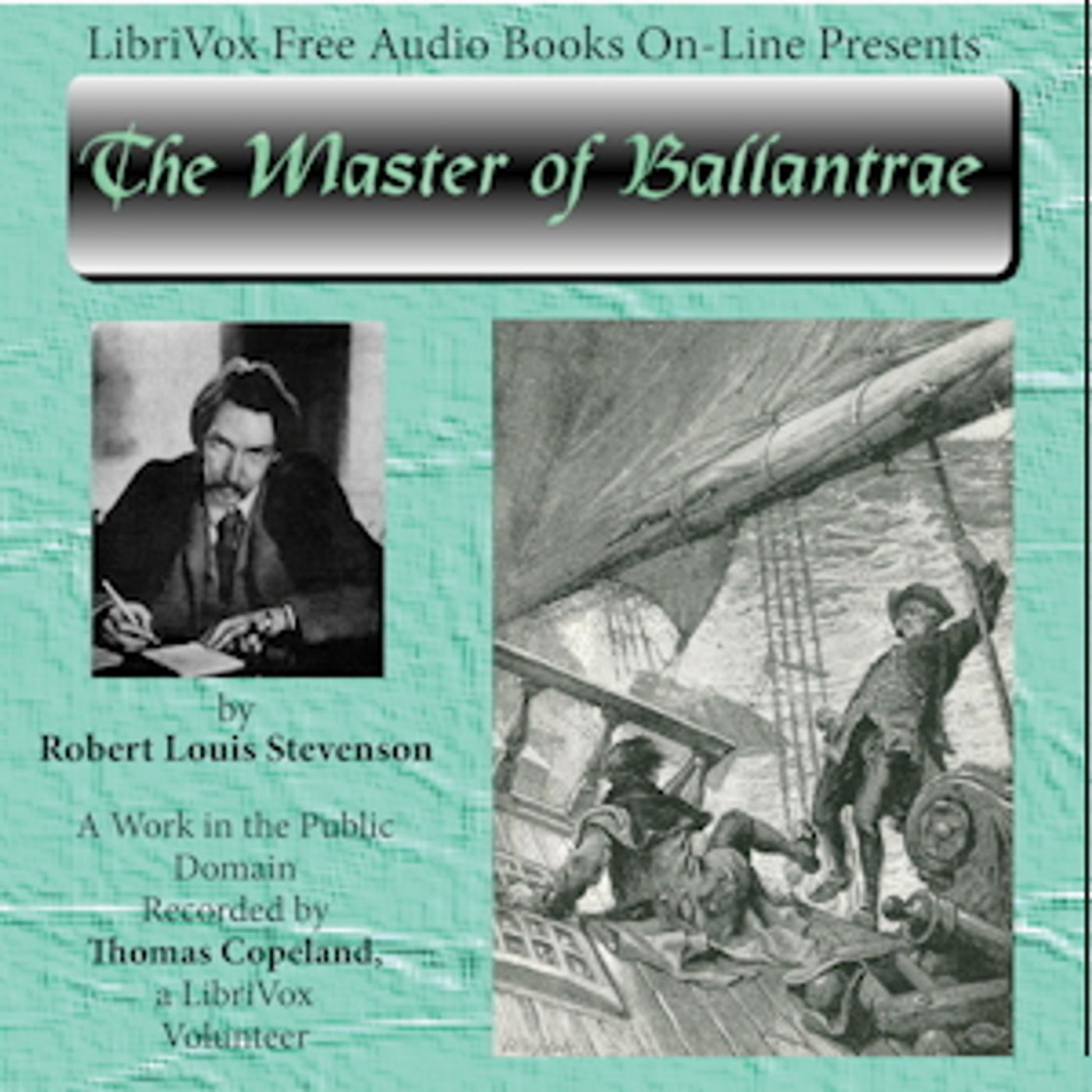
Master of Ballantrae, The by Robert Louis Stevenson (1850 - 1894)
by ciesse
Heir to a noble Scottish house in the mid 18th century, the Master is a charming, clever, and resourceful villain whose daring but ill-advised schemes first alienate his patrimony and at last cost him his life. His younger brother, sweet-tempered and good but dull and unpopular, suffers at the Master's hands until his patience and courage win him limited ascendancy, but he is at last consumed with hatred and driven to madness and death by the strain of his many sufferings. The story is told from the point of view of a loyal servant with the occasional insertion of documents in the words of other eye-witnesses. The episodic plot, although exciting, serves mainly as a structure on which to hang superb character studies. The Master, whom one both admires and hates, bears comparison with Long John Silver, not to mention Milton's Satan, to whom the narrator explicitly likens him. The secondary characters—narrator, father, and wife—are deftly characterized, and (with the exception of the two
-
13
-
12
-
11
-
10
-
9
-
8
-
7
-
6
-
5
-
4
-
3
-
2
-
1
We're indexing this podcast's transcripts for the first time — this can take a minute or two. We'll show results as soon as they're ready.
No matches for "" in this podcast's transcripts.
No topics indexed yet for this podcast.
Loading reviews...
ABOUT THIS SHOW
Heir to a noble Scottish house in the mid 18th century, the Master is a charming, clever, and resourceful villain whose daring but ill-advised schemes first alienate his patrimony and at last cost him his life. His younger brother, sweet-tempered and good but dull and unpopular, suffers at the Master's hands until his patience and courage win him limited ascendancy, but he is at last consumed with hatred and driven to madness and death by the strain of his many sufferings. The story is told from the point of view of a loyal servant with the occasional insertion of documents in the words of other eye-witnesses. The episodic plot, although exciting, serves mainly as a structure on which to hang superb character studies. The Master, whom one both admires and hates, bears comparison with Long John Silver, not to mention Milton's Satan, to whom the narrator explicitly likens him. The secondary characters—narrator, father, and wife—are deftly characterized, and (with the exception of the two
HOSTED BY
ciesse
Loading similar podcasts...
Frequently Asked Questions
How many episodes does Master of Ballantrae, The by Robert Louis Stevenson (1850 - 1894) have?
Master of Ballantrae, The by Robert Louis Stevenson (1850 - 1894) currently has 13 episodes available on PodParley. New episodes are automatically indexed when they're published to the podcast feed.
What is Master of Ballantrae, The by Robert Louis Stevenson (1850 - 1894) about?
Heir to a noble Scottish house in the mid 18th century, the Master is a charming, clever, and resourceful villain whose daring but ill-advised schemes first alienate his patrimony and at last cost him his life. His younger brother, sweet-tempered and good but dull and unpopular, suffers at the...
How often does Master of Ballantrae, The by Robert Louis Stevenson (1850 - 1894) release new episodes?
Master of Ballantrae, The by Robert Louis Stevenson (1850 - 1894) has 13 episodes. Check the episode list to see recent publication dates and frequency.
Where can I listen to Master of Ballantrae, The by Robert Louis Stevenson (1850 - 1894)?
You can listen to Master of Ballantrae, The by Robert Louis Stevenson (1850 - 1894) on PodParley by clicking any episode. We provide an embedded audio player for direct listening, and you can also subscribe via your preferred podcast app using the RSS feed.
Who hosts Master of Ballantrae, The by Robert Louis Stevenson (1850 - 1894)?
Master of Ballantrae, The by Robert Louis Stevenson (1850 - 1894) is created and hosted by ciesse.
URL copied to clipboard!