
PODCAST · technology
Mine electrification
by Nicolas Bamamou
Imagine a mine where diesel fumes vanish, replaced by the quiet hum of battery-powered haul trucks climbing rugged slopes—and where cleaner air means healthier workers and surrounding communities. Mine electrification is rapidly transforming one of the world's oldest industries, delivering profound environmental benefits by slashing Scope 1 emissions and eliminating surface and underground pollutants. But this isn't just about sustainability: it's a revolution in operational intelligence. Electric fleets paired with AI-driven energy management are boosting productivity while cutting fuel and maintenance costs by up to 40%. As autonomous electric vehicles navigate tunnels and renewable-powered microgrids energize remote sites, mines are becoming safer, smarter, and more resilient—proving that decarbonization and profitability can advance hand-in-hand. Electrify the Earth brings this transformation to life through the voices shaping mi
-
4
A Design Guide for Cost-Effective Electric Powertrains in Guinea's Bauxite and Iron Ore Mines
Here, we provide a design guide for the electrification of mining vehicles in Guinea, with a focus on Total Cost of Ownership analysis. Although the initial investment is high, long-term savings on fuel and maintenance justify the transition to batteries. This podcast details technical solutions for adapting motors and power electronics to extremely dusty and humid tropical environments. The use of thermal management strategies and regenerative braking is essential to extend the life of components in iron and bauxite mines. Finally, it highlights the importance of a modular system architecture to facilitate repairs and reduce costly downtime.
-
3
Sustainable Mine Electrification and Renewables with Microgrid Systems
Here, we explore the transition of the mining industry toward all-electric operations powered by renewable energy microgrids. The Podcast highlights how replacing diesel machinery with electric vehicles (EVs) can significantly enhance operational safety, reduce ventilation costs, and eliminate harmful emissions in underground environments. It emphasises the importance of digitalisation and automation in creating more efficient, data-rich extraction sites. While the shift requires substantial technological investment and a newly skilled workforce, it offers a pathway to sustainable resource production. Furthermore, the University of Adelaide’s research capabilities and mobile test platforms are presented as vital tools for addressing technical challenges such as power quality and grid reliability. Global case studies illustrate that moving to hybrid or 100% green energy is already a growing reality for major mining companies
-
2
Underground Electrification Viability and Implementation Study
The International Council on Mining and Metals (ICMM) has introduced the Innovation for Cleaner, Safer Vehicles (ICSV) initiative to accelerate the industry’s shift toward zero-emission haul trucks. Currently, approximately 28,000 diesel trucks generate massive carbon emissions, and this report outlines a collaborative framework to replace them with electric and hydrogen-powered alternatives by 2040. The transition requires addressing complex infrastructure challenges, such as establishing universal charging standards and securing sufficient green energy and water. Because site-specific conditions vary, the initiative promotes knowledge sharing between mining companies and equipment manufacturers to manage the high costs and logistical shifts involved. Success depends on a cultural evolution within the sector, prioritizing bold leadership and cross-industry partnerships to meet global climate goals. Ultimately, the document serves as a roadmap for transforming surface mining operations into sustainable, low-carbon environments through collective innovation.
-
1
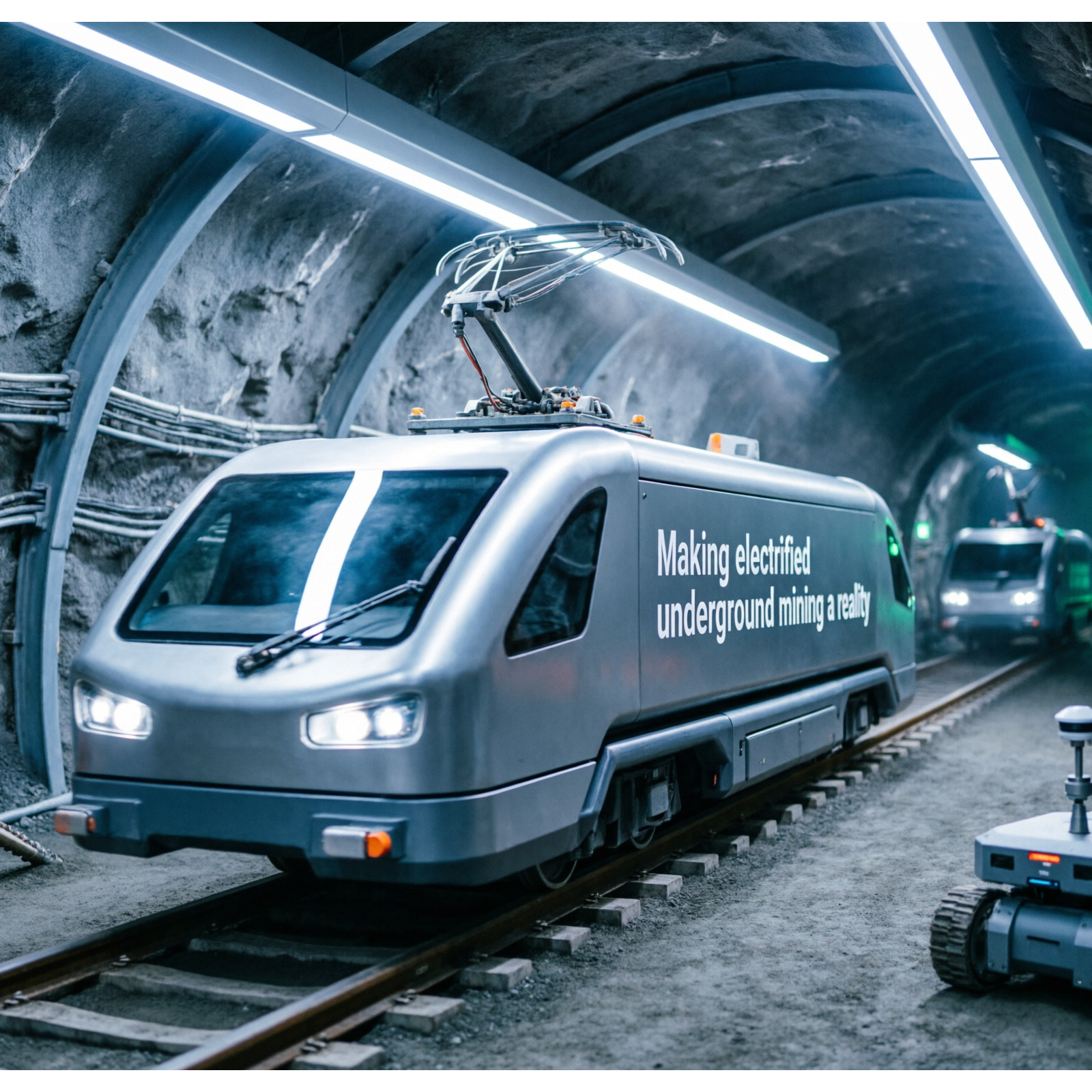
Making electrified underground mining a reality
This study is from a collaboration between IGO, Perenti, and ABB, the work highlights how replacing diesel vehicles with battery electric versions (BEVs) can advance decarbonisation goals while improving worker safety through reduced noise and emissions. The research details essential charging strategies, such as battery swapping for heavy machinery and opportunistic charging for lighter vehicles, to maintain operational productivity. Financial analysis reveals that an electric transition is economically viable, with costs only marginally higher than traditional methods—a gap expected to close as technology prices fall. While logistical challenges like equipment lead times were identified, the findings provide a strategic roadmap for modernising power infrastructure in the mining sector.
We're indexing this podcast's transcripts for the first time — this can take a minute or two. We'll show results as soon as they're ready.
No matches for "" in this podcast's transcripts.
No topics indexed yet for this podcast.
Loading reviews...
ABOUT THIS SHOW
Imagine a mine where diesel fumes vanish, replaced by the quiet hum of battery-powered haul trucks climbing rugged slopes—and where cleaner air means healthier workers and surrounding communities. Mine electrification is rapidly transforming one of the world's oldest industries, delivering profound environmental benefits by slashing Scope 1 emissions and eliminating surface and underground pollutants. But this isn't just about sustainability: it's a revolution in operational intelligence. Electric fleets paired with AI-driven energy management are boosting productivity while cutting fuel and maintenance costs by up to 40%. As autonomous electric vehicles navigate tunnels and renewable-powered microgrids energize remote sites, mines are becoming safer, smarter, and more resilient—proving that decarbonization and profitability can advance hand-in-hand. Electrify the Earth brings this transformation to life through the voices shaping mi
HOSTED BY
Nicolas Bamamou
CATEGORIES
Loading similar podcasts...
URL copied to clipboard!