
PODCAST · business
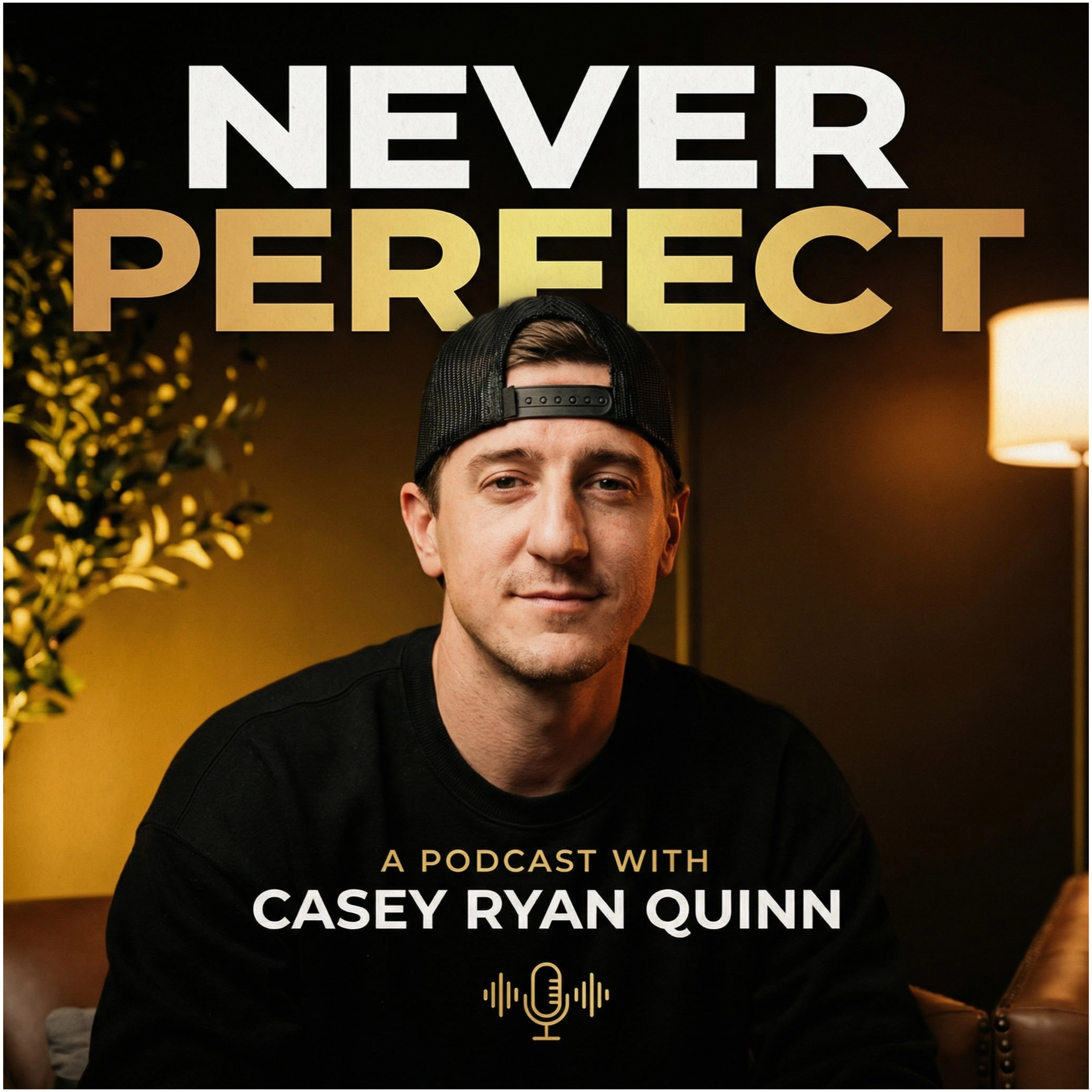
Never Perfect
by Casey Ryan Quinn
Are you an entrepreneur obsessed with scaling your business to the next level? Welcome to Never Perfect, the podcast for founders, innovators, and business leaders who are in the trenches, building and scaling their ventures. Hosted by serial entrepreneur Casey Ryan Quinn, this show cuts through the noise to deliver raw, unfiltered, and actionable strategies for exponential business growth.If you're ready to accelerate your growth, learn from those who have done it before, and embrace the "progress over perfection" philosophy, then this is the podcast for you. Subscribe to Never Perfect.
-
22
How to Build Wealth with BRRRR (Even When Rates Are High)
What does it actually take to build wealth through real estate investing in today’s market and is the BRRRR strategy still worth it?In this episode of the Never Perfect Podcast, I break down the real truth behind BRRRR investing and how it’s evolved from the early 2020s to today. If you’ve been hearing about building financial freedom through rental properties, stacking doors, and scaling a portfolio, this is the conversation that cuts through the noise and shows you what’s actually working right now.I walk through the full BRRRR model; Buy, Renovate, Rent, Refinance, Repeat and explain how each step impacts your ability to create long-term wealth. More importantly, I share what most people get wrong, especially when it comes to underwriting deals, managing renovations, and navigating today’s higher interest rates and tighter margins.This episode dives deep into real estate investing fundamentals like deal analysis, renovation execution, rental strategy, tenant quality, and financing options like DSCR loans. I also talk about why finding deals is harder than ever, how to think about risk on the buy side, and why most investors underestimate holding costs, contractor management, and the true impact of poor tenant decisions.One of the biggest takeaways is understanding that while BRRRR investing can build massive wealth on paper, it doesn’t always create immediate cash flow. I share how I scaled close to 900 units using this model and why operating businesses became essential to generating real income alongside real estate.If you’re a beginner trying to get your first deal or someone already in the game looking to sharpen your strategy, this episode gives you a practical, no-BS breakdown of how to approach BRRRR investing in today’s environment. From sourcing deals and building your team to structuring financing and repeating the process at scale, this is a real look at what it takes to succeed.This is not theory. This is what’s happening inside real portfolios, real deals, and real markets.Casey's links:- Facebook- Instagram- LinkedIn
-
21
Customer Success, Executive Assistances, and Entrepreneurs: The Biggest Mistake We Make When They Scale
What actually breaks as a company starts to scale; the work, the people, or the communication? In this episode of the Never Perfect Podcast, I sit down with Stacy Cvengros, Manager of Client Success at Accruity, to unpack one of the most overlooked drivers of growth in any service-based business: client communication.Stacy plays a critical role inside Accruity, our accounting firm and CPA firm that supports entrepreneurs across the country with bookkeeping, financial reporting, and back office operations. But her role goes far beyond a title. She operates as a hybrid between client success, project management, and executive support ultimately acting as a bridge between leadership, the team, and our clients.We get into what it really looks like to support fast-moving entrepreneurs who are building something big but often get in their own way. As founders, we want things done right. We want to move fast. We want control. But as Stacy points out, that mindset can quickly turn into a bottleneck. When leaders jump into everything, ignore process, or fail to communicate priorities clearly, it creates friction across the entire organization.A big part of this conversation centers around customer success and the reality that clients do not always need the perfect answer they need to know that something is happening. They need visibility, consistency, and trust. That realization has shaped how we operate at Accruity, where we have implemented biweekly updates, structured onboarding, hypercare processes, and consistent client check-ins to improve the overall experience.We also talk about how we evolved our sales and onboarding process through our insights model. Early on, we made the mistake a lot of service businesses make we priced work based on what we thought it would take, without fully understanding the client’s situation. That led to inefficiencies, burnout, and misalignment. Today, the insights process allows us to get under the hood, understand the full scope, and align expectations before we ever start the work.One of the most powerful parts of this episode is a real story Stacy shares about turning a difficult client into a long-term relationship. It highlights a simple truth that applies across any industry: people want to trust the person behind the service. When communication is strong and consistent, even the toughest situations can turn into opportunities to build loyalty.Toward the end of the episode, the conversation shifts into balance, family, and what success actually looks like. I break down how I think about focus and impact and why doing more is not the goal. It is about doing the right things, at the right time, and understanding what you are willing to prioritize in both business and life.If you are an entrepreneur, operator, or service provider trying to scale your business, improve your systems, or build stronger client relationships, this episode will give you a real look at what works and what does not.Casey's links:- Facebook- Instagram- LinkedInAccruity Links: - Website- Facebook- LinkedIn- Instagram
-
20
The Right-Hand Role Every Founder Needs to Grow
What does it really take to support a fast-moving founder, manage priorities across multiple companies, and keep execution moving when everything feels urgent?In this episode of It’s Never Perfect, I sit down with Leandra, my Chief of Staff and Executive Assistant, to talk about what it looks like behind the scenes when you are working directly with a high quick-start founder, managing priorities across Steel Point, City Life, Local First Lending, and the broader portfolio of companies.We get into the reality of founder support, executive assistant responsibilities, prioritization, trust, reliability, and how to keep the business moving even when life and work collide. Leandra had just returned from a last-minute trip to Coachella, which opened up a real conversation about what it means to stay accountable, manage time zones, communicate clearly, and know what actually needs to get done versus what can wait.This episode is a practical look at how founders can create more freedom of time by hiring the right support, building systems, and learning how to let go of control without losing clarity. We talk about tools like ClickUp, Claude, EOS, 90.io, calendars, to-do lists, and the systems that help turn founder chaos into organized execution.We also dive into what makes the Chief of Staff or Executive Assistant role so important inside a growing business. It is not just about scheduling meetings or answering emails. It is about understanding the founder’s priorities, protecting their time, managing communication, keeping projects moving, and becoming a trusted filter between the founder, the leadership team, and the rest of the company.Leandra shares how she prioritizes tasks, manages multiple moving pieces, supports leadership teams, tracks small details, and creates systems that allow her to respond quickly when I need information, decisions, or follow-through. We also talk about the importance of confidentiality, reliability, trust, and why this role becomes one of the most critical hires for founders who want to scale.For business owners, founders, operators, and executive assistants, this conversation breaks down the difference between being busy and actually moving the business forward. It is about clarity, execution, communication, and building a structure that allows the founder to focus on vision while the team continues to perform.We also share where the companies are heading over the next 12 months, including more collaboration across the portfolio, stronger systems, clearer execution, and the continued evolution into a true holding company structure with operating companies, shared resources, leadership alignment, and long-term enterprise value.This is a raw, practical conversation about building trust, creating clarity, managing founder energy, and learning how to support growth inside a business that is moving fast.Casey's links:- Facebook- Instagram- LinkedIn
-
19
From Chaos to Clarity | Why EOS Works for Growing Businesses
What does it actually take to build a business that scales without everything falling on the founder? In this episode, I sit down with TJ to break down one of the biggest drivers behind how we operate our private equity firm and the companies inside our portfolio: EOS, the Entrepreneurial Operating System. If you have ever felt like your company is growing but still running on hustle, loose communication, and reactive decision-making, this conversation will show you why structure is not a constraint, it is the path to freedom.We talk about how EOS became such a foundational system in our world after reading Traction by Gino Wickman and starting to apply those principles in real life. For us, EOS has been much more than a business book or a management trend. It has become the operating framework that helps us lead teams, define accountability, improve communication, and align multiple companies under a clearer structure. Whether you are leading a small business, a growing real estate company, or a private equity portfolio, the lessons in this conversation are practical and immediately relevant.TJ shares his perspective from the City Life side of the business and explains what growth looked like before and after EOS. At one point, the company was expanding rapidly, adding owned units and management units, but still operating mostly off hustle and instinct. EOS changed that by introducing consistent weekly meetings, better issue solving, scorecards, quarterly rocks, and a rhythm for actually working on the business instead of constantly getting buried in it. That shift created more focus, more traction, and more alignment across the leadership team.We also spend time walking through the Vision Traction Organizer, or VTO, which is one of the most important tools inside EOS. We explain how it helps businesses define their 10-year target, mission, core values, core focus, three-year picture, one-year plan, and quarterly priorities. This is where vision stops being vague and starts becoming operational. It gives leaders a way to connect long-term ambition with short-term execution so the team knows what matters most and what success actually looks like.Another big part of this episode is the conversation around the accountability chart and what EOS calls getting the right people in the right seats. We talk about why many companies make the mistake of hiring around personalities instead of building roles around function, and how that creates confusion and limits scalability. We also unpack the People Analyzer and GWC framework, which helps leaders evaluate whether someone truly gets the role, wants the role, and has the capacity to perform at a high level. These tools are not just useful for hiring. They are powerful for coaching, development, clarity, and even helping people realize when they may be in the wrong seat entirely.This episode is the starting point for a deeper EOS series where we will break down the eight key components one by one and show how we use them in our own businesses. If you are a founder, operator, entrepreneur, or leader trying to grow with more clarity and less chaos, this conversation is for you.Casey's links:- Facebook- Instagram- LinkedInTJ's links:- Facebook- Instagram- LinkedIn
-
18
The Truth About Investor Relations & Building Real Community I From Corporate Comfort to Real Estate Growth With Our Investor Team
What happens when you leave the comfort of corporate or a stable career and step into something completely new? In this episode of the Never Perfect Podcast, we sit down with Dom and Pete to break down what it actually looks like to transition into real estate investing, investor relations, and a fast-moving entrepreneurial environment.This conversation dives deep into the mindset shift required to go from structure and predictability to speed, uncertainty, and growth. Dom shares his experience coming from years in corporate America, where everything was measured, planned, and clearly defined and how stepping into a culture built on “action, action, action” forced him to rethink how he works, learns, and makes decisions. Instead of waiting for clarity, he’s learned to move first and adjust later.Pete brings a completely different background, spending 16 years teaching before making a major career pivot into logistics and now investor relations. He opens up about what it’s like to step into an entirely new industry, trust your transferable skills, and build confidence in who you are especially when everything around you is unfamiliar.Throughout the episode, we break down the power of community in real estate investing and why the traditional transactional model is no longer enough. At Steel Point, it’s not just about investing capital and earning a return it’s about creating real relationships, meaningful connections, and opportunities for investors to engage with each other beyond business. From investor events and networking to building a support system where investors feel like they have direct access to real people, this conversation highlights what modern investor relations should actually look like.We also talk about culture both internally within a company and externally with investors and why it plays such a critical role in performance, growth, and long-term success. From accountability and autonomy to creating an environment where people feel supported but challenged, this episode gives a real look behind the scenes of what drives a high-performance team.One of the biggest themes in this episode is learning how to get comfortable being uncomfortable. Growth doesn’t happen in safe environments it happens when you’re pushed, when things move fast, and when you’re forced to figure things out in real time. That discomfort, when embraced, becomes the foundation for confidence, momentum, and long-term success.If you’ve ever felt stuck, too comfortable, or unsure about making a change in your career or life, this episode will challenge the way you think. It’s a raw, honest conversation about growth, risk, relationships, and building something bigger than yourself.Casey's links:- Facebook- Instagram- LinkedIn
-
17
Building a Family Legacy That Actually Lasts (Spoiler: It's Not Just About Money)
What does it actually mean to build a family legacy that lasts? In this episode of It’s Never Perfect, I dive into a conversation that started around business structure and quickly turned into something much deeper how to think about wealth, leadership, and the responsibility that comes with building something bigger than yourself.We start by breaking down EOS and L10 meetings, and how systems like Traction by Gino Wickman have created clarity and alignment across multiple businesses. Structure is what allows you to focus, execute, and grow. But the bigger question is this: if your family is your “why,” are you actually building your life in a way that reflects that?A major part of this episode centers around a Jeffersonian dinner hosted by Walden Private Wealth in Pittsburgh. This was not traditional networking. It was an intentional, curated conversation led by Dr. Richard Orlando, focused on wealth building, communication, and long-term thinking. The biggest takeaway was that legacy is not just about money. It is about preparing your family to carry values, responsibility, and purpose into the future.We get into real conversations around family values and how they are actually passed down. How do you talk to your kids about money without creating entitlement? How do you balance giving them opportunity while still making sure they earn their way? These are the decisions that define whether wealth becomes a tool or a liability for the next generation.This episode also highlights the importance of intentional parenting. From family meetings to real-life exposure, the focus is on showing your kids what discipline, work ethic, and responsibility look like up close. Kids are not listening to what you say they are watching what you do. The way you show up every day is what shapes their mindset long term.One of the biggest lessons from this conversation is intentionality. If you are not intentional about how you lead your family, communicate your values, and structure your life, it will not happen by accident. Building a family legacy requires clarity, consistency, and action over time.We also touch on the importance of learning from the right people. The best in the world have coaches, especially in areas like wealth, leadership, and legacy. Surrounding yourself with the right guidance can completely shift how you think about what you are building and why it matters.This is a real, practical conversation about wealth building, leadership, and creating a life that aligns with your values. If you are serious about building something meaningful not just for today, but for the next generation this episode will challenge the way you think about success, responsibility, and legacy.Casey's links:FacebookInstagramLinkedInTJ's links:FacebookInstagramLinkedIn
-
16
From Team Member to Real Estate Partner (And Now Leading a New Lending Company Launch)
Are you trying to figure out how to build real partnerships, grow inside a company, and create something of your own without losing the relationships that matter most?In this episode of Never Perfect, Casey Quinn sits down with TJ and Evan for a conversation about entrepreneurship, friendship, and what it really looks like to build alongside people you trust. What starts with jokes and stories from the early CityLife days quickly turns into a deeper discussion about mentorship, accountability, and how strong relationships can shape the trajectory of your career.TJ and Evan share how their relationship evolved from boss and employee into genuine friendship and eventually into business partners investing in real estate together. Evan talks about coming into the business knowing almost nothing about real estate and finding in TJ not just a mentor, but someone who taught him the day-to-day realities of property management, investing, and how to operate inside a demanding environment. Over time, that working relationship turned into real trust, built through long hours, shared experiences, and showing up for each other outside of business.Throughout the conversation, Casey, TJ, and Evan unpack what the early grind looked like when expectations were high and the culture was built around doing whatever it took to win. They reflect on the pressure, the mistakes, and the mindset they had at the time, while also explaining how their views on leadership have evolved. Instead of assuming everyone should operate the same way, they now focus on understanding what success and happiness actually look like for each individual and helping people find the right role for them.They also break down how TJ and Evan built their real estate partnership over time. What started with learning the business together eventually became a partnership rooted in complementary strengths, mutual trust, and shared values. The conversation highlights that partnerships are not always smooth, especially when there are different risk tolerances and growth expectations, but working through those challenges is what creates long-term success.The episode then shifts into the launch of Local First Lending, a new brand under Steel Point Capital focused on serving real estate investors in Pittsburgh. Casey explains the vision behind it, and TJ and Evan share what makes it different, from local expertise to relationship-driven lending.This is a practical conversation about mentorship, partnerships, and building something meaningful with the right people.Casey's links:- Facebook- Instagram- LinkedInTJ's links:- Facebook- Instagram- LinkedIn
-
15
Stop Waiting to Feel Ready and Start Building I How Mike Lucas Built Rentals and Launched A Service Business
Are you trying to figure out how to break into real estate, build wealth, and eventually create something of your own? In this episode of Never Perfect, Casey Quinn sits down with Mike Lucas to unpack what it really looks like to go from a young guy with no money and no roadmap to a business owner with 20 rental properties and a fast-growing service company.Mike shares the story of how he first got obsessed with real estate through podcasts, YouTube videos, and books, only to realize that consuming information was never going to be enough. After fumbling through early wholesale attempts and trying to figure it out on his own, he made a decision that changed everything: he took a major pay cut to get in the room and learn directly from people doing the work every day. That move gave him real exposure to acquisitions, construction, property management, and deal analysis, compressing years of learning into a much shorter period of time.Throughout the conversation, Casey and Mike dig into the value of relationships in real estate and why Mike was able to build his portfolio almost entirely through people he met in the industry rather than through traditional lead generation or buying off the MLS. They also talk through the mindset shift that comes with taking risks early, learning how to underwrite deals with confidence, and building enough repetition to trust your instincts in a competitive market.The episode then shifts into Mike’s next chapter: becoming the CEO of Revive and stepping into the realities of launching a service business from scratch. Mike opens up about why he was drawn to the service industry, the appeal of building enterprise value beyond slow real estate cash flow, and the emotional pressure that comes with moving from employee to owner. Casey pushes deeper into the conversation around leadership, self-awareness, and the difference between thinking like an entrepreneur and actually carrying the weight of payroll, team performance, and long-term growth.This is a raw, practical conversation about compressing the learning curve, betting on yourself, and building both wealth and business ownership the smart way. Whether you are trying to get into real estate, start your first company, or make the jump from W2 life into entrepreneurship, this episode is packed with lessons on action, relationships, leadership, and long-term thinking.Casey's links:- Facebook- Instagram- LinkedInMike Lucas' links:- Instagram- Company- Facebook
-
14
Vision, Execution, and Financial Clarity: The Real Formula for Growth
Casey Quinn sits down with TJ and Danielle for a behind the scenes look at what it really takes to build a business with clarity, alignment, and the right people in the room. Fresh off a full day of quarterly planning, this conversation breaks down how high-performing teams reset, refocus, and execute at a higher level every 90 days.At the center of the discussion is EOS and the role it plays in creating real clarity. Danielle shares how critical it is to have clear direction at the top, especially when leading multiple brands and teams. Without that clarity, execution falls apart quickly. TJ expands on that with the idea of alignment how even the best teams drift over time, and why intentional resets are necessary to stay on track.Casey ties it all together with a core framework: vision clarity, execution clarity, and financial clarity. Without a clear vision, you end up reacting instead of leading. Without execution, nothing moves. And without understanding your numbers, you’re operating blind. The conversation makes it clear that real growth happens when all three are working together.They also dive into The Foundry and why they are so focused on building a community around accountability and real data. Danielle explains how most entrepreneurs are working hard but lack measurable KPIs and clear direction, while TJ shares what it feels like to operate without structure and how much that changes once you get the right systems and coaching in place.Beyond business, the episode highlights something just as important environment. The team talks about how the people you’re around every day directly impact your standards, your energy, and your results. Being around driven, accountable people raises your level whether you realize it or not.The conversation also gets real about work-life integration. Danielle opens up about managing a high-level role while raising four young kids, and TJ shares how he prioritizes faith, family, and business without losing focus. Casey challenges the idea of burnout, explaining that it often comes from working on the wrong things, not from working too much.To close it out, they offer practical advice for anyone stuck in a W2 job while trying to build something on the side. The message is simple get clear on what you want, take action, and put yourself in an environment that forces you to grow.This episode is a raw, honest look at what it actually takes to build something meaningful both in business and in life.Casey's links:- Facebook: https://www.facebook.com/share/1TwCw8ewFf/?mibextid=wwXIfr- Instagram: https://www.instagram.com/caseyryanquinn?igsh=MTdqeGU2M2Vnb2R5cA==- LinkedIn: https://www.linkedin.com/in/caseyryanquinnDanielle's links:- Facebook: https://www.facebook.com/share/1Ahhu8QbBS/?mibextid=wwXIfr- Instagram: https://www.instagram.com/daniellehollembaek?igsh=bnIzanJkMjB3OTBk- LinkedIn: https://www.linkedin.com/in/danielle-hollembaekTJ's links:- Facebook: https://www.facebook.com/thomas.bencho- Instagram: https://www.instagram.com/t.j.bencho/- LinkedIn: https://www.linkedin.com/in/t-j-bencho-880661197/
-
13
Stop Buying Deals for Tax Write-Offs I Here's What Smart Investors Do Instead
Join our Skool Community: https://www.skool.com/steelpointfoundry/aboutCasey Quinn sits down with Seth, who leads tax and helps oversee much of the systems and infrastructure behind the business, for a conversation about what it really takes to build a tax practice inside a fast-moving entrepreneurial company.Seth reflects on the transition from public accounting and family office environments into a startup that operates on EOS and demands a completely different level of structure, accountability, and teamwork. He shares how challenging it can be for high performers to stop jumping into every problem, trust the people around them, and focus on building the right foundation before trying to do too much at once. Together, Casey and Seth unpack the reality of leadership inside a growing company, especially when roles are clearly defined and success depends on patience, discipline, and long-term thinking.A major theme throughout the episode is how tax planning for entrepreneurs should look very different from the traditional accounting firm model. Seth explains that business owners do not just need returns filed. They need help understanding their options, evaluating trade-offs, and making decisions that align with both their goals and their capacity to actually execute. He emphasizes that every strategy comes with some form of cost, whether financial, legal, or administrative, and that great planning requires far more than simply chasing deductions.The conversation takes a deeper turn into real estate tax strategy, bonus depreciation, and the growing trend of investors being sold on tax benefits instead of deal fundamentals. Casey and Seth both caution against making investment decisions solely for the write-off, explaining that depreciation is often a timing benefit rather than free money. They discuss why smart investors should underwrite the deal first, understand the economics independently, and only then consider the tax advantages as an added benefit rather than the primary reason to move forward.They also explore the difference between serving large companies and serving entrepreneurs directly. Unlike corporate finance teams, founders are often juggling sales, operations, fulfillment, and growth all at once, which means their books, structure, and financial visibility are not always where they need to be. Seth explains why this changes everything from communication style to scope to delivery, and why strong back-office support is often the first step before meaningful tax planning can even begin.Later in the episode, the conversation broadens to what entrepreneurs are facing in the market right now. With capital harder to raise and debt more difficult to secure, Casey and Seth explain why understanding your numbers has become more important than ever. The episode closes with Seth turning the tables and asking Casey about his own early real estate journey, leading to an honest reflection on hard money, risk, fear, and the difficult first year of building a business from the ground up.
-
12
How to Bet on Yourself, Build a Personal Brand, and Still Put Your Family First
Join our Skool Community: https://www.skool.com/steelpointfoundry/aboutCasey Quinn sits down with Danielle Hollembaek, Chief Marketing Officer at Steel Point, to unpack some of the most critical challenges and insights facing marketing leaders today. Danielle shares the thoughtful process she went through to make a big career leap—leaving a company she helped build from the ground up to join a relatively new Pittsburgh-based firm operating primarily with a remote team. Her story is a powerful example of how to weigh life-changing decisions and build trust in new environments, especially when relocating or changing industries. She discusses the intense interview process she requested, speaking with everyone on the leadership and marketing teams to ensure the culture and vision aligned with her own ambitions.Balancing a demanding CMO role while managing the responsibilities of being a mom to four young children, Danielle offers a refreshing look at work-life integration—not perfect balance—emphasizing the importance of a strong support system and the grit to complete critical tasks no matter what. She dives deep into what really drives marketing success in 2026 and beyond, focusing on lead generation over vanity metrics and highlighting the power of authentic relationships over just flashy branding. Danielle firmly believes that while intelligence is now often supplemented by AI tools, success comes from leveraging networks, building real partnerships, and knowing when to ask for help from industry peers.A major theme throughout this conversation is the tension between building a personal brand and creating long-term enterprise value. Danielle and Casey discuss the nuance of developing personal brands to earn trust and recognition, while ensuring that the underlying businesses can thrive independently without reliance on any one individual. This is especially important as Casey himself prefers to avoid fame and focus instead on sustainable growth. They explore how personal branding acts as a bridge of trust for consumers, allowing the business to scale even if the founder steps out of the spotlight.Finally, Danielle opens up about what it’s like to be a confident woman working in male-dominated spaces such as masterminds, and how she intentionally prepares herself to be taken seriously and make an impact. She explains her mindset of "humble confidence" and how she tackles roles even when she doesn't check every single box on the job description. Her experience gives invaluable advice for any woman wanting to thrive in leadership roles within traditionally male environments, emphasizing preparation, presence, and unwavering determination.Whether you’re a marketing professional looking to sharpen your strategy, a working parent juggling career and family, or a leader navigating growth and culture, this conversation is packed with authenticity, wisdom, and actionable insights that will help you scale your business and your life.
-
11
He Left a $35 Billion Company After 15 Years I Here's the Mindset That Made It Possible
Join our Skool Community: https://www.skool.com/steelpointfoundry/aboutWhat does it actually take to walk away from a $35 billion company after 15 years — with a growing family, a spouse with her own demanding career, and zero certainty about what comes next? In this episode, Casey sits down with Kevin Rombach, COO of Accruity, to unpack one of the most honest conversations we've had on this show. Kevin didn't just change jobs. He changed everything about how he operates, how he thinks, and what he believes is possible when you're willing to get uncomfortable.Kevin spent nearly 15 years climbing the ranks at UPMC, one of the largest hospital systems in the country. He was well-compensated, well-respected, and well-protected by the kind of bureaucratic structure that corporate America is built on. And then Casey came calling — not once, but multiple times over the course of three years. What finally made Kevin say yes? The answer isn't what you'd expect, and it's something every person sitting in a comfortable-but-unfulfilling job needs to hear.This episode goes deep on the two forces Casey believes are destroying people's potential: fear and ego. Kevin lived both. The ego of walking away from a prestigious title. The fear of failing the people who believed in him. Together, they break down exactly how Kevin navigated those emotions and what the mental framework looks like when you decide to bet on yourself — not for yourself, but for something bigger.They also get into what it's really like to serve entrepreneurs after spending a career serving corporate controllers and finance departments. Entrepreneurs think differently, move faster, and demand a completely different level of communication and preparation. Kevin shares what he's learned about showing up ready, adding real value, and what it means to truly listen to a client instead of walking in thinking you already have all the answers.And in the final stretch, Casey turns the table and asks Kevin the question he now asks every guest: if you could go back and talk to yourself at the beginning of this journey, what would you say? Kevin's answer, focus is a superpower, remove your ego, don't overhire, react to the market faster, and for the love of everything, celebrate your wins — is the kind of hard-earned wisdom that only comes from living it.If you're sitting on the fence about a big decision, grinding without enjoying the journey, or trying to figure out how to scale smarter without burning everything down, this episode is for you.
-
10
Why Hiring an Executive Assistant is the Most Powerful Move You'll Make
Join our Skool Community: https://www.skool.com/steelpointfoundry/aboutAre you struggling to let go of control in your business? In this episode of Never Perfect, Casey Ryan Quinn sits down with his right-hand executive assistant, Leandra, to discuss the transformative power of delegation and trust. After nearly five years of working together across multiple companies including City Life, SteelPoint, and Acruity, they share the raw truth about what it really takes to build an unbreakable partnership between a CEO and an EA.Leandra opens up about her transition from an HR role into the executive assistant seat, tackling the common misconceptions about the position and how she shifted her mindset to find immense value and self-worth in being the ultimate multiplier for the business. They dive deep into the specific challenges of handing over the most guarded aspect of any entrepreneur's life: email management. Casey reveals his own struggles with patience and the impulse to micromanage, while Leandra explains her strategies for protecting his time and sanity amidst a chaotic schedule of meetings, travel, and strategic planning.Throughout this candid conversation, you will discover the importance of testing trust early on, why reserving the right to get smarter is a crucial leadership philosophy, and how taking massive action while owning your mistakes leads to better business outcomes. Whether you are an entrepreneur wondering if you are ready to hire your first executive assistant, or an EA looking to level up your impact, this episode is packed with actionable insights on creating clarity, managing egos, and navigating the complex ecosystem of running multiple businesses simultaneously.
-
9
How One Proven Real Estate Strategy Transformed a Corporate Employee Into a Full-Time Investor
Join our Skool Community: https://www.skool.com/steelpointfoundry/aboutWhat does it actually take to walk away from a steady corporate paycheck and build real wealth through real estate? In this episode of the Never Perfect Podcast, Casey Ryan Quinn sits down with Evan (Big E) — the driving force behind City Life Property Management's business development and owner relations. Over six years, Evan has helped scale one of Pittsburgh's most respected property management companies while quietly building his own real estate portfolio using the same proven strategies he learned on the job.Evan grew up in a blue-collar household, earned his master's at Penn State Behrend, and landed a corporate job in oil and gas — only to realize within weeks that the siloed, headphones-on environment was the exact opposite of everything that made him thrive. After six months, he took a half day from work, walked into a City Life interview, and immediately knew he had found his people.What followed was six years of accelerated, real-world education. Evan learned how to screen tenants, manage vendors, scope renovations, and build owner relationships — all while studying the investment side of the business. When his first opportunity appeared, he executed a textbook BRRRR strategy: he purchased a property in Carrick for $65,000, renovated it, leased it out, and refinanced on the back end. The bank funded 100% of his total cost, leaving him with a property he owned outright with zero dollars remaining in the deal. Casey calls this an infinity return — and Evan still owns that house today.From that first deal, Evan built an entire block-level portfolio. By building relationships with neighbors during the renovation, he ended up acquiring three properties on the same street, with a fourth in progress. This is the kind of organic, relationship-driven investing that no algorithm can teach.This conversation also explores City Life's culture: the idea that collaboration, not competition, is the ultimate competitive advantage. Evan and Casey discuss how the lack of collaboration in corporate environments pushed them both toward entrepreneurship — and how building a team that genuinely wants each other to win has become the foundation of everything they are building, from City Life to Steel Point Capital to Acrruity.Whether you are a first-time investor trying to understand the BRRRR method, a W2 employee wondering if entrepreneurship is possible, or a property management professional looking to scale, this episode delivers the real, unfiltered answers you have been searching for.
-
8
The Follow-Up Is Everything: Real Talk on Sales, Friendship, and Building a Business
Join our Skool Community: https://www.skool.com/steelpointfoundry/about Look, we don't do a ton of prep around here, you already know that. But this one I was genuinely excited for. I brought my guy Alex on the mic today, and if you've been around for a while, you already know who he is. We went to college together, he's been one of my closest friends for years, and now he runs business development, sales, and marketing at Accruity. He's also a limited partner in SteelPoint Capital. So yeah, he's all in on everything we're building and this conversation gets into all of it.We talk about what it's actually like working with your best friend every single day. The highs, like the time we went out to Arizona, absolutely crushed an event, signed 14 clients on the spot, and were dapping each other up every ten minutes at the bar afterward. And the lows, like flying to Dallas, being told hundreds of people would be there, and walking into a room with literally one person in it. Both of those things happen, and when you're doing it with someone you care about, they hit different in both directions.Alex came from the corporate world, big software companies, structured sales cycles, RFP processes where everything was laid out for you. Coming into the entrepreneurial space at Accruity was a completely different animal. No timelines, no escalation paths, no boss to call when someone ghosts you. The biggest thing he says he learned? Follow-up is everything. Not just following up once — consistent, relentless, respectful follow-up. Because the entrepreneurs and real estate investors we work with aren't ignoring you because they don't like you. They're just putting out fires and dealing with the next deal. If you stay in front of them, the relationship holds. And when the timing is finally right, you're the first call they make.We also get into the difference between selling to entrepreneurs versus selling to corporate managers and why those are two completely different conversations. Entrepreneurs don't have a defined role, they don't have someone to delegate to, and they're doing a hundred things at once. That's exactly why financial clarity matters so much. When you don't know your numbers, you can't delegate, you can't sleep at night, and you definitely can't grow. I walk through a real coaching call I had that morning with a CEO who had no idea what his breakeven was — and how working backwards from a 13-week rolling cash forecast all the way to how many leads he needed that month completely changed the picture for him.We close it out talking about what it takes to make a leap like Alex made — leaving a stable corporate career to go work for your best friend at a startup. His advice is simple: be yourself, find people who know what you're good at and let you do that, and don't be afraid to have the hard conversations. Communication solves everything. And as TJ put it in a post recently, the money's in the follow-up. Every time.
-
7
Stop Riding the Roller Coaster: How Elite Entrepreneurs Handle Decisions and Failures Every Day
Join our Skool Community: https://www.skool.com/steelpointfoundry/aboutEvery entrepreneur faces losses — but most never learn how to handle them without letting them spiral into self-doubt, paralysis, and burnout. In this solo episode, Casey Ryan Quinn gets raw and real about the emotional rollercoaster of building a business, why losses are not just inevitable but necessary, and the exact mental framework he uses to bounce back faster every single time.Casey opens up about his own journey — from building a 900-door real estate portfolio and navigating brutal market shifts, to launching a wholesale company that hit $1.2M in year one and then shutting it completely down. He breaks down what he actually lost, what he gained, and why the way you think about a loss is the only thing that separates entrepreneurs who make it from those who don't.This episode covers three core pillars: accepting that losses are part of the process, evaluating and upgrading your circle of influence, and finding mentors who are close enough to your level to actually be relatable. Casey also digs into the power of daily culture — from the Starbucks barista who starts your morning right, to the team members who have your back when everything goes sideways.Whether you're brand new to entrepreneurship, seven years into building your company, or grinding in a W-2 job while dreaming of something bigger — this episode will shift how you see failure, how you respond to it, and how quickly you recover. The goal isn't to eliminate the highs and lows. It's to stop riding the roller coaster and start riding the merry-go-round: steady, enjoyable, and built to last.If this episode resonated with you, Casey and the team at The Foundry are building a community and inner circle for entrepreneurs who want to grow their wealth, their health, and their mindset together. Check the links below to learn more.Don't forget to like, subscribe, and share this episode — it helps more entrepreneurs find this content.
-
6
The Real Reason You're Afraid to Speak on Stage and How To Conquer Your Fear
Join our Skool Community: https://www.skool.com/steelpointfoundry/aboutFear of public speaking is one of the most common and most paralyzing obstacles entrepreneurs face. In Episode 3 of Never Perfect, Casey Ryan Quinn and co-host T.J. Bencho pull back the curtain on what it actually feels like to step on stage, why the nerves never fully go away, and why that's perfectly okay.Casey shares raw, unfiltered lessons from keynoting two major real estate masterminds back-to-back including the time he completely lost his train of thought mid-keynote in front of hundreds of people and kept right on going. T.J. brings his own battle-tested perspective, from speaking at real estate investment meetings at 16 years old to presenting on international stages in Australia.In this episode, you'll learn:Why the fear of being judged is the #1 thing holding you back from the stageHow to connect with any audience — even on a topic you didn't chooseWhy over-scripting kills your delivery (and what to do instead)The NLP techniques elite speakers like Ed Mylett and Brandon Brittingham use to move audiences emotionallyHow public speaking and content creation are the exact same skillThe "cookies and skinny" mindset framework (credit: Hormozi) that will change how you think about sacrifice and goals Why progress over perfection is the only standard that mattersWhether you're a first-time speaker terrified of the spotlight or a seasoned entrepreneur looking to sharpen your stage presence, this conversation will push you to stop waiting and start doing. Action. Action. Action.Never Perfect is the podcast for entrepreneurs who are done pretending business is polished. Hosted by Casey Ryan Quinn — serial entrepreneur, CPA, Co-Founder of SteelPoint Capital, CityLife Residential, Accruity, and SteelPoint Foundry — this show delivers straight-from-the-heart, unscripted conversations about what it really takes to build businesses, lead teams, and grow as a human being.Follow Casey: https://www.instagram.com/caseyryanquinn/Connect on LinkedIn: https://www.linkedin.com/in/caseyryanquinnFollow on Facebook: https://www.facebook.com/CaseyRyanQuinn
-
5
Overcoming Burnout & Finding Your Passion - The Entrepreneurial Journey
In this episode of Never Perfect, host Casey Ryan Quinn is joined by his Accruity co-founder, Jeff Boschino, for a raw and honest conversation about their entrepreneurial journey. They dive deep into the realities of leaving a W-2 job to start a business, the myth of instant freedom, and the true meaning of burnout. Casey and Jeff share their struggles and triumphs in building Accruity, a financial services firm, from the ground up. They discuss the importance of communication, delivering value to clients, and the critical role of financial literacy for every business owner. If you're an aspiring or current entrepreneur, this episode is packed with valuable insights and lessons learned from the front lines of building a business. Want to get PERSONAL access to Casey? Apply for our program here: https://steelpointfoundry.com/
-
4
Progress Over Perfection: The Making of 7-Figure Entrepreneurs And How Priorities Change Over Time
Join our FREE Skool Community: https://www.skool.com/steelpointfoundry/aboutIn this inaugural episode of "Never Perfect with Casey Ryan Quinn", Casey Ryan Quinn and his long-time business partner, TJ, for a candid and unscripted conversation about the realities of entrepreneurship. They dive deep into why they're ditching the traditional, overly-produced content model in favor of raw, authentic discussions that provide real value. Discover their philosophy of "progress over perfection" and how it has guided them in building multiple successful businesses.If you're an entrepreneur who's tired of the fluff and looking for genuine insights on how to grow your business and stay true to yourself, this episode is for you.IN THIS VIDEO, YOU'LL LEARN:Why authenticity is the most crucial ingredient for long-term success.The story behind their new mastermind community, "The Foundry."A breakdown of Casey's diverse business portfolio, from real estate to a 7-figure flooring and paint company.Actionable advice on how to build a strong, value-driven business.TIMESTAMPS:00:00 - Introduction: Progress Over Perfection02:41 - Welcoming TJ: A Partner from the Beginning03:30 - The Flaws of Traditional Content Creation06:00 - The Power of Authenticity in Business and Life09:24 - Introducing "The Foundry": A Community for Real Entrepreneurs14:00 - A Look Inside Casey's Business Empire18:26 - Final Thoughts and What's to Come
-
3
From Banker to Real Estate Investor: A Millennial's Journey
Join our Skool Community: https://www.skool.com/steelpointfoundry/aboutIn this episode, I sit down with Peyton, a key member of my team, to discuss his incredible journey from the world of banking to becoming a successful real estate investor. Peyton's story is a powerful testament to the importance of taking massive action and immersing yourself in the right environment to achieve your goals. We kick things off with a formal introduction to Peyton and he shares his background, starting as a commercial analyst in banking and how listening to BiggerPockets inspired him to make a change. He talks about the challenges of working in a traditional banking environment and the desire for something more dynamic and relatable. Peyton then dives into his transition to the real estate world, starting as a transaction coordinator for a wholesale company. He shares the invaluable lessons he learned from his mentor, TJ, about consistency, time-blocking, and the relentless follow-up required to succeed in wholesaling. We explore the high-pressure environment of transaction coordination, managing sellers, buyers, and title companies to ensure deals close. Peyton emphasizes the importance of taking control of situations and not leaving things to chance, a lesson that has had a profound impact on his personal and professional life.We then discuss the evolution of Peyton's role within my company, from the shutdown of the wholesale division to his current position in lending operations. He candidly shares his initial uncertainty and how a pivotal conversation with me and my wife, Steph, gave him the confidence to embrace a new challenge. Peyton now handles all borrower-side operations, from underwriting and transaction management to creating loan documents and managing draws. He provides a behind-the-scenes look at his underwriting process, explaining the crucial difference between underwriting a deal and underwriting a borrower. He also highlights the importance of building relationships with borrowers and providing them with the support and guidance they need to succeed.Of course, we couldn't have this conversation without talking about Peyton's own entrepreneurial journey in real estate. He shares the details of his first flip, which netted him a $35,000 profit, and gives an update on his second flip, which is nearing completion. We delve into the mindset of a young investor, and Peyton opens up about his conservative approach to risk, which stems from his parents' experience during the 2008 financial crisis. This leads to a broader discussion about overcoming fear, taking calculated risks, and the power of having a supportive network. Peyton's story is a powerful reminder that the path to success is not always linear, and that with the right mindset and support system, anyone can achieve their real estate investing goals. We wrap up with Peyton's key piece of advice for the audience: just take action.Timestamps00:20 - Introduction to Peyton
No matches for "" in this podcast's transcripts.
No topics indexed yet for this podcast.
Loading reviews...
ABOUT THIS SHOW
Are you an entrepreneur obsessed with scaling your business to the next level? Welcome to Never Perfect, the podcast for founders, innovators, and business leaders who are in the trenches, building and scaling their ventures. Hosted by serial entrepreneur Casey Ryan Quinn, this show cuts through the noise to deliver raw, unfiltered, and actionable strategies for exponential business growth.If you're ready to accelerate your growth, learn from those who have done it before, and embrace the "progress over perfection" philosophy, then this is the podcast for you. Subscribe to Never Perfect.
HOSTED BY
Casey Ryan Quinn
CATEGORIES
Loading similar podcasts...
URL copied to clipboard!