
PODCAST · history
Notes of a Camp Follower on the Western Front
by E. W. Hornung
In 1915, Oscar Hornung, the son of renowned author E W Hornung, was tragically killed at Ypres after just a year of service in Flanders, at the tender age of 20. Two years later, E W Hornung stepped forward to assist in running a YMCA canteen situated close to the front lines. This poignant book chronicles Hornungs personal experiences in Northern France, where he began by aiding in a canteen and later established a library for the soldiers. Driven by a desire to be near his sons final resting place, Hornung sought to connect with the brave young men fighting in the war and to enhance their daily lives. He yearned to find meaning amid the chaos, portraying soldiers as heroes, their struggles as just, and their leaders as wise and compassionate. Despite his motivations and occasional blind spots, Hornung expertly wove his narrative with the skill of a seasoned novelist, allowing readers to accompany him as he converses with soldiers, delivers cocoa and biscuits under fire, and ultimatel
-
13
013 - Chapters 24 and 25
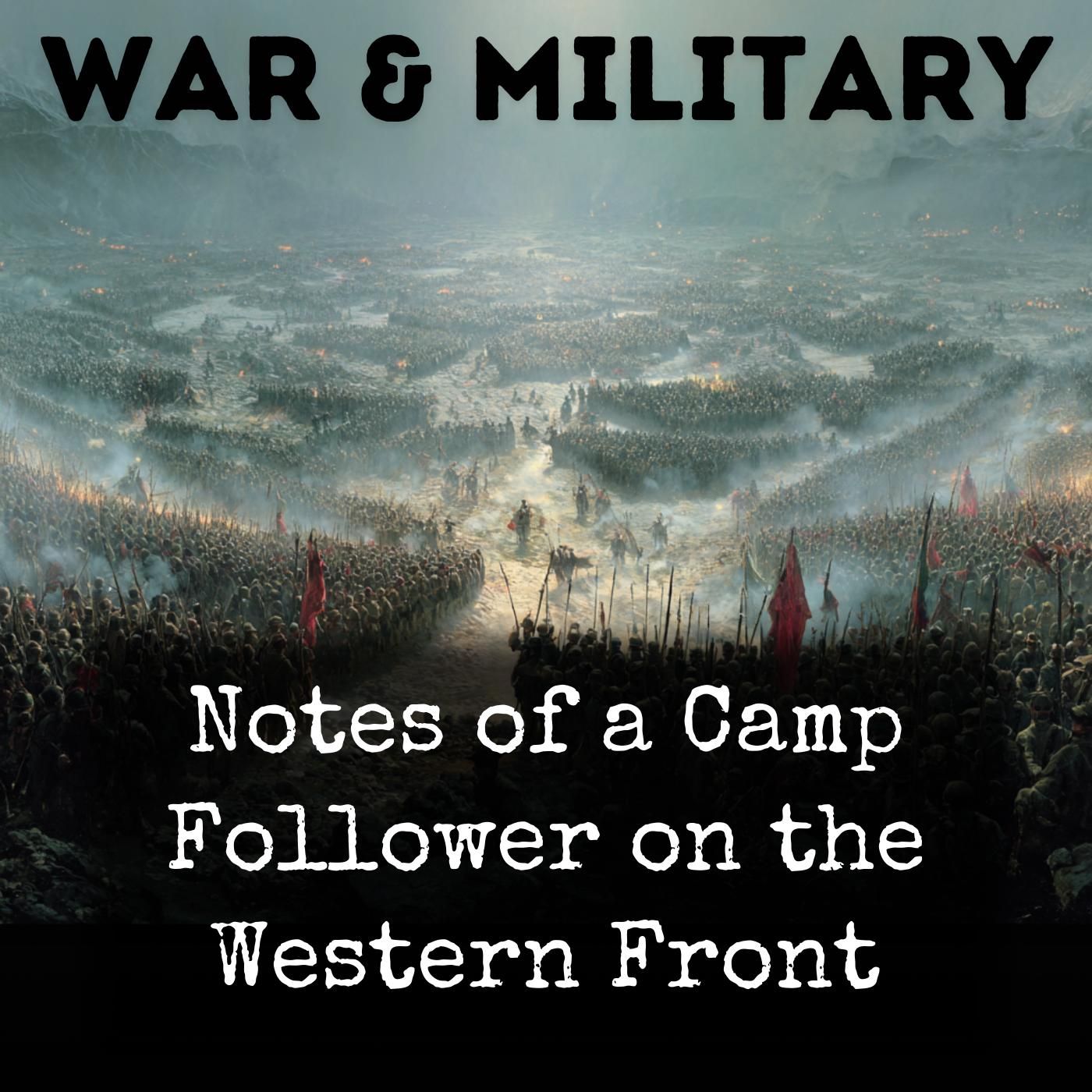
In 1915, Oscar Hornung, the son of renowned author E W Hornung, was tragically killed at Ypres after just a year of service in Flanders, at the tender age of 20. Two years later, E W Hornung stepped forward to assist in running a YMCA canteen situated close to the front lines. This poignant book chronicles Hornungs personal experiences in Northern France, where he began by aiding in a canteen and later established a library for the soldiers. Driven by a desire to be near his sons final resting place, Hornung sought to connect with the brave young men fighting in the war and to enhance their daily lives. He yearned to find meaning amid the chaos, portraying soldiers as heroes, their struggles as just, and their leaders as wise and compassionate. Despite his motivations and occasional blind spots, Hornung expertly wove his narrative with the skill of a seasoned novelist, allowing readers to accompany him as he converses with soldiers, delivers cocoa and biscuits under fire, and ultimately sets up a lending library mere miles from No Man’s Land. Even Sir Arthur Conan Doyle, a former friend who reported Hornung for his pacifist views, conceded that this work features some of the most vivid depictions of life on the Western Front. (The cover showcases the Western Front as it passed through Arras in 1918, during the time the author would have known it.) (Summary by Clive Catterall)
-
12
012 - Chapters 22 and 23
In 1915, Oscar Hornung, the son of renowned author E W Hornung, was tragically killed at Ypres after just a year of service in Flanders, at the tender age of 20. Two years later, E W Hornung stepped forward to assist in running a YMCA canteen situated close to the front lines. This poignant book chronicles Hornungs personal experiences in Northern France, where he began by aiding in a canteen and later established a library for the soldiers. Driven by a desire to be near his sons final resting place, Hornung sought to connect with the brave young men fighting in the war and to enhance their daily lives. He yearned to find meaning amid the chaos, portraying soldiers as heroes, their struggles as just, and their leaders as wise and compassionate. Despite his motivations and occasional blind spots, Hornung expertly wove his narrative with the skill of a seasoned novelist, allowing readers to accompany him as he converses with soldiers, delivers cocoa and biscuits under fire, and ultimately sets up a lending library mere miles from No Man’s Land. Even Sir Arthur Conan Doyle, a former friend who reported Hornung for his pacifist views, conceded that this work features some of the most vivid depictions of life on the Western Front. (The cover showcases the Western Front as it passed through Arras in 1918, during the time the author would have known it.) (Summary by Clive Catterall)
-
11
011 - Chapters 20 and 21
In 1915, Oscar Hornung, the son of renowned author E W Hornung, was tragically killed at Ypres after just a year of service in Flanders, at the tender age of 20. Two years later, E W Hornung stepped forward to assist in running a YMCA canteen situated close to the front lines. This poignant book chronicles Hornungs personal experiences in Northern France, where he began by aiding in a canteen and later established a library for the soldiers. Driven by a desire to be near his sons final resting place, Hornung sought to connect with the brave young men fighting in the war and to enhance their daily lives. He yearned to find meaning amid the chaos, portraying soldiers as heroes, their struggles as just, and their leaders as wise and compassionate. Despite his motivations and occasional blind spots, Hornung expertly wove his narrative with the skill of a seasoned novelist, allowing readers to accompany him as he converses with soldiers, delivers cocoa and biscuits under fire, and ultimately sets up a lending library mere miles from No Man’s Land. Even Sir Arthur Conan Doyle, a former friend who reported Hornung for his pacifist views, conceded that this work features some of the most vivid depictions of life on the Western Front. (The cover showcases the Western Front as it passed through Arras in 1918, during the time the author would have known it.) (Summary by Clive Catterall)
-
10
010 - Chapters 18 and 19
In 1915, Oscar Hornung, the son of renowned author E W Hornung, was tragically killed at Ypres after just a year of service in Flanders, at the tender age of 20. Two years later, E W Hornung stepped forward to assist in running a YMCA canteen situated close to the front lines. This poignant book chronicles Hornungs personal experiences in Northern France, where he began by aiding in a canteen and later established a library for the soldiers. Driven by a desire to be near his sons final resting place, Hornung sought to connect with the brave young men fighting in the war and to enhance their daily lives. He yearned to find meaning amid the chaos, portraying soldiers as heroes, their struggles as just, and their leaders as wise and compassionate. Despite his motivations and occasional blind spots, Hornung expertly wove his narrative with the skill of a seasoned novelist, allowing readers to accompany him as he converses with soldiers, delivers cocoa and biscuits under fire, and ultimately sets up a lending library mere miles from No Man’s Land. Even Sir Arthur Conan Doyle, a former friend who reported Hornung for his pacifist views, conceded that this work features some of the most vivid depictions of life on the Western Front. (The cover showcases the Western Front as it passed through Arras in 1918, during the time the author would have known it.) (Summary by Clive Catterall)
-
9
009 - Chapters 16 and 17
In 1915, Oscar Hornung, the son of renowned author E W Hornung, was tragically killed at Ypres after just a year of service in Flanders, at the tender age of 20. Two years later, E W Hornung stepped forward to assist in running a YMCA canteen situated close to the front lines. This poignant book chronicles Hornungs personal experiences in Northern France, where he began by aiding in a canteen and later established a library for the soldiers. Driven by a desire to be near his sons final resting place, Hornung sought to connect with the brave young men fighting in the war and to enhance their daily lives. He yearned to find meaning amid the chaos, portraying soldiers as heroes, their struggles as just, and their leaders as wise and compassionate. Despite his motivations and occasional blind spots, Hornung expertly wove his narrative with the skill of a seasoned novelist, allowing readers to accompany him as he converses with soldiers, delivers cocoa and biscuits under fire, and ultimately sets up a lending library mere miles from No Man’s Land. Even Sir Arthur Conan Doyle, a former friend who reported Hornung for his pacifist views, conceded that this work features some of the most vivid depictions of life on the Western Front. (The cover showcases the Western Front as it passed through Arras in 1918, during the time the author would have known it.) (Summary by Clive Catterall)
-
8
008 - Chapters 14 and 15
In 1915, Oscar Hornung, the son of renowned author E W Hornung, was tragically killed at Ypres after just a year of service in Flanders, at the tender age of 20. Two years later, E W Hornung stepped forward to assist in running a YMCA canteen situated close to the front lines. This poignant book chronicles Hornungs personal experiences in Northern France, where he began by aiding in a canteen and later established a library for the soldiers. Driven by a desire to be near his sons final resting place, Hornung sought to connect with the brave young men fighting in the war and to enhance their daily lives. He yearned to find meaning amid the chaos, portraying soldiers as heroes, their struggles as just, and their leaders as wise and compassionate. Despite his motivations and occasional blind spots, Hornung expertly wove his narrative with the skill of a seasoned novelist, allowing readers to accompany him as he converses with soldiers, delivers cocoa and biscuits under fire, and ultimately sets up a lending library mere miles from No Man’s Land. Even Sir Arthur Conan Doyle, a former friend who reported Hornung for his pacifist views, conceded that this work features some of the most vivid depictions of life on the Western Front. (The cover showcases the Western Front as it passed through Arras in 1918, during the time the author would have known it.) (Summary by Clive Catterall)
-
7
007 - Chapter 13
In 1915, Oscar Hornung, the son of renowned author E W Hornung, was tragically killed at Ypres after just a year of service in Flanders, at the tender age of 20. Two years later, E W Hornung stepped forward to assist in running a YMCA canteen situated close to the front lines. This poignant book chronicles Hornungs personal experiences in Northern France, where he began by aiding in a canteen and later established a library for the soldiers. Driven by a desire to be near his sons final resting place, Hornung sought to connect with the brave young men fighting in the war and to enhance their daily lives. He yearned to find meaning amid the chaos, portraying soldiers as heroes, their struggles as just, and their leaders as wise and compassionate. Despite his motivations and occasional blind spots, Hornung expertly wove his narrative with the skill of a seasoned novelist, allowing readers to accompany him as he converses with soldiers, delivers cocoa and biscuits under fire, and ultimately sets up a lending library mere miles from No Man’s Land. Even Sir Arthur Conan Doyle, a former friend who reported Hornung for his pacifist views, conceded that this work features some of the most vivid depictions of life on the Western Front. (The cover showcases the Western Front as it passed through Arras in 1918, during the time the author would have known it.) (Summary by Clive Catterall)
-
6
006 - Chapters 11 and 12
In 1915, Oscar Hornung, the son of renowned author E W Hornung, was tragically killed at Ypres after just a year of service in Flanders, at the tender age of 20. Two years later, E W Hornung stepped forward to assist in running a YMCA canteen situated close to the front lines. This poignant book chronicles Hornungs personal experiences in Northern France, where he began by aiding in a canteen and later established a library for the soldiers. Driven by a desire to be near his sons final resting place, Hornung sought to connect with the brave young men fighting in the war and to enhance their daily lives. He yearned to find meaning amid the chaos, portraying soldiers as heroes, their struggles as just, and their leaders as wise and compassionate. Despite his motivations and occasional blind spots, Hornung expertly wove his narrative with the skill of a seasoned novelist, allowing readers to accompany him as he converses with soldiers, delivers cocoa and biscuits under fire, and ultimately sets up a lending library mere miles from No Man’s Land. Even Sir Arthur Conan Doyle, a former friend who reported Hornung for his pacifist views, conceded that this work features some of the most vivid depictions of life on the Western Front. (The cover showcases the Western Front as it passed through Arras in 1918, during the time the author would have known it.) (Summary by Clive Catterall)
-
5
005 - Chapters 9 and 10
In 1915, Oscar Hornung, the son of renowned author E W Hornung, was tragically killed at Ypres after just a year of service in Flanders, at the tender age of 20. Two years later, E W Hornung stepped forward to assist in running a YMCA canteen situated close to the front lines. This poignant book chronicles Hornungs personal experiences in Northern France, where he began by aiding in a canteen and later established a library for the soldiers. Driven by a desire to be near his sons final resting place, Hornung sought to connect with the brave young men fighting in the war and to enhance their daily lives. He yearned to find meaning amid the chaos, portraying soldiers as heroes, their struggles as just, and their leaders as wise and compassionate. Despite his motivations and occasional blind spots, Hornung expertly wove his narrative with the skill of a seasoned novelist, allowing readers to accompany him as he converses with soldiers, delivers cocoa and biscuits under fire, and ultimately sets up a lending library mere miles from No Man’s Land. Even Sir Arthur Conan Doyle, a former friend who reported Hornung for his pacifist views, conceded that this work features some of the most vivid depictions of life on the Western Front. (The cover showcases the Western Front as it passed through Arras in 1918, during the time the author would have known it.) (Summary by Clive Catterall)
-
4
004 - Chapters 7 and 8
In 1915, Oscar Hornung, the son of renowned author E W Hornung, was tragically killed at Ypres after just a year of service in Flanders, at the tender age of 20. Two years later, E W Hornung stepped forward to assist in running a YMCA canteen situated close to the front lines. This poignant book chronicles Hornungs personal experiences in Northern France, where he began by aiding in a canteen and later established a library for the soldiers. Driven by a desire to be near his sons final resting place, Hornung sought to connect with the brave young men fighting in the war and to enhance their daily lives. He yearned to find meaning amid the chaos, portraying soldiers as heroes, their struggles as just, and their leaders as wise and compassionate. Despite his motivations and occasional blind spots, Hornung expertly wove his narrative with the skill of a seasoned novelist, allowing readers to accompany him as he converses with soldiers, delivers cocoa and biscuits under fire, and ultimately sets up a lending library mere miles from No Man’s Land. Even Sir Arthur Conan Doyle, a former friend who reported Hornung for his pacifist views, conceded that this work features some of the most vivid depictions of life on the Western Front. (The cover showcases the Western Front as it passed through Arras in 1918, during the time the author would have known it.) (Summary by Clive Catterall)
-
3
003 - Chapters 5 and 6
In 1915, Oscar Hornung, the son of renowned author E W Hornung, was tragically killed at Ypres after just a year of service in Flanders, at the tender age of 20. Two years later, E W Hornung stepped forward to assist in running a YMCA canteen situated close to the front lines. This poignant book chronicles Hornungs personal experiences in Northern France, where he began by aiding in a canteen and later established a library for the soldiers. Driven by a desire to be near his sons final resting place, Hornung sought to connect with the brave young men fighting in the war and to enhance their daily lives. He yearned to find meaning amid the chaos, portraying soldiers as heroes, their struggles as just, and their leaders as wise and compassionate. Despite his motivations and occasional blind spots, Hornung expertly wove his narrative with the skill of a seasoned novelist, allowing readers to accompany him as he converses with soldiers, delivers cocoa and biscuits under fire, and ultimately sets up a lending library mere miles from No Man’s Land. Even Sir Arthur Conan Doyle, a former friend who reported Hornung for his pacifist views, conceded that this work features some of the most vivid depictions of life on the Western Front. (The cover showcases the Western Front as it passed through Arras in 1918, during the time the author would have known it.) (Summary by Clive Catterall)
-
2
002 - Chapters 3 and 4
In 1915, Oscar Hornung, the son of renowned author E W Hornung, was tragically killed at Ypres after just a year of service in Flanders, at the tender age of 20. Two years later, E W Hornung stepped forward to assist in running a YMCA canteen situated close to the front lines. This poignant book chronicles Hornungs personal experiences in Northern France, where he began by aiding in a canteen and later established a library for the soldiers. Driven by a desire to be near his sons final resting place, Hornung sought to connect with the brave young men fighting in the war and to enhance their daily lives. He yearned to find meaning amid the chaos, portraying soldiers as heroes, their struggles as just, and their leaders as wise and compassionate. Despite his motivations and occasional blind spots, Hornung expertly wove his narrative with the skill of a seasoned novelist, allowing readers to accompany him as he converses with soldiers, delivers cocoa and biscuits under fire, and ultimately sets up a lending library mere miles from No Man’s Land. Even Sir Arthur Conan Doyle, a former friend who reported Hornung for his pacifist views, conceded that this work features some of the most vivid depictions of life on the Western Front. (The cover showcases the Western Front as it passed through Arras in 1918, during the time the author would have known it.) (Summary by Clive Catterall)
-
1
001 - Chapters 1 and 2
In 1915, Oscar Hornung, the son of renowned author E W Hornung, was tragically killed at Ypres after just a year of service in Flanders, at the tender age of 20. Two years later, E W Hornung stepped forward to assist in running a YMCA canteen situated close to the front lines. This poignant book chronicles Hornungs personal experiences in Northern France, where he began by aiding in a canteen and later established a library for the soldiers. Driven by a desire to be near his sons final resting place, Hornung sought to connect with the brave young men fighting in the war and to enhance their daily lives. He yearned to find meaning amid the chaos, portraying soldiers as heroes, their struggles as just, and their leaders as wise and compassionate. Despite his motivations and occasional blind spots, Hornung expertly wove his narrative with the skill of a seasoned novelist, allowing readers to accompany him as he converses with soldiers, delivers cocoa and biscuits under fire, and ultimately sets up a lending library mere miles from No Man’s Land. Even Sir Arthur Conan Doyle, a former friend who reported Hornung for his pacifist views, conceded that this work features some of the most vivid depictions of life on the Western Front. (The cover showcases the Western Front as it passed through Arras in 1918, during the time the author would have known it.) (Summary by Clive Catterall)
We're indexing this podcast's transcripts for the first time — this can take a minute or two. We'll show results as soon as they're ready.
No matches for "" in this podcast's transcripts.
No topics indexed yet for this podcast.
Loading reviews...
ABOUT THIS SHOW
In 1915, Oscar Hornung, the son of renowned author E W Hornung, was tragically killed at Ypres after just a year of service in Flanders, at the tender age of 20. Two years later, E W Hornung stepped forward to assist in running a YMCA canteen situated close to the front lines. This poignant book chronicles Hornungs personal experiences in Northern France, where he began by aiding in a canteen and later established a library for the soldiers. Driven by a desire to be near his sons final resting place, Hornung sought to connect with the brave young men fighting in the war and to enhance their daily lives. He yearned to find meaning amid the chaos, portraying soldiers as heroes, their struggles as just, and their leaders as wise and compassionate. Despite his motivations and occasional blind spots, Hornung expertly wove his narrative with the skill of a seasoned novelist, allowing readers to accompany him as he converses with soldiers, delivers cocoa and biscuits under fire, and ultimatel
HOSTED BY
E. W. Hornung
Loading similar podcasts...
Frequently Asked Questions
How many episodes does Notes of a Camp Follower on the Western Front have?
Notes of a Camp Follower on the Western Front currently has 13 episodes available on PodParley. New episodes are automatically indexed when they're published to the podcast feed.
What is Notes of a Camp Follower on the Western Front about?
In 1915, Oscar Hornung, the son of renowned author E W Hornung, was tragically killed at Ypres after just a year of service in Flanders, at the tender age of 20. Two years later, E W Hornung stepped forward to assist in running a YMCA canteen situated close to the front lines. This poignant book...
How often does Notes of a Camp Follower on the Western Front release new episodes?
Notes of a Camp Follower on the Western Front has 13 episodes. Check the episode list to see recent publication dates and frequency.
Where can I listen to Notes of a Camp Follower on the Western Front?
You can listen to Notes of a Camp Follower on the Western Front on PodParley by clicking any episode. We provide an embedded audio player for direct listening, and you can also subscribe via your preferred podcast app using the RSS feed.
Who hosts Notes of a Camp Follower on the Western Front?
Notes of a Camp Follower on the Western Front is created and hosted by E. W. Hornung.
URL copied to clipboard!