
PODCAST · society
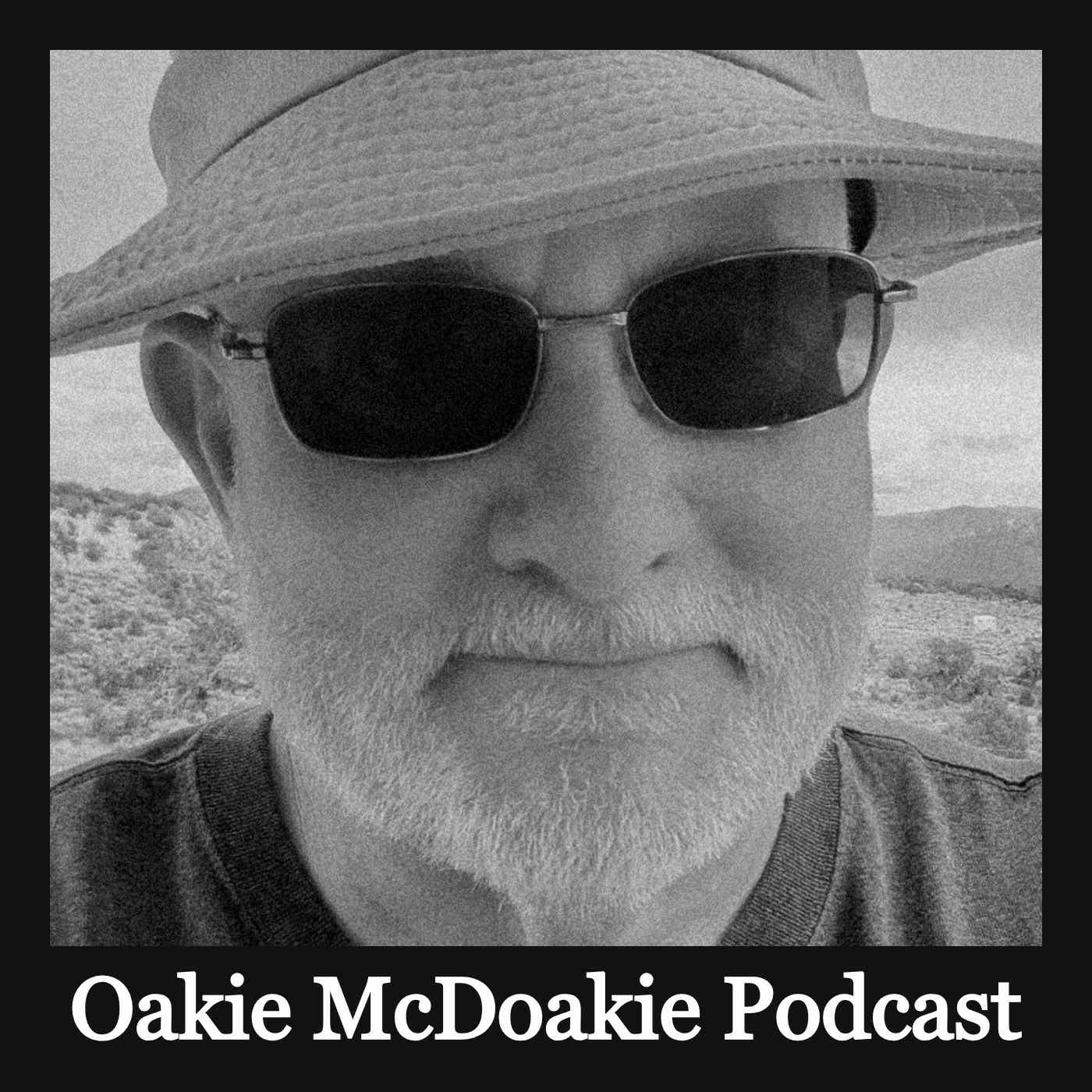
Oakie McDoakie Podcast
by Oakie McDoakie
Essays from the Taos Mesa: hermit life, pit bull wisdom, local history, and living the Good Life off-grid. oakiemcdoakie.substack.com
-
26
Medical Prepping for the Problems You’ll Actually Face
Free to Read. Pay if you want. Tips welcome. Wisdom cheap.A recent agony of bubble guts and the trots got me thinking about the real kinds of medical problems I might face in some kind of social collapse or supply chain disruption.Even now in ordinary times, I get tummy problems 2 or 3 times a year. Nothing dramatic. Just enough to knock me off my game for a couple of days. You don’t eat right. You don’t think clearly. You get tired. You start wondering how long you could keep functioning like that if things didn’t improve.Which led me to wonder if a lot of prepper medical advice might be a little ass-backwards. There’s a strong focus on fish antibiotics, trauma kits, and how to handle worst-case scenarios—extracting bullets and all that. How often would that kinda thing really come up?During the Civil War, about two-thirds of soldiers didn’t die from bullets—they died from disease. A lot of that was illnesses that cause diarrhea. In other words, bad water and poor sanitation were deadlier than enemy fire. That’s not just a historical curiosity. It points to a pattern.Most of the sicknesses that actually knock people down—and sometimes kill them—aren’t dramatic. They’re ordinary problems that get out of control: stomach bugs, respiratory infections, skin issues, small wounds that don’t get cleaned properly. Take away clean water, easy access to care, poor nutrition, or just the ability to rest and recover, and those problems can get dangerous.80/20 Rule for Medical PreparednessMy general approach to prepping is to follow the 80/20 rule: plan for what’s most likely to happen and cause most of the trouble. And when you look at it that way, a pretty consistent pattern emerges. Across a wide range of real-world situations, the same categories keep showing up:* Respiratory infections* Diarrheal illness* Skin conditions (rashes, athlete’s foot, etc.)* Minor wounds and injuries (scrapes, cuts, blisters)* Chronic condition flare-upsThat’s roughly in order of how often they come up, and it makes intuitive sense. It’s what people deal with in everyday life—just with fewer safety nets when something goes wrong.So that’s what I’m going to prepare for. The medications and supplies I’m talking about aren’t exotic. Most of them are things you probably already have—or should have—under normal circumstances. The difference is being a little more deliberate about it, and maybe keeping a bit extra on hand in case resupply gets harder. (Never forget those COVID supply chain hiccups!)Mind you, none of this works very well if your sanitation falls apart. Clean water, handwashing, and basic food safety do more to prevent these problems than anything in your medicine cabinet. The best medical prep is not getting sick in the first place!Here’s what a basic medical stockpile looks like—mostly stuff you’re already familiar with.Basic Medical Prepping Shopping ListRespiratory infectionsMost respiratory issues are viral or allergic. You’re not curing them—you’re managing symptoms so you can rest and recover.* Acetaminophen* Ibuprofen* Thermometer* Cough suppressant (dextromethorphan)* Expectorant (guaifenesin)* Oral antihistamine* One non-drowsy option (loratadine or cetirizine)* One sedating option (diphenhydramine)* Decongestant (pseudoephedrine or phenylephrine)* Saline nasal spray* Basic masks (surgical or N95)Diarrheal illnessThis is where things can go sideways fast. The biggest risk is dehydration and electrolyte imbalance.* Oral rehydration salts (ORS, e.g., Pedialyte)* Electrolyte drink mixes (e.g., Gatorade)* Bismuth subsalicylate (e.g., Pepto-Bismol)(Avoid in children or teens with viral illness due to the risk of Reye’s syndrome.)* Loperamide (e.g., Imodium)* Oral syringes or measuring cups* Water purification method (tablets, filter, boiling, or bleach)ORS is specifically formulated to maximize fluid absorption when your gut isn’t working well. Sports drinks help, but they’re not the same thing. One important note: avoid loperamide if there’s fever or bloody diarrhea, since your body may be trying to clear an infection.Skin conditionsThese won’t usually kill you, but they can spiral into infections if ignored.* Hydrocortisone cream* Antifungal cream (clotrimazole or terbinafine)* Oral antihistamine* Calamine lotion* Antiseptic solution (iodine or chlorhexidine)* Clean cloths or gauzeIf you’re not sure what you’re dealing with, don’t throw everything at it at once—especially steroid creams, which can make some infections worse.Minor wounds and injuriesMost serious infections start small, so the key is dealing with them early.* Clean water or saline for irrigation* Gauze pads* Adhesive bandages* Medical tape* Antiseptic wipes or solution* Antibiotic ointment* Tweezers* Small scissors* Wound closure strips (Steri-Strips)* Moleskin or blister pads* Disposable glovesClean it early, keep it clean, and check it regularly. If it’s getting more red, swollen, painful, or starts draining, that’s a sign things are going the wrong way.Chronic condition flare-upsThis is the trickiest category—and often the most important. There’s no real backup to the normal supply chain for prescription medications, and you can’t legally stockpile large amounts in the U.S. But anything you can do to build a small buffer is a smart move. (Read my post on how there’s no Plan B for prescriptions.)* Prescription medications (personal)* Backup supply of critical meds* Inhalers (if applicable)* EpiPen (if applicable)* Glucometer and test strips (if diabetic)* Blood pressure cuff* Spare glasses or contact lenses* Contact lens solution* Pill organizer or medication trackerOther Common ProblemsUrinary Tract InfectionsOne thing not on that previous list, but worth mentioning, is urinary tract infections—especially for women. They’re common, painful, and can get worse if ignored.Over-the-counter meds like phenazopyridine (Azo) can help with the discomfort, but they don’t treat the infection itself. Fluids help, but if it doesn’t improve, you’re likely going to need antibiotics.In other words, this is one of those edge cases where the limits of a home setup show up pretty quickly.Dental PainTooth problems are another common issue that can get bad fast. A small cavity or lost filling can turn into serious pain in a hurry. Clove oil (eugenol) can help numb the area temporarily, and over-the-counter temporary filling material can buy you time. Like UTIs, though, this is one of those problems that often needs real dental care sooner rather than later.When This Isn’t EnoughThis kind of basic setup handles a lot of everyday problems—but it has real limits. If symptoms are getting worse instead of better, if you can’t keep fluids down, if there’s high fever, severe pain, confusion, or anything that just feels like it’s going sideways fast, you’re out of “manage it at home” territory.At that point, the goal isn’t to push through—it’s to get real medical help if you can.What About the Serious Stuff?Now, some of you are probably thinking: what about the serious stuff? Severe infections, trauma, the situations where the stakes are high and the wrong move really matters—and when skilled medical help isn’t around.Fair—but that’s a different level of prepping, and it starts with training, not gear. You need to be able to recognize what’s happening, decide what matters, and use the right tool under pressure. That’s not something you pick up from a list or a stocked cabinet.First aid and CPR courses are a good start, and a bleeding control class is even better. From there, you can go deeper—wilderness medicine, EMT training, and so on. There are books that can help too, like Where There Is No Doctor, which focuses less on tools and more on how to think through medical problems when help isn’t readily available.You’ll sometimes hear people talk about stockpiling antibiotics—including veterinary products—as a workaround. Maybe, maybe not. Either way, that’s not the real issue. The hard part isn’t getting your hands on pills—it’s knowing when they’re appropriate, which one to use, and how to dose and duration it correctly. That’s where laymen who treat themselves go wrong.Getting some medical training is worth exploring if you want to go further. But most people try to skip straight to the advanced stuff without ever getting good at the basics—and the basics are what you’re most likely to need.My Recommendation? Start With That Basic StockpileThere’s nothing wrong with going deeper into medical training. In fact, it’s probably one of the most useful things you can do if you’re serious about preparing for the worst possible scenarios. But it’s not where most people should start, IMHO.Start with what actually happens most of the time. Start with what you can understand, use, and maintain right now.That’s where I’m starting. Maybe I’ll move on to formal training down the road. But for now, I’m headed to the drug store to fill out this list.That’ll get me 90% of the way there—or better.Free to Read. Pay if you want. Tips welcome. Wisdom cheap. Get full access to Oakie McDoakie at oakiemcdoakie.substack.com/subscribe
-
25
Why Aren't Earthships Everywhere by Now?
Free to Read. Pay if you want. Tips welcome. Wisdom cheap.Earthships put Taos on my map 40 years ago, back when I was a teenager flipping through the 1986 edition of The Essential Whole Earth Catalog. I dreamed of building one someday.If you’ve never heard of Earthships, they’re partially buried homes. Usually in a D-shape, the curved side is a wall of stacked tires rammed full of dirt, then buried on the backside with a berm. The straight side is all south-facing windows. Done right, passive solar and thermal mass work together to keep a comfortable temperature year-round—no furnace or AC needed. Add solar panels and rain catchment, and you can run largely off-grid with minimal to no utility bills. Mostly built of trash and dirt. Pioneering idea.They tend to be pretty, too, with indoor gardens behind the glass wall, colorful stucco work, and artistically curved, non-supporting walls made of reclaimed glass bottles and mortar—kinda like stained glass.While I never followed through on plans to attend Earthship Biotecture and learn to build them, I did stay in one years ago. It was 2000. My then-fiancée and I rented one for the night—at top dollar, mind you—while passing through Taos on a road trip.It was wonderful and worth every penny. I’d never slept in a house that felt so still and clean. The air smelled like earth, sun-warmed wood, and green plants. No plastic carpet smell. No stale ductwork funk. Just quiet and fresh.Fate is a funny thing. Now I live on the Taos West Mesa, only 2 miles as the crow flies from Earthship Biotecture and the Greater World Earthship Community. I pass those houses every time I head to town.When I bought Hippies End four years ago, I didn’t have a house plan. Kind of an impulse buy. My mind quickly turned to building an Earthship or something similar to finally live the dream. What I quickly realized was: Wow! That’s going to be a lot of work!It was just me—limited tools, limited skills, limited money—and just a few months before the first snow. So I gave up on earthen building, bought a cabin shell sold as a “shed,” finished out the inside, and Bob’s your uncle—I had a livable place in time for winter.And you know what? I managed to get most of what Earthships promise—no utility bills, near self-sufficiency in heating, electricity, and water—for a fraction of the time, labor, and cost. That’s when I started questioning the unassailable excellence of Earthships. I still think they’re pretty cool, but they’re not perfect. They have their tradeoffs, like any technology.The biggest tradeoff is labor. Earthships take a lot of it—before and after the build—and you’re going to pay for it with your back or your wallet.Recent estimates for Earthships built with hired labor run about $250–400 per square foot, sometimes more. Pounding dirt into tires takes a lot of manual work. If you do it yourself—maybe with buddies paid in beer and pizza—that’s time you could be earning better pay. And if you hire people, they’re not going to be cheap—not in this economy, where even entry-level fast food jobs pay enough to make hard labor a hard sell.Some builders get around the labor problem with workshops and volunteer crews, trading time and coordination for cash. That can work, especially if you’re plugged into that community. But it’s still a lot of time, coordination, and people willing to show up. For most folks, that’s not a small ask—it’s a lifestyle.Experienced builders say a single tire can take 20–30 minutes to pack properly. Multiply that by 800–1,500 tires for a mid-sized Earthship, and you’re looking at 300–500 hours just pounding tires. That’s weeks of full-time work—and that’s only the walls. You haven’t even started on the rest of the house, or paid for those big south-facing windows.A conventional new home in 2025 is often closer to about $150–250 per square foot, depending on region.Earthship promoters will tell you the higher upfront costs pay for themselves in a lifetime of utility savings. That might be true. Over decades, avoiding utility bills and maintaining HVAC systems might shift the math for some owners. But upfront costs still matter. Most prospective homeowners aren’t exactly flush with cash. Even if they can get financing, there are limits to what they can afford to put down and pay each month.And labor isn’t the only barrier. Earthships can also be harder to permit, finance, insure, and resell. Banks like houses they can compare to other houses. Inspectors like systems they’ve seen before. When every build is custom and unconventional, it’s harder for anyone to sign off on it. That doesn’t make Earthships bad—but it does make them harder to get built in the first place.Oh, what did my little cabin cost, by the way? Less than $120 per square foot for near-complete solar power and basic water independence.Granted, my tiny cabin can’t quite perform like an Earthship. I don’t have thermal mass to stabilize indoor temperatures—though passive solar and an electric mattress pad keep me warm in winter, and a swamp cooler takes the edge off in summer. I collect enough rainwater for my needs, but I don’t have plumbing or graywater and blackwater systems for in-house treatment. And I don’t have the in-floor, indoor garden or the pretty custom bottle and broken tile walls.So no, it’s not a perfect apples-to-apples comparison. What I built works for me—but it’s a simpler, more minimalist version of off-grid living than what Earthships aim for.Still, it was much cheaper and much easier to put together as an owner-builder.I didn’t do anything brilliant. I just paid attention to orientation, insulated the hell out of it (rockwool, not fiberglass—mice won’t nest in it), and made a few smart choices. I don’t see any reason most people couldn’t get similar results with conventional building techniques, especially if they borrow a few tricks from passive house design.Makes you wonder why anyone would build an Earthship at all, doesn’t it? When you can get a good-enough off-grid setup with much less effort and money? It goes a long way toward explaining why they’ve stayed niche.Then there’s the other kind of labor: keeping the thing running.The problem is that everything is custom and unconventional. If your AC goes out in a normal house, or you need new siding or roofing, there are competing companies to call. But who are you going to call to fix a crack in your bottle-and-mortar wall? Or troubleshoot an unconventional graywater system?You might find someone. But it’ll likely be harder, slower, and more expensive. Or you’ll end up doing it yourself.That’s fine if you enjoy that sort of thing—and if you’ve got the time and strength of body for it.Most people, sooner or later, don’t.They’re also more climate-sensitive than the marketing suggests. The passive solar and thermal mass work beautifully in dry, sunny places like Taos, but in wetter or cloudier climates, builders have run into persistent moisture and ventilation problems.Earthships aren’t perfect. No building technology is. In practice, labor ends up being their biggest limitation—but the other hassles matter too.Even if you want an earthen house, other approaches like adobe, rammed earth, and earthbags can be cheaper, easier to build, and easier to get approved—depending on where you live. New Mexico, for example, actually has alternative building codes that accommodate some of these technologies.Few are as pretty as Earthships, though, I’ll admit. Sure wouldn’t mind a tropical garden growing out of my floor and fed on kitchen graywater, huge banana plants and all—not to mention the gorgeous, custom design work so many owner-builders create.And to be fair, there are people who’ve lived in Earthships for decades and swear by them, especially in places where the climate suits the design. For them, it’s been worth every blister, every backache, and every penny.But in the end, most people aren’t looking for a house that doubles as a long-term project. They want something affordable that works and makes their lives easier.Earthship designers never quite figured out how to make that happen for most people. That’s their Achilles heel.Free to Read. Pay if you want. Tips welcome. Wisdom cheap. Get full access to Oakie McDoakie at oakiemcdoakie.substack.com/subscribe
-
24
Rattlesnakes Are Out—Sing to Them!
Podcast written and read by Oakie McDoakie.A childhood lesson in snake lore, and why I still sing when I walk—if only to keep from getting bitten.Read the essay, comment, and subscribe at OakieMcDoakie.Substack.com.If you liked this podcast, you can tip me on Ko-fi.com/oakiemcdoakie, or follow me on Substack and the socials — just head over to OakieMcDoakie.com. Get full access to Oakie McDoakie at oakiemcdoakie.substack.com/subscribe
-
23
Rough Trail Ahead – Prep But Don't Overprep
Free to Read. Pay if you want. Tips welcome. Wisdom cheap.Almost 200 years ago, folks setting out on the Oregon Trail faced a predicament: take too little, and you might not make it. Take too much, and you might not make it either. Successful preparation was as much about knowing what to leave behind as it was about what to take.A typical wagon could carry around 2,000 pounds, give or take. Out of that, you needed 4–6 months of food for every person in your family. Then came the basics of living along the trail—clothing, bedding, cooking gear, firearms. And finally, whatever tools you thought you’d need to build a life at the other end.And there was no way to know, at the start, which of those choices would matter most. The best you could do was prepare for the most likely scenarios. If something unlikely came up? Well, then you were depending on God, your guides, your fellow travelers, and your own ingenuity.Naturally, a lot of folks overpacked—trying to prepare for anything and everything, or hauling sentimental items. The trail was littered with cast-off “essentials” that turned out not to be essential after all.It was a dangerous journey, as the old video game taught us. Still, something like 90–94% of travelers made it to the other end. (Sadly, many who didn’t were the most vulnerable—especially children.)What to take and what to leave is a conundrum we’re facing right now.We are all embarking on a rough journey—mostly not of our choosing. Or maybe it’s better to say a storm is about to hit. Any way you put it, there are plenty of solid reasons to think the next few years could be tough going.Like the Oregon Trail migrants, making it through is gonna be a balancing act of some preparation, but not too much. Easier said than done.I’ve been getting ready since COVID shook my faith in supply chains. Think I’m pretty well set up at this point. Still, I have my moments. Mostly, it shows up as the urge to do something—anything—just to feel like I’m taking the bull by the horns.Take rising gas prices—up more than a dollar per gallon in the USA, with the potential to go much higher. Knowing that almost had me do something rash.See, my van is getting up there, close to 200,000 miles. I’d been considering getting a new-to-me vehicle, leaning toward a used Chevy Bolt EV and a huge bank of solar panels to charge it up. But having run the numbers, and having replaced almost everything you’d expect the van would need replacing at this age, it became clear that it’s worth my while to keep driving it for 4–5 more years. That’s been the plan.Then the Persian Gulf troubles started and the gas prices went up. I felt a knee-jerk panic. Started searching online for used Chevy Bolts and other EVs because … I’m not sure. I guess I thought a gas-less vehicle would solve some hazy problem I don’t actually have yet.I took a deep breath. I remembered my van plan. Then I remembered a couple other things. First, the USA probably won’t run out of gas, whatever the price climbs to. Second, I can deal with the price hike by driving less. If I need to, I can carpool or swap trips with neighbors. If gas gets much higher for a while, expensive solutions aren’t necessary. Better to stick with the van plan and consider small adaptations.In other words, I caught myself trying to load more on my wagon.Same thing happened with my retirement savings. I had a couple panicky hours where I looked at shifting my balance of cash, bond, and stock funds. My existing plan turned out to be just fine, with maybe the smallest of tweaks being smart but not essential. Not a perfect plan, but good enough.There isn’t really anything for me to do at this point. I’ve set up my systems and buffed my supplies of essentials (like my 3-month Everlasting Pantry). I’m as prepared as I can be without overloading my wagon, so to speak. Ready for the most likely problems. Anything unlikely or overwhelming comes up, well, I’ll just have to adapt. We all will.This isn’t an argument for doing nothing. It’s an argument for not acting rashly in panic.Yes, take some sensible steps if you haven’t already. But after that? Hurry up and wait.See, what I’m noticing in myself—and I suspect I’m not alone—is that the urge to act often comes before there’s anything real to respond to. It’s not about solving a problem. It’s about relieving the anxiety of the unknown.But that feeling isn’t a good guide. It pushes toward big, expensive, irreversible decisions—loading up the wagon with things that might never be needed.The folks on the Oregon Trail didn’t have the luxury of perfect foresight. Neither do we. The best they could do was prepare for likely problems and accept that some problems might be out of their hands. Too much weight slowed them down. Too little left them exposed. Getting it right wasn’t about eliminating uncertainty. It was about living with it.And that’s the part we don’t like. We want some control over how things turn out. We want to anticipate, head it off, make the right moves now so nothing goes wrong.But none of us has a crystal ball. Not on the Oregon Trail, and not now. The future isn’t ours to command. What is, is smaller: some sensible preparation, and how we carry ourselves along the way.I’m trying to sit with that—to breathe in and out calmly, holding that truth, even though I’m not entirely comfortable.I’ve got a good setup here at Hippies End. I’ve got a plan for the van. I’ve got a plan for my savings. I’ve got a little margin in the pantry and in my life. Most importantly, I’ve got knowledge. That’s gotta be enough.The disasters of the future aren’t something I can solve today. Don’t even know what kind of disasters are coming for sure!So for today, I’m resisting the urge to fix problems I don’t have yet. To keep my load light enough to move when I need to, and heavy enough to handle what’s likely to come.And when something unexpected does come up—because it always does—I’ll deal with it then. Same as anyone else. Same as the pioneers did.No point piling anything else onto my wagon.Free to Read. Pay if you want. Tips welcome. Wisdom cheap. Get full access to Oakie McDoakie at oakiemcdoakie.substack.com/subscribe
-
22
Audio Essay - Hard Times A’Comin’? – Build a 3-Month Food Supply
Podcast written and read by Oakie McDoakie.Real food you already eat—organized into a simple Everlasting Pantry that will quietly carry your household through a supply shock.Read the essay, comment, and subscribe at OakieMcDoakie.Substack.com.If you liked this podcast, you can tip me on Ko-fi.com/oakiemcdoakie, or follow me on Substack and the socials — just head over to OakieMcDoakie.com. Get full access to Oakie McDoakie at oakiemcdoakie.substack.com/subscribe
-
21
Audio Essay - The Free Sovereign State of Oaktopia
Podcast written and read by Oakie McDoakie.How creating a joke nation taught me where our origin stories come fromRead the essay, comment, and subscribe at OakieMcDoakie.Substack.com.If you liked this podcast, you can tip me on Ko-fi.com/oakiemcdoakie, or follow me on Substack and the socials — just head over to OakieMcDoakie.com. Get full access to Oakie McDoakie at oakiemcdoakie.substack.com/subscribe
-
20
Audio Essay - What Comes After the American Dream?
Podcast written and read by Oakie McDoakie.How I stopped relying on that old myth and learned to live without one.Read the essay, comment, and subscribe at OakieMcDoakie.Substack.com.If you liked this podcast, you can tip me on Ko-fi.com/oakiemcdoakie, or follow me on Substack and the socials — just head over to OakieMcDoakie.com. Get full access to Oakie McDoakie at oakiemcdoakie.substack.com/subscribe
-
19
Audio Essay - Potatoes, Goats, and the Logic of Place
Podcast written and read by Oakie McDoakie.About rethinking water, labor, and livestock on a dry New Mexico hillsideRead the essay, comment, and subscribe at OakieMcDoakie.Substack.com.If you liked this podcast, you can tip me on Ko-fi.com/oakiemcdoakie, or follow me on Substack and the socials — just head over to OakieMcDoakie.com. Get full access to Oakie McDoakie at oakiemcdoakie.substack.com/subscribe
-
18
Audio Essay - Prepping Weakpoint: No Plan B for Your Daily Pills
Podcast written and read by Oakie McDoakie.Most essentials can be stockpiled or substituted. Modern medicine mostly can’t—and millions rely on it to survive.Read the essay, comment, and subscribe at OakieMcDoakie.Substack.com.If you liked this podcast, you can tip me on Ko-fi.com/oakiemcdoakie, or follow me on Substack and the socials — just head over to OakieMcDoakie.com. Get full access to Oakie McDoakie at oakiemcdoakie.substack.com/subscribe
-
17
Audio Essay - The Overblown Mystery of Chaco Canyon’s 'Collapse'
Podcast written and read by Oakie McDoakie.How early archeologists confused themselves by stubbornly ignoring traditional Pueblo history.Read the essay, comment, and subscribe at OakieMcDoakie.Substack.com.If you liked this podcast, you can tip me on Ko-fi.com/oakiemcdoakie, or follow me on Substack and the socials — just head over to OakieMcDoakie.com. Get full access to Oakie McDoakie at oakiemcdoakie.substack.com/subscribe
-
16
Audio Essay - Life Is Often Ordinary During Extraordinary Events
Podcast written and read by Oakie McDoakie.What Gen X Russians remember about living through the collapse of the USSR—while still having to pay the bills!Read the essay, comment, and subscribe at OakieMcDoakie.Substack.com.If you liked this podcast, you can tip me on Ko-fi.com/oakiemcdoakie, or follow me on Substack and the socials — just head over to OakieMcDoakie.com. Get full access to Oakie McDoakie at oakiemcdoakie.substack.com/subscribe
-
15
Audio Essay - Prepping for ‘Heck’, Not Hell
Podcast written and read by Oakie McDoakie.About prepping as risk management for disruptions you’ll likely face—those that look more like COVID than the apocalypseRead the essay, comment, and subscribe at OakieMcDoakie.Substack.com.If you liked this podcast, you can tip me on Ko-fi.com/oakiemcdoakie, or follow me on Substack and the socials — just head over to OakieMcDoakie.com. Get full access to Oakie McDoakie at oakiemcdoakie.substack.com/subscribe
-
14
Audio Essay - Indiana Jones Lived Just Up the Road From Me!?
Podcast written and read by Oakie McDoakie.How a tiny railroad town on the New Mexico-Colorado border became Indiana Jones’s childhood homeRead the essay, comment, and subscribe at OakieMcDoakie.Substack.com.If you liked this podcast, you can tip me on Ko-fi.com/oakiemcdoakie, or follow me on Substack and the socials — just head over to OakieMcDoakie.com. Get full access to Oakie McDoakie at oakiemcdoakie.substack.com/subscribe
-
13
Audio Essay - 'Social Collapse' Is Just Social Change That Hurts
Podcast written and read by Oakie McDoakie.How societies outlive the stories they once told about who “we” areRead the essay, comment, and subscribe at OakieMcDoakie.Substack.com.If you liked this podcast, you can tip me on Ko-fi.com/oakiemcdoakie, or follow me on Substack and the socials — just head over to OakieMcDoakie.com. Get full access to Oakie McDoakie at oakiemcdoakie.substack.com/subscribe
-
12
Audio Essay - The Limits of Self-Sufficiency
Podcast written and read by Oakie McDoakie.What building an off-grid cabin taught me about dependence, power, and freedomRead the essay, comment, and subscribe at OakieMcDoakie.Substack.com.If you liked this podcast, you can tip me on Ko-fi.com/oakiemcdoakie, or follow me on Substack and the socials — just head over to OakieMcDoakie.com. Get full access to Oakie McDoakie at oakiemcdoakie.substack.com/subscribe
-
11
Audio Essay: A Perfectly Adequate Christmas Dinner at the Ohkay Casino
Podcast written and read by Oakie McDoakie.An story about prime rib, slot machines, and my increasingly lazy merrymakingRead the essay, comment, and subscribe at OakieMcDoakie.Substack.com.If you liked this podcast, you can tip me on Ko-fi.com/oakiemcdoakie, or follow me on Substack and the socials — just head over to OakieMcDoakie.com. Get full access to Oakie McDoakie at oakiemcdoakie.substack.com/subscribe
-
10
Audio Essay: Collapse Needs More Than Farmers and Fighters
Podcast written and read by Oakie McDoakie.All about why storytelling, writing, counseling, teaching, and other “soft” skills still matter in a social collapseRead the essay, comment, and subscribe at OakieMcDoakie.Substack.com.If you liked this podcast, you can tip me on Ko-fi.com/oakiemcdoakie, or follow me on Substack and the socials — just head over to OakieMcDoakie.com. Get full access to Oakie McDoakie at oakiemcdoakie.substack.com/subscribe
-
9
Podcast - The Trouble With Being a Hermit in New Mexico
Podcast written and read by Oakie McDoakie.An exploration of Giovanni Maria de Agostini, Hermit Peak, and the uneasy art of solitude.Read the essay and join the comments at OakieMcDoakie.Substack.com.If you liked this podcast, you can tip me on Ko-fi.com/oakiemcdoakie, or follow me on Substack and the socials — just head over to OakieMcDoakie.com. Get full access to Oakie McDoakie at oakiemcdoakie.substack.com/subscribe
-
8
Podcast - What Is a Hermit (and Do I Qualify)?
Podcast written and read by Oakie McDoakie.A tale of two solitaries—what makes a Hermit, what makes a Grinch, and how to tell these two oddballs apart.Read the essay and join the comments at OakieMcDoakie.Substack.com.If you liked this podcast, you can tip me on Ko-fi.com/oakiemcdoakie, or follow me on Substack and the socials — just head over to OakieMcDoakie.com. Get full access to Oakie McDoakie at oakiemcdoakie.substack.com/subscribe
-
7
Podcast - How Much Money Is ‘Enough’? Depends How Crazy You Want to Be
Podcast written and read by Oakie McDoakie.Neither crippling poverty nor billionaire weirdness: Here’s what centuries of wisdom say about finding the safe and sane middle.Read the essay and join the comments at OakieMcDoakie.Substack.com.If you liked this podcast, you can tip me on Ko-fi.com/oakiemcdoakie, or follow me on Substack and the socials — just head over to OakieMcDoakie.com. Get full access to Oakie McDoakie at oakiemcdoakie.substack.com/subscribe
-
6
Podcast - Colorado Amish? Yes! Just North of Taos, New Mexico!
Podcast written and read by Oakie McDoakie.A wander up the road into a surprisingly modern Old Order community—and the bargains I couldn’t resist.Read the essay and join the comments at OakieMcDoakie.Substack.com.If you liked this podcast, you can tip me on Ko-fi.com/oakiemcdoakie, or follow me on Substack and the socials — just head over to OakieMcDoakie.com. Get full access to Oakie McDoakie at oakiemcdoakie.substack.com/subscribe
-
5
Podcast - Taos Ski Valley: Company Cops and $8 Bacon
Podcast written and read by Oakie McDoakie.A look at the “quaint village” above Taos—the luxury elite retreat where the air is thin and the poors aren’t welcome.Read the essay and join the comments at OakieMcDoakie.Substack.com.If you liked this podcast, you can tip me on Ko-fi.com/oakiemcdoakie, or follow me on Substack and the socials — just head over to OakieMcDoakie.com. Get full access to Oakie McDoakie at oakiemcdoakie.substack.com/subscribe
-
4
Podcast - Turns Out Prepping for the Apocalypse Is a Pain
Podcast written and read by Oakie McDoakie.A reflection on why self-reliance ain’t the heaven I imagined — and why I’m this close to swapping the vegetable beds for rocks.Read the essay and join the comments at OakieMcDoakie.Substack.com.If you liked this podcast, you can tip me on Ko-fi.com/oakiemcdoakie, or follow me on Substack and the socials — just head over to OakieMcDoakie.com. Get full access to Oakie McDoakie at oakiemcdoakie.substack.com/subscribe
-
3
Podcast - “I Don’t Know”: The Three Hardest Words to Say in English
Podcast written and read by Oakie McDoakie.A reflection on how I learned to live in blissful ignorance — and stopped chasing the Answer to Life, the Universe, and Everything.Read the full essay and join the comments at OakieMcDoakie.Substack.com. Get full access to Oakie McDoakie at oakiemcdoakie.substack.com/subscribe
We're indexing this podcast's transcripts for the first time — this can take a minute or two. We'll show results as soon as they're ready.
No matches for "" in this podcast's transcripts.
No topics indexed yet for this podcast.
Loading reviews...
ABOUT THIS SHOW
Essays from the Taos Mesa: hermit life, pit bull wisdom, local history, and living the Good Life off-grid. oakiemcdoakie.substack.com
HOSTED BY
Oakie McDoakie
CATEGORIES
Loading similar podcasts...
Frequently Asked Questions
How many episodes does Oakie McDoakie Podcast have?
Oakie McDoakie Podcast currently has 24 episodes available on PodParley. New episodes are automatically indexed when they're published to the podcast feed.
What is Oakie McDoakie Podcast about?
Essays from the Taos Mesa: hermit life, pit bull wisdom, local history, and living the Good Life off-grid. oakiemcdoakie.substack.com
How often does Oakie McDoakie Podcast release new episodes?
Oakie McDoakie Podcast has 24 episodes. Check the episode list to see recent publication dates and frequency.
Where can I listen to Oakie McDoakie Podcast?
You can listen to Oakie McDoakie Podcast on PodParley by clicking any episode. We provide an embedded audio player for direct listening, and you can also subscribe via your preferred podcast app using the RSS feed.
Who hosts Oakie McDoakie Podcast?
Oakie McDoakie Podcast is created and hosted by Oakie McDoakie.
URL copied to clipboard!