
PODCAST · science
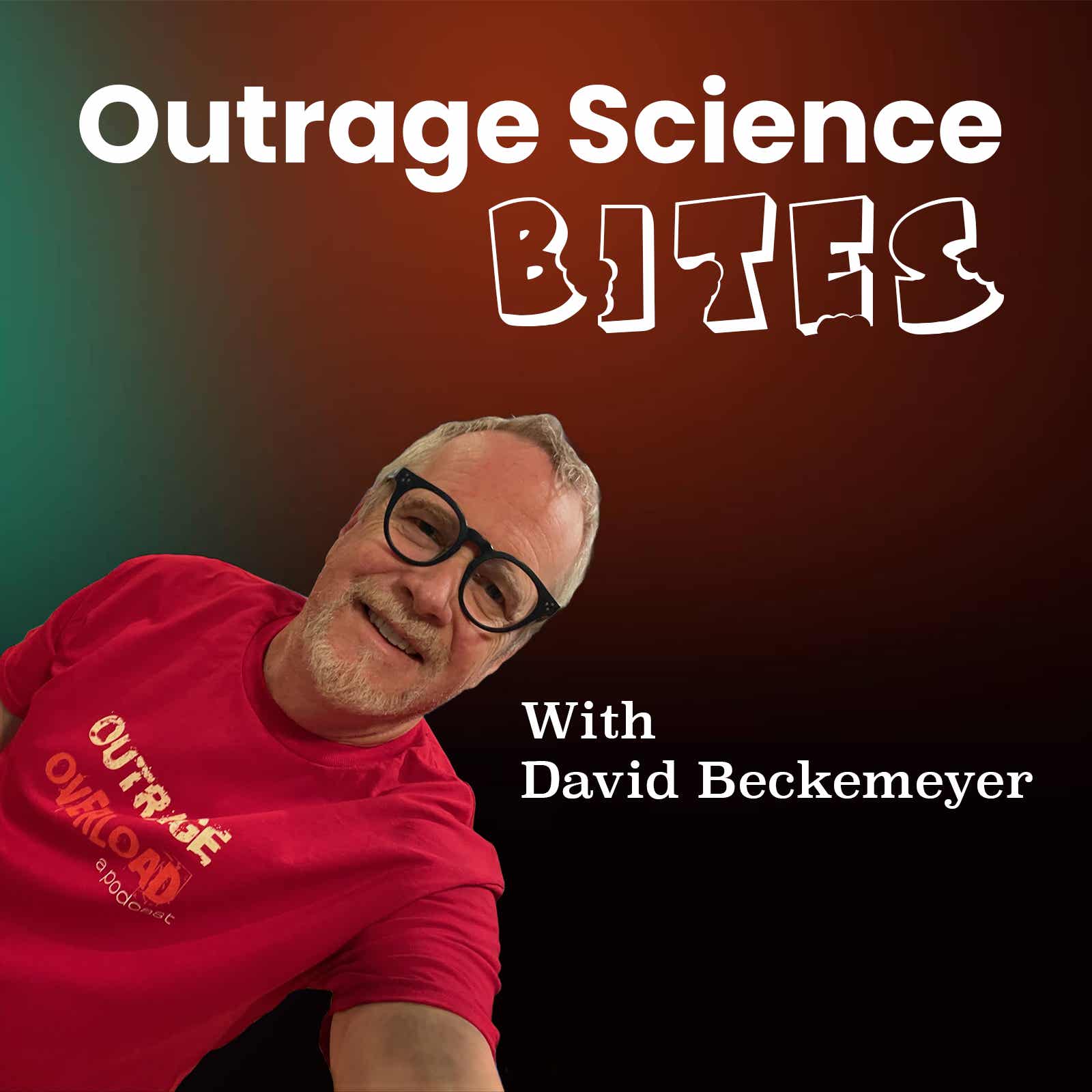
Outrage Science Bites
by David Beckemeyer
I’m publishing one podcast episode per day again in the month of November 2025 as part of a challenge called NaPodPoMo. It stands for National Podcast Post Month. November is National Podcast Post Month, and the goal of the challenge is 30 podcast episodes in 30 days. These will be bite-sized episodes related to the Outrage Overload podcast, on various topics, such as describing scientific phenomena discussed on the show. outrageoverload.substack.com
-
91
Conflict Tools for a Fractured Democracy - NaPodPoMo 2025 Day 30
Day 30—the final episode of our 30-day journey into bridging our divides.Over the last month, we’ve explored everything from navigating disinformation and polarization to building trust and transforming how we relate to one another. We’ve covered big challenges — and big ideas. And today, we’re closing out with something vital: practical exercises.We’re joined once again by Guy and Heidi Burgess of Beyond Intractability. Guy walks us through a set of real-world conflict resolution exercises designed to help people manage deep political and moral disagreements more constructively — and with more respect.Bridging isn’t just a concept. It’s something we do.And these skills help us take that first step.And that’s a wrap on our NaPodPoMo 2025 challenge!Thirty episodes in thirty days.Thank you for listening, for caring, and for joining me in this work of rebuilding trust — one conversation at a time.A huge thank you to:* Karissa Raskin - CEO, Listen First Project* Paul Resnick - Michael D Cohen Collegiate Professor of Information and Professor of Information, School of Information* Kira Hamman - Senior Director of Programs, Urban Rural Action* Kamy Akhavan - Managing Director, the Center for the Political Future (CPF) at the University of Southern California* Adam Mizel - Co-Founder & CEO, US United* Mat Cotton - US Bahai Office of Public Affairs Race Discourse Officer, Baha’is of the United States* Melanie Trecek-King - Associate Professor of Biology at Massasoit Community College and Creator of Thinking Is Power* Tania Israel - Professor, Counseling, Clinical, and School Psychology - UC Santa Barbera* June Klees - Historian and educator at Bay College in Michigan* James Coan - Co-Founder and Executive Director, More Like Us* Guy and Heidi Burgess - Lifelong educators and conflict resolution pioneers, Co-Directors of the Conflict Information Consortium, Beyond Intractability, and the free BI Substack Newsletter* Calista Small - Research Manager, More in Common* Tim Jones - Founder & Executive Director, Longer Tables* Kate Ullman - Executive Director, Legislative Semester; CoFounder and Chair, Wisconsin Civic Learning Coalition* Lisa Swallow - Co-Founder, Crossing Party LinesLearn more: OutrageOverload.net BI Exercises, Online Tutorials, and SimulationsJoin the movement to lower the temperature: Count Me In for Calm Get full access to Outrage Overload Newsletter at outrageoverload.substack.com/subscribe
-
90
Dialogue vs. Discourse: Understanding the Difference - NaPodPoMo 2025 Day 29
Day 29 of our 30-day challenge, bringing us near the conclusion of our deep dive into bridging our divides.We’ve talked a lot about connection, listening, and disagreement—but there’s a subtle distinction that can make or break your efforts: the difference between dialogue and discourse.In the context of bridging, these words aren’t interchangeable. Dialogue is a cooperative exchange aimed at understanding, while discourse can often be adversarial, aiming to persuade or argue. Recognizing which approach you’re in — and which is appropriate — is key to successful connection across differences.Today’s audience question:How do dialogue and discourse differ in the bridging context — and why does that distinction matter?Answering that is Tania Israel, Professor of Counseling Psychology at UC Santa Barbara and award-winning author of Beyond Your Bubble: How to Connect Across the Political Divide. Tania breaks down how to identify and intentionally use dialogue to foster understanding, even with those you strongly disagree with.Learn more: OutrageOverload.netJoin the movement to lower the temperature: Count Me In for Calm Get full access to Outrage Overload Newsletter at outrageoverload.substack.com/subscribe
-
89
Rebuilding Our Shared Community Spaces - NaPodPoMo 2025 Day 28
Day 28 of our 30-day challenge, continuing our deep dive into bridging our divides.As we approach the end of this journey, we’re shifting to one of the most action-oriented challenges in the bridging movement:It’s hard to strengthen community when people rarely come together.Neighborhood gathering spots — from local diners to civic clubs — have been fading. Meanwhile, more of our lives have moved online. So how do we create opportunities to reconnect, to show up for one another, and to rebuild a sense of belonging?Our audience question today:What are some ways in our communities to get people together in person, given that we no longer have shared public spaces?To help us explore that, we’re joined by Karissa Raskin, Deputy Director at Listen First. Her work revolves around designing community-centered experiences that make face-to-face dialogue not only possible — but joyful.Karissa offers inspiring and practical ideas for bringing people together again — whether you’re a local organizer or simply a motivated neighbor.Learn more: OutrageOverload.netJoin the movement to lower the temperature: Count Me In for Calm Get full access to Outrage Overload Newsletter at outrageoverload.substack.com/subscribe
-
88
How to Confront Disinformation Without Pushing People Away - NaPodPoMo 2025 Day 27
Day 27 of our 30-day challenge, continuing our deep dive into bridging our divides.Earlier in the series — on Day 9 — we explored how disinformation fuels division with Kamy Akhavan. Today, we’re returning to that same challenge from a new angle.Because sometimes, trying to correct someone’s “facts” can feel like you’re criticizing them — their judgment, their community, even their identity. And that can shut down a conversation faster than anything else.So our audience question today is:What are ways to address disinformation without alienating those who value their own “facts”?To help us with this, we’re joined by Kate Ullman — lifelong educator and Executive Director of Legislative Semester. Kate specializes in helping young people engage across differences and think more deeply about where their beliefs come from.She offers practical strategies for truth-seeking together — without shame, blame, or humiliation.Learn more: OutrageOverload.netJoin the movement to lower the temperature: Count Me In for Calm Get full access to Outrage Overload Newsletter at outrageoverload.substack.com/subscribe
-
87
Rapid-Fire Answers for a Divided World - NaPodPoMo 2025 Day 26
Day 26 of our 30-day challenge exploring how to bridge our divides.For the past few weeks, we’ve featured deep, thoughtful answers to big questions from the Bridging Movement Summit — the real questions people across the country are wrestling with.Today, we’re mixing it up. ⚡️🎧We invited Lisa Swallow — co-founder of Crossing Party Lines and author of Yes, You CAN Talk Politics — to give us Rapid-Fire Answers to a handful of those pressing questions, including:* What systems are primarily causing division, and what can realistically be done to change those systems in the next few years? What’s priority one or two for you?* What should be the limit of civic goodwill — and who gets to decide that?* The panel seems to ask for non–zero-sum engagement — but how can that work with people who only want zero-sum outcomes?* People tend to bond over shared dislike or hatred. How can we harness this bonding energy without it becoming destructive?Learn more: OutrageOverload.netJoin the movement to lower the temperature: Count Me In for Calm Get full access to Outrage Overload Newsletter at outrageoverload.substack.com/subscribe
-
86
The First Step Toward Bridging - NaPodPoMo 2025 Day 25
Day 25 of our 30-day challenge on bridging our divides.Throughout this series, we’ve explored everything from misinformation to emotional regulation to respectful disagreement. We’ve heard from experts on how to talk across political divides and how to shift from debate to deep listening.But with only a few days left in our challenge, it’s time to return to a fundamental question — one that so many people ask:“What’s the first step I should take to build bridges?”Because wanting less division is one thing.Knowing how to begin is another.To help us with that first step is Tania Israel, Professor of Counseling Psychology at UC Santa Barbara and author of the award-winning book Beyond Your Bubble: How to Connect Across the Political Divide.Tania shares a simple, actionable starting point anyone can take — no matter your politics, no matter your comfort level — that makes real connection possible.You don’t need to be an expert. You just need to be curious.Learn more: OutrageOverload.netJoin the movement to lower the temperature: Count Me In for Calm Get full access to Outrage Overload Newsletter at outrageoverload.substack.com/subscribe
-
85
Stop Arguing. Start Understanding - NaPodPoMo 2025 Day 24
Day 24 of our 30-day challenge on bridging our divides.Earlier in this series, on Day 6 and Day 12, we explored a critical question:How do we create an environment for constructive debate — without expecting people to soften their positions?Today, we’re diving deeper with a fresh perspective.The truth is: the key isn’t what we believe, but how we show up to the conversation. When the goal shifts from winning to understanding, everything changes.Joining us is Calista Small, Research Manager at More in Common, where she studies social cohesion and how communities can disagree better.Learn more: OutrageOverload.netJoin the movement to lower the temperature: Count Me In for Calm Get full access to Outrage Overload Newsletter at outrageoverload.substack.com/subscribe
-
84
How to Show Up on Social Media (Productively) - NaPodPoMo 2025 Day 23
Day 23 of our 30-day challenge, continuing our focus on bridging our divides.We’ve talked a lot about the problem of social media — the outrage-driven algorithms, the business model built on engagement, and how quickly online debates can escalate into hostility. Most of us only ever encounter this system at a personal level: one comment thread, one argument, one post at a time.But here’s the challenge:When you try to reduce divisiveness online, how do you avoid getting pulled into exactly the kind of debate you’re trying to fix?How can one individual meaningfully push back against a system designed to fuel conflict?That’s our question today:How can one systemically address divisiveness on social media platforms as an individual without it crumbling into debate where one digs in deeper?Answering that is Kamy Akhavan, former CEO of ProCon.org, America’s leading source of nonpartisan research on controversial issues. With two decades spent helping people understand complex issues beyond the noise, Kamy brings a real-world perspective on how to show up online in ways that shift the culture — not just the argument.Learn more: OutrageOverload.netJoin the movement to lower the temperature: Count Me In for Calm Get full access to Outrage Overload Newsletter at outrageoverload.substack.com/subscribe
-
83
Beyond Talk: Bridging Through Action - NaPodPoMo 2025 Day 22
Day 22 of our 30-day challenge, continuing our deep exploration into bridging our divides.Over the past three weeks, we’ve unpacked the fundamentals of dialogue —how to really listen,how to disagree without dehumanizing,and how to face tough conversations with curiosity instead of combat.But once the chairs are folded and the workshop ends, a big question hangs in the air:“Okay, I talked to the other side. Now what?”Dialogue is crucial. It repairs relationships, reshapes understanding, and opens doors.But on its own, it isn’t enough.Real impact requires action — working together to solve real problems in our communities.Today we’re joined once again by Heidi Burgess from Beyond Intractability, who has been closely tracking the next phase of the bridging movement:➡️ the shift from conversation to collective actionWhat does bridging look like when it moves into the public square?How do we scale goodwill into change people can feel in their daily lives?Learn more: OutrageOverload.netJoin the movement to lower the temperature: Count Me In for Calm Get full access to Outrage Overload Newsletter at outrageoverload.substack.com/subscribe
-
82
What Is Bridging? A Political Commentators Perspective - NaPodPoMo 2025 Day 21
Day 21 of our 30-day challenge, continuing our deep dive into bridging our divides.Throughout this series, we’ve heard from bridge-builders, psychologists, and civic leaders — people who spend every day thinking about how to bring us back together.But today, we’re stepping outside the inner circle of the bridging movement. Because if bridging is going to work, it can’t be just insiders talking to insiders.So we’re revisiting our very first question:What exactly is “bridging”?And today’s answer comes from someone who approaches the idea with a different lens — Ross “Yergz” Yerger, host of the podcast and radio show Up the Middle.Yergz works in the world of everyday political conversation — where most Americans live — and offers a grounded, practical take on what bridging looks like when the microphones are off and the neighbors are talking.Check out his perspective. Get full access to Outrage Overload Newsletter at outrageoverload.substack.com/subscribe
-
81
The Enemy We Imagine - NaPodPoMo 2025 Day 20
Day 20 of our 30-day challenge, where we’re answering the most urgent questions about bridging our divides — gathered from people across the country at the Bridging Movement Summit.We’ve talked a lot about the forces pushing us apart — outrage media, polarization, power dynamics. But today, we’re zeroing in on a hidden driver that often goes unnoticed: Our assumptions about each other.Research shows that we tend to believe the “other side” hates us more than they actually do — and those exaggerated negative perceptions can do real damage. They lead us to disengage, distrust, and reject the possibility of common ground before the conversation even begins.So today’s question:How do overly negative perceptions of political rivals break down the work of bridging — both personally and across society?To help us unpack that, we’re joined by James Coan from More Like Us, a project dedicated to revealing the true — and often surprising — beliefs that Americans hold about one another.Learn more: OutrageOverload.netJoin the movement to lower the temperature: Count Me In for Calm Get full access to Outrage Overload Newsletter at outrageoverload.substack.com/subscribe
-
80
Finding Connection at the Dinner Table - NaPodPoMo 2025 Day 19
Day 19 of our 30-day NaPodPoMo challenge exploring how we bridge our divides.As we enter the final stretch of this month-long journey, we’re focusing on the questions that are shaping the future of the bridging movement — the questions real people are asking as they look for ways to reconnect in an age of division.Today we’re joined by Tim Jones, founder of Longer Tables, an initiative that brings people together over shared meals — not to debate or persuade, but to connect and be human together.Tim tackles two big questions:1️⃣ What’s the most important question on the minds of his participants?— the kinds of concerns are expressed by those participating in Longer Tables events.2️⃣ What question does he believe the bridging movement needs to be asking next?— the invitation that may help us reimagine what community can feel like.This double-header is all about curiosity, courage, and the belief that a conversation across differences can start with something as simple as a seat at the table.Learn more: OutrageOverload.netJoin the movement to lower the temperature: Count Me In for Calm Get full access to Outrage Overload Newsletter at outrageoverload.substack.com/subscribe
-
79
The Great Reframing - NaPodPoMo 2025 Day 18
Day 17 of our 30-day challenge exploring what it really takes to bridge our divides.In this episode, we explore a promising shift in how we navigate conflict and polarization: the great reframing.After spending more than two weeks unpacking the incentives driving outrage—misinformation, media dynamics, and our increasingly tribal political landscape—today we turn toward solutions.The great reframing challenges the belief that the core of our national division lies in other people—their misinformation, their extremism, their intentions. Instead, this perspective asks us to recognize the role we each play: how our interactions, assumptions, and habitual “us vs. them” framing reinforce the very problem we want to solve.Real change begins when we shift our own mindset. We can’t control the other side, but we can control how we show up in the conversation.To help us unpack this transformative approach, we hear from Guy and Heidi Burgess of Beyond Intractability, who have spent decades studying conflict resolution and the root dynamics of polarization.Learn more: OutrageOverload.netJoin the movement to lower the temperature: Count Me In for Calm Get full access to Outrage Overload Newsletter at outrageoverload.substack.com/subscribe
-
78
How Social Media Undermines Bridging - NaPodPoMo 2025 Day 17
Day 17 of our 30-day challenge exploring what it really takes to bridge our divides.Over the past couple of weeks, we’ve dug into some of the toughest barriers to connection—disinformation, power imbalances, high-stakes conversations, and what it means to be part of a shared civic community. But running underneath so many of these challenges is one force shaping our worldview every single day:Social media.The platforms we use—for news, for connection, for entertainment—are built on algorithms that reward drama, outrage, and negativity. They amplify the loudest voices, the hottest takes, and the most divisive content. And that can make real connection feel harder and harder, even when we genuinely want it.So today’s question hits at the heart of the issue:What are the dangers of constant social-media addiction, and how do platforms built on discord undermine genuine community?To explore that, we’re joined by Calista Small, Research Manager at More in Common. Calista studies social cohesion, divides, and the forces that shape public perception. Her work uncovers how Americans see one another—and how we might rebuild trust in an online environment designed to erode it.Learn more: OutrageOverload.netJoin the movement to lower the temperature: Count Me In for Calm Get full access to Outrage Overload Newsletter at outrageoverload.substack.com/subscribe
-
77
Rethinking Civic Identity - NaPodPoMo 2025 Day 16
Day 16 of our 30-day challenge on bridging our divides.For the first half of this series, we’ve been answering your questions about how we come together across differences — tackling topics like moving from talk to action, handling disinformation, navigating high-stakes conversations, and dealing with power imbalances.Across all these conversations, one theme keeps resurfacing:our relationship to democracy and to one another.It’s tempting to view division purely through a partisan lens.But a more powerful way to understand our divides may be through our civic identity — our shared rights, roles, and responsibilities as members of the same society.If we’re going to bridge divides, we have to understand what it means to be a citizen in a fractured political environment.So today, we’re shifting the format slightly to zoom in on that big idea:What is civic identity, and why does it matter so much for bridging?To explore this, we hear from June Klees, a college civics professor who studies how young people understand and engage with their civic roles.Learn more: OutrageOverload.netJoin the movement to lower the temperature: Count Me In for Calm Get full access to Outrage Overload Newsletter at outrageoverload.substack.com/subscribe
-
76
The Midway Reset — Bridging Starts at Home - NaPodPoMo 2025 Day 15
Day 15 of our 30-day challenge.We’ve reached the halfway point in our deep dive into bridging divides — and today, we’re taking a short pause to reset, reflect, and reconnect.To help me do that, I’ve invited a very special guest: my wife and co-host, Lisa, the real star of our weekly show This Week in Outrage.Lisa joins me for a candid mid-challenge conversation about what it’s like living with (and occasionally debating with) someone who spends a lot of time thinking, talking, and podcasting about outrage and division.It’s a lighter, more personal episode — a reminder that all this big talk about “bridging divides” really starts right at home.Learn more: OutrageOverload.netJoin the movement to lower the temperature: Count Me In for Calm Get full access to Outrage Overload Newsletter at outrageoverload.substack.com/subscribe
-
75
Bridging Across Power Differences (Part 2) - NaPodPoMo 2025 Day 14
Day 14 of our 30-day challenge—our ongoing exploration into the science and practice of bridging divides.On Day 11, we spoke with Kira Hamman about one of the toughest challenges in bridging—how to build long bridges across vast differences in social, political, or economic power.Today, we revisit that essential question from another perspective.How do you account for differential power dynamics in dialogue along the long bridges?Our guest, Tania Israel, professor of counseling psychology and award-winning author, joins us to share how she approaches this problem.Tania brings insight into what it means to create genuine connection in spaces where imbalances exist—where listening, empathy, and structure can turn uneven ground into shared understanding.Learn more: OutrageOverload.netJoin the movement to lower the temperature: Count Me In for Calm Get full access to Outrage Overload Newsletter at outrageoverload.substack.com/subscribe
-
74
How Do You Bridge with a Conspiracy Believer? - NaPodPoMo 2025 Day 13
Day 13 of our 30-day challenge exploring how we bridge our divides.So far, we’ve talked about what bridging is, how to move from talk to action, and how to handle disinformation.Today, we’re taking that one step further — looking at a deeper, more stubborn challenge: conspiratorial thinking.When someone embraces a conspiracy theory, it’s rarely just about facts. It’s about trust, belonging, and identity.If you try to challenge the idea head-on, it can feel like you’re not just questioning a belief — you’re threatening someone’s sense of who they are and where they belong.So how do we bridge that gap? How do we engage without alienating or entrenching?To help us unpack that, we’re joined by Melanie Trecek King, founder of Thinking is Power, who helps people understand how they know what they know.She shares insights on how to think more clearly about the claims we encounter every day — and how to foster curiosity instead of confrontation.Learn more: OutrageOverload.netJoin the movement to lower the temperature: Count Me In for Calm Get full access to Outrage Overload Newsletter at outrageoverload.substack.com/subscribe
-
73
Can You Bridge Without Moving to the Middle? - NaPodPoMo 2025 Day 12
Day 12 of our 30-day challenge exploring what it really takes to bridge our divides.Throughout this series, we’ve talked about how to disagree without being disagreeable and how to turn talk into action. On Day 6, we asked whether productive debate requires people to become more moderate.Today, we’re revisiting that question through another lens — because not every disagreement is solved by compromise.Can people with strong, even extreme, convictions still have productive, respectful conversations? Or do we have to meet in the middle to get along?To help us unpack that, we’re joined by Tania Israel, professor of counseling psychology and award-winning author of Beyond Your Bubble and Facing the Fracture. Tania shares practical insights on how to stay true to your beliefs while keeping curiosity, empathy, and connection alive — even across deep divides. Get full access to Outrage Overload Newsletter at outrageoverload.substack.com/subscribe
-
72
Bridging Across Power Differences - NaPodPoMo 2025 Day 11
Day 11 of our 30-day challenge, as we continue our deep dive into the complex world of bridging divides.So far, we’ve talked about the fundamentals of bridging—how to move from conversation to action and how to address disinformation. But one of the biggest challenges remains: what happens when the two sides don’t come to the table with equal power?When bridging divides between groups with vastly different levels of social, political, or economic power, it’s not enough to just say, “Let’s meet in the middle.” Sometimes the middle isn’t fair ground.That takes us to today’s question:How do you account for differential power dynamics in dialogue along the long bridges?To explore that, we’ll hear from Kira Hamman of Urban Rural Action, who works directly with communities across the country to foster productive, equitable connections between people who don’t share the same experiences—or the same power.Kira offers practical insights on how to design spaces where everyone’s voice is heard, respected, and valued—because true bridging means addressing imbalance, not ignoring it. Get full access to Outrage Overload Newsletter at outrageoverload.substack.com/subscribe
-
71
Beyond Red and Blue - NaPodPoMo 2025 Day 10
Day 10 of our 30-day NaPodPoMo challenge. Hard to believe we’re already a third of the way through our exploration of bridging our divides.So far, we’ve talked about what bridging means, how to move from talk to action, and how to navigate disagreements and disinformation. But most of our bridging conversations still assume the problem is red versus blue.Here’s the thing: America’s political landscape is much more complex than just two colors. A growing number of people identify as independent, libertarian, green, socialist, or something else entirely.That brings us to today’s question:Many initiatives use a red-blue binary. With more people identifying outside those two parties, do we risk alienating them?To help us think this through, we’ll hear again from Carissa Raskin from Listen First, who offers insight into how we can make the bridging movement more inclusive—of everyone.Because if we want to build bridges across divides, we have to make sure no one feels left out of the conversation.Learn more: OutrageOverload.netJoin the movement to lower the temperature: Count Me In for Calm Get full access to Outrage Overload Newsletter at outrageoverload.substack.com/subscribe
-
70
Bridging Through the Fog of Disinformation - NaPodPoMo 2025 Day 9
Day nine of our 30-day NaPodPoMo challenge, exploring how we bridge our divides.We’ve talked about everything from what bridging is to how to stay grounded when conversations feel unsafe. But there’s another major obstacle we all face: disinformation.When someone believes something false, and you challenge it, they often don’t hear it as a disagreement about facts — they hear it as a personal attack. The walls go up, and the divide deepens.So how do we handle that? How do we correct falsehoods without alienating the people we care about — or pushing them further into misinformation bubbles?That’s today’s question:What are ways to address disinformation without alienating those who value their own “facts”?Joining us to unpack this is Kamy Akhavan, former CEO of ProCon.org, America’s leading source of nonpartisan research on controversial issues. With more than two decades of experience building understanding across divides, Kamy shares science-backed strategies for helping people look past the noise and toward the truth — together.Learn more: OutrageOverload.netJoin the movement to lower the temperature: Count Me In for Calm Get full access to Outrage Overload Newsletter at outrageoverload.substack.com/subscribe
-
69
How Do I Talk to Someone Who Doesn’t Think I Should Exist? - NaPodPoMo 2025 Day 8
Day eight of our 30-episode NaPodPoMo challenge exploring how we bridge divides.Some divides aren’t just uncomfortable — they feel personal. When someone’s beliefs seem to threaten your safety, identity, or livelihood, it’s not just hard to talk — it can feel impossible.That’s the question we’re exploring today:How can we bridge divides when another’s beliefs feel like a direct threat to your life or livelihood?To help us unpack this, we hear from Dr. Tania Israel, professor of counseling psychology at the University of California, Santa Barbara, and award-winning author of Beyond Your Bubble and Facing the Fracture.Dr. Israel offers a compassionate, practical lens on what bridging looks like when emotions are raw, identities are at stake, and safety feels uncertain — and how empathy doesn’t have to mean surrendering your boundaries or beliefs.Learn more: OutrageOverload.netJoin the movement to lower the temperature: Count Me In for Calm Get full access to Outrage Overload Newsletter at outrageoverload.substack.com/subscribe
-
68
From Talk to Action (Part 2) - NaPodPoMo 2025 Day 7
Day seven of our 30-day NaPodPoMo journey exploring how we bridge divides.Earlier in this series, we heard from Carissa Raskin of Listen First about moving bridging work from talk to action. Today, we’re revisiting that same challenge — but through a new lens.This time, we hear from Kira Hamman of Urban Rural Action, an organization that connects people across geographic, cultural, and political divides to tackle real community problems together.Because bridging isn’t one-size-fits-all — and sometimes, the key to progress is finding shared goals that matter deeply, even when we don’t agree on everything else.This is Day 7 of our month-long series answering real questions from real people about bridging divides — one bite at a time.Learn more: OutrageOverload.netJoin the movement to lower the temperature: Count Me In for Calm Get full access to Outrage Overload Newsletter at outrageoverload.substack.com/subscribe
-
67
Constructive Debate Without Losing Conviction - NaPodPoMo 2025 Day 6
Day six of our NaPodPoMo challenge — 30 episodes in 30 days on bridging our divides.So far, we’ve talked about what bridging is, where it happens, and how to move from talk to action. But today, we’re taking on a tougher question:Can we have real, honest debate without everyone having to move to the middle?Do we need to be more moderate to get along — or can people with strong convictions still have productive, respectful conversations?To help us explore that, today’s guest is Melanie Trecek-King, founder of Thinking Is Power. Melanie helps people sharpen their critical thinking and navigate disagreements with curiosity instead of combat — and without watering down what they believe.Learn more: OutrageOverload.netJoin the movement to lower the temperature: Count Me In for Calm Get full access to Outrage Overload Newsletter at outrageoverload.substack.com/subscribe
-
66
Where Does Dialogue Happen Best? - NaPodPoMo 2025 Day 5
The NaPodPoMo 2025 challenge — 30 episodes in 30 days — exploring how we can bridge our divides.Yesterday, we talked about moving from talk to action.Today, we’re asking:Where does dialogue happen best, and how can we create more of those spaces?To explore this, we turn to Kira Hamman of Urban Rural Action, a group that brings people together from different backgrounds, geographies, and worldviews to find common ground and solve real problems — together.This is Day 5 of a month-long journey answering real questions from real people about bridging divides — questions gathered at the Bridging Movement Summit from people across the country.Learn more: OutrageOverload.netJoin the movement to lower the temperature: Count Me In for Calm Get full access to Outrage Overload Newsletter at outrageoverload.substack.com/subscribe
-
65
From Talk to Action: Turning Bridging Into Change - NaPodPoMo 2025 Day 4
NaPodPoMo 2025 — 30 episodes in 30 days — all focused on bridging our divides.So far, we’ve explored:* What bridging actually is,* Why outrage gets rewarded, and* How shared vision can bring communities together.Now, we take the next step: moving from talk to action.Today’s question comes from a participant at the Bridging Movement Summit:Many are open to dialogue across divides, but shared action is harder. What helps bridging work move from talk to action?To answer, we hear from Karissa Raskin of the Listen First Project, who shares insights on what it takes to turn understanding into collaboration — and conversation into real-world impact.This is Day 4 of a month-long journey answering real questions from real people about bridging divides.Learn more: OutrageOverload.netJoin the movement to lower the temperature: Count Me In for Calm Get full access to Outrage Overload Newsletter at outrageoverload.substack.com/subscribe
-
64
Bridging Through Collective Meaning-Making -NaPodPoMo 2025 Day 3
NaPodPoMo 2025 — 30 episodes in 30 days — exploring how we move from conflict to connection.Today’s question comes from a participant at the Bridging Movement Summit:Where have you seen community-wide visioning or collective meaning-making help cultivate shared goals and a long-term outlook?To explore this, we turn to Matthew Cotton Jr., Race Discourse Officer at the Baha’i Office of Public Affairs (U.S.), who brings thoughtful, grounded insights on how communities create shared meaning across differences — and how that helps bridge divides in practice, not just in theory.This is Day 3 of our month-long series answering real questions from real people about bridging divides — one bite at a time.Learn more: OutrageOverload.netJoin the movement to lower the temperature: Count Me In for Calm Get full access to Outrage Overload Newsletter at outrageoverload.substack.com/subscribe
-
63
Can We Make Outrage Less Rewarding? NaPodPoMo 2025 Day 2
Day 2 of the NaPodPoMo 2025 challenge — 30 episodes in 30 days — exploring how we bridge our divides.Yesterday, we started with the basics: What is bridging?Today, we take on one of the biggest obstacles to it.In a world where outrage pays, being loud, extreme, or polarizing gets you clicks, followers, and attention. So if that’s the incentive structure, how can we possibly expect people to build bridges instead of walls?That’s the question we explore today — from a real participant at the Bridging Movement Summit:We are incentivized to be outrageous — that’s how you get influence and attention. How do we make the incentives point toward bridge building?We turn to Dr. Paul Resnick, a leading researcher on online behavior and algorithms, for insight into how we might shift incentives toward connection rather than division.🎙️ Featuring:* Dr. Paul Resnick, University of Michigan School of Information — on designing healthier digital systems and reducing online outrage incentives.This is Day 2 of a month-long journey answering real questions from real people about what it takes to bridge our divides — one expert, one question, one bite at a time. Get full access to Outrage Overload Newsletter at outrageoverload.substack.com/subscribe
-
62
What Even Is Bridging? NaPodPoMo 2025 Day 1
We kick off NaPodPoMo 2025 — 30 episodes in 30 days — with a simple question that’s not so simple after all:👉 What even is bridging?Featuring insights from:* Heidi Burgess (Beyond Intractability) — on what “bridging” really means.* Karissa Raskin (Listen First Project) — on what kinds of divides we’re trying to bridge.This is Day 1 of a month-long journey where we’ll be having experts answer real questions from real people about how to bridge our divides — questions gathered at the Bridging Movement Summit from people across the country.Learn more: OutrageOverload.netJoin the movement to lower the temperature: Count Me In for Calm Get full access to Outrage Overload Newsletter at outrageoverload.substack.com/subscribe
-
61
Call to Action - NaPodPoMo 2024 - Day 30
In this final episode of NaPodPoMo, we issue a call to action, emphasizing that knowledge is only powerful if we act on it. Here are the six simple options to reduce outrage and build bridges: * The Media Literacy Pledge* The Digital Detox Challenge* Echo Chamber Busting* Join Bridge-Building Movements* The 'Turn Down the Temperature' Pledge* Teach and ShareListen to the episode for details of each.We encourage listeners to choose at least one action and commit to making a difference. Tell us which you decide to do: [email protected] thanks to Jennifer Navarrete for organizing NaPodPoMo over all these 17 years and being so generous in helping us.Additional Resources:* Outrage Overload podcast* Crossing Party Lines* The Harwood Institute* National Podcast Post Month* How to Podcast Series Get full access to Outrage Overload Newsletter at outrageoverload.substack.com/subscribe
-
60
Lessons from NaPodPoMo - Day 29
In this episode of Outrage Science Bites, we reflect on the key takeaways from the 30-day NaPodPoMo series. We've explored how outrage is amplified by media and algorithms, and how it's become a feature of our media landscape that drives engagement and division. We've examined the psychology behind polarization, our tendencies towards tribalism, and the lure of extremism. We've also discussed the impact of technology and AI on outrage culture. Despite the challenges, the series emphasizes that change is possible through awareness and deliberate action. The episode concludes with a behind-the-scenes look at the making of the series, highlighting the effort and planning involved in creating a month-long narrative. It's a reminder that thoughtful engagement is crucial for understanding and addressing the complex issue of outrage in our society.Additional Resources:* Outrage Overload podcast Get full access to Outrage Overload Newsletter at outrageoverload.substack.com/subscribe
-
59
Turning Down the Temperature - NaPodPoMo 2024 - Day 28
In this Thanksgiving episode of Outrage Science Bites, host David Beckemeyer emphasizes the importance of reducing outrage and fostering healthier conversations. The episode challenges the notion that the problem lies solely with the "other side," urging listeners to reflect on their own role in fueling outrage. It highlights the dangers of certainty and demonization, advocating for understanding and empathy towards those with differing viewpoints. The episode offers practical steps for reducing outrage, such as questioning our own assumptions, managing emotional triggers, and engaging in good faith conversations. By acknowledging our shared responsibility in combating outrage, we can create a more positive and understanding environment, even amidst disagreements. The episode concludes with a Thanksgiving message, emphasizing the power of connection, gratitude, and understanding in bridging divides.Additional Resources:* Outrage Overload podcast Get full access to Outrage Overload Newsletter at outrageoverload.substack.com/subscribe
-
58
Technology and Civility - NaPodPoMo 2024 - Day 27
This episode of Outrage Science Bites looks ahead to the future of online discourse and the role AI might play. We explore how AI could foster integrated values and shared understanding rather than simply seeking compromise. Tools like the Angry Uncle Bot teach empathetic conversation skills, focusing on listening, understanding, and validating feelings. Depolarizing GPT promotes responses that resonate with shared values, encouraging focus on common ground. Future AI could act as a bridge builder, highlighting shared concerns and simulating diverse lived experiences to foster empathy. However, challenges remain, including determining the values AI should promote and ensuring these tools don't reinforce harmful biases. Transparency and collaboration involving governments, tech companies, and communities are crucial for shaping AI that respects individuality and collective well-being. The goal is to use AI as a catalyst for understanding and unity, creating conversations that honor differences while finding common ground rooted in shared humanity.Additional Resources:* Outrage Overload podcast Get full access to Outrage Overload Newsletter at outrageoverload.substack.com/subscribe
-
57
Learning to Listen - NaPodPoMo 2024 - Day 26
In this episode of Outrage Science Bites, we explore the power of active listening as a tool for reducing toxic polarization. Social psychologist Peter Coleman emphasizes the importance of intentional and prepared listening when engaging with those who hold opposing views. He shares a personal story about reaching out to a neighbor with different political beliefs, demonstrating how genuine curiosity and a non-judgmental approach can lead to surprising moments of self-reflection. David McCraney, an expert on the science of changing minds, highlights the significance of creating a safe space for individuals to examine their own beliefs. He suggests using open-ended questions to encourage self-reflection and deeper understanding. Both experts underscore that active listening is not about winning arguments but about fostering understanding, empathy, and the potential for change. Through active listening, we can bridge divides and create a more constructive dialogue, even on the most contentious issues.Additional Resources:* Outrage Overload podcast Get full access to Outrage Overload Newsletter at outrageoverload.substack.com/subscribe
-
56
The Cynicism Trap - NaPodPoMo 2024 - Day 25
In this episode of Outrage Science Bites, we explore the cynicism trap, a phenomenon where growing distrust leads to a loss of confidence in media and institutions. We discuss how cynicism undermines trust in knowledge itself and why it's crucial to escape this trap to move forward. Philosopher Åsa Wikforss explains that knowledge comes from both personal experience and trusted sources. However, relying on others creates vulnerabilities, as distrust in reliable sources can lead to a loss of knowledge. Ilana Redstone emphasizes the link between certainty and outrage, highlighting how the cynicism trap impacts our view of others and has implications for democracy. The episode emphasizes that certainty and uncertainty exist on a continuum and that productive learning and thinking occur within this spectrum. The problem with cynicism is that it pushes us to the extremes, leading to a rejection of knowledge. To escape the cynicism trap, we must learn to evaluate information based on confidence rather than dismissing everything as untrustworthy. We can rebuild trust by being critical and confident, not cynical. The episode concludes by emphasizing the importance of recognizing that certainty isn't everything and that trustworthy knowledge exists on a spectrum.Additional Resources:* Outrage Overload podcast Get full access to Outrage Overload Newsletter at outrageoverload.substack.com/subscribe
-
55
Cultivating Resilience - NaPodPoMo 2024 - Day 24
This episode of Outrage Science Bites focuses on building resilience against outrage culture. David emphasizes the importance of emotional regulation, suggesting practices like mindfulness and deep breathing to help individuals pause and assess their emotions before reacting. Setting boundaries, both mental and digital, is presented as crucial for protecting mental health in the face of overwhelming outrage. The episode also highlights the value of diverse support networks and cognitive reframing to counter the simplistic narratives often perpetuated by outrage culture. Additionally, the host advocates for healthy conflict engagement, emphasizing the possibility of growth through respectful disagreement. Overall, the episode provides strategies for navigating the pervasive nature of outrage without succumbing to its harmful effects.Additional Resources:* Outrage Overload podcast Get full access to Outrage Overload Newsletter at outrageoverload.substack.com/subscribe
-
54
Outrage and Mental Health - NaPodPoMo 2024 - Day 23
This episode of Outrage Science Bites explores the heavy toll that constant outrage takes on mental health, both individually and societally. Individually, outrage-driven content triggers a fight-or-flight response, leading to chronic stress, anxiety, depression, sleep disturbances, and physical health problems. It also erodes empathy and fuels tribalism. On a societal level, outrage weakens social cohesion, decreases trust in institutions, and creates toxic political discourse. The effects are seen in rising rates of anxiety and depression, particularly among young people. The episode emphasizes the need for awareness, suggesting strategies like setting boundaries, practicing digital detoxes, and choosing media sources wisely. It calls for broader social solutions such as investing in mental health resources, promoting media literacy, and encouraging open dialogue. The episode concludes by highlighting the possibility of a healthier, more connected world where outrage doesn't define us.Additional Resources:* Outrage Overload podcast Get full access to Outrage Overload Newsletter at outrageoverload.substack.com/subscribe
-
53
The Future of Outrage - NaPodPoMo 2024 - Day 22
In this episode of Outrage Science Bites, we explore the future of outrage. Outrage in the media is not going away; if anything, it's evolving. While social media algorithms, political division, and the current media ecosystem perpetuate a culture of outrage, there is a possibility that people will experience outrage fatigue and begin to reject this culture of division. However, the systems that amplify outrage are unlikely to change. We may also see new forms of outrage, such as AI-generated content that targets our deepest insecurities and beliefs. While technology can intensify outrage, it can also offer solutions, such as AI tools that moderate discourse and encourage civility. There is hope that increased media literacy and civility training will lead to a demand for more thoughtful and balanced media. The future of outrage depends on individual and collective choices to break free from the cycle or continue to let it define us. Join us this week as we explore strategies for cultivating resilience, mental health, and a future where outrage doesn't dominate our lives.Additional Resources:* Outrage Overload podcast Get full access to Outrage Overload Newsletter at outrageoverload.substack.com/subscribe
-
52
The Future of Internet Access - NaPodPoMo 2024 - Day 21
This episode of Outrage Science Bites concludes the week's focus on technology and outrage by looking ahead to the future of internet access. The internet's founding dream was to democratize information, but it has also amplified outrage through algorithms, echo chambers, and the incentivization of anger on social media platforms. The future of internet access presents both challenges and opportunities, with the rise of decentralized networks offering more freedom but also potentially less accountability. AI could be used to moderate content and curb hate speech, but it could also be used to manipulate and polarize. Expanding internet access globally raises questions of digital literacy and the potential for new users to be drawn into the same outrage cycle. The decisions made today about regulation, AI use, and user education will shape whether the internet amplifies the best or worst in us.Additional Resources:* Outrage Overload podcast Get full access to Outrage Overload Newsletter at outrageoverload.substack.com/subscribe
-
51
The Dark Side of Connectivity - NaPodPoMo 2024 - Day 20
In this episode of Outrage Science Bites, we look at the concerning relationship between the internet and the rise of extremism and disinformation. We explore how the internet, while providing unprecedented access to information, also facilitates the rapid spread of false narratives and radical ideologies. The episode highlights the concept of "do your research," emphasizing the disparity between its interpretation by experts, who rely on rigorous evidence-based processes, and the general public, who often use it to justify seeking information that merely confirms their existing beliefs. This tendency towards confirmation bias is amplified by the internet's algorithms, which often prioritize engagement over accuracy, leading individuals down rabbit holes of extremist content. The episode underscores the alarming ease with which individuals, particularly young people, can be exposed to and radicalized by extremist ideologies online. It serves as a stark reminder of the internet's dual nature as both a tool for enlightenment and a breeding ground for dangerous misinformation.Additional Resources:* Outrage Overload podcast Get full access to Outrage Overload Newsletter at outrageoverload.substack.com/subscribe
-
50
AI and Outrage - NaPodPoMo 2024 - Day 19
This episode of Outrage Science Bites explores the impact of artificial intelligence (AI) on outrage culture. AI-driven algorithms on social media platforms prioritize content that triggers strong emotions, particularly outrage, leading to a feedback loop that amplifies outrage and pushes users into echo chambers. AI can also create disinformation through deepfakes and bots, further inflaming tensions. However, AI can also be used to reduce outrage by detecting and flagging harmful content, promoting healthier conversations, and encouraging critical thinking. Examples of AI being used to reduce outrage include the Angry Uncle bot and depolarizing GPT. The challenge moving forward is to harness AI in ways that foster healthier, more civil discourse online.Additional Resources:* Outrage Overload podcast Get full access to Outrage Overload Newsletter at outrageoverload.substack.com/subscribe
-
49
The Role of Tech Giants in Polarization - NaPodPoMo 2024 - Day 18
This episode of Outrage Science Bites explores the role of tech giants in polarization and outrage culture. It emphasizes the immense power wielded by tech leaders like Mark Zuckerberg and Elon Musk, and questions their lack of accountability. The discussion highlights the disparity between their rhetoric of "personal responsibility" and the absence of consequences for their decisions. The episode also delves into the transhumanist vision promoted by these tech elites, raising concerns about the imposition of their vision on society without democratic discourse. It underscores the problematic power dynamics where a handful of individuals shape the future without much input from the rest of us. The episode concludes by emphasizing the need to demand more accountability and democracy in how technology shapes our lives, urging listeners to question the unchecked power of tech monopolies in steering our collective future.Additional Resources:* Outrage Overload podcast Get full access to Outrage Overload Newsletter at outrageoverload.substack.com/subscribe
-
48
The Algorithmic Amplification of Outrage - NaPodPoMo 2024 - Day 17
In this episode of Outrage Science Bites, we examine the world of technology outrage, exploring how social media algorithms amplify outrage-inducing content. We hear from experts like Tobias Rose-Stockwell, who explains how these platforms unintentionally created products that drive outrage and extreme content. Research reveals that emotionally charged content, particularly moral outrage, keeps us glued to our screens, leading to increased stress, anxiety, and depression. Jonathan Stray emphasizes the need for collaboration between researchers and platforms to understand the impact of these algorithms and potentially change their operation. The episode highlights the broader societal impact, including the erosion of civil discourse and the rise of political polarization. It concludes by emphasizing the responsibility of social media platforms to address these harms and the need for ethical experimentation and a rethinking of platform design.Additional Resources:* Outrage Overload podcast Get full access to Outrage Overload Newsletter at outrageoverload.substack.com/subscribe
-
47
The Evolution of Online Communities - NaPodPoMo 2024 - Day 16
This episode of Outreach Science Bites explores the evolution of online communities and how they have been shaped by social media platforms and the rise of smartphones. The introduction of the "like" button on Facebook transformed online interactions, making engagement a measure of social validation. Instagram's emphasis on visuals and ease of use further fueled the trend towards constant connectivity. The merging of social media and smartphone technology led to the development of engagement algorithms that prioritize content that evokes strong emotions, particularly outrage. This has changed the tone of online communities, making them more prone to outrage and polarization. The episode concludes by emphasizing the importance of understanding these dynamics in order to navigate the online world and build healthier digital spaces.Additional Resources:* Outrage Overload podcast Get full access to Outrage Overload Newsletter at outrageoverload.substack.com/subscribe
-
46
The Birth of the Internet - NaPodPoMo 2024 - Day 15
This episode of Outrage Science Bites explores the complex relationship between the Internet and democracy. The Internet, often hailed as a democratizing force, has also led to unintended consequences. C. Edwin Baker, a First Amendment scholar, cautioned that the Internet's underlying power structures remain concentrated in the hands of a few, limiting its democratizing potential. The episode also highlights the issue of atomization, where individual voices struggle to be heard amidst the vast amount of information online. Drawing parallels to the telegraph's impact on communication, the episode emphasizes how new technologies can amplify division and conflict. Additionally, the episode discusses the "missed handoff" to social media, where the journalistic role of providing accurate and reliable information has been compromised in favor of engagement-driven content. The lack of infrastructure and institutional support for meaningful public discourse further hinders the Internet's democratizing potential. The episode concludes by emphasizing the need for affirmative policies to address industrial concentration and promote diverse voices in the digital public sphere.Additional Resources:* Long Form Outrage Overload podcast Get full access to Outrage Overload Newsletter at outrageoverload.substack.com/subscribe
-
45
Building Bridges: Strategies for overcoming polarization - NaPodPoMo 2024 - Day 14
This episode of Outrage Science Bites focuses on strategies for building bridges and overcoming political polarization. Experts emphasize that there's no single solution or "silver bullet" for this complex issue. Instead, a multifaceted approach is necessary, drawing on strategies used in international conflict resolution and adapting them to the domestic context. The importance of individuals with mixed ideologies is highlighted, as they can bridge divides between different communities. However, they often face pressure to conform to a single political identity. The role of anger in fueling polarization is also discussed, with experts emphasizing the need to temper anger and avoid dehumanizing those with opposing viewpoints. By addressing these emotional and social dynamics, we can create space for more productive dialogue and understanding. Overall, the episode offers insights into how we can move towards a less divided and more connected society. Additional Resources:* Outrage Overload podcast Get full access to Outrage Overload Newsletter at outrageoverload.substack.com/subscribe
-
44
The Blind Spot: Why We Think We Have a Monopoly on the Facts - NaPodPoMo 2024 - Day 13
This episode of Outrage Science Bites explores the psychology of polarization, focusing on the concept of the "blind spot" - our tendency to believe we have a monopoly on facts. The episode features insights from Åsa Wikforss, who discusses the phenomenon of "knowledge resistance," which explains our inclination to resist new knowledge that contradicts our existing beliefs. This resistance is driven by psychological mechanisms like confirmation bias and motivated reasoning, where we selectively seek information that confirms our views and employ reasoning to defend our cherished beliefs. The episode emphasizes that knowledge resistance is not a character flaw but a common human tendency. Additionally, David McRaney's perspective highlights the limitations of using facts alone to change someone's mind, as beliefs are often intertwined with personal values and identities. The key takeaway is that overcoming polarization requires moving beyond a "win-lose" mentality in debates and fostering understanding by recognizing the underlying motivations and values that shape our perspectives.Additional Resources:* Outrage Overload podcast Get full access to Outrage Overload Newsletter at outrageoverload.substack.com/subscribe
-
43
Healthy Conflict: How to disagree without outrage - NaPodPoMo 2024 - Day 12
In this episode of Outrage Science Bites, we explore the complexities of healthy conflict: the delicate balance between fighting for justice and avoiding the destructive forces of hate and violence. Peter Coleman, a conflict resolution expert, emphasizes the challenge of holding two seemingly contradictory thoughts simultaneously: the need to fight for what we believe in and the need to do so without resorting to violence. He highlights the importance of nonviolence as modeled by leaders like Martin Luther King Jr. and Gandhi. Zachary Elwood, author of several books on political polarization, discusses the role of bias and asymmetry in conflicts. He emphasizes the importance of humility and taking responsibility for bridging divides. The episode concludes by emphasizing the possibility of healthy conflict, where disagreement is allowed without descending into hate, and the pursuit of justice doesn't require victory at all costs. It's a call for each of us to acknowledge our role in conflict and actively work towards healing the divides in our society.Additional Resources:* Outrage Overload podcast Get full access to Outrage Overload Newsletter at outrageoverload.substack.com/subscribe
-
42
The Psychology of Tribalism - NaPodPoMo 2024 - Day 11
This episode of Outrage Science Bites explores the psychology of tribalism and why we tend to stick to our sides in the political arena. Tribalism refers to the way we form groups based on shared identities, beliefs, and affiliations. It influences how we perceive others, react to differing opinions, and engage in political discourse. The episode delves into the emotional roots of tribalism, highlighting the primal nature of human emotions and morality. Our brains are wired to prioritize loyalty to our tribes, viewing outsiders as potential threats. This instinctive response, once vital for survival, now complicates our interactions in a diverse world. We rely on shorthand markers like political affiliation to categorize others, often unconsciously triggering our tribalistic tendencies. Understanding these psychological mechanisms can help us navigate the challenges of tribalism in our increasingly polarized environment.Additional Resources:* Outrage Overload podcast Get full access to Outrage Overload Newsletter at outrageoverload.substack.com/subscribe
We're indexing this podcast's transcripts for the first time — this can take a minute or two. We'll show results as soon as they're ready.
No matches for "" in this podcast's transcripts.
No topics indexed yet for this podcast.
Loading reviews...
ABOUT THIS SHOW
I’m publishing one podcast episode per day again in the month of November 2025 as part of a challenge called NaPodPoMo. It stands for National Podcast Post Month. November is National Podcast Post Month, and the goal of the challenge is 30 podcast episodes in 30 days. These will be bite-sized episodes related to the Outrage Overload podcast, on various topics, such as describing scientific phenomena discussed on the show. outrageoverload.substack.com
HOSTED BY
David Beckemeyer
Loading similar podcasts...
Frequently Asked Questions
How many episodes does Outrage Science Bites have?
Outrage Science Bites currently has 50 episodes available on PodParley. New episodes are automatically indexed when they're published to the podcast feed.
What is Outrage Science Bites about?
I’m publishing one podcast episode per day again in the month of November 2025 as part of a challenge called NaPodPoMo. It stands for National Podcast Post Month. November is National Podcast Post Month, and the goal of the challenge is 30 podcast episodes in 30 days. These will be bite-sized...
How often does Outrage Science Bites release new episodes?
Outrage Science Bites has 50 episodes. Check the episode list to see recent publication dates and frequency.
Where can I listen to Outrage Science Bites?
You can listen to Outrage Science Bites on PodParley by clicking any episode. We provide an embedded audio player for direct listening, and you can also subscribe via your preferred podcast app using the RSS feed.
Who hosts Outrage Science Bites?
Outrage Science Bites is created and hosted by David Beckemeyer.
URL copied to clipboard!