
PODCAST · arts
Presidential Farewell and Last Addresses by Various
by ciesse
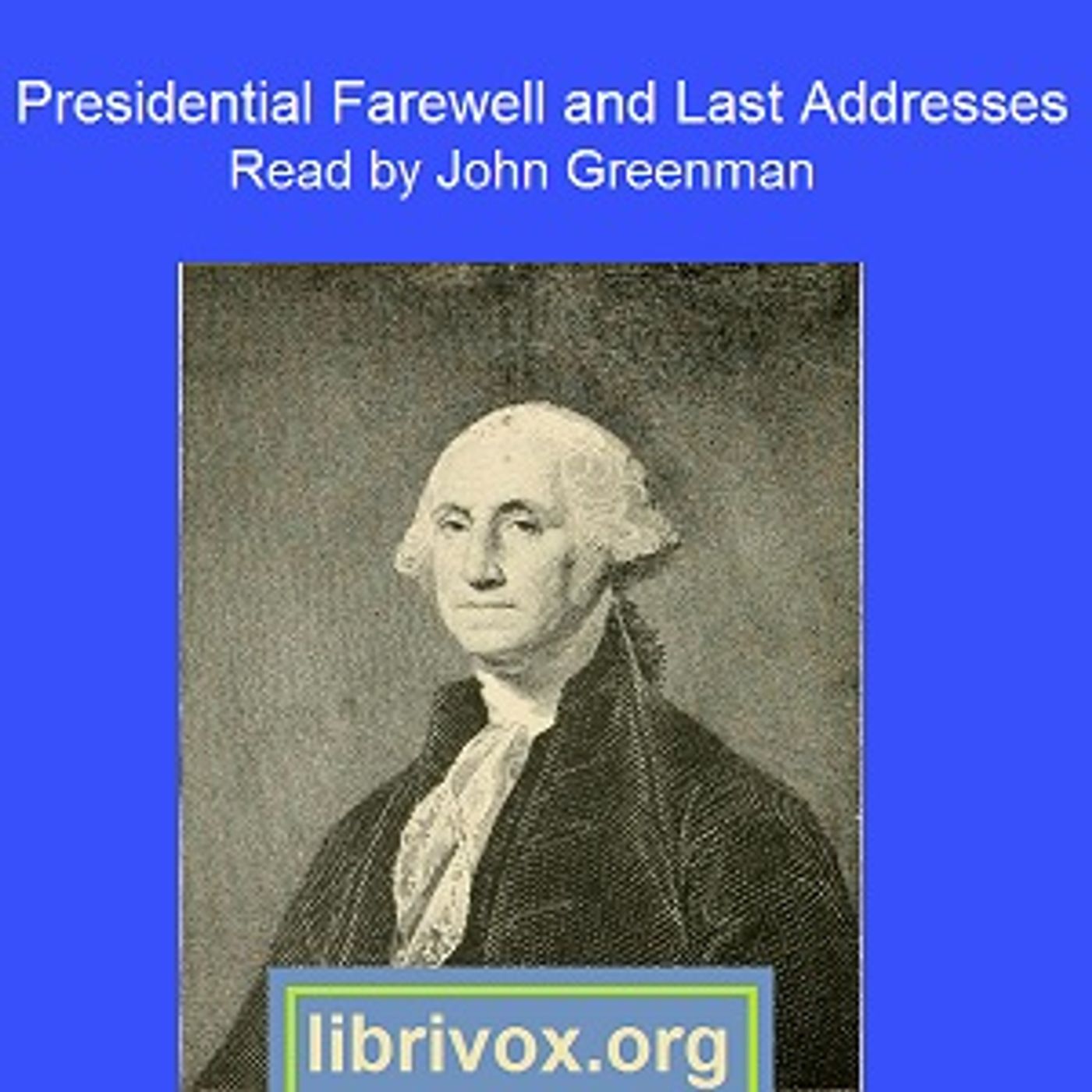
This collection will put in one place, all the Farewell (or last) Addresses made by each of the 43 ex-US presidents.The first, George Washington's "Farewell Address", issued as a public letter in 1796, was one of the most influential statements of republicanism. Drafted primarily by Washington himself, with help from Hamilton, it gives advice on the necessity and importance of national union, the value of the Constitution and the rule of law, the evils of political parties, and the proper virtues of a republican people. He called morality "a necessary spring of popular government". He said, "Whatever may be conceded to the influence of refined education on minds of peculiar structure, reason and experience both forbid us to expect that national morality can prevail in exclusion of religious principle."Washington's public political address warned against foreign influence in domestic affairs and American meddling in European affairs. He warned against bitter part
-
51
-
50
-
49
-
48
-
47
-
46
-
45
-
44
-
43
-
42
-
41
-
40
-
39
-
38
-
37
-
36
-
35
-
34
-
33
-
32
-
31
-
30
-
29
-
28
-
27
-
26
-
25
-
24
-
23
-
22
-
21
-
20
-
19
-
18
-
17
-
16
-
15
-
14
-
13
-
12
-
11
-
10
-
9
-
8
-
7
-
6
-
5
-
4
-
3
-
2
We're indexing this podcast's transcripts for the first time — this can take a minute or two. We'll show results as soon as they're ready.
No matches for "" in this podcast's transcripts.
No topics indexed yet for this podcast.
Loading reviews...
ABOUT THIS SHOW
This collection will put in one place, all the Farewell (or last) Addresses made by each of the 43 ex-US presidents.The first, George Washington's "Farewell Address", issued as a public letter in 1796, was one of the most influential statements of republicanism. Drafted primarily by Washington himself, with help from Hamilton, it gives advice on the necessity and importance of national union, the value of the Constitution and the rule of law, the evils of political parties, and the proper virtues of a republican people. He called morality "a necessary spring of popular government". He said, "Whatever may be conceded to the influence of refined education on minds of peculiar structure, reason and experience both forbid us to expect that national morality can prevail in exclusion of religious principle."Washington's public political address warned against foreign influence in domestic affairs and American meddling in European affairs. He warned against bitter part
HOSTED BY
ciesse
Loading similar podcasts...
Frequently Asked Questions
How many episodes does Presidential Farewell and Last Addresses by Various have?
Presidential Farewell and Last Addresses by Various currently has 50 episodes available on PodParley. New episodes are automatically indexed when they're published to the podcast feed.
What is Presidential Farewell and Last Addresses by Various about?
This collection will put in one place, all the Farewell (or last) Addresses made by each of the 43 ex-US presidents.The first, George Washington's "Farewell Address", issued as a public letter in 1796, was one of the most influential statements of republicanism. Drafted primarily by Washington...
How often does Presidential Farewell and Last Addresses by Various release new episodes?
Presidential Farewell and Last Addresses by Various has 50 episodes. Check the episode list to see recent publication dates and frequency.
Where can I listen to Presidential Farewell and Last Addresses by Various?
You can listen to Presidential Farewell and Last Addresses by Various on PodParley by clicking any episode. We provide an embedded audio player for direct listening, and you can also subscribe via your preferred podcast app using the RSS feed.
Who hosts Presidential Farewell and Last Addresses by Various?
Presidential Farewell and Last Addresses by Various is created and hosted by ciesse.
URL copied to clipboard!