
PODCAST · news
Radio Reversal Podcast
by Radio Reversal Collective
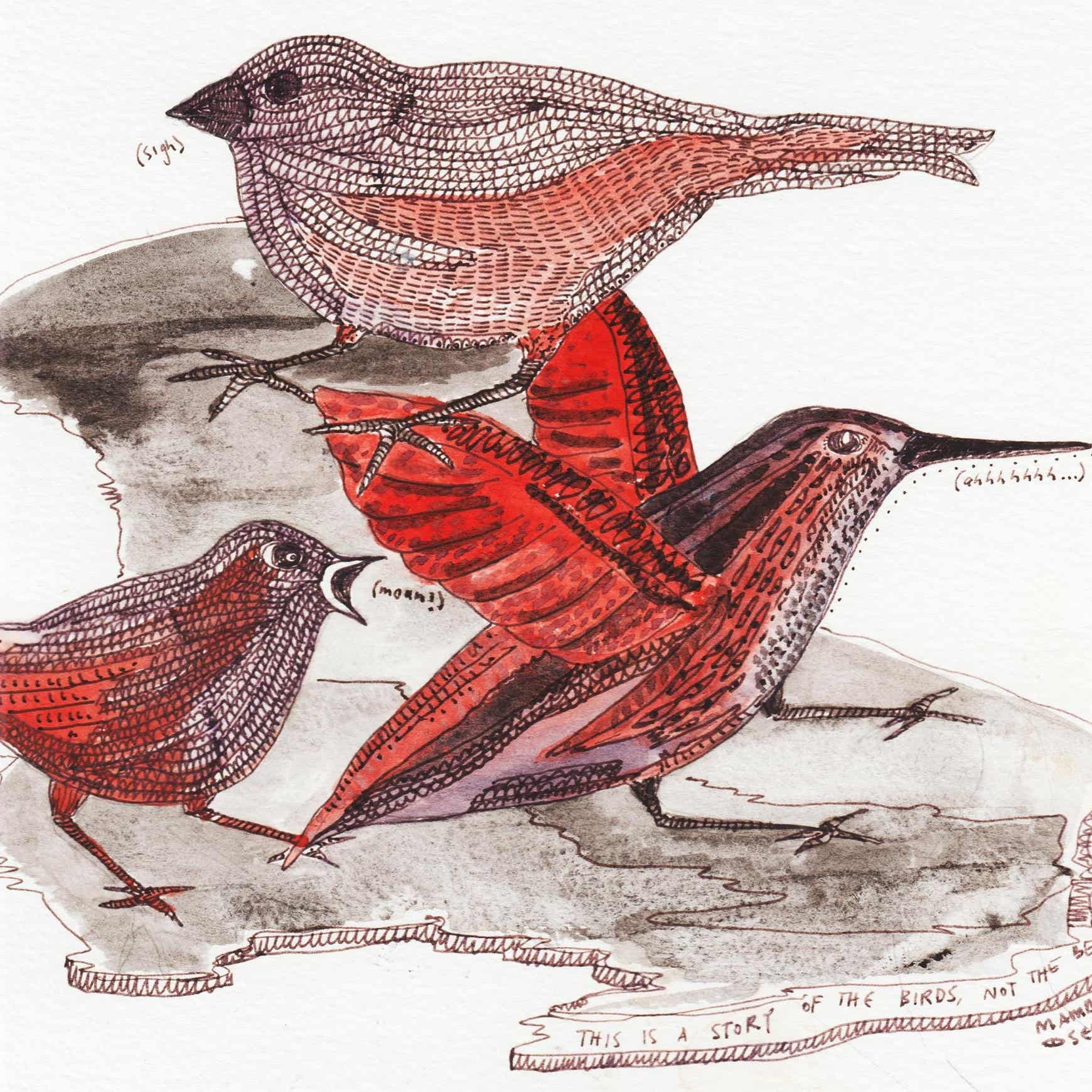
The Radio Reversal Collective use audio production and storytelling to platform and amplify grassroots community organising, critical theorising, & political art, music, and activism. We're committed to public, radical pedagogies & learning out loud! radioreversal.substack.com
-
11
Episode 24 - Human rights & homelessness: challenging the criminalisation of homelessness in Qld
As most of you probably already know, over the past few years we've seen a sharp increase in the number of people experiencing homelessness across south east queensland as the housing crisis has intensified. This has led, unsurprisingly, to more people living in public spaces. This week on the podcast, Marissa catches up with Sam Tracy, Practice Director at Basic Rights Queensland, a community legal centre that works on human rights, discrimination and poverty-related laws. Marissa and Sam discuss a recent win on behalf of homeless clients in the Supreme Court in the case of Bobeldyk and Anor v Moreton Bay City Council; Eichin & Ors v Moreton Bay City Council [2026] QSC 27. In response to complaints from other residents, city council employees and the police have been directed to enforce evictions, removing people and their property from public parks. In 2025, this led to a number of people (including the claimants in the matter we're discussing in this week's show) being forcibly evicted from Eddie Hyland Park in Moreton Bay. These evictions were incredibly cruel, and led to significant distress and the destruction of priceless belongings (including in one horrific case, the destruction of the claimant's deceased daughter's ashes). This case was brought on behalf of some of the people evicted from Eddie Hyland Park. While the decision sadly does not stop Council’s from enforcing laws to move people on and destroy their belongings, it does set some limits on the way that these evictions can happen. The Supreme Court determined that the way the council "evicted and disposed of property belonging to people experiencing homelessness breached the human rights (and other legal protections) of those affected and was therefore unlawful." While this is not a resounding victory against evictions from public parks, it's a starting point for thinking about the role of lawyers and the legal system in this moment. For people sleeping rough, and for the people organising in solidarity with them, these kinds of legal processes offer a site of potential leverage. Forcing council's to slow down processes like evictions gives people more time to advocate for their own needs; more time to call in support; and importantly, more time for their neighbours and comrades to organise effective anti-eviction actions.
-
10
Episode 23 - Geographers for Palestine
This week we're bringing you a very special double episode of the Radio Reversal podcast, featuring not one but TWO of our wonderful producer Nat's recent radio programs which showcase content from the recent Palestine Calling: Roads to Justice forum hosted by Geographers for Palestine at the University of Tasmania in lutruwita. You'll be hearing in this episode from Dr. Adel Youssef, a Palestinian academic and researcher based in lutruwita, alongside dear friend and comrade of Radio Reversal, Remah Naji. Dr Youssef begins by setting out the linkages between settler colonialism in so-called israel and here in so-called australia, and why the struggle for Palestinian liberation demands a real reckoning with settler colonialism everywhere. He reminds us that we cannot afford to look away from the violence that is required to maintain colonial occupations - nor from the discourses and justifications that are used to normalise, erase, or justify that violence. We then hear from Remah, who talks a bit about the history of the Boycott, Divestment and Sanctions movement, skeching out an understanding of this theory of change and how it emerged from the specific conditions of colonial occupation in Palestine. Remah helps to situate BDS as a set of tactics that emerged as a resistance to the fragmentation of Palestinians from their homelands, offering strategies that could help disrupt and challenge Israel’s occupation from beyond its borders. In earlier episodes of this podcast, we've tried to get our heads around what's going on with this legislation here in queensland. But this week on the podcast we're digging a bit deeper by looking at the underlying relationship between settler colonialism in so-called australia and israel. We're considering how the regulation, policing, imagining, representing and controlling of space (and how people use it) operates as a key tactic of colonisation. We're learning about the long history of Indigenous struggle against colonial spatial violence, and how Indigenous peoples across the globe have refused to "disappear". And we're situating some of the contemporary strategies of Palestinian resistance (in particular, the Boycott, Divestment and Sanctions movement) within the context of an ongoing and steadfast refusal to be disappeared (as Dr. Amy McQuire puts it). A reminder to head to radioreversal.org to subscribe to the podcast if you haven't already, to make sure that you never miss an episode.
-
9
Episode 22 - Release the footage #justiceforstevielee
In this week's episode, we're sharing a really special interview with Dr. Raylene Nixon. Dr. Nixon is a Gungarri woman, an academic researcher and writer, and in 2021 her beloved son, Stevie-Lee, was killed in police custody in Toowoomba . Steve had been recently hospitalised with severe asthma, and (as the family later found out) pneumonia, and had been on his way back to his grandmother's house to be cared for by family. As Raylene explains in this interview, he was sitting in a parked car in his Aunty's driveway when police officers arrived, smashed the car windows, and then violently restrained Steve using the widely condemned Lateral Vascular Neck Restraint - or chokehold. This interaction led to Steve's death at the age of 27. His family have been fighting to find out what really happened that night and why. In our interview, Raylene reflects on the violence of the coronial inquest itself, the ways that her family were further silenced through the process of attending the inquest, and how Steve's humanity and dignity were stripped from him at every point in the inquest process. She also reflects on the ongoing fight for justice for Stevie-Lee, and the family's ongoing campaign to put pressure on the Queensland Coroner to accept their request to release the bodyworn camera footage from the police officers whose violent interaction with Steve led to his death. You can support that campaign by signing their petition here: https://www.change.org/p/release-footage-of-killing-by-police-chokehold-now-justice-for-stevie-lee A note to listeners that this week's interview with Dr Nixon includes graphic descriptions of the police interaction that led to Stevie-Lee's death, as well as discussions of racism, the death of a child, and police brutality.
-
8
Episode 21 Not Our Laws - Understanding queensland's new "prohibited expressions" and "prohibited symbols"
This week on the Radio Reversal podcast we introduce our new weekly episode structure with a special edition digging into Queensland's new "Fighting Anti-Semitism and Keeping Guns Out of the Hands of Terrorists and Criminals Amendment Act" (spoiler: it's as ridiculous as it sounds). We share a recording from Justice for Palestine Magan-djin's public meeting with Anna Reynolds from Action Ready Queensland and Palestinian lawyer and legal observer Rouba Rayan, where they reflect on some of the state and federal laws introduced ostensibly to combat "anti-semitism" over the past few years, and their impact on pro-Palestinian protest in this state. We explore the new "prohibited expressions" and "prohibited symbols" offences here in Queensland, and how they are being used to target pro-Palestinian voices and censor legitimate political expression. It's a big show and an exciting start to our new weekly podcast. Enjoy!
-
7
Episode 20 Moral panics and the targeting of trans people w Necho Brocchi and Prof Sandy O'Sullivan
This episode* of the Radio Reversal podcast brings together two interviews recorded over the last couple of months digging into the targeting of trans people, especially trans kids, and moral panics about gender and transition here and abroad. The first interview is between Anna and Necho Brocchi, proud trans woman and Service Delivery Coordinator at Open Doors Youth Service, and together they discuss the Crisafulli Government’s ban on puberty blockers for trans youth here in so-called queensland, the Albanese Government’s spurious “review” into gender affirming care, moral panics, and the ways the fight for trans justice is intrinsically tied to other struggles for justice, including prison and police abolition, housing and educational justice, and justice for First Nations People, here and everywhere. In the second interview, Han speaks with Wiradjuri transgender and non-binary academic, Professor Sandy O’Sullivan, about the recent wave of attacks on trans people, including the UK Supreme Court decision and how it threatens the rights and safety of trans people, and they unpack the colonial and white supremacist logics at play in anti-trans movements and the enforcement of the gender binary. This is part of our ongoing series on crisis, colonialism and collective futures - this time, we’re considering how the confected “crisis” about trans people, their access to gender affirming care, their ability to make decisions about themselves/their identities/their lives, the spaces they have access to, which bathroom they use, and on and on, uses the tools and techniques of moral panic to justify harmful, discriminatory, oppressive, and violent government actions and policies. This confected “crisis” deflects scrutiny from the actual crises facing trans people, like structural discrimination, violence, over-policing, difficulties accessing gender-affirming care or indeed any medical care, issues relating to housing, employment, education, and more. As we see with other moral panics (e.g. around “youth crime” in so-called queensland), draconinan government actions are authorised by the discourse of “crisis”, and often, these actions are framed in terms of “safety”. Where we’re writing from, so-called queensland, the recent ban on puberty blocking medication for trans youth has been positioned as a matter of safety, as taking precautions, for the kids’ own protection. This is reprehensibly dishonest, given the overwhelming evidence that accessing gender affirming care (including puberty blockers) improves the safety and wellbeing of trans kids. But, for those who don’t know any better, this might seem like a common sense precaution. In other cases, it is cis people whose safety is foregrounded; the recent Supreme Court ruling in the UK (amongst other things) excludes trans people - particularly trans women - from accessing certain single sex segregated spaces, in the name of “protecting” cis women.
-
6
Episode 19: What if the catastrophe has never ended?
Today, I’m coming back to the core of this series on crisis, disaster & collective futures to ask: how can we think about the crisis when the crisis is permanent? As of today, it's 610 days since the Israeli Occupation Forces began their most recent genocidal siege on Gaza. It’s more than 76 years since the Zionist occupation of Palestine began with the events of the Nakba: massacres, displacements and the ethnic cleansing of huge swathes of Palestinian land. It’s 237 years since the first British penal colonies - prisons - were established on the homelands of the Gadigal, Dharug and Dharawal peoples of the Eora Nation. And it’s just over a week since Kumanjayi White, a young Walpiri man who lived with complex disabilities, was killed after being restrained by off-duty cops in Mparrtwe, Alice Springs. And then, just a few days ago, we heard reports of a second Aboriginal death in police custody in the Northern Territory in as many weeks. Kumanjayi White’s death in police custody is the 597th Aboriginal death in custody since the Royal Commission into Aboriginal Deaths in Custody handed down its findings in the 1990s - many of which, as Senator Lidia Thorpe has consistently pointed out in Parliament, are yet to be implemented. So as we look back at the unending crisis conditions of colonialism, what does it mean for how we look ahead? What does it ask of us - to think about these current atrocities in the context of a much longer, ongoing crisis?
-
5
Episode 18: Refusing to pinkwash a genocide
In case you missed it, over the weekend, a loose collective of performers, workers and patrons of the Wickham Hotel downed tools and refused to take shifts or perform their sets to protest a decision by Aus Venue Co, the parent company who owns the Wickham Hotel, to book an event hosted by the State Zionist Council of Queensland. For some context: the State Zionist Council of Queensland is a political lobby group set up as an umbrella organisation for other Zionist groups in Queensland with the express purpose “to promote and communicate Israel’s interests within the broader Queensland community and to promote Queensland’s relationship with Israel” as well as “to create an atmosphere within the community that values Zionist thought and expression…and pride in Israel and her achievements.” To get across the opposition to this group hosting an event at the Wickham Hotel, we catch up with drag performer and artist Lulu LeMan, who stopped her performance on Friday evening at the Wickham in order to join talks with workers and management about the planned picket for Saturday night. We then share a interview from our live show with two of the organisers who helped workers hold a picket on Saturday evening: Oriela, who is a non-binary Lebanese person and a proud disabled dyke, an advocate, and a long-time patron of the Wickham; and Bizzi, who is a Wakka Wakka and Arrendte Burlesque performer and writer with deep ties to the Wickham performance community. We talk about the work that went on behind the scenes to build some momentum for a protest against this booking, and in opposition to this exploitative use of a beloved queer venue to pinkwash an event hosted by a Zionist political lobby group. If you’re not familiar with the term, Dean Spade explains that pinkwashing is: “a term activists have coined for when countries engaged in terrible human rights violations promote themselves as “gay friendly” to divert attention from terrible human rights violations, in this case diverting attention from the brutal colonization of Palestine. Israel is the country most famous for pinkwashing, engaging it as a strategy in their rebranding campaign for the last decade.” This particular angle has been largely erased in media commentary about the picket, which, as Oriela and Bizzy explain, was largely focused on challenging the use of an iconic queer venue for this particular State Zionist Council of Queensland event. Another key thread that has been largely ignored by mainstream commentary is the fact that this picket was organised by a collective of workers, patrons and performers and included the incredible decision of workers from the Wickham Hotel deciding to refuse to work if the booking went ahead. To talk about the importance of this action, I catch up with dear friend of Radio Reversal, Ari Russell from Unionists for Palestine, to put this action in the broader context of workers organising against the ongoing genocide in Gaza. We talk about how hard it has been for many of us to find ways to leverage our power as workers; and the ongoing struggle to build a sense of collective power in a time of record-low union membership and ineffective trade union bureaucracies.
-
4
Episode 17: Labour Day, resistance, complicity & crisis with Dr Jeff Rickertt
This week’s episode of the Radio Reversal podcast features an interview with Dr Jeff Rickertt, renowned People’s Historian, for Labour Day 2025. Han speaks with Jeff about histories of labour organising (particularly here in so-called queensland), the early formation of unions, and the tensions and contradictions these movements expressed and revealed regarding race, gender, and colonialism. They spoke also about the history of Aboriginal and Torres Strait Islander organising, particularly Aboriginal labour strikes as a strategy in anti-colonial struggle, often outside of the systems of mainstream/whitestream organised labour. They explored labour organising as a site of solidarity and transformative politics, discussing some of the recent examples of labour organising against the genocide in Gaza, and how workers have attempted to leverage their collective power to refuse complicity in this genocide. This is part of our ongoing series on Disasters, Crisis & Collective Futures. The polycrisis shapes and reconfigures the nature of work and working conditions; the possibilities of labour organising to contest the crisis conditions of colonial racial capitalism warrant exploration and action. But organised labour movements can also be sites of liberal reform, sites where (some) workers are strategically drawn back into complicity and cooperation with capital in order to ‘stabilise’ the crisis without addressing the conditions of exploitation and injustice that (re)produce it. As we face down emboldened fascist movements, growing political repression and overt genocidal violence in Palestine and beyond, we’re looking back to think about the long history of workers organising on this continent, its tensions and contradictions, and what we ought to be doing collectively as workers in this moment.
-
3
Episode 16: The Ongoing Crisis (Election Special w Jonathan Sriranganathan)
Welcome to another episode of the Radio Reversal podcast, continuing our current series on crisis, disaster & collective futures. This week, we’re turning our attention to the recent federal election here in so-called australia. Last Saturday, roughly 1 in 3 people voted Labor, 1 in 3 voted Liberal/National, and 1 in 3 voted for someone else. Has anything changed? With the centre-right-wing Labor party now dominant nationally, what lessons should we take from this election? Is running for elections still worth the time for those of seeking deeper radical change? Where should we all be putting our energy? In this episode, we talk through some of the initial results from the election, and what we might be able to learn from these trends. With help from Mununjahli and South Sea Islander Professor Chelsea Watego’s new “Let’s Talk Race on the Run” series, we debunk the unhinged-from-reality narrative that this election constituted a “progressive” victory against Trumpism, and work to contextualise the election results in the context of the broader waves of repression that we’re seeing in this moment. We wade through the mixed results that we saw for the Greens in this election: minor swings against the party in the lower house, an increase in the Senate vote, and some absolutely massive swings towards some key candidates, including our dear friend Remah Naji in Moreton, and Huong Trang in the seat of Fraser. Notably, both of these candidates ran on explicitly pro-Palestine platforms, and both Remah and Huong are actively involved in activism and community organising beyond the Greens. Both the Moreton campaign and the Fraser campaign drew explicit connections in their campaigns between racial justice, environmental justice, housing justice, and anti-colonial solidarity, focusing more directly on discussions around refugee justice, Palestinian liberation, and Land Back for First Nations communities on this continent. Perhaps not coincidentally, Remah & Huong are both the children of refugees: Remah’s family were displaced from Palestine during the 1948 Nakba and she grew up as part of the Palestinian diaspora in Jordan; Huong grew up in the seat of Fraser and describes herself as “the daughter of Vietnamese boat people.” Both Remah & Huong saw significant swings towards them, particularly in the most racially and culturally diverse and working class parts of their electorates. So - what does this all mean for what’s to come? We end this episode with a generative reminder from local organiser Bec from the Community Union Defence League who are right now organising eviction defence, food support and mutual aid for folks sleeping rough in Musgrave Park. In case you missed it, the Lord Mayor, Adrian Schrinner, announced a couple of weeks ago that they planned to forcefully evict all homeless people from parks across the city on the grounds of “community safety” and “public accessibility”, despite the fact that no suitable housing could be provided to folks sleeping rough. I doubt that it is a coincidence that they decided to move ahead with the evictions only a few days after the federal election, perhaps in the hope that many organisers would be burnt out from the long election campaign. What they didn’t bank on was the scale of popular opposition to these evictions, and this week we’ve seen inspiring solidarity with hundreds turning out early each morning to support folks facing move-on directions, to challenge these evictions, and to refuse to allow this violence to go uncontested.
-
2
Episode 15: Caring for Country against the colonial polycrisis with Rikki Dank
We’re back with another episode in our running series on Disasters, Crisis, and Collective Futures - this time looking at the “slow violence” of environmental disasters and degradation, the links between this violence and settler-colonialism, and the long standing practices of Aboriginal refusal and resistance against the crisis conditions of colonialism. Something we’ve talked a bit about in this series is that crises, disasters, are not evenly distributed. Some people are far more frequently faced with disaster conditions - often as a result of state violence and neglect, capitalist exploitation, (and the “externalities” resulting from those activities), and because of the ongoing violence of settler-colonialism. For those of us who tend to experience disasters as short, sharp, and intermittent or rare shocks, it’s important to consider what the uneven distribution of disasters and crises tells us about the material realities of colonialism and capitalism; and how we can be in solidarity with people more regularly exposed to disasters, including people who’ve been doing the work of fighting for kin and Country and justice, and fighting against the forces of colonialism and capitalism, for hundreds of years. To help us think these things through, we could not be more delighted than to be bringing you this conversation with Rikki Dank, Gudanji and Wakaya woman and one of the directors of Gudanji For Country. Gudanji For Country is a grassroots First Nations organisation working to protect Country from colonial exploitation, overgrazing, mining, and fracking, to educate, advocate, and to create sustainable futures. This interview with Rikki covers a wide range of topics, including the relationship between the slow violence of environmental degradation and colonialism, the links between climate change and colonial capitalism, the history of damaging, extractive practices on Gudanji Country and across the Beetaloo Basin and elsewhere (from the damage wrought by early colonising pastoralists through to contemporary fracking), and how Aboriginal People have fought and found ways to care for community and Country in defiance of the colonial-capitalist apparatus. Through this interview, we see the long emergency of colonialism and of climate change, not as something expressed only through short and sharp big events (like Cyclone Alfred), but also through creeping pollution, contamination, degradation, exploitation, displacement, and damage to lifeways. In learning to pay attention to these different temporal expressions of disaster and crisis, we can better learn how to organise ourselves and our struggle as climate change escalates. Rikki Dank also spoke with us of Indigenous futurities and possibilities, of healing Country, of care, and of love - love as a feeling and as an orientation to the work of struggle, of organising, of activism, of building and maintaining community, of care, of creating possibilities for each other. She speaks of love as a feeling, love as an action, love as the steadfast refusal to be dispossessed by settler-colonialism, or to give up. (The centrality of love also brought to mind our conversation with Nick Southall about disaster communism a few weeks back - he also spoke of love, and the love of people and for people that helps drive us into and sustain us in struggle). We hope you enjoy this conversation with the wonderful Rikki Dank, and encourage you to follow her work with Gudanji for Country by signing up to their newsletter, following them on Instagram, and if you can, consider supporting their work through a donation.
-
1
Episode 14: "Crisis Colonialism" & the expanding frontiers of empire
If you haven’t already listened to the first couple of episodes in this series - never fear! You can jump in fresh here, or head back and listen to Episode 12 - After the Flood & Episode 13 - Disaster Communism with Nick Southall. In these episodes, we chatted about weather events like Cyclone Alfred & what happens during “disasters”: how the parameters of political possibility shift, sometimes incrementally, and sometimes all at once. We talked about two very different expressions of these political ruptures: “disaster capitalism,” where corporations and the state use these events as opportunities to expand state and corporate power and to find new frontiers of capitalist exploitation, and “disaster communism,” in which communities self-organise to support one another, forge networks of mutual aid and care, and build a genuinely radical sense of “class power.” This week, Nat, Jonno & I (Anna) decided to focus a bit more on the way that these dynamics operate in the specific conditions of settler colonialism, especially here in so-called australia. We’re engaging with these topics as settlers, living uninvited on unceded Aboriginal and Torres Strait Islander lands, and this is perhaps part of why we are so interested in the way that crises operate as key moments in which settlers are brought into new forms of colonial complicity. In particular, we are digging into a concept that we’ve been talking about for a few years now: the idea of “crisis colonialism.” We use this as a shorthand way to think about how settler colonial states use periods of crisis - economic depressions, world wars, ecological disasters - as fuel for settler colonial nation-building. In listening back to and editing this week’s episode, I realised (largely thanks to a generative conversation with Dr. Jamal Nabulsi) that a lot of what we’re thinking about in this episode is affect - how people feel during crises, and how those collective emotions are operationalised and weaponised for a variety of political projects. Affect is central to understanding both "the shock doctrine", as Naomi Klein theorises it, and “disaster communism” as described by Nick Southall, which we dig into in more detail at the beginning of this episode. And affect is also an important part of our analysis of “crisis colonialism,” and especially the way that settler colonies use moments of crisis to manufacture and secure settler consent for colonial governance through a rotating set of strategies, ranging from fear-based moral panics through to the "positive" construction of ideas of “mateship”, the fair go, and "pioneering spirit". So in this week’s episode, we’re looking closer at these dynamics. How exactly do settler colonial states take advantage of periods of crisis? How do these moments become repurposed as fuel for nation-building? How does “securitisation” and policing fit into this process? And as settlers who are engaged in communities of struggle and committed to disrupting settler colonialism… how can we ensure that our collective efforts in these moments don’t become fuel for the colonial project that caused the crisis in the first place? We end this episode with some reflections on how we can build our collective ability to resist colonial complicity: how to refuse the promise of liberal reform; how to reject all attempts to narrow our care, grief and rage to those deemed “grievable” by the colonial state; and how we might work to align ourselves instead with everyone, everywhere, who is fighting to dismantle the colonial capitalist death machinery that causes the “permanent crisis” of the present.
-
0
Episode 13: Disaster Communism with Nick Southall
We are continuing our series - begun last week on our broadcast show on 4ZZZ and then sent out in our podcast feed - on Disaster, Crisis, and Collective Futures. What is it about disasters that enables us to plan and act together with neighbours and strangers, more collaboratively, more collectively, more generously? How do public and private institutions leverage crises to retain and expand their control, reasserting racial, colonial, capitalist, cisheteropatriarchal and ableist imaginaries and practices? In the wake of Cyclone Alfred, we’ve seen expressions of the former, of practices consistent with ‘disaster communism’ (as we discuss with Nick Southall in this podcast episode!) - neighbours, friends, strangers, coming together to organise and share resources and energy to prepare, survive, and recover from the cyclone and its aftermath. People looked out for each other. We’ve also, unfortunately, seen expressions of the latter, of practices consistent with ‘disaster capitalism’ - in this instance, Lord Mayor Schrinner using the cover of the disaster to evict rough sleepers from parks, from public spaces, across the city. (Notably, people are not having it, and in the week since Schrinner’s announcement there have been multiple events held and yet more organised that stand in solidarity with unhoused people across this city). To help us think through all this, we had a chat with Dr Nick Southall, long term community organiser, academic at University of Wollongong, author of the blog ‘revolts now’ and the new book, ‘Disaster Communism and Anarchy in the Streets’. In this chat we talk about disaster communism as the agonistic opposite to disaster capitalism. We discuss what disaster communism is, and the everyday actions by everyday people that constitute it. We talk about how it is that certain kinds of community relations and modes of organising somehow seem more possible in times of environmental disasters, the importance of fighting to reconfigure our relations to time so we all have more capacity to do the kinds of loving, caring work that can liberate us from racial colonial capitalism, and reflect a little on what our orientation to the State should be. In future shows we’ll talk more about this last point, and consider the ways that the settler colonial state seeks to coopt, defuse, neutralise, and disband the practices and expressions of disaster communism as they appear, and the implications of that for our organising and resistance. We’ll also talk more about how the solidarities that can form during moments of disaster may be deliberately fractured along the well-worn lines of colonialism, racism, ableism, classism, cisheteropatriarchy, etc., and how we can guard against that. But in this podcast we want to focus particularly on disaster communism, and the possibilities it attunes us to. We want to attend to what’s just happened, and acknowledge and learn from this and other examples of emergent organising, and how existing networks and relationships can blossom and expand to meet the scale of the unfolding (poly)crisis.
-
-1
Episode 12 - After the Flood
Welcome to a new series of the Radio Reversal Podcast - this one focussed on Crisis, Disaster & Collective Futures! Like a lot of people, we've been thinking a lot about disaster, crisis, climate change, community-based responses this week, in the aftermath of Cyclone Alfred here in Magan-djin, so-called brisbane. In case you somehow missed it - South East Queensland was struck by its first cyclone in 50 years over the weekend, and while the cell technically weakened to a tropical low before it crossed the coast near Redcliffe, residents still reported wind gusts of over 110 kph on the coast. In addition to the wild winds, the cyclone also brought massive amounts of rain to the region, including falls of over 300mm in a single day. This led, predictably, to major flash flooding across the city, compounding the damaging impacts of the wind and subsequent coastal erosion. In this first episode, we’re looking back at Cyclone Alfred and some of the ways that communities responded to, prepared for, and theorised their experiences of the crisis. First up, we’re reflecting on the ways that governments and corporations make use of disasters like Cyclone Alfred to push through repressive and dangerous legislation. Just today, we saw the LNP Lord Mayor of so-called brisbane, Adrian Schrinner, announce plans for emergency evictions of people who have been sleeping rough in parks across the city - despite the fact that there is no affordable, appropriate accommodation. There’s been a lot of disingenuous claims made by the Lord Mayor in announcing these measures - including the claim that everyone sleeping rough in the city has been offered alternative accommodation and turned it down in favour of staying in the park. But what’s clear already is that the immediate aftermath of Cyclone Alfred has created an ideal backdrop for the city council to push ahead with their plan to fully dismantle all of the communities that have - by necessity - taken up residence in parks across the city. This is an absolutely horrific example of a government utilising an environmental disaster to expand systems of control and repression under the guise of “public safety” and “protection.” Next up in this week’s episode, we’re looking towards more optimistic horizons - catching up with our good friend and climate comrade, Moira Williams, who is a long-term activist and advocate with Move Beyond Coal. In a short phone interview, Moira shares some of her reflections and insights into the importance of local and community based organising and support networks during times of disaster, and how those networks might work alongside broader political campaigns to challenge those responsible for the ongoing threat of climate collapse. If you are feeling politically frustrated by the failures of governments and corporations to take the risk of climate collapse seriously, get along to the upcoming Cyclone Speak Out at Speakers Corner outside the Queensland Parliament next Thursday 20th March from 10am. You’ll hear from communities directly impacted by Cyclone Alfred, as well as organisers working towards climate justice in a variety of different ways. And a reminder that you can also head along to the regular protests outside the Boeing headquarters at 123 Albert St (cnr Charlotte St) in the city from 12noon on Wednesdays. The global weapons trade and military industries are both major contributors to carbon emissions across the globe. As our comrade Remah Naji explains: “A couple of years ago, a report revealed that if the world’s militaries were treated as a single nation, they would rank fourth in carbon emissions - just behind China, the USA and India, but ahead of Russia. This puts military-related fossil fuel emissions above both the aviation and shipping industries combined.”
-
-2
Episode 11 Weapons, war & the military industrial complex
If you’ve been following the Justice for Palestine movement, you’ll know that there’s been a lot happening here in so-called brisbane over the past few weeks, mirroring a massive upsurge in Palestinian justice organising globally. From the extraordinary encampments being established by students on university campuses across the globe (including the University of Queensland, here in so-called brisbane); to growing union solidarity movements pushing for work stoppages at export ports, construction sites and factories; to the freedom flotilla desperately working to find ways to provide direct aid to the people of Gaza; and the many countless discussions, meetings, pickets, teach-ins, rallies, and blockades happening across the world: work is happening on every horizon, and there’s more still to come. This week, we look at another key site in the global movement for freedom and justice: the military industrial complex and the global weapons trade. RR producer Roshan draws together speeches from protests and blockades, pre-recorded discussions and older interviews and recordings that focus on weapons manufacturing, development and trade. Through these speeches and interviews, we learn about some of the ways that australian companies are directly supporting the continuing genocide in Gaza (and West Papua, as well as the continuing targeting of First Nations people on this continent), and the role that the australian government is playing in exporting weapons and components to support Israel’s invasion of Gaza. We also hear a lot in this episode from activists and organisers who are working to directly challenge companies implicated in the genocide in Gaza, including Ferra Engineering in Tingalpa, who are responsible for manufacturing the component of the F-35 bomber jets that enables them to drop bombs. Ferra Engineering is one of the key targets at the moment, given their role in providing essential components to some of the world’s largest military aerospace companies including Lockheed Martin, Boeing and Raytheon. But Ferra Engineering are not the only company implicated in the military industrial complex in so-called Brisbane. Companies like Heat Treatment Australia, or HTA, in Coopers Plains; L3 Micreo in Eight Mile Plains; G&O Kert in Acacia Ridge; and TAE Aerospace in Bundamba, Ipswich, are all deeply implicated in the ongoing genocide in Gaza. You’ll also be hearing excerpts from an incredibly insightful discussion between Palestinian organiser Amal Naser and Greens Senator for New South Wales, David Shoebridge, which we are grateful to be able to share with you all. We strongly recommend that you go and watch the rest of that discussion here. In Amal & David’s conversation, they dig into some of the fundamental challenges of examining the military industrial complex in so-called australia, and the damning lack of transparency around weapons exports and imports in this country.
-
-3
Episode 10 Boycott, Divestment, Sanctions
Welcome to Episode 1.7 of our current podcast series, following the Justice for Palestine movement here in so-called brisbane, and working to understand the political and moral imperatives of this moment. This series is a small labour of love and solidarity dedicated to everyone who is contending with the relentless violence of colonial racial states: from the Palestinians in Gaza and worldwide who are grieving for their loved ones and for their lands, to West Papuans struggling against Indonesian occupation, to First Nations peoples across the world fighting against ever-changing forms of settler colonial violence and dispossession. In this series, we are working to honour the commitment of everyday people struggling here on the ground, as well as learning from the long-standing and sustained struggle of Palestinian people across the world in their ongoing fight for their homelands. One of the things that comes up consistently across this series is the recognition that struggles against oppression and colonisation must be fought everywhere at once. If you’ve been listening to the past few episodes of this podcast, you’ll know that this is what we’ve been tracing for the past few episodes. We’ve been following both long-standing and emergent solidarities: between people struggling against colonialism and racism globally, between people fighting systems of incarceration and surveillance, between people experiencing the brutality of oppression and subjugation in diverse forms. In this episode, we begin to turn to the everyday work of liberation, and the ongoing struggle to build modes of resistance that can disrupt systems of oppression wherever they take root. We begin in this episode with the Palestinian-led movement that uses strategies of Boycott, Divestment & Sanctions to build global support for Palestine. In broad terms: Boycott, Divestment, Sanctions (BDS) is a Palestinian-led movement for freedom, justice and equality. BDS upholds the simple principle that Palestinians are entitled to the same rights as the rest of humanity. This episode is timed to coincide with a major upsurge in global BDS organising. As many of you likely already know, April 15th has been called as a date for a global economic blockade of Israel, including a call for workers across the world to strike from their jobs and participate in direct action to disrupt business as usual for companies complicit in and benefiting from the genocide in Palestine. Here in so-called brisbane, organisers from Shut Down Ferra have called for a half-day blockade of Ferra Engineering in Tingalpa, kicking off bright and early at 5am. You can find more details of that event here and here. In this episode, Roshan digs into the archive to pull out some older conversations about using strategies of Boycott, Divestment & Sanctions here in so-called brisbane, as well as field recordings from Justice for Palestine events over the past decade. You’ll hear a lot in this episode from Justice for Palestine organiser Phil Monsour, who has been one of the architects of the BDS movement here in so-called brisbane. You’ll also hear some older interviews from the Radio Reversal crew, including the Anna’s (Cerreto & Carlson) speaking with the indomitable Palestinian organiser, writer and theorist Jeanine Hourani in 2021. You’ll also hear field recordings from the more recent Radio Reversal archive, including discussions of the Boycott, Divestment & Sanctions strategy at community meetings and rallies. We’ve also borrowed some archival material for this episode from the Brisbane BDS YouTube page. You can find the videos of earlier Justice for Palestine events and BDS actions here: https://m.youtube.com/user/BrisbaneBDS
-
-4
Episode 9 Until all of us are free, none of us are free
In Episode 1.6 Until All of Us are Free, None of Us are Free we focus on the fundamental connections between the struggle for an end to the genocide in Gaza and the liberation of Palestine and Palestinian people with oppressed peoples everywhere. In particular in this episode we recognise interconnections and entanglements across the movements for prison abolition, queer and trans liberation, and for disability justice. You’ll hear recorded speeches from Turtle Island (US)-based Black lesbian abolitionist Prof Andrea Ritchie at last November’s Sisters Inside conference, and from trans woman and abolition organiser Necho Brocchi at Magandjin’s Trans Day of Resistance gathering that took place on November 25, 2023. Both of these speakers trace the importance of recognising the co-constitution of struggles for an end to incarceration and to oppression and violence against trans people with the struggles for Indigenous sovereignty and to end the genocidal settler-colonial occupation of Palestine. Also in this episode, you’ll hear Han in deep discussions with queer Palestinian academic and community organiser Fahad Ali, and with Wiradjuri, Irish and Flemish disability justice organiser and writer Vanamali (Mali) Hermans. And we have extracts from an interview conducted by Anna in collaboration with Belle from 4ZZZ’s Only Human with deaf Palestinian Mazen Al-Khaldi, who went viral for his video sharing how to sign “Free Free Palestine” in Auslan, the sign language of the majority of the australian deaf community. This podcast is produced and recorded on unceded Jagera & Turrbal country. Our deepest respects to the rightful owners of these lands, and to all First Nations peoples listening. Musicking on these episodes is by cyberBanshee (aka Han), and our series artwork is by Anna.
-
-5
Episode 8 Palestine to the Pacific: Land Back & Climate Justice
In Episode 1.5 Palestine to the Pacific: Land Back & Climate Justice we focus on understanding the connections between the unfolding genocide in Gaza and the crisis conditions of climate change that are destroying Indigenous knowledges, communities, kinship networks and lifeworlds, all across the world. Settler-colonialism violence works to steal the land from the people and remove Indigenous Peoples from their land. Climate change is an outcome of this alienated and exploitative theft of land – and so often, the people on the frontlines in the struggle against climate change are Indigenous Land and Water Defenders and First Nations Peoples. These struggles are interconnected. In this episode, we explore these interconnections, and the ways that climate justice demands, and indeed cannot exist without, justice for First Nations Peoples. We look at entanglements between fossil fuel extraction and settler-colonial regimes from Palestine to the Pacific, land degradation and contamination as a technique of dispossession and genocide, and the failures and complicities of mainstream/whitestream environmental movements. And we turn and turn again to land, learning to hear ‘land back’ as a rallying cry for climate justice, and learning to understand how climate justice is predicated on the return of land to Indigenous Peoples. We also look at the ways that movements for climate justice and Palestinian liberation are working together to contest the destructive forces of colonialism, capitalism, racism, heteropatriarchy and white supremacy that are the root causes of the crisis conditions of the present. You’ll hear recordings and excerpts from a speech by Aunty Linda Fairbanks at a march for Palestine held on the so-called gold coast in January of 2024, an interview with Aunty Tracey Hanshaw at the Rising Tide Blockade, an interview with Guy Rithani from the Pacific Climate Warriors, reflections from Dr Jamal Nabulsi at Weaving our Stories, hosted by 350.org, Our Islands Our Home, Gudanji for Country & Conscious Mic. And throughout the episode, you’ll hear Anna and Malaak Seleem from Justice for Palestine - Magan-djin in conversation on 4zzz (102.1fm) in November last year, drawing some of these threads together to help us interrogate the relationship between climate change and racial colonial capitalism, to connect the struggle for a Free Palestine with the struggle for climate justice, and to help us better understand why land back is climate justice, and why there is no climate justice without justice for the dispossessed. If you’ve just found your way to our podcast, our aim is to archive the ongoing movement for Palestinian liberation as it unfolds on the unceded lands of the Yuggera, Yugarapul, Jagera, Turrbal and Yugumbeh peoples, across so-called brisbane and the surrounding cities of south east queensland. You can start here with Episode 1.5, but you might want to scroll back a bit further to begin with Episode 1.1 Settler Colonialism and the Current Crisis. This podcast is produced and recorded on unceded Jagera & Turrbal country. Our deepest respects to the rightful owners of these lands, and to all First Nations peoples listening. If you’re interested in accessing or supporting the audio archive from which this podcast draws, please get in touch with us via substack. For some additional reading and listening on this topic, check out: https://overland.org.au/2023/12/where-is-the-australian-climate-movements-solidarity-with-palestine/ https://triplea.org.au/category/listen/programs/lets-talk/lets-talk-social-justice/climate-justice-land-back/ https://www.aljazeera.com/opinions/2023/10/5/interwoven-struggles-the-green-paradox-meets-the-palestine-paradox https://www.versobooks.com/en-gb/products/600-our-history-is-the-future
-
-6
Episode 7 Globalise the Intifada
If you’ve just found your way to our podcast and you’re jumping in fresh, welcome to Episode 1.4 of the Justice for Palestine Magandjin podcast. This podcast aims to archive the ongoing movement for Palestinian liberation as it unfolds on the unceded lands of the Yuggera, Yugarapul, Jagera, Turrbal and Yugumbeh peoples, across so-called brisbane and the surrounding cities of south east queensland. In this episode, Globalise the Intifada, we pick up where we left off in Episode 1.3, by paying attention to the power and practice of Indigenous solidarity as it connects the struggle for Palestinian liberation with other movements against colonial occupation and exploitation in all its forms. As we listen back to speeches from rallies and public meetings, to interviews and discussions, we hear activists and organisers drawing clear connections between the intersecting genocidal systems of colonialism, capitalism, racism, heteropatriarchy, transphobia, and ableism that are operating with such destructive consequences in this moment. We open this episode with reflections from First Nations organisers on this continent, who find clear material and ideological connections between the experiences and struggles on this continent, and those unfolding through unthinkable violence in Gaza. We then trace the connections being drawn through the Justice for Palestine movement as they criss-cross the globe, creating the conditions of possibility for a mass solidarity movement grounded in the deep understanding that colonialism cannot be ended anywhere until it is uprooted everywhere. In order of voices in this episode, you’ll hear Muslim solidarity activist and Queensland Muslim Inc. organiser Binil Mohideen, followed by President of the Australian Palestine Advocacy Network, Nasser Mashni, and then Justice for Palestine Magandjin organisers Malaak and Remah. Then you’ll hear excerpts from Darumbal and South Sea Islander academic, journalist and writer Dr. Amy McQuire, First Nations poet and writer Cheryl Leavy, Noonuccal Ngugi writer and rapper Ethan Enoch, Mununjahli and South Sea Islander Professor Chelsea Watego, Palestinian writer, academic and organiser Dr. Jamal Nabulsi, Gamillaroi Kooma podcaster and activist Boe Spearim, and Yuin community organiser and current President of the Black People’s Union, Kieren Stewert-Assheton. Next up, you’ll hear Birri Gubba & Wanjiriburra activist and socialist organiser Sam Woripa Watson, Nasser Mashni again, then diaspora Tamil organiser, poet, musician and Greens candidate for Mayor of Brisbane, Jonathan Sriranganathan, followed by academic, writer and Afghan community organiser, Dr. Mujib Abid, (Jonathan Sriranganathan again), then diaspora Arab poet, writer and youth worker Lamisse Hamouda. Rounding out the episode, you’ll hear Dr. Jamal Nabulsi again, followed by Greens Senator Mehreen Faruqi, Black feminist abolitionist academic and organiser Prof. Andrea Ritchie, Palestinian student and organiser Malaak Seleem, Binil from QMI, and finally, a short reminder from Palestinian poet and high school student Dania. As always, this podcast is produced and recorded on unceded Jagera & Turrbal country. Our deepest respects to the rightful owners of these lands, and to all First Nations peoples listening. If you’re interested in accessing or supporting the audio archive from which this podcast draws, please get in touch with us via substack. If you want to follow any of these threads further, we recommend signing up to our newsletter for reading recommendations and further details.
-
-7
Episode 6 - Blackfulla Palestinian Solidarity
In this episode, we amplify the rich and powerful tradition of Blackfulla Palestinian solidarity in this place. We contextualise the understandings of settler colonialism, racial violence and genocide that are shaping the struggle for Palestinian liberation in relation to the history of this country, drawing clear connections between the struggle against colonisation on this continent and the fight for Palestinian liberation and land. To start this episode, you’ll hear Dr. Jamal Nabulsi reflecting on the power of movements that understand Indigenous sovereignty as the primary frame of reference for struggle, and the political possibilities that have emerged from Blackfulla Palestinian solidarity in this present moment. Then, we dig back into the Justice for Palestine Magandjin archive to share a recording of the Blackfulla Palestinian Solidarity dinner hosted by Justice for Palestine Magandjin & the Institute for Collaborate Race Research in March 2023. Like other episodes, this podcast includes descriptions of state-sanctioned colonial violence, racism, settler colonisation, discrimination, and dispossession. If anything you hear in this episode triggers feelings that you need help processing, we encourage you to reach out to friends and family, or contact Lifeline on 13 11 14 for confidential, free, 24/7 counselling support. We also encourage everyone who is getting involved in the struggle for justice for Palestine to also recognise the intimate connections between settler colonialism and racial violence in Palestine and the continuing violence of occupation on this continent. The rich and powerful tradition of Blackfulla Palestinian solidarity that you hear described in this episode can also be followed here and here. Later in this podcast series you’ll also hear recordings from the Blackfulla Palestinian Solidarity Symposium, hosted in Magandjin in late 2024. We also encourage listeners to get involved with and support campaigns against settler colonial violence on this continent, including the work of the Black People’s Union, Warriors of the Aboriginal Resistance, Stop Blak Deaths in Custody, Treaty Before Voice, the Brisbane Aboriginal Sovereign Embassy, and independent Black media sites like Amy McQuire’s incredible substack, Black Justice Journalism. Our solidarity is with all Indigenous peoples’ globally struggling against injustice, extraction, occupation, and oppression.
-
-8
Episode 5 - Zionist Settler Colonialism
In this episode, we pick up where we left off in the last episode, following the threads that Dr. Jamal Nabulsi introduces in Righting the History of Palestine, and digging deeper into the origins of zionism as a modern political ideology. With help from staunch anti-zionist Jewish academics and activist collectives, as well as Palestinian organisers and activists, we aim to better understand the function of zionism in the present conjuncture, and what we need to do to contest the powerful zionist narratives that sustain and mask the genocide being committed by Israel in Gaza. In this episode, you’ll hear from Jewish academic and activist Dr. Liz Strakosch on behalf of the newly formed Doykeit collective. You’ll also hear from Palestinian Dr. Muntaser, Jewish academic and long-time Palestinian solidarity organiser Dr. Jordana Silverstein, Palestinian organisers Remah, Omar, and Dania, as well as a brief excerpt from Tamil activist, community organiser & Greens candidate for Mayor, Jonathan Sriranganathan. Over the course of these conversations, we learn more about the role of zionism in shaping the settler colonial occupation of Palestine, and it’s profound limitations as a response to the persistent problem of anti-semitism in Europe. Over and again across the Justice for Palestine Magandjin movement we’ve been offered the critical reminder that the genocidal settler colonial occupation of Palestine can never resolve the problem of anti-semitism, white supremacy, and racism, because, as Dr. Liz Strakosch puts it, “there is no safety in building a fortress on stolen land….the only safe world is a world where white supremacy has ended.” As with our previous episodes, this content includes graphic descriptions of colonial violence, as well as individual reflections anti-semitism and racism. If any of these conversations trigger difficult emotional responses, we encourage you to reach out to trusted family and friends to process those responses, or to seek free, confidential counselling support from Lifeline on 13 11 14. If you want to dig deeper into the material you’ve heard here, we recommend checking out the following sources: https://www.instagram.com/loudjewcollective/?hl=en https://www.tzedekcollective.com/ https://overland.org.au/2024/02/here-and-now-our-call-for-justice-and-liberation/
-
-9
Episode 4 Genocide & Settler Colonialism
In this first episode, we draw together speeches, interviews, public discussions and readings, to get a sense of what has been happening in Gaza since October 2023, and the relationship between the current atrocities and a much longer history of Israeli settler colonialism. We end the episode with a special reading from Dr. Jamal Nabulsi’s incisive 2021 essay Righting the History of Palestine (available here), to better understand the historical conditions that have created the conditions for genocide in the present, and to foreground the powerful and continuing history of Palestinian resistance. Like most of the episodes in this series, this carries a strong content warning for graphic descriptions of genocide, war crimes, racial violence, gendered and sexual violence. If any of this content is likely to be triggering, we recommend that you make a plan for supporting yourself in advance, including making sure you have friends or family to call if you need help or care, or contacting services like Lifeline (13 11 14) for free, anonymous counselling support. In this episode, you’ll hear from staunch Palestinian organisers and community members, including (in order) Khawla, Malaak, Remah, Hidaya, Zayd, Jamal and Muntaser. You’ll also hear from Muslim comrade and organiser Binil, and Radio Reversal producer Anna. If you’d like to access the full audio archive of the Justice for Palestine Magandjin struggle, please get in touch with us via substack and we’ll organise access to anything you need. The central purpose of this podcast is to honour the power of Palestinian resistance in this moment, and to learn from the struggle as it unfolds here in Magandjin. If you’re listening in and you’re not yet involved in the Justice for Palestine Magandjin movement, please consider signing up to our mailing list so that you can get up to date details about upcoming events, calls-to-action, and ways to support the movement for Palestine. You can also follow us on facebook, instagram and twitter to stay up to date. You can also follow the amazing work of Queensland Muslim Incorporated, and campaigns directly targeting the expansion of the weapons industry here in so-called queensland, including Shut Down Ferra and Wage Peace. If you’re listening in from further afield, we suggest following the incredible work of the Australian Palestine Advocacy Network (APAN) to keep up to date with organising happening in your area. We also encourage everyone who is getting involved in the struggle for justice for Palestine to also recognise the intimate connections between settler colonialism and racial violence in Palestine and the continuing violence of occupation on this continent. There is a rich and powerful tradition of Blackfulla Palestinian solidarity in this place, which you can trace here and here. We also encourage listeners to get involved with and support campaigns against settler colonial violence on this continent, including the work of the Black People’s Union, Warriors of the Aboriginal Resistance, Stop Blak Deaths in Custody, Treaty Before Voice, the Brisbane Aboriginal Sovereign Embassy, and independent Black media sites like Amy McQuire’s incredible substack, Black Justice Journalism. Solidarity with all Indigenous peoples’ globally struggling against injustice, extraction, occupation, and oppression.
-
-10
Episode 3 - More podcast! More launch! More mixtape!
Today’s episode is the third and final instalment of our introductory mini series, Learning Out Loud, and it follows on from last week’s sampling of our joint podcast launch party with fellow fresh Zed-casters Paradigm Shift on Sunday 24th September 2023. For that event, we welcomed our incredible community of listeners and contributors to join the RR collective (Anna, Nat, Shreya & Han) and Paradigm Shift’s Andy Paine for a wholesome-as-heck live-radio-style mixtape. Last week we heard from Kevin Yow Yeh, Prof Chelsea Watego, and Dr David Singh, along with a poetry performance by Jonathan Sriranganathan. They each helped us dive headfirst into some meaty discussions about community radio-ing and community organising, and the possibilities that come from being less “public intellectuals” so much as (as Prof Watego so aptly put it!) “nerds on the frontline.” This was accompanied by the slightly chaotic fun of everyone’s favourite experimental house band, It’s Science And Feelings - aka Jodie Rottle, Matt Hsu, and me (Han). The soundmaking-as-kinmaking continues throughout today’s episode, which features performances by protest-as-pedagogy singer-songwriters Phil Monsour and Andy Paine, along with Lamisse Hamouda performing a poem by Portuguese artist Grada Kilomba along with her own work. To gear you up for the density of all this brilliance, Nat and I got together to recap our favourite moments of the launch, and to engage with some of the thinking about making art that is entangled with politics. We dig into “companion thinking” - an extension upon Sara Ahmed’s idea of “companion texts” (found in her 2017 book Living a Feminist Life) - and the article by me and my companion thinker & bestie Jodie Rottle, “Companion Thinking in Improvised Musicking Practice.” Other texts mentioned in this intro include Julietta Singh’s Unthinking Mastery, Octavia E. Butler’s Parable Series novels, Joyful Militancy by carla bergman and Nick Montgomery, and the work of Leah Lakshmi Piepzna-Samarasinha. Don’t worry, this is not the last substantial reading list you’ll get from us (you’re welcome)! Following the performances, Andy and Lamisse sit down for a chat along with radical poet, musicker, and political nerd Jonathan Sriranganathan about making art and making change. This is a deep and insightful discussion not to be missed, exploring some of the challenges to making bold statements and experimental works in an age of Everything Is Forever On The Internet. Picking up the themes of fumbling through artmaking in public, It’s Science And Feelings close us out with some more sonic theory-making. We are so incredibly grateful for the support we have received, both on our launch day and as we put these first podcast episodes out into the world! Thank you for tuning in, please do subscribe - here, and on your favourite listening apps - and send this episode to any friends you think might need a bit more Radio Reversal in their life. We also very much value your feedback and thinking in-company with us, so please do dive into the comment section and let us know your thoughts.
-
-11
Episode 2 - Podcast Launch Mixtape
In this second episode of the Radio Reversal Podcast, you’ll get to hear some of the live conversations we recorded during our launch party last week. Over the course of the episode, you’ll hear a conversation with our dear friend and host of the Paradigm Shift on 4zzz, Andy Paine, talking about why our long-standing broadcast radio programs are finally going digital. You’ll also hear a chat between Anna and one of the *unmatched stars* of Gogglebox, the current host of Let’s Talk - Social Justice, Kevin Yow Yeh about the space that community radio creates for critical, thoughtful, engaged and grounded work. Kevin also gives a shout out to a recent interview with the wonderful Gunggari person and National Director of the Change the Record Coalition, Maggie Munn, and particularly their just-for-the-joy-of-it podcast side project, Gay Football Friends. We are also very excited to share a gorgeous poetry performance by the extraordinary poet, writer, community organiser & politics nerd Jonathan Sriranganathan (you can find more of Jonno’s poetry via Rivermouth). As Jonno says in their set, we’ve been thinking and dreaming and organising together for so long now that it is impossible to find where each of our projects begin and others end. It remains such a privilege and a joy to be learning out loud together! And if that’s not already enough, we wrap up with a rich and playful chat about the power and possibility of community-controlled media with the unbeatable duo behind Let’s Talk - Black Politics, Professor Chelsea Watego & Dr David Singh. We talk about their experiences of Aboriginal community-controlled media, and their upcoming podcast project - Read the Play - the first season of which is set to be released in Winter 2025. You’ll also hear David mention a rich conversation that we had on the live version of Radio Reversal a few months ago about the idea of the present conjuncture, interpreting the crisis, and the importance of conjunctural analysis. You’ll also be hearing the joyful musical theorising of Matt Hsu, Jodie Rottle, and our very own Han Reardon-Smith, playing together as It’s Science And Feelings. This crew created a whole audio soundscape for the event, which you’ll hear in this recording, shot through with the joyful sounds of a community coming together to celebrate community controlled media and the things we can do together. It makes for the most incredible and joyful You can find some details about their other projects here, here, and here! Phew! A huge second episode, setting the stage for much more to come! We hope there’s something here for you. And as always, we are excited to hear your reflections, thoughts, suggestions, concerns, and queries.
-
-12
Episode 1 - Introducing the Radio Reversal Podcast
The Radio Reversal collective is a long-standing audio collective based in so-called brisbane. Since 2012, we have been producing and presenting a weekly, research- and interview-based live radio show on community radio station 4zzz (102.1fm). As a collective, we come together around a shared vision of anti-racist, anti-capitalist, anti-ableist, abolitionist, Indigenist, queer feminist political education. We are committed to using the tools of audio production and storytelling to platform and amplify grassroots community organising, critical theorising, and political art, music, and activism. After many years of making live radio, we see the podcast as a chance to deepen and extend our existing on-air radio work by re-composing materials in themed ‘seasons’, to help us draw out key insights and reflect on what we’ve learned. In these first couple of episodes, we’re going meta: digging into the why of this new podcast project, and what listeners can expect from the Radio Reversal Podcast. Over the course of this episode, you’ll hear us talk a bit about the broader “pedagogy” of Radio Reversal - that is, how we understand our experiences of teaching and learning through radio-making. For some bigger reflections on pedagogy and what it means to think about it beyond traditional ideas of education, we recommend digging into: Paulo Freire's landmark "Pedagogy of the Oppressed" and bell hooks extraordinary “Teaching to Transgress”, both of which we discuss in passing in this episode. We also allude to some of the ways that traditions of abolitionist organising and theorising have shaped our approaches, which you can follow up by digging into Dylan Rodriguez’s excellent piece here. If you listen especially carefully to the podcast (ha!) you’ll also hear Shreya mention a wonderful piece by Radio Reversal co-founder Fern Thompsett and her comrade Eli Meyerhoff on “militant co-research” and the possibilities of free education projects that stand in uncompromising solidarity with Indigenous sovereignty. This work in turn references this extraordinary piece by Leanne Betasamosake Simpson on “Land as Pedagogy”. You can also check out some of Eli’s longer work in his wonderful book “Beyond Education: Radical Studying for another world.” In the context of these conversations on pedagogy, we also talk about some of the companion projects of Radio Reversal, including the Brisbane Free University. Many of the regular producers of the Radio Reversal podcast also come together as participants and organisers of the Brisbane Free University Radical Reading Group, which meets fortnightly to discuss a variety of texts that help us to navigate the political questions of the present conjuncture. If you’re interested in getting involved with the thinking and organising we do through the free university, please get in touch!
We're indexing this podcast's transcripts for the first time — this can take a minute or two. We'll show results as soon as they're ready.
No matches for "" in this podcast's transcripts.
No topics indexed yet for this podcast.
Loading reviews...
ABOUT THIS SHOW
The Radio Reversal Collective use audio production and storytelling to platform and amplify grassroots community organising, critical theorising, & political art, music, and activism. We're committed to public, radical pedagogies & learning out loud! radioreversal.substack.com
HOSTED BY
Radio Reversal Collective
CATEGORIES
Loading similar podcasts...
Frequently Asked Questions
How many episodes does Radio Reversal Podcast have?
Radio Reversal Podcast currently has 24 episodes available on PodParley. New episodes are automatically indexed when they're published to the podcast feed.
What is Radio Reversal Podcast about?
The Radio Reversal Collective use audio production and storytelling to platform and amplify grassroots community organising, critical theorising, & political art, music, and activism. We're committed to public, radical pedagogies & learning out loud! radioreversal.substack.com
How often does Radio Reversal Podcast release new episodes?
Radio Reversal Podcast has 24 episodes. Check the episode list to see recent publication dates and frequency.
Where can I listen to Radio Reversal Podcast?
You can listen to Radio Reversal Podcast on PodParley by clicking any episode. We provide an embedded audio player for direct listening, and you can also subscribe via your preferred podcast app using the RSS feed.
Who hosts Radio Reversal Podcast?
Radio Reversal Podcast is created and hosted by Radio Reversal Collective.
URL copied to clipboard!