
PODCAST · business
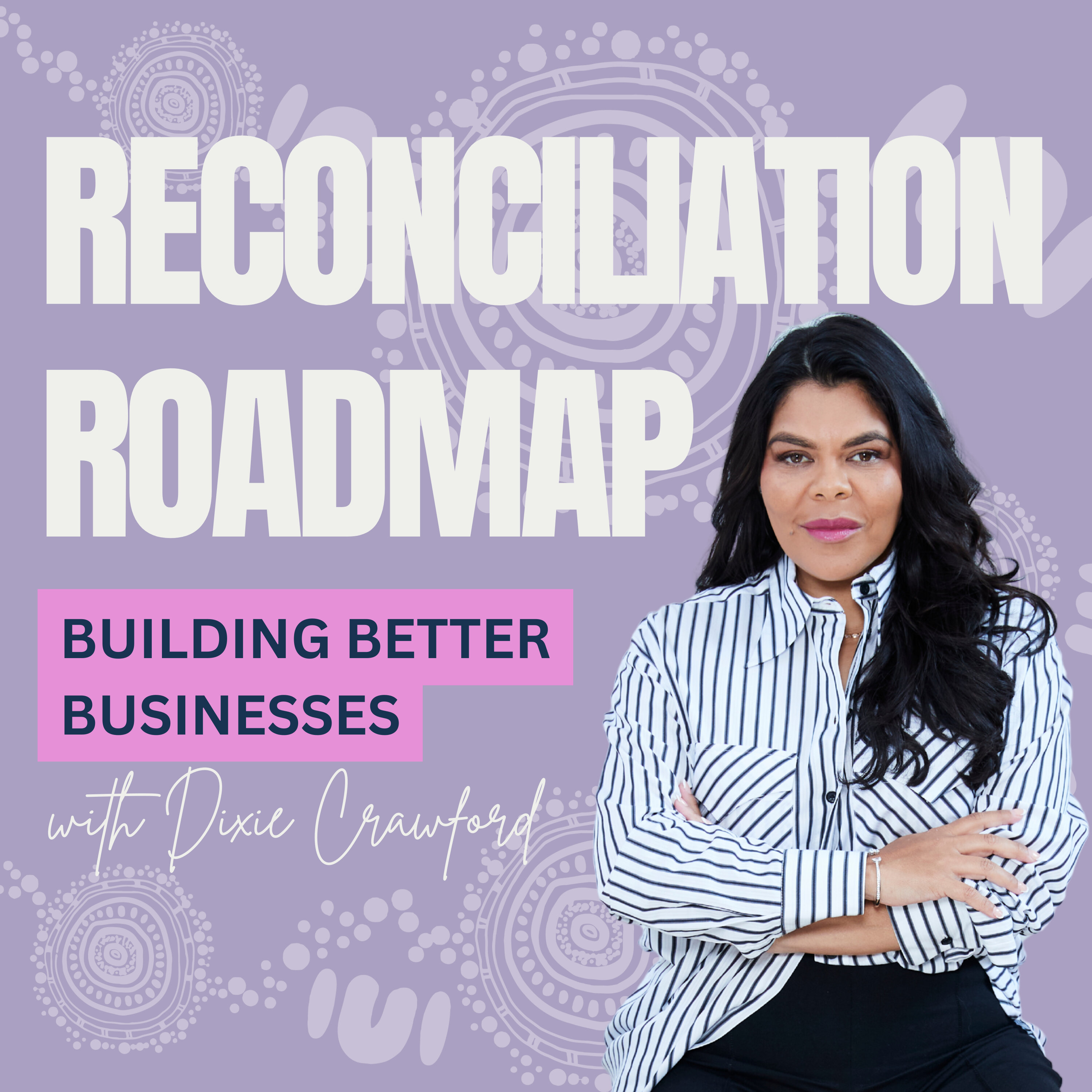
Reconciliation Road Map - Building Better Businesses
by Dixie Crawford
Join Dixie Crawford, Barkindji woman, the Founder of Nganya and RAP Consultant, hosted by Holly Ferling, Journalist and Professional Cricketer, as they embark on an enlightening journey into the world of Reconciliation Action Plans (RAP) in Australia, through our podcast series - "Reconciliation Roadmap - Building Better Businesses”.Dixie provides practical advice, actionable tips and transformative insights to support effective, efficient and impactful implementation of RAPs. Whether you're a leader seeking to enhance your skillset or an organisation aspiring to improve your RAP implementation capability, this podcast is your one-stop resource.Each episode, guided by Dixie, unpacks the pillars of the RAP framework, highlighting critical considerations, demystifying complex ideas and providing fresh perspectives on reconciliation action and leadership. With her wealth of experience and innate expertise, Dixie offers innovative solutions and expert advice, ensuring your organisation b
-
46
46. Preparing for the Transition: Moving to the Next RAP Level with Confidence
In this episode of Reconciliation Roadmap, Dixie Crawford unpacks what it really takes to move from one RAP level to the next — and why rushing the process can do more harm than good. Whether you're moving from Reflect to Innovate, or gearing up for Stretch or Elevate, this episode is a practical guide for leaders and RAP Working Groups who want to make the transition with integrity, not just for appearances. Dixie calls out the common traps — like over-promising, under-resourcing, and letting one person carry the load and walks you through how to get your house in order before you step up. Takeaways: Every RAP transition must be earned – It’s not about status. It's about whether your organisation has the maturity, resources and systems in place to go deeper with reconciliation. A readiness checklist is essential – Before moving up, you need to honestly assess staff ownership, cultural capability, budget, governance, and the strength of your community relationships. Preparation is the difference between credibility and collapse – If you rush it, trust breaks. If you do it right, reconciliation becomes embedded and sustainable. See omnystudio.com/listener for privacy information.
-
45
45. RAP Burnout Prevention
In this episode of the Reconciliation Roadmap Podcast, host Dixie Crawford discusses the often-overlooked issue of burnout in reconciliation work. She highlights the emotional toll on leaders and staff involved in implementing Reconciliation Action Plans (RAPs) and provides insights into preventing burnout through shared ownership, proper resourcing, and sustainable practices. The conversation emphasises the importance of maintaining energy and commitment in the long-term reconciliation journey, ensuring that leaders and teams can continue their vital work without exhausting themselves. Takeaways Burnout in reconciliation work is a significant issue. RAP leadership can be exhausting and lead to burnout. Signs of burnout include fatigue, cynicism, and withdrawal. The cost of burnout includes stalled progress and damaged trust. Shared ownership of RAPs is essential to prevent burnout. Proper resourcing is crucial for successful RAP implementation. Pacing oneself is important in long-term reconciliation efforts. Setting realistic timelines helps manage expectations. Celebrating small wins can sustain motivation and energy. Regular reflection and dialogue are key to maintaining well-being. Chapters 00:00 Introduction to Reconciliation Roadmap Podcast 00:38 Understanding RAP Burnout 04:55 Consequences of Burnout in Reconciliation 08:46 Principles for Preventing Burnout 09:45 Practical Strategies for Leaders 10:11 Conclusion and Call to ActionSee omnystudio.com/listener for privacy information.
-
44
44. Peer Accountability Models
In this episode of the Reconciliation Roadmap Podcast, host Dixie Crawford discusses the critical role of accountability in the reconciliation process within organisations. She emphasises the importance of both self-accountability and peer accountability, outlining practical models for fostering a culture of accountability that promotes trust and collaboration. The conversation highlights the need to shift from blame to problem-solving, ensuring that reconciliation becomes an integral part of organisational culture rather than a side project. Takeaways Accountability is essential for effective reconciliation. Peer accountability spreads responsibility across all staff levels. Self accountability is the foundation for holding others accountable. Criticism can undermine the reconciliation process. Healthy peer accountability models empower staff and foster collaboration. Accountability should focus on solving problems, not blaming individuals. Mistakes should be viewed as learning opportunities. Leaders should model vulnerability to normalise accountability. Reconciliation is a collective responsibility, not just for a few champions. Building a culture of accountability requires consistent practices and processes. Chapters 00:00 Introduction to Reconciliation Roadmap 00:38 The Importance of Accountability in Reconciliation 03:00 Self Accountability: The Foundation of Peer Accountability 05:53 Models of Healthy Peer Accountability 08:43 Shifting from Blame to Problem SolvingSee omnystudio.com/listener for privacy information.
-
43
43. Missteps That Became Progress
In this episode of the Reconciliation Roadmap Podcast, host Dixie Crawford discusses the importance of acknowledging and learning from mistakes in reconciliation practices. She emphasises that reconciliation is a messy, non-linear process where missteps are inevitable. The conversation covers common pitfalls organisations face, such as rushing, making assumptions, and failing to engage communities meaningfully. Dixie outlines steps to turn these missteps into opportunities for growth and highlights the significance of accountability and a growth mindset in the reconciliation journey.Takeaways Reconciliation is not a linear process; it's messy and human. The real test is how we respond to mistakes. Common missteps include rushing, assumptions, and symbolism over substance. Tokenistic consultation leads to frustration and mistrust. Ignoring cultural protocols sends damaging messages. Overloading First Nations staff can lead to burnout. Silence on racism erodes trust in organisations. Acknowledge mistakes to build trust and accountability. Implement feedback loops to create a safe space for learning. Reconciliation is about progress, not perfection. Chapters 00:00 Introduction to Reconciliation Roadmap00:38 Understanding Missteps in Reconciliation03:06 Common Missteps and Their Impact05:58 Turning Mistakes into Progress07:51 Practical Tools for GrowthSee omnystudio.com/listener for privacy information.
-
42
42. Navigating Difficult Feedback
In this episode of the Reconciliation Roadmap podcast, host Dixie Crawford discusses the importance of navigating difficult feedback in the reconciliation process with First Nations peoples. She emphasises that feedback, especially the uncomfortable kind, is crucial for growth and accountability. The episode explores common traps organisations fall into when receiving feedback, reframing discomfort as a learning opportunity, and practical strategies for handling feedback effectively. Dixie encourages organisations to embed feedback into their culture to foster trust and long-lasting relationships with communities. Takeaways Feedback is crucial for accountability in reconciliation. Difficult feedback is often uncomfortable but necessary for growth. Common traps include defensiveness, fear, tokenism, and disconnection. Reframing discomfort can lead to significant organisational growth. Listening without defense is the first step in handling feedback. Acknowledging the courage it takes to give feedback is essential. Sitting with discomfort allows for deeper understanding and processing. Action must follow feedback to demonstrate commitment to change. Building structures for regular feedback is vital for ongoing improvement. Feedback should be normalised in organisational culture. Chapters 00:00 Introduction to Reconciliation Roadmap 00:34 Navigating Difficult Feedback 05:50 Reframing Discomfort as Growth 08:40 Practical Strategies for Handling Feedback See omnystudio.com/listener for privacy information.
-
41
41. Rebuilding Beyond Autonomy
Autonomy has become one of the most overused and misunderstood words in corporate reconciliation. In this episode, Dixie Crawford—a proud Barkandji woman, founder of Nganya, and expert RAP consultant—unpacks why autonomy is not the endgame it’s often made out to be. Too often, autonomy is presented as a generous handover of responsibility to First Nations people, but without the decision-making authority, financial control, or structural backing needed to succeed. What looks like inclusion on paper can quickly become tokenism in practice. The result? First Nations employees and stakeholders are left carrying heavy expectations without the power to make change, leading to frustration, burnout, and disillusionment. Dixie challenges organisations to stop equating autonomy with progress. Instead, she introduces the concept of structural partnership—an approach that embeds First Nations leadership and voices directly into governance structures, budget processes, and core business strategy. This isn’t about symbolic gestures or decorative authority; it’s about real, shared power. This episode offers a blueprint for leaders who are serious about moving their RAP beyond symbolism and into substance. You’ll hear why simply “handing over the reins” isn’t enough, and how shifting to structural partnership creates pathways for genuine co-governance, stronger accountability, and more sustainable reconciliation outcomes. What You’ll Learn Why autonomy without power creates more harm than progress The risks of tokenism and burnout in reconciliation efforts How structural partnership transforms reconciliation into shared power Practical steps to embed First Nations leadership in decision-making. Follow Dixie's work on LinkedIn Dixie Lee Crawford | LinkedIn Enquiries: [email protected] omnystudio.com/listener for privacy information.
-
40
40. Hiring First Nations Staff Doesn’t Equal Reconciliation
In this episode, Dixie Crawford discusses the importance of genuine reconciliation with First Nations people in the workplace. She emphasises that hiring Indigenous staff is just the beginning and that organisations must create a supportive and culturally safe environment for them to thrive. Dixie outlines common misconceptions about reconciliation, the need for systemic change, and practical steps organisations can take to ensure meaningful employment practices. She challenges leaders to reflect on their systems and culture to truly support First Nations staff. Takeaways Hiring First Nations people is a responsibility, not a token gesture. Cultural safety is essential for retention and success. Recruiting alone does not equate to reconciliation credibility. Representation must come with influence and respect. Systems and culture must change to support First Nations staff. Conducting an employment audit is crucial for understanding representation. Culturally safe employment pathways are necessary for success. Avoid placing the cultural burden on a single staff member. Reconciliation requires collective effort, not individual action. Leadership must focus on how to support First Nations staff effectively. Chapters 00:00 Acknowledging Country and Responsibility 00:56 The Misconception of Hiring as Reconciliation 03:17 The Importance of Cultural Safety and Support 05:36 Building a Culturally Safe Employment Pathway 06:58 Moving Beyond Tokenism to Transformation Follow Dixie's work on LinkedIn Dixie Lee Crawford | LinkedIn Enquiries: [email protected] omnystudio.com/listener for privacy information.
-
39
39. The Culture You Allow Is the Culture You Lead
In this episode of Reconciliation Roadmap, host Dixie Crawford emphasises the critical role of organisational culture in the success of reconciliation action plans (RAPs). She discusses how culture is defined not by stated values but by tolerated behaviors, highlighting the importance of active leadership in fostering a safe and inclusive environment. Crawford provides actionable tips for leaders to align their culture with reconciliation efforts, stressing that true change requires consistent and courageous actions. Takeaways Culture is what you tolerate, not what you say. Passive leadership allows harmful behaviours to persist. Cultural safety must be built and protected. Reconciliation cannot thrive in a culture of silence. Strong RAP cultures are proactive and values-driven. Leaders must call out inappropriate behaviours consistently. Cultural behaviors should be integrated into performance evaluations. Creating safe spaces for dialogue is essential but not enough. Trust is undermined when input is ignored. The culture you allow is the culture you lead. Chapters 00:00 Acknowledging Country and Cultural Context 01:28 The Impact of Culture on Strategy 03:26 Building and Protecting Cultural Safety 04:53 Leading a RAP-Aligned Culture 06:48 The Leadership Challenge: Actions Over Words Follow Dixie's work on LinkedIn Dixie Lee Crawford | LinkedIn Enquiries: [email protected] omnystudio.com/listener for privacy information.
-
38
38. No More Passengers — Everyone Owns This RAP
In this episode of Reconciliation Roadmap, host Dixie Crawford emphasises the importance of ownership in reconciliation efforts, challenging the notion of being a 'passenger' in the process. She outlines the necessity for all individuals within an organisation to take responsibility for reconciliation actions, rather than relegating the work to a few. Crawford discusses how isolated ownership leads to limited impact and stresses the need for accountability across all levels of an organisation. She provides actionable steps to embed reconciliation into the core operations of a business and encourages leaders to foster an environment where everyone is expected to participate actively in the reconciliation journey. Takeaways There are no passengers in reconciliation, only leaders or blockers. The success of your RAP is about who owns it, and that should be everyone. Reconciliation is not a side project; it should be embedded in all operations. Isolated ownership leads to isolated impact and potential burnout. Successful RAPs are decentralised and involve all teams. You don't need to be an expert to take action; accountability is key. Language shapes mindset; use active language to promote ownership. Introduce a no bystanders policy to encourage participation. Reconciliation is a leadership role, not a spectator sport. Every stalled RAP has the same root cause: lack of collective ownership. Chapters 00:00 Introduction and Acknowledgement 01:26 The Myth of the Passenger 02:23 Ownership in Reconciliation 04:51 Embedding Accountability 06:44 The Leadership Challenge Follow Dixie's work on LinkedIn Dixie Lee Crawford | LinkedIn Enquiries: [email protected] omnystudio.com/listener for privacy information.
-
37
37. How to Spot When Your RAP Is Off Track (Before It Blows Up)
In this episode of Reconciliation Roadmap, Dixie Crawford discusses the subtle signs that indicate a Reconciliation Action Plan (RAP) is off track. She emphasises the importance of early detection and proactive leadership in maintaining momentum and engagement in reconciliation efforts. By identifying key indicators of disengagement and implementing regular check-ins, organisations can avoid the pitfalls of reactive leadership and ensure that reconciliation remains a living practice rather than a seasonal campaign. Takeaways RAPs unravel slowly and quietly, often unnoticed. Failure is indicated by small, subtle signs. Silence from the working group is a red flag. Disengaged leadership shows up in culture first. Scrambling during reconciliation week indicates a loss of rhythm. Community partners going quiet signals deeper issues. Regular RAP checks can help maintain accountability. Tracking energy is as important as tracking outcomes. Facilitated sessions can diagnose underlying issues. Proactive leadership is essential for effective reconciliation. Chapters 00:00 Introduction to Reconciliation and Acknowledgement 00:55 Understanding the Signs of a Failing RAP 03:21 Identifying Leadership Disengagement 05:15 Strategies for Early Detection and Intervention Follow Dixie's work on LinkedIn Dixie Lee Crawford | LinkedIn Enquiries: [email protected] See omnystudio.com/listener for privacy information.
-
36
36. Your RAP Report Card What Success Actually Looks Like
In this episode of Reconciliation Roadmap, Dixie Crawford discusses the true meaning of success in Reconciliation Action Plans (RAPs). She emphasises the importance of measuring real impact rather than just counting activities, advocating for transparency, accountability, and genuine engagement with First Nations communities. Crawford outlines key metrics for success and encourages organisations to shift their focus from superficial achievements to meaningful change that benefits all stakeholders involved. Takeaways RAP success is not just about ticking boxes. Real impact requires measuring what matters, not just what is easy. Success is about transparency and shared responsibility. Internal confidence does not equate to external credibility. Systems change is essential for true reconciliation. Define success metrics and revisit them regularly. Seek external validation from First Nations stakeholders. Create a traffic light dashboard for accountability. Reconciliation should be integrated into all aspects of the organisation. Honesty about progress is crucial for meaningful change. Chapters 00:00 Acknowledging Country and Purpose 00:56 Defining RAP Success 02:45 Measuring Real Impact 04:41 Building Effective Metrics 06:08 Creating Accountability and Transparency 07:34 Call to Action for Real Change Follow Dixie's work on LinkedIn Dixie Lee Crawford | LinkedIn Enquiries: [email protected] omnystudio.com/listener for privacy information.
-
35
35. Done Is Better Than Perfect
In this episode of Reconciliation Roadmap, Dixie Crawford discusses the detrimental effects of perfectionism on the implementation of Reconciliation Action Plans (RAPs). She emphasises that waiting for the perfect moment can stall progress and erode trust among stakeholders. Instead, she advocates for a mindset that embraces action and continuous improvement, encouraging organisations to launch their RAPs and adapt as they go. The conversation highlights the importance of leadership in fostering trust and making tangible progress in reconciliation efforts. Takeaways Perfectionism can stall RAP implementation and erode trust. RAPs should be seen as living frameworks that evolve over time. Delays in launching RAPs can lead to disengagement from stakeholders. Credibility comes from action and visible effort, not a polished document. Perfectionism often stems from fear of backlash or making mistakes. Setting a firm launch date can help overcome perfectionism. Adopting a version control mindset allows for continuous improvement. Celebrating small actions can shift the focus from perfection to progress. Leadership is crucial in building trust and momentum for change. Reconciliation requires immediate action, not waiting for readiness. Chapters 00:00 Introduction and Acknowledgement 01:17 The Perils of Perfectionism in RAPs 03:14 Understanding RAPs as Living Frameworks 05:10 Moving Forward Without Perfectionism 07:03 Call to Action and Conclusion Follow Dixie's work on LinkedIn Dixie Lee Crawford | LinkedIn Enquiries: [email protected] omnystudio.com/listener for privacy information.
-
34
34. How to Embed RAPs into Day-to-Day Work (Without Burning Out Your People)
In this episode of Reconciliation Roadmap, Dixie Crawford discusses the importance of embedding Reconciliation Action Plans (RAPs) into everyday business processes to avoid burnout among staff. She highlights common pitfalls organisations face when implementing RAPs, such as treating them as separate from core business functions and over-relying on passionate individuals. Crawford emphasises the need for structural changes, leadership involvement, and sustainable practices to ensure that reconciliation becomes an integral part of organisational culture. Takeaways: A RAP must be embedded into core business processes. Burnout occurs when RAPs are treated as an unpaid second job. Reconciliation should not rely solely on passionate individuals. Embedding reconciliation means changing organisational functions. First Nations staff should not bear the cultural load alone. Sustainable RAPs require formal structures and accountability. Leadership must treat RAPs as real work, not extras. Integrate RAP actions into existing workflows and KPIs. Create cross-functional teams for shared responsibility in RAPs. Reconciliation should be a part of business as usual, not a side hustle. Chapters 00:00 Introduction to Reconciliation and RAPs 01:42 Challenges of Embedding RAPs in Organisations 03:30 Strategies for Sustainable Reconciliation Practices 05:57 Leadership's Role in Effective RAP Implementation Follow Dixie's work on LinkedIn Dixie Lee Crawford | LinkedIn Enquiries: [email protected] omnystudio.com/listener for privacy information.
-
33
33. If It’s Not Measurable, It’s Not a RAP Outcome
In this episode of Reconciliation Roadmap, Dixie Crawford emphasises the critical importance of measurement in Reconciliation Action Plans (RAPs). She argues that without measurable outcomes, reconciliation efforts risk becoming mere corporate theatre. The discussion covers the necessity of transparency to build trust with First Nations communities, practical tips for effective measurement, and the strategic significance of reconciliation within organisations. Crawford challenges listeners to operationalise reconciliation efforts and ensure accountability through clear metrics and reporting. Takeaways: If it's not measured, it's not a RAP outcome. Reconciliation without measurement becomes corporate theatre. Measurement drives momentum and credibility. Most RAPs fail from bad data, not bad intent. What gets measured gets resourced. Community trust depends on transparency. The RAP shouldn't live in a PDF. Real RAP leadership measures impact, not just activity. Reconciliation is a strategic pillar, not a side project. Change becomes visible and credible when measured. Chapters 00:00 Acknowledging Country and Purpose 01:17 The Importance of Measurement in RAP 04:41 Building Trust Through Transparency 05:10 Practical Tips for Effective Measurement 07:04 Reconciliation as a Strategic Pillar Follow Dixie's work on LinkedIn Dixie Lee Crawford | LinkedIn Enquiries: [email protected] omnystudio.com/listener for privacy information.
-
32
32. Your Sphere of Influence Is Bigger Than You Think
In this episode of Reconciliation Roadmap, Dixie Crawford emphasises the importance of individual influence in driving reconciliation efforts. She challenges the myth that only executives can lead these initiatives, highlighting that everyone has a sphere of influence that can effect change. Through small, consistent actions and visible leadership, individuals can contribute to a cultural shift towards reconciliation. Dixie encourages listeners to take action and lead without waiting for permission, ultimately calling for grassroots leadership to transform reconciliation from a performative act into a genuine movement. Takeaways: Your budget doesn't define your influence. Reconciliation doesn't move because of policy alone. Everyone has a sphere of influence, whether they realise it or not. Small consistent actions create cultural shift. Waiting for permission will reduce your influence. You are already authorised to lead. Culture shifts when leadership is seen, not just assumed. If every listener committed to building just two new reconciliation leaders, we would double our impact instantly. Reconciliation requires cultural movement. You don't need a bigger title. You need courage, consistency and commitment. Chapters 00:00 Acknowledging Land and Influence 01:46 Understanding Your Sphere of Influence 04:38 Expanding Your Influence 07:03 Call to Action for Everyday Leaders Follow Dixie's work on LinkedIn Dixie Lee Crawford | LinkedIn Enquiries: [email protected] See omnystudio.com/listener for privacy information.
-
31
31. Why RAP Champions Get Stuck Waiting
In this episode of Reconciliation Roadmap, Dixie Crawford emphasises the crucial role of RAP champions in driving reconciliation efforts within organisations. She discusses the challenges these champions face, including a lack of empowerment and the tendency to wait for permission to act. Crawford encourages RAP champions to embrace their leadership roles, take bold actions, and not be afraid to challenge the status quo. The episode concludes with a leadership challenge for listeners to take immediate action without waiting for approval. Takeaways: RAP champions often feel chosen but not empowered. Waiting for permission can stall reconciliation efforts. Leadership requires discomfort and cultural courage. Meaningful change comes from those who act first. Playing it safe leads to safe outcomes. Your role is to push against the status quo. Act now and ask for forgiveness later. Build power through networks and partnerships. Escalate strategically when facing resistance. Lead visibly and without apology to inspire others. Chapters 00:00 Introduction to Reconciliation Action Plans 02:15 Empowerment of RAP Champions 04:08 Leadership vs. Management in Reconciliation 06:33 Taking Action Without Waiting for Permission 08:57 Leadership Challenge and Conclusion Follow Dixie's work on LinkedIn Dixie Lee Crawford | LinkedIn Enquiries: [email protected] omnystudio.com/listener for privacy information.
-
30
30. Team Misalignment: Your RAP Doesn’t Stand a Chance
In this episode of Reconciliation Roadmap, Dixie Crawford dives straight into one of the most common reasons Reconciliation Action Plans (RAPs) fail: team misalignment. It doesn’t matter how glossy your RAP document looks or how impressive the launch event was, if your leadership and delivery teams aren't aligned, your RAP is on borrowed time. Dixie unpacks how misalignment leaks into behaviour before it shows up as failure: slipping deliverables, vague ownership, and disengaged leaders. She challenges organisations to stop treating alignment as optional and start recognising it as a leadership responsibility. This episode delivers hard truths about the professional discipline required to execute RAPs effectively, even when reconciliation work competes with 'business as usual' priorities. Dixie also offers three sharp, practical strategies for leaders to realign their teams, build accountability, and keep RAP momentum alive. If you're serious about moving beyond performative reconciliation, this episode is your wake-up call. Alignment isn’t a bonus — it’s non-negotiable. Follow Dixie's work on LinkedIn Dixie Lee Crawford | LinkedIn Enquiries: [email protected] omnystudio.com/listener for privacy information.
-
29
29. Stop Emailing Your RAP - Start Selling It
In this episode of Reconciliation Roadmap, Dixie Crawford emphasises the importance of effective communication in reconciliation efforts, particularly the limitations of relying solely on email. She advocates for a more engaging approach that inspires action and personal connection to the Reconciliation Action Plan (RAP). By tailoring messages to different audiences and emphasising the need for leadership involvement, Crawford outlines strategies for fostering genuine commitment to reconciliation within organisations. The episode concludes with a call to action for listeners to actively promote reconciliation in their teams. Takeaways: You cannot email your way through reconciliation. Awareness is an action, not just information. Buying happens through experience, not exposure. You need to light a fire, not forward a file. Successful RAPs are sold, not told. Every communication touch point must have a call to action. Change moves faster peer to peer than top down. First Nations people don't need more empty promises. Internal culture sets the tone for external impact. Reconciliation doesn't live in a file, it lives in action. Chapters 00:00 Introduction to Reconciliation and Acknowledgment 01:44 The Limitations of Email Communication in Reconciliation 04:08 Strategies for Effective RAP Communication 06:35 The Importance of Action Over Words in Reconciliation Follow Dixie's work on LinkedIn Dixie Lee Crawford | LinkedIn Enquiries: [email protected] See omnystudio.com/listener for privacy information.
-
28
28. No One Cares About Your Reconciliation Week Event If You Don’t Care Year-Round
In this episode of Reconciliation Roadmap, Dixie Crawford emphasises the necessity of year-round commitment to reconciliation rather than performative actions limited to National Reconciliation Week. She discusses the importance of embedding reconciliation into the core values and operations of organisations, highlighting that true leadership in reconciliation is measured by consistency and genuine engagement with First Nations communities. Practical steps are provided for organisations to audit their reconciliation efforts and ensure ongoing action, ultimately calling for a shift from performative gestures to meaningful, sustained commitment. Takeaways No one cares about your Reconciliation Week event if you don't care about reconciliation year round. Reconciliation isn't a campaign, it's a commitment. Events without year-round action damage trust, not build it. Reconciliation Week should showcase your ongoing work, not cover up its absence. Real leaders in reconciliation aren't louder. They're more consistent. Audit your reconciliation activity across the whole year. Treat Reconciliation Week as a reporting point, not a starting point. Build a 12-month RAP activation calendar. Trust is built in the boring months. Reconciliation isn't an event; it's a way of leading. Chapters 00:00 Introduction and Acknowledgment of Country 01:46 The Importance of Year-Round Reconciliation 03:15 The Dangers of Performative Reconciliation 05:13 Practical Steps for Embedding Reconciliation 07:37 Call to Action for Continuous Commitment Follow Dixie's work on LinkedIn: Dixie Lee Crawford | LinkedIn Enquiries: [email protected] See omnystudio.com/listener for privacy information.
-
27
27. Why Your Team Doesn’t Take Reconciliation Seriously (And How to Fix It)
In this episode, host Barkindji woman, Dixie Crawford dives into the hard truths about why many organisations struggle to get their teams truly engaged with reconciliation. Dixie breaks down the leadership missteps and cultural signals that result in low engagement, and shares practical, actionable strategies to make reconciliation core business, not just corporate theatre or ‘feel-good’ add-ons. Key Takeaways When staff aren’t taking reconciliation seriously, it’s often because leadership has (directly or indirectly) signaled that it’s optional. Stated values are meaningless if breaches go unchecked. Silence speaks volumes. Cultural awareness programs bring knowledge, but real change happens through accountability, expectation, and reinforcement. Framing RAP activities as ‘optional’ subtly tells staff it isn’t a priority. Staff model their behavior on what leaders do, not just what they say. Practical Tips from Dixie Make reconciliation outcomes part of KPIs, manager assessments, and departmental reporting—just like financials or safety. Publicly acknowledge and amplify managers and teams showing genuine leadership in reconciliation. Demonstrate that reconciliation delivers not just social value, but commercial benefits—improving reputation, r Call to Action When was the last time you publicly reinforced RAP as a priority, held someone accountable, or celebrated reconciliation leadership? This week, pick one area and take a visible action to make reconciliation real and not just rhetorical. Follow Dixie's work on LinkedIn: Dixie Lee Crawford | LinkedIn Enquiries: [email protected] omnystudio.com/listener for privacy information.
-
26
26. Your RAP Isn't Stalling - You Are
In this episode of Reconciliation Roadmap, host Dixie dives deep into the realities of RAP implementation, challenging leaders to step up and turn their commitments into meaningful action. You’ll discover why your RAP might feel like it’s stalling—and why it’s not the plan itself, but leadership inertia holding you back. Dixie lays out the clear signs of stagnation, common reasons behind stalled progress, and, most importantly, practical tips to help you get moving today, not “next quarter.” With personal insights, actionable strategies, and a focus on accountability, this episode is your direct line to making reconciliation a lived reality within your organisation. Whether you’re a RAP leader, part of a working group, or simply passionate about driving change, you’ll leave feeling empowered to lead with courage, clarity, and impact. Follow Dixie's work on LinkedIn: Dixie Lee Crawford | LinkedIn Enquiries: [email protected] omnystudio.com/listener for privacy information.
-
25
25. Transitioning through the RAP Framework
In this episode, Dixie unpacks the Reconciliation Action Plan (RAP) framework with a focus on sustainability over speed. She explores what genuine readiness looks like when transitioning between RAP levels and calls out the risks of rushing progress without solid foundations. From internal pressures to external expectations, Dixie highlights the key indicators of organisational preparedness—and the pitfalls of moving forward prematurely. This episode offers clear, practical guidance to help organisations reflect, recalibrate, and make confident, informed decisions about their RAP trajectory. Takeaways Acknowledge the country and respect First Nations communities. Understand the four levels of the RAP framework: Reflect, Innovate, Stretch, Elevate. Foundational work is crucial for effective reconciliation efforts. Organisations should not rush through RAP levels without proper understanding. Signs of readiness include integration of reconciliation into core business functions. Engagement from senior leadership is essential for successful RAP implementation. Organisations should assess their relationships with First Nations stakeholders. Pressure to transition can lead to superficial efforts in reconciliation. Staying at the same RAP level can be a strategic decision, not a failure. Continuous improvement and self-reflection are vital for meaningful reconciliation. Follow Dixie's work on LinkedIn: Dixie Lee Crawford | LinkedIn Enquiries: [email protected] omnystudio.com/listener for privacy information.
-
24
24. The Critical Role of Governance in RAPs
About In this episode, Dixie Crawford emphasises the importance of governance in implementing RAPs. Effective governance is vital for RAP's success and impact. Diverse representation, including First Nations voices, is crucial, alongside leadership involvement, to prioritise RAPs within organisations. Strategic enablers integrate RAP objectives, while community activators drive cultural change. Regular tracking and reporting ensure accountability. Evolving governance structures support RAP progress, preventing it from becoming a formality. Takeaways Governance is essential for the success of RAPs. Diverse representation in governance groups enhances effectiveness. Regular monitoring and reporting ensure accountability. Active leadership is crucial for driving RAP initiatives. Bystanders in governance can hinder progress. Transparent communication builds trust with stakeholders. RAP champions must engage actively in the process. Failure in governance leads to disengagement from reconciliation efforts. Future-proofing governance structures are vital for long-term impact. Organisations must reflect on their governance effectiveness regularly. Follow Dixie's work on LinkedIn: Dixie Lee Crawford | LinkedIn Enquiries: [email protected] omnystudio.com/listener for privacy information.
-
23
23. Unpopular Opinion: Not All Organisations Should Have A RAP
In this episode of Reconciliation Roadmap, Dixie Crawford discusses the complexities and challenges surrounding Reconciliation Action Plans (RAPs) for organisations. She emphasises the importance of genuine engagement with First Nations communities, the need for cultural safety, and the risks of tokenism. Dixie argues that organisations should only pursue a RAP if they are truly ready and committed to meaningful reconciliation rather than following industry trends. She provides insights on building relationships, understanding community needs, and ensuring that RAPs are tailored to the specific contexts of First Nations communities. Key takeaways Organisations should not pursue a RAP if they lack genuine commitment. Tokenistic approaches to reconciliation can harm First Nations communities. Cultural safety is essential and takes time to develop. Understanding First Nations issues is crucial for effective RAP implementation. Organisations must engage with First Nations people to gain insights. RAPs should align with the specific needs of the communities involved. Building relationships is a prerequisite for developing a RAP. Active participation in community events fosters genuine connections. Organisations should avoid copying other RAPs without understanding their context. Reconciliation is a continuous journey that requires ongoing effort. Connect with us For more information on our work, connect with us on LinkedIn (Dixie) LinkedIn (Nganya) Website Join our mailing list See omnystudio.com/listener for privacy information.
-
22
22. 2025 RAP Predictions
Host Dixie Crawford takes a solo dive into predictions for reconciliation and First Nations affairs in 2025. As an experienced Reconciliation Action Plan (RAP) consultant, Dixie offers invaluable insights on the future trajectory of these vital areas. She discusses the potential evolution of the Reconciliation Australia framework as organisations strive for transformational growth, as well as the influence of political dynamics, particularly around the upcoming federal election. Dixie anticipates a significant shift of First Nations talent from government roles to the corporate and non-profit sectors, and foresees a growing intolerance for tokenism in reconciliation efforts. With a focus on actionable strategies, she encourages businesses to prepare for these changes and leverage their influence for enhanced impact. Follow Dixie's work on LinkedIn: Dixie Lee Crawford | LinkedIn Enquiries: [email protected] See omnystudio.com/listener for privacy information.
-
21
21. First Nations Impact Statements
In this episode of Reconciliation Roadmap, Dixie Crawford discusses the significance of First Nations Impact Statements in fostering reconciliation and understanding within organisations. The conversation covers the definition, importance, and key components of these statements, as well as the process of developing them and their benefits. Challenges faced by organisations in implementing these statements are also addressed, alongside the long-term goals of reconciliation and the necessity of embedding First Nations perspectives in decision-making processes. TakeawaysA First Nations Impact Statement is a informative document that should be considered when collaborating with First Nations communities.It helps identify gaps and opportunities in community needs.Consultation is crucial for understanding community contexts.Impact statements challenge tokenism in organisational practices.They enhance organisational awareness and capacity.Incorporating these statements builds trust with communities.They help avoid unintended negative consequences.Regular monitoring is essential for effective implementation. Chapters00:00 Introduction to First Nations Impact Statements03:11 Understanding the Importance of Impact Statements05:52 Key Components of a First Nations Impact Statement09:10 Developing a First Nations Impact Statement11:52 Benefits of Incorporating Impact Statements14:57 Challenges in Developing Impact Statements18:13 Long-term Reconciliation Goals See omnystudio.com/listener for privacy information.
-
20
20. Communicating about Reconciliation: Strategies for Maximum Impact
In this episode, Dixie Crawford highlights the importance of clear communication in reconciliation efforts. She shares practical tips for creating tailored strategies, using storytelling to engage audiences, and maintaining trust through transparency. Dixie emphasises the need for leadership visibility, consistency, and cultural integrity when communicating both internally and externally. She also explores how to avoid common pitfalls like tokenism and overcomplication while promoting genuine collaboration with First Nations voices. Listeners will gain actionable insights on measuring communication success, fostering trust, and aligning reconciliation messaging with organisational values. Whether you’re starting or refining your approach, this episode is packed with practical advice to help you make a meaningful impact. Chapters 00:00 The Importance of Clear Communication in Reconciliation 02:48 Effective Communication Strategies for Reconciliation 06:05 Tailoring Messages for Different Audiences 08:59 Leadership's Role in Reconciliation Communication 11:54 Storytelling as a Tool for Reconciliation 15:13 Engaging First Nations Voices 17:56 Transparency and Accountability in Reconciliation 21:11 Measuring the Effectiveness of Communication Takeaways Clear communication is essential for effective reconciliation. Organisations should develop tailored communication strategies. Leadership visibility is crucial for setting the tone in reconciliation efforts. Storytelling can enhance the impact of reconciliation messages. Engaging First Nations voices is vital for authentic communication. Transparency builds trust with communities and stakeholders. Avoid using complex jargon in communication. Consistency in messaging is key to effective communication. Measuring the effectiveness of communication helps organisations improve. Actions and outcomes should speak louder than words. See omnystudio.com/listener for privacy information.
-
19
19. Building relationships with First Nations Stakeholders
In this episode of Reconciliation Roadmap, Cooper Silk and Dixie Crawford discuss the critical importance of building strong relationships with First Nations stakeholders. They emphasise the need for genuine partnerships, co-design in consultation processes, and understanding the diverse needs of communities. The conversation highlights the significance of consistency, respect, and active listening in fostering trust and sustaining long-term relationships with First Nations communities. Takeaways Building relationships with First Nations stakeholders is essential for impactful work. Embedding Aboriginal perspectives is crucial for genuine engagement. Co-designing consultation processes helps identify the right stakeholders. Understanding the target audience is key to effective communication. Regular engagement fosters trust and respect in relationships. Respecting community and cultural protocols is vital for successful engagement. Diversity in thought and leadership within communities should be acknowledged. Partnerships and MOUs can solidify commitments to ongoing change. Capacity building should include both communities and organisational teams. Active listening and adaptability are essential in community consultations. Chapters 00:00 Building Strong Relationships with First Nations Stakeholders 02:53 The Importance of Co-Design in Consultation 06:04 Understanding Target Audiences for Effective Engagement 09:04 Key Elements of Trust and Respect in Engagement 11:22 Sustaining Long-Term Relationships with First Nations Communities See omnystudio.com/listener for privacy information.
-
18
18. How to Construct Conversations about Reconciliation
In this episode, Cooper Silk and Dixie Crawford discuss the importance of constructing critical conversations about the purpose and potential of Reconciliation Action Plans (RAPs). They emphasise the need for organisations to understand the context of reconciliation and the core pillars of a RAP before developing one. They also highlight the importance of preparation, empathy, curiosity, and compassion in these conversations. The role of storytelling in enhancing the conversations is discussed, as well as the need for clear goals and outcomes. Reflecting on past conversations and seeking feedback are also emphasised as ways to improve future discussions. Takeaways Organisations should do their research and understand the context and core pillars of reconciliation before developing a Reconciliation Action Plan (RAP). Preparation, empathy, curiosity, and compassion are key in constructing critical conversations about RAPs. Storytelling can enhance conversations about RAPs by focusing on the impact and sharing personal experiences. Clear goals and outcomes should be established for each conversation, and feedback should be sought to improve future discussions. Reflecting on past conversations and acknowledging progress made can help in the ongoing journey of reconciliation. Chapters 00:00 Understanding the Context and Core Pillars of RAPs 02:22 Preparation and Key Qualities for Effective Conversations 05:37 Constructing Critical Conversations as an Effective Leader 09:47 Ensuring All Voices Are Heard in Critical Conversations 12:27 Approaching Resistance with Compassion and Curiosity 16:50 Enhancing Conversations through Storytelling 18:14 Setting Clear Goals and Seeking Feedback 21:35 Creating Opportunities for Meaningful Action 22:59 Reflecting on Past Conversations and Acknowledging ProgressSee omnystudio.com/listener for privacy information.
-
17
17. Finding the Right RAP Leader: Prioritising Work over Visibility
In this episode of Reconciliation Roadmap, Cooper Silk and Dixie Crawford discuss the importance of finding the right RAP Leader. They highlight the problem of leaders who prioritise the visibility metric of allyship over actually doing the work of reconciliation. Dixie emphasises the qualities of a good RAP Leader, including consistency, passion, insight, critical self-reflection, and the ability to bring others along. They also discuss the importance of First Nations representation in RAP leadership and the need for ongoing learning and engagement. The conversation concludes with tips on spotting potential RAP champions and creating a leadership collective for the RAP. Takeaways Leaders should prioritise doing the work of reconciliation rather than just seeking visibility and allyship metrics. A good RAP Leader should be consistently visible, passionate, insightful, and capable of critical self-reflection. First Nations representation in RAP leadership is crucial for ensuring relevance, effectiveness, and avoiding mistakes. Potential RAP Leaders can be identified by their facilitation of effective conversations, sharing of information, and commitment to anti-racism and social justice. Creating a leadership collective for the rap allows for diverse perspectives, shared responsibility, and better problem-solving. Engaging leadership at all levels of the organisation is important for the success of the RAP, and ongoing learning and communication are key to maintaining commitment and effectiveness. Chapters 00:00 Introduction and Passion for Finding the Right RAP Leader 00:28 Problem of Leaders Prioritising Visibility over Work 02:17 Qualities of a Good RAP Leader: Consistency and Commitment 03:05 One Percenters: Meaningful Acknowledgement of Country 04:30 Importance of Consistent Engagement Beyond Special Occasions 07:25 Avoiding Red Flags: Notions of Allyship and Past Experience 09:46 First Nations Representation in RAP Leadership 10:43 Spotting Potential RAP Champions: Effective Conversations and Information Sharing 14:52 Being a RAP Leader: Demonstrated Actions and Commitment 15:47 The Role of Young People in RAP Leadership 18:03 Creating a Leadership Collective for the RAP 19:29 Engaging Leadership at All Levels: Learning and Communication 21:25 Maintaining Commitment and Effectiveness of the RAP LeaderSee omnystudio.com/listener for privacy information.
-
16
16. Engaging the Workforce: Starting Conversations About Reconciliation
In this episode, Cooper Silk and Dixie Crawford discuss how to engage the workforce in conversations about reconciliation. They emphasise the importance of engaging stakeholders from the beginning to ensure the success and impact of the Reconciliation Action Plan (RAP). They highlight the need for shared understanding and insight about reconciliation and the RAP, as well as the importance of ongoing education and awareness about First Nations lived experiences. They also discuss effective ways to start the conversation, the role of leadership in setting the tone, the evolution of cultural awareness training, creating a safe environment for conversations, maintaining momentum, addressing resistance, and ensuring tangible outcomes. Key takeaways Engaging the workforce and stakeholders from the beginning is crucial for the success and impact of a reconciliation action plan (RAP). Shared understanding and insight about reconciliation and the RAP are essential. Ongoing education and awareness about First Nations lived experiences are important. Effective ways to start the conversation include creating educational and practical learning opportunities. Leadership plays a key role in setting the tone for meaningful conversations about reconciliation. Cultural awareness training should go beyond education and awareness to focus on skills development and anti-racism work. Creating a safe environment for conversations involves setting clear standards, addressing racism, and recognising power dynamics. Maintaining momentum requires regular and consistent communication, linking conversations to the broader strategic direction, and addressing resistance. Real conversations about reconciliation lead to tangible outcomes and require clear goals, action items, and follow-up. Different teams within an organisation should have consistent approaches to the RAP to maintain momentum and impact. Chapters 00:00 Introduction and Importance of Engaging the Workforce 00:56 Creating Shared Understanding and Insight 02:44 Ongoing Education and Awareness about First Nations Lived Experiences 04:10 Effective Ways to Start the Conversation 05:30 Setting the Tone for Meaningful Conversations 07:15 The Evolution of Cultural Awareness Training 11:41 Creating a Safe Environment for Conversations 15:28 Maintaining Momentum in Reconciliation Conversations 16:24 Addressing Resistance and Unease 18:44 Ensuring Tangible Outcomes from Reconciliation Conversations About Nganya Nganya is a 100% Aboriginal owned and operated business, committed to delivering high quality service and advice to our clients. We are focused on collaborations with purpose and community impact. At Nganya, through a people and relationship-focused approach to community engagement, we ensure two-way relationships are nurtured with First Nations communities. We support and stretch individuals and organisations to make valuable contributions to achieve sustainable social change that delivers equitable outcomes. We provide culturally sound and professional advice on and the development and implementation Reconciliation Action Plan deliverables. Connect with Dixie: Website LinkedIn (Dixie) Instagram Join our mailing listSee omnystudio.com/listener for privacy information.
-
15
15. Mastering Adaptability: Key Strategies for Effective RAP Implementation
In this episode, we explore how organisations can navigate change when implementing a Reconciliation Action Plan (RAP). Change is a natural part of the RAP process, and organisations need to be flexible and adaptable to ensure they are responding to evolving circumstances effectively. We discuss how being able to anticipate and adjust to change is key to achieving long-term success. Setting clear goals and regularly monitoring progress is essential to keep the RAP on track. It’s important to make sure that the RAP isn’t just a document but is actively making a meaningful impact within the organisation and in the wider community. Tracking the impact ensures that the RAP is always heading in the right direction. Effective communication is another key theme of the episode. We explore how organisations can keep both internal and external stakeholders involved and informed throughout the RAP journey. Open and honest communication builds trust – and trust is crucial to success, particularly when building relationships with First Nations communities. We also dive into the importance of continuous learning, especially about Aboriginal histories and lived experiences. Leaders need to stay informed and open to growth to effectively champion reconciliation. Involving diverse voices and collaborating with others are essential, as different perspectives help solve problems and implement stronger strategies. Leaders play a huge role in setting the tone and supporting the RAP. When they lead by example and show a strong commitment, it boosts team morale and helps drive the organisation forward. We also talk about how changes made to the RAP should always align with the organisation's goals and values. Regular reviews and seeking feedback from stakeholders are crucial to making improvements and ensuring the RAP remains relevant and impactful. Tune in for insights on how to make your RAP journey adaptable, successful, and full of purpose! Chapters 00:00 Introduction and Change in RAP Implementation 03:10 Flexibility, Adaptability, and Clear Goals 08:43 Effective Communication and Stakeholder Involvement 11:01 Building Trust within the Organisation 14:19 Continuous Learning and Evolving as a Leader 16:38 Collaboration and Diversity of Thought 19:24 The Role of Leadership in Supporting the RAP 21:19 Aligning Changes to the RAP with Organisational Goals For more information on our work, connect with us on LinkedIn (Dixie) LinkedIn (Nganya) Instagram (blakbusinesswoman) Instagram (nganya) Website Join our mailing listSee omnystudio.com/listener for privacy information.
-
14
14. Community feedback: Questions to Ask and Who to Engage
In this episode of the Reconciliation Roadmap Podcast, host Dixie Crawford discusses the importance of receiving and acting on constructive feedback from the community when developing and implementing a Reconciliation Action Plan (RAP). She emphasises the need for organisations for First Nations representation on your RAP Working Group that has First Nations lived experience and is connected to the community to analyse and respond to community feedback. Dixie highlights five key points: relevance, quality improvement, sustainable relationships, identifying blind spots, and exchanging knowledge. She also provides guidance on how to seek feedback, what questions to ask, how to handle critical feedback, and how to implement feedback effectively. Takeaways Receiving and acting on community feedback is crucial for ensuring that a RAP is relevant to the needs and aspirations of the stakeholders involved. Community feedback provides valuable insights and advice for improving the approach, actions, and processes of a RAP, leading to better outcomes. Building sustainable relationships with communities and stakeholders fosters open and transparent dialogues, helps identify blind spots, and facilitates the exchange of knowledge and ideas. Organisations should be open to feedback from the community and maintain visibility to demonstrate their commitment to reconciliation and cultural respect. Implementing feedback requires analysing the information, prioritising action items, allocating resources, monitoring progress, and communicating the changes or results to stakeholders. For more information on our work, connect with us on LinkedIn (Dixie) LinkedIn (Nganya) Instagram (blakbusinesswoman) Instagram (nganya) Website Join our mailing listSee omnystudio.com/listener for privacy information.
-
13
13. Leveraging leadership teams
In this episode, Dixie discusses the importance of leveraging organisational leadership to implement a Reconciliation Action Plan (RAP). She highlights that leadership teams set the tone and vision for the organisation, inspires and motivates others to get involved and allocate resources for implementing the RAP. Dixie also identifies common challenges in implementing a RAP, such as lack of awareness and understanding, organisational resistance, lack of resources, lack of leadership support or commitment, and cultural insensitivity. She provides practical strategies for leveraging leadership support, including engaging leaders to publicly endorse the RAP, involving them in the RAP Working Group, aligning RAP initiatives with their KPIs, and maintaining transparency and communication. Dixie emphasises the importance of learning from setbacks, monitoring and assessing progress, setting SMART goals, and establishing accountability mechanisms. Key takeaways Leadership teams play a crucial role in setting the tone and vision for the organisation and inspiring others to get involved in implementing a Reconciliation Action Plan (RAP). Leadership buy-in is important for allocating resources, driving accountability, and monitoring progress in the implementation of the RAP. Common challenges in implementing a RAP include lack of awareness and understanding, organisational resistance, lack of resources, lack of leadership support or commitment, and cultural insensitivity. Strategies for leveraging leadership support include engaging leaders to publicly endorse the RAP, involving them in the RAP Working Group, aligning RAP initiatives with their KPIs, and maintaining transparency and communication. Learning from setbacks, monitoring and assessing progress, setting SMART goals, and establishing accountability mechanisms are essential for successful RAP implementation. Chapters 00:00 Introduction and Acknowledgment 07:47 Challenges and Resistance in RAP Implementation 15:16 Strategies for Engaging Leadership in RAP 25:00 Setting SMART Goals and Establishing Accountability in RAP Connect with us For more information on our work, connect with us on LinkedIn (Dixie) LinkedIn (Nganya) Instagram (blakbusinesswoman) Instagram (nganya) Website Join our mailing list See omnystudio.com/listener for privacy information.
-
12
12. Building Trust with First Nations Communities through Consistent Communication
In this episode, Dixie Crawford discusses the importance of effective communication in implementing an organisation's Reconciliation Action Plan (RAP). Dixie emphasises the need for clear and consistent messaging, tailoring communication to different stakeholders, and creating opportunities for engagement and participation. Dixie also highlights the significance of leadership commitment, education and awareness, and building trust with First Nations communities. Consistency in communication is crucial for maintaining engagement, fostering long-term impact, and aligning the RAP with the organisation's values and culture. Key takeaways Effective communication is crucial for implementing an organisation's Reconciliation Action Plan (RAP). Clear and consistent messaging, tailored to different stakeholders, is essential for increasing awareness and engagement. Leadership commitment and involvement are essential to inspiring and motivating employees to participate in the RAP. Education and awareness opportunities through communication can promote empathy and understanding of First Nations communities. Building trust with First Nations communities requires a consistent and visible commitment to the RAP. Consistency in communication supports long-term impact, sustainability, and alignment with the organisation's values and culture. Chapters 00:00 The Importance of Effective Communication in Implementing a Reconciliation Action Plan 06:54 Leadership Commitment: Inspiring and Motivating Employees to Participate in the RAP About Nganya Nganya is a 100% Aboriginal owned and operated business, committed to delivering high quality service and advice to our clients. We are focused on collaborations with purpose and community impact. At Nganya, through a people and relationship-focused approach to community engagement, we ensure two-way relationships are nurtured with First Nations communities. We support and stretch individuals and organisations to make valuable contributions to achieve sustainable social change that delivers equitable outcomes. We provide culturally sound and professional advice on and the development and implementation Reconciliation Action Plan deliverables. Sign up to the Nganya newsletter here. See omnystudio.com/listener for privacy information.
-
11
11. How to Effectively Resource a RAP
Discover the vital role effective resourcing plays in developing and implementing a Reconciliation Action Plan (RAP) in our latest episode. We discuss the key elements of time, finances, project management tools, staff leadership and influence that contribute to the success and impact of a RAP. To create a comprehensive RAP, it takes time and dedication. We emphasise the importance of allocating sufficient time for consultation and engagement to ensure the RAP truly resonates with your stakeholders. It is critical we remember that effective resourcing also involves financial investment. This includes hiring dedicated staff, providing cultural awareness training, participating in events and seeking expert advice on employment and procurement strategies. By strategically allocating funds, organisations can display their commitment to reconciliation and generate genuine economic opportunities for First Nations communities. Join us for the - RAP Leaders Masterclass Tickets, Tue 05/12/2023 at 9:30 am | Eventbrite Stay connected with our work. Website LinkedIn (Dixie) Instagram See omnystudio.com/listener for privacy information.
-
10
10. Mini Episode: How not to Personalise Feedback as a RAP Leader
In this episode, I emphasise the significance of not taking feedback personally when it comes to leading and implementing the Reconciliation Action Plan (RAP) in your organization. We all struggle with receiving feedback, especially when it's influenced by our mood, the delivery, the source and our interpretation of the conversation's intention. There are effective ways to approach and handle feedback or advice on becoming better, more influential leaders. These include actively listening, separating feedback from our self-worth, staying open-minded, seeking clarification and avoiding defensiveness. One of the key aspects of implementing a RAP in your organisation is having open and honest communication. This extends to receiving feedback as well. As leaders, it's important to create a safe space for others to provide constructive criticism or suggestions for improvement. It's crucial that we take the time to process feedback, reflect on our behaviour and patterns, seek diverse perspectives, embrace a growth mindset and focus on the impact of our actions rather than solely our intentions. Sometimes, they may not align perfectly. Join us for the - RAP Leaders Masterclass Tickets, Tue 05/12/2023 at 9:30 am | Eventbrite Stay connected with our work. Website LinkedIn (Dixie) Instagram See omnystudio.com/listener for privacy information.
-
9
9. RAP Leadership: Defining Roles and Responsibilities
In this episode, we'll explore the consequences of lacking clear leadership and how it can hinder progress towards reconciliation. Discover how businesses of all sizes can foster relationships with First Nations communities, embed cultural understanding and create a comprehensive RAP. We'll also emphasise the crucial role of accountability and transparency in driving progress towards reconciliation. We examine how clear leadership and well-defined roles and responsibilities contribute to fostering inclusivity and diversity within organisations. By involving employees and prioritising reconciliation, RAPs can create a sense of connection and commitment throughout the entire workforce. Not only does this ensure a more successful implementation, but it also has a positive impact on employee morale and company culture. The episode highlights the importance of clear leadership, the diverse roles and responsibilities involved and how businesses of all sizes can make a meaningful impact through the implementation of RAPs. Join us for the - RAP Leaders Masterclass Tickets, Tue 05/12/2023 at 9:30 am | Eventbrite Stay connected with our work. Website LinkedIn (Dixie) Instagram See omnystudio.com/listener for privacy information.
-
8
8. How to engage the right RAP Consultant
In this episode, we discuss the valuable insight and experiences RAP Consultants bring to the table, ensuring your RAP addresses all essential elements and makes a lasting impact. They possess exceptional communication and facilitation skills, fostering collaboration and engagement among stakeholders. Cultural competency and a commitment to continual learning are pivotal traits they possess, guaranteeing respect and inclusivity throughout the entire process. When choosing a consultant, search for a proven track record of customising RAPs to align with your organisation's goals and values. Look for strong communication skills and facilitation abilities to ensure effective stakeholder engagement and collaboration. An experienced consultant transcends mere expertise, demonstrating in-depth knowledge of First Nations cultures, histories and protocols. Their guidance allows your organisation to navigate complex issues with sensitivity, fostering respectful relationships and creating impactful initiatives. Trust in the expertise and guidance of our consultants to elevate the credibility and impact of your RAP. Join us for the - RAP Leaders Masterclass Tickets, Tue 05/12/2023 at 9:30 am | Eventbrite Stay connected with our work. Website LinkedIn (Dixie) Instagram See omnystudio.com/listener for privacy information.
-
7
7. Mini Episode: Part 2 - Am I micromanaging the RAP?
In this episode, we dive deep into the power of self-reflection and uncovering the barriers that may be hindering the success of your organisation's Reconciliation Action Plan (RAP). We all tend to micromanage without even realising it, and without feedback, we remain oblivious to how our actions impact our team members. It's crucial to identify the root cause of our micromanagement habits. Is it a lack of trust in others? Do we believe we're the only ones who can do the job? Are we control freaks who need to oversee everything for quality assurance? Or is it simply because we feel like we care more about the business than anyone else? In both Part 1 and Part 2, I reveal the telltale signs of micromanagement and provide practical strategies for overcoming this detrimental choice. Join us for the - RAP Leaders Masterclass Tickets, Tue 05/12/2023 at 9:30 am | Eventbrite Stay connected with our work. Website LinkedIn (Dixie) Instagram See omnystudio.com/listener for privacy information.
-
6
6. Mini Episode: Part 1 - Am I micromanaging the RAP?
In this episode, we dive deep into the power of self-reflection and uncovering the barriers that may be hindering the success of your organisation's Reconciliation Action Plan (RAP). We all tend to micromanage without even realising it, and without feedback, we remain oblivious to how our actions impact our team members. It's crucial to identify the root cause of our micromanagement habits. Is it a lack of trust in others? Do we believe we're the only ones who can do the job? Are we control freaks who need to oversee everything for quality assurance? Or is it simply because we feel like we care more about the business than anyone else? In both Part 1 and Part 2, I reveal the telltale signs of micromanagement and provide practical strategies for overcoming this detrimental choice. Join us for the - RAP Leaders Masterclass Tickets, Tue 05/12/2023 at 9:30 am | Eventbrite Stay connected with our work. Website LinkedIn (Dixie) Instagram See omnystudio.com/listener for privacy information.
-
5
5. Why RAPs fail
In this episode, we dig deep into the hurdles and roadblocks that organisations face when implementing Reconciliation Action Plans (RAPs). While RAPs hold immense potential for promoting reconciliation and honouring First Nations peoples, their histories, cultures and lived experiences, many organisations struggle to achieve significant outcomes and make sustainable impact. We explore the key issues that impede success and provide valuable insights on how to overcome these barriers. From the lack of a cohesive core group to insufficient resources, we discuss the common challenges that organisations may encounter. We also unveil powerful strategies to navigate these obstacles. Discover how to develop effective monitoring and evaluation frameworks that perfectly align with your organisation's landscape and operations. Learn the importance of consistent and engaging governance processes for communication with senior executives and leadership teams. And we identify the 1% habits and actions that can build awareness of the RAP's purpose and inspire greater involvement. Join us for the - RAP Leaders Masterclass Tickets, Tue 05/12/2023 at 9:30 am | Eventbrite Stay connected with our work: Website LinkedIn (Dixie) Instagram See omnystudio.com/listener for privacy information.
-
4
4. How to set up your organisation for success
In this episode, we discuss the essential steps your organisation needs to take to achieve success in implementing a Reconciliation Action Plan (RAP). Our episode explores practical strategies and invaluable insights that will empower you to build a strong foundation for First Nations culture and community within your organisation. By setting up your organisation for success right from the start, you can ensure that your RAP is impactful, sustainable and brings about meaningful change. To achieve this, it is crucial to have the support of senior executives who are passionate about reconciliation efforts and allocate the necessary resources. Engaging employees and stakeholders is key to the success of RAP implementation. By effectively communicating the importance and goals of your RAP through internal campaigns, workshops and training sessions, you can foster a deep understanding and gain the support needed. We understand that challenges may arise during RAP implementation, such as resistance to change, lack of awareness or understanding, and limited resources. However, by providing ongoing education and communication, along with clear rationales for the RAP and its benefits, you can overcome these obstacles and make a lasting impact. Join us for the - RAP Leaders Masterclass Tickets, Tue 05/12/2023 at 9:30 am | Eventbrite Stay connected with our work: Website LinkedIn (Dixie) Instagram See omnystudio.com/listener for privacy information.
-
3
3. RAPs: How to Achieve Maximum Impact
In this episode of Reconciliation Roadmap, we delve into the heart of Reconciliation Action Plans (RAP), providing a practical guide and impactful insights for those seeking to understand, develop and execute these essential strategies. This episode is about taking you from contemplation to action, helping you navigate the complexities and turn good intentions into meaningful outcomes. We'll explore what motivates businesses to develop a RAP and how it beautifully aligns with their mission. Hear about what it takes for organisations to effectively execute a RAP and the significant outcomes that can be achieved. One of the biggest hurdles in developing a RAP is the fear of cultural ignorance, misunderstanding or a lack of confidence to lean into the work. We'll address this head-on, discussing ways to respectfully understand First Nations histories and cultures, turning fear into knowledge and respect. Partnerships are at the core of effective, impactful and genuine RAPs. We will discuss how fostering meaningful relationships with First Nations communities isn't just a requirement but a significant opportunity for organisations to learn, grow and contribute positively. We outline organisations' common challenges when developing or executing a RAP, providing solutions and advice to overcome these obstacles. We'll discuss setting measurable goals and targets without falling into the trap of tokenism and transactional action. It's about real change, not just ticking boxes. This episode will give you practical insights, actionable steps and an understanding of ensuring the RAP implementation is relevant and it reflects your organisation's capability, capacity and connection with First Nations peoples and communities. This episode is for you, whether at the beginning of your RAP journey or seeking to enhance your existing plan. About Nganya Nganya is a 100% Aboriginal owned and operated business, committed to delivering high quality service and advice to our clients. We are focused on collaborations with purpose and community impact. At Nganya, through a people and relationship-focused approach to community engagement, we ensure two-way relationships are nurtured with First Nations communities. We support and stretch individuals and organisations to make valuable contributions to achieve sustainable social change that delivers equitable outcomes. We provide culturally sound and professional advice on and the development and implementation Reconciliation Action Plan deliverables. Connect with Dixie: Website LinkedIn (Dixie) Instagram Join our mailing listSee omnystudio.com/listener for privacy information.
-
2
2. What is a Reconciliation Action Plan?
In this episode of Reconciliation Roadmap, we're diving into a critical topic in the journey towards reconciliation - Reconciliation Action Plans (RAP). These plans are more than just documents; they're strategic commitments organisations make to promote unity and understanding between First Nations people and communities and the broader Australian community. Flanked by Host, Holly Ferling, Dixie Crawford unpacks the pillars, action items and deliverables for the different levels of RAPs: Reflect, Innovate, Stretch and Elevate, which each reflect a deeper level of commitment to the reconciliation process. Dixie discusses the common mistakes, barriers and opportunities organisations must consider when developing and planning to implement a RAP within their workplace. While it is critical organisations understand their purpose and align their RAP to the core business, it is non-negotiable to have First Nations people, communities and organisations engaged in the process if the RAP is to be relevant, meaningful and impactful. About Nganya Nganya is a 100% Aboriginal owned and operated business, committed to delivering high quality service and advice to our clients. We are focused on collaborations with purpose and community impact. At Nganya, through a people and relationship-focused approach to community engagement, we ensure two-way relationships are nurtured with First Nations communities. We support and stretch individuals and organisations to make valuable contributions to achieve sustainable social change that delivers equitable outcomes. We provide culturally sound and professional advice on and the development and implementation Reconciliation Action Plan deliverables. Connect with Dixie: Website LinkedIn (Dixie) Instagram Join our mailing listSee omnystudio.com/listener for privacy information.
-
1
1. Getting to Know Reconciliation Action Plans and Dixie Crawford.
In our first episode of Reconciliation Roadmap, we dive into what Reconciliation Action Plans (RAP) are, what can be achieved through effective and impactful implementation and why this work remains a commitment of Dixie Crawford, Barkindji Woman, Founder of Nganya and RAP Consultant. Host Holly Ferling, Journalist and Professional Cricketer, discusses with Dixie the purpose, potential and power of RAPs and what motivates her personal drive and passion for these strategic documents within organisations. Dixie shares her background and experience and how she works alongside communities and clients to ensure meaningful connection, mutual respect and focus on demonstrated leadership to improve First Nations communities' lived experiences, social outcomes, and wellbeing. In this episode, you will get both Holly and Dixie, how they became connected and the purpose of Reconciliation Roadmap. About Nganya Nganya is a 100% Aboriginal owned and operated business, committed to delivering high quality service and advice to our clients. We are focused on collaborations with purpose and community impact. At Nganya, through a people and relationship-focused approach to community engagement, we ensure two-way relationships are nurtured with First Nations communities. We support and stretch individuals and organisations to make valuable contributions to achieve sustainable social change that delivers equitable outcomes. We provide culturally sound and professional advice on and the development and implementation Reconciliation Action Plan deliverables. Connect with Dixie: Website LinkedIn (Dixie) Instagram Join our mailing listSee omnystudio.com/listener for privacy information.
We're indexing this podcast's transcripts for the first time — this can take a minute or two. We'll show results as soon as they're ready.
No matches for "" in this podcast's transcripts.
No topics indexed yet for this podcast.
Loading reviews...
ABOUT THIS SHOW
Join Dixie Crawford, Barkindji woman, the Founder of Nganya and RAP Consultant, hosted by Holly Ferling, Journalist and Professional Cricketer, as they embark on an enlightening journey into the world of Reconciliation Action Plans (RAP) in Australia, through our podcast series - "Reconciliation Roadmap - Building Better Businesses”.Dixie provides practical advice, actionable tips and transformative insights to support effective, efficient and impactful implementation of RAPs. Whether you're a leader seeking to enhance your skillset or an organisation aspiring to improve your RAP implementation capability, this podcast is your one-stop resource.Each episode, guided by Dixie, unpacks the pillars of the RAP framework, highlighting critical considerations, demystifying complex ideas and providing fresh perspectives on reconciliation action and leadership. With her wealth of experience and innate expertise, Dixie offers innovative solutions and expert advice, ensuring your organisation b
HOSTED BY
Dixie Crawford
CATEGORIES
Loading similar podcasts...
Frequently Asked Questions
How many episodes does Reconciliation Road Map - Building Better Businesses have?
Reconciliation Road Map - Building Better Businesses currently has 46 episodes available on PodParley. New episodes are automatically indexed when they're published to the podcast feed.
What is Reconciliation Road Map - Building Better Businesses about?
Join Dixie Crawford, Barkindji woman, the Founder of Nganya and RAP Consultant, hosted by Holly Ferling, Journalist and Professional Cricketer, as they embark on an enlightening journey into the world of Reconciliation Action Plans (RAP) in Australia, through our podcast series - "Reconciliation...
How often does Reconciliation Road Map - Building Better Businesses release new episodes?
Reconciliation Road Map - Building Better Businesses has 46 episodes. Check the episode list to see recent publication dates and frequency.
Where can I listen to Reconciliation Road Map - Building Better Businesses?
You can listen to Reconciliation Road Map - Building Better Businesses on PodParley by clicking any episode. We provide an embedded audio player for direct listening, and you can also subscribe via your preferred podcast app using the RSS feed.
Who hosts Reconciliation Road Map - Building Better Businesses?
Reconciliation Road Map - Building Better Businesses is created and hosted by Dixie Crawford.
URL copied to clipboard!