
PODCAST · society
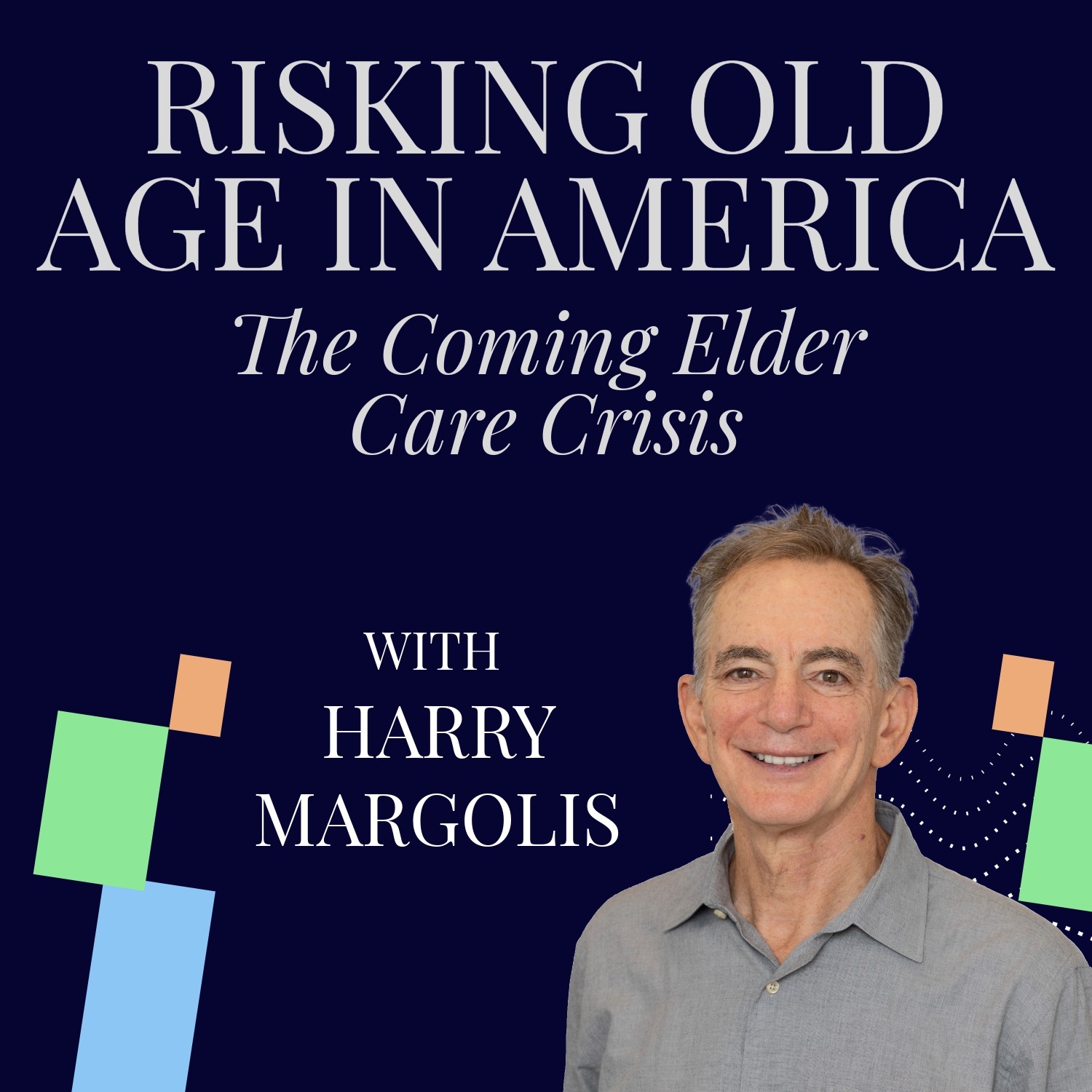
Risking Old Age in America: The Coming Elder Care Crisis
by Solutions for the coming elder care crisis
In just five years, the oldest of the 76 million baby boomers in the United States will begin reaching their late 80s, an at which people are more likely to need care. At the same time, most younger baby boomers have already left the workforce, many without enough money to pay for retirement, much less their future care needs.Podcast explain what this will mean for the nation and how we can prepare, both collectively and individually.The host, Harry Margolis, is a national leader in the field of elder law and has written extensively about elder law and estate planning.More on Harry Margolis: https://margolisbloom.com/harry-s-margolis/Harry’s Substack: https://okayboomer.substack.com/ </p
-
47
Building Housing for the ‘Missing Middle’ with Amy Schectman of 2Life
Amy Schectman, CEO of 2Life Communities, explains 2Life’s mission to provide affordable, purpose-filled aging through deeply affordable housing and advocacy, and describes Opus Newton, a continuing care retirement community for the “missing middle” who earn too much for subsidies but can’t afford luxury options. She contrasts NewBridge’s high-income model with mixed-income Brown House and explains 2Life’s “optimal aging” components: lifetime affordability, social connection, and help navigating home and healthcare systems via care navigators and varied programming. Opus Newton keeps monthly fees low through a home-sale-funded upfront fee that eliminated construction debt, resident volunteerism (10 hours/month), shared overhead with adjacent affordable Coleman House and JCC partnerships, and flexible home care through Houseworks. Amy urges earlier moves, replicating the model, expanding supply, and shifting policy messaging from “aging in place” to “aging in community,” citing improved longevity and health outcomes and reduced public costs. Topics 01:04 Meet Amy Schectman 02:00 Three Models Compared 04:42 What Optimal Aging Needs 07:13 Care Navigators Explained 08:19 Resident Led Culture 10:37 Making Opus Affordable 13:41 Shared Campus Partnerships 15:16 Home Care Without Waste 17:17 Why Size Matters 18:21 Demand And Waiting Lists 18:48 Finding Space to Grow 19:28 Community Gives Back 20:03 Scaling the Missing Middle 21:28 Market Model Requirements 22:48 Retirement and Next Steps 23:18 Move Before You Must 25:24 Louise and Bridge Club 28:22 Advice for Boomers 28:46 Policy Supply and Messaging 30:47 Longevity Proof Points 32:40 Efficiency and Cost Savings 33:38 Lessons from the Netherlands 34:40 Long Term Care Insurance 35:20 Closing and New Site
-
46
AgingIN CEO Susan Ryan
Harry talks with Susan Ryan, CEO of AgingIN, who pursued a “call to action” after seeing physical and chemical restraints used in nursing homes, including a case where a woman suffered a fractured hip and returned from the hospital with stage four decubitus ulcers. Susan moved into home care and geriatric education but found home care costly and sometimes isolating, leading her to culture-change efforts and ultimately the Green House model, developed by Dr. Bill Thomas to replace sterile institutions with small, home-like settings of 10–12 residents, private rooms, decentralized kitchens, and access outdoors. Susan says over 400 Green House homes have been built since 2003 across about 35 states, and the model can operate at similar cost to traditional nursing homes, including with substantial Medicaid populations, when paired with empowered, universal-worker staffing and shared decision-making. She explains how the Green House Project and Pioneer Network combined under AgingIN to catalyze person-directed living across the broader aging ecosystem, urges policy incentives like Medicaid reimbursement bumps, and advises individuals to be intentional about aging in community to reduce isolation. Visit https://aginginnovation.org/ Topics 00:50 Susan’s Call to Reform 02:17 From Home Care to Culture Change 03:46 What Is Green House 05:36 Scale and Market Reality 07:09 Costs and Medicaid Viability 08:22 Renovate or Rebuild 09:23 Core Values Real Home 12:26 Assisted Living Home for Life 14:46 Community Dining and Opus 16:56 AgingIN Origin Story 20:30 Preparing for the Boomer Wave 23:34 State Plans and Policy Incentives 24:58 Advice for Policymakers and Boomers 27:27 Closing Thanks
-
45
Heidi Hartmann & Jeff Hayes on the Home Care Workforce and the Future of Elder Care
Heidi Hartmann and Jeff Hayes, both based in Washington, DC and formerly at the Institute for Women’s Policy Research, discuss their study on the shifting supply and demand of care work. They found immigrant workers are increasingly essential to direct care, with a growing share of workers being people of color and about three-quarters women, while pay remains low and many workers rely on public benefits; under-the-table work is hard to measure. They describe a shift away from nursing homes toward aging at home, increasing demand for home care, more medicalized and monitored work, and concerns that immigration restrictions are worsening worker shortages and raising costs. They note Medicaid both supports patients’ home-based care and indirectly subsidizes low wages, and suggest policy changes such as more public funding (potentially via Medicare or Medicaid asset-limit changes) and special visas for home care. They close with advice for baby boomers to save, plan for non-financial caregiving needs, and maintain friendships and support networks. Topics 00:00 Meet Heidi and Jeff 01:47 Care Work Study Findings 03:00 Who Does Care Work 03:43 Low Wages and Benefits Gaps 05:39 Medicaid and Under the Table Work 06:25 Post Pandemic Care Shift 10:45 Why Care Is So Expensive 13:14 Personal Elder Care Stories 19:47 Immigration Crunch Ahead 21:10 Policy Fixes for Long Term Care 23:43 Immigration Reform Ideas 26:19 Advice for Baby Boomers
-
44
Inside a $110 Million Verdict: Private Equity, Assisted Living, and the Hidden Risks of Rehab
Sacramento attorney Ed Dudensing joins Harry to discuss nursing home and assisted living litigation, including his $110 million verdict against corporate owners Colony Capital and Formation Capital after a cognitively impaired 100-year-old resident with dementia wandered out an unalarmed second-floor door, was locked outside, fell, and died of exposure on a 38–39° February night. Dudensing describes how assisted living is less regulated yet increasingly houses higher-acuity residents, and how layered holding-company structures can leave licensees assetless while top entities control budgets. He explains why private equity and REITs invest despite claims that Medicaid rates are inadequate, citing higher Medicare reimbursement and profit strategies including high-acuity “short-stay rehab” marketing and related-party transactions that shift costs. He supports staffing minimums, notes studies linking private equity ownership to worse outcomes, urges hospital accountability for discharge placements and ownership transparency, and advises families to visit unannounced and trust their instincts. Topics 00:24 Meet Ed Dudensing 01:11 Why He Sued Facilities 02:23 110 Million Verdict 03:32 How Neglect Happened 04:56 Following the Money 08:11 Private Equity Playbook 10:27 Medicaid Myth Explained 16:07 Staffing and Outcomes 18:09 Nonprofit vs For Profit 19:48 What States Can Do 22:15 Rehab Marketing Trap 24:12 Policy Fixes 25:48 Advice for Families 27:00 Closing Thoughts
-
43
Rep. Tom Stanley on Long-Term Care Reform & a Universal Care Financing Plan
Harry is joined by Massachusetts State Representative Tom Stanley, chair of the legislature’s Aging and Independence Committee, to discuss major elder-care initiatives, including the 2024 long-term care reform law (Chapter 197), the first major update in over 25 years. The law strengthens transparency and oversight of nursing homes and assisted living through expanded suitability reviews of owners, operators, management companies, and 5% stakeholders; gives the Department of Public Health earlier intervention tools such as increased fees and temporary management; and creates a long-term care workforce and capital fund for training and facility upgrades, partly supported by increased fines for serious infractions. It also permanently allows assisted living to provide basic health services like wound care and injections. Stanley describes proposed legislation for a family caregiver commission to evaluate a payroll-tax-funded public long-term care insurance model based on Washington Cares, and a home care licensure bill to standardize provider quality and worker protections. He urges voters to engage legislators and advises baby boomers to plan early, secure proxies, and use local aging resources. Topics 01:10 Why Rename the Committee 01:34 Long Term Care Reform Bill 03:55 Assisted Living Health Services 07:30 Stronger Nursing Home Enforcement 09:14 Facilities Ownership and Upgrades 12:50 Family Caregiver Commission Plan 17:22 Designing Universal LTC Insurance 22:00 Home Care Licensing Bill 26:25 Advice for Voters and Boomers 31:09 Aging Preparedness Statistics 33:12 Closing Thanks and Wrap Up
-
42
Neal Shah, Co-Founder & CEO of CareYaya
Harry talks with Neal Shah, co-founder and CEO of CareYaya, a digital platform matching healthcare students with seniors for affordable companion care (~$20/hr). He critiques costly home-care agencies, underfunded social care, and looming workforce shortages, and discusses impact funding, policy changes, and planning for elder-care expenses. Visit https://www.careyaya.org/ Topics 00:00 Why Getting Care Help Is So Frustrating (Caregiver Reality Check) 00:26 Meet Neal Shah & the Mission Behind CareYaya 01:01 How CareYaya Works: Healthcare Students, Digital Booking, Lower Cost 02:19 What Kind of Care They Provide (Home Care vs. Home Health) 03:29 Why Home Care Is So Expensive: Middlemen, Markups, and Bad Experiences 06:02 CareYaya’s “Costco Model”: Tech Efficiency, Reliability, and Better Pay 08:03 Employer Paperwork & the Gray Market: Taxes, Workers’ Comp, and DIY Tradeoffs 09:56 Neal’s Origin Story: From Hedge Funds to Family Caregiving 12:48 Funding & Business Model: For-Profit, No Fees (Yet) 13:54 What Are Impact Funds? Patient Capital for Long-Term Social Change 16:23 Switching Gears: The U.S. Is Great at Healthcare, Bad at Social Care 16:45 Why the U.S. Underspends on Social Care (Dementia & Cancer at Home) 18:02 The Hidden Army of Family Caregivers—and the Trillion-Dollar Burden 18:36 Boomers Turning 80: The Coming Care Crunch & Workforce Dropout Risk 19:34 Who Should Pay? Private Sector, Tax Breaks, and Employer Elder-Care Benefits 21:42 Preventing Hospitalizations: Loneliness, Home Support, and Medicare’s Incentives 23:17 Medicare Advantage Critique and the Fragmented Payer Problem 24:21 The “Longevity Grift”: Why Anti-Aging Hype Misses the Real Crisis 28:37 Policy Advice: Invest in Home-Based Care and Build the Care Workforce 30:29 Advice for Boomers: Plan Early, Save More, and Rethink HSAs 33:05 Closing Thoughts and Farewell
-
41
Inside Home Healthcare with Wendy Adlerstein
Wendy Adlerstein, co-owner of First Light Home Care of West Suburban Boston, shares her journey and experiences running a private, non-medical home healthcare agency. Wendy discusses the benefits of being part of a larger franchise, the challenges faced in recruiting qualified caregivers, and the impact of immigration policies on staffing. She also highlights the importance of licensure and regulation in the home healthcare industry and shares her thoughts on the need for specialized caregiver visas. Wendy emphasizes the value of planning ahead for families seeking care for their loved ones and advocates for early preparation and research to avoid crisis situations. Topics 00:29 Overview of the Home Healthcare Agency 01:13 Benefits of Being Part of a Franchise 01:52 Wendy's Background and Journey 02:54 Differences Between Private and Nonprofit Home Care 03:38 Typical Clients and Home Health Aides 04:59 Recruitment and Vetting Process 06:15 Impact of Immigration Policies 08:46 Employee Compensation and Client Costs 14:09 Regulation and Licensing in Home Care 20:12 Challenges and Recommendations 24:50 Conclusion and Final Thoughts
-
40
Understanding the Challenges of Caregivers with NAC Research Director George Kueppers
George Kueppers, the research director of the National Alliance for Caregiving (NAC), discusses the organization's role and mission. Founded in 1996, NAC focuses on public policy needs and understanding the impact of family caregiving in the United States. George highlights the extensive work of NAC and its members to improve the health and wellbeing of family caregivers who provide care for loved ones with complex medical needs. The conversation covers the demographics of caregivers, financial burdens, and the diverse types of assistance provided based on gender and racial differences. Additionally, the episode delves into the survey findings on the prevalence of paid caregivers, the financial impact on caregivers, and policy recommendations to support them, including expanding paid family leave and respite care programs. George also emphasizes the importance of caregivers prioritizing their own health and wellbeing to prevent burnout. Topics 00:32 Overview of the National Alliance for Caregiving 01:55 Statistics on Family Caregivers in the U.S. 03:39 Financial Impacts of Caregiving 05:42 Gender Differences in Caregiving 07:16 State-by-State Analysis of Caregiving 10:21 Racial and Ethnic Differences in Caregiving 12:04 Policy Recommendations for Supporting Caregivers 17:51 Advice for Family Caregivers 19:05 Conclusion and Final Thoughts
-
39
Navigating ‘Solo Aging’ with Dr. Sara Zeff Geber
Harry interviews Dr. Sara Zeff Geber, who coined the term 'solo agers' to describe individuals without reliable family support as they age. They discuss the growing population of solo agers, particularly among baby boomers, and explore the challenges and opportunities in planning for later life. Key topics include the importance of having a robust estate plan, the role of licensed professional fiduciaries, the emergence of the Child Free Trust, and alternative living arrangements such as senior living communities. Sarah emphasizes the need for solo agers to proactively plan for their future to ensure they are supported and comfortable in their later years. More on Sara: https://sarazeffgeber.com/ More on Harry Margolis: https://margolisbloom.com/harry-s-margolis/ Harry on Substack: https://okayboomer.substack.com/ Topics 00:37 Defining ‘Solo Agers’ 02:18 Statistics and Trends of Solo Agers 05:06 Personal Journey into Solo Aging 06:42 Solutions for Solo Agers 14:21 Living Arrangements for Solo Agers 22:32 Policy Recommendations and Final Thoughts
-
38
Ensuring Financial Longevity with Dr. Dawn Carpenter
Harry speaks with Dr. Dawn Carpenter of the Milken Institute about the concept of financial longevity and the importance of maintaining financial security and dignity as people age. They discuss the definitions and implications of financial longevity, the psychological aspects of personal finance, and the role of uncertainty in financial planning. Dr. Carpenter shares insights from her personal experiences and professional perspectives, highlighting the importance of flexibility and pre-planning. The conversation also covers the broader societal issues of inequality, the role of government and employers, and the Milken Institute's initiatives in promoting financial health. Dr. Carpenter stresses the importance of engaging actively in one’s longevity and offers practical advice for individuals, families, employers, and policymakers. More on Dawn: https://milkeninstitute.org/experts/dawn-m-carpenter-dls Topics 00:41 Defining Financial Longevity 02:25 Psychology vs. Math in Personal Finance 03:06 Personal Anecdotes and Long-Term Care 06:04 Planning for College Education 09:00 Flexibility in Financial Planning 10:05 Dignity in Aging 11:47 Obstacles to Financial Longevity 15:36 Role of Government and Employers 17:59 Milken Institute's Role 21:42 Recommendations for Policymakers and Baby Boomers 25:40 Conclusion and Contact Information
-
37
Richard Moore of Dignity Alliance on Care in Massachusetts
Harry discusses the impending elder care crisis with Richard Moore of Dignity Alliance Massachusetts. With the first wave of baby boomers approaching 85, the age at which many will need assistance, the conversation covers the Alliance’s founding during the COVID-19 pandemic and its initiatives, including legislation, education, advocacy, and litigation aimed at improving conditions for older adults and people with disabilities. Key topics include the need for better data on elder needs, advocating for single rooms in nursing homes, enhancing home and community-based care over institutional care, and the economic implications of these changes. The discussion highlights the challenges posed by insufficient staffing, inadequate training for healthcare professionals, and the role of private equity in nursing homes. The podcast concludes with advice for baby boomers and their families to stay healthy, push for home care funding, and avoid nursing homes if possible. Topics 00:38 Origins and Mission of Dignity Alliance 02:26 Advocacy and Legislative Efforts 03:54 Challenges in Nursing Homes 07:47 Dignity Alliance's Call to Action 10:56 Policy Recommendations and Future Outlook 24:17 The Role of AI in Healthcare 33:16 Final Thoughts and Advice 37:03 Conclusion and Contact Information
-
36
Preparedness for Long-Term Care with Jane Tavares
The guest is Jane Tavares, a researcher from the LeadingAge LTSS Center at UMass Boston, details a study conducted in partnership with the National Council on Aging (NCOA) that highlights the financial vulnerability of older adults. Key findings include that 80% of older households lack the resources to handle major financial shocks and the stark mortality gap between wealth quintiles. The conversation explores the methodologies of the study, striking data points, and recommendations for both public policy and individual planning to address these challenges. Recommendations include planning for long-term care in one's 50s, checking eligibility for benefit programs, and policy-level changes like streamlining benefit enrollment and strengthening Medicaid services. 00:00 Introduction to the Aging Crisis 00:28 Guest Introduction: Jane Tavares 00:57 Understanding the Study and Its Origins 02:40 Methodology: How the Study Was Conducted 05:21 Key Findings: Financial Vulnerability of Older Adults 07:19 Mortality Rates and Wealth Disparities 12:52 Policy Implications and Future Projections 17:15 Recommendations for Individuals and Families 20:53 Policy Recommendations for Lawmakers 25:58 Conclusion and Final Thoughts
-
35
Financial Inequity & Aging Adults in Massachusetts
Harry welcomes Laura D. Quinby, associate director of research, employee benefits and labor markets at the Center for Retirement Research at Boston College; and Luc Schuster, Executive Director at Boston Indicators to discuss the economic challenges facing older adults in Massachusetts. Their conversation revolves around a recent report by the Boston Foundation and the Center for Retirement Research, highlighting the wealth disparities among seniors, particularly focusing on racial inequalities and the impact of high living costs. Laura provides insights from her quantitative analysis, revealing that wealth is unevenly distributed, with significant disparities between white households and households of color. Luc complements this with findings from focus groups, emphasizing the critical role of subsidized housing and public benefits for lower-income seniors. The episode concludes with policy recommendations, including the potential benefits of auto IRA legislation and the importance of improved federal support for senior programs. Topics 00:45 Wealth Gaps in the Golden Years 02:55 Quantitative Analysis of Senior Wealth 06:47 Racial Disparities in Senior Wealth 09:32 Focus Group Insights on Senior Living 20:25 Policy Recommendations for Senior Financial Security 29:20 Final Thoughts and Resources
-
34
Bonnie-May Shantz on ReiMAgine Aging 2030
Harry interviews Bonnie-May Shantz of the Executive Office of Aging and Independence about Massachusetts' newly released Age-Friendly State Plan. They discuss the plan's history, spanning ten years of development starting from local initiatives to joining AARP's age-friendly network. The plan encompasses six goals, including economic security, community empowerment, livable spaces, health and wellness, policy integration, and effective communication. They explore the implementation strategies, progress tracking, and the importance of community engagement. The conversation also touches on interrelated plans for Alzheimer's care and housing challenges. Bonnie-Mae calls for both new and seasoned leaders to get involved and collaborate to enhance the quality of life for older adults in Massachusetts. Topics 00:32 Overview of the Age-Friendly State Plan 01:57 Goals of the Age-Friendly Plan 03:11 Implementation and Community Involvement 04:25 Differences from Previous Plans 05:59 Measuring Success and Progress 09:04 Addressing Housing and Independence 16:35 Governor's Executive Order and State Involvement 19:29 Call to Action and Final Thoughts
-
33
Peyton Whitney on Housing and Elder Care Costs
Harry speaks with Peyton Whitney about the findings from a recent report by the Joint Center for Housing Studies. The discussion delves into the concept of 'housing burden,' where households spend more than 30% of their income on housing, and its severe implications for older adults. They explore the escalating costs of housing and long-term care, particularly home-based care, and how these costs disproportionately affect older adults, especially minorities and women. The conversation highlights the increasing number of older households facing financial strain, the necessity of Medicaid and other support programs, and the urgent need for policy changes to improve the situation. Practical advice for older adults and their families on preparing for future care needs is also provided. More on Peyton and the JCHS at https://www.jchs.harvard.edu/ Topics 00:31 Understanding Housing Burden 01:17 Impact of Housing Burden on Older Adults 02:28 Housing Market Challenges for Older Adults 03:31 Statistics on Housing Burden 07:20 Long-Term Care Costs and Dual Burden 13:01 Medicaid and Home Care Services 16:26 Recommendations and Community Support 21:16 Personal Story and Conclusion
-
32
Addressing America's Housing Crisis with Catherine Buell
The guest is Catherine Buell, the former director of Amazon's Housing Equity Fund. The conversation delves into why many baby boomers stay in their homes, how this impacts the housing market, and potential solutions such as wellness and multi-generational communities. Katherine shares her insights from her experience managing public housing and the Amazon Housing Equity Fund, emphasizing the importance of creating diverse and accessible housing options for all ages. The discussion also covers the role of zoning laws, healthcare company investments, and innovative housing models that could serve the aging population better. Topics 00:00 Introduction to the Housing Crisis 00:43 The Baby Boomer Impact on Housing 01:19 Challenges in the Housing Market 02:21 Innovative Housing Solutions 05:31 Wellness Real Estate Communities 12:24 Zoning Laws and Policy Recommendations 19:10 The Role of Healthcare in Housing 24:31 Call to Action for Baby Boomers 26:11 Conclusion and Final Thoughts
-
31
Addressing Senior Poverty with Joe Seldner
Joe Seldner, the founder of the Senior Poverty Prevention Project, discusses his motivations and experiences in raising awareness about senior poverty, which he noticed during his own financial struggles after a lengthy custody battle in the late '90s. The project primarily aims to highlight the lack of awareness surrounding senior poverty and encourage public discourse and policy changes. The conversation delves into the statistics and reality of financial insecurity among seniors, misconceptions about baby boomers' wealth, and the impact of potential federal program cuts on elderly care. Joe emphasizes the importance of financial literacy, sustained careers, and political advocacy for both current and future generations to mitigate financial struggles in old age. Topics 00:22 Meet Joe Seldner: Founder of the Senior Poverty Prevention Project 02:59 The Reality of Senior Poverty in the U.S. 05:16 Challenges and Solutions for Low-Income Seniors 09:23 Impact of Policy Changes on Senior Welfare 12:00 Gender Disparities in Senior Poverty 13:09 Economic Inequality and Its Effects on Seniors 15:28 The Decline of Pension Plans and Its Consequences 22:13 Financial Literacy: A Key to Future Security 24:46 Recommendations for Policymakers and Baby Boomers 28:31 Conclusion and Final Thoughts
-
30
Impact of Medicaid Cuts with Howard Gleckman
Harry welcomes Howard Gleckman, Senior Fellow at the Urban-Brookings Tax Policy Center, to discuss the implications of proposed Medicaid cuts under President Trump's administration. They delve into the technical aspects and potential consequences such as reduced home health coverage, the effects on long-term care for older adults and people with disabilities, and the anticipated challenges for Medicaid-funded services and providers. The episode also covers broader issues like immigration's impact on the caregiving workforce, potential changes in Medicare, and practical advice for policymakers and baby boomers preparing for long-term care. Topics 00:06 Medicaid Cuts and Their Impact on Elder Care 01:25 Technical Details of Medicaid Funding 04:16 Effects of Medicaid Cuts on Long-Term Care 05:36 Medicaid Home and Community-Based Services 06:55 Challenges in Nursing Home Funding 11:00 Work Requirements for Medicaid Recipients 13:42 Changes in Medicare and the Older Americans Act 20:59 Impact of Immigration Policies on Caregiving 25:17 Tax Proposals and Long-Term Care Insurance 26:49 Recommendations for Policymakers and Baby Boomers 30:30 Conclusion and Final Thoughts
-
29
Ensuring Dignity and Independence with Ben Veghte
In this episode, Harry interviews Ben Veghte, executive director of the Washington Cares Fund, about the fund's initiative for public long-term care insurance in Washington state. They discuss the urgent need for such a system due to the aging population and caregiver shortages. Ben explains how the program works and its benefits, including the potential for supplemental private insurance. Additionally, they delve into Ben's study of the Dutch long-term care system, exploring how universal coverage and person-centered aging in the Netherlands could serve as a model for the United States. Key recommendations for policymakers include adopting universal coverage and promoting affordable housing for seniors. Topics 00:58 Understanding the Washington Cares Fund 01:48 How the Washington Cares Fund Works 03:14 Challenges and Benefits of the Program 09:55 Personal Stories and Real-Life Applications 12:55 Eligibility and Participation 15:57 Accessing and Using Benefits 16:58 Out-of-State and International Care Solutions 17:48 Exploring Long-Term Care in the Netherlands 19:01 Universal Coverage and Equity in Care 21:23 Person-Centered Aging in the Netherlands 25:19 Lessons for the U.S. from the Netherlands 32:03 Recommendations for Policymakers and Baby Boomers
-
28
Long-Term Care: The U.S. vs. Canada
Harry is joined by Jim Lomastro to discuss the state of long-term care and nursing homes, particularly focusing on the differences between the systems in Massachusetts and Canada. Jim shares his extensive experience working with the Accreditation of Rehabilitation Facilities and his observations about the superior quality and regulatory rigor of Canadian facilities. Key issues discussed include systemic deficiencies in U.S. nursing homes, the impact of governance structures, and potential lessons from the Canadian model for U.S. policymakers. The episode also explores recent legislative changes in Massachusetts and provides recommendations for seniors and their families. Topics 01:47 Comparing Long-Term Care in the US and Canada 03:04 Experiences and Observations in Canadian Facilities 03:26 Challenges in US Nursing Homes 05:46 Differences in Regulatory Approaches 09:05 New Legislation in Massachusetts 12:45 Financial Struggles and Facility Conditions 14:30 Public vs. Private Facilities 16:49 Nonprofits and For-Profit Entities in Healthcare 18:10 Impact of Budget Cuts on Medicare and Medicaid 19:27 Comparing Healthcare Systems: US vs Canada 22:17 Recommendations for Policymakers 25:17 Advice for Baby Boomers 26:46 The Future of Elder Care 29:44 Conclusion and Final Thoughts
-
27
Intergenerational Housing with Derenda Schubert
Harry speaks with Dr. Derenda Schubert, executive director of Bridge Meadows, a unique senior housing concept based in Portland, Oregon. Bridge Meadows communities are designed to support both elders and families impacted by foster care, creating an intentional intergenerational living environment. Derenda explains the layout and features of these communities, the financing and subsidies involved, and the benefits of creating such integrated spaces for fostering connection, purpose, and stability. They explore the adoption process, discuss support systems for aging residents, and highlight the broader implications for housing policy. Derenda also mentions similar communities across the country and emphasizes the importance of addressing the housing crisis through innovative intergenerational solutions. Topics 00:00 Introduction to Bridge Meadows 00:35 Purpose and Design of Bridge Meadows 01:33 Locations and Living Arrangements 04:06 Community Facilities and Activities 05:15 Funding and Affordability 07:52 Youth Programs and Foster Care 14:12 Elder Support and Community Care 17:01 Intergenerational Living Models 21:20 Policy Recommendations and Final Thoughts
-
26
The Future of Social Security with Nancy Altman
The guest is Nancy Altman, president of Social Security Works, discussing the current challenges facing Social Security amid governmental upheaval and projected fund depletion. Altman highlights the efforts to privatize and outsource the administration of Social Security, which could create inefficiencies and put beneficiaries at risk. She explains the importance of human decision-makers in the administration, especially during vulnerable times for beneficiaries. The conversation also touches on the potential depletion of the Social Security Trust Fund by the 2030s, the impact of income inequality on funding, and the possible solutions proposed by Democrats to expand benefits and ensure the program's sustainability. Altman urges listeners to contact their congressional representatives to demand oversight and prevent further erosion of Social Security services. Topics 01:23 Current State of Social Security 02:03 Impact of Government Actions on Social Security 03:08 Challenges Faced by Social Security Administration 04:37 The Role of AI and Outsourcing 05:53 The Bigger Picture: Government Efficiency and Privatization 11:47 Future Projections and Trust Fund Depletion 25:59 Social Security Works: Mission and Activities 29:08 Final Thoughts and Recommendations
-
25
Former Health Secretary Mary Lou Sudders Describes Lessons Learned from Covid
Harry engages in a detailed discussion with Marylou Sudders, former Secretary of Health and Human Services for Massachusetts, about long-term care and healthy aging. They explore the demographic trends in Massachusetts, with an older-than-average population, and initiatives to make the state more age-friendly. Sutters highlights legislative and policy efforts, including housing adaptation, health and transportation services, and the creation of age-friendly communities. They discuss the impact of the COVID-19 pandemic on long-term care facilities, lessons learned, and measures to prepare for future health crises. Sudders emphasizes the importance of advanced planning and thinking of aging as an asset rather than a liability. Topics 00:49 The Aging Population in Massachusetts 03:30 Creating Age-Friendly Communities 05:17 Housing Solutions for Older Adults 14:22 The Impact of COVID-19 on Long-Term Care 21:04 Lessons Learned and Future Recommendations 30:32 Personal Planning for Aging 34:09 Conclusion and Final Thoughts
-
24
The Future of Aging with Paul Irving
In this episode, Harry Margolis talks with Paul Irving, the former president of the Milken Institute and current special advisor and founding chair of its Center for the Future of Aging. They discuss Paul's book 'The Upside of Aging' and explore how extended life expectancy impacts society. Paul emphasizes the gift of additional years and the ongoing need to address ageism and the underutilization of older adults in work and volunteering. They explore research on the positive effects of having a purpose and social connections on longevity and health. Furthermore, Paul shares insights on global aging trends from his experiences in countries like Japan, China, and Singapore and advocates for policy changes to support aging populations. The conversation culminates with Paul’s recommendation for a national aging czar and the importance of intergenerational integration within communities. Topics 00:52 The Upside of Aging 02:29 Progress and Challenges in Aging 04:44 The Impact of Attitude and Purpose 08:26 Volunteering and Health Benefits 10:18 Rethinking Retirement and Aging 23:29 Global Perspectives on Aging 28:01 Policy Recommendations and Final Thoughts
-
23
Exploring Renewment with Helen Dennis
Harry welcomes Helen Dennis, who discusses the innovative concept of 'renewment.' This blend of retirement and renewal supports career women transitioning out of their work lives. The conversation covers various challenges and opportunities of retirement, such as identity, financial security, and caregiving. Helen Dennis, a nationally recognized leader on issues of aging and retirement and co-founder of Renewment, shares the origin and evolution of the Renewment movement, its impact on women, and its unique approach to creating enduring communities. The discussion also touches on gender differences in approaching retirement, financial concerns, and the current inadequacies in policy support for aging populations, particularly around healthcare. Listeners will gain insight into how Renewment helps career women navigate the complexities of their later years with purpose and fulfillment. More on Helen at https://www.renewment.org/home/ You can visit Harry’s blog on these topics at https://okboomer.substack.com/ And if you have questions, comments, or suggestions for other topics or speakers, please email him at [email protected] Topics 00:00 Introduction to Renewment 00:55 Origins of Renewment 01:55 Renewment in Practice 03:05 Challenges and Opportunities in Retirement 05:47 Gender Differences in Retirement 08:34 Financial Security in Retirement 12:06 Evolving Expectations of Retirement 23:47 Policy Recommendations for Aging Population 27:13 Final Thoughts and Recommendations
-
22
Aging with Dignity: Lizbeth Heyer of 2Life Communities
Lizbeth Heyer, president of 2Life Communities, joins Harry to discuss how the nonprofit organization provides affordable senior housing combined with coordinated services in the Greater Boston area. She highlights their mission to support older adults who cannot afford high-end senior living, emphasizing the importance of dignity, connection, and wellness. Lizbeth and Harry explore 2Life's innovative solutions, including their middle-market Opus community and engagement in policy advocacy to align housing and healthcare resources. The episode also addresses the importance of planning for aging and the benefits of community living over isolation. Visit https://2lifecommunities.org/ You can visit Harry’s blog on these topics at https://okboomer.substack.com/ And if you have questions, comments, or suggestions for other topics or speakers, please email him at [email protected] Topics 00:00 Introduction to 2 Life Communities 00:38 Understanding the Mission and Services 01:22 Addressing Elder Economic Insecurity 03:26 Advocacy and Policy Changes 09:12 Challenges in Home Care 11:10 Innovative Solutions for Affordable Senior Living 21:59 The Opus Middle Market Community 24:49 Future Plans and Expansion 29:32 Recommendations for Policymakers and Seniors 35:53 Conclusion and Final Thoughts
-
21
Medicaid Reimbursement and Nursing Home Costs with Edward Miller
Edward Miller provides insights from his study on Medicaid reimbursement rates for nursing homes. The discussion covers the economics of nursing homes, including how Medicaid reimburses only 82 cents per dollar of nursing home costs on average, the impact of these reimbursement rates on for-profit vs. non-profit nursing homes, and the variability of reimbursement across different states. He also explores the complexities of cost reporting, the importance of reimbursement in policy discussions, and the implications for future long-term care planning. Topics 00:58 Debate on Nursing Home Profitability 01:18 Medicaid Reimbursement Rates 03:17 Data Collection Challenges 08:19 Study Findings and Analysis 15:31 State-Level Variations 25:45 Policy Implications and Recommendations 27:28 Planning for Long-Term Care 35:12 Conclusion and Future Discussions Risking Old Age in America
-
20
Understanding Aging Inequality with Deborah Carr
In this episode of 'Risking Old Age in America,' host Harry Margolis speaks with Deborah Carr, a sociology professor and director of the Center for Innovation in Social Sciences at Boston University. They discuss her book, 'Golden Years, Social Inequality and Later Life,' emphasizing how small disadvantages in finances, education, and health accumulate over time, leading to greater disparities as people age. The conversation covers topics like life expectancy gaps, racial inequalities, gender differences in aging, housing insecurity, and the impact of socioeconomic factors on the quality of life for older adults. They also explore the demographic trend of increasing numbers of people aged 85 and above and the societal challenges this poses, urging the need for robust social policies and individual planning to ensure a dignified old age for everyone. Get Deborah’s book, 'Golden Years, Social Inequality and Later Life,': https://a.co/d/8sQM0Vl Topics 00:47 Understanding Cumulative Disadvantage 02:33 Life Expectancy and Health Disparities 06:31 Racial Inequalities in Aging 11:34 Gender Disparities in Old Age 16:51 The Growing Elderly Population 19:14 Addressing Inequality in Elder Care 24:06 Policy Recommendations and Final Thoughts Risking Old Age in America
-
19
Navigating Demographic Shifts with Bintu Zahara Sakor
In this episode of Risking Old Age in America, host Harry Margolis explores the implications of an aging population and the youth bulge phenomenon in Africa with Bintu Zahara Sakor, a doctoral candidate specializing in African demography. They discuss the potential security risks and opportunities associated with Africa's large youth population, the impact of structural issues like governance, and the contrasting traditions of elderly care between Africa and Western nations. They also touch on migration as a potential solution to demographic shifts and the importance of international collaboration and empathetic policymaking.Topics 00:00 Introduction to the Aging Crisis 00:31 Meet Bintu Sahara Sikor 01:04 Understanding Africa's Youth Bulge 02:28 High Fertility Rates and Their Implications 03:40 Economic and Security Challenges 07:26 The Role of Governance and Structural Issues 12:43 Migration as a Potential Solution 20:58 Lessons from Africa on Aging 26:11 Policy Recommendations for Global Leaders 28:57 Final Thoughts and Conclusion Risking Old Age in America
-
18
Navigating Retirement Challenges: Baby Boomers, Income Disparities, and Gender Gaps
In this episode of 'Risking Old Age in America,' host Harry Margolis discusses the imminent retirement of the baby boomer generation with Catherine Collinson, president of the Transamerica Institute and the Transamerica Center for Retirement Studies. They explore findings from a longstanding retirement study, highlighting key issues such as income disparities and their impact on retirement confidence, gender differences in retirement savings, and the reality versus expectations of retirement age. The conversation also touches on policy recommendations for strengthening social safety nets and practical advice for individuals and families planning for retirement. Topics 00:40 Overview of Transamerica Institute 01:27 Retirement Confidence by Income Level 03:18 Age and Income Trends in Retirement 07:25 Gender Disparities in Retirement Savings 09:54 Disconnect Between Retirement Expectations and Reality 13:31 Impact of Caregiving on Retirement 14:43 Redefining Retirement: Working in Later Years 22:15 Policy Recommendations for Retirement Security 23:35 Tips for Individual Retirement Planning 28:36 Conclusion and Future Outlook Risking Old Age in America
-
17
Debunking Myths and Building Solutions with Teresa Ghilarducci
In this episode of 'Risking Old Age in America,' host Harry Margolis speaks with Teresa Ghilarducci, director of the Schwartz Center for Economic Policy Analysis and author of 'Work, Retire, Repeat.' They discuss the implications of the aging baby boomer population in the United States and the challenges of retirement preparedness. Ghilarducci debunks four major myths about the working longer consensus and explores how these misconceptions influence retirement policies. She proposes a 'Gray New Deal' to improve jobs for older workers and enhance pension security, advocating for systemic changes, such as universal participation in retirement savings plans. The episode emphasizes the urgency of addressing these issues to prevent elder poverty and ensure financial security for retirees. Topics 00:28 Guest Introduction: Teresa Ghilarducci 00:53 Debunking the Working Longer Consensus 02:56 The Reality of Retirement and Health 10:26 Economic Disparities in Longevity 17:52 The Gray New Deal: Solutions for Retirement Security 24:49 The Thrift Savings Plan Proposal 30:22 Conclusion and Call to Action Risking Old Age in America
-
16
Promoting Healthy Aging with Taylor Jansen
In this episode of 'Risking Old Age in America,' host Harry Margolis discusses the impending challenges of aging for baby boomers with Taylor Jansen from the Healthy Aging Data Lab at UMass. They delve into the implications of an aging population, the importance of compiling data on older adults, and the role of social determinants in shaping health outcomes. Taylor highlights the Healthy Aging Data Report's impact on policy and community support, emphasizing age-friendly and dementia-friendly initiatives. They also discuss the significance of chronic disease management and the critical need for community-based services to support aging in place. Topics 00:00 Introduction to the Aging Population Crisis 00:32 Meet Taylor Jansen: Gerontology Expert 01:11 Understanding the Healthy Aging Data Reports 03:08 Challenges and Trends in Different States 04:58 Defining Chronic Diseases and Their Impact 10:13 Age-Friendly Communities and Their Benefits 17:01 Preparing for the Baby Boomer Surge 19:47 Policy Recommendations for Healthy Aging 21:39 Personal Advice for Healthy Aging Risking Old Age in America
-
15
The Challenges of America’s Aging Workforce with Beth Truesdale
In this episode of 'Risking Old Age in America,' host Harry Margolis speaks with Beth Truesdale, a research fellow at the W. E. Upjohn Institute for Employment Research, about the realities and challenges faced by America's aging workforce. They discuss why extending working years is not a feasible solution for many Americans due to health issues, family caregiving responsibilities, and job instability, especially for those in physically demanding jobs. Beth emphasizes the importance of improving job quality and implementing supportive policies at both state and national levels to better aid older workers. The conversation also addresses concerns about the sustainability of the Social Security system and potential policy changes that could alleviate financial stress for retirees. Topics 00:00 Introduction to the Aging Workforce Crisis 00:48 Challenges of Working Longer 02:25 Barriers to Employment in the 50s and Beyond 05:31 Policy Solutions for Job Quality 12:37 Impact of the Gig Economy 18:59 Social Security and Retirement Age Debate 25:24 Recommendations for Policymakers and Individuals 29:11 Conclusion and Final Thoughts Risking Old Age in America
-
14
The Complexities of Elder Poverty with Tracey Gronniger
In this episode of Risking Old Age in America, host Harry Margolis discusses the increasing rates of elder poverty with Tracey Gronniger, a managing director at Justice in Aging. They explore the prevalence and underlying causes of elder poverty, especially among women and people of color, and examine the effectiveness of current support programs like Social Security and SSI. The discussion also highlights systemic issues such as the complexities in accessing benefits, inadequate asset limits, and the critical need for legislative action to better support older adults. Topics 00:28 Meet Tracey Gronniger: Advocate for Economic Security 00:58 Understanding Elder Poverty Rates 04:10 Impact of Cost of Living on Elder Poverty 07:15 Gender and Racial Disparities in Elder Poverty 10:31 The Role of Caregiving in Elder Poverty 14:38 Programs to Alleviate Elder Poverty 16:55 Challenges in Accessing Benefits 23:45 Policy Recommendations for Reducing Elder Poverty 25:23 Final Thoughts and Call to Action Risking Old Age in America
-
13
Navigating the Future of Elder Care: A Conversation with Michael Festa
In this episode of 'Risking Old Age in America,' host Harry Margolis discusses the impending surge in elder care needs as the baby boomer generation ages with Michael Festa, the outgoing State Director of AARP Massachusetts. They explore the evolving landscape of elder care, the challenges facing both paid and unpaid caregivers, and the strain on long-term care systems. The conversation delves into policy solutions, workforce issues, and recommendations for both policymakers and families to better prepare for the future. Michael also shares his future plans post-AARP. Topics: 00:00 Introduction to the Aging Crisis 00:29 Interview with Michael Festa: Background and Experience 01:13 Challenges in Long-Term Care 03:32 Workforce Shortages in Caregiving 05:54 Financial Strain on Families 08:02 Supporting Family Caregivers 09:38 Policy and Legislative Efforts 29:22 Future Directions and Personal Plans 30:47 Conclusion and Final Thoughts Risking Old Age in America
-
12
Marc Cohen on Tackling the Long-Term Care Crisis
In this episode of 'Risking Old Age in America,' Harry Margolis speaks with Marc Cohen, co-director of the LTSS Center and professor of gerontology at UMass Boston. They discuss the looming crisis as the oldest baby boomers reach age 85, the inadequacies of private long-term care insurance, and potential solutions including public insurance programs. Cohen highlights the importance of combining private and public efforts and delves into the WISH Act, a proposal for a catastrophic protection program. Additionally, they explore the pressing issue of caregiver shortages and the impact of policy on long-term care services, emphasizing the need for sustainable funding and support. The episode ends with practical advice for policymakers and families, stressing proactive planning for future long-term care needs. More on Marc at https://www.ltsscenter.org/ Topics: 01:04 The State of Long-Term Care Insurance 02:36 Challenges and Solutions in Long-Term Care Insurance 05:41 The Case for Public Long-Term Care Insurance 11:03 The WISH Act: A Federal Proposal 20:05 Addressing the Caregiver Shortage 25:36 Closing Thoughts and Advice Risking Old Age in America
-
11
Understanding Ageism with Ashton Applewhite
In this episode of 'Risking Old Age in America,' host Harry Margolis discusses the challenges and implications of aging in the U.S. with Ashton Applewhite, author of 'This Chair Rocks! A Manifesto Against Ageism.' The discussion covers the growing number of baby boomers nearing the 85-year mark, the definition and everyday impact of ageism, and the diverse experiences of aging individuals. They also tackle the role of elder care, the significance of breaking age-related stereotypes, and potential policy recommendations for a healthier aging society. Ashton shares insights on maintaining purpose, combating ageist attitudes, and adapting to aging gracefully. More on Ashton and Her Book: https://thischairrocks.com/ 00:00 Introduction to Aging and Ageism 00:51 Defining Ageism and Its Impacts 01:20 Individual Differences in Aging 03:35 Interdependence and the Need for Care 04:41 Challenging Stereotypes About Aging 06:54 Influential Figures in Gerontology 10:13 Ageism in the Workplace 13:09 Policy and Health Care Solutions 16:52 Combating Ageism Through Education 18:47 Recommendations for Policymakers and Baby Boomers 21:37 Conclusion and Future Conversations Risking Old Age in America
-
10
A Deep Dive into Long-Term Care with Tara Gregorio
In this episode of 'Risking Old Age in America,' host Harry Margolis discusses the impending elder care crisis as the baby boomer population ages, with a focus on the state of Massachusetts. Guest Tara Gregorio, president of Mass. Senior Care Association, provides insights into the challenges and solutions surrounding elder care. They cover the association's role, the future needs of elder care, workforce challenges, and the importance of advocacy for living wages and quality care. They also touch on demographic changes, the impact of COVID-19 on elder care, and the need for comprehensive planning at both the state and personal levels to address the upcoming demand for elder services. More on the MSCA: https://www.maseniorcare.org/ More on Harry Margolis: https://margolisbloom.com/harry-s-margolis/ Harry on Substack: https://okayboomer.substack.com/ Topics 00:00 Introduction to the Elder Care Crisis in America00:36 Exploring the Role of Mass Senior Care Association04:00 The Workforce Behind Elder Care: Challenges and Solutions07:34 Understanding the Different Roles in Elder Care09:56 The Impact of the Pandemic on Elder Care Workforce Wages12:43 Addressing the Workforce Diversity and Immigration Policies15:24 The Financial and Structural Challenges of Elder Care Facilities22:11 Planning for the Future: State and Individual Preparedness25:19 Concluding Thoughts and Next Steps Risking Old Age in America
-
9
Bob Blancato on Elder Care Policy
Joined by elder care expert Bob Blancato, Harry explores the historical reluctance of America to closely address long-term care, despite the growing need due to demographic changes. Blancato, with his extensive background in aging policy, discusses various policy suggestions and the importance of political will in making substantial changes. The episode highlights the necessity of a public-private partnership approach, the significant role of caregivers, and potential legislative efforts to address the elder care system's shortcomings. Additionally, the dialogue touches on the significance of personal preparation for long-term care needs, including exploring insurance options and understanding the available care services. Topics 00:27 Bob Blancato's Insights on Elder Care Policy 01:05 The Challenges of Long-Term Care Funding03:18 Medicaid's Role and the Shift Towards Home Care04:10 The Troubles with Long-Term Care Insurance05:21 The CLASS Act and Its Implications17:33 Exploring Solutions: Public and Private Partnerships19:01 Advice for Individuals Preparing for Long-Term Care20:51 Engaging with Policymakers and the Community Risking Old Age in America
-
8
Richard Johnson on Likely Baby Boomer Care Needs
Navigating Long Term Care: Insights and StrategiesIn this episode of 'Risking Old Age in America,' host Harry Margolis and guest Richard Johnson, senior fellow at the Urban Institute, discuss the impending elder care crisis as baby boomers age into their 80s. They cover the statistics on elder care needs, affordability, disparities in income and health, and potential solutions including private insurance, public policies, and emerging state programs like Washington's long term care insurance. The conversation highlights the challenge of predicting individual long-term care needs and the possible impacts of an aging population on Medicaid and other government services.More on Richard: https://www.urban.org/author/richard-w-johnson Topics 00:42 Exploring Long-Term Care Needs and Risks 03:37 The Financial Impact of Long-Term Care04:38 Family and Unpaid Care Dynamics05:41 Understanding Nursing Home Costs and Alternatives06:45 Medicare Coverage and the Decline of Nursing Home Use10:47 Socioeconomic Factors Influencing Long-Term Care Needs16:50 Policy Recommendations and Individual Preparations for Long-Term Care24:00 Concluding Thoughts Risking Old Age in America
-
7
Irving Stackpole Discusses Challenges Facing Nursing Home Industry
Harry engages in a thought-provoking discussion with Irving Stackpole, a consultant to the long-term care industry. The conversation delves into the challenges and insights surrounding elder care and the evolving landscape of long-term care services in the United States. Stackpole shares his expertise on the demographic shifts and supply-demand dynamics in the aging services sector, highlighting the need for transformative changes in the infrastructure of long-term care. The conversation explores the transition from nursing homes to assisted living facilities and home care, emphasizing the importance of addressing the diverse housing and care needs of aging populations. The discussion sheds light on the economic, social, and policy implications of the evolving long-term care industry and calls for a reevaluation of long-term care financing and investment strategies. Overall, the podcast offers a critical reflection on the complexities and challenges of the current long-term care system and underscores the urgent need for innovative solutions to meet the changing needs of aging populations. Topics 00:00 Introduction to the Aging Crisis in America00:49 The State of Long-Term Care: A Grim Outlook04:09 Exploring Solutions and Innovations in Elder Care14:11 The Economic and Social Impact of Nursing Home Closures25:22 Policy Recommendations and Personal Advice for the Future Risking Old Age in America
-
6
Lisa Ireland Touts the Promise of Longevity Research
Harry discusses the challenges and implications of the aging baby boomer population in the United States with Lisa Ireland, the President and CEO of the Longevity Science Foundation. The discussion revolves around the foundation's focus on early-stage research in the longevity science field, specifically health span and life span. Lisa differentiates between the two terms, explaining that lifespan refers to the length of life, while health span relates to the quality of life during those years. The foundation aims to extend both the length and quality of people's lives. You will hear Harry express skepticism regarding the effectiveness of investing in cutting-edge longevity research, citing the societal issues affecting people's longevity, such as economic and social disparities. Lisa emphasizes the importance of early-stage research and individualized medicine in the field of longevity. She also highlights the significance of cognitive health, suggesting that engaging in activities related to the arts can have a positive impact on brain health. The conversation covers various topics, including the impact of lifestyle choices, the role of genetics, the benefits of the Mediterranean diet, and the accessibility of health-related information and services. The dialogue underscores the importance of starting conversations about longevity and health span now, as the aging population continues to grow, to prepare individuals and policymakers for the challenges and opportunities ahead. Topics: [01:00] Overview of the Longevity Science Foundation and its focus on early-stage research in longevity science [02:00] Differentiating between health span and lifespan [03:00] The foundation's approach to making longevity research accessible to everyone [04:00] Harry's skepticism about the effectiveness of cutting-edge longevity research [05:00] The foundation's focus on cognitive health and brain health [06:00] The impact of lifestyle choices and societal factors on longevity [07:00] The challenge of translating lab research into real-world applications [08:00] Addressing correlation vs. causation in medical research [09:00] The concept of biological age vs. chronological age [10:00] The importance of cognitive exercises and neuro arts in brain health [11:00] Investing in brain health from an early age [12:00] The connection between social activities and brain health [13:00] The concept of neuro arts and its impact on cognitive health [14:00] The benefits of learning foreign languages for brain health [15:00] The role of physical exercise in health and inflammation research [16:00] The benefits of the Mediterranean diet and the importance of moderation [17:00] Addressing disparities in access to health-related information and services [18:00] The future of public longevity clinics and accessibility of longevity information [19:00] Addressing concerns about the credibility of businesses in the longevity field [20:00] Lisa's recommendations for policymakers and individuals in the field of longevity [21:00] Encouraging conversations about longevity and health span [22:00] Contacting the Longevity Science Foundation's scientific advisory board More on Lisa at https://longevity.foundation/ Visit Harry's blog at https://okayboomer.substack.com?utm_source=navbar&utm_medium=web Risking Old Age in America
-
5
Yimeng Ying Explains the Insurance Value of Social Security
Yimeng Yin is a research economist at the Boston College Center for Retirement Research. Prior to joining the Center, Yin worked as an economic researcher at the Center for Policy Research at the Rockefeller College of Public Affairs and Policy at the University of Albany. Harry talks with Yimeng about the insurance value of Social Security, particularly focusing on its role in mitigating longevity risk. They discuss how Social Security acts as a form of lifetime annuity, providing a guaranteed stream of benefits that serves as insurance against the uncertainty of lifespan. Yin explains how their research incorporates insurance value into the evaluation of Social Security's benefits, highlighting its importance, especially for lower-income individuals and single recipients. They delve into the implications of their findings for policy makers, recommending a consideration of both progressivity and insurance value in Social Security reforms. Additionally, they discuss recommendations for individuals, emphasizing the importance of understanding longevity risk and considering tools like annuities for retirement planning. Throughout the conversation, topics such as progressivity, mortality rates across demographics, and the impact of Social Security reforms are addressed. Topics Covered: Yimeng Yin's background and research focus (00:45) Discussion on the insurance value of Social Security (02:00) Incorporating insurance value into Social Security evaluation (03:00) Impact of longevity risk on individuals and Social Security (04:00) Gender and racial disparities in longevity risk (05:00) Patterns observed in insurance value across demographics (06:00) Factors affecting insurance value for couples and singles (07:00) Implications of research findings for policy makers (16:00) Recommendations for individuals considering Social Security benefits (19:00) Suggestions for further research and experts to consult (22:00) More at https://crr.bc.edu/person/yimeng-yin/ Risking Old Age in America
-
4
Larry Kotlikoff Reveals How Social Security Victimizes Some Beneficiaries
Larry Kotlikoff is an economics professor at Boston University, president of a financial planning software company, served on the President's Council of Economic Advisors and helps tens of thousands of retirees with his website maximizemysocialsecurity.com. Larry's also a prolific author having written dozens of books and hundreds of blog posts, columns, and research papers. His most recent book is 'Social Security Horror Stories: Protect Yourself from the System and Avoid Clawbacks.' Risking Old Age in America
-
3
Anqi Chen on Challenges Facing Aging Baby Boomers
The guest is Anqi Chen, a research economist at the Center for Retirement Research at Boston College. Anqi and the Center have done a lot of work on the financial status of baby boomers and what we can expect in the future -- and also what we can expect in terms of long term care needs. Risking Old Age in America
-
2
Planning for Senior Women with Amy Lampert
The guest is Amy Lampert, a financial planner with over 30 years experience in the financial services industry. Amy is also the founding principal of the not for profit Women's Financial Network and of Women's Worth, a company whose mission is to demystify the world of money and increase financial literacy and empowerment for women of all ages. This material contains the current opinions of the presenter but not necessarily those of Guardian or its subsidiaries and such opinions are subject to change without notice. Amy Lampert, Registered Representative and Financial Advisor of Park Avenue Securities LLC (PAS), 160 Gould Street, Suite 310, Needham, MA 02494, 781-449-4402. Securities products/services and advisory services offered through PAS, member FINRA, SIPC. Financial Representative of The Guardian Life Insurance Company of America (Guardian), New York, NY. WomensWorth and The Bulfinch Group are not affiliates or subsidiaries of Guardian. Life insurance offered through The Bulfinch Group Insurance Agency, LLC, an affiliate of The Bulfinch Group, LLC. The Bulfinch Group, LLC is not licensed to sell insurance. The Bulfinch Group is not registered in any state or with the U.S. Securities and Exchange Commission as a Registered Investment Advisor. 2024-167550 Exp 1/26. Risking Old Age in America
-
1
George Kinder on Life Planning
George Kinder is the founder of the Kinder Institute of Life Planning. He's a financial planner with many decades of experience and also many decades of experience training more than 3000 other financial planners. More at https://www.kinderinstitute.com/ Risking Old Age in America
We're indexing this podcast's transcripts for the first time — this can take a minute or two. We'll show results as soon as they're ready.
No matches for "" in this podcast's transcripts.
No topics indexed yet for this podcast.
Loading reviews...
ABOUT THIS SHOW
In just five years, the oldest of the 76 million baby boomers in the United States will begin reaching their late 80s, an at which people are more likely to need care. At the same time, most younger baby boomers have already left the workforce, many without enough money to pay for retirement, much less their future care needs.Podcast explain what this will mean for the nation and how we can prepare, both collectively and individually.The host, Harry Margolis, is a national leader in the field of elder law and has written extensively about elder law and estate planning.More on Harry Margolis: https://margolisbloom.com/harry-s-margolis/Harry’s Substack: https://okayboomer.substack.com/ </p
HOSTED BY
Solutions for the coming elder care crisis
Loading similar podcasts...
Frequently Asked Questions
How many episodes does Risking Old Age in America: The Coming Elder Care Crisis have?
Risking Old Age in America: The Coming Elder Care Crisis currently has 47 episodes available on PodParley. New episodes are automatically indexed when they're published to the podcast feed.
What is Risking Old Age in America: The Coming Elder Care Crisis about?
In just five years, the oldest of the 76 million baby boomers in the United States will begin reaching their late 80s, an at which people are more likely to need care. At the same time, most younger baby boomers have already left the workforce, many without enough money to pay for retirement, much...
How often does Risking Old Age in America: The Coming Elder Care Crisis release new episodes?
Risking Old Age in America: The Coming Elder Care Crisis has 47 episodes. Check the episode list to see recent publication dates and frequency.
Where can I listen to Risking Old Age in America: The Coming Elder Care Crisis?
You can listen to Risking Old Age in America: The Coming Elder Care Crisis on PodParley by clicking any episode. We provide an embedded audio player for direct listening, and you can also subscribe via your preferred podcast app using the RSS feed.
Who hosts Risking Old Age in America: The Coming Elder Care Crisis?
Risking Old Age in America: The Coming Elder Care Crisis is created and hosted by Solutions for the coming elder care crisis.
URL copied to clipboard!