
PODCAST · health
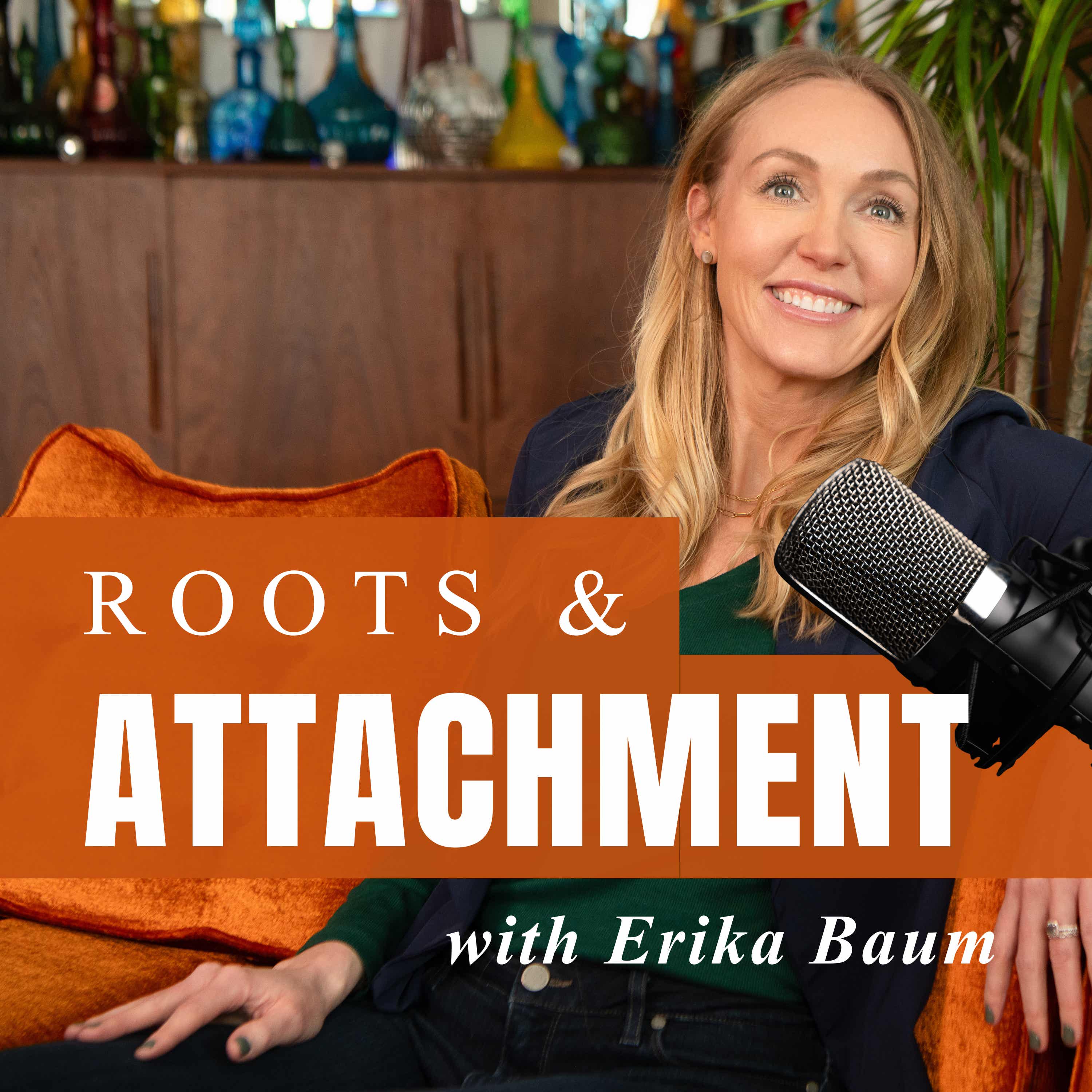
Roots and Attachment Podcast
by Erika Baum
Roots & Attachment Podcast explores relational trauma, attachment wounds, and nervous-system healing. Hosted by Erika Baum—attachment & relational trauma therapist grounded in compassion, curiosity, and helping you reconnect to your own inner wisdom. rootsandattachment.substack.com
-
5
How Attachment Styles Form (They’re Not Personality Traits)
Attachment styles shape how we love, argue, pull away, cling, shut down, or stay silent in relationships—but most people don’t realize they formed long before adulthood.In this episode of Roots & Attachment, Denver trauma therapist Erika Baum, LPCC, breaks down how attachment styles develop, why they exist, and why they are not personality traits or character flaws.Through a relatable story and nervous-system-based explanation, you’ll learn how early caregiving experiences wire the brain for connection, protection, and survival—and why these patterns still show up in adult relationships today.This episode is for you if:* You’ve ever wondered “Why do I react this way in relationships?”* You struggle with closeness, conflict, or emotional vulnerability* You identify with anxious, avoidant, or fearful attachment patterns* You want to heal attachment wounds without shame or self-blameWhat You’ll Learn in This Episode* What attachment styles actually are (and what they’re not)* How attachment patterns form in early childhood* Why babies “borrow” nervous systems from caregivers* The real purpose of anxious and avoidant attachment styles* Why attachment styles are survival strategies—not flaws* How early adaptations show up in adult relationships* Why healing attachment isn’t about fixing yourself* How attachment patterns can change over timeKey TakeawayYour attachment style isn’t who you are.It’s what worked when you had no better options.And anything learned for survival can be gently updated.About the HostErika Baum, MA, LPCC, NCC is an attachment-focused trauma therapist based in Denver, Colorado. She specializes in treating relational trauma, C-PTSD, and attachment wounds using EMDR, Internal Family Systems (IFS), mindfulness, and nervous-system-based approaches.Learn more about Erika’s work, therapy intensives, and attachment-focused resources at:👉 https://www.denverattachmentcounseling.com/Relevant Keywordsattachment stylesanxious attachmentavoidant attachmentfearful avoidant attachmentsecure attachmentattachment traumachildhood traumanervous system regulationtrauma therapy DenverEMDR therapy DenverIFS therapyrelationships and attachmenthealing attachment woundsRoots and Attachment podcast This is a public episode. If you would like to discuss this with other subscribers or get access to bonus episodes, visit rootsandattachment.substack.com
-
4
Home Alone: A Christmas Story About Avoidant Attachment
Home Alone isn’t just a Christmas classic — it’s a powerful story about attachment, the nervous system, and emotional survival.In this episode, attachment trauma therapist Erika Baum explores Home Alone through the lens of avoidant attachment, breaking down how dismissive avoidant and fearful avoidant patterns form in childhood — often in families that look “functional” from the outside.Using Kevin McAllister and the McAllister family as a case study, Erika explains how emotional unavailability, chronic stress, humiliation, and missed repair moments shape a child’s nervous system and teach them to survive by becoming self-reliant instead of connected. You’ll also hear how avoidant attachment can show up more subtly in high-achieving or upper-middle-class environments, why it often goes unnoticed, and how research actually explains the relationship between attachment and socioeconomic stress.This episode weaves together attachment theory, nervous system science, real-world clinical insight, and Buddhist wisdom, including the powerful metaphor of The Second Arrow — showing how avoidant attachment isn’t a flaw, but a learned survival strategy.If you’ve ever been told you’re “independent,” “low-maintenance,” or “fine on your own” — but struggle with closeness, emotional safety, or letting others support you — this episode is for you.You’ll learn:How avoidant attachment forms in childhoodThe difference between dismissive avoidant and fearful avoidant attachmentWhy emotional unavailability (not lack of love) shapes attachment patternsHow avoidant attachment often hides behind competence and successWhy healing doesn’t come from trying harder — but from safe connectionTo learn more about attachment-focused trauma therapy, EMDR, IFS, and nervous system healing, visit Denver Attachment Counseling:👉 https://www.denverattachmentcounseling.com/ This is a public episode. If you would like to discuss this with other subscribers or get access to bonus episodes, visit rootsandattachment.substack.com
-
3
The Fixer Pattern: When Safety Meant Managing Everyone Else
Do you feel responsible for everyone else’s emotions?Do you step in, smooth things over, and fix problems—often before anyone even asks?Do you struggle to relax unless everyone around you is okay?In this episode of Roots & Attachment, we explore the Fixer role — not as a personality flaw, but as a nervous-system survival strategy that often develops in childhood homes shaped by emotional unpredictability, addiction, or chronic conflict.Fixers don’t fix because they want control.They fix because not fixing once meant danger.Using real-life examples (yes, including Emily in Paris), attachment science, and a powerful client story, Erika breaks down:* Why fixers are hyper-attuned to tension and silence* How over-functioning develops as a childhood survival role* The link between fixing, anxious attachment, and chronic nervous-system activation* Why relaxation can feel unsafe for fixers* The hidden emotional and physical costs of carrying everyone else* What actually heals the fixer pattern (and it’s not trying harder)You’ll hear the story of “Melissa,” a woman who grew up managing emotional chaos—and how her fixer wiring followed her into adulthood through anxiety, exhaustion, and physical symptoms… until she learned something radically different:Safety without fixing.This episode is for you if:* You avoid conflict at all costs* You feel guilty saying no* You’re everyone’s go-to support person* You feel anxious until problems are resolved* You learned early that keeping the peace meant staying safeHealing the fixer doesn’t mean you stop caring.It means you stop disappearing.✨ Learn more about Erika’s work, therapy intensives, and resources at👉 www.denverattachmentcounseling.comIf this episode resonated, consider sharing it with someone who’s been carrying too much for too long.We are wounded in relationship — and we heal in relationship. This is a public episode. If you would like to discuss this with other subscribers or get access to bonus episodes, visit rootsandattachment.substack.com
-
2
Living on Guard: The Fear of Losing Loved Ones
Living on Guard: The Fear of Losing Loved OnesRoots & Attachment — with Erika BaumWe are wounded in relationship and we heal in relationship — because insight alone doesn’t transform us. Corrective relational experiences do.In this episode of Roots & Attachment, Erika explores a deeply common but rarely named experience: living on constant alert for the people you love.Do you feel uneasy when loved ones leave the house — jumping straight to worst-case scenarios?Check your baby’s breathing even when everything is okay?Scan moods, over-remind, or feel quiet responsibility to keep everyone safe?Struggle to fully relax because your body whispers, “Don’t get too calm… something’s coming.”This pattern is known as loss aversion or attachment anxiety — a trauma-based nervous system response that forms when early relationships were unpredictable, emotionally unstable, or required children to grow up too fast.In this deeply personal episode, Erika shares her own story of early hyper-responsibility and how those experiences shaped the protective wiring in her nervous system — along with how true healing became possible.🌱 In This Episode You’ll Learn:What loss aversion & attachment anxiety actually look like in real lifeHow childhood unpredictability wires the brain for protection instead of trustWhy hypervigilance persists even after life becomes safeThe “false responsibility loop” that keeps fear of loss cyclingWhy this pattern isn’t a thinking issue — it’s nervous system conditioningHow trauma therapy (not just talk therapy) helps the brain finally updateWhat allowed Erika to loosen the grip of lifelong hypervigilance🧠 Healing Tools Discussed:EMDR (Eye Movement Desensitization and Reprocessing)Parts Work / Internal Family Systems (IFS)Somatic trauma therapyKetamine-Assisted Psychotherapy (with licensed providers)🤍 Support in ColoradoIf this episode resonates and you’re located in Colorado, Erika offers attachment-focused trauma therapy using EMDR, parts work, somatic approaches, and ketamine-assisted psychotherapy to help nervous systems move from survival mode into safety.🔗 Learn more:https://www.denverattachmentcounseling.com🎙 About the HostErika Baum is an attachment trauma therapist, author of Making Therapy Work, wife, mom, and fellow human healing her own anxious attachment. Through both therapy and storytelling, Erika helps people understand their trauma wiring, release hypervigilance, and build secure relationships from the inside out.✨ Remember:We are wounded in relationship and we heal in relationship — because insight alone doesn’t transform us. Corrective relational experiences do.Thank you for listening to Roots & Attachment. This is a public episode. If you would like to discuss this with other subscribers or get access to bonus episodes, visit rootsandattachment.substack.com
-
1
Why You’re Trying to Heal the Wrong Thing
Have you ever wondered why you can read the books, journal endlessly, try new habits — and still feel stuck in the same emotional patterns?In this episode of Roots & Attachment, we explore one of the most important shifts in trauma healing: understanding the difference between symptoms and core wounds.Most of us focus on stopping behaviors — people-pleasing, numbing, overworking, emotional shutting down — without realizing these aren’t the real problem. They are nervous-system adaptations that once helped us survive emotional pain. When we fight the symptom without healing the wound underneath, we stay trapped in cycles of effort without true change.In this episode you’ll learn:What symptoms vs. core wounds really meanWhy patterns formed from survival — not personal failureHow experiences like emotional neglect, gaslighting, parentification, or conditional love shape adult behaviorWhy discipline and willpower alone don’t create healingHow the nervous system heals through safety, compassion, and emotional repairWe walk through real-life examples of how symptoms like numbing, people-pleasing, and emotional withdrawal develop — and how seeing them differently can soften self-judgment and unlock deeper healing.🌿 A Healing PathwayYou’ll be guided through a simple framework to begin shifting your patterns:Symptom → Curiosity → Core Wound → Compassion → RepairInstead of asking “What’s wrong with me?”you’ll learn to ask:“What happened to me that made this pattern necessary?”💬 Key reminder:Your nervous system isn’t broken — it adapted.Healing doesn’t come from force or perfection — it comes from understanding and repair.If this episode resonated, consider sharing it with someone walking their own healing journey — and join me next week as we continue exploring how attachment and trauma shape the lives we’re trying to change.—Hosted by Erika Baum, LPCCAttachment & Relational Trauma TherapistRoots & AttachmentInterested in working with Erika? Book a consultation at https://www.denverattachmentcounseling.com/. This is a public episode. If you would like to discuss this with other subscribers or get access to bonus episodes, visit rootsandattachment.substack.com
We're indexing this podcast's transcripts for the first time — this can take a minute or two. We'll show results as soon as they're ready.
No matches for "" in this podcast's transcripts.
No topics indexed yet for this podcast.
Loading reviews...
ABOUT THIS SHOW
Roots & Attachment Podcast explores relational trauma, attachment wounds, and nervous-system healing. Hosted by Erika Baum—attachment & relational trauma therapist grounded in compassion, curiosity, and helping you reconnect to your own inner wisdom. rootsandattachment.substack.com
HOSTED BY
Erika Baum
CATEGORIES
Loading similar podcasts...
Frequently Asked Questions
How many episodes does Roots and Attachment Podcast have?
Roots and Attachment Podcast currently has 5 episodes available on PodParley. New episodes are automatically indexed when they're published to the podcast feed.
What is Roots and Attachment Podcast about?
Roots & Attachment Podcast explores relational trauma, attachment wounds, and nervous-system healing. Hosted by Erika Baum—attachment & relational trauma therapist grounded in compassion, curiosity, and helping you reconnect to your own inner wisdom. rootsandattachment.substack.com
How often does Roots and Attachment Podcast release new episodes?
Roots and Attachment Podcast has 5 episodes. Check the episode list to see recent publication dates and frequency.
Where can I listen to Roots and Attachment Podcast?
You can listen to Roots and Attachment Podcast on PodParley by clicking any episode. We provide an embedded audio player for direct listening, and you can also subscribe via your preferred podcast app using the RSS feed.
Who hosts Roots and Attachment Podcast?
Roots and Attachment Podcast is created and hosted by Erika Baum.
URL copied to clipboard!