
PODCAST · arts
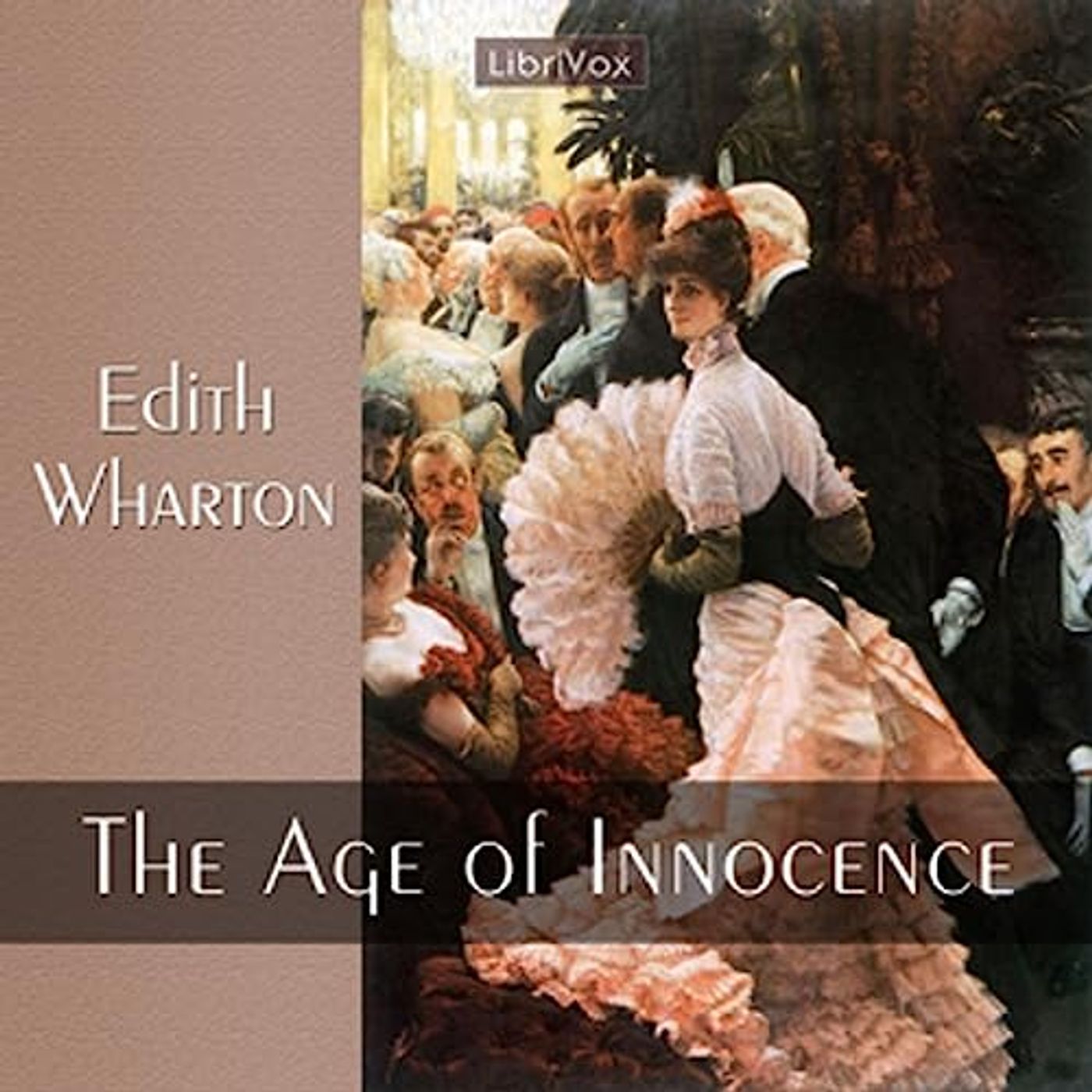
The Age of Innocence by Edith Wharton.
by AudioBooks
The Age of Innocence by Edith Wharton. The Age of Innocence centers on an upper-class couple's impending marriage, and the introduction of a woman plagued by scandal whose presence threatens their happiness. Though the novel questions the assumptions and morals of 1870s' New York society, it never devolves into an outright condemnation of the institution. In fact, Wharton considered this novel an "apology" for her earlier, more brutal and critical novel, The House of Mirth. Not to be overlooked is Wharton's attention to detailing the charms and customs of the upper caste. The novel is lauded for its accurate portrayal of how the 19th-century East Coast American upper class lived, and this, combined with the social tragedy, earned Wharton a Pulitzer Prize — the first Pulitzer awarded to a woman. Edith Wharton was 58 years old at publication; she lived in that world, and saw it change dramatically by the end of World War I. The title is an ironic comment on the polished outward ma
-
34
Chapter 34. The Age of Innocence by Edith Wharton.
Chapter 34. The Age of Innocence by Edith Wharton. The Age of Innocence centers on an upper-class couple's impending marriage, and the introduction of a woman plagued by scandal whose presence threatens their happiness. Though the novel questions the assumptions and morals of 1870s' New York society, it never devolves into an outright condemnation of the institution. In fact, Wharton considered this novel an "apology" for her earlier, more brutal and critical novel, The House of Mirth. Not to be overlooked is Wharton's attention to detailing the charms and customs of the upper caste. The novel is lauded for its accurate portrayal of how the 19th-century East Coast American upper class lived, and this, combined with the social tragedy, earned Wharton a Pulitzer Prize — the first Pulitzer awarded to a woman. Edith Wharton was 58 years old at publication; she lived in that world, and saw it change dramatically by the end of World War I. The title is an ironic comment on the polished outward manners of New York society, when compared to its inward machinations.Become a supporter of this podcast: https://www.spreaker.com/podcast/the-age-of-innocence-by-edith-wharton--6720110/support.
-
33
Chapter 33. The Age of Innocence by Edith Wharton.
Chapter 33. The Age of Innocence by Edith Wharton. The Age of Innocence centers on an upper-class couple's impending marriage, and the introduction of a woman plagued by scandal whose presence threatens their happiness. Though the novel questions the assumptions and morals of 1870s' New York society, it never devolves into an outright condemnation of the institution. In fact, Wharton considered this novel an "apology" for her earlier, more brutal and critical novel, The House of Mirth. Not to be overlooked is Wharton's attention to detailing the charms and customs of the upper caste. The novel is lauded for its accurate portrayal of how the 19th-century East Coast American upper class lived, and this, combined with the social tragedy, earned Wharton a Pulitzer Prize — the first Pulitzer awarded to a woman. Edith Wharton was 58 years old at publication; she lived in that world, and saw it change dramatically by the end of World War I. The title is an ironic comment on the polished outward manners of New York society, when compared to its inward machinations.Become a supporter of this podcast: https://www.spreaker.com/podcast/the-age-of-innocence-by-edith-wharton--6720110/support.
-
32
Chapter 32. The Age of Innocence by Edith Wharton.
Chapter 32. The Age of Innocence by Edith Wharton. The Age of Innocence centers on an upper-class couple's impending marriage, and the introduction of a woman plagued by scandal whose presence threatens their happiness. Though the novel questions the assumptions and morals of 1870s' New York society, it never devolves into an outright condemnation of the institution. In fact, Wharton considered this novel an "apology" for her earlier, more brutal and critical novel, The House of Mirth. Not to be overlooked is Wharton's attention to detailing the charms and customs of the upper caste. The novel is lauded for its accurate portrayal of how the 19th-century East Coast American upper class lived, and this, combined with the social tragedy, earned Wharton a Pulitzer Prize — the first Pulitzer awarded to a woman. Edith Wharton was 58 years old at publication; she lived in that world, and saw it change dramatically by the end of World War I. The title is an ironic comment on the polished outward manners of New York society, when compared to its inward machinations.Become a supporter of this podcast: https://www.spreaker.com/podcast/the-age-of-innocence-by-edith-wharton--6720110/support.
-
31
Chapter 31. The Age of Innocence by Edith Wharton.
Chapter 31. The Age of Innocence by Edith Wharton. The Age of Innocence centers on an upper-class couple's impending marriage, and the introduction of a woman plagued by scandal whose presence threatens their happiness. Though the novel questions the assumptions and morals of 1870s' New York society, it never devolves into an outright condemnation of the institution. In fact, Wharton considered this novel an "apology" for her earlier, more brutal and critical novel, The House of Mirth. Not to be overlooked is Wharton's attention to detailing the charms and customs of the upper caste. The novel is lauded for its accurate portrayal of how the 19th-century East Coast American upper class lived, and this, combined with the social tragedy, earned Wharton a Pulitzer Prize — the first Pulitzer awarded to a woman. Edith Wharton was 58 years old at publication; she lived in that world, and saw it change dramatically by the end of World War I. The title is an ironic comment on the polished outward manners of New York society, when compared to its inward machinations.Become a supporter of this podcast: https://www.spreaker.com/podcast/the-age-of-innocence-by-edith-wharton--6720110/support.
-
30
Chapter 30. The Age of Innocence by Edith Wharton.
Chapter 30. The Age of Innocence by Edith Wharton. The Age of Innocence centers on an upper-class couple's impending marriage, and the introduction of a woman plagued by scandal whose presence threatens their happiness. Though the novel questions the assumptions and morals of 1870s' New York society, it never devolves into an outright condemnation of the institution. In fact, Wharton considered this novel an "apology" for her earlier, more brutal and critical novel, The House of Mirth. Not to be overlooked is Wharton's attention to detailing the charms and customs of the upper caste. The novel is lauded for its accurate portrayal of how the 19th-century East Coast American upper class lived, and this, combined with the social tragedy, earned Wharton a Pulitzer Prize — the first Pulitzer awarded to a woman. Edith Wharton was 58 years old at publication; she lived in that world, and saw it change dramatically by the end of World War I. The title is an ironic comment on the polished outward manners of New York society, when compared to its inward machinations.Become a supporter of this podcast: https://www.spreaker.com/podcast/the-age-of-innocence-by-edith-wharton--6720110/support.
-
29
Chapter 29. The Age of Innocence by Edith Wharton.
Chapter 29. The Age of Innocence by Edith Wharton. The Age of Innocence centers on an upper-class couple's impending marriage, and the introduction of a woman plagued by scandal whose presence threatens their happiness. Though the novel questions the assumptions and morals of 1870s' New York society, it never devolves into an outright condemnation of the institution. In fact, Wharton considered this novel an "apology" for her earlier, more brutal and critical novel, The House of Mirth. Not to be overlooked is Wharton's attention to detailing the charms and customs of the upper caste. The novel is lauded for its accurate portrayal of how the 19th-century East Coast American upper class lived, and this, combined with the social tragedy, earned Wharton a Pulitzer Prize — the first Pulitzer awarded to a woman. Edith Wharton was 58 years old at publication; she lived in that world, and saw it change dramatically by the end of World War I. The title is an ironic comment on the polished outward manners of New York society, when compared to its inward machinations.Become a supporter of this podcast: https://www.spreaker.com/podcast/the-age-of-innocence-by-edith-wharton--6720110/support.
-
28
Chapter 28. The Age of Innocence by Edith Wharton.
Chapter 28. The Age of Innocence by Edith Wharton. The Age of Innocence centers on an upper-class couple's impending marriage, and the introduction of a woman plagued by scandal whose presence threatens their happiness. Though the novel questions the assumptions and morals of 1870s' New York society, it never devolves into an outright condemnation of the institution. In fact, Wharton considered this novel an "apology" for her earlier, more brutal and critical novel, The House of Mirth. Not to be overlooked is Wharton's attention to detailing the charms and customs of the upper caste. The novel is lauded for its accurate portrayal of how the 19th-century East Coast American upper class lived, and this, combined with the social tragedy, earned Wharton a Pulitzer Prize — the first Pulitzer awarded to a woman. Edith Wharton was 58 years old at publication; she lived in that world, and saw it change dramatically by the end of World War I. The title is an ironic comment on the polished outward manners of New York society, when compared to its inward machinations.Become a supporter of this podcast: https://www.spreaker.com/podcast/the-age-of-innocence-by-edith-wharton--6720110/support.
-
27
Chapter 27. The Age of Innocence by Edith Wharton.
Chapter 27. The Age of Innocence by Edith Wharton. The Age of Innocence centers on an upper-class couple's impending marriage, and the introduction of a woman plagued by scandal whose presence threatens their happiness. Though the novel questions the assumptions and morals of 1870s' New York society, it never devolves into an outright condemnation of the institution. In fact, Wharton considered this novel an "apology" for her earlier, more brutal and critical novel, The House of Mirth. Not to be overlooked is Wharton's attention to detailing the charms and customs of the upper caste. The novel is lauded for its accurate portrayal of how the 19th-century East Coast American upper class lived, and this, combined with the social tragedy, earned Wharton a Pulitzer Prize — the first Pulitzer awarded to a woman. Edith Wharton was 58 years old at publication; she lived in that world, and saw it change dramatically by the end of World War I. The title is an ironic comment on the polished outward manners of New York society, when compared to its inward machinations.Become a supporter of this podcast: https://www.spreaker.com/podcast/the-age-of-innocence-by-edith-wharton--6720110/support.
-
26
Chapter 26. The Age of Innocence by Edith Wharton.
Chapter 26. The Age of Innocence by Edith Wharton. The Age of Innocence centers on an upper-class couple's impending marriage, and the introduction of a woman plagued by scandal whose presence threatens their happiness. Though the novel questions the assumptions and morals of 1870s' New York society, it never devolves into an outright condemnation of the institution. In fact, Wharton considered this novel an "apology" for her earlier, more brutal and critical novel, The House of Mirth. Not to be overlooked is Wharton's attention to detailing the charms and customs of the upper caste. The novel is lauded for its accurate portrayal of how the 19th-century East Coast American upper class lived, and this, combined with the social tragedy, earned Wharton a Pulitzer Prize — the first Pulitzer awarded to a woman. Edith Wharton was 58 years old at publication; she lived in that world, and saw it change dramatically by the end of World War I. The title is an ironic comment on the polished outward manners of New York society, when compared to its inward machinations.Become a supporter of this podcast: https://www.spreaker.com/podcast/the-age-of-innocence-by-edith-wharton--6720110/support.
-
25
Chapter 25. The Age of Innocence by Edith Wharton.
Chapter 25. The Age of Innocence by Edith Wharton. The Age of Innocence centers on an upper-class couple's impending marriage, and the introduction of a woman plagued by scandal whose presence threatens their happiness. Though the novel questions the assumptions and morals of 1870s' New York society, it never devolves into an outright condemnation of the institution. In fact, Wharton considered this novel an "apology" for her earlier, more brutal and critical novel, The House of Mirth. Not to be overlooked is Wharton's attention to detailing the charms and customs of the upper caste. The novel is lauded for its accurate portrayal of how the 19th-century East Coast American upper class lived, and this, combined with the social tragedy, earned Wharton a Pulitzer Prize — the first Pulitzer awarded to a woman. Edith Wharton was 58 years old at publication; she lived in that world, and saw it change dramatically by the end of World War I. The title is an ironic comment on the polished outward manners of New York society, when compared to its inward machinations.Become a supporter of this podcast: https://www.spreaker.com/podcast/the-age-of-innocence-by-edith-wharton--6720110/support.
-
24
Chapter 24. The Age of Innocence by Edith Wharton.
Chapter 24. The Age of Innocence by Edith Wharton. The Age of Innocence centers on an upper-class couple's impending marriage, and the introduction of a woman plagued by scandal whose presence threatens their happiness. Though the novel questions the assumptions and morals of 1870s' New York society, it never devolves into an outright condemnation of the institution. In fact, Wharton considered this novel an "apology" for her earlier, more brutal and critical novel, The House of Mirth. Not to be overlooked is Wharton's attention to detailing the charms and customs of the upper caste. The novel is lauded for its accurate portrayal of how the 19th-century East Coast American upper class lived, and this, combined with the social tragedy, earned Wharton a Pulitzer Prize — the first Pulitzer awarded to a woman. Edith Wharton was 58 years old at publication; she lived in that world, and saw it change dramatically by the end of World War I. The title is an ironic comment on the polished outward manners of New York society, when compared to its inward machinations.Become a supporter of this podcast: https://www.spreaker.com/podcast/the-age-of-innocence-by-edith-wharton--6720110/support.
-
23
Chapter 23. The Age of Innocence by Edith Wharton.
Chapter 23. The Age of Innocence by Edith Wharton. The Age of Innocence centers on an upper-class couple's impending marriage, and the introduction of a woman plagued by scandal whose presence threatens their happiness. Though the novel questions the assumptions and morals of 1870s' New York society, it never devolves into an outright condemnation of the institution. In fact, Wharton considered this novel an "apology" for her earlier, more brutal and critical novel, The House of Mirth. Not to be overlooked is Wharton's attention to detailing the charms and customs of the upper caste. The novel is lauded for its accurate portrayal of how the 19th-century East Coast American upper class lived, and this, combined with the social tragedy, earned Wharton a Pulitzer Prize — the first Pulitzer awarded to a woman. Edith Wharton was 58 years old at publication; she lived in that world, and saw it change dramatically by the end of World War I. The title is an ironic comment on the polished outward manners of New York society, when compared to its inward machinations.Become a supporter of this podcast: https://www.spreaker.com/podcast/the-age-of-innocence-by-edith-wharton--6720110/support.
-
22
Chapter 22. The Age of Innocence by Edith Wharton.
Chapter 22. The Age of Innocence by Edith Wharton. The Age of Innocence centers on an upper-class couple's impending marriage, and the introduction of a woman plagued by scandal whose presence threatens their happiness. Though the novel questions the assumptions and morals of 1870s' New York society, it never devolves into an outright condemnation of the institution. In fact, Wharton considered this novel an "apology" for her earlier, more brutal and critical novel, The House of Mirth. Not to be overlooked is Wharton's attention to detailing the charms and customs of the upper caste. The novel is lauded for its accurate portrayal of how the 19th-century East Coast American upper class lived, and this, combined with the social tragedy, earned Wharton a Pulitzer Prize — the first Pulitzer awarded to a woman. Edith Wharton was 58 years old at publication; she lived in that world, and saw it change dramatically by the end of World War I. The title is an ironic comment on the polished outward manners of New York society, when compared to its inward machinations.Become a supporter of this podcast: https://www.spreaker.com/podcast/the-age-of-innocence-by-edith-wharton--6720110/support.
-
21
Chapter 21. The Age of Innocence by Edith Wharton.
Chapter 21. The Age of Innocence by Edith Wharton. The Age of Innocence centers on an upper-class couple's impending marriage, and the introduction of a woman plagued by scandal whose presence threatens their happiness. Though the novel questions the assumptions and morals of 1870s' New York society, it never devolves into an outright condemnation of the institution. In fact, Wharton considered this novel an "apology" for her earlier, more brutal and critical novel, The House of Mirth. Not to be overlooked is Wharton's attention to detailing the charms and customs of the upper caste. The novel is lauded for its accurate portrayal of how the 19th-century East Coast American upper class lived, and this, combined with the social tragedy, earned Wharton a Pulitzer Prize — the first Pulitzer awarded to a woman. Edith Wharton was 58 years old at publication; she lived in that world, and saw it change dramatically by the end of World War I. The title is an ironic comment on the polished outward manners of New York society, when compared to its inward machinations.Become a supporter of this podcast: https://www.spreaker.com/podcast/the-age-of-innocence-by-edith-wharton--6720110/support.
-
20
Chapter 20. The Age of Innocence by Edith Wharton.
Chapter 20. The Age of Innocence by Edith Wharton. The Age of Innocence centers on an upper-class couple's impending marriage, and the introduction of a woman plagued by scandal whose presence threatens their happiness. Though the novel questions the assumptions and morals of 1870s' New York society, it never devolves into an outright condemnation of the institution. In fact, Wharton considered this novel an "apology" for her earlier, more brutal and critical novel, The House of Mirth. Not to be overlooked is Wharton's attention to detailing the charms and customs of the upper caste. The novel is lauded for its accurate portrayal of how the 19th-century East Coast American upper class lived, and this, combined with the social tragedy, earned Wharton a Pulitzer Prize — the first Pulitzer awarded to a woman. Edith Wharton was 58 years old at publication; she lived in that world, and saw it change dramatically by the end of World War I. The title is an ironic comment on the polished outward manners of New York society, when compared to its inward machinations.Become a supporter of this podcast: https://www.spreaker.com/podcast/the-age-of-innocence-by-edith-wharton--6720110/support.
-
19
Chapter 19. The Age of Innocence by Edith Wharton.
Chapter 19. The Age of Innocence by Edith Wharton. The Age of Innocence centers on an upper-class couple's impending marriage, and the introduction of a woman plagued by scandal whose presence threatens their happiness. Though the novel questions the assumptions and morals of 1870s' New York society, it never devolves into an outright condemnation of the institution. In fact, Wharton considered this novel an "apology" for her earlier, more brutal and critical novel, The House of Mirth. Not to be overlooked is Wharton's attention to detailing the charms and customs of the upper caste. The novel is lauded for its accurate portrayal of how the 19th-century East Coast American upper class lived, and this, combined with the social tragedy, earned Wharton a Pulitzer Prize — the first Pulitzer awarded to a woman. Edith Wharton was 58 years old at publication; she lived in that world, and saw it change dramatically by the end of World War I. The title is an ironic comment on the polished outward manners of New York society, when compared to its inward machinations.Become a supporter of this podcast: https://www.spreaker.com/podcast/the-age-of-innocence-by-edith-wharton--6720110/support.
-
18
Chapter 18. The Age of Innocence by Edith Wharton.
Chapter 18. The Age of Innocence by Edith Wharton. The Age of Innocence centers on an upper-class couple's impending marriage, and the introduction of a woman plagued by scandal whose presence threatens their happiness. Though the novel questions the assumptions and morals of 1870s' New York society, it never devolves into an outright condemnation of the institution. In fact, Wharton considered this novel an "apology" for her earlier, more brutal and critical novel, The House of Mirth. Not to be overlooked is Wharton's attention to detailing the charms and customs of the upper caste. The novel is lauded for its accurate portrayal of how the 19th-century East Coast American upper class lived, and this, combined with the social tragedy, earned Wharton a Pulitzer Prize — the first Pulitzer awarded to a woman. Edith Wharton was 58 years old at publication; she lived in that world, and saw it change dramatically by the end of World War I. The title is an ironic comment on the polished outward manners of New York society, when compared to its inward machinations.Become a supporter of this podcast: https://www.spreaker.com/podcast/the-age-of-innocence-by-edith-wharton--6720110/support.
-
17
Chapter 17. The Age of Innocence by Edith Wharton.
Chapter 17. The Age of Innocence by Edith Wharton. The Age of Innocence centers on an upper-class couple's impending marriage, and the introduction of a woman plagued by scandal whose presence threatens their happiness. Though the novel questions the assumptions and morals of 1870s' New York society, it never devolves into an outright condemnation of the institution. In fact, Wharton considered this novel an "apology" for her earlier, more brutal and critical novel, The House of Mirth. Not to be overlooked is Wharton's attention to detailing the charms and customs of the upper caste. The novel is lauded for its accurate portrayal of how the 19th-century East Coast American upper class lived, and this, combined with the social tragedy, earned Wharton a Pulitzer Prize — the first Pulitzer awarded to a woman. Edith Wharton was 58 years old at publication; she lived in that world, and saw it change dramatically by the end of World War I. The title is an ironic comment on the polished outward manners of New York society, when compared to its inward machinations.Become a supporter of this podcast: https://www.spreaker.com/podcast/the-age-of-innocence-by-edith-wharton--6720110/support.
-
16
Chapter 16. The Age of Innocence by Edith Wharton.
Chapter 16. The Age of Innocence by Edith Wharton. The Age of Innocence centers on an upper-class couple's impending marriage, and the introduction of a woman plagued by scandal whose presence threatens their happiness. Though the novel questions the assumptions and morals of 1870s' New York society, it never devolves into an outright condemnation of the institution. In fact, Wharton considered this novel an "apology" for her earlier, more brutal and critical novel, The House of Mirth. Not to be overlooked is Wharton's attention to detailing the charms and customs of the upper caste. The novel is lauded for its accurate portrayal of how the 19th-century East Coast American upper class lived, and this, combined with the social tragedy, earned Wharton a Pulitzer Prize — the first Pulitzer awarded to a woman. Edith Wharton was 58 years old at publication; she lived in that world, and saw it change dramatically by the end of World War I. The title is an ironic comment on the polished outward manners of New York society, when compared to its inward machinations.Become a supporter of this podcast: https://www.spreaker.com/podcast/the-age-of-innocence-by-edith-wharton--6720110/support.
-
15
Chapter 15. The Age of Innocence by Edith Wharton.
Chapter 15. The Age of Innocence by Edith Wharton. The Age of Innocence centers on an upper-class couple's impending marriage, and the introduction of a woman plagued by scandal whose presence threatens their happiness. Though the novel questions the assumptions and morals of 1870s' New York society, it never devolves into an outright condemnation of the institution. In fact, Wharton considered this novel an "apology" for her earlier, more brutal and critical novel, The House of Mirth. Not to be overlooked is Wharton's attention to detailing the charms and customs of the upper caste. The novel is lauded for its accurate portrayal of how the 19th-century East Coast American upper class lived, and this, combined with the social tragedy, earned Wharton a Pulitzer Prize — the first Pulitzer awarded to a woman. Edith Wharton was 58 years old at publication; she lived in that world, and saw it change dramatically by the end of World War I. The title is an ironic comment on the polished outward manners of New York society, when compared to its inward machinations.Become a supporter of this podcast: https://www.spreaker.com/podcast/the-age-of-innocence-by-edith-wharton--6720110/support.
-
14
Chapter 14. The Age of Innocence by Edith Wharton.
Chapter 14. The Age of Innocence by Edith Wharton. The Age of Innocence centers on an upper-class couple's impending marriage, and the introduction of a woman plagued by scandal whose presence threatens their happiness. Though the novel questions the assumptions and morals of 1870s' New York society, it never devolves into an outright condemnation of the institution. In fact, Wharton considered this novel an "apology" for her earlier, more brutal and critical novel, The House of Mirth. Not to be overlooked is Wharton's attention to detailing the charms and customs of the upper caste. The novel is lauded for its accurate portrayal of how the 19th-century East Coast American upper class lived, and this, combined with the social tragedy, earned Wharton a Pulitzer Prize — the first Pulitzer awarded to a woman. Edith Wharton was 58 years old at publication; she lived in that world, and saw it change dramatically by the end of World War I. The title is an ironic comment on the polished outward manners of New York society, when compared to its inward machinations.Become a supporter of this podcast: https://www.spreaker.com/podcast/the-age-of-innocence-by-edith-wharton--6720110/support.
-
13
Chapter 13. The Age of Innocence by Edith Wharton.
Chapter 13. The Age of Innocence by Edith Wharton. The Age of Innocence centers on an upper-class couple's impending marriage, and the introduction of a woman plagued by scandal whose presence threatens their happiness. Though the novel questions the assumptions and morals of 1870s' New York society, it never devolves into an outright condemnation of the institution. In fact, Wharton considered this novel an "apology" for her earlier, more brutal and critical novel, The House of Mirth. Not to be overlooked is Wharton's attention to detailing the charms and customs of the upper caste. The novel is lauded for its accurate portrayal of how the 19th-century East Coast American upper class lived, and this, combined with the social tragedy, earned Wharton a Pulitzer Prize — the first Pulitzer awarded to a woman. Edith Wharton was 58 years old at publication; she lived in that world, and saw it change dramatically by the end of World War I. The title is an ironic comment on the polished outward manners of New York society, when compared to its inward machinations.Become a supporter of this podcast: https://www.spreaker.com/podcast/the-age-of-innocence-by-edith-wharton--6720110/support.
-
12
Chapter 12. The Age of Innocence by Edith Wharton.
Chapter 12. The Age of Innocence by Edith Wharton. The Age of Innocence centers on an upper-class couple's impending marriage, and the introduction of a woman plagued by scandal whose presence threatens their happiness. Though the novel questions the assumptions and morals of 1870s' New York society, it never devolves into an outright condemnation of the institution. In fact, Wharton considered this novel an "apology" for her earlier, more brutal and critical novel, The House of Mirth. Not to be overlooked is Wharton's attention to detailing the charms and customs of the upper caste. The novel is lauded for its accurate portrayal of how the 19th-century East Coast American upper class lived, and this, combined with the social tragedy, earned Wharton a Pulitzer Prize — the first Pulitzer awarded to a woman. Edith Wharton was 58 years old at publication; she lived in that world, and saw it change dramatically by the end of World War I. The title is an ironic comment on the polished outward manners of New York society, when compared to its inward machinations.Become a supporter of this podcast: https://www.spreaker.com/podcast/the-age-of-innocence-by-edith-wharton--6720110/support.
-
11
Chapter 11. The Age of Innocence by Edith Wharton.
Chapter 11. The Age of Innocence by Edith Wharton. The Age of Innocence centers on an upper-class couple's impending marriage, and the introduction of a woman plagued by scandal whose presence threatens their happiness. Though the novel questions the assumptions and morals of 1870s' New York society, it never devolves into an outright condemnation of the institution. In fact, Wharton considered this novel an "apology" for her earlier, more brutal and critical novel, The House of Mirth. Not to be overlooked is Wharton's attention to detailing the charms and customs of the upper caste. The novel is lauded for its accurate portrayal of how the 19th-century East Coast American upper class lived, and this, combined with the social tragedy, earned Wharton a Pulitzer Prize — the first Pulitzer awarded to a woman. Edith Wharton was 58 years old at publication; she lived in that world, and saw it change dramatically by the end of World War I. The title is an ironic comment on the polished outward manners of New York society, when compared to its inward machinations.Become a supporter of this podcast: https://www.spreaker.com/podcast/the-age-of-innocence-by-edith-wharton--6720110/support.
-
10
Chapter 10. The Age of Innocence by Edith Wharton.
Chapter 10. The Age of Innocence by Edith Wharton. The Age of Innocence centers on an upper-class couple's impending marriage, and the introduction of a woman plagued by scandal whose presence threatens their happiness. Though the novel questions the assumptions and morals of 1870s' New York society, it never devolves into an outright condemnation of the institution. In fact, Wharton considered this novel an "apology" for her earlier, more brutal and critical novel, The House of Mirth. Not to be overlooked is Wharton's attention to detailing the charms and customs of the upper caste. The novel is lauded for its accurate portrayal of how the 19th-century East Coast American upper class lived, and this, combined with the social tragedy, earned Wharton a Pulitzer Prize — the first Pulitzer awarded to a woman. Edith Wharton was 58 years old at publication; she lived in that world, and saw it change dramatically by the end of World War I. The title is an ironic comment on the polished outward manners of New York society, when compared to its inward machinations.Become a supporter of this podcast: https://www.spreaker.com/podcast/the-age-of-innocence-by-edith-wharton--6720110/support.
-
9
Chapter 09. The Age of Innocence by Edith Wharton.
Chapter 09. The Age of Innocence by Edith Wharton. The Age of Innocence centers on an upper-class couple's impending marriage, and the introduction of a woman plagued by scandal whose presence threatens their happiness. Though the novel questions the assumptions and morals of 1870s' New York society, it never devolves into an outright condemnation of the institution. In fact, Wharton considered this novel an "apology" for her earlier, more brutal and critical novel, The House of Mirth. Not to be overlooked is Wharton's attention to detailing the charms and customs of the upper caste. The novel is lauded for its accurate portrayal of how the 19th-century East Coast American upper class lived, and this, combined with the social tragedy, earned Wharton a Pulitzer Prize — the first Pulitzer awarded to a woman. Edith Wharton was 58 years old at publication; she lived in that world, and saw it change dramatically by the end of World War I. The title is an ironic comment on the polished outward manners of New York society, when compared to its inward machinations.Become a supporter of this podcast: https://www.spreaker.com/podcast/the-age-of-innocence-by-edith-wharton--6720110/support.
-
8
Chapter 08. The Age of Innocence by Edith Wharton.
Chapter 08. The Age of Innocence by Edith Wharton. The Age of Innocence centers on an upper-class couple's impending marriage, and the introduction of a woman plagued by scandal whose presence threatens their happiness. Though the novel questions the assumptions and morals of 1870s' New York society, it never devolves into an outright condemnation of the institution. In fact, Wharton considered this novel an "apology" for her earlier, more brutal and critical novel, The House of Mirth. Not to be overlooked is Wharton's attention to detailing the charms and customs of the upper caste. The novel is lauded for its accurate portrayal of how the 19th-century East Coast American upper class lived, and this, combined with the social tragedy, earned Wharton a Pulitzer Prize — the first Pulitzer awarded to a woman. Edith Wharton was 58 years old at publication; she lived in that world, and saw it change dramatically by the end of World War I. The title is an ironic comment on the polished outward manners of New York society, when compared to its inward machinations.Become a supporter of this podcast: https://www.spreaker.com/podcast/the-age-of-innocence-by-edith-wharton--6720110/support.
-
7
Chapter 07. The Age of Innocence by Edith Wharton.
Chapter 07. The Age of Innocence by Edith Wharton. The Age of Innocence centers on an upper-class couple's impending marriage, and the introduction of a woman plagued by scandal whose presence threatens their happiness. Though the novel questions the assumptions and morals of 1870s' New York society, it never devolves into an outright condemnation of the institution. In fact, Wharton considered this novel an "apology" for her earlier, more brutal and critical novel, The House of Mirth. Not to be overlooked is Wharton's attention to detailing the charms and customs of the upper caste. The novel is lauded for its accurate portrayal of how the 19th-century East Coast American upper class lived, and this, combined with the social tragedy, earned Wharton a Pulitzer Prize — the first Pulitzer awarded to a woman. Edith Wharton was 58 years old at publication; she lived in that world, and saw it change dramatically by the end of World War I. The title is an ironic comment on the polished outward manners of New York society, when compared to its inward machinations.Become a supporter of this podcast: https://www.spreaker.com/podcast/the-age-of-innocence-by-edith-wharton--6720110/support.
-
6
Chapter 06. The Age of Innocence by Edith Wharton.
Chapter 06. The Age of Innocence by Edith Wharton. The Age of Innocence centers on an upper-class couple's impending marriage, and the introduction of a woman plagued by scandal whose presence threatens their happiness. Though the novel questions the assumptions and morals of 1870s' New York society, it never devolves into an outright condemnation of the institution. In fact, Wharton considered this novel an "apology" for her earlier, more brutal and critical novel, The House of Mirth. Not to be overlooked is Wharton's attention to detailing the charms and customs of the upper caste. The novel is lauded for its accurate portrayal of how the 19th-century East Coast American upper class lived, and this, combined with the social tragedy, earned Wharton a Pulitzer Prize — the first Pulitzer awarded to a woman. Edith Wharton was 58 years old at publication; she lived in that world, and saw it change dramatically by the end of World War I. The title is an ironic comment on the polished outward manners of New York society, when compared to its inward machinations.Become a supporter of this podcast: https://www.spreaker.com/podcast/the-age-of-innocence-by-edith-wharton--6720110/support.
-
5
Chapter 05. The Age of Innocence by Edith Wharton.
Chapter 05. The Age of Innocence by Edith Wharton. The Age of Innocence centers on an upper-class couple's impending marriage, and the introduction of a woman plagued by scandal whose presence threatens their happiness. Though the novel questions the assumptions and morals of 1870s' New York society, it never devolves into an outright condemnation of the institution. In fact, Wharton considered this novel an "apology" for her earlier, more brutal and critical novel, The House of Mirth. Not to be overlooked is Wharton's attention to detailing the charms and customs of the upper caste. The novel is lauded for its accurate portrayal of how the 19th-century East Coast American upper class lived, and this, combined with the social tragedy, earned Wharton a Pulitzer Prize — the first Pulitzer awarded to a woman. Edith Wharton was 58 years old at publication; she lived in that world, and saw it change dramatically by the end of World War I. The title is an ironic comment on the polished outward manners of New York society, when compared to its inward machinations.Become a supporter of this podcast: https://www.spreaker.com/podcast/the-age-of-innocence-by-edith-wharton--6720110/support.
-
4
Chapter 04. The Age of Innocence by Edith Wharton.
Chapter 04. The Age of Innocence by Edith Wharton. The Age of Innocence centers on an upper-class couple's impending marriage, and the introduction of a woman plagued by scandal whose presence threatens their happiness. Though the novel questions the assumptions and morals of 1870s' New York society, it never devolves into an outright condemnation of the institution. In fact, Wharton considered this novel an "apology" for her earlier, more brutal and critical novel, The House of Mirth. Not to be overlooked is Wharton's attention to detailing the charms and customs of the upper caste. The novel is lauded for its accurate portrayal of how the 19th-century East Coast American upper class lived, and this, combined with the social tragedy, earned Wharton a Pulitzer Prize — the first Pulitzer awarded to a woman. Edith Wharton was 58 years old at publication; she lived in that world, and saw it change dramatically by the end of World War I. The title is an ironic comment on the polished outward manners of New York society, when compared to its inward machinations.Become a supporter of this podcast: https://www.spreaker.com/podcast/the-age-of-innocence-by-edith-wharton--6720110/support.
-
3
Chapter 03. The Age of Innocence by Edith Wharton.
Chapter 03. The Age of Innocence by Edith Wharton. The Age of Innocence centers on an upper-class couple's impending marriage, and the introduction of a woman plagued by scandal whose presence threatens their happiness. Though the novel questions the assumptions and morals of 1870s' New York society, it never devolves into an outright condemnation of the institution. In fact, Wharton considered this novel an "apology" for her earlier, more brutal and critical novel, The House of Mirth. Not to be overlooked is Wharton's attention to detailing the charms and customs of the upper caste. The novel is lauded for its accurate portrayal of how the 19th-century East Coast American upper class lived, and this, combined with the social tragedy, earned Wharton a Pulitzer Prize — the first Pulitzer awarded to a woman. Edith Wharton was 58 years old at publication; she lived in that world, and saw it change dramatically by the end of World War I. The title is an ironic comment on the polished outward manners of New York society, when compared to its inward machinations.Become a supporter of this podcast: https://www.spreaker.com/podcast/the-age-of-innocence-by-edith-wharton--6720110/support.
-
2
Chapter 02. The Age of Innocence by Edith Wharton.
Chapter 02. The Age of Innocence by Edith Wharton. The Age of Innocence centers on an upper-class couple's impending marriage, and the introduction of a woman plagued by scandal whose presence threatens their happiness. Though the novel questions the assumptions and morals of 1870s' New York society, it never devolves into an outright condemnation of the institution. In fact, Wharton considered this novel an "apology" for her earlier, more brutal and critical novel, The House of Mirth. Not to be overlooked is Wharton's attention to detailing the charms and customs of the upper caste. The novel is lauded for its accurate portrayal of how the 19th-century East Coast American upper class lived, and this, combined with the social tragedy, earned Wharton a Pulitzer Prize — the first Pulitzer awarded to a woman. Edith Wharton was 58 years old at publication; she lived in that world, and saw it change dramatically by the end of World War I. The title is an ironic comment on the polished outward manners of New York society, when compared to its inward machinations.Become a supporter of this podcast: https://www.spreaker.com/podcast/the-age-of-innocence-by-edith-wharton--6720110/support.
-
1
Chapter 01. The Age of Innocence by Edith Wharton.
Chapter 01. The Age of Innocence by Edith Wharton. The Age of Innocence centers on an upper-class couple's impending marriage, and the introduction of a woman plagued by scandal whose presence threatens their happiness. Though the novel questions the assumptions and morals of 1870s' New York society, it never devolves into an outright condemnation of the institution. In fact, Wharton considered this novel an "apology" for her earlier, more brutal and critical novel, The House of Mirth. Not to be overlooked is Wharton's attention to detailing the charms and customs of the upper caste. The novel is lauded for its accurate portrayal of how the 19th-century East Coast American upper class lived, and this, combined with the social tragedy, earned Wharton a Pulitzer Prize — the first Pulitzer awarded to a woman. Edith Wharton was 58 years old at publication; she lived in that world, and saw it change dramatically by the end of World War I. The title is an ironic comment on the polished outward manners of New York society, when compared to its inward machinations.Become a supporter of this podcast: https://www.spreaker.com/podcast/the-age-of-innocence-by-edith-wharton--6720110/support.
We're indexing this podcast's transcripts for the first time — this can take a minute or two. We'll show results as soon as they're ready.
No matches for "" in this podcast's transcripts.
No topics indexed yet for this podcast.
Loading reviews...
ABOUT THIS SHOW
The Age of Innocence by Edith Wharton. The Age of Innocence centers on an upper-class couple's impending marriage, and the introduction of a woman plagued by scandal whose presence threatens their happiness. Though the novel questions the assumptions and morals of 1870s' New York society, it never devolves into an outright condemnation of the institution. In fact, Wharton considered this novel an "apology" for her earlier, more brutal and critical novel, The House of Mirth. Not to be overlooked is Wharton's attention to detailing the charms and customs of the upper caste. The novel is lauded for its accurate portrayal of how the 19th-century East Coast American upper class lived, and this, combined with the social tragedy, earned Wharton a Pulitzer Prize — the first Pulitzer awarded to a woman. Edith Wharton was 58 years old at publication; she lived in that world, and saw it change dramatically by the end of World War I. The title is an ironic comment on the polished outward ma
HOSTED BY
AudioBooks
Loading similar podcasts...
Frequently Asked Questions
How many episodes does The Age of Innocence by Edith Wharton. have?
The Age of Innocence by Edith Wharton. currently has 34 episodes available on PodParley. New episodes are automatically indexed when they're published to the podcast feed.
What is The Age of Innocence by Edith Wharton. about?
The Age of Innocence by Edith Wharton. The Age of Innocence centers on an upper-class couple's impending marriage, and the introduction of a woman plagued by scandal whose presence threatens their happiness. Though the novel questions the assumptions and morals of 1870s' New York society, it never...
How often does The Age of Innocence by Edith Wharton. release new episodes?
The Age of Innocence by Edith Wharton. has 34 episodes. Check the episode list to see recent publication dates and frequency.
Where can I listen to The Age of Innocence by Edith Wharton.?
You can listen to The Age of Innocence by Edith Wharton. on PodParley by clicking any episode. We provide an embedded audio player for direct listening, and you can also subscribe via your preferred podcast app using the RSS feed.
Who hosts The Age of Innocence by Edith Wharton.?
The Age of Innocence by Edith Wharton. is created and hosted by AudioBooks.
URL copied to clipboard!