
PODCAST · arts
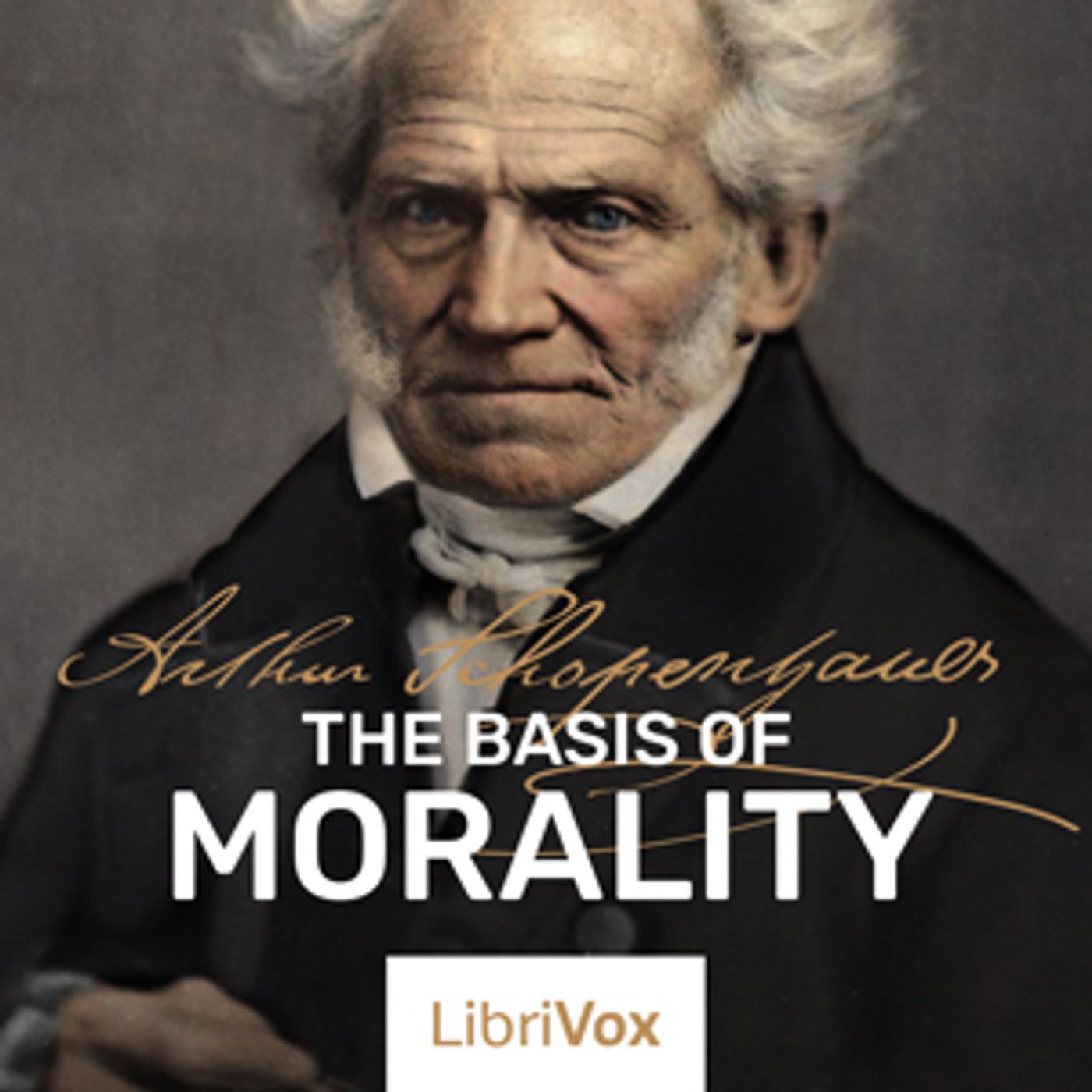
The Basis Of Morality, by Arthur Schopenhauer
by Mentor New York
In 1837, the Danish Royal Society of Sciences offered a prize to any essayist who could satisfactorily answer the question, "Is the fountain and basis of Morals to be sought for in an idea of morality which lies directly in the consciousness (or conscience), and in the analysis of the other leading ethical conceptions which arise from it? Or is it to be found in some other source of knowledge?" The Basis of Morality is the essay submitted in 1840 by German philosopher Arthur Schopenhauer. In it, he first mercilessly deconstructs the prevailing Western theory of morality as championed by Immanuel Kant, among others, before establishing a series of maxims and thought experiments which lead him to a conclusion which points squarely at compassion as the cardinal virtue upon which all morality rests. In the appendix to this essay, he links his own conclusion with the conclusions reached millennia earlier by the authors of the Vedas and Upanishads. The essay was ultimately rejected for the p
-
13
-
12
-
11
-
10
-
9
-
8
-
7
-
6
-
5
-
4
-
3
-
2
-
1
We're indexing this podcast's transcripts for the first time — this can take a minute or two. We'll show results as soon as they're ready.
No matches for "" in this podcast's transcripts.
No topics indexed yet for this podcast.
Loading reviews...
ABOUT THIS SHOW
In 1837, the Danish Royal Society of Sciences offered a prize to any essayist who could satisfactorily answer the question, "Is the fountain and basis of Morals to be sought for in an idea of morality which lies directly in the consciousness (or conscience), and in the analysis of the other leading ethical conceptions which arise from it? Or is it to be found in some other source of knowledge?" The Basis of Morality is the essay submitted in 1840 by German philosopher Arthur Schopenhauer. In it, he first mercilessly deconstructs the prevailing Western theory of morality as championed by Immanuel Kant, among others, before establishing a series of maxims and thought experiments which lead him to a conclusion which points squarely at compassion as the cardinal virtue upon which all morality rests. In the appendix to this essay, he links his own conclusion with the conclusions reached millennia earlier by the authors of the Vedas and Upanishads. The essay was ultimately rejected for the p
HOSTED BY
Mentor New York
Loading similar podcasts...
Frequently Asked Questions
How many episodes does The Basis Of Morality, by Arthur Schopenhauer have?
The Basis Of Morality, by Arthur Schopenhauer currently has 13 episodes available on PodParley. New episodes are automatically indexed when they're published to the podcast feed.
What is The Basis Of Morality, by Arthur Schopenhauer about?
In 1837, the Danish Royal Society of Sciences offered a prize to any essayist who could satisfactorily answer the question, "Is the fountain and basis of Morals to be sought for in an idea of morality which lies directly in the consciousness (or conscience), and in the analysis of the other leading...
How often does The Basis Of Morality, by Arthur Schopenhauer release new episodes?
The Basis Of Morality, by Arthur Schopenhauer has 13 episodes. Check the episode list to see recent publication dates and frequency.
Where can I listen to The Basis Of Morality, by Arthur Schopenhauer?
You can listen to The Basis Of Morality, by Arthur Schopenhauer on PodParley by clicking any episode. We provide an embedded audio player for direct listening, and you can also subscribe via your preferred podcast app using the RSS feed.
Who hosts The Basis Of Morality, by Arthur Schopenhauer?
The Basis Of Morality, by Arthur Schopenhauer is created and hosted by Mentor New York.
URL copied to clipboard!