
PODCAST · arts
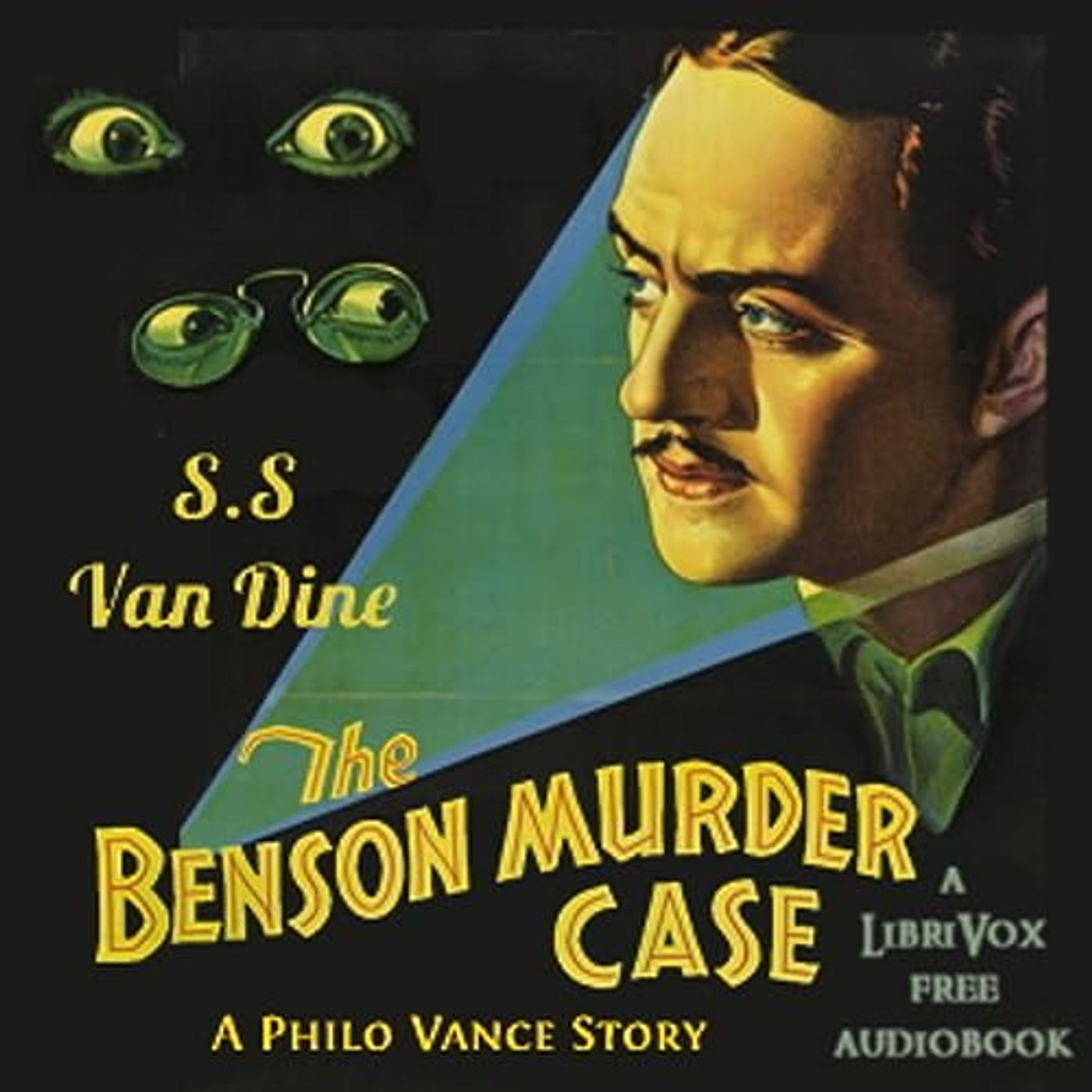
The Benson Murder Case - A Philo Vance Story by S. S. Van Dine.
by AudioBooks
The Benson Murder Case - A Philo Vance Story by S. S. Van Dine. The Benson Murder Case – A Philo Vance Story is the first of a series of twelve popular mysteries set in New York during the Jazz Age. S. S. Van Dine is the nom de plume of prominent art critic, and member of New York’s avant-garde, W. H. Wright. He rapidly became one of the country’s best-selling authors and the series remained immensely popular for decades, as Philo Vance was featured in dozens of movies, plays and radio shows. Van Dine’s novels marked a sharp departure from earlier detective fiction. To begin with, the hero represents the antithesis of the familiar hard-boiled detective. He is an eccentric and volatile loner; a highly erudite aesthete; a debonair bon vivant; a fop. Indeed, Van Dine even flirts with his hero’s sexuality where, for instance, a friend tells Vance: “I trust you won’t wear your green carnation,” – then the symbol of homosexuality. Moreover, Philo Vance approaches crime from a t
-
25
25 - Chapter 25 – Vance Explains His Methods. The Benson Murder Case - A Philo Vance Story by S. S. Van Dine.
25 - Chapter 25 – Vance Explains His Methods. The Benson Murder Case - A Philo Vance Story by S. S. Van Dine. Van Dine’s novels marked a sharp departure from earlier detective fiction. To begin with, the hero represents the antithesis of the familiar hard-boiled detective. He is an eccentric and volatile loner; a highly erudite aesthete; a debonair bon vivant; a fop. Indeed, Van Dine even flirts with his hero’s sexuality where, for instance, a friend tells Vance: “I trust you won’t wear your green carnation,” – then the symbol of homosexuality. Moreover, Philo Vance approaches crime from a totally new standpoint, more or less ignoring the sorts of evidence and inference generally used to solve mysteries. His perspective is primarily psychological. Thus, he tells his friend Van: “The truth can be learned only by an analysis of the psychological factors of a crime, and an application of them to the individual. The only real clues are psychological—not material.” (The author casts himself in the role of the narrator, “Van,” Vance’s old college friend, now his lawyer, advisor and general agent.)Within minutes of viewing the scene of the crime, Vance throws out veiled hints and innuendos that he knows who murdered Alvin Benson. D. A. John Markham good-humoredly ignores these intimations and soon finds there is enough evidence to make an arrest, when Vance convinces him that his suspect could not possibly be guilty. After developing a strong evidential case against someone else, Vance proves that this second suspect, too, must be innocent. And so, it goes with several more suspects. In the end Vance identifies, and explains how his reasoning immediately pointed to, the actual murderer.Become a supporter of this podcast: https://www.spreaker.com/podcast/the-benson-murder-case-a-philo-vance-story-by-s-s-van-dine--6714279/support.
-
24
24 - Chapter 24 – The Arrest. The Benson Murder Case - A Philo Vance Story by S. S. Van Dine.
24 - Chapter 24 – The Arrest. The Benson Murder Case - A Philo Vance Story by S. S. Van Dine. Van Dine’s novels marked a sharp departure from earlier detective fiction. To begin with, the hero represents the antithesis of the familiar hard-boiled detective. He is an eccentric and volatile loner; a highly erudite aesthete; a debonair bon vivant; a fop. Indeed, Van Dine even flirts with his hero’s sexuality where, for instance, a friend tells Vance: “I trust you won’t wear your green carnation,” – then the symbol of homosexuality. Moreover, Philo Vance approaches crime from a totally new standpoint, more or less ignoring the sorts of evidence and inference generally used to solve mysteries. His perspective is primarily psychological. Thus, he tells his friend Van: “The truth can be learned only by an analysis of the psychological factors of a crime, and an application of them to the individual. The only real clues are psychological—not material.” (The author casts himself in the role of the narrator, “Van,” Vance’s old college friend, now his lawyer, advisor and general agent.)Within minutes of viewing the scene of the crime, Vance throws out veiled hints and innuendos that he knows who murdered Alvin Benson. D. A. John Markham good-humoredly ignores these intimations and soon finds there is enough evidence to make an arrest, when Vance convinces him that his suspect could not possibly be guilty. After developing a strong evidential case against someone else, Vance proves that this second suspect, too, must be innocent. And so, it goes with several more suspects. In the end Vance identifies, and explains how his reasoning immediately pointed to, the actual murderer.Become a supporter of this podcast: https://www.spreaker.com/podcast/the-benson-murder-case-a-philo-vance-story-by-s-s-van-dine--6714279/support.
-
23
23 - Chapter 23 – Checking an Alibi. The Benson Murder Case - A Philo Vance Story by S. S. Van Dine.
23 - Chapter 23 – Checking an Alibi. The Benson Murder Case - A Philo Vance Story by S. S. Van Dine. Van Dine’s novels marked a sharp departure from earlier detective fiction. To begin with, the hero represents the antithesis of the familiar hard-boiled detective. He is an eccentric and volatile loner; a highly erudite aesthete; a debonair bon vivant; a fop. Indeed, Van Dine even flirts with his hero’s sexuality where, for instance, a friend tells Vance: “I trust you won’t wear your green carnation,” – then the symbol of homosexuality. Moreover, Philo Vance approaches crime from a totally new standpoint, more or less ignoring the sorts of evidence and inference generally used to solve mysteries. His perspective is primarily psychological. Thus, he tells his friend Van: “The truth can be learned only by an analysis of the psychological factors of a crime, and an application of them to the individual. The only real clues are psychological—not material.” (The author casts himself in the role of the narrator, “Van,” Vance’s old college friend, now his lawyer, advisor and general agent.)Within minutes of viewing the scene of the crime, Vance throws out veiled hints and innuendos that he knows who murdered Alvin Benson. D. A. John Markham good-humoredly ignores these intimations and soon finds there is enough evidence to make an arrest, when Vance convinces him that his suspect could not possibly be guilty. After developing a strong evidential case against someone else, Vance proves that this second suspect, too, must be innocent. And so, it goes with several more suspects. In the end Vance identifies, and explains how his reasoning immediately pointed to, the actual murderer.Become a supporter of this podcast: https://www.spreaker.com/podcast/the-benson-murder-case-a-philo-vance-story-by-s-s-van-dine--6714279/support.
-
22
22 - Chapter 22 – Vance Outlines a Theory. The Benson Murder Case - A Philo Vance Story by S. S. Van Dine.
22 - Chapter 22 – Vance Outlines a Theory. The Benson Murder Case - A Philo Vance Story by S. S. Van Dine. Van Dine’s novels marked a sharp departure from earlier detective fiction. To begin with, the hero represents the antithesis of the familiar hard-boiled detective. He is an eccentric and volatile loner; a highly erudite aesthete; a debonair bon vivant; a fop. Indeed, Van Dine even flirts with his hero’s sexuality where, for instance, a friend tells Vance: “I trust you won’t wear your green carnation,” – then the symbol of homosexuality. Moreover, Philo Vance approaches crime from a totally new standpoint, more or less ignoring the sorts of evidence and inference generally used to solve mysteries. His perspective is primarily psychological. Thus, he tells his friend Van: “The truth can be learned only by an analysis of the psychological factors of a crime, and an application of them to the individual. The only real clues are psychological—not material.” (The author casts himself in the role of the narrator, “Van,” Vance’s old college friend, now his lawyer, advisor and general agent.)Within minutes of viewing the scene of the crime, Vance throws out veiled hints and innuendos that he knows who murdered Alvin Benson. D. A. John Markham good-humoredly ignores these intimations and soon finds there is enough evidence to make an arrest, when Vance convinces him that his suspect could not possibly be guilty. After developing a strong evidential case against someone else, Vance proves that this second suspect, too, must be innocent. And so, it goes with several more suspects. In the end Vance identifies, and explains how his reasoning immediately pointed to, the actual murderer.Become a supporter of this podcast: https://www.spreaker.com/podcast/the-benson-murder-case-a-philo-vance-story-by-s-s-van-dine--6714279/support.
-
21
21 - Chapter 21 – Sartorial Revelations. The Benson Murder Case - A Philo Vance Story by S. S. Van Dine.
21 - Chapter 21 – Sartorial Revelations. The Benson Murder Case - A Philo Vance Story by S. S. Van Dine. Van Dine’s novels marked a sharp departure from earlier detective fiction. To begin with, the hero represents the antithesis of the familiar hard-boiled detective. He is an eccentric and volatile loner; a highly erudite aesthete; a debonair bon vivant; a fop. Indeed, Van Dine even flirts with his hero’s sexuality where, for instance, a friend tells Vance: “I trust you won’t wear your green carnation,” – then the symbol of homosexuality. Moreover, Philo Vance approaches crime from a totally new standpoint, more or less ignoring the sorts of evidence and inference generally used to solve mysteries. His perspective is primarily psychological. Thus, he tells his friend Van: “The truth can be learned only by an analysis of the psychological factors of a crime, and an application of them to the individual. The only real clues are psychological—not material.” (The author casts himself in the role of the narrator, “Van,” Vance’s old college friend, now his lawyer, advisor and general agent.)Within minutes of viewing the scene of the crime, Vance throws out veiled hints and innuendos that he knows who murdered Alvin Benson. D. A. John Markham good-humoredly ignores these intimations and soon finds there is enough evidence to make an arrest, when Vance convinces him that his suspect could not possibly be guilty. After developing a strong evidential case against someone else, Vance proves that this second suspect, too, must be innocent. And so, it goes with several more suspects. In the end Vance identifies, and explains how his reasoning immediately pointed to, the actual murderer.Become a supporter of this podcast: https://www.spreaker.com/podcast/the-benson-murder-case-a-philo-vance-story-by-s-s-van-dine--6714279/support.
-
20
20 - Chapter 20 – A Lady Explains. The Benson Murder Case - A Philo Vance Story by S. S. Van Dine.
20 - Chapter 20 – A Lady Explains. The Benson Murder Case - A Philo Vance Story by S. S. Van Dine. Van Dine’s novels marked a sharp departure from earlier detective fiction. To begin with, the hero represents the antithesis of the familiar hard-boiled detective. He is an eccentric and volatile loner; a highly erudite aesthete; a debonair bon vivant; a fop. Indeed, Van Dine even flirts with his hero’s sexuality where, for instance, a friend tells Vance: “I trust you won’t wear your green carnation,” – then the symbol of homosexuality. Moreover, Philo Vance approaches crime from a totally new standpoint, more or less ignoring the sorts of evidence and inference generally used to solve mysteries. His perspective is primarily psychological. Thus, he tells his friend Van: “The truth can be learned only by an analysis of the psychological factors of a crime, and an application of them to the individual. The only real clues are psychological—not material.” (The author casts himself in the role of the narrator, “Van,” Vance’s old college friend, now his lawyer, advisor and general agent.)Within minutes of viewing the scene of the crime, Vance throws out veiled hints and innuendos that he knows who murdered Alvin Benson. D. A. John Markham good-humoredly ignores these intimations and soon finds there is enough evidence to make an arrest, when Vance convinces him that his suspect could not possibly be guilty. After developing a strong evidential case against someone else, Vance proves that this second suspect, too, must be innocent. And so, it goes with several more suspects. In the end Vance identifies, and explains how his reasoning immediately pointed to, the actual murderer.Become a supporter of this podcast: https://www.spreaker.com/podcast/the-benson-murder-case-a-philo-vance-story-by-s-s-van-dine--6714279/support.
-
19
19 - Chapter 19 – Vance Cross-Examines. The Benson Murder Case - A Philo Vance Story by S. S. Van Dine.
19 - Chapter 19 – Vance Cross-Examines. The Benson Murder Case - A Philo Vance Story by S. S. Van Dine. Van Dine’s novels marked a sharp departure from earlier detective fiction. To begin with, the hero represents the antithesis of the familiar hard-boiled detective. He is an eccentric and volatile loner; a highly erudite aesthete; a debonair bon vivant; a fop. Indeed, Van Dine even flirts with his hero’s sexuality where, for instance, a friend tells Vance: “I trust you won’t wear your green carnation,” – then the symbol of homosexuality. Moreover, Philo Vance approaches crime from a totally new standpoint, more or less ignoring the sorts of evidence and inference generally used to solve mysteries. His perspective is primarily psychological. Thus, he tells his friend Van: “The truth can be learned only by an analysis of the psychological factors of a crime, and an application of them to the individual. The only real clues are psychological—not material.” (The author casts himself in the role of the narrator, “Van,” Vance’s old college friend, now his lawyer, advisor and general agent.)Within minutes of viewing the scene of the crime, Vance throws out veiled hints and innuendos that he knows who murdered Alvin Benson. D. A. John Markham good-humoredly ignores these intimations and soon finds there is enough evidence to make an arrest, when Vance convinces him that his suspect could not possibly be guilty. After developing a strong evidential case against someone else, Vance proves that this second suspect, too, must be innocent. And so, it goes with several more suspects. In the end Vance identifies, and explains how his reasoning immediately pointed to, the actual murderer.Become a supporter of this podcast: https://www.spreaker.com/podcast/the-benson-murder-case-a-philo-vance-story-by-s-s-van-dine--6714279/support.
-
18
18 - Chapter 18 – A Confession. The Benson Murder Case - A Philo Vance Story by S. S. Van Dine.
18 - Chapter 18 – A Confession. The Benson Murder Case - A Philo Vance Story by S. S. Van Dine. Van Dine’s novels marked a sharp departure from earlier detective fiction. To begin with, the hero represents the antithesis of the familiar hard-boiled detective. He is an eccentric and volatile loner; a highly erudite aesthete; a debonair bon vivant; a fop. Indeed, Van Dine even flirts with his hero’s sexuality where, for instance, a friend tells Vance: “I trust you won’t wear your green carnation,” – then the symbol of homosexuality. Moreover, Philo Vance approaches crime from a totally new standpoint, more or less ignoring the sorts of evidence and inference generally used to solve mysteries. His perspective is primarily psychological. Thus, he tells his friend Van: “The truth can be learned only by an analysis of the psychological factors of a crime, and an application of them to the individual. The only real clues are psychological—not material.” (The author casts himself in the role of the narrator, “Van,” Vance’s old college friend, now his lawyer, advisor and general agent.)Within minutes of viewing the scene of the crime, Vance throws out veiled hints and innuendos that he knows who murdered Alvin Benson. D. A. John Markham good-humoredly ignores these intimations and soon finds there is enough evidence to make an arrest, when Vance convinces him that his suspect could not possibly be guilty. After developing a strong evidential case against someone else, Vance proves that this second suspect, too, must be innocent. And so, it goes with several more suspects. In the end Vance identifies, and explains how his reasoning immediately pointed to, the actual murderer.Become a supporter of this podcast: https://www.spreaker.com/podcast/the-benson-murder-case-a-philo-vance-story-by-s-s-van-dine--6714279/support.
-
17
17 - Chapter 17 – The Forged Check. The Benson Murder Case - A Philo Vance Story by S. S. Van Dine.
17 - Chapter 17 – The Forged Check. The Benson Murder Case - A Philo Vance Story by S. S. Van Dine. Van Dine’s novels marked a sharp departure from earlier detective fiction. To begin with, the hero represents the antithesis of the familiar hard-boiled detective. He is an eccentric and volatile loner; a highly erudite aesthete; a debonair bon vivant; a fop. Indeed, Van Dine even flirts with his hero’s sexuality where, for instance, a friend tells Vance: “I trust you won’t wear your green carnation,” – then the symbol of homosexuality. Moreover, Philo Vance approaches crime from a totally new standpoint, more or less ignoring the sorts of evidence and inference generally used to solve mysteries. His perspective is primarily psychological. Thus, he tells his friend Van: “The truth can be learned only by an analysis of the psychological factors of a crime, and an application of them to the individual. The only real clues are psychological—not material.” (The author casts himself in the role of the narrator, “Van,” Vance’s old college friend, now his lawyer, advisor and general agent.)Within minutes of viewing the scene of the crime, Vance throws out veiled hints and innuendos that he knows who murdered Alvin Benson. D. A. John Markham good-humoredly ignores these intimations and soon finds there is enough evidence to make an arrest, when Vance convinces him that his suspect could not possibly be guilty. After developing a strong evidential case against someone else, Vance proves that this second suspect, too, must be innocent. And so, it goes with several more suspects. In the end Vance identifies, and explains how his reasoning immediately pointed to, the actual murderer.Become a supporter of this podcast: https://www.spreaker.com/podcast/the-benson-murder-case-a-philo-vance-story-by-s-s-van-dine--6714279/support.
-
16
16 - Chapter 16 – Admissions and Suppressions. The Benson Murder Case - A Philo Vance Story by S. S. Van Dine.
16 - Chapter 16 – Admissions and Suppressions. The Benson Murder Case - A Philo Vance Story by S. S. Van Dine. Van Dine’s novels marked a sharp departure from earlier detective fiction. To begin with, the hero represents the antithesis of the familiar hard-boiled detective. He is an eccentric and volatile loner; a highly erudite aesthete; a debonair bon vivant; a fop. Indeed, Van Dine even flirts with his hero’s sexuality where, for instance, a friend tells Vance: “I trust you won’t wear your green carnation,” – then the symbol of homosexuality. Moreover, Philo Vance approaches crime from a totally new standpoint, more or less ignoring the sorts of evidence and inference generally used to solve mysteries. His perspective is primarily psychological. Thus, he tells his friend Van: “The truth can be learned only by an analysis of the psychological factors of a crime, and an application of them to the individual. The only real clues are psychological—not material.” (The author casts himself in the role of the narrator, “Van,” Vance’s old college friend, now his lawyer, advisor and general agent.)Within minutes of viewing the scene of the crime, Vance throws out veiled hints and innuendos that he knows who murdered Alvin Benson. D. A. John Markham good-humoredly ignores these intimations and soon finds there is enough evidence to make an arrest, when Vance convinces him that his suspect could not possibly be guilty. After developing a strong evidential case against someone else, Vance proves that this second suspect, too, must be innocent. And so, it goes with several more suspects. In the end Vance identifies, and explains how his reasoning immediately pointed to, the actual murderer.Become a supporter of this podcast: https://www.spreaker.com/podcast/the-benson-murder-case-a-philo-vance-story-by-s-s-van-dine--6714279/support.
-
15
15 - Chapter 15 – Pfyfe – Personal. The Benson Murder Case - A Philo Vance Story by S. S. Van Dine.
15 - Chapter 15 – Pfyfe – Personal. The Benson Murder Case - A Philo Vance Story by S. S. Van Dine. Van Dine’s novels marked a sharp departure from earlier detective fiction. To begin with, the hero represents the antithesis of the familiar hard-boiled detective. He is an eccentric and volatile loner; a highly erudite aesthete; a debonair bon vivant; a fop. Indeed, Van Dine even flirts with his hero’s sexuality where, for instance, a friend tells Vance: “I trust you won’t wear your green carnation,” – then the symbol of homosexuality. Moreover, Philo Vance approaches crime from a totally new standpoint, more or less ignoring the sorts of evidence and inference generally used to solve mysteries. His perspective is primarily psychological. Thus, he tells his friend Van: “The truth can be learned only by an analysis of the psychological factors of a crime, and an application of them to the individual. The only real clues are psychological—not material.” (The author casts himself in the role of the narrator, “Van,” Vance’s old college friend, now his lawyer, advisor and general agent.)Within minutes of viewing the scene of the crime, Vance throws out veiled hints and innuendos that he knows who murdered Alvin Benson. D. A. John Markham good-humoredly ignores these intimations and soon finds there is enough evidence to make an arrest, when Vance convinces him that his suspect could not possibly be guilty. After developing a strong evidential case against someone else, Vance proves that this second suspect, too, must be innocent. And so, it goes with several more suspects. In the end Vance identifies, and explains how his reasoning immediately pointed to, the actual murderer.Become a supporter of this podcast: https://www.spreaker.com/podcast/the-benson-murder-case-a-philo-vance-story-by-s-s-van-dine--6714279/support.
-
14
14 - Chapter 14 – Links in the Chain. The Benson Murder Case - A Philo Vance Story by S. S. Van Dine.
14 - Chapter 14 – Links in the Chain. The Benson Murder Case - A Philo Vance Story by S. S. Van Dine. Van Dine’s novels marked a sharp departure from earlier detective fiction. To begin with, the hero represents the antithesis of the familiar hard-boiled detective. He is an eccentric and volatile loner; a highly erudite aesthete; a debonair bon vivant; a fop. Indeed, Van Dine even flirts with his hero’s sexuality where, for instance, a friend tells Vance: “I trust you won’t wear your green carnation,” – then the symbol of homosexuality. Moreover, Philo Vance approaches crime from a totally new standpoint, more or less ignoring the sorts of evidence and inference generally used to solve mysteries. His perspective is primarily psychological. Thus, he tells his friend Van: “The truth can be learned only by an analysis of the psychological factors of a crime, and an application of them to the individual. The only real clues are psychological—not material.” (The author casts himself in the role of the narrator, “Van,” Vance’s old college friend, now his lawyer, advisor and general agent.)Within minutes of viewing the scene of the crime, Vance throws out veiled hints and innuendos that he knows who murdered Alvin Benson. D. A. John Markham good-humoredly ignores these intimations and soon finds there is enough evidence to make an arrest, when Vance convinces him that his suspect could not possibly be guilty. After developing a strong evidential case against someone else, Vance proves that this second suspect, too, must be innocent. And so, it goes with several more suspects. In the end Vance identifies, and explains how his reasoning immediately pointed to, the actual murderer.Become a supporter of this podcast: https://www.spreaker.com/podcast/the-benson-murder-case-a-philo-vance-story-by-s-s-van-dine--6714279/support.
-
13
13 - Chapter 13 – The Grey Cadillac. The Benson Murder Case - A Philo Vance Story by S. S. Van Dine.
13 - Chapter 13 – The Grey Cadillac. The Benson Murder Case - A Philo Vance Story by S. S. Van Dine. Van Dine’s novels marked a sharp departure from earlier detective fiction. To begin with, the hero represents the antithesis of the familiar hard-boiled detective. He is an eccentric and volatile loner; a highly erudite aesthete; a debonair bon vivant; a fop. Indeed, Van Dine even flirts with his hero’s sexuality where, for instance, a friend tells Vance: “I trust you won’t wear your green carnation,” – then the symbol of homosexuality. Moreover, Philo Vance approaches crime from a totally new standpoint, more or less ignoring the sorts of evidence and inference generally used to solve mysteries. His perspective is primarily psychological. Thus, he tells his friend Van: “The truth can be learned only by an analysis of the psychological factors of a crime, and an application of them to the individual. The only real clues are psychological—not material.” (The author casts himself in the role of the narrator, “Van,” Vance’s old college friend, now his lawyer, advisor and general agent.)Within minutes of viewing the scene of the crime, Vance throws out veiled hints and innuendos that he knows who murdered Alvin Benson. D. A. John Markham good-humoredly ignores these intimations and soon finds there is enough evidence to make an arrest, when Vance convinces him that his suspect could not possibly be guilty. After developing a strong evidential case against someone else, Vance proves that this second suspect, too, must be innocent. And so, it goes with several more suspects. In the end Vance identifies, and explains how his reasoning immediately pointed to, the actual murderer.Become a supporter of this podcast: https://www.spreaker.com/podcast/the-benson-murder-case-a-philo-vance-story-by-s-s-van-dine--6714279/support.
-
12
12 - Chapter 12 – The Owner of a Colt-.45. The Benson Murder Case - A Philo Vance Story by S. S. Van Dine.
12 - Chapter 12 – The Owner of a Colt-.45. The Benson Murder Case - A Philo Vance Story by S. S. Van Dine. Van Dine’s novels marked a sharp departure from earlier detective fiction. To begin with, the hero represents the antithesis of the familiar hard-boiled detective. He is an eccentric and volatile loner; a highly erudite aesthete; a debonair bon vivant; a fop. Indeed, Van Dine even flirts with his hero’s sexuality where, for instance, a friend tells Vance: “I trust you won’t wear your green carnation,” – then the symbol of homosexuality. Moreover, Philo Vance approaches crime from a totally new standpoint, more or less ignoring the sorts of evidence and inference generally used to solve mysteries. His perspective is primarily psychological. Thus, he tells his friend Van: “The truth can be learned only by an analysis of the psychological factors of a crime, and an application of them to the individual. The only real clues are psychological—not material.” (The author casts himself in the role of the narrator, “Van,” Vance’s old college friend, now his lawyer, advisor and general agent.)Within minutes of viewing the scene of the crime, Vance throws out veiled hints and innuendos that he knows who murdered Alvin Benson. D. A. John Markham good-humoredly ignores these intimations and soon finds there is enough evidence to make an arrest, when Vance convinces him that his suspect could not possibly be guilty. After developing a strong evidential case against someone else, Vance proves that this second suspect, too, must be innocent. And so, it goes with several more suspects. In the end Vance identifies, and explains how his reasoning immediately pointed to, the actual murderer.Become a supporter of this podcast: https://www.spreaker.com/podcast/the-benson-murder-case-a-philo-vance-story-by-s-s-van-dine--6714279/support.
-
11
11 - Chapter 11 – A Motive and a Threat. The Benson Murder Case - A Philo Vance Story by S. S. Van Dine.
11 - Chapter 11 – A Motive and a Threat. The Benson Murder Case - A Philo Vance Story by S. S. Van Dine. Van Dine’s novels marked a sharp departure from earlier detective fiction. To begin with, the hero represents the antithesis of the familiar hard-boiled detective. He is an eccentric and volatile loner; a highly erudite aesthete; a debonair bon vivant; a fop. Indeed, Van Dine even flirts with his hero’s sexuality where, for instance, a friend tells Vance: “I trust you won’t wear your green carnation,” – then the symbol of homosexuality. Moreover, Philo Vance approaches crime from a totally new standpoint, more or less ignoring the sorts of evidence and inference generally used to solve mysteries. His perspective is primarily psychological. Thus, he tells his friend Van: “The truth can be learned only by an analysis of the psychological factors of a crime, and an application of them to the individual. The only real clues are psychological—not material.” (The author casts himself in the role of the narrator, “Van,” Vance’s old college friend, now his lawyer, advisor and general agent.)Within minutes of viewing the scene of the crime, Vance throws out veiled hints and innuendos that he knows who murdered Alvin Benson. D. A. John Markham good-humoredly ignores these intimations and soon finds there is enough evidence to make an arrest, when Vance convinces him that his suspect could not possibly be guilty. After developing a strong evidential case against someone else, Vance proves that this second suspect, too, must be innocent. And so, it goes with several more suspects. In the end Vance identifies, and explains how his reasoning immediately pointed to, the actual murderer.Become a supporter of this podcast: https://www.spreaker.com/podcast/the-benson-murder-case-a-philo-vance-story-by-s-s-van-dine--6714279/support.
-
10
10 - Chapter 10 – Eliminating a Suspect. The Benson Murder Case - A Philo Vance Story by S. S. Van Dine.
10 - Chapter 10 – Eliminating a Suspect. The Benson Murder Case - A Philo Vance Story by S. S. Van Dine. Van Dine’s novels marked a sharp departure from earlier detective fiction. To begin with, the hero represents the antithesis of the familiar hard-boiled detective. He is an eccentric and volatile loner; a highly erudite aesthete; a debonair bon vivant; a fop. Indeed, Van Dine even flirts with his hero’s sexuality where, for instance, a friend tells Vance: “I trust you won’t wear your green carnation,” – then the symbol of homosexuality. Moreover, Philo Vance approaches crime from a totally new standpoint, more or less ignoring the sorts of evidence and inference generally used to solve mysteries. His perspective is primarily psychological. Thus, he tells his friend Van: “The truth can be learned only by an analysis of the psychological factors of a crime, and an application of them to the individual. The only real clues are psychological—not material.” (The author casts himself in the role of the narrator, “Van,” Vance’s old college friend, now his lawyer, advisor and general agent.)Within minutes of viewing the scene of the crime, Vance throws out veiled hints and innuendos that he knows who murdered Alvin Benson. D. A. John Markham good-humoredly ignores these intimations and soon finds there is enough evidence to make an arrest, when Vance convinces him that his suspect could not possibly be guilty. After developing a strong evidential case against someone else, Vance proves that this second suspect, too, must be innocent. And so, it goes with several more suspects. In the end Vance identifies, and explains how his reasoning immediately pointed to, the actual murderer.Become a supporter of this podcast: https://www.spreaker.com/podcast/the-benson-murder-case-a-philo-vance-story-by-s-s-van-dine--6714279/support.
-
9
09 - Chapter 9 – The Height of the Murderer. The Benson Murder Case - A Philo Vance Story by S. S. Van Dine.
09 - Chapter 9 – The Height of the Murderer. The Benson Murder Case - A Philo Vance Story by S. S. Van Dine. Van Dine’s novels marked a sharp departure from earlier detective fiction. To begin with, the hero represents the antithesis of the familiar hard-boiled detective. He is an eccentric and volatile loner; a highly erudite aesthete; a debonair bon vivant; a fop. Indeed, Van Dine even flirts with his hero’s sexuality where, for instance, a friend tells Vance: “I trust you won’t wear your green carnation,” – then the symbol of homosexuality. Moreover, Philo Vance approaches crime from a totally new standpoint, more or less ignoring the sorts of evidence and inference generally used to solve mysteries. His perspective is primarily psychological. Thus, he tells his friend Van: “The truth can be learned only by an analysis of the psychological factors of a crime, and an application of them to the individual. The only real clues are psychological—not material.” (The author casts himself in the role of the narrator, “Van,” Vance’s old college friend, now his lawyer, advisor and general agent.)Within minutes of viewing the scene of the crime, Vance throws out veiled hints and innuendos that he knows who murdered Alvin Benson. D. A. John Markham good-humoredly ignores these intimations and soon finds there is enough evidence to make an arrest, when Vance convinces him that his suspect could not possibly be guilty. After developing a strong evidential case against someone else, Vance proves that this second suspect, too, must be innocent. And so, it goes with several more suspects. In the end Vance identifies, and explains how his reasoning immediately pointed to, the actual murderer.Become a supporter of this podcast: https://www.spreaker.com/podcast/the-benson-murder-case-a-philo-vance-story-by-s-s-van-dine--6714279/support.
-
8
08 - Chapter 8 – Vance Accepts a Challenge. The Benson Murder Case - A Philo Vance Story by S. S. Van Dine.
08 - Chapter 8 – Vance Accepts a Challenge. The Benson Murder Case - A Philo Vance Story by S. S. Van Dine. Van Dine’s novels marked a sharp departure from earlier detective fiction. To begin with, the hero represents the antithesis of the familiar hard-boiled detective. He is an eccentric and volatile loner; a highly erudite aesthete; a debonair bon vivant; a fop. Indeed, Van Dine even flirts with his hero’s sexuality where, for instance, a friend tells Vance: “I trust you won’t wear your green carnation,” – then the symbol of homosexuality. Moreover, Philo Vance approaches crime from a totally new standpoint, more or less ignoring the sorts of evidence and inference generally used to solve mysteries. His perspective is primarily psychological. Thus, he tells his friend Van: “The truth can be learned only by an analysis of the psychological factors of a crime, and an application of them to the individual. The only real clues are psychological—not material.” (The author casts himself in the role of the narrator, “Van,” Vance’s old college friend, now his lawyer, advisor and general agent.)Within minutes of viewing the scene of the crime, Vance throws out veiled hints and innuendos that he knows who murdered Alvin Benson. D. A. John Markham good-humoredly ignores these intimations and soon finds there is enough evidence to make an arrest, when Vance convinces him that his suspect could not possibly be guilty. After developing a strong evidential case against someone else, Vance proves that this second suspect, too, must be innocent. And so, it goes with several more suspects. In the end Vance identifies, and explains how his reasoning immediately pointed to, the actual murderer.Become a supporter of this podcast: https://www.spreaker.com/podcast/the-benson-murder-case-a-philo-vance-story-by-s-s-van-dine--6714279/support.
-
7
07 - Chapter 7 – Reports an Interview. The Benson Murder Case - A Philo Vance Story by S. S. Van Dine.
07 - Chapter 7 – Reports an Interview. The Benson Murder Case - A Philo Vance Story by S. S. Van Dine. Van Dine’s novels marked a sharp departure from earlier detective fiction. To begin with, the hero represents the antithesis of the familiar hard-boiled detective. He is an eccentric and volatile loner; a highly erudite aesthete; a debonair bon vivant; a fop. Indeed, Van Dine even flirts with his hero’s sexuality where, for instance, a friend tells Vance: “I trust you won’t wear your green carnation,” – then the symbol of homosexuality. Moreover, Philo Vance approaches crime from a totally new standpoint, more or less ignoring the sorts of evidence and inference generally used to solve mysteries. His perspective is primarily psychological. Thus, he tells his friend Van: “The truth can be learned only by an analysis of the psychological factors of a crime, and an application of them to the individual. The only real clues are psychological—not material.” (The author casts himself in the role of the narrator, “Van,” Vance’s old college friend, now his lawyer, advisor and general agent.)Within minutes of viewing the scene of the crime, Vance throws out veiled hints and innuendos that he knows who murdered Alvin Benson. D. A. John Markham good-humoredly ignores these intimations and soon finds there is enough evidence to make an arrest, when Vance convinces him that his suspect could not possibly be guilty. After developing a strong evidential case against someone else, Vance proves that this second suspect, too, must be innocent. And so, it goes with several more suspects. In the end Vance identifies, and explains how his reasoning immediately pointed to, the actual murderer.Become a supporter of this podcast: https://www.spreaker.com/podcast/the-benson-murder-case-a-philo-vance-story-by-s-s-van-dine--6714279/support.
-
6
06 - Chapter 6 – Vance Offers an Opinion. The Benson Murder Case - A Philo Vance Story by S. S. Van Dine.
06 - Chapter 6 – Vance Offers an Opinion. The Benson Murder Case - A Philo Vance Story by S. S. Van Dine. Van Dine’s novels marked a sharp departure from earlier detective fiction. To begin with, the hero represents the antithesis of the familiar hard-boiled detective. He is an eccentric and volatile loner; a highly erudite aesthete; a debonair bon vivant; a fop. Indeed, Van Dine even flirts with his hero’s sexuality where, for instance, a friend tells Vance: “I trust you won’t wear your green carnation,” – then the symbol of homosexuality. Moreover, Philo Vance approaches crime from a totally new standpoint, more or less ignoring the sorts of evidence and inference generally used to solve mysteries. His perspective is primarily psychological. Thus, he tells his friend Van: “The truth can be learned only by an analysis of the psychological factors of a crime, and an application of them to the individual. The only real clues are psychological—not material.” (The author casts himself in the role of the narrator, “Van,” Vance’s old college friend, now his lawyer, advisor and general agent.)Within minutes of viewing the scene of the crime, Vance throws out veiled hints and innuendos that he knows who murdered Alvin Benson. D. A. John Markham good-humoredly ignores these intimations and soon finds there is enough evidence to make an arrest, when Vance convinces him that his suspect could not possibly be guilty. After developing a strong evidential case against someone else, Vance proves that this second suspect, too, must be innocent. And so, it goes with several more suspects. In the end Vance identifies, and explains how his reasoning immediately pointed to, the actual murderer.Become a supporter of this podcast: https://www.spreaker.com/podcast/the-benson-murder-case-a-philo-vance-story-by-s-s-van-dine--6714279/support.
-
5
05 - Chapter 5 – Gathering Information. The Benson Murder Case - A Philo Vance Story by S. S. Van Dine.
05 - Chapter 5 – Gathering Information. The Benson Murder Case - A Philo Vance Story by S. S. Van Dine. Van Dine’s novels marked a sharp departure from earlier detective fiction. To begin with, the hero represents the antithesis of the familiar hard-boiled detective. He is an eccentric and volatile loner; a highly erudite aesthete; a debonair bon vivant; a fop. Indeed, Van Dine even flirts with his hero’s sexuality where, for instance, a friend tells Vance: “I trust you won’t wear your green carnation,” – then the symbol of homosexuality. Moreover, Philo Vance approaches crime from a totally new standpoint, more or less ignoring the sorts of evidence and inference generally used to solve mysteries. His perspective is primarily psychological. Thus, he tells his friend Van: “The truth can be learned only by an analysis of the psychological factors of a crime, and an application of them to the individual. The only real clues are psychological—not material.” (The author casts himself in the role of the narrator, “Van,” Vance’s old college friend, now his lawyer, advisor and general agent.)Within minutes of viewing the scene of the crime, Vance throws out veiled hints and innuendos that he knows who murdered Alvin Benson. D. A. John Markham good-humoredly ignores these intimations and soon finds there is enough evidence to make an arrest, when Vance convinces him that his suspect could not possibly be guilty. After developing a strong evidential case against someone else, Vance proves that this second suspect, too, must be innocent. And so, it goes with several more suspects. In the end Vance identifies, and explains how his reasoning immediately pointed to, the actual murderer.Become a supporter of this podcast: https://www.spreaker.com/podcast/the-benson-murder-case-a-philo-vance-story-by-s-s-van-dine--6714279/support.
-
4
04 - Chapter 4 - The Housekeeper's Story. The Benson Murder Case - A Philo Vance Story by S. S. Van Dine.
04 - Chapter 4 - The Housekeeper's Story. The Benson Murder Case - A Philo Vance Story by S. S. Van Dine. Van Dine’s novels marked a sharp departure from earlier detective fiction. To begin with, the hero represents the antithesis of the familiar hard-boiled detective. He is an eccentric and volatile loner; a highly erudite aesthete; a debonair bon vivant; a fop. Indeed, Van Dine even flirts with his hero’s sexuality where, for instance, a friend tells Vance: “I trust you won’t wear your green carnation,” – then the symbol of homosexuality. Moreover, Philo Vance approaches crime from a totally new standpoint, more or less ignoring the sorts of evidence and inference generally used to solve mysteries. His perspective is primarily psychological. Thus, he tells his friend Van: “The truth can be learned only by an analysis of the psychological factors of a crime, and an application of them to the individual. The only real clues are psychological—not material.” (The author casts himself in the role of the narrator, “Van,” Vance’s old college friend, now his lawyer, advisor and general agent.)Within minutes of viewing the scene of the crime, Vance throws out veiled hints and innuendos that he knows who murdered Alvin Benson. D. A. John Markham good-humoredly ignores these intimations and soon finds there is enough evidence to make an arrest, when Vance convinces him that his suspect could not possibly be guilty. After developing a strong evidential case against someone else, Vance proves that this second suspect, too, must be innocent. And so, it goes with several more suspects. In the end Vance identifies, and explains how his reasoning immediately pointed to, the actual murderer.Become a supporter of this podcast: https://www.spreaker.com/podcast/the-benson-murder-case-a-philo-vance-story-by-s-s-van-dine--6714279/support.
-
3
03 - Chapter 3 - A Lady's Hand-bag. The Benson Murder Case - A Philo Vance Story by S. S. Van Dine.
03 - Chapter 3 - A Lady's Hand-bag. The Benson Murder Case - A Philo Vance Story by S. S. Van Dine. Van Dine’s novels marked a sharp departure from earlier detective fiction. To begin with, the hero represents the antithesis of the familiar hard-boiled detective. He is an eccentric and volatile loner; a highly erudite aesthete; a debonair bon vivant; a fop. Indeed, Van Dine even flirts with his hero’s sexuality where, for instance, a friend tells Vance: “I trust you won’t wear your green carnation,” – then the symbol of homosexuality. Moreover, Philo Vance approaches crime from a totally new standpoint, more or less ignoring the sorts of evidence and inference generally used to solve mysteries. His perspective is primarily psychological. Thus, he tells his friend Van: “The truth can be learned only by an analysis of the psychological factors of a crime, and an application of them to the individual. The only real clues are psychological—not material.” (The author casts himself in the role of the narrator, “Van,” Vance’s old college friend, now his lawyer, advisor and general agent.)Within minutes of viewing the scene of the crime, Vance throws out veiled hints and innuendos that he knows who murdered Alvin Benson. D. A. John Markham good-humoredly ignores these intimations and soon finds there is enough evidence to make an arrest, when Vance convinces him that his suspect could not possibly be guilty. After developing a strong evidential case against someone else, Vance proves that this second suspect, too, must be innocent. And so, it goes with several more suspects. In the end Vance identifies, and explains how his reasoning immediately pointed to, the actual murderer.Become a supporter of this podcast: https://www.spreaker.com/podcast/the-benson-murder-case-a-philo-vance-story-by-s-s-van-dine--6714279/support.
-
2
02 - Chapter 2 - At the Scene of the Crime. The Benson Murder Case - A Philo Vance Story by S. S. Van Dine.
02 - Chapter 2 - At the Scene of the Crime. The Benson Murder Case - A Philo Vance Story by S. S. Van Dine. Van Dine’s novels marked a sharp departure from earlier detective fiction. To begin with, the hero represents the antithesis of the familiar hard-boiled detective. He is an eccentric and volatile loner; a highly erudite aesthete; a debonair bon vivant; a fop. Indeed, Van Dine even flirts with his hero’s sexuality where, for instance, a friend tells Vance: “I trust you won’t wear your green carnation,” – then the symbol of homosexuality. Moreover, Philo Vance approaches crime from a totally new standpoint, more or less ignoring the sorts of evidence and inference generally used to solve mysteries. His perspective is primarily psychological. Thus, he tells his friend Van: “The truth can be learned only by an analysis of the psychological factors of a crime, and an application of them to the individual. The only real clues are psychological—not material.” (The author casts himself in the role of the narrator, “Van,” Vance’s old college friend, now his lawyer, advisor and general agent.)Within minutes of viewing the scene of the crime, Vance throws out veiled hints and innuendos that he knows who murdered Alvin Benson. D. A. John Markham good-humoredly ignores these intimations and soon finds there is enough evidence to make an arrest, when Vance convinces him that his suspect could not possibly be guilty. After developing a strong evidential case against someone else, Vance proves that this second suspect, too, must be innocent. And so, it goes with several more suspects. In the end Vance identifies, and explains how his reasoning immediately pointed to, the actual murderer.Become a supporter of this podcast: https://www.spreaker.com/podcast/the-benson-murder-case-a-philo-vance-story-by-s-s-van-dine--6714279/support.
-
1
01 - Chapter 1 - Philo Vance at Home. The Benson Murder Case - A Philo Vance Story by S. S. Van Dine.
01 - Chapter 1 - Philo Vance at Home. The Benson Murder Case - A Philo Vance Story by S. S. Van Dine. Van Dine’s novels marked a sharp departure from earlier detective fiction. To begin with, the hero represents the antithesis of the familiar hard-boiled detective. He is an eccentric and volatile loner; a highly erudite aesthete; a debonair bon vivant; a fop. Indeed, Van Dine even flirts with his hero’s sexuality where, for instance, a friend tells Vance: “I trust you won’t wear your green carnation,” – then the symbol of homosexuality. Moreover, Philo Vance approaches crime from a totally new standpoint, more or less ignoring the sorts of evidence and inference generally used to solve mysteries. His perspective is primarily psychological. Thus, he tells his friend Van: “The truth can be learned only by an analysis of the psychological factors of a crime, and an application of them to the individual. The only real clues are psychological—not material.” (The author casts himself in the role of the narrator, “Van,” Vance’s old college friend, now his lawyer, advisor and general agent.)Within minutes of viewing the scene of the crime, Vance throws out veiled hints and innuendos that he knows who murdered Alvin Benson. D. A. John Markham good-humoredly ignores these intimations and soon finds there is enough evidence to make an arrest, when Vance convinces him that his suspect could not possibly be guilty. After developing a strong evidential case against someone else, Vance proves that this second suspect, too, must be innocent. And so, it goes with several more suspects. In the end Vance identifies, and explains how his reasoning immediately pointed to, the actual murderer.Become a supporter of this podcast: https://www.spreaker.com/podcast/the-benson-murder-case-a-philo-vance-story-by-s-s-van-dine--6714279/support.
We're indexing this podcast's transcripts for the first time — this can take a minute or two. We'll show results as soon as they're ready.
No matches for "" in this podcast's transcripts.
No topics indexed yet for this podcast.
Loading reviews...
ABOUT THIS SHOW
The Benson Murder Case - A Philo Vance Story by S. S. Van Dine. The Benson Murder Case – A Philo Vance Story is the first of a series of twelve popular mysteries set in New York during the Jazz Age. S. S. Van Dine is the nom de plume of prominent art critic, and member of New York’s avant-garde, W. H. Wright. He rapidly became one of the country’s best-selling authors and the series remained immensely popular for decades, as Philo Vance was featured in dozens of movies, plays and radio shows. Van Dine’s novels marked a sharp departure from earlier detective fiction. To begin with, the hero represents the antithesis of the familiar hard-boiled detective. He is an eccentric and volatile loner; a highly erudite aesthete; a debonair bon vivant; a fop. Indeed, Van Dine even flirts with his hero’s sexuality where, for instance, a friend tells Vance: “I trust you won’t wear your green carnation,” – then the symbol of homosexuality. Moreover, Philo Vance approaches crime from a t
HOSTED BY
AudioBooks
Loading similar podcasts...
Frequently Asked Questions
How many episodes does The Benson Murder Case - A Philo Vance Story by S. S. Van Dine. have?
The Benson Murder Case - A Philo Vance Story by S. S. Van Dine. currently has 25 episodes available on PodParley. New episodes are automatically indexed when they're published to the podcast feed.
What is The Benson Murder Case - A Philo Vance Story by S. S. Van Dine. about?
The Benson Murder Case - A Philo Vance Story by S. S. Van Dine. The Benson Murder Case – A Philo Vance Story is the first of a series of twelve popular mysteries set in New York during the Jazz Age. S. S. Van Dine is the nom de plume of prominent art critic, and member of New York’s avant-garde,...
How often does The Benson Murder Case - A Philo Vance Story by S. S. Van Dine. release new episodes?
The Benson Murder Case - A Philo Vance Story by S. S. Van Dine. has 25 episodes. Check the episode list to see recent publication dates and frequency.
Where can I listen to The Benson Murder Case - A Philo Vance Story by S. S. Van Dine.?
You can listen to The Benson Murder Case - A Philo Vance Story by S. S. Van Dine. on PodParley by clicking any episode. We provide an embedded audio player for direct listening, and you can also subscribe via your preferred podcast app using the RSS feed.
Who hosts The Benson Murder Case - A Philo Vance Story by S. S. Van Dine.?
The Benson Murder Case - A Philo Vance Story by S. S. Van Dine. is created and hosted by AudioBooks.
URL copied to clipboard!