
PODCAST · education
The Biology of Calm
by Fiona Fuchs
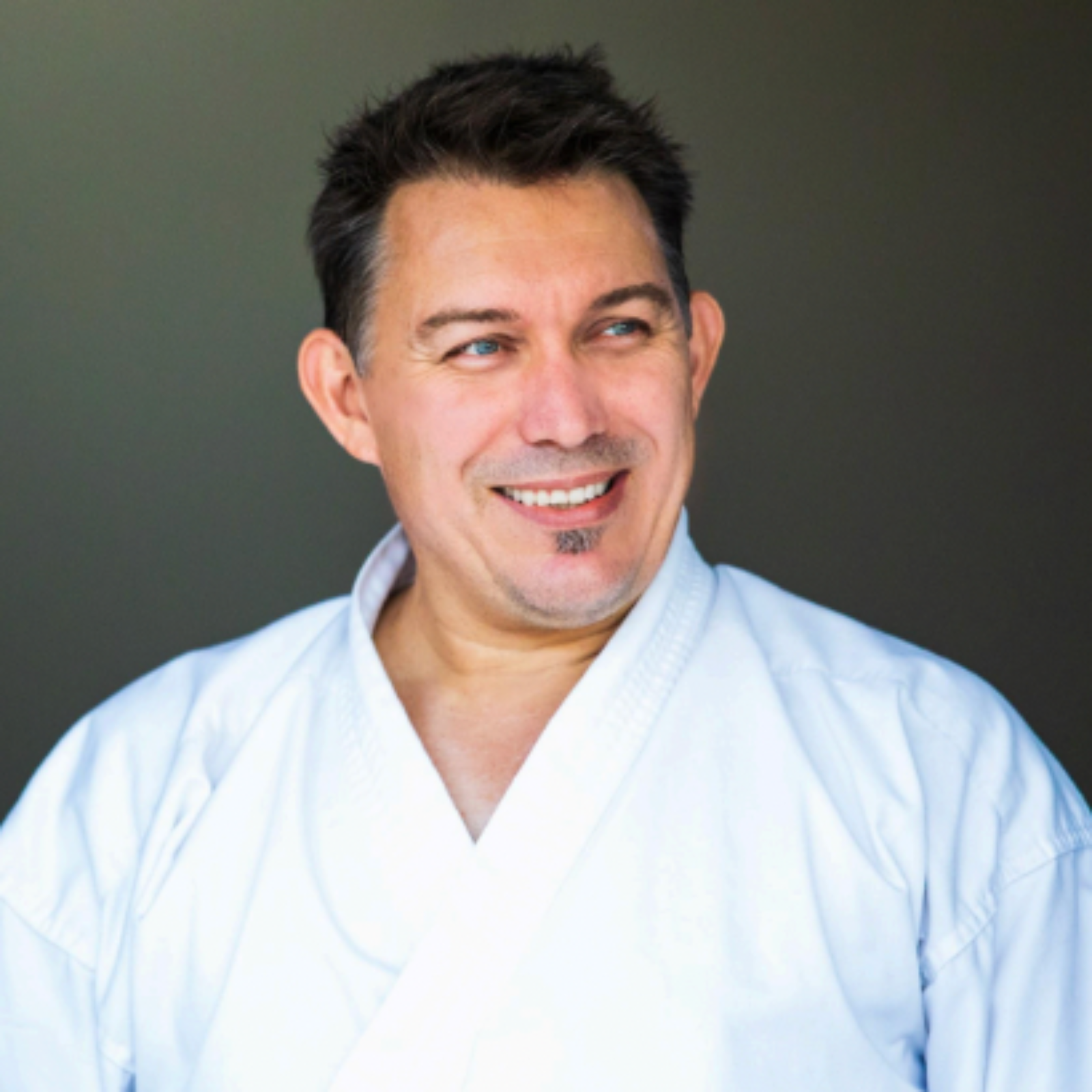
Before a child acts out, something happens in the body.In The Biology of Calm, Peter Noble examines the gap between wellbeing policy and lived classroom reality. Most behaviour strategies intervene after dysregulation. This conversation explores what it means to train regulation before escalation occurs.Through the structured, non-competitive principles of Aikido, Peter explains how rhythm, stillness, and “manners in motion” build nervous system resilience — giving students the ability to find their off-switch on command.A practical, evidence-informed perspective on reclaiming calm in schools.
-
1
The Biology of Calm
Calm is not a personality trait. It’s a trained biological state.In this episode, Peter Noble outlines a proactive approach to student wellbeing grounded in movement, structure, and nervous system science. He explains how schools can strengthen regulation capacity at scale — reducing escalation, shortening recovery time, and supporting both students and staff.A strategic look at what happens before behaviour.
We're indexing this podcast's transcripts for the first time — this can take a minute or two. We'll show results as soon as they're ready.
No matches for "" in this podcast's transcripts.
No topics indexed yet for this podcast.
Loading reviews...
ABOUT THIS SHOW
Before a child acts out, something happens in the body.In The Biology of Calm, Peter Noble examines the gap between wellbeing policy and lived classroom reality. Most behaviour strategies intervene after dysregulation. This conversation explores what it means to train regulation before escalation occurs.Through the structured, non-competitive principles of Aikido, Peter explains how rhythm, stillness, and “manners in motion” build nervous system resilience — giving students the ability to find their off-switch on command.A practical, evidence-informed perspective on reclaiming calm in schools.
HOSTED BY
Fiona Fuchs
Loading similar podcasts...
Frequently Asked Questions
How many episodes does The Biology of Calm have?
The Biology of Calm currently has 1 episodes available on PodParley. New episodes are automatically indexed when they're published to the podcast feed.
What is The Biology of Calm about?
Before a child acts out, something happens in the body.In The Biology of Calm, Peter Noble examines the gap between wellbeing policy and lived classroom reality. Most behaviour strategies intervene after dysregulation. This conversation explores what it means to train regulation before escalation...
How often does The Biology of Calm release new episodes?
The Biology of Calm has 1 episodes. Check the episode list to see recent publication dates and frequency.
Where can I listen to The Biology of Calm?
You can listen to The Biology of Calm on PodParley by clicking any episode. We provide an embedded audio player for direct listening, and you can also subscribe via your preferred podcast app using the RSS feed.
Who hosts The Biology of Calm?
The Biology of Calm is created and hosted by Fiona Fuchs.
URL copied to clipboard!