
PODCAST · history
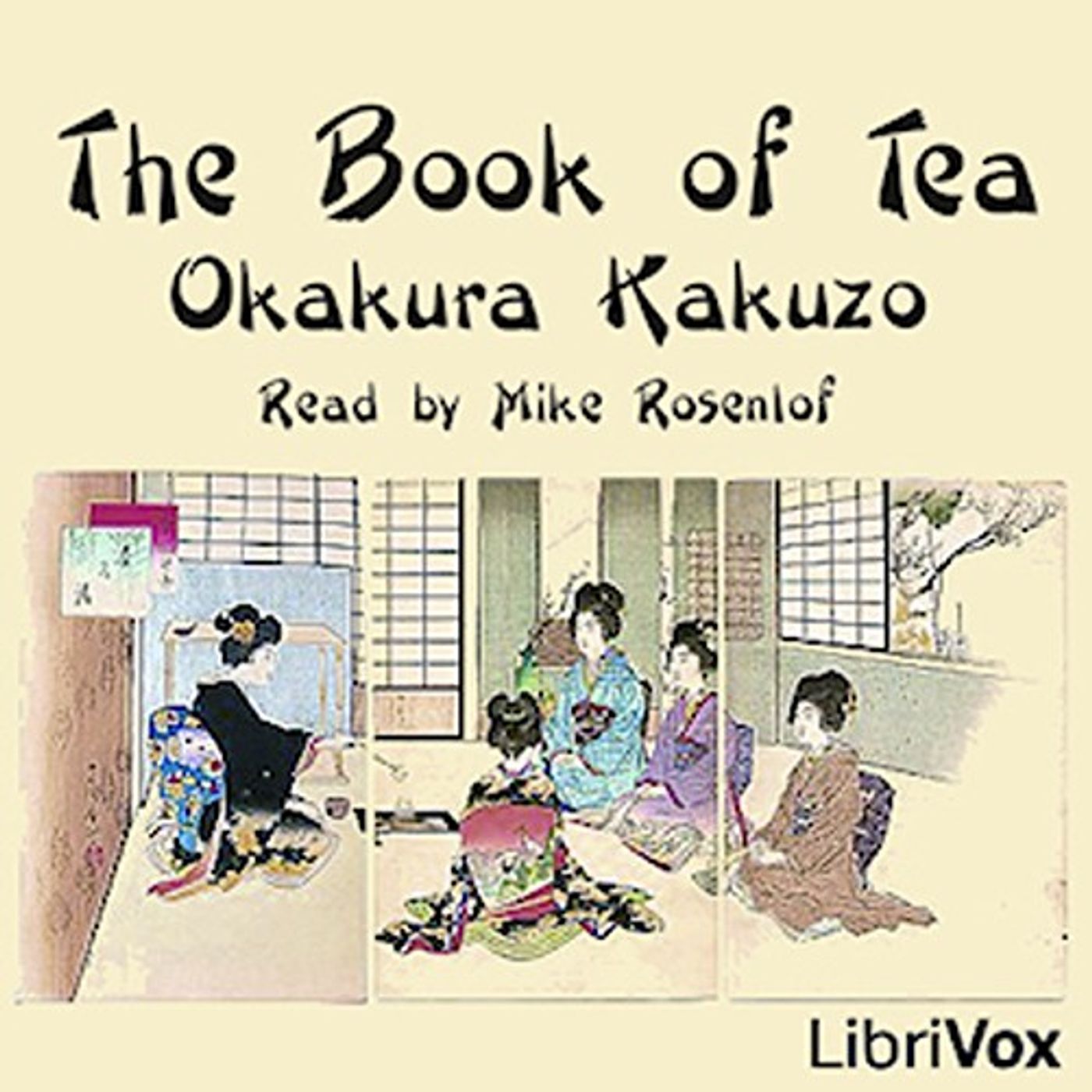
The Book of Tea by Kakuzō Okakura.
by Popular Culture and Religion.
The Book of Tea by Kakuzō Okakura. The Book of Tea was written by Okakura Kakuzo in the early 20th century. It was first published in 1906, and has since been republished many times. - In the book, Kakuzo introduces the term Teaism and how Tea has affected nearly every aspect of Japanese culture, thought, and life. The book is noted to be accessible to Western audiences because though Kakuzo was born and raised Japanese, he was trained from a young age to speak English; and would speak it all his life, becoming proficient at communicating his thoughts in the Western Mind. In his book he elucidates such topics as Zen and Taoism, but also the secular aspects of Tea and Japanese life. The book emphasizes how Teaism taught the Japanese many things; most importantly, simplicity. Kakuzo argues that this tea-induced simplicity affected art and architecture, and he was a long-time student of the visual arts. He ends the book with a chapter on Tea Masters, and spends some time talking ab
-
6
06 - Chapter 7. The Book of Tea by Kakuzō Okakura.
06 - Chapter 7. The Book of Tea by Kakuzō Okakura. The Book of Tea was written by Okakura Kakuzo in the early 20th century. It was first published in 1906, and has since been republished many times. - In the book, Kakuzo introduces the term Teaism and how Tea has affected nearly every aspect of Japanese culture, thought, and life. The book is noted to be accessible to Western audiences because though Kakuzo was born and raised Japanese, he was trained from a young age to speak English; and would speak it all his life, becoming proficient at communicating his thoughts in the Western Mind. In his book he elucidates such topics as Zen and Taoism, but also the secular aspects of Tea and Japanese life. The book emphasizes how Teaism taught the Japanese many things; most importantly, simplicity. Kakuzo argues that this tea-induced simplicity affected art and architecture, and he was a long-time student of the visual arts. He ends the book with a chapter on Tea Masters, and spends some time talking about Sen no Rikyu and his contribution to the Japanese Tea Ceremony.
-
5
05 - Chapter 6. The Book of Tea by Kakuzō Okakura.
05 - Chapter 6. The Book of Tea by Kakuzō Okakura. The Book of Tea was written by Okakura Kakuzo in the early 20th century. It was first published in 1906, and has since been republished many times. - In the book, Kakuzo introduces the term Teaism and how Tea has affected nearly every aspect of Japanese culture, thought, and life. The book is noted to be accessible to Western audiences because though Kakuzo was born and raised Japanese, he was trained from a young age to speak English; and would speak it all his life, becoming proficient at communicating his thoughts in the Western Mind. In his book he elucidates such topics as Zen and Taoism, but also the secular aspects of Tea and Japanese life. The book emphasizes how Teaism taught the Japanese many things; most importantly, simplicity. Kakuzo argues that this tea-induced simplicity affected art and architecture, and he was a long-time student of the visual arts. He ends the book with a chapter on Tea Masters, and spends some time talking about Sen no Rikyu and his contribution to the Japanese Tea Ceremony.
-
4
04 - Chapter 5. The Book of Tea by Kakuzō Okakura.
04 - Chapter 5. The Book of Tea by Kakuzō Okakura. The Book of Tea was written by Okakura Kakuzo in the early 20th century. It was first published in 1906, and has since been republished many times. - In the book, Kakuzo introduces the term Teaism and how Tea has affected nearly every aspect of Japanese culture, thought, and life. The book is noted to be accessible to Western audiences because though Kakuzo was born and raised Japanese, he was trained from a young age to speak English; and would speak it all his life, becoming proficient at communicating his thoughts in the Western Mind. In his book he elucidates such topics as Zen and Taoism, but also the secular aspects of Tea and Japanese life. The book emphasizes how Teaism taught the Japanese many things; most importantly, simplicity. Kakuzo argues that this tea-induced simplicity affected art and architecture, and he was a long-time student of the visual arts. He ends the book with a chapter on Tea Masters, and spends some time talking about Sen no Rikyu and his contribution to the Japanese Tea Ceremony.
-
3
03 - Chapter 4. The Book of Tea by Kakuzō Okakura.
03 - Chapter 4. The Book of Tea by Kakuzō Okakura. The Book of Tea was written by Okakura Kakuzo in the early 20th century. It was first published in 1906, and has since been republished many times. - In the book, Kakuzo introduces the term Teaism and how Tea has affected nearly every aspect of Japanese culture, thought, and life. The book is noted to be accessible to Western audiences because though Kakuzo was born and raised Japanese, he was trained from a young age to speak English; and would speak it all his life, becoming proficient at communicating his thoughts in the Western Mind. In his book he elucidates such topics as Zen and Taoism, but also the secular aspects of Tea and Japanese life. The book emphasizes how Teaism taught the Japanese many things; most importantly, simplicity. Kakuzo argues that this tea-induced simplicity affected art and architecture, and he was a long-time student of the visual arts. He ends the book with a chapter on Tea Masters, and spends some time talking about Sen no Rikyu and his contribution to the Japanese Tea Ceremony.
-
2
02 - Chapter 3. The Book of Tea by Kakuzō Okakura.
02 - Chapter 3. The Book of Tea by Kakuzō Okakura. The Book of Tea was written by Okakura Kakuzo in the early 20th century. It was first published in 1906, and has since been republished many times. - In the book, Kakuzo introduces the term Teaism and how Tea has affected nearly every aspect of Japanese culture, thought, and life. The book is noted to be accessible to Western audiences because though Kakuzo was born and raised Japanese, he was trained from a young age to speak English; and would speak it all his life, becoming proficient at communicating his thoughts in the Western Mind. In his book he elucidates such topics as Zen and Taoism, but also the secular aspects of Tea and Japanese life. The book emphasizes how Teaism taught the Japanese many things; most importantly, simplicity. Kakuzo argues that this tea-induced simplicity affected art and architecture, and he was a long-time student of the visual arts. He ends the book with a chapter on Tea Masters, and spends some time talking about Sen no Rikyu and his contribution to the Japanese Tea Ceremony.
-
1
01 - Chapters 1-2. The Book of Tea by Kakuzō Okakura.
01 - Chapters 1-2. The Book of Tea by Kakuzō Okakura. The Book of Tea was written by Okakura Kakuzo in the early 20th century. It was first published in 1906, and has since been republished many times. - In the book, Kakuzo introduces the term Teaism and how Tea has affected nearly every aspect of Japanese culture, thought, and life. The book is noted to be accessible to Western audiences because though Kakuzo was born and raised Japanese, he was trained from a young age to speak English; and would speak it all his life, becoming proficient at communicating his thoughts in the Western Mind. In his book he elucidates such topics as Zen and Taoism, but also the secular aspects of Tea and Japanese life. The book emphasizes how Teaism taught the Japanese many things; most importantly, simplicity. Kakuzo argues that this tea-induced simplicity affected art and architecture, and he was a long-time student of the visual arts. He ends the book with a chapter on Tea Masters, and spends some time talking about Sen no Rikyu and his contribution to the Japanese Tea Ceremony.
We're indexing this podcast's transcripts for the first time — this can take a minute or two. We'll show results as soon as they're ready.
No matches for "" in this podcast's transcripts.
No topics indexed yet for this podcast.
Loading reviews...
ABOUT THIS SHOW
The Book of Tea by Kakuzō Okakura. The Book of Tea was written by Okakura Kakuzo in the early 20th century. It was first published in 1906, and has since been republished many times. - In the book, Kakuzo introduces the term Teaism and how Tea has affected nearly every aspect of Japanese culture, thought, and life. The book is noted to be accessible to Western audiences because though Kakuzo was born and raised Japanese, he was trained from a young age to speak English; and would speak it all his life, becoming proficient at communicating his thoughts in the Western Mind. In his book he elucidates such topics as Zen and Taoism, but also the secular aspects of Tea and Japanese life. The book emphasizes how Teaism taught the Japanese many things; most importantly, simplicity. Kakuzo argues that this tea-induced simplicity affected art and architecture, and he was a long-time student of the visual arts. He ends the book with a chapter on Tea Masters, and spends some time talking ab
HOSTED BY
Popular Culture and Religion.
CATEGORIES
Loading similar podcasts...
Frequently Asked Questions
How many episodes does The Book of Tea by Kakuzō Okakura. have?
The Book of Tea by Kakuzō Okakura. currently has 6 episodes available on PodParley. New episodes are automatically indexed when they're published to the podcast feed.
What is The Book of Tea by Kakuzō Okakura. about?
The Book of Tea by Kakuzō Okakura. The Book of Tea was written by Okakura Kakuzo in the early 20th century. It was first published in 1906, and has since been republished many times. - In the book, Kakuzo introduces the term Teaism and how Tea has affected nearly every aspect of Japanese culture,...
How often does The Book of Tea by Kakuzō Okakura. release new episodes?
The Book of Tea by Kakuzō Okakura. has 6 episodes. Check the episode list to see recent publication dates and frequency.
Where can I listen to The Book of Tea by Kakuzō Okakura.?
You can listen to The Book of Tea by Kakuzō Okakura. on PodParley by clicking any episode. We provide an embedded audio player for direct listening, and you can also subscribe via your preferred podcast app using the RSS feed.
Who hosts The Book of Tea by Kakuzō Okakura.?
The Book of Tea by Kakuzō Okakura. is created and hosted by Popular Culture and Religion..
URL copied to clipboard!