
PODCAST · health
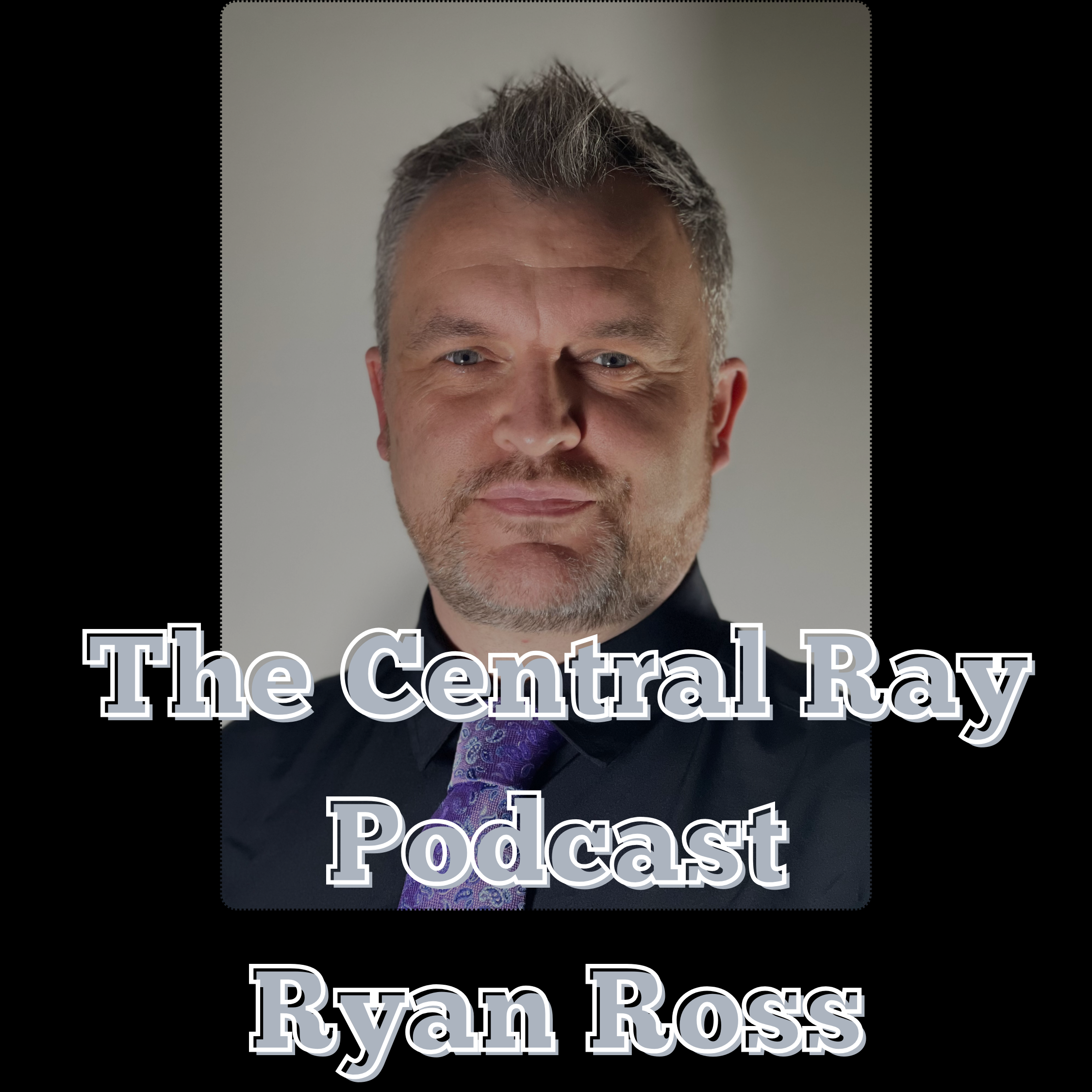
The Central Ray Podcast
by Ryan Ross
A podcast centering on the field of radiography. This podcast features discussion on all topics x-ray from school to C-arm. The show features conversations with technologists, educators, physicians, and medical physicists.
-
20
Bremsstrahlung Radiation
Bremsstrahlung Radiation: How the X-ray Beam Is Actually BuiltIn this episode of The Central Ray Podcast, we shift focus from x-ray interactions within the patient to the origin of the x-ray beam itself—inside the tube.We break down how high-speed electrons are converted into x-ray photons at the anode through Bremsstrahlung radiation, the primary mechanism responsible for x-ray production in diagnostic imaging.This discussion reinforces a critical concept: radiographers are not simply producing exposures—they are actively shaping the energy distribution of the x-ray beam through their technical decisions.Key Concepts CoveredElectron acceleration and kinetic energy development within the x-ray tubeMechanism of Bremsstrahlung (“braking”) radiationInteraction of electrons with the nuclear field (not direct collision)Continuous spectrum of photon energiesThe role of kVp in:Determining maximum photon energyShifting overall beam energy distributionInefficiency of x-ray production (~99% heat)Clinical implications of beam energy selection:High kVp → increased penetration, lower contrastLow kVp → increased differential attenuation, higher contrastWhy not all photons contribute equally to image formationWebsite: www.thecentralraypodcast.comYouTube (C-arm imaging and surgical technique): https://www.youtube.com/@c-armed
-
19
Compton Scatter
In this episode of The Central Ray Podcast, we break down Compton scatter as one of the primary interactions in diagnostic radiography and a major contributor to both image degradation and radiation exposure.We begin by framing the three possible outcomes of an x-ray photon interacting with the patient—transmission, absorption, and scatter—before focusing on how Compton interactions occur at the atomic level. You’ll learn how a photon transfers energy to an outer-shell electron, resulting in ionization, a Compton electron, and a deflected photonthat continues through the patient.The episode emphasizes a critical concept: scattered photons still carry energy, but no longer represent their original path. When they reach the detector, they contribute misplaced exposure, leading to radiographic fog and reduced contrast.We also address common misconceptions, including the role of forward scatter, the distinction between primary and scattered radiation, and how kVp, field size, and patient thickness influence scatter production. Finally, we connect these principles to clinical decision-making and techniques used to control scatter, such as collimation, grids, and air gap.🌐 Website:www.thecentralraypodcast.com📺 YouTube (C-arm Imaging Content):https://www.youtube.com/@c-armed
-
18
Binding Energy
Understanding binding energy is essential for understanding how x-rays interact with matter and how technique selection impacts image quality.In this episode, we break down binding energy into clear, practical terms. You will learn why inner-shell electrons are more tightly bound than outer-shell electrons, how electrostatic attraction and shielding influence electron behavior, and how photon energy determines whether interactions occur.We also connect these concepts to clinical radiography, including kVp selection, image contrast, and attenuation.This episode supports foundational understanding of photoelectric absorption, characteristic radiation, and beam interactions. Website: www.thecentralraypodcast.comYouTube: https://www.youtube.com/@c-armed
-
17
Atomic Structure and Ionization
In this episode, we break down the foundational concepts of atomic structure and ionization—and more importantly, how they directly impact the images you produce as a radiologic technologist.Understanding the structure of the atom is not just theoretical—it explains how x-rays interact with matter, why tissues appear differently on an image, and how your technical decisions influence image quality.This episode focuses on building a strong conceptual foundation that will support future topics like the photoelectric effect, Compton scatter, and Bremsstrahlung radiation.Key Concepts CoveredBasic structure of the atom: nucleus and electron cloudRoles of protons, neutrons, and electronsElectron shells and binding strengthAtomic number (Z) and its impact on x-ray interactionsRelationship between atomic number and radiographic contrastDifferences in tissue composition (bone vs. soft tissue)How atomic number influences equipment designHigh Z materials (e.g., lead for shielding)Low Z materials (e.g., carbon fiber tables)Role of contrast agents (iodine, barium) in imagingDefinition and mechanism of ionizationWhy ionization is essential for image formation and radiation effectsResources & Links🌐 Website:www.thecentralraypodcast.com🎥 YouTube (C-Arm Imaging & Practical Techniques):https://www.youtube.com/@c-armedGet InvolvedHave a question or topic you’d like covered in a future episode?Reach out through the website or connect via YouTube.If you found this episode valuable, consider subscribing, sharing, and leaving a review to help others in radiography find the podcast.
-
16
X-ray Attenuation and Contrast
Episode NotesWhy X-Rays Pass Through Some Tissues and Not OthersIn this episode of The Central Ray Podcast, Ryan Ross explores the concept of x-ray attenuation and how it allows radiographs to display contrast between different anatomical structures.Topics covered include:• What attenuation means in radiographic imaging• Why tissues absorb x-rays differently• The role of density and atomic number• Why bone appears white, lungs appear dark, and soft tissues appear gray• How attenuation influences exposure technique selectionUnderstanding attenuation is foundational to radiography because it explains how x-ray images are formed and why technologists adjust technique factors for different anatomical regions.Website:www.thecentralraypodcasst.comC-Arm Imaging Videos:https://www.youtube.com/@c-armedSubscribe to The Central Ray Podcast to explore the science behind radiographic imaging and the principles that guide clinical technique.
-
15
ARRT Registry Review - Procedures: Upper Extremity
In this Central Ray Podcast episode, the we discuss upper extremity radiographic procedures essential for the ARRT Radiography Registry Review. Key topics include proper positioning, anatomy, patient adaptations, and image evaluation criteria for fingers, hands, wrists, forearms, elbows, humerus, and shoulder girdles. The episode emphasizes the importance of understanding the principles behind standard projections, modifications for trauma and limited mobility situations, and evaluating diagnostic images. It also provides answers to previous review questions on thorax and abdomen procedures and presents new questions for the upcoming episode focused on lower extremities.
-
14
ARRT Content Specs Proposed Changes
In this episode of the Central Ray Podcast, Ryan Ross delves into the proposed significant forthcoming revisions to radiography education and certification requirements laid out by the ARRT. Highlighting the findings from the recent practice analysis, Ryan discusses updates to the radiography exam content, including patient care procedures, image production, and the integration of modern technologies like digital receptors and virtual grids. The podcast also addresses the inclusion of advanced procedural competencies, emphasizing the importance of C-ARM experience in surgical settings. Tune in to learn how these changes reflect current radiologic technology practices and why your feedback before September 2025 is crucial.00:00 Introduction to the Central Ray Podcast00:13 Understanding the ARRT Practice Analysis01:23 Proposed Revisions to Radiography Exam Content02:23 Key Updates in Exam Content Specifications07:07 Changes in Clinical Competency Requirements08:16 The Importance of C-ARM in Modern Radiography10:00 Advocating for Enhanced C-ARM Education13:32 Conclusion and Call to ActionSurvey Link - https://www.arrt.org/news/article/2025/08/11/arrt-seeks-comments-on-proposed-radiology-documents-2025
-
13
ARRT Registry Review - Procedures: Thorax and Abdomen
In this episode, we explore the essential components of fluoroscopic GI studies, from esophagrams to barium enemas. We’ll break down the most common positions, centering points, and clinical indications used in upper GI, small bowel, and lower GI procedures. Whether you’re preparing for the ARRT exam or brushing up for clinical practice, this focused review will help you understand how patient positioning, contrast flow, and timing come together to produce diagnostic images.
-
12
ARRT Registry Review - Procedures: Head, Spine, and Pelvis
In this episode, we break down the Head, Spine, and Pelvis procedures section of the ARRT Radiography Content Specifications. Join me as we walk through the key projections and positioning techniques, review the critical anatomy you need to identify, discuss how to adapt procedures for trauma, limited mobility, and other patient conditions, and learn how to evaluate your images for accuracy — including tips for spotting rotation and tilt. Whether you’re preparing for the registry exam or refreshing your skills for clinical practice, this deep dive will help you approach these foundational exams with confidence.
-
11
ARRT Registry Review: Pharmacology
In this episode of The Central Ray Podcast, we break down everything you need to know about pharmacology for the ARRT Radiography Registry Exam and your daily practice as a technologist. From taking a thorough medication history and understanding contrast media types, to safe administration techniques, dose calculations, and recognizing adverse reactions — we cover the essentials with clear explanations and real-world context. Whether you’re preparing for the exam or brushing up for your CQR, this episode will help you build confidence in one of the most critical areas of patient care.
-
10
ARRT Registry Review: Infection Control
In this episode of The Radiographer’s Review, we dive into one of the most essential — and most tested — areas of radiographic practice: infection control. Whether you’re preparing for the ARRT Radiography exam, completing your CQR requirements, or just brushing up on best practices, this episode will reinforce the principles that keep you and your patients safe.Join [Your Name] as we walk through the chain of infection, modes of transmission, asepsis techniques, CDC standard and transmission-based precautions, and more. Along the way, you’ll hear practical examples and tips to help you apply these concepts both on your exam and in the clinic.✅ Understand how and where radiographers can break the chain of infection✅ Review key terminology and precautions you’re expected to know✅ Reflect on your own infection control practices and opportunities for improvementListen now to strengthen your knowledge, protect your patients, and stay confident in your practice!
-
9
ARRT Registry Review: Medical Emergencies
In this episode of the Radiography Review Podcast, we break down the essential knowledge you need to handle medical emergencies confidently — whether you’re prepping for the ARRT Radiography exam or brushing up for your CQR. We’ll cover how to recognize and respond to non-contrast allergic reactions, cardiac and respiratory arrest (including CPR and AED basics), physical injuries and trauma, and common medical disorders like seizures and diabetic reactions. Along the way, you’ll get practical tips, examples, and thought questions to help you stay calm, prepared, and ready to act when it counts most.Stay sharp, stay confident — and join us for this critical review!
-
8
ARRT Registry Review - Patient Care; Ergonomics and Monitoring
This episode reviews the ergonomics and monitoring section of the ARRT Patient Care content specifications. We cover principles of body mechanics, safe patient transfer techniques, and the use of assistive devices to prevent injury. We also discuss assisting patients with medical equipment like IVs, oxygen, catheters, and tracheostomies, as well as monitoring vital signs, recognizing physical signs of distress or injury, and implementing fall prevention strategies. These skills ensure both patient and technologist safety while maintaining high standards of care.
-
7
ARRT Registry Review - Patient Care; Interpersonal Communication
This episode reviews the interpersonal communication section of the ARRT Patient Care content specifications. We discuss modes of communication — verbal, written, and nonverbal — and how to adapt to challenges like language barriers, cultural differences, impairments, age, and emotional state. We also cover strategies to improve patient understanding, effective patient education before and after procedures, and how to respond to questions about imaging. Finally, we emphasize clear, professional communication as a cornerstone of patient-centered care.
-
6
ARRT Registry Review - Patient Care; Ethical and Legal Aspects
In this episode, we review the ethical and legal aspects section of the ARRT Patient Care content specifications. Key topics include respecting patients’ rights — such as informed consent, confidentiality, and autonomy — and understanding the AHA Patient Care Partnership. We also cover essential legal concepts like verification, negligence, malpractice, legal doctrines, and proper documentation. Finally, we discuss the ARRT Standards of Ethics and your professional responsibility to maintain integrity in all patient interactions.
-
5
Ep007: C-arm conversation with Walter Klocko
Walter and I worked alongside each other at Vanderbilt in Ortho Trauma. Walt has been a radiologic technologist for 42 years with over 20 years spent exclusively in the OR working C-arm. In this episode we discuss some of the common challenges found within surgical radiography, especially complex orthopedic trauma procedures.
-
4
EP006 - Current C-arm issues
In this episode I discuss a few of the issues with C-arm. I discuss the lack of training offered at the college level, the 'entry-level' perception of C-arm imaging, and briefly mention the idea of developing Surgical imaging as it's own advanced practice credential.To link to the C-arm training phantom mentioned go to www.thecentralrayoodcast.com or you can see my YouTube channel www.youtube.com/@c-armed.
-
3
EP005 Doc Talk - Dr. Derick Davis
This episode features an interview with Dr. Derick Davis and his "World of Pain" podcast. Dr. Davis is a clinical Fellow based out of Boston, practicing pain management. Dr. Davis is a huge advocate of fluoroscopy and education around its use. In this conversation, Ryan provides the technologists perspective on operating the C-arm in procedures requiring high precision. Topics also discussed are advanced credentialing for C-arm technologists, standardizing terminology, lack of technologist / student C-arm education, and Ryan's C-arm training phantom.Here is a link to the World of Pain podcast. - https://open.spotify.com/show/7p5hVtJ4fCykAFpSetuyM6?si=b5edc4bdbf994d81Dr. Davis LinkedIn page - https://www.linkedin.com/in/derick-davis-59838a323/www.thecentralraypodcast,com
-
2
Ep004 Tips For Clinic Success
Clinical rotations can be daunting for the student radiographer. In this episode I share a valuable piece of advice I was given on how to get hired at my clinical site.
-
1
Ep003 AI and the X-ray Tech
Join Ryan as he discusses various topics in the field of radiography. With a unique perspective and background that includes c-arm imaging specialist, diagnostic radiographer, quality compliance coordinator, level one trauma diagnostic x-ray manager, and now an educator, Ryan shares his perspectives and focuses on quality and advocacy for the x-ray technologist.This episode we open the discussion on the future of AI and how it will impact the role of an x-ray technologist.You can discover more through various social media at the following linksYoutube: https://www.youtube.com/@c-armed for video of c-arm imaging concepts.Instagram: @centralraypodX: @centralraypodTikTok: www.tiktok.com/@centralyraypod
-
0
Ep002 ALARA In The OR
Join Ryan as he discusses various topics in the field of radiography. With a unique perspective and background that includes c-arm imaging specialist, diagnostic radiographer, quality compliance coordinator, level one trauma diagnostic x-ray manager, and now an educator, Ryan shares his perspectives and focuses on quality and advocacy for the x-ray technologist.This week's thought is how our perspective of ALARA in the OR is not quite the same as imaging within the department. Many of the radiographic criteria we employ for dose reduction i.e. minimal OID, maximum SID, etc are secondary compared to the risk of additional anesthesia time. Therefore, the surgical imager must be efficient in their imaging practices. One concept to consider would be The Image Fulcrum.You can discover more through various social media at the following linksYoutube: https://www.youtube.com/@c-armed for video of c-arm imaging concepts.Instagram: @centralraypodX: @centralraypodTikTok: www.tiktok.com/@centralyraypod
-
-1
Ep001 Repeat Analysis
In this first episode I discuss reject and repeat analysis and how I used the information on a reject & repeat report to advocate for additional staffing and more focused training of technologists.Repeat data provided by digital imaging systems offers a huge amount of analytical data that can be incredibly insightful for a true quality improvement program. Hopefully this can provide a small window into how repeat data analysis can be used to improve the diagnostic imaging department.
We're indexing this podcast's transcripts for the first time — this can take a minute or two. We'll show results as soon as they're ready.
No matches for "" in this podcast's transcripts.
No topics indexed yet for this podcast.
Loading reviews...
Loading similar podcasts...
Frequently Asked Questions
How many episodes does The Central Ray Podcast have?
The Central Ray Podcast currently has 22 episodes available on PodParley. New episodes are automatically indexed when they're published to the podcast feed.
What is The Central Ray Podcast about?
A podcast centering on the field of radiography. This podcast features discussion on all topics x-ray from school to C-arm. The show features conversations with technologists, educators, physicians, and medical physicists.
How often does The Central Ray Podcast release new episodes?
The Central Ray Podcast has 22 episodes. Check the episode list to see recent publication dates and frequency.
Where can I listen to The Central Ray Podcast?
You can listen to The Central Ray Podcast on PodParley by clicking any episode. We provide an embedded audio player for direct listening, and you can also subscribe via your preferred podcast app using the RSS feed.
Who hosts The Central Ray Podcast?
The Central Ray Podcast is created and hosted by Ryan Ross.
URL copied to clipboard!