
PODCAST · education
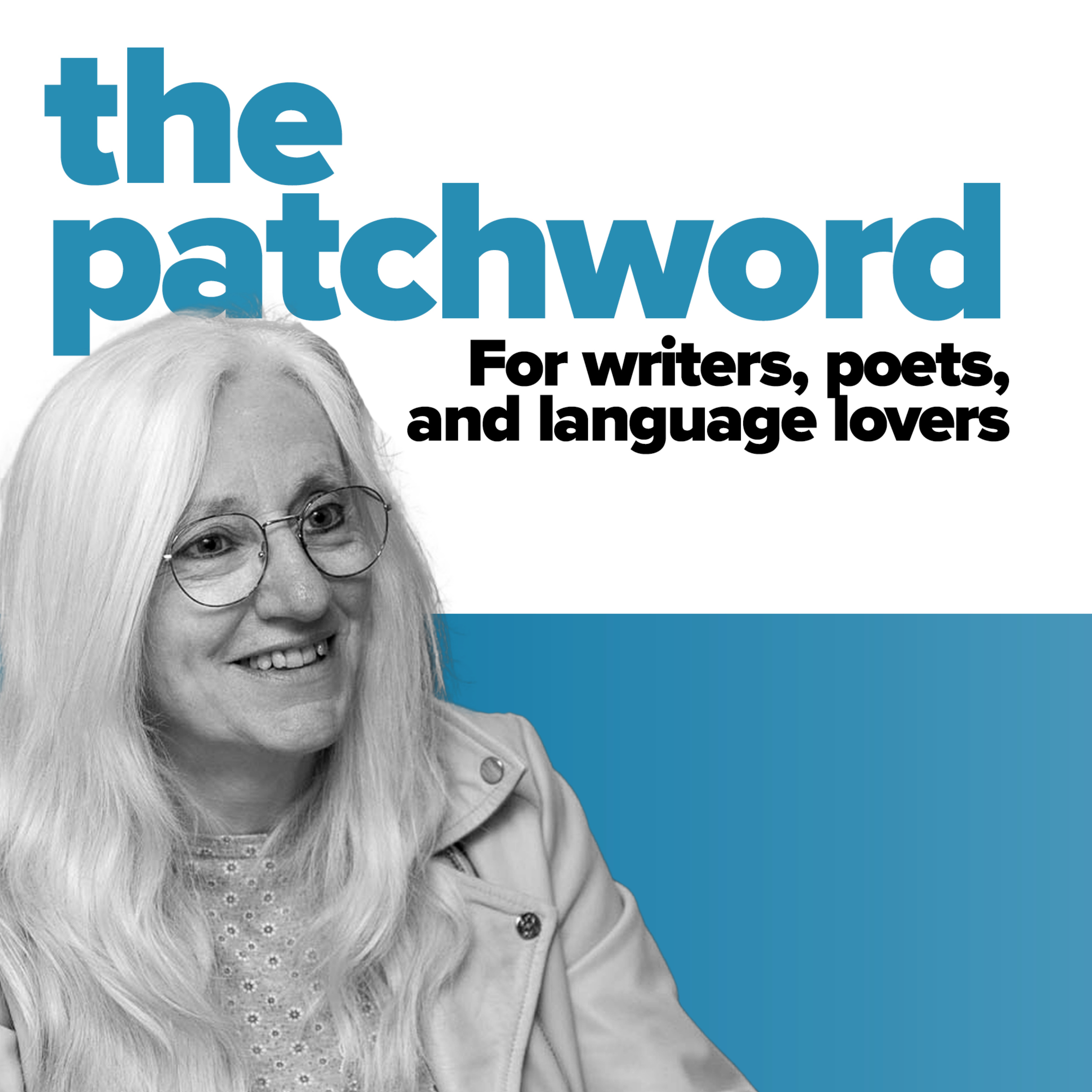
The Patchword Podcast
by Gwyneth Box
Welcome to The Patchword – a podcast for writers, poets & language lovers.I’m Gwyneth Box, a translator, copywriter, and award-winning poet. I’ve written in almost every genre, been traditionally published, and am an indie author, topping the Kobo bestseller list for a children’s book under my pen name, David Aston. As a book coach, I’ve helped many writers on their journey to publication.Here, I’ll share insights, tips, and creative inspiration to help you on your writing journey. Whether you’re a seasoned storyteller or still planning your first draft, you’ll find something here for you.
-
12
Of coffee cups and copas
In this episode, again taken from her book “Capital Letters”, Gwyneth tells about a visit from British friends while she was living in Madrid and the problems encountered when ordering a simple coffee or a cup of tea. Sprinkled with lighthearted linguistic insights, the pieces in “Capital Letters” touch on stories in the news and current affairs at the time of writing. They are written mainly in English, but with a scattering of Spanish that allows the reader to assimilate new vocabulary and phrases from context. The essays have been collected into a book, which is available to buy from Gwyneth’s website either alone https://gwynethbox.com/b/capital-letters-essays-of-expat-life, or as part of the “Expat essays” bundle of books: https://gwynethbox.com/b/a0M5x
-
11
Sizing things up
In this episode, Gwyneth talks about how she started using her regular newspaper column “Capital Letters” to add some natural Spanish into the lives of the English readers based on the Spanish coast. She reads “Sizing things up”, which touches on such topics as word order – “dos años y medio” versus “two and a half years” – how Sam was wrong when he sang “a kiss is just a kiss”, and how Don Quixote may actually have been a big Don Quixo.Sprinkled with lighthearted linguistic insights, with a scattering of Spanish that allows the reader to assimilate new vocabulary and phrases from context, the “Capital Letters” essays have been collected into a book, which is available to buy from Gwyneth’s website either alone https://gwynethbox.com/b/capital-letters-essays-of-expat-life, or as part of the “Expat essays” bundle of books: https://gwynethbox.com/b/a0M5x
-
10
Collectors and collectibles
In this episode, Gwyneth talks about how a good title and an intro to a friend of a friend were key to her getting a regular column in “The New Entertainer” newspaper. She reads “Collectors and collectibles”, the first piece she wrote for “Capital Letters”, which explores the concept of collecting things spontaneously to express our individuality as she did as a child or through strictly regimented fascículos, as the Spanish do, starting new curated collections each autumn. Sprinkled with lighthearted linguistic insights, the pieces in “Capital Letters” touch on stories in the news and current affairs at the time of writing. They are written mainly in English, but with a scattering of Spanish that allows the reader to assimilate new vocabulary and phrases from context.The essays have been collected into a book, which is available to buy from Gwyneth’s website either alone https://gwynethbox.com/b/capital-letters-essays-of-expat-life, or as part of the “Expat essays” bundle of books: https://gwynethbox.com/b/a0M5x
-
9
The downside to 'write what you know'
Do you want to write poetry that is both personal and universally relatable? In this video, I explore the balance between writing from your own experiences and crafting poems that resonate with a wider audience.You'll discover: • Why "write what you know" isn't always enough • How to avoid including irrelevant personal details • The importance of emotional distance when writing about sensitive topics • Why objective criticism helps improve your poetryWhether you're a novice or an experienced poet, these insights will help you refine your work and connect with readers on a deeper level. #PoetryWriting #WritingTips #WritersCraft #PoetryAdvice #WriteWhatYouKnow
-
8
Writing competition strategy: 10 ways to maximise your chances
Entering writing competitions is easy. Winning is trickier. Want to boost your chances of your writing coming out on top?Competitions are a key part of a writer’s journey—but if you’re tired of getting nowhere, it might be time to rethink your strategy. In this video, I share ten practical tips to help your entry make it to the finals. Whether you're submitting short stories, poetry, flash fiction, or essays, these strategies will give you the edge. From following the rules to polishing your prose, discover how to make your work competition-ready.In this video, I share ten practical tips to help your entry make it through to the finals. Whether you're submitting short stories, poetry, flash fiction or essays, these strategies will give you the edge. From following the rules to polishing your prose, discover how to make your work competition-ready.I’ve been entering writing competitions for years and my poems have been longlisted, shortlisted and published in anthologies and magazines, with a fair few first-place wins along the way. Now I also judge competitions, and have seen how easy it is even for a good piece of writing to fall at the first hurdle. If you don’t take it seriously, entering competitions is a waste of money. And none of us want that.I can’t guarantee a win, but whether you're a seasoned writer or submitting your first entry, these strategies will increase the odds.
-
7
Think your manuscript is ready? Not so fast!
Is your manuscript really ready for editing? Many authors misunderstand what "editing" actually involves. In this video, I break down the essential stages of editing so you can prepare your book for publication the right way.What you'll learn:Why a big-picture review should come firstThe difference between structural editing and copyeditingWhen proofreading happens (and why it matters)How failing to edit properly will turn readers awayUnderstanding the right type of editing can make the difference between a book that shines and one that falls flat. Watch to make sure your manuscript is truly ready.
-
6
How word games can ruin your writing
Poetry isn’t a puzzle. Poetry isn’t just about fitting words into patterns or filling in a literary Mad Lib template – it’s about meaning, craft and insight. And yet, most writing groups use word games and challenges as inspiration and as a means to kick start writing.In this podcast, I explore how these games can sometimes lead poets astray, making us focus too much on the mechanics to the detriment of the final poem. Using a personal example, I discuss why prompts should be taken as a jumping-off point, rather than a rigid framework, and how poets need to move beyond technical exercises to create work that’s worth reading. If you’ve ever struggled with writing prompts or felt trapped by poetic form, this video is for you! #PoetryTips #PoetryPrompts #WritingTips #WritersCraft #CreativeWriting
-
5
Writers: Don’t let critique groups rewrite your work!
When you share your work with other writers in a critique session or workshop, you’ll get lots of advice and different opinions. But the final decisions about your writing remain yours. Here, I draw on an essay from my book “A Poet’s Dozen” to explore the difference between comments, criticism, and correction and note how important it is to resist the pressure to make changes that don’t align with your vision. However experienced the other writers are, no one but you has the authority to "fix" your poem or story. #WritingTips #CreativeWriting #WritersCraft #WritingCommunity #PoetryTips #WritersGroups #IndieAuthor #SelfEditing
-
4
Beyond the page: Why writers need to know more than they tell
Great writing isn’t just about what’s on the page—it’s about what’s beneath it. Here, I explore why writers must know more about their characters and settings than they reveal to readers. Drawing on examples from film, poetry, and fiction, I share how background knowledge keeps the distinction clear between narrator and writer and how it shapes convincing narratives, even when it remains unseen. Learn how to create richer, more immersive stories by developing deep character backstories and authentic settings—without overwhelming your reader with unnecessary detail.#WorldBuilding#ShowDontTell#WritersCraft#WritingTips#WritingCommunity
-
3
Language and personality: who’s in control?
Do we control the language we use, or does the language we use shape the way we think?Here, I explore how the language we use – our mother tongue, vocabulary, grammar, etc. – might influence our personality, values, and outlook on life. Having been brought up speaking British English, I learned Spanish as an adult, discovering a more direct and expressive side of my personality the more fluent I became. And what about the words we naturally gravitate towards when we’re not consciously self-editing? Do they reflect our innate values, or does their repeated use subtly shape our attitudes over time?Humpty Dumpty famously told Alice, “Words mean what I want them to mean.” But is that really true? Join me in this reflection on language, personality, and the power of words.••• MORE CONTENT •••Check out the full article on my website and sign up for my newsletter for writing tips and regular writerly updates.••• SOCIALS •••YouTube: https://www.youtube.com/@gwynethboxInstagram: https://www.instagram.com/gwyneth.box/BlueSky: https://bsky.app/profile/gwynethbox.bsky.socialLinkedIn: https://www.linkedin.com/in/gwynethbox#WritingTips #LanguageAndPersonality #IndieAuthors #CreativeWriting #WordPower
-
2
Self-Publishing Success: Who’s on Your Team?
Writing is just a part of the process: planning, editing, cover design, formatting, marketing... it takes a whole team to produce a professional book.Indie authors are famed for being hands-on and getting stuff done without the support of a traditional publisher. But just because you’re “self” publishing, that doesn’t mean you should do it all yourself.Yours may be the name on the finished book, but bringing a book to life – from planning through to publication and beyond – takes a whole village. From general encouragement from other writers, to skilled contributions from specific experts, there’s a lot to think about. This video explores some of the key roles every indie author should consider so you can get the right people on your team and publish with confidence.••• MORE CONTENT •••Check out the full article on my website and sign up for my newsletter for writing tips and regular writerly updates.••• SOCIALS •••YouTube: https://www.youtube.com/@gwynethboxInstagram: https://www.instagram.com/gwyneth.box/BlueSky: https://bsky.app/profile/gwynethbox.bsky.socialLinkedIn: https://www.linkedin.com/in/gwynethbox/
-
1
How to edit your own manuscript: 10 essential tips
When you read through a text that you yourself wrote, it’s hard to see what’s on the page and not hear what was in your head at the time. What’s needed is a new perspective.In this video, I’ll cover 10 smart self-editing tricks to help you see your words with fresh eyes, catch hidden mistakes, and avoid the biggest pitfalls of revising your own work. Whether you’re polishing a novel, short story, or nonfiction book, these tips will help you get your writing ready for the next stage.••• MORE CONTENT •••Check out the full article on my website and sign up for my newsletter for writing tips and regular writerly updates.••• SOCIALS •••YouTube: https://www.youtube.com/@gwynethboxInstagram: https://www.instagram.com/gwyneth.box/BlueSky: https://bsky.app/profile/gwynethbox.bsky.socialLinkedIn: https://www.linkedin.com/in/gwynethbox/
We're indexing this podcast's transcripts for the first time — this can take a minute or two. We'll show results as soon as they're ready.
No matches for "" in this podcast's transcripts.
No topics indexed yet for this podcast.
Loading reviews...
ABOUT THIS SHOW
Welcome to The Patchword – a podcast for writers, poets & language lovers.I’m Gwyneth Box, a translator, copywriter, and award-winning poet. I’ve written in almost every genre, been traditionally published, and am an indie author, topping the Kobo bestseller list for a children’s book under my pen name, David Aston. As a book coach, I’ve helped many writers on their journey to publication.Here, I’ll share insights, tips, and creative inspiration to help you on your writing journey. Whether you’re a seasoned storyteller or still planning your first draft, you’ll find something here for you.
HOSTED BY
Gwyneth Box
CATEGORIES
Loading similar podcasts...
Frequently Asked Questions
How many episodes does The Patchword Podcast have?
The Patchword Podcast currently has 12 episodes available on PodParley. New episodes are automatically indexed when they're published to the podcast feed.
What is The Patchword Podcast about?
Welcome to The Patchword – a podcast for writers, poets & language lovers.I’m Gwyneth Box, a translator, copywriter, and award-winning poet. I’ve written in almost every genre, been traditionally published, and am an indie author, topping the Kobo bestseller list for a children’s book under my pen...
How often does The Patchword Podcast release new episodes?
The Patchword Podcast has 12 episodes. Check the episode list to see recent publication dates and frequency.
Where can I listen to The Patchword Podcast?
You can listen to The Patchword Podcast on PodParley by clicking any episode. We provide an embedded audio player for direct listening, and you can also subscribe via your preferred podcast app using the RSS feed.
Who hosts The Patchword Podcast?
The Patchword Podcast is created and hosted by Gwyneth Box.
URL copied to clipboard!