
PODCAST · society
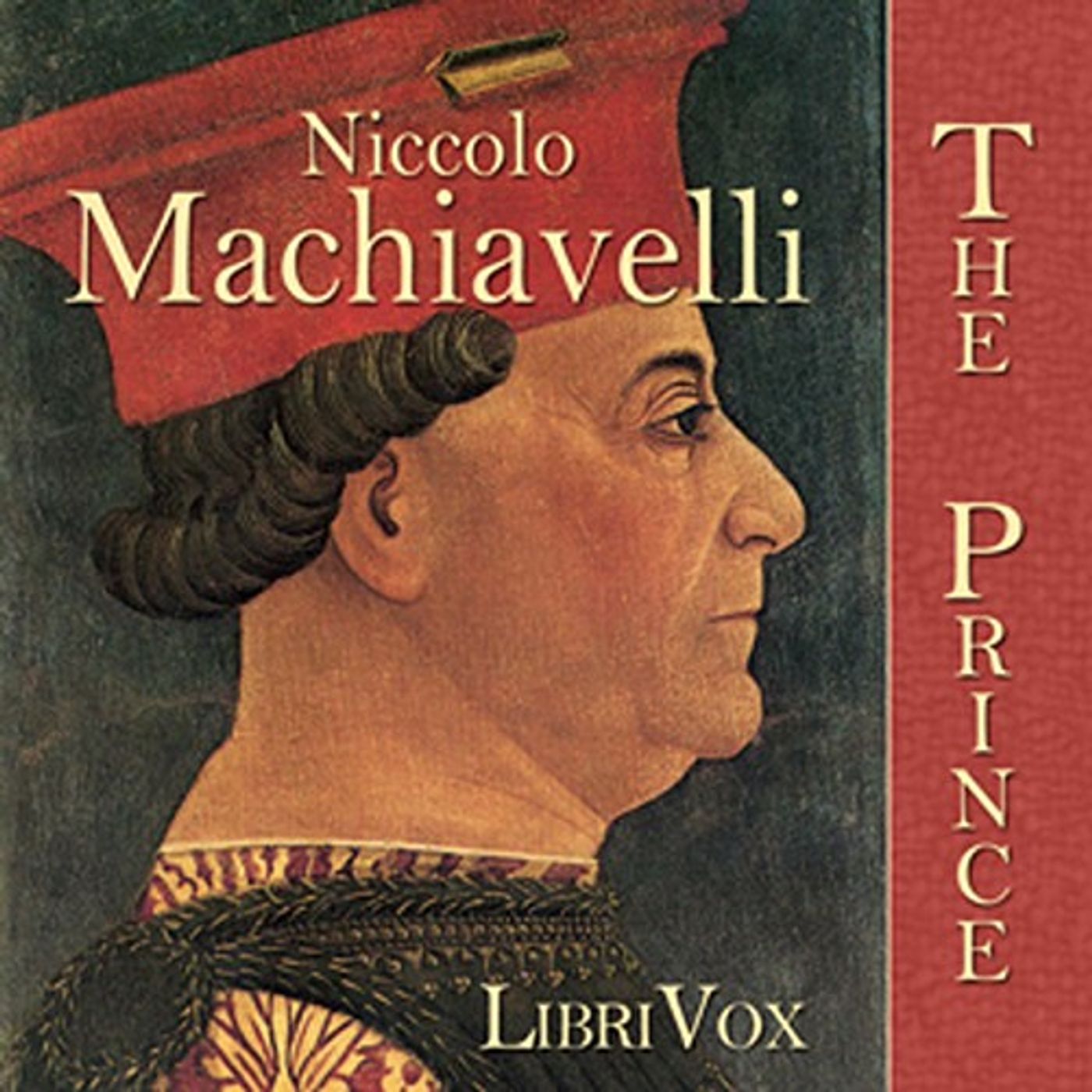
The Prince by Nicolo Machiavelli.
by Popular Culture and Religion.
The Prince by Nicolo Machiavelli. The Prince is a 16th-century political treatise by Niccolò Machiavelli, serving as a practical guide for rulers on acquiring and maintaining power, often through ruthless or immoral means, which introduced the concept of realpolitik. Published posthumously in 1532, it argues that a ruler must be willing to use deceit, force, and cunning to achieve political ends, prioritizing effectiveness over idealistic ethics. The work is famous for its pragmatic, often controversial, advice and has influenced political thought for centuries.
-
14
13 - The Prince - The Life of Castruccio Castracani of Lucca - Part 2, by Nicolo Machiavelli.
13 - The Prince - The Life of Castruccio Castracani of Lucca - Part 2, by Nicolo Machiavelli. The Prince is a 16th-century political treatise by Niccolò Machiavelli, serving as a practical guide for rulers on acquiring and maintaining power, often through ruthless or immoral means, which introduced the concept of realpolitik. Published posthumously in 1532, it argues that a ruler must be willing to use deceit, force, and cunning to achieve political ends, prioritizing effectiveness over idealistic ethics. The work is famous for its pragmatic, often controversial, advice and has influenced political thought for centuries.
-
13
12 - The Prince - The Life of Castruccio Castracani of Lucca - Part 1, by Nicolo Machiavelli.
12 - The Prince - The Life of Castruccio Castracani of Lucca - Part 1, by Nicolo Machiavelli. The Prince is a 16th-century political treatise by Niccolò Machiavelli, serving as a practical guide for rulers on acquiring and maintaining power, often through ruthless or immoral means, which introduced the concept of realpolitik. Published posthumously in 1532, it argues that a ruler must be willing to use deceit, force, and cunning to achieve political ends, prioritizing effectiveness over idealistic ethics. The work is famous for its pragmatic, often controversial, advice and has influenced political thought for centuries.
-
12
11 - The Prince - Appendix 1, by Nicolo Machiavelli.
11 - The Prince - Appendix 1, by Nicolo Machiavelli. The Prince is a 16th-century political treatise by Niccolò Machiavelli, serving as a practical guide for rulers on acquiring and maintaining power, often through ruthless or immoral means, which introduced the concept of realpolitik. Published posthumously in 1532, it argues that a ruler must be willing to use deceit, force, and cunning to achieve political ends, prioritizing effectiveness over idealistic ethics. The work is famous for its pragmatic, often controversial, advice and has influenced political thought for centuries.
-
11
10 - The Prince - Ch. 23-26, by Nicolo Machiavelli.
10 - The Prince - Ch. 23-26, by Nicolo Machiavelli. The Prince is a 16th-century political treatise by Niccolò Machiavelli, serving as a practical guide for rulers on acquiring and maintaining power, often through ruthless or immoral means, which introduced the concept of realpolitik. Published posthumously in 1532, it argues that a ruler must be willing to use deceit, force, and cunning to achieve political ends, prioritizing effectiveness over idealistic ethics. The work is famous for its pragmatic, often controversial, advice and has influenced political thought for centuries.
-
10
09 - The Prince - Ch. 20-22, by Nicolo Machiavelli.
09 - The Prince - Ch. 20-22, by Nicolo Machiavelli. The Prince is a 16th-century political treatise by Niccolò Machiavelli, serving as a practical guide for rulers on acquiring and maintaining power, often through ruthless or immoral means, which introduced the concept of realpolitik. Published posthumously in 1532, it argues that a ruler must be willing to use deceit, force, and cunning to achieve political ends, prioritizing effectiveness over idealistic ethics. The work is famous for its pragmatic, often controversial, advice and has influenced political thought for centuries.
-
9
08 - The Prince - Ch. 19, by Nicolo Machiavelli.
08 - The Prince - Ch. 19, by Nicolo Machiavelli. The Prince is a 16th-century political treatise by Niccolò Machiavelli, serving as a practical guide for rulers on acquiring and maintaining power, often through ruthless or immoral means, which introduced the concept of realpolitik. Published posthumously in 1532, it argues that a ruler must be willing to use deceit, force, and cunning to achieve political ends, prioritizing effectiveness over idealistic ethics. The work is famous for its pragmatic, often controversial, advice and has influenced political thought for centuries.
-
8
07 - The Prince - Ch. 17-18, by Nicolo Machiavelli.
07 - The Prince - Ch. 17-18, by Nicolo Machiavelli. The Prince is a 16th-century political treatise by Niccolò Machiavelli, serving as a practical guide for rulers on acquiring and maintaining power, often through ruthless or immoral means, which introduced the concept of realpolitik. Published posthumously in 1532, it argues that a ruler must be willing to use deceit, force, and cunning to achieve political ends, prioritizing effectiveness over idealistic ethics. The work is famous for its pragmatic, often controversial, advice and has influenced political thought for centuries.
-
7
06 - The Prince - Ch. 14-16, by Nicolo Machiavelli.
06 - The Prince - Ch. 14-16, by Nicolo Machiavelli. The Prince is a 16th-century political treatise by Niccolò Machiavelli, serving as a practical guide for rulers on acquiring and maintaining power, often through ruthless or immoral means, which introduced the concept of realpolitik. Published posthumously in 1532, it argues that a ruler must be willing to use deceit, force, and cunning to achieve political ends, prioritizing effectiveness over idealistic ethics. The work is famous for its pragmatic, often controversial, advice and has influenced political thought for centuries.
-
6
05 - The Prince - Ch. 12-13, by Nicolo Machiavelli.
05 - The Prince - Ch. 12-13, by Nicolo Machiavelli. The Prince is a 16th-century political treatise by Niccolò Machiavelli, serving as a practical guide for rulers on acquiring and maintaining power, often through ruthless or immoral means, which introduced the concept of realpolitik. Published posthumously in 1532, it argues that a ruler must be willing to use deceit, force, and cunning to achieve political ends, prioritizing effectiveness over idealistic ethics. The work is famous for its pragmatic, often controversial, advice and has influenced political thought for centuries.
-
5
04 - The Prince - Ch. 09-11, by Nicolo Machiavelli.
04 - The Prince - Ch. 09-11, by Nicolo Machiavelli. The Prince is a 16th-century political treatise by Niccolò Machiavelli, serving as a practical guide for rulers on acquiring and maintaining power, often through ruthless or immoral means, which introduced the concept of realpolitik. Published posthumously in 1532, it argues that a ruler must be willing to use deceit, force, and cunning to achieve political ends, prioritizing effectiveness over idealistic ethics. The work is famous for its pragmatic, often controversial, advice and has influenced political thought for centuries.
-
4
03 - The Prince - Ch. 07-08, by Nicolo Machiavelli.
03 - The Prince - Ch. 07-08, by Nicolo Machiavelli. The Prince is a 16th-century political treatise by Niccolò Machiavelli, serving as a practical guide for rulers on acquiring and maintaining power, often through ruthless or immoral means, which introduced the concept of realpolitik. Published posthumously in 1532, it argues that a ruler must be willing to use deceit, force, and cunning to achieve political ends, prioritizing effectiveness over idealistic ethics. The work is famous for its pragmatic, often controversial, advice and has influenced political thought for centuries.
-
3
02 - The Prince - Ch. 04-06, by Nicolo Machiavelli.
02 - The Prince - Ch. 04-06, by Nicolo Machiavelli. The Prince is a 16th-century political treatise by Niccolò Machiavelli, serving as a practical guide for rulers on acquiring and maintaining power, often through ruthless or immoral means, which introduced the concept of realpolitik. Published posthumously in 1532, it argues that a ruler must be willing to use deceit, force, and cunning to achieve political ends, prioritizing effectiveness over idealistic ethics. The work is famous for its pragmatic, often controversial, advice and has influenced political thought for centuries.
-
2
01 - The Prince - Ch. 01-03, by Nicolo Machiavelli.
01 - The Prince - Ch. 01-03, by Nicolo Machiavelli. The Prince is a 16th-century political treatise by Niccolò Machiavelli, serving as a practical guide for rulers on acquiring and maintaining power, often through ruthless or immoral means, which introduced the concept of realpolitik. Published posthumously in 1532, it argues that a ruler must be willing to use deceit, force, and cunning to achieve political ends, prioritizing effectiveness over idealistic ethics. The work is famous for its pragmatic, often controversial, advice and has influenced political thought for centuries.
-
1
00 - The Prince - Front matter, by Nicolo Machiavelli.
00 - The Prince - Front matter, by Nicolo Machiavelli. The Prince is a 16th-century political treatise by Niccolò Machiavelli, serving as a practical guide for rulers on acquiring and maintaining power, often through ruthless or immoral means, which introduced the concept of realpolitik. Published posthumously in 1532, it argues that a ruler must be willing to use deceit, force, and cunning to achieve political ends, prioritizing effectiveness over idealistic ethics. The work is famous for its pragmatic, often controversial, advice and has influenced political thought for centuries.
We're indexing this podcast's transcripts for the first time — this can take a minute or two. We'll show results as soon as they're ready.
No matches for "" in this podcast's transcripts.
No topics indexed yet for this podcast.
Loading reviews...
ABOUT THIS SHOW
The Prince by Nicolo Machiavelli. The Prince is a 16th-century political treatise by Niccolò Machiavelli, serving as a practical guide for rulers on acquiring and maintaining power, often through ruthless or immoral means, which introduced the concept of realpolitik. Published posthumously in 1532, it argues that a ruler must be willing to use deceit, force, and cunning to achieve political ends, prioritizing effectiveness over idealistic ethics. The work is famous for its pragmatic, often controversial, advice and has influenced political thought for centuries.
HOSTED BY
Popular Culture and Religion.
Loading similar podcasts...
Frequently Asked Questions
How many episodes does The Prince by Nicolo Machiavelli. have?
The Prince by Nicolo Machiavelli. currently has 14 episodes available on PodParley. New episodes are automatically indexed when they're published to the podcast feed.
What is The Prince by Nicolo Machiavelli. about?
The Prince by Nicolo Machiavelli. The Prince is a 16th-century political treatise by Niccolò Machiavelli, serving as a practical guide for rulers on acquiring and maintaining power, often through ruthless or immoral means, which introduced the concept of realpolitik. Published posthumously in...
How often does The Prince by Nicolo Machiavelli. release new episodes?
The Prince by Nicolo Machiavelli. has 14 episodes. Check the episode list to see recent publication dates and frequency.
Where can I listen to The Prince by Nicolo Machiavelli.?
You can listen to The Prince by Nicolo Machiavelli. on PodParley by clicking any episode. We provide an embedded audio player for direct listening, and you can also subscribe via your preferred podcast app using the RSS feed.
Who hosts The Prince by Nicolo Machiavelli.?
The Prince by Nicolo Machiavelli. is created and hosted by Popular Culture and Religion..
URL copied to clipboard!