
PODCAST · health
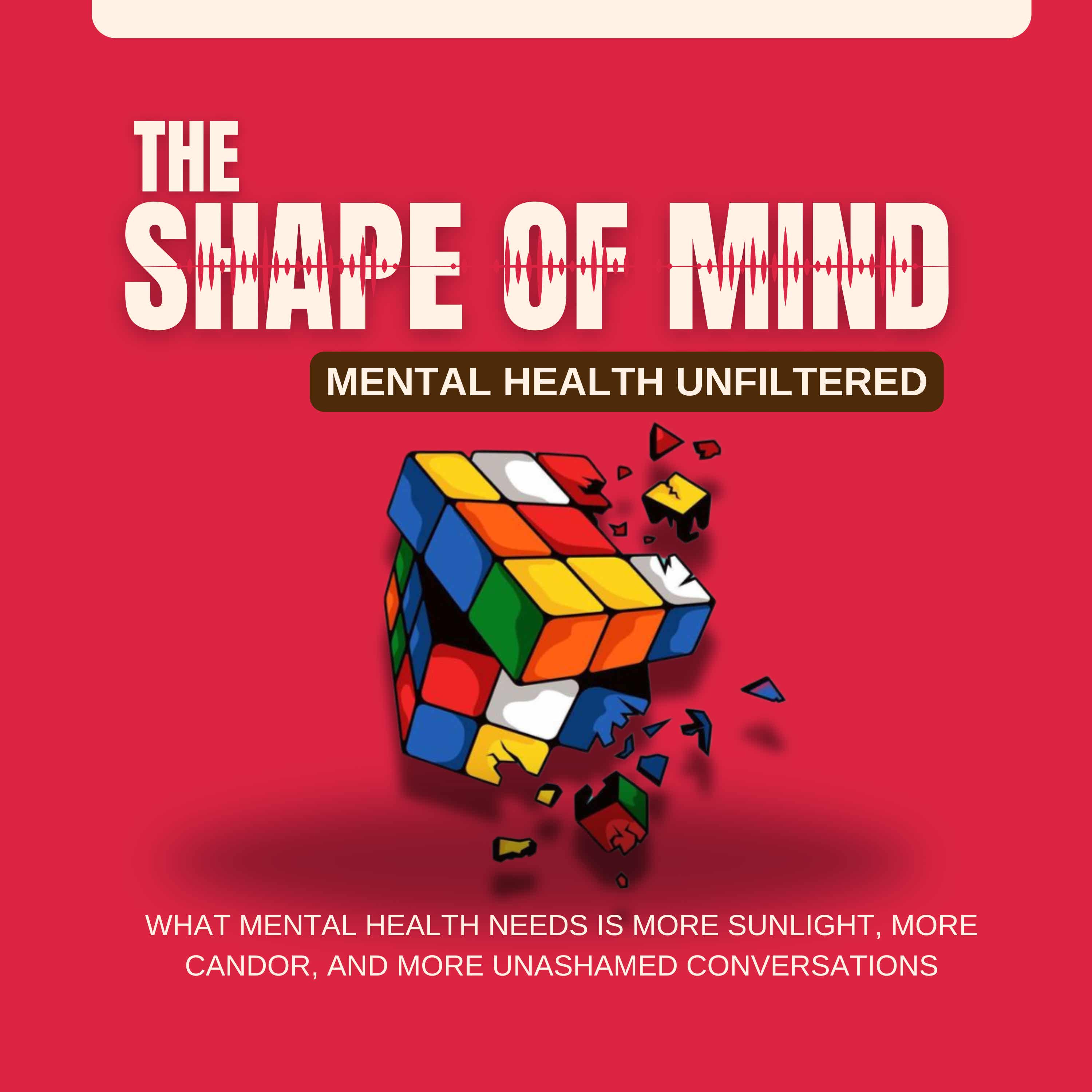
The Shape Of Mind
by Unpacking Mental Health, One Conversation at a Time
The Shape of Mind is a podcast dedicated to mental well-being, offering listeners a platform to explore the complexities of mental health. The podcast aims to reduce stigma and foster a sense of community by sharing personal stories, expert advice, and practical strategies for managing stress, building resilience, and improving mental well-being. It emphasizes that seeking support for mental health is important and that healing and growth are achievable for everyone. theshapeofmind.substack.com
-
21
Beyond RTO Policies
The heated debates around return-to-office policies reveal a deeper issue: a breakdown in the psychological contract between employers and employees. At its core, there is a growing divergence in understanding what's fair.Many employers approach workplace policies through the "ethics of justice" lens, seeking universal principles and one-size-fits-all solutions. Meanwhile, employees increasingly define fairness in relational terms: "Do you care about what makes me productive and innovative?"To rebuild trust, companies should shift to an "ethics of care" approach with three key principles:1. Relational Proximity: Create meaningful connections between managers and employees, whether in-person or remote. This means intentional check-ins without agendas, respecting time zone differences, and fostering trust instead of surveillance.2. Transparent Principles: Develop guiding values rather than rigid rules. Be clear about expectations and provide meaningful rationales that address not just what's right or what works, but what matters to people.3. Attentive Adaptability Be curious about individual contexts and personal situations. Treat policies as templates with guidelines that can be discussed and adapted based on employee needs.Building a culture of care takes time and may seem inefficient initially. But when organizations focus on what is right, what works, and what matters—considering proximity, transparency, and adaptability—they create stronger psychological contracts with employees. The old contract called for managers to be rulemakers. The new one requires them to be more like anthropologists, understanding the unique context of each person they lead.#WorkplaceCulture #ReturnToOffice #HybridWork #EmployeeExperience #PsychologicalContract #LeadershipDevelopment #FutureOfWork #WorkLifeBalance #RemoteWork #OrganizationalChange This is a public episode. If you would like to discuss this with other subscribers or get access to bonus episodes, visit theshapeofmind.substack.com
-
20
When Your Employee Feels Angry, Sad, or Dejected
Welcome to The Shape of Mind podcast, where we explore the intersections of emotional intelligence, leadership, and workplace well-being. Today, we’re tackling a crucial yet often overlooked leadership skill: responding effectively to employees’ negative emotions. Whether it’s anger, sadness, or dejection, how leaders handle these emotions can significantly impact team dynamics, individual well-being, and overall performance.In this episode, we’ll explore why addressing emotions at work isn’t just professional—it’s essential. Research shows that teams led by emotionally attuned leaders outperform those that ignore emotions. But the challenge lies in knowing how to respond: Should you intervene, offer advice, or simply listen? Sometimes the best response is no response—just allowing space for feelings to exist.We’ll provide a practical framework for navigating these scenarios and debunk common misconceptions about emotions in the workplace. By the end of this episode, you’ll be equipped with tools to foster trust, build stronger relationships, and create a more resilient team culture.Let’s dive in. This is a public episode. If you would like to discuss this with other subscribers or get access to bonus episodes, visit theshapeofmind.substack.com
-
19
Why Workplace Wellness Programs Fail
Welcome to The Shape of Mind, where we dive deep into the evolving mental health and well-being landscape. Today, we’re tackling a critical question: Why aren’t workplace well-being programs achieving better outcomes?Despite global corporate spending on wellness programs projected to exceed $94.6 billion by 2026, mental health challenges continue to rise, leaving many to wonder where we’re going wrong. The answer lies in a misplaced focus — targeting individual solutions like apps and therapy while overlooking systemic workplace issues such as excessive workloads and unsupportive management.In this episode, we’ll unpack why traditional approaches often fall short, explore the phenomenon of “carewashing,” and share research-backed strategies to create meaningful change. Join us as we move beyond surface-level fixes to envision workplaces where mental health initiatives drive true transformation for both employees and organizations. This is a public episode. If you would like to discuss this with other subscribers or get access to bonus episodes, visit theshapeofmind.substack.com
-
18
How Companies Can End a Culture of Overwork
Welcome to The Shape of Mind, the podcast exploring the intersections of mental well-being and workplace culture. In today’s episode, we’re tackling a pervasive issue that affects productivity, health, and happiness: the culture of overwork.For many, the line between dedication and workaholism can blur, often exacerbated by organizational norms like round-the-clock emails, late-night praise, or a fixation on hours worked over outcomes achieved. But what does the research say? The evidence is clear: long hours don’t equate to better results—in fact, they can lead to burnout, disengagement, and even poorer health outcomes.Today, we’ll discuss how organizations can shift their perspective and processes to foster healthier, more sustainable work environments. We’ll explore five strategies: transforming leadership mindsets, optimizing workflows, and building a culture prioritizing well-being and productivity. We’ll also hear personal insights, like Jeff’s journey from work addiction to recovery, shedding light on how systemic change can support individual transformation.If you’ve ever felt the weight of “presence equals productivity” in your workplace, this episode is for you. Stay tuned as we explore actionable steps to end the overwork epidemic and create workplaces that truly support thriving employees.Let’s dive in! This is a public episode. If you would like to discuss this with other subscribers or get access to bonus episodes, visit theshapeofmind.substack.com
-
17
The Toxic Handler: Organizational Hero
Welcome to The Shape of Mind @work, the podcast where we explore the human dynamics that shape thriving organizations and resilient careers. Today’s episode dives into a fascinating, often-overlooked role within the workplace—the Toxic Handler.Toxic handlers are the unsung heroes of organizational life. They’re the empathetic listeners, the solution-seekers, and the behind-the-scenes diplomats who shoulder the emotional burdens of others so that teams can function and excel. But their role is not without cost—they absorb the sadness, frustration, and even anger endemic to organizational life, often at the expense of their well-being.In this episode, we’ll share stories from research and real-world examples, like Alexandra, a VP at a financial institution, who became a peacemaker between overconfident M.B.A.s and seasoned staff, and Michael, a project manager who reframed harsh directives to protect his team’s morale. We’ll unpack the invaluable ways toxic handlers alleviate pain—whether by reframing difficult messages, working quietly behind the scenes, or offering a safe space for colleagues to vent their fears.Toxic handlers embody resilience and emotional intelligence, but organizations often overlook the strategic importance of their work. Today, we’ll explore how recognizing and supporting these individuals can transform workplaces, making them more effective, collaborative, and humane.If this resonates with you or if you know someone who has quietly been the emotional backbone of your workplace, don’t miss this episode. Hit that subscribe or follow button now, and join us as we uncover the powerful role of the toxic handler in modern organizations. This is a public episode. If you would like to discuss this with other subscribers or get access to bonus episodes, visit theshapeofmind.substack.com
-
16
Employee Resource Groups- Mental Health
With almost 70% of workers reporting that the pandemic was the most stressful time of their careers, it’s clear that workplaces must prioritize mental health. Employees are grappling with anxiety, burnout, and depression, yet many hesitate to seek help due to stigma. A Mental Health Employee Resource Group (ERG) can offer a vital lifeline, providing connection, education, and peer support. This guide will walk you through the steps to establish a mental health ERG, ensuring it becomes a pillar of support for employees while contributing to a healthier workplace culture.This episode dives into how to establish a mental health ERG, from defining its purpose to fostering a safe space for storytelling, navigating legal considerations, and securing company-wide support. Let’s explore how businesses can prioritize mental well-being while driving cultural change.#MentalHealthAtWork #EmployeeResourceGroups #WorkplaceWellness #DiversityAndInclusion #EndTheStigma #HRLeadership #MentalHealthMatters This is a public episode. If you would like to discuss this with other subscribers or get access to bonus episodes, visit theshapeofmind.substack.com
-
15
Anxious Parenting
Parents are often anxious about their children's anxiety. Almost 75% of parents are extremely or somewhat worried that their child will struggle with anxiety or depression. When parents are preoccupied with preventing their children from experiencing normal levels of stress and discomfort, their children are more likely to develop mental health problems. This is because mental health requires the ability to experience a full range of emotions, and repressing emotions can lead to anxiety and depression. The well-being of parents and caregivers is directly linked to the well-being of their children. Parental stress is passed on to children in direct and indirect waysParenting in today’s world is fraught with challenges — relentless fear-based messaging, societal pressure, and the overwhelming stress of trying to “get it right.” Yet, we often overlook the vital connection between parent well-being and the mental health of our children.In this episode, we’re unpacking:* How stress and anxiety are shaping modern parenting.* The pervasive role of fear in parenting decisions and its impact on both parents and kids.* Practical strategies for reducing anxiety and reclaiming joy in the parenting journey.We’ll explore why addressing parental well-being is a cornerstone for solving the youth mental health crisis and share actionable steps to shift from anxious parenting to intentional, balanced parenting.💡 Join us as we challenge fear-driven narratives, embrace perspective, and redefine what it means to thrive as a parent in today’s world.https://www.hhs.gov/sites/default/files/parents-under-pressure.pdf This is a public episode. If you would like to discuss this with other subscribers or get access to bonus episodes, visit theshapeofmind.substack.com
-
14
How Bullying Manifests at Work
Despite the growing awareness of organizational health and the costs of incivility and toxicity, bullying remains a pervasive issue across industries. Did you know that nearly 30% of the U.S. workforce has experienced workplace bullying? In countries like India, that number spikes to over 50%. The psychological toll, the productivity drain, and the organizational instability caused by bullying are immense, yet effective solutions remain elusive.In this episode, we unpack the complex nature of workplace bullying — from overtly hostile actions like shouting and public humiliation to more insidious tactics such as gaslighting and sabotage. We’ll bust common myths, like the idea that bullies are often high performers or that bullying can be a motivator for better results. And importantly, we’ll explore how organizations can shift from reactive to proactive measures, building environments where bullying behavior is addressed and systematically prevented.Whether you’re a leader striving to foster a safe and inclusive workplace or an employee seeking to navigate these challenges, this conversation is for you. Let’s shine a light on this hidden issue and explore actionable steps to make our workplaces healthier for everyone.Stay tuned, because understanding is the first step to change. This is a public episode. If you would like to discuss this with other subscribers or get access to bonus episodes, visit theshapeofmind.substack.com
-
13
Early Childhood Mental Health - Part 2
In part 2 of this series, we explore Toxic Stress: Toxic stress elevates the risk of mental health issues: Toxic stress results from strong, frequent, or prolonged biological responses to adversity. It can harm the developing brain's architecture and increase the likelihood of mental health problems. Toxic stress can arise from challenging life circumstances such as poverty, unsafe neighborhoods, and poor childcare. Children experiencing abuse, neglect, domestic violence, parental mental health, or substance abuse are especially vulnerable.The Podcast is based on the article from the Harvard University Center on the Developing Child https://developingchild.harvard.edu/resources/inbrief-early-childhood-mental-health/🧠 *Join us as we explore how nurturing care in the early years can transform lives and build stronger, more resilient minds.* This is a public episode. If you would like to discuss this with other subscribers or get access to bonus episodes, visit theshapeofmind.substack.com
-
12
Early Childhood Mental Health - Part 1
Early childhood is more than just a phase of growth — it’s the foundation for a lifetime of mental well-being. From the bonds formed with caregivers to the challenges posed by adversity, every experience during these formative years leaves a lasting imprint on a child’s developing brain.In this episode, we’ll dive into the critical factors shaping early childhood mental health, including:* How early experiences and relationships influence brain development and emotional resilience.* The impact of toxic stress and early trauma on mental health and behavior.* The delicate interplay of genetics and environment in shaping a child’s mental well-being.* The vital role families, communities, and caregivers play in fostering a supportive environment.With insights rooted in research and practical examples, we’ll uncover why understanding and addressing mental health in young children is crucial for their learning, social skills, and future success. This conversation is not just for parents or educators but for anyone invested in creating healthier, more compassionate communities for the next generation.The Podcast is based on the article from the Harvard University Center on the Developing Child https://developingchild.harvard.edu/resources/inbrief-early-childhood-mental-health/🧠 Join us as we explore how nurturing care in the early years can transform lives and build stronger, more resilient minds. This is a public episode. If you would like to discuss this with other subscribers or get access to bonus episodes, visit theshapeofmind.substack.com
-
11
Depression At Workplace
For some, it begins as subtle signs of disconnection or low motivation. For others, it strikes like a storm, triggered by life’s unpredictable challenges.Globally, over 264 million people live with depression, according to the World Health Organization. Yet, many suffer in silence, hesitant to acknowledge their struggles due to stigma or fear. This silence is especially deafening in the workplace, where the pressure to perform, meet deadlines, and maintain composure can make it nearly impossible to seek help.In this episode, we’ll explore:• The hidden symptoms of depression that could be impacting your work and personal life.• The fine line between burnout and depression — and how to recognize both.• Practical strategies for navigating workplace depression while balancing motivation and fulfillment.You’ll also hear insights from my experiences as an HR professional, advocating for mental health and empowering teams to foster open, supportive environments. This episode isn’t medical advice, but it’s a compassionate conversation about understanding depression, breaking the stigma, and taking the first steps toward recovery.Tune in as we shine a light on the challenges of mental health at work and share tools to help you or someone you know reclaim balance, purpose, and joy.🧠 Remember, depression doesn’t define you. Seeking help is a sign of strength.Let’s get started! This is a public episode. If you would like to discuss this with other subscribers or get access to bonus episodes, visit theshapeofmind.substack.com
-
10
Burnout at the Workplace: Why It Happens and What We Can Do
Ever felt overwhelmed by endless meetings, Slack messages, and emails? Struggled to focus as even small tasks felt insurmountable. Maybe you’ve even wondered if it’s time for a career change. If this resonates, you’re not alone—career burnout is a growing reality for many professionals today.But what exactly is burnout?Burnout is more than just feeling stressed. It’s a state of physical, emotional, and mental exhaustion caused by prolonged and excessive workplace stress. Officially recognized by the World Health Organization as an “occupational phenomenon,” burnout isn’t about individual weakness—it’s about the environments we work in.The numbers are staggering:• 67% of workers say burnout has worsened since the pandemic.• 23 minutes of focus are lost with every workplace interruption.• A 2018 Gallup study found that two-thirds of full-time employees experience burnout at work.So, why does burnout happen?From unclear job expectations and extreme workloads to a lack of social support and dysfunctional workplace dynamics, burnout stems from systemic issues—not individual flaws.And who does burnout impact most? Working parents, caregivers, professionals with disabilities, and even high achievers often face unique challenges that intensify the risk.In this episode, we’ll explore:✅ The real causes of burnout.✅ Practical strategies for leaders to create healthier workplaces.✅ Tips for employees to safeguard their well-being.We’ll also dive into actionable insights for everyone—from founders to individual contributors—because burnout isn’t inevitable, and together, we can create workplaces that inspire, not drain.Take a deep breath. Help is on the way. Let’s talk burnout. This is a public episode. If you would like to discuss this with other subscribers or get access to bonus episodes, visit theshapeofmind.substack.com
-
9
Healing From Trauma
Healing from trauma is often an invisible journey—so subtle that we rarely recognize how far we’ve come until we pause and reflect. Unlike what we might hope for, healing isn’t about waking up one day feeling “fixed.” Instead, it’s marked by small, significant changes that often don’t align with traditional recovery ideas. These moments—overlooked by many—are the quiet milestones that remind us we’re progressing, even when the process feels painstakingly slow.In this episode, we’ll explore the underappreciated aspects of healing—the small, often overlooked signs of profound growth. From setting boundaries with difficult people to rediscovering creative outlets, these shifts are the essence of reclaiming control and fostering resilience.Many people feel discouraged when they don’t see immediate or dramatic progress in their healing journeys. And I get it—it can feel like an endless uphill climb. But the truth is, healing doesn’t always come with fireworks; sometimes, it looks like saying “no” without guilt, enjoying a meal without shame, or advocating for your needs without hesitation. We’ll discuss why these small steps are as vital as the big ones and how they represent a path to manageable and sustainable wholeness. Healing isn’t a linear process, and everyone’s experience is unique—but recognizing these subtle shifts can serve as powerful reminders of how far you’ve come.Join us as we uncover 10 often-overlooked signs of healing that may already be present in your life. This episode celebrates progress, no matter how small, and reminds us that every step forward is worth acknowledging. This is a public episode. If you would like to discuss this with other subscribers or get access to bonus episodes, visit theshapeofmind.substack.com
-
8
Learning To Forgive Yourself
Welcome to this episode, where we delve into a topic close to the heart of emotional well-being: self-forgiveness. For many of us, forgiving ourselves is an essential yet often overlooked step in managing anxiety and building emotional resilience. We replay past mistakes, relive guilt, regret, and shame, and tend to be much harder on ourselves than we are on others. And while we may forgive others fairly easily, self-forgiveness often feels much heavier and more complex.In this episode, we’ll explore why self-forgiveness is different from self-compassion—and why both are necessary. Self-forgiveness isn’t about dismissing what happened; it’s about learning to release self-blame and move forward. Meanwhile, self-compassion helps us extend kindness to ourselves during moments of anxiety, mistakes, or setbacks, acknowledging that we are human.Together, we’ll discuss practical steps for fostering self-forgiveness—from accepting responsibility and learning from mistakes to finally letting go of guilt. By the end of this episode, we hope you’ll feel a little more empowered to embrace self-forgiveness as part of your journey toward greater peace and emotional freedom This is a public episode. If you would like to discuss this with other subscribers or get access to bonus episodes, visit theshapeofmind.substack.com
-
7
Turning Anxiety into Leadership Superpower
Welcome to today’s episode, where we’ll be diving deep into a topic that has touched nearly all of us in recent years—anxiety, with a special focus on managing anxiety at the workplace. The global pandemic left its mark on nearly every part of life, affecting us physically, economically, and socially. Yet, if there’s one positive takeaway, it’s the surge in awareness and openness about mental health. High-profile athletes like Michael Phelps, Simone Biles, and Naomi Osaka have bravely shared their struggles, and conversations on mental wellness are taking center stage across workplaces and homes.In this episode, we’re thrilled to discuss Morra Aarons-Mele's take on Anxiety. Morra is a consultant, podcast host, and author of The Anxious Achiever: Turn Your Biggest Fears into Your Leadership Superpower. Morra’s approach is both inspiring and transformative—she advocates for reframing anxiety as a superpower, one that can drive us to excel, while also recognizing its potential to be challenging.We’ll explore why leaders should encourage open conversations around mental health in the workplace, fostering a culture where seeking support is welcomed. Morra shares powerful insights on how managers can model healthy boundaries and encourage transparency, as well as why HR initiatives are essential in promoting employee well-being.Join us as we work to dismantle the stigma surrounding mental health and discuss ways to create a more supportive, inclusive work environment. This is a public episode. If you would like to discuss this with other subscribers or get access to bonus episodes, visit theshapeofmind.substack.com
-
6
How Japan is healing from its overwork
In 1969, a 29-year-old man died of a stroke while working in the delivery department of Japan’s largest newspaper. As the tragic details of his death emerged, it became clear that grueling work conditions had played a deadly role. Logging dozens of hours of overtime each week, the man had become physically ill from overwork. But instead of reducing his workload, he was forced to work even longer and more demanding hours, eventually resulting in his death. It became the first documented case of “karoshi” – a Japanese word meaning “death by overwork.” Tragically, it was far from being the last.Japan has now implemented various innovative solutions, driven by technology and legislation, to address the issue of karoshi and promote mental well-being in the workplace.Legislative Measures* Stress Check Program (2015): This program mandates companies with over 50 employees to conduct annual mental health surveys. Based on the results, employers must offer support services to employees. This initiative has significantly increased awareness of mental health in Japan.Technological Innovations* AI-powered Mental Health Monitoring: Companies are partnering with AI providers to develop tools that objectively monitor employee mental health. These tools can:* Analyze voice patterns to identify signs of extreme stress.* Track working hours to enforce overtime caps and detect concealed overtime.* Provide anonymized, aggregated reports to employers to monitor trends across departments.* Attendance Management Systems: Some companies, like Hitachi, have implemented attendance management systems to track employee hours and develop action plans to reduce overwork.Company Initiatives* Overtime Limits and Reminders: Large corporations like Toyota have introduced policies to improve work-life balance, such as limiting annual overtime and issuing reminders for employees to leave the office by a specific time.* "No Overtime Days": Some companies have implemented "no overtime days," theoretically requiring employees to leave by 5:30 p.m. However, the effectiveness of this initiative has been limited due to Japan's deeply ingrained cultural pressure to overwork.* Targeted Support Programs: Companies are utilizing data from mental health assessments to offer targeted support programs to employees, including sleep therapy and access to mental health professionals.Other Measures* Karoshi Hotlines: Since the 1980s, hotlines have been available to support workers affected by karoshi.* Public Awareness Campaigns: The government is using various media, including posters, pamphlets, and social media, to raise awareness about karoshi, mental health, and harassment prevention.* Consultation Services: Consultation services are available for:* Working conditions, including illegal overtime work.* Mental health issues and overwork-related health problems.* Harassment.* Freelance problems.Burnout Recognition* Burnout as an "Occupational Phenomenon": The World Health Organization (WHO) officially recognizes burnout as an "occupational phenomenon" in the International Classification of Diseases (ICD-11). While not classified as a medical condition, it highlights the impact of chronic workplace stress.Challenges and Future Directions* Cultural Pressure to Overwork: Despite the implemented solutions, a significant challenge remains in shifting Japan's deeply ingrained cultural acceptance of overwork.* Underreporting of Stress: Social stigma and cultural reluctance to appear vulnerable can lead to employees underreporting their stress levels, impacting the accuracy of self-reported surveys.* The blurring of Work-Life Boundaries: With advancements in technology and the spread of telework, maintaining work-life balance and ensuring psychological detachment from work has become increasingly crucial.Overall, Japan is making strides in combating karoshi and promoting mental well-being through a combination of legislative action, technological innovation, and company initiatives. However, addressing the cultural roots of overwork remains essential for lasting change. This is a public episode. If you would like to discuss this with other subscribers or get access to bonus episodes, visit theshapeofmind.substack.com
-
5
The Future of Mental Health at Work
Workplace mental health has become a top priority in recent years, with shifts accelerated by the global pandemic, social justice movements, and economic uncertainties. Employers have responded with various resources — from mental health days and mindfulness programs to therapy apps and wellness campaigns. Yet, there is a growing realization that these initiatives, while helpful, may not be enough on their own.In this episode, we dive into Mind Share Partners’ 2023 Mental Health at Work Report, highlighting key insights from U.S. workers across diverse backgrounds. We’ll discuss why a healthy work culture and genuine psychological safety are more impactful than quick fixes, and explore what employees need to thrive. Join us to learn how organizations can build sustainable mental health practices that go beyond the surface, creating workplaces that truly support their people.A Mind Share Partners report explores the changing landscape of workplace mental health, particularly post-pandemic. Despite increased awareness and employer investments in benefits and programs, workers are experiencing "languishing," a sense of apathy and stagnation, driven by factors like inflation, income inequality, and pressure to return to offices. The report emphasizes that a healthy and sustainable work culture, characterized by psychological safety, autonomy, and belonging, is more effective than individual therapies and self-care strategies in supporting mental well-being. The report also highlights the importance of diversity, equity, and inclusion (DEI) in creating a mentally healthy workplace, emphasizing that supporting marginalized groups leads to better mental health and engagement outcomes. Ultimately, the report argues that the future of mental health at work lies in a recommitment to core human needs, prioritizing safety, community, and a healthy organizational culture that fosters sustainable work rooted in equity and workers' voices.The future of mental health at work won’t be an emerging technological renaissance or a transformation of hybrid work. The future will be a recommitment to core human needs. It will be safety, community, and a healthy organizational culture. It will be sustainable work rooted in equity and workers’ voices. The future of workplace mental health will start with exactly that: work itself. This is a public episode. If you would like to discuss this with other subscribers or get access to bonus episodes, visit theshapeofmind.substack.com
-
4
What is Depression
Feeling down occasionally is normal, but if sadness lingers for days, weeks, or months, it could be depression. Depression affects over 200 million people worldwide, yet many go undiagnosed. It’s unique to each person, ranging from mild to severe, with symptoms ranging from feeling low and unmotivated to experiencing physical effects like fatigue and sleep disturbances. Depression doesn’t look the same for everyone. Some live their lives fully while quietly struggling with what’s often called high-functioning depression. Whether due to life events or no apparent reason, depression can be overwhelming but treatable. This episode explores how depression can show up in our lives and offers practical steps and tips to help you cope. Remember, help is available, and you’re not aloneThere is a perception that people who are depressed stay in bed all day, but that’s not the case. Many people who experience depression function normally from day to day and can be very successful in their lives and careers. For example, you might be going about your normal life, but inside feel very low – this is sometimes referred to as high-functioning depression.There’s no single reason people experience depression. Depression is a result of a combination of different things, including your genes, your background, and life circumstances, as well as psychological factors. Depression can be triggered by your personal situation, a recent or old trauma, or any stressful situation, but it can also be triggered for no obvious reason at all.If this all feels a bit overwhelming, remember there are loads of ways to deal with the symptoms associated with depression. The first step is talking to someone about how you're feeling, this could be a trusted friend or family member, or a medical professional. This is a public episode. If you would like to discuss this with other subscribers or get access to bonus episodes, visit theshapeofmind.substack.com
-
3
Workplace Mental Health
Headspace Workforce State of Mind Report 2024: Key Insights and Actionable TakeawaysIn this episode we take a look at the Headspace 2024 Workforce State of Mind Report, highlighting key trends in workplace mental health and offering actionable advice for leaders. The report is based on a survey of 2,558 respondents across employees, CEOs, and HR leaders in the US and UK.Main Themes:* The Blur Between Work and Life: Work stress significantly impacts personal lives, contributing to physical health issues, relationship problems, and even serious mental health challenges.* The Power of Connection: Positive interpersonal relationships at work combat loneliness and foster a sense of community, leading to improved well-being and resilience.* The Critical Role of Managers: Managers have a significant impact on employee mental health, but often lack the training and support necessary to effectively address these needs.* Building Trust is Crucial: Transparency from leaders about mental health and consistent support for mental health resources are paramount in building trust and encouraging employees to utilize benefits.* Resilience in the Face of Uncertainty: In a world marked by ongoing change and instability, building employee resilience through dedicated resources and support systems is more crucial than ever.Key Insights and Actionable Takeaways:1. Work Stress Impacts Personal Lives Significantly:* Key Finding: Nearly half of employees report that the majority of their stress comes from work, negatively impacting their physical health, relationships, and family life.* Quote: "77% of employees say that work stress has negatively impacted their physical health, and 75% say it caused them to gain weight."* Actionable Tips: Encourage employees to set healthy boundaries and model this behavior as leaders.* Offer flexible schedules and comprehensive mental health benefits that cater to diverse needs.2. Interpersonal Relationships Can Make or Break Workplace Mental Health:* Key Finding: Employees see work as a valuable source of community and connection, helping them combat loneliness and build meaningful relationships.* Quote: "53% of employees say that work has helped them find a community of people with similar backgrounds or lived experiences..."* Actionable Tips: Invest in Employee Resource Groups (ERGs) to foster connection and inclusivity.* Create time for personal connection during the workday, both in-person and virtually.* Encourage peer-to-peer and intergenerational mentorship programs.3. Managers Play a Critical Role in Fostering Healthy Workplaces – But They Need More Support:* Key Finding: Managers have a profound impact on employee mental health, but only 24% of HR leaders report that managers are required to take mental health-specific training.* Quote: "Data from UKG suggests that for almost 70% of people, their manager has more impact on their mental health than their therapist or their doctor..."* Actionable Tips: Provide leadership training and mental health-specific training to equip managers with the necessary skills.* Prepare managers to effectively respond to global events and their impact on employee well-being.* Ensure managers and HR leaders have access to mental health resources and encourage their utilization.* Empower managers to make decisions that prioritize their teams' mental health and well-being.4. When it Comes to Employee Mental Health Resources, Trust Is Paramount:* Key Finding: Employees need to trust their employers to feel psychologically safe and comfortable discussing mental health concerns.* Quote: "89% of employees report that their company’s leaders speak about their own mental health."* Actionable Tips: Lead with transparency and open communication, especially during challenging times.* Create mental health literacy campaigns to promote awareness and understanding of available resources.* Maintain or increase mental health benefits, even during economic downturns, to demonstrate consistent support.5. With Continued Instability, Building Employee Mental Resilience Is Increasingly Important:* Key Finding: Given the ongoing volatility in the world, employees need support in developing resilience to effectively cope with challenges.* Quote: "9 in 10 CEOs say they’re concerned about employees having the mental strength to respond to changes..."* Actionable Tips: Invest in resources that enhance mental resilience, such as training programs and workshops.* Build structures that support basic needs, such as ensuring employees have time to eat and recharge.* Support employees returning from mental health leaves of absence with clear policies and gradual reintegration plans.* Leverage ERGs and other community-building initiatives to foster a sense of belonging and support.Conclusion:The Headspace report underscores the evolving relationship between work and personal life, highlighting the crucial role employers play in supporting employee mental health and well-being. By prioritizing transparency, investing in resources, and empowering managers, organizations can build a foundation of trust and resilience, enabling employees to thrive both personally and professionally. This is a public episode. If you would like to discuss this with other subscribers or get access to bonus episodes, visit theshapeofmind.substack.com
-
2
Loneliness is killing us
There are thousands if not millions, of teens who are turning to AI-driven apps to form emotional connections. With just a few clicks and a $10-a-month subscription, adolescents can create and interact with AI companions designed to be partners, friends, or even pseudo-romantic interests. These apps promise to fill the emotional gaps, claiming to combat the “loneliness epidemic.”But what are the effects of replacing real-life relationships with digital ones? Character.ai an AI companionship app co-founded by Noam Shazeer, claims that these relationships offer a supportive alternative for those who feel isolated. However, many critics warn that these platforms could be doing more harm than good, further reinforcing unhealthy coping mechanisms and deepening the mental health crisis among adolescents. This is a public episode. If you would like to discuss this with other subscribers or get access to bonus episodes, visit theshapeofmind.substack.com
-
1
Introduction- The Shape Of Mind
The Shape of Mind is a podcast dedicated to mental well-being, offering listeners a platform to explore the complexities of mental health. The podcast aims to reduce stigma and foster a sense of community by sharing personal stories, expert advice, and practical strategies for managing stress, building resilience, and improving mental well-being. It emphasizes that seeking support for mental health is important and that healing and growth are achievable for everyone. This is a public episode. If you would like to discuss this with other subscribers or get access to bonus episodes, visit theshapeofmind.substack.com
We're indexing this podcast's transcripts for the first time — this can take a minute or two. We'll show results as soon as they're ready.
No matches for "" in this podcast's transcripts.
No topics indexed yet for this podcast.
Loading reviews...
ABOUT THIS SHOW
The Shape of Mind is a podcast dedicated to mental well-being, offering listeners a platform to explore the complexities of mental health. The podcast aims to reduce stigma and foster a sense of community by sharing personal stories, expert advice, and practical strategies for managing stress, building resilience, and improving mental well-being. It emphasizes that seeking support for mental health is important and that healing and growth are achievable for everyone. theshapeofmind.substack.com
HOSTED BY
Unpacking Mental Health, One Conversation at a Time
Loading similar podcasts...
Frequently Asked Questions
How many episodes does The Shape Of Mind have?
The Shape Of Mind currently has 21 episodes available on PodParley. New episodes are automatically indexed when they're published to the podcast feed.
What is The Shape Of Mind about?
The Shape of Mind is a podcast dedicated to mental well-being, offering listeners a platform to explore the complexities of mental health. The podcast aims to reduce stigma and foster a sense of community by sharing personal stories, expert advice, and practical strategies for managing stress,...
How often does The Shape Of Mind release new episodes?
The Shape Of Mind has 21 episodes. Check the episode list to see recent publication dates and frequency.
Where can I listen to The Shape Of Mind?
You can listen to The Shape Of Mind on PodParley by clicking any episode. We provide an embedded audio player for direct listening, and you can also subscribe via your preferred podcast app using the RSS feed.
Who hosts The Shape Of Mind?
The Shape Of Mind is created and hosted by Unpacking Mental Health, One Conversation at a Time.
URL copied to clipboard!