
PODCAST · science
The Wild Idea
by Wild Idea Media
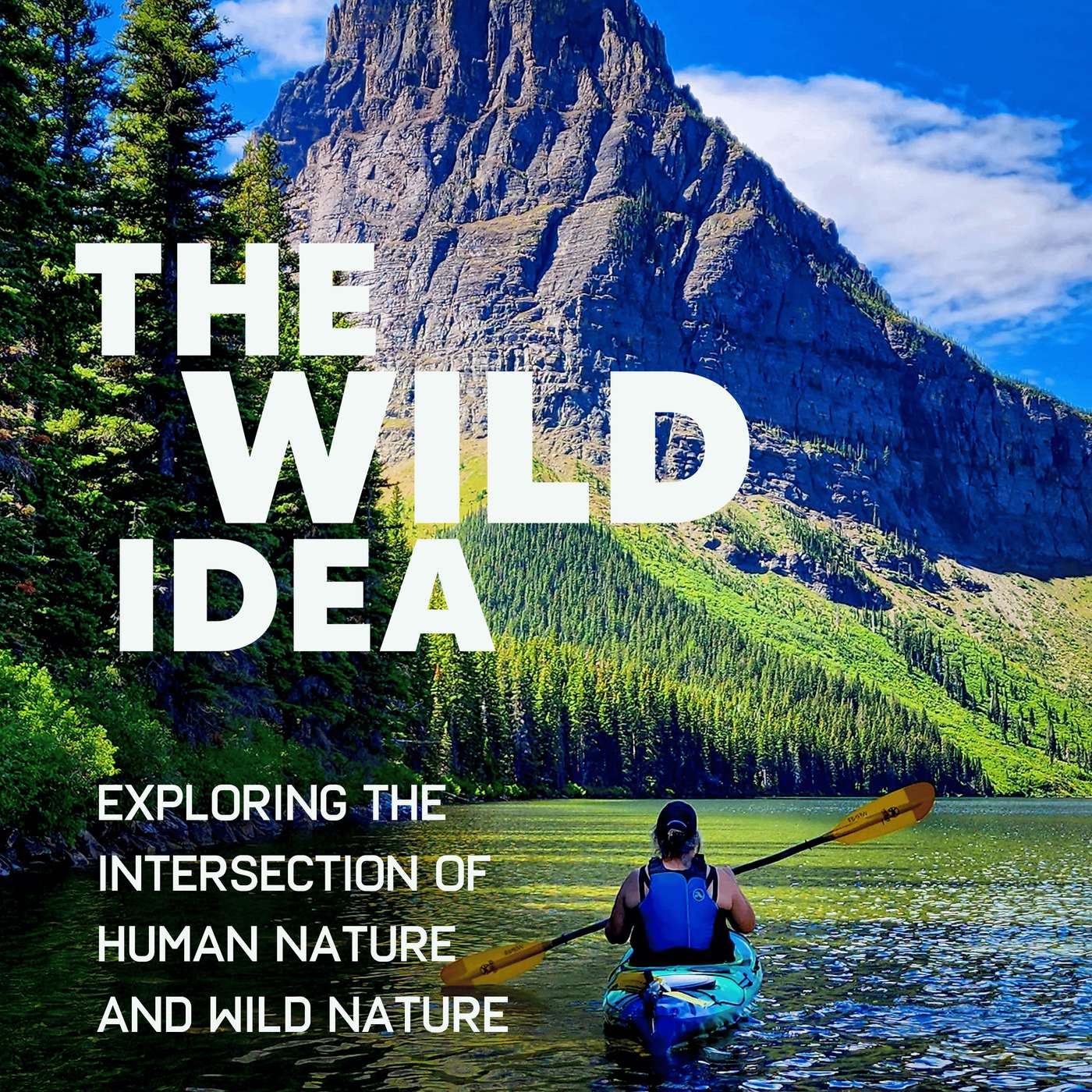
The Wild Idea is an exploration of the intersection of wild nature and our own human nature. The hosts, Bill Hodge and Anders Reynolds, through conversations with experts and thought leaders will dive into the ways that humans have both embraced and impact the function and vitality of our remaining wild places.
-
121
Gregg Treinish & Lara Birkes: Turning Adventure into Conservation Data
In this episode, Bill and Anders sit down with Greg Treinish, founder of Adventure Scientists, and Lara Birkes, the organization's newly appointed executive director, for a wide-ranging conversation about what happens when outdoor skill meets scientific purpose. Greg launched Adventure Scientists 15 years ago after growing restless on expeditions across the Andes and Appalachian Trail, feeling that the time and effort spent exploring wild places could be put to better use. What began as a scrappy nonprofit driven by personal relationships and viral outdoor media has grown into a global network of more than 10,000 trained volunteers collecting data across projects spanning microplastics, antibiotic resistance, endangered species, coral reef restoration, illegal timbering, and high-altitude fungi.A central theme of the conversation is data quality: how Adventure Scientists has built protocols rigorous enough to hold up in court, and how that credibility has forced a broader reckoning in the scientific community about what community-gathered data can actually achieve. Greg and Lara also discuss the frontier of new tools, from eDNA sampling to LIDAR drones flown by indigenous communities in the Peruvian Amazon, and how these technologies extend the reach of field science without replacing the irreplaceable value of boots on the ground. Learn more and find the links and resources mentioned today on our website.
-
120
The Wild Line: Pearce Nomination Heads to Senate Floor, American Prairie Permit Battle, Alaska Land Transfer, and Ted Turner's Legacy
This week on The Wild Line, we're tracking the Senate's imminent floor vote on Steve Pearce's nomination as BLM Director, Montana's escalating campaign against American Prairie's bison grazing permits, a federal land transfer tied to the Ambler Road corridor in Alaska, an Alaska court ruling allowing unlimited bear killing in southwest Alaska, a pending Forest Service decision on chainsaw use in the Frank Church River of No Return Wilderness, and the death of conservationist Ted Turner. From nomination fights to wilderness policy to bison restoration, the pressure on public lands is building on every front.Find the links and resources mentioned today at our website, thewildidea.com
-
119
Autumn Gillard & Steve Bloch: Tribal Voices and the Fight to Save Grand Staircase - Escalante
In this episode, Bill and Anders are joined by Autumn Gillard, coordinator for the Grand Staircase Intertribal Coalition, and Steve Bloch, legal director for the Southern Utah Wilderness Alliance (SUWA), for a wide-ranging conversation about one of the most contested and celebrated landscapes in the American West: Grand Staircase-Escalante National Monument. Autumn brings a Southern Paiute perspective to the work, rooted in personal connection to ancestral land and galvanized by witnessing the vandalism of irreplaceable cultural sites. Steve brings 30 years of legal and conservation advocacy, including direct involvement in the monument's establishment in 1996 and the subsequent legal battles that followed.The conversation traces the full arc of the monument's history, from early twentieth-century preservation visions to the coal mining threat that catalyzed the 1996 designation, through the Trump administration's 2017 reduction of the monument boundaries and the Biden administration's 2021 restoration. Steve and Autumn explain how the collaborative management planning process that followed the restoration became an opportunity to elevate tribal voices in unprecedented ways, with coalition members sitting alongside elders without smartphones to hand-transcribe their knowledge into formal public comments. That process produced a management plan that now faces a new and potentially permanent threat: weaponized use of the Congressional Review Act by Representative Celeste Maloy and Senator Mike Lee.What emerges from this conversation is not despair but resolve. Autumn speaks with quiet power about carrying the weight of ancestral obligation and drawing strength from the land itself, preparing not for today's outcome but for seven generations forward. Steve lays out the legal landscape with clarity and urgency, while both guests leave listeners with a simple, actionable message: your voice matters, and raising it, whether by calling Congress or simply visiting the monument, is its own form of advocacy.Learn more about today's episode and find the links and resources mentioned at our website, thewildidea.com.
-
118
The Wild Line: Trump Pulls NPS Nominee, Appalachian Groups Sue Over Corridor H, and the Forest Service Embraces Glyphosate
This week on The Wild Line, we're tracking the withdrawal of the Trump administration's National Park Service nominee, a Forest Service plan to spray glyphosate across 10,000 acres of public land, a federal lawsuit to stop a controversial West Virginia highway, a proposed blast mine threatening the San Joaquin River, new University of Montana survey data on public lands attitudes, a coalition framework rejecting public land sell-offs as a housing fix, and the opening of a new trail at Red Rock Canyon. From farm bill stalemates to the gap between what Montana voters say and how their delegation votes, these stories cut to the heart of who controls — and who protects — America's public lands.Find the links and resources mentioned today at our website, thewildidea.com.
-
117
The Wild Line: Trump Budget Targets Parks, USDA Consolidates NEPA Rules, and Three Key Public Lands Votes Loom in Congress
This week on The Wild Line, we're tracking the Trump Administration's proposed budget cuts to the National Park Service, the controversial Forest Service reorganization plan, a new consolidated NEPA rule at the USDA, and legislative calls to action in Congress. From federal land management challenges to endangered species protections, these stories highlight the stakes for public lands policy and the staff who steward America's natural resources.Learn more and find the links and resources mentioned today at our website, thewildidea.com.
-
116
Dr. William Keeton: Carbon, Complexity, and the Future of Old Growth
Dr. William Keeton is a forest ecologist and silviculturalist at the University of Vermont who has spent most of his career studying old-growth forests in the eastern United States and around the world. In this conversation, he joins hosts Bill Hodge and Anders Reynolds to examine what old growth actually is, where it still exists in the East, and why its fate matters for climate, biodiversity, and the landscapes future generations will inherit.The episode opens with a deceptively simple question: what is an old-growth forest? Keeton explains that old growth is not a fixed condition but a stage of forest development characterized by structural complexity, habitat diversity, and a suite of ecological functions including carbon storage, hydrologic regulation, and biodiversity support. He pushes back on the assumption that eastern forests have nothing to offer compared to towering Pacific Northwest Douglas firs or coastal redwoods, walking through the surprising inventory findings of the past few decades that reveal far more old growth in the eastern United States than was previously believed, from the Adirondacks of upstate New York to the Southern Appalachians and the longleaf pine systems of the Gulf Coast. The conversation also takes the listener below the surface, into the soil, where Keeton discusses the growing understanding of mycorrhizal fungi networks, deep soil carbon, and why a recent study found Swedish old-growth forests store eighty-three percent more carbon than middle-aged forests, with most of that difference buried underground.For listeners who care about public lands, forest policy, and the long arc of ecological recovery, this is a conversation that connects the science to the stakes with rare clarity. Find out more about the links and resources mentioned today at our website, thewildidea.com.
-
115
The Wild Line: U.S. Forest Service Overhaul, Interior Aims to Drill Chaco Canyon, Protections for Rice's Whale Lifted
This week on The Wild Line, we're tracking a proposed reorganization of the U.S. Forest Service, a sweeping Endangered Species Act exemption for Gulf of Mexico oil and gas operations, a court ruling against the Nantahala-Pisgah Forest Plan, a public scoping period threatening Chaco Culture National Historical Park, commercial fishing access in Pacific Marine National Monuments, and a rare wave of conservation wins from San Francisco Bay to Arkansas. From federal agency restructuring to bedrock wildlife law, these stories define the stakes for public lands in 2026.Learn more and find the links and resources mentioned today at our website, thewildidea.com.
-
114
The Past, Present and Future of The Roadless Rule
In this special episode, The Wild Idea brings its recent public webinar directly to podcast listeners. Join a high-powered panel of scientists, attorneys, policy veterans, and conservation advocates to examine one of the most consequential federal land protection policies in American history: the 2001 Roadless Rule. The rule has shielded 58.5 million acres of largely intact national forest land from new road construction and most commercial timber harvest for more than two decades, and it now faces a proposed rescission by the current administration.The conversation opens with Mike Dombeck, the former Forest Service chief who oversaw the rule’s development, tracing the road system’s explosive post-World War II growth and the maintenance crisis that made the moratorium on new road construction both necessary and politically viable. From there, the panel moves through the science of wildfire ignitions near roads, the rule’s flexibility for forest health treatments, the economic value of roadless areas to outdoor recreation, and the water supply those landscapes provide to more than 60 million Americans. Monte Mills and Martin Nie bring legal and policy depth to questions of tribal consultation, indigenous land rights, and the gaps that rescission would leave in existing forest plans. Vera Smith of Defenders of Wildlife walks listeners through two interactive mapping tools that illustrate which threatened and endangered species depend on roadless forests, region by region.The episode closes with the full panel reflecting on what, if anything, could be improved in the rule, and how everyday people can make their voices heard before the draft environmental impact statement is finalized. The answer that emerges, again and again, is that the public support which gave this rule its unusual durability remains the most powerful tool available to those who want to see it preserved.Learn more about today's episode and the resources mentioned at our website, thewildidea.com.
-
113
The Wild Line: A Pipeline Executive Heads to Congress, SpaceX Eyes Refuge Land, and E&E News Loses a Quarter of Its Newsroom
This week on The Wild Line, we're tracking Oklahoma's new energy-executive senator, a congressional push to block wilderness at Big Cypress National Preserve, a proposed federal land swap with SpaceX in South Texas, and major staff cuts at E&E News. From Capitol Hill to the Lower Rio Grande Valley, these stories highlight the accelerating pressure on federal public lands and the institutions that cover them.Get more details and the links and resources mentioned today at our website, thewildidea.com.
-
112
Trust for Public Land: Why Every Child Deserves Green Time
In this episode, Bill and Anders sit down with two researchers and advocates who are reshaping how we think about nature and public health: Dr. Carrie Besnette Hauser, President and CEO of the Trust for Public Land, and Dr. Pooja Tandon, a pediatrician and researcher at Seattle Children's Hospital who also serves as a senior scientist with TPL. Together they bring a rare combination of policy reach and clinical grounding to one of the most urgent questions facing American families: how do we make sure every child has meaningful access to the outdoors?The conversation raises a deeper question that runs throughout the episode: what does it mean to bring wild nature to people, rather than waiting for people to come to wild nature? With 100 million Americans living more than a ten-minute walk from a park, and with school yards representing 2 million acres of largely underused civic land, both guests make a persuasive case that the opportunity to change those numbers is already in front of us. The challenge is political will, funding, and the recognition that access to green space is a matter of public health equity.Find out more about the links and resources mentioned today at our website, thewildidea.com.
-
111
The Wild Line: Congress Shields Lead Ammo, ESA Exemptions on the Table, and a Georgia Seashore Fight
This week on The Wild Line, we're tracking Congress's move to block federal lead ammunition and tackle regulations, the first convening of the Endangered Species Act's God Squad in over 30 years, a public lands crossroads symposium in Salt Lake City, and a contested land swap at Cumberland Island National Seashore. From wildlife toxicology to oil and gas exemptions on federal waters, these stories define the current frontlines of public lands policy.Find the links and resources mentioned today at our website, thewildidea.com.
-
110
Tim Mahoney: The Irish Wilderness and the Art of Passing a Bill
Tim Mahoney has spent five decades navigating the corridors of Congress on behalf of wild places. A veteran of The Wilderness Society, the Sierra Club, and the Pew Charitable Trusts, he is one of the most experienced wilderness lobbyists of his generation. In this special St. Patrick’s Day episode, co-hosts Bill Hodge and Anders Reynolds sit down with the man Anders credits as his political mentor to trace the arc of a career built on the belief that the strongest protection you can give land is to protect it in law.The centerpiece of the conversation is the Irish Wilderness in Missouri’s Mark Twain National Forest, designated by Congress in 1984. Mahoney walks through the full legislative history of that campaign: the bipartisan coalitions and back-room alliances, the opposition from the mining industry, the procedural losses in the House, the creative use of appropriations riders to forestall mineral leasing, and the formal conference committee that ultimately split the difference on acreage. Mahoney does not pretend to know what the next twenty years will bring, but he is clear on what he values: the skills required to pass wilderness legislation, the willingness to work across deep ideological divides, and the humility to take a partial win over a virtuous defeat. His parting challenge to a new generation of advocates is as practical as it is pointed.Learn more about today's conversation at our website, thewildidea.com.
-
109
The Wild Line: Oil Drilling in Alaska’s Arctic Refuge, California Pipeline Restart, Scientists Release Suppressed Nature Report
This week on The Wild Line: the federal government advances twin lease sale plans in Alaska’s Arctic Refuge and Western Arctic, the Department of Interior finalizes revised NEPA procedures, the Trump Administration moves to restart a spill-prone California pipeline, and a slate of state-level public lands stories from Virginia, Oregon, Montana, Wyoming, and British Columbia. The independently released Nature Record warns of cascading consequences from continued environmental degradation.Listen to the full episode for context, commentary, and what to watch next. Find the links and resources mentioned today at our website, thewildidea.com.
-
108
Terry Tempest Williams: Wildness, Ancestors, and the Holy Ordinary
Terry Tempest Williams is a writer, conservationist, and longtime voice for wild lands whose work bridges story, spirit, and public life. In this conversation, she joins Bill Hodge and Anders Reynolds to reflect on her newest book, The Glorians: Visitations from the Holy Ordinary, and to explore what it means to remain present in a time marked by ecological crisis, political strain, and personal loss.Rather than offering easy optimism, Terry reframes hope as something active, something rooted in engagement. Drawing on experiences from the pandemic, her advocacy for the Great Salt Lake, the fight for Bears Ears, and life in Castle Valley, Utah, she speaks about neighbors, ritual, ancestors, and the importance of local love. In a moment when outrage dominates public discourse, Terry invites us back to attention, reciprocity, and the discipline of presence.Learn more and find the links and resources mentioned in today's episode at our website, thewildidea.com.
-
107
The Wild Line: Border Wall through Big Bend, Proposed Forest Service Prescribed Fire in Wilderness, Montana Political Moves Impacting Public Lands
This week on The Wild Line, we're tracking House Natural Resources Committee approvals on sequoia stewardship and scenic trail designation, tensions over the farm bill's nutrition title and conservation programs, Trump administration moves on public lands leadership, Montana political shifts affecting conservation policy, border wall threats to Big Bend National Park, prescribed burn controversies in Illinois wilderness, and efforts to overturn the Grand Staircase-Escalante management plan. From shifting congressional priorities to landscape-level threats, these stories highlight the accelerating pace of federal public lands policy in 2026.Find out more and access links and resources from today's conversation at our website, thewildidea.com.
-
106
Cole Mannix: Working Land Stewardship and Food Systems
In this milestone 50th episode of The Wild Idea, Bill and Anders sit down in Helena, Montana, with rancher and entrepreneur Cole Mannix to explore the intersection of land stewardship, regenerative agriculture, and food system reform. Cole is a founding member of the rancher-owned Old Salt Co-op, an ambitious effort to create an alternative marketplace that reconnects producers, consumers, and landscapes across the American West.The conversation moves from federal grazing leases and grizzly bear coexistence in the Gravelly Mountains to the structural consolidation of the American food system. Cole explains why less than two percent of the meat consumed in Montana is both raised and processed in-state, and how centralized processing, global supply chains, and economic consolidation have reshaped rural communities. Rather than simply marketing a different product, Old Salt aims to rebuild the shelf itself, redistributing economic value upstream to ranchers and land stewards.They also discuss the Old Salt Festival, a growing annual gathering in the Blackfoot Valley that blends music, food, conservation dialogue, and working lands culture. At its core, this episode asks: What would a food system look like if it truly supported stewardship? How do we balance wild lands and working lands? And how can everyday choices help build a more resilient, place-based economy?Find the links and resources mentioned today at our website, thewildidea.com.
-
105
The Wild Line: BLM Nominee Hearing, Alaska Land Rollback, Lesser Prairie Chicken Ruling, and Roadless Rule Update
This week on The Wild Line, we’re tracking the Senate confirmation hearing for Bureau of Land Management nominee Steve Pearce, a new Public Land Order revoking protections on 2.1 million acres in Alaska, federal changes to protections for the lesser prairie chicken, and a Vermont Supreme Court ruling on public trail access. From federal land oversight to wildlife policy and access rights, these stories highlight major shifts in public lands governance.Find the links and resources from today's episode at our website, thewildidea.com.
-
104
The Wild Line: Lawsuit Seeks End to NPS Censorship, Proposed Management Changes to the Flathead, Comments Due for Cumberland Island VUMP
This week on The Wild Line, we’re tracking a lawsuit challenging alleged censorship within the National Park Service, looming federal water cuts on the Colorado River, debate over the stalled Farm Bill, proposed management changes to Montana’s Flathead River, and final public comments on a controversial visitor plan for Cumberland Island National Seashore.Find out more about the stories covered today and how you can take action at our website, thewildidea.com.
-
103
The Wild Line: Trump Targets Northeast Marine Monument, USFS Reconsiders Public Comment, Illinois Rewilds
This week on The Wild Line: a key Senate vote on Boundary Waters mining protections is postponed, the Forest Service proposes limits on public comment, and the Trump administration rolls back protections at a major Atlantic marine monument. We also cover a National Park Service nomination, federal public lands legislation, and new state action in Oregon and Illinois.Learn more about today's stories and how you can take action at our website, thewildidea.com.
-
102
The Wild Line: Drilling Process Opens for ANWR, States Debate Colorado Basin Water Rights, Washington Post Slashes Climate Coverage
On this week’s Wild Line, we cover major developments in federal public lands policy, intensifying negotiations over the Colorado River, the Trump administration’s renewed push for oil and gas leasing in the Arctic National Wildlife Refuge, and the rollback of climate journalism at the Washington Post. We also share timely opportunities for public comment and mark the passing of a giant in the conservation movement.Learn more about today's stories and how you can take action at our website, thewildidea.com.
-
101
The Wild Line: Tongass Old-Growth Logging Advances, Alabama Reconsiders Water Quality, NPS Removes Signage Nationwide
This week on The Wild Line, we cover major developments affecting public lands, national forests, tribal sovereignty, water protections, national parks, and conservation policy—plus what to watch in Congress in the coming days.Learn more about today's stories and how you can take action at our website, thewildidea.com.
-
100
Andrew Thoms: The Tongass - America's Largest National Forest and a Key Roadless Landscape
As The Wild Idea concludes Roadless Month, hosts Bill Hodge and Anders Reynolds turn their attention north — to Southeast Alaska and the Tongass National Forest, the largest national forest in the United States and the world’s largest intact temperate rainforest.Covering nearly 17 million acres, the Tongass has become a focal point in national debates over old-growth logging, climate resilience, rural economies, and the future of the Roadless Rule. Joining the conversation is Andrew Thoms, Executive Director of Sitka Conservation Society, who brings decades of experience working at the intersection of community, conservation, and economic transition in Southeast Alaska.Learn more about today's conversation and find the links and resources mentioned at our website, thewildidea.com.
-
99
The Wild Line: Could the Boundary Waters be Mined? Could Utah be Paved? Could Burgum end Bison Grazing?
This week’s Wild Line tracks a fast-moving series of decisions on Capitol Hill and inside federal agencies that could reshape protections for wilderness, public lands, and conservation efforts nationwide. Bill Hodge and Anders Reynolds cover the House vote targeting the Boundary Waters, contentious testimony around the EXPLORE Act, Interior Department actions affecting grazing and bison restoration in Montana, and a long-stalled highway project approved inside a National Conservation Area.For more information on the stories discussed today, visit our website at thewildidea.com.
-
98
Peter Metcalf and Terry Tatsey: Blackfeet Nation Stewardship and a Living Landscape in the Badger–Two Medicine
As The Wild Idea continues Roadless Month, hosts Bill Hodge and Anders Reynolds turn their focus to one of the most culturally and ecologically significant landscapes in Montana: the Badger–Two Medicine. Situated along the Rocky Mountain Front, just south of Glacier National Park, the Badger–Two Medicine is a place where roadless protection, wildlife habitat, and deep Indigenous responsibility converge. Joining the conversation are Terry Tatsey, a member of the Blackfeet Nation with lifelong ties to the Badger–Two Medicine, and Peter Metcalf, Executive Director of the Glacier–Two Medicine Alliance. Together, they explore why this landscape matters, how decades of advocacy successfully ended oil and gas leasing in 2023, and what is now at stake as the U.S. Department of Agriculture considers rescinding the Roadless Rule.For more information about the topics discussed today, visit our website at thewildidea.com.
-
97
The Wild Line: Boundary Waters Under Threat (Again), Cumberland Islands Considers Visitor Use, 25 Years of the Roadless Rule
This week’s Wild Line covers a sweeping set of developments across federal land policy, wildfire response, public access, environmental regulation, and conservation funding — from Capitol Hill maneuvering that threatens the Boundary Waters, to Interior Department shakeups, EPA rulemaking decisions, and the 25th anniversary of the Roadless Rule.Find out more about today's episode and how you can take action in support of your public lands at thewildidea.com.
-
96
Bjorn Fredrickson & Raul Turrieta: The Roadless History of the World's First Designated Wilderness
As The Wild Idea continues Roadless Month, hosts Bill Hodge and Anders Reynolds bring the conversation to the birthplace of the modern wilderness idea: the Gila Wilderness in southwest New Mexico. Designated administratively in 1924, the Gila was the first government-protected wilderness in the world, shaping conservation policy decades before the Wilderness Act and influencing how Americans understand wild, roadless land today.Joining the conversation are Bjorn Fredrickson, Conservation Director of New Mexico Wild, and Raul Turrieta, Deputy Chief Assessor for Grant County and longtime Gila neighbor. Together, they explore why the Gila was chosen as the world’s first wilderness, how its roadless character continues to define both the landscape and the surrounding communities, and why it remains central to today’s debates over the Roadless Rule.Learn more about today's conversation and join us all month long for Roadless Month at our website, thewildidea.com.
-
95
The Wild Line: Logging Threatens Montana's Wild Rivers, Colorado Finds a Solution to Sackett
This week, Congress returned to Washington and immediately released draft versions of several major FY26 funding bills affecting public lands, wildlife, wildfire management, and conservation programs across the federal government. We explore what's at stake. We also track renewed congressional efforts to advance the Fix Our Forests Act, unpack a tragic and rare fatal mountain lion attack in Colorado, and examine how states are stepping in to protect wetlands and waterways after the Supreme Court’s rollback of Clean Water Act protections.Find out more about today's episode and how you can take action in support of your public lands at thewildidea.com.
-
94
Kristin Gendzier: The Roadless Rule's Southern Roots
January is Roadless Month on The Wild Idea. Throughout the month, we’re exploring the landscapes, communities, and ideas shaped by America’s roadless public lands — and what’s at stake as these protections face renewed threats.Today, Bill Hodge and Anders Reynolds are joined by Kristin Gendzier of the Southern Environmental Law Center to dive into discussion of what the Roadless Rule is, how it protects national forest roadless areas, and why it matters now. Kristin brings a distinctly Southern Appalachian perspective to the conversation, weaving together policy history, personal experience, and the lived reality of communities surrounded by roadless areas. From drinking water and wildlife habitat to recreation and rural economies, she explains how these landscapes quietly support millions of people — often without them realizing it.The discussion also addresses the rule’s turbulent legal and political history, common misconceptions about wildfire and forest management, and the renewed threat posed by efforts to rescind the rule entirely. Rather than framing the moment solely as a crisis, the episode emphasizes public participation, collective responsibility, and the generational importance of protecting these lands.Learn more about today's episode, Roadless Month, and learn how you can advocate for your public lands at our website, thewildidea.com.
-
93
Chris Wood: Why We Have The Roadless Rule (Redux)
In this special remastered conversation, The Wild Idea revisits a timely and essential discussion about one of America’s most important conservation tools: the Roadless Rule. As the rule approaches its 25th anniversary, hosts Bill Hodge and Anders Reynolds reintroduce listeners to Chris Wood, President and CEO of Trout Unlimited and one of the primary architects of the original 2001 Roadless Rule. This conversation offers critical context for understanding what’s at stake today and serves as a reminder that America’s public lands belong to all of us. This conversation kicks off Roadless Month on The Wild Idea, setting the stage for stories from across the country about the landscapes, communities, and cultures shaped by roadless public lands.Learn more about the Roadless Rule and the links and resources mentioned today at our website, thewildidea.com.
-
92
Michelle Fullner: Setting Resolutions with the Host of the Golden State Naturalist Podcast
As the year comes to a close, Bill Hodge and Anders Reynolds are joined by Michelle Fullner, host of the Golden State Naturalist podcast, for a reflective and wide-ranging conversation about growth, attention, storytelling, and intention. Listen in for a thoughtful meditation on why the stories we tell matter, how we show up for them, and what it means to move forward with intention in an uncertain time.Learn more about today's conversation and find links and resources from this conversation at our website, thewildidea.com.
-
91
Sarah Francisco: From Working Lands to Wild Lands in the Southern Appalachians
Sarah Francisco, Virginia State Director of the Southern Environmental Law Center, joins Anders and Bill for a wide-ranging conversation about place, promise, and the long arc of public lands conservation in the southern Appalachians. Growing up on a Christmas tree farm in Virginia’s Shenandoah Valley gave Sarah an early understanding of how deeply people’s lives are tied to land — both the challenges of working landscapes and the deep affection they inspire.Learn more about Sarah and the topics discussed today at our website, thewildidea.com.
-
90
The Wild Line: House Passes SPEED Act, New Threats Emerge to Endangered Species, and States Move on Water Quality and Roadless Protections
This week’s Wild Line covers House passage of the SPEED Act and its implications for the National Environmental Policy Act (NEPA), a slate of wildfire and public lands bills advancing in the Senate, a serious new threat to the National Park System, sweeping rollbacks to the Endangered Species Act, mounting impacts from Forest Service staffing cuts, changes to water quality protections in Montana, and growing concern over efforts to rescind the Roadless Rule.Learn more about the topics discussed today at our website, thewildidea.com.
-
89
Anne Robinson: "Good News" Returns With Good Tidings
Anne Robinson returns to The Wild Idea after completing her seven-month through hike of the Appalachian Trail, from Georgia to the summit of Katahdin. Picking up where we left off at the halfway point in Harpers Ferry, Anne reflects on what the second half of the trail revealed — about endurance, fear, community, and the layered human stories embedded in places many of us think of as “wild.”If you missed our first conversation with Anne, you'll find that right here. And for more from today's conversation, visit our website at thewildidea.com.
-
88
Martha Williams: The Long Term View on Species Recovery
Martha Williams, former Director of the US Fish and Wildlife Service, joins us for a grounded conversation about what it really takes to care for wildlife over time. Drawing on decades of experience at both the state and federal level, Martha talks about stewardship, coexistence, and the responsibility that comes with living alongside wild species.We dig into how the Endangered Species Act fits into that bigger picture, and why so much energy gets pulled into debates over listing and delisting instead of focusing on recovery. Martha shares why habitat, science, and long-term thinking matter more than short-term wins, and how political swings can complicate the real work happening on the ground.Find out more about Martha and the other resources and links mentioned today at our website, thewildidea.com.
-
87
The Wild Line: Tribal Recognition in NC, Park Service Policy Shifts, Forest Service HQ to Utah?
This week’s Wild Line covers Congress’ work on the National Defense Authorization Act, new House actions to weaken the Clean Water Act, a broad Senate hearing on National Park Service and Wild and Scenic River bills, major shifts at the National Park Service and Forest Service, housing proposals in Wyoming, and a federal ruling restoring the nation’s renewable wind program.For more information on the topics covered today, visit our website at thewildidea.com.
-
86
Chris Eyer: Muledragger
Wilderness packer and saddle maker Chris Eyer joins us for the first time, and it feels like talking with a friend who lives right up against the wild edge of Montana. Chris walks us through the places that shaped him and how he found his way from Southern California trail work to a life built around horses, mules, and the Bob Marshall Wilderness.We also get into what it’s like to bring people into the backcountry for the first time. Chris opens up about the pressures facing public lands and why these places feel so important to protect. And he talks about the reset that happens when you step away from the noise and spend real time in the woods.It’s an easy, grounded conversation with someone who carries a deep connection to the places he loves.Find out more about Chris and the other resources and links mentioned today at our website, thewildidea.com.
-
85
The Wild Line: Forest Service Reverses Recommendations, NPS Increases Fees, Montana Stands Against Mining
This week’s Wild Line covers a sweeping Senate hearing on 26 public lands and wildfire bills, a significant vote affecting the Arctic National Wildlife Refuge, new moves by the Forest Service on roadless protections and off-highway vehicle rules, fee increases in national parks, and a major milestone for the Chesapeake Bay watershed.Learn more and access the links and resources mentioned today at our website, thewildidea.com
-
84
Ben Goldfarb: Paving Paradise - How Roads Reshape the Wild
Environmental journalist Ben Goldfarb joins us for a wide-open conversation about how roads shape wildlife, ecosystems, and the public lands we depend on. Ben breaks down the stuff most of us never think about, like how tire dust kills salmon or how road noise stresses out songbirds. He also shares what pulled him into road ecology in the first place and how he tells big, complicated stories in a way that still leaves you feeling hopeful.We get into his two books, Eager and Crossings, and why beavers, of all creatures, might be some of the most important engineers on the landscape. From amphibian migrations to the Forest Service’s long road-building history, Ben gives us a smarter, more curious way to look at the places we love.Learn more and find the links and resources mentioned today at our website, thewildidea.com.
-
83
Grounded In Traditions
This week ushers in “The Holidays”, the time of year that chaos and connection reign supreme. Thanksgiving is complicated, especially for Native communities, and the usual “we’re grateful for…” story never feels like the whole picture. So we decided to do something that felt more honest. We reached out to friends and asked them to tell us about the moments they return to every year, the ones that ground them in place and bring them closer to the people they love.We hope you enjoy these stories as much as we did. They made us think about the things that hold us steady during a loud season, and what we actually want to carry forward. What places pull you back, the small rituals help you feel connected. That’s what this episode is about.Learn more and find the links and resources mentioned today at our website, thewildidea.com.
-
82
The Wild Line: Trump Puts Wetlands and Wildlife at Risk, Congress Takes Step to Stymie Environmental Review
This week’s Wild Line covers two House votes aimed at rolling back major protections in Alaska, key hearings in both chambers of Congress, and new bipartisan action on wildlife migration. We also follow leadership changes inside federal agencies, the newest member joining the House Natural Resources Committee, and a significant wetlands rollback announced by the Trump Administration.Learn more and access the links and resources mentioned today at our website, thewildidea.com
-
81
American Prairie, Part Two - A Wilder Future
In this second half of our American Prairie series, we sit down with CEO Alison Fox and Director of Rewilding Danny Kinka to look at what the project has become and where it’s headed. Allie talks about how American Prairie has grown into a 600,000-acre public access landscape with a bison herd now twenty years in, a thriving field school for Montana students, and a team focused on everything from habitat restoration to community partnerships. Danny walks us through what rewilding looks like on the ground, from the return of key species to the human work of building social tolerance for wildlife.Learn more about today's episode and find the links and resources mentioned at our website, thewildidea.com.
-
80
The Wild Line: Shutdown Ends, Oil Companies Exploit Texas and Alaska, Colorado Prioritizes Protection
This week’s Wild Line looks at the end of the shutdown, what the new continuing resolution means for public lands and civil servants, and how Congress is lining up for a busy set of hearings next week. We follow new pressure on the Public Lands Rule, a withdrawn National Park Service nomination, the latest turns in the Colorado River negotiations, and reactions to a federal move that sidelines tribal approval on hydroelectric projects. We also cover Chevron’s major energy plans in West Texas, new proposed activity in the Western Arctic, and a report highlighting key Colorado landscapes ready for lasting protection.Learn more and access the links and resources mentioned today at our website, thewildidea.com
-
79
American Prairie, Part One - Wild on Purpose
In this first of a two-part conversation about American Prairie, we talk with founder Sean Gerrity about what inspired him to take on one of the largest conservation projects in North America. Sean shares how a lifetime spent outdoors and a background in business led him to the idea of rewilding millions of acres of Montana grasslands. He talks about what it’s like to earn trust in ranching country, how he approaches relationships with tribal nations, and why he calls himself a “possibilist” rather than an optimist. For Sean, this work has always been about connection between people, between ecosystems, and between past and future.Learn more about today's episode and find the links and resources mentioned at our website, thewildidea.com.
-
78
Malcolm Brooks: The Fallout from Ballot Box Biology
Author Malcolm Brooks joins us for a conversation that moves from the landscapes that shaped his fiction to the messy realities of modern wildlife management. We ask how he views landscapes as part of his storytelling, and then move on to the story that he has been tracing since the predatory mountain lion attack on his nephews, and the California wildlife policy shifts that possibly set the stage for it. We wrap by diving into his latest subject - Butte America! Learn more about today's episode and find the links and resources mentioned at our website, thewildidea.com.
-
77
The Wild Line: Hirings, Firings and Protected Climbing Access
This week’s Wild Line highlights the impacts of the ongoing shutdown on public lands and civil servants. We share the latest on uncertainty over backpay and high-profile firings and hirings in the conservation world, federal progress on wetlands protection, and concerning efforts to roll back protections in Chaco Canyon and allow chainsaws in wilderness areas. We look at the latest nomination to run the Bureau of Land Management, and close with a win for climbing access in North Carolina.Learn more and find the links and resources mentioned today at our website, thewildidea.com.
-
76
Frank Uekötter: Red Lines in Green Politics | Moral Lessons in Conservation History
Environmental historian Frank Uekötter joins Bill and Anders for a thought-provoking conversation about how good intentions and bad systems can collide, and what history can teach us about the moral boundaries of environmental action. Uekötter’s work, including The Vortex and The Green and the Brown, explores how modern environmentalism took shape in the twentieth century and how ideals of nature and progress became entangled with politics, ideology, and power. Together, they step back from today’s headlines to ask what happens when noble causes lose sight of their context, and how well-meaning people can drift into compromise when conviction overrides reflection.Find out more and access the links and resources mentioned in today's episode at our website, thewildidea.com.
-
75
The Wild Line: Senators Talk Stewardship, Ranchers Eye Point Reyes, Absaroka-Beartooth Avoids Poison
This week’s Wild Line opens with a federal court order that halts layoffs at the Department of the Interior during the shutdown. In Washington, Senators launched a new bipartisan Senate Stewardship Caucus. House Democrats challenged Interior and USDA over shutdown decisions that favor extractive industries even as critical safety work is left to skeleton crews. Federal agencies announced new funding for Western migration corridors, and legal and political pressure reignited the debate over cattle grazing at Point Reyes. The episode also covers the push to rescind the BLM Public Lands Rule, the return of the Albert Pike statue and recent bear attacks in Arkansas, and a series of court rulings and political fights in Montana over trout, timber, grizzlies, bison, and American Prairie’s grazing rights.Learn more and find the links and resources mentioned today at our website, thewildidea.com.
-
74
Barret Baumgart: The Desert is a Haunted House
Author and essayist Barret Baumgart joins Bill and Anders for a Halloween special that leans into the stranger side of wild nature. His latest book, Yuck: The Birth and Death of the Weird and Wondrous Joshua Tree, explores how this desert icon went from being despised as grotesque and “demonic” to adored as a backdrop for modern desert dreams. In a conversation that ranges from natural history to horror, they dig into what the Joshua Tree reveals about human nature, the stories we project onto wild places, and the uneasy line between wonder and fear.Find out more and access the links and resources mentioned in today's episode at our website, thewildidea.com.
-
73
The Wild Line: Wilderness Bills Advance, Trump Approves Izembek Road, Outdoor Alliance Takes DC
This week’s Wild Line opens with new details on the ongoing federal shutdown, including Interior’s plan to cut more than 2,000 jobs across its agencies and furloughs at the Environmental Protection Agency. We look at a busy week on Capitol Hill, where the Senate advanced a package of wilderness bills and a controversial forest management proposal, while the House pressed for restoration of Stonewall National Monument’s LGBTQ+ history. We also cover deregulatory moves inside the White House, a major land acquisition in North Carolina, leadership news from the Appalachian Trail Conservancy, and the Supreme Court’s decision on corner-crossing. From Alaska, we report on new resolutions from the Alaska Federation of Natives and breaking developments on the Izembek road and Arctic Refuge drilling. Plus, the Outdoor Alliance takes its work to Capitol Hill.Learn more and find the links and resources mentioned today at our website, thewildidea.com.
-
72
Christopher Preston: Tenacious Beasts
Award-winning author, environmental philosopher, and clean energy enthusiast Christopher Preston joins Bill and Anders to discuss his book Tenacious Beasts: Wildlife Recoveries That Change How We Think About Animals. He shares stories of wolves, whales, and beavers making remarkable comebacks, offering a hopeful look at what can happen when we give nature room to recover and thrive.Together they explore ideas of rewilding, animal agency, and the ethics of when and how humans should intervene, or simply step back and watch the wild world flourish. The conversation weaves in lessons from Europe’s rewilding movement, Indigenous perspectives that resonate with modern conservation, and how compassion and curiosity can guide better care for the natural world.Find out more and access the links and resources mentioned in today's episode at our website, thewildidea.com.
We're indexing this podcast's transcripts for the first time — this can take a minute or two. We'll show results as soon as they're ready.
No matches for "" in this podcast's transcripts.
No topics indexed yet for this podcast.
Loading reviews...
ABOUT THIS SHOW
The Wild Idea is an exploration of the intersection of wild nature and our own human nature. The hosts, Bill Hodge and Anders Reynolds, through conversations with experts and thought leaders will dive into the ways that humans have both embraced and impact the function and vitality of our remaining wild places.
HOSTED BY
Wild Idea Media
Loading similar podcasts...
Frequently Asked Questions
How many episodes does The Wild Idea have?
The Wild Idea currently has 50 episodes available on PodParley. New episodes are automatically indexed when they're published to the podcast feed.
What is The Wild Idea about?
The Wild Idea is an exploration of the intersection of wild nature and our own human nature. The hosts, Bill Hodge and Anders Reynolds, through conversations with experts and thought leaders will dive into the ways that humans have both embraced and impact the function and vitality of our remaining...
How often does The Wild Idea release new episodes?
The Wild Idea has 50 episodes. Check the episode list to see recent publication dates and frequency.
Where can I listen to The Wild Idea?
You can listen to The Wild Idea on PodParley by clicking any episode. We provide an embedded audio player for direct listening, and you can also subscribe via your preferred podcast app using the RSS feed.
Who hosts The Wild Idea?
The Wild Idea is created and hosted by Wild Idea Media.
URL copied to clipboard!