
PODCAST · society
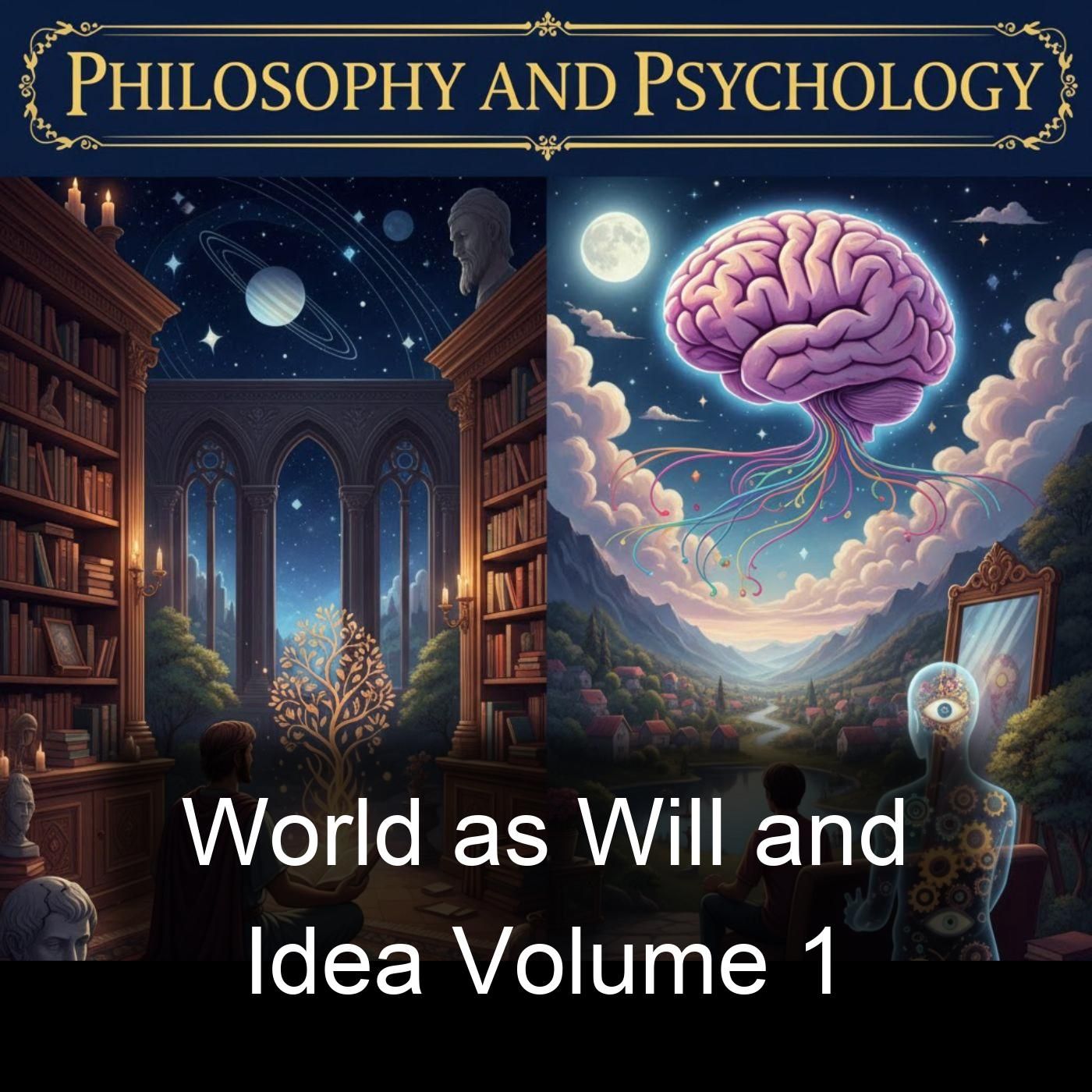
World as Will and Idea Volume 1
by Arthur Schopenhauer
In this enlightening exploration, Schopenhauer introduces the concept of will, a term that embodies humanitys deepest impulses—desire, striving, wanting, effort, and urging. His philosophy reveals that all of nature, including human existence, is driven by an unquenchable will to life, which paradoxically leads to our suffering. The relentless pursuit of more is the root of this pain. Schopenhauer also delves into the notion of representation (Vorstellung), referring to the mental images we form of objects perceived as separate from our minds. This includes our own bodies, which he termed the immediate object, given its closest connection to our consciousness housed in the brain. (Summary by Wikipedia)
-
45
045 - Fourth Book The World As Will Second AspectParagraph 71
In this enlightening exploration, Schopenhauer introduces the concept of will, a term that embodies humanitys deepest impulses—desire, striving, wanting, effort, and urging. His philosophy reveals that all of nature, including human existence, is driven by an unquenchable will to life, which paradoxically leads to our suffering. The relentless pursuit of more is the root of this pain. Schopenhauer also delves into the notion of representation (Vorstellung), referring to the mental images we form of objects perceived as separate from our minds. This includes our own bodies, which he termed the immediate object, given its closest connection to our consciousness housed in the brain. (Summary by Wikipedia)
-
44
044 - Fourth Book The World As Will Second AspectParagraph 69 70
In this enlightening exploration, Schopenhauer introduces the concept of will, a term that embodies humanitys deepest impulses—desire, striving, wanting, effort, and urging. His philosophy reveals that all of nature, including human existence, is driven by an unquenchable will to life, which paradoxically leads to our suffering. The relentless pursuit of more is the root of this pain. Schopenhauer also delves into the notion of representation (Vorstellung), referring to the mental images we form of objects perceived as separate from our minds. This includes our own bodies, which he termed the immediate object, given its closest connection to our consciousness housed in the brain. (Summary by Wikipedia)
-
43
043 - Fourth Book The World As Will Second AspectParagraph 68 Part 2
In this enlightening exploration, Schopenhauer introduces the concept of will, a term that embodies humanitys deepest impulses—desire, striving, wanting, effort, and urging. His philosophy reveals that all of nature, including human existence, is driven by an unquenchable will to life, which paradoxically leads to our suffering. The relentless pursuit of more is the root of this pain. Schopenhauer also delves into the notion of representation (Vorstellung), referring to the mental images we form of objects perceived as separate from our minds. This includes our own bodies, which he termed the immediate object, given its closest connection to our consciousness housed in the brain. (Summary by Wikipedia)
-
42
042 - Fourth Book The World As Will Second AspectParagraph 68 Part 1
In this enlightening exploration, Schopenhauer introduces the concept of will, a term that embodies humanitys deepest impulses—desire, striving, wanting, effort, and urging. His philosophy reveals that all of nature, including human existence, is driven by an unquenchable will to life, which paradoxically leads to our suffering. The relentless pursuit of more is the root of this pain. Schopenhauer also delves into the notion of representation (Vorstellung), referring to the mental images we form of objects perceived as separate from our minds. This includes our own bodies, which he termed the immediate object, given its closest connection to our consciousness housed in the brain. (Summary by Wikipedia)
-
41
041 - Fourth Book The World As Will Second AspectParagraph 66 67
In this enlightening exploration, Schopenhauer introduces the concept of will, a term that embodies humanitys deepest impulses—desire, striving, wanting, effort, and urging. His philosophy reveals that all of nature, including human existence, is driven by an unquenchable will to life, which paradoxically leads to our suffering. The relentless pursuit of more is the root of this pain. Schopenhauer also delves into the notion of representation (Vorstellung), referring to the mental images we form of objects perceived as separate from our minds. This includes our own bodies, which he termed the immediate object, given its closest connection to our consciousness housed in the brain. (Summary by Wikipedia)
-
40
040 - Fourth Book The World As Will Second AspectParagraph 65
In this enlightening exploration, Schopenhauer introduces the concept of will, a term that embodies humanitys deepest impulses—desire, striving, wanting, effort, and urging. His philosophy reveals that all of nature, including human existence, is driven by an unquenchable will to life, which paradoxically leads to our suffering. The relentless pursuit of more is the root of this pain. Schopenhauer also delves into the notion of representation (Vorstellung), referring to the mental images we form of objects perceived as separate from our minds. This includes our own bodies, which he termed the immediate object, given its closest connection to our consciousness housed in the brain. (Summary by Wikipedia)
-
39
039 - Fourth Book The World As Will Second AspectParagraph 63 64
In this enlightening exploration, Schopenhauer introduces the concept of will, a term that embodies humanitys deepest impulses—desire, striving, wanting, effort, and urging. His philosophy reveals that all of nature, including human existence, is driven by an unquenchable will to life, which paradoxically leads to our suffering. The relentless pursuit of more is the root of this pain. Schopenhauer also delves into the notion of representation (Vorstellung), referring to the mental images we form of objects perceived as separate from our minds. This includes our own bodies, which he termed the immediate object, given its closest connection to our consciousness housed in the brain. (Summary by Wikipedia)
-
38
038 - Fourth Book The World As Will Second AspectParagraph 62 Part 2
In this enlightening exploration, Schopenhauer introduces the concept of will, a term that embodies humanitys deepest impulses—desire, striving, wanting, effort, and urging. His philosophy reveals that all of nature, including human existence, is driven by an unquenchable will to life, which paradoxically leads to our suffering. The relentless pursuit of more is the root of this pain. Schopenhauer also delves into the notion of representation (Vorstellung), referring to the mental images we form of objects perceived as separate from our minds. This includes our own bodies, which he termed the immediate object, given its closest connection to our consciousness housed in the brain. (Summary by Wikipedia)
-
37
037 - Fourth Book The World As Will Second AspectParagraph 62 Part 1
In this enlightening exploration, Schopenhauer introduces the concept of will, a term that embodies humanitys deepest impulses—desire, striving, wanting, effort, and urging. His philosophy reveals that all of nature, including human existence, is driven by an unquenchable will to life, which paradoxically leads to our suffering. The relentless pursuit of more is the root of this pain. Schopenhauer also delves into the notion of representation (Vorstellung), referring to the mental images we form of objects perceived as separate from our minds. This includes our own bodies, which he termed the immediate object, given its closest connection to our consciousness housed in the brain. (Summary by Wikipedia)
-
36
036 - Fourth Book The World As Will Second AspectParagraph 60 61
In this enlightening exploration, Schopenhauer introduces the concept of will, a term that embodies humanitys deepest impulses—desire, striving, wanting, effort, and urging. His philosophy reveals that all of nature, including human existence, is driven by an unquenchable will to life, which paradoxically leads to our suffering. The relentless pursuit of more is the root of this pain. Schopenhauer also delves into the notion of representation (Vorstellung), referring to the mental images we form of objects perceived as separate from our minds. This includes our own bodies, which he termed the immediate object, given its closest connection to our consciousness housed in the brain. (Summary by Wikipedia)
-
35
035 - Fourth Book The World As Will Second AspectParagraph 58 to 59
In this enlightening exploration, Schopenhauer introduces the concept of will, a term that embodies humanitys deepest impulses—desire, striving, wanting, effort, and urging. His philosophy reveals that all of nature, including human existence, is driven by an unquenchable will to life, which paradoxically leads to our suffering. The relentless pursuit of more is the root of this pain. Schopenhauer also delves into the notion of representation (Vorstellung), referring to the mental images we form of objects perceived as separate from our minds. This includes our own bodies, which he termed the immediate object, given its closest connection to our consciousness housed in the brain. (Summary by Wikipedia)
-
34
034 - Fourth Book The World As Will Second AspectParagraph 56 to 57
In this enlightening exploration, Schopenhauer introduces the concept of will, a term that embodies humanitys deepest impulses—desire, striving, wanting, effort, and urging. His philosophy reveals that all of nature, including human existence, is driven by an unquenchable will to life, which paradoxically leads to our suffering. The relentless pursuit of more is the root of this pain. Schopenhauer also delves into the notion of representation (Vorstellung), referring to the mental images we form of objects perceived as separate from our minds. This includes our own bodies, which he termed the immediate object, given its closest connection to our consciousness housed in the brain. (Summary by Wikipedia)
-
33
033 - Fourth Book The World As Will Second AspectParagraph Part 2
In this enlightening exploration, Schopenhauer introduces the concept of will, a term that embodies humanitys deepest impulses—desire, striving, wanting, effort, and urging. His philosophy reveals that all of nature, including human existence, is driven by an unquenchable will to life, which paradoxically leads to our suffering. The relentless pursuit of more is the root of this pain. Schopenhauer also delves into the notion of representation (Vorstellung), referring to the mental images we form of objects perceived as separate from our minds. This includes our own bodies, which he termed the immediate object, given its closest connection to our consciousness housed in the brain. (Summary by Wikipedia)
-
32
032 - Fourth Book The World As Will Second AspectParagraph 55 Part 1
In this enlightening exploration, Schopenhauer introduces the concept of will, a term that embodies humanitys deepest impulses—desire, striving, wanting, effort, and urging. His philosophy reveals that all of nature, including human existence, is driven by an unquenchable will to life, which paradoxically leads to our suffering. The relentless pursuit of more is the root of this pain. Schopenhauer also delves into the notion of representation (Vorstellung), referring to the mental images we form of objects perceived as separate from our minds. This includes our own bodies, which he termed the immediate object, given its closest connection to our consciousness housed in the brain. (Summary by Wikipedia)
-
31
031 - Fourth Book The World As Will Second AspectParagraph 54
In this enlightening exploration, Schopenhauer introduces the concept of will, a term that embodies humanitys deepest impulses—desire, striving, wanting, effort, and urging. His philosophy reveals that all of nature, including human existence, is driven by an unquenchable will to life, which paradoxically leads to our suffering. The relentless pursuit of more is the root of this pain. Schopenhauer also delves into the notion of representation (Vorstellung), referring to the mental images we form of objects perceived as separate from our minds. This includes our own bodies, which he termed the immediate object, given its closest connection to our consciousness housed in the brain. (Summary by Wikipedia)
-
30
030 - Fourth Book The World As Will Second AspectParagraph 53
In this enlightening exploration, Schopenhauer introduces the concept of will, a term that embodies humanitys deepest impulses—desire, striving, wanting, effort, and urging. His philosophy reveals that all of nature, including human existence, is driven by an unquenchable will to life, which paradoxically leads to our suffering. The relentless pursuit of more is the root of this pain. Schopenhauer also delves into the notion of representation (Vorstellung), referring to the mental images we form of objects perceived as separate from our minds. This includes our own bodies, which he termed the immediate object, given its closest connection to our consciousness housed in the brain. (Summary by Wikipedia)
-
29
029 - Third Book The World As Idea Second AspectParagraph 52
In this enlightening exploration, Schopenhauer introduces the concept of will, a term that embodies humanitys deepest impulses—desire, striving, wanting, effort, and urging. His philosophy reveals that all of nature, including human existence, is driven by an unquenchable will to life, which paradoxically leads to our suffering. The relentless pursuit of more is the root of this pain. Schopenhauer also delves into the notion of representation (Vorstellung), referring to the mental images we form of objects perceived as separate from our minds. This includes our own bodies, which he termed the immediate object, given its closest connection to our consciousness housed in the brain. (Summary by Wikipedia)
-
28
028 - Third Book The World As Idea Second AspectParagraph 51
In this enlightening exploration, Schopenhauer introduces the concept of will, a term that embodies humanitys deepest impulses—desire, striving, wanting, effort, and urging. His philosophy reveals that all of nature, including human existence, is driven by an unquenchable will to life, which paradoxically leads to our suffering. The relentless pursuit of more is the root of this pain. Schopenhauer also delves into the notion of representation (Vorstellung), referring to the mental images we form of objects perceived as separate from our minds. This includes our own bodies, which he termed the immediate object, given its closest connection to our consciousness housed in the brain. (Summary by Wikipedia)
-
27
027 - Third Book The World As Idea Second AspectParagraph 50
In this enlightening exploration, Schopenhauer introduces the concept of will, a term that embodies humanitys deepest impulses—desire, striving, wanting, effort, and urging. His philosophy reveals that all of nature, including human existence, is driven by an unquenchable will to life, which paradoxically leads to our suffering. The relentless pursuit of more is the root of this pain. Schopenhauer also delves into the notion of representation (Vorstellung), referring to the mental images we form of objects perceived as separate from our minds. This includes our own bodies, which he termed the immediate object, given its closest connection to our consciousness housed in the brain. (Summary by Wikipedia)
-
26
026 - Third Book The World As Idea Second AspectParagraph 47 to 49
In this enlightening exploration, Schopenhauer introduces the concept of will, a term that embodies humanitys deepest impulses—desire, striving, wanting, effort, and urging. His philosophy reveals that all of nature, including human existence, is driven by an unquenchable will to life, which paradoxically leads to our suffering. The relentless pursuit of more is the root of this pain. Schopenhauer also delves into the notion of representation (Vorstellung), referring to the mental images we form of objects perceived as separate from our minds. This includes our own bodies, which he termed the immediate object, given its closest connection to our consciousness housed in the brain. (Summary by Wikipedia)
-
25
025 - Third Book The World As Idea Second AspectParagraph 44 to 46
In this enlightening exploration, Schopenhauer introduces the concept of will, a term that embodies humanitys deepest impulses—desire, striving, wanting, effort, and urging. His philosophy reveals that all of nature, including human existence, is driven by an unquenchable will to life, which paradoxically leads to our suffering. The relentless pursuit of more is the root of this pain. Schopenhauer also delves into the notion of representation (Vorstellung), referring to the mental images we form of objects perceived as separate from our minds. This includes our own bodies, which he termed the immediate object, given its closest connection to our consciousness housed in the brain. (Summary by Wikipedia)
-
24
024 - Third Book The World As Idea Second AspectParagraph 40 to 43
In this enlightening exploration, Schopenhauer introduces the concept of will, a term that embodies humanitys deepest impulses—desire, striving, wanting, effort, and urging. His philosophy reveals that all of nature, including human existence, is driven by an unquenchable will to life, which paradoxically leads to our suffering. The relentless pursuit of more is the root of this pain. Schopenhauer also delves into the notion of representation (Vorstellung), referring to the mental images we form of objects perceived as separate from our minds. This includes our own bodies, which he termed the immediate object, given its closest connection to our consciousness housed in the brain. (Summary by Wikipedia)
-
23
023 - Third Book The World As Idea Second AspectParagraph 37 39
In this enlightening exploration, Schopenhauer introduces the concept of will, a term that embodies humanitys deepest impulses—desire, striving, wanting, effort, and urging. His philosophy reveals that all of nature, including human existence, is driven by an unquenchable will to life, which paradoxically leads to our suffering. The relentless pursuit of more is the root of this pain. Schopenhauer also delves into the notion of representation (Vorstellung), referring to the mental images we form of objects perceived as separate from our minds. This includes our own bodies, which he termed the immediate object, given its closest connection to our consciousness housed in the brain. (Summary by Wikipedia)
-
22
022 - Third Book The World As Idea Second AspectParagraph 36
In this enlightening exploration, Schopenhauer introduces the concept of will, a term that embodies humanitys deepest impulses—desire, striving, wanting, effort, and urging. His philosophy reveals that all of nature, including human existence, is driven by an unquenchable will to life, which paradoxically leads to our suffering. The relentless pursuit of more is the root of this pain. Schopenhauer also delves into the notion of representation (Vorstellung), referring to the mental images we form of objects perceived as separate from our minds. This includes our own bodies, which he termed the immediate object, given its closest connection to our consciousness housed in the brain. (Summary by Wikipedia)
-
21
021 - Third Book The World As Idea Second AspectParagraph 34 35
In this enlightening exploration, Schopenhauer introduces the concept of will, a term that embodies humanitys deepest impulses—desire, striving, wanting, effort, and urging. His philosophy reveals that all of nature, including human existence, is driven by an unquenchable will to life, which paradoxically leads to our suffering. The relentless pursuit of more is the root of this pain. Schopenhauer also delves into the notion of representation (Vorstellung), referring to the mental images we form of objects perceived as separate from our minds. This includes our own bodies, which he termed the immediate object, given its closest connection to our consciousness housed in the brain. (Summary by Wikipedia)
-
20
020 - Third Book The World As Idea Second AspectParagraph 30 to 33
In this enlightening exploration, Schopenhauer introduces the concept of will, a term that embodies humanitys deepest impulses—desire, striving, wanting, effort, and urging. His philosophy reveals that all of nature, including human existence, is driven by an unquenchable will to life, which paradoxically leads to our suffering. The relentless pursuit of more is the root of this pain. Schopenhauer also delves into the notion of representation (Vorstellung), referring to the mental images we form of objects perceived as separate from our minds. This includes our own bodies, which he termed the immediate object, given its closest connection to our consciousness housed in the brain. (Summary by Wikipedia)
-
19
019 - Second Book The World As Will First Aspect28 29
In this enlightening exploration, Schopenhauer introduces the concept of will, a term that embodies humanitys deepest impulses—desire, striving, wanting, effort, and urging. His philosophy reveals that all of nature, including human existence, is driven by an unquenchable will to life, which paradoxically leads to our suffering. The relentless pursuit of more is the root of this pain. Schopenhauer also delves into the notion of representation (Vorstellung), referring to the mental images we form of objects perceived as separate from our minds. This includes our own bodies, which he termed the immediate object, given its closest connection to our consciousness housed in the brain. (Summary by Wikipedia)
-
18
018 - Second Book The World As Will First Aspect 27 part 2
In this enlightening exploration, Schopenhauer introduces the concept of will, a term that embodies humanitys deepest impulses—desire, striving, wanting, effort, and urging. His philosophy reveals that all of nature, including human existence, is driven by an unquenchable will to life, which paradoxically leads to our suffering. The relentless pursuit of more is the root of this pain. Schopenhauer also delves into the notion of representation (Vorstellung), referring to the mental images we form of objects perceived as separate from our minds. This includes our own bodies, which he termed the immediate object, given its closest connection to our consciousness housed in the brain. (Summary by Wikipedia)
-
17
017 - Second Book The World As Will First Aspect 27 part1
In this enlightening exploration, Schopenhauer introduces the concept of will, a term that embodies humanitys deepest impulses—desire, striving, wanting, effort, and urging. His philosophy reveals that all of nature, including human existence, is driven by an unquenchable will to life, which paradoxically leads to our suffering. The relentless pursuit of more is the root of this pain. Schopenhauer also delves into the notion of representation (Vorstellung), referring to the mental images we form of objects perceived as separate from our minds. This includes our own bodies, which he termed the immediate object, given its closest connection to our consciousness housed in the brain. (Summary by Wikipedia)
-
16
016 - Second Book The World As Will First Aspect 26
In this enlightening exploration, Schopenhauer introduces the concept of will, a term that embodies humanitys deepest impulses—desire, striving, wanting, effort, and urging. His philosophy reveals that all of nature, including human existence, is driven by an unquenchable will to life, which paradoxically leads to our suffering. The relentless pursuit of more is the root of this pain. Schopenhauer also delves into the notion of representation (Vorstellung), referring to the mental images we form of objects perceived as separate from our minds. This includes our own bodies, which he termed the immediate object, given its closest connection to our consciousness housed in the brain. (Summary by Wikipedia)
-
15
015 - Second Book The World As Will First Aspect 24 25
In this enlightening exploration, Schopenhauer introduces the concept of will, a term that embodies humanitys deepest impulses—desire, striving, wanting, effort, and urging. His philosophy reveals that all of nature, including human existence, is driven by an unquenchable will to life, which paradoxically leads to our suffering. The relentless pursuit of more is the root of this pain. Schopenhauer also delves into the notion of representation (Vorstellung), referring to the mental images we form of objects perceived as separate from our minds. This includes our own bodies, which he termed the immediate object, given its closest connection to our consciousness housed in the brain. (Summary by Wikipedia)
-
14
014 - Second Book The World As Will First Aspect 20 23
In this enlightening exploration, Schopenhauer introduces the concept of will, a term that embodies humanitys deepest impulses—desire, striving, wanting, effort, and urging. His philosophy reveals that all of nature, including human existence, is driven by an unquenchable will to life, which paradoxically leads to our suffering. The relentless pursuit of more is the root of this pain. Schopenhauer also delves into the notion of representation (Vorstellung), referring to the mental images we form of objects perceived as separate from our minds. This includes our own bodies, which he termed the immediate object, given its closest connection to our consciousness housed in the brain. (Summary by Wikipedia)
-
13
013 - Second Book The World As Will First Aspect 17 to 19
In this enlightening exploration, Schopenhauer introduces the concept of will, a term that embodies humanitys deepest impulses—desire, striving, wanting, effort, and urging. His philosophy reveals that all of nature, including human existence, is driven by an unquenchable will to life, which paradoxically leads to our suffering. The relentless pursuit of more is the root of this pain. Schopenhauer also delves into the notion of representation (Vorstellung), referring to the mental images we form of objects perceived as separate from our minds. This includes our own bodies, which he termed the immediate object, given its closest connection to our consciousness housed in the brain. (Summary by Wikipedia)
-
12
012 - First Book The World As Idea First Aspect 16
In this enlightening exploration, Schopenhauer introduces the concept of will, a term that embodies humanitys deepest impulses—desire, striving, wanting, effort, and urging. His philosophy reveals that all of nature, including human existence, is driven by an unquenchable will to life, which paradoxically leads to our suffering. The relentless pursuit of more is the root of this pain. Schopenhauer also delves into the notion of representation (Vorstellung), referring to the mental images we form of objects perceived as separate from our minds. This includes our own bodies, which he termed the immediate object, given its closest connection to our consciousness housed in the brain. (Summary by Wikipedia)
-
11
011 - First Book The World As Idea First Aspect 15
In this enlightening exploration, Schopenhauer introduces the concept of will, a term that embodies humanitys deepest impulses—desire, striving, wanting, effort, and urging. His philosophy reveals that all of nature, including human existence, is driven by an unquenchable will to life, which paradoxically leads to our suffering. The relentless pursuit of more is the root of this pain. Schopenhauer also delves into the notion of representation (Vorstellung), referring to the mental images we form of objects perceived as separate from our minds. This includes our own bodies, which he termed the immediate object, given its closest connection to our consciousness housed in the brain. (Summary by Wikipedia)
-
10
010 - First Book The World As Idea First Aspect 13 14
In this enlightening exploration, Schopenhauer introduces the concept of will, a term that embodies humanitys deepest impulses—desire, striving, wanting, effort, and urging. His philosophy reveals that all of nature, including human existence, is driven by an unquenchable will to life, which paradoxically leads to our suffering. The relentless pursuit of more is the root of this pain. Schopenhauer also delves into the notion of representation (Vorstellung), referring to the mental images we form of objects perceived as separate from our minds. This includes our own bodies, which he termed the immediate object, given its closest connection to our consciousness housed in the brain. (Summary by Wikipedia)
-
9
009 - First Book The World As Idea First Aspect 10 12
In this enlightening exploration, Schopenhauer introduces the concept of will, a term that embodies humanitys deepest impulses—desire, striving, wanting, effort, and urging. His philosophy reveals that all of nature, including human existence, is driven by an unquenchable will to life, which paradoxically leads to our suffering. The relentless pursuit of more is the root of this pain. Schopenhauer also delves into the notion of representation (Vorstellung), referring to the mental images we form of objects perceived as separate from our minds. This includes our own bodies, which he termed the immediate object, given its closest connection to our consciousness housed in the brain. (Summary by Wikipedia)
-
8
008 - First Book The World As Idea First Aspect 9
In this enlightening exploration, Schopenhauer introduces the concept of will, a term that embodies humanitys deepest impulses—desire, striving, wanting, effort, and urging. His philosophy reveals that all of nature, including human existence, is driven by an unquenchable will to life, which paradoxically leads to our suffering. The relentless pursuit of more is the root of this pain. Schopenhauer also delves into the notion of representation (Vorstellung), referring to the mental images we form of objects perceived as separate from our minds. This includes our own bodies, which he termed the immediate object, given its closest connection to our consciousness housed in the brain. (Summary by Wikipedia)
-
7
007 - First Book The World As Idea First Aspect 8
In this enlightening exploration, Schopenhauer introduces the concept of will, a term that embodies humanitys deepest impulses—desire, striving, wanting, effort, and urging. His philosophy reveals that all of nature, including human existence, is driven by an unquenchable will to life, which paradoxically leads to our suffering. The relentless pursuit of more is the root of this pain. Schopenhauer also delves into the notion of representation (Vorstellung), referring to the mental images we form of objects perceived as separate from our minds. This includes our own bodies, which he termed the immediate object, given its closest connection to our consciousness housed in the brain. (Summary by Wikipedia)
-
6
006 - First Book The World As Idea First Aspect 7
In this enlightening exploration, Schopenhauer introduces the concept of will, a term that embodies humanitys deepest impulses—desire, striving, wanting, effort, and urging. His philosophy reveals that all of nature, including human existence, is driven by an unquenchable will to life, which paradoxically leads to our suffering. The relentless pursuit of more is the root of this pain. Schopenhauer also delves into the notion of representation (Vorstellung), referring to the mental images we form of objects perceived as separate from our minds. This includes our own bodies, which he termed the immediate object, given its closest connection to our consciousness housed in the brain. (Summary by Wikipedia)
-
5
005 - First Book The World As Idea First Aspect 5- 6
In this enlightening exploration, Schopenhauer introduces the concept of will, a term that embodies humanitys deepest impulses—desire, striving, wanting, effort, and urging. His philosophy reveals that all of nature, including human existence, is driven by an unquenchable will to life, which paradoxically leads to our suffering. The relentless pursuit of more is the root of this pain. Schopenhauer also delves into the notion of representation (Vorstellung), referring to the mental images we form of objects perceived as separate from our minds. This includes our own bodies, which he termed the immediate object, given its closest connection to our consciousness housed in the brain. (Summary by Wikipedia)
-
4
004 - First Book The World As Idea First Aspect1 - 4
In this enlightening exploration, Schopenhauer introduces the concept of will, a term that embodies humanitys deepest impulses—desire, striving, wanting, effort, and urging. His philosophy reveals that all of nature, including human existence, is driven by an unquenchable will to life, which paradoxically leads to our suffering. The relentless pursuit of more is the root of this pain. Schopenhauer also delves into the notion of representation (Vorstellung), referring to the mental images we form of objects perceived as separate from our minds. This includes our own bodies, which he termed the immediate object, given its closest connection to our consciousness housed in the brain. (Summary by Wikipedia)
-
3
003 - Preface To The Second Edition
In this enlightening exploration, Schopenhauer introduces the concept of will, a term that embodies humanitys deepest impulses—desire, striving, wanting, effort, and urging. His philosophy reveals that all of nature, including human existence, is driven by an unquenchable will to life, which paradoxically leads to our suffering. The relentless pursuit of more is the root of this pain. Schopenhauer also delves into the notion of representation (Vorstellung), referring to the mental images we form of objects perceived as separate from our minds. This includes our own bodies, which he termed the immediate object, given its closest connection to our consciousness housed in the brain. (Summary by Wikipedia)
-
2
002 - Preface To The First Edition
In this enlightening exploration, Schopenhauer introduces the concept of will, a term that embodies humanitys deepest impulses—desire, striving, wanting, effort, and urging. His philosophy reveals that all of nature, including human existence, is driven by an unquenchable will to life, which paradoxically leads to our suffering. The relentless pursuit of more is the root of this pain. Schopenhauer also delves into the notion of representation (Vorstellung), referring to the mental images we form of objects perceived as separate from our minds. This includes our own bodies, which he termed the immediate object, given its closest connection to our consciousness housed in the brain. (Summary by Wikipedia)
-
1
001 - Translators' Preface
In this enlightening exploration, Schopenhauer introduces the concept of will, a term that embodies humanitys deepest impulses—desire, striving, wanting, effort, and urging. His philosophy reveals that all of nature, including human existence, is driven by an unquenchable will to life, which paradoxically leads to our suffering. The relentless pursuit of more is the root of this pain. Schopenhauer also delves into the notion of representation (Vorstellung), referring to the mental images we form of objects perceived as separate from our minds. This includes our own bodies, which he termed the immediate object, given its closest connection to our consciousness housed in the brain. (Summary by Wikipedia)
We're indexing this podcast's transcripts for the first time — this can take a minute or two. We'll show results as soon as they're ready.
No matches for "" in this podcast's transcripts.
No topics indexed yet for this podcast.
Loading reviews...
ABOUT THIS SHOW
In this enlightening exploration, Schopenhauer introduces the concept of will, a term that embodies humanitys deepest impulses—desire, striving, wanting, effort, and urging. His philosophy reveals that all of nature, including human existence, is driven by an unquenchable will to life, which paradoxically leads to our suffering. The relentless pursuit of more is the root of this pain. Schopenhauer also delves into the notion of representation (Vorstellung), referring to the mental images we form of objects perceived as separate from our minds. This includes our own bodies, which he termed the immediate object, given its closest connection to our consciousness housed in the brain. (Summary by Wikipedia)
HOSTED BY
Arthur Schopenhauer
Loading similar podcasts...
Frequently Asked Questions
How many episodes does World as Will and Idea Volume 1 have?
World as Will and Idea Volume 1 currently has 45 episodes available on PodParley. New episodes are automatically indexed when they're published to the podcast feed.
What is World as Will and Idea Volume 1 about?
In this enlightening exploration, Schopenhauer introduces the concept of will, a term that embodies humanitys deepest impulses—desire, striving, wanting, effort, and urging. His philosophy reveals that all of nature, including human existence, is driven by an unquenchable will to life, which...
How often does World as Will and Idea Volume 1 release new episodes?
World as Will and Idea Volume 1 has 45 episodes. Check the episode list to see recent publication dates and frequency.
Where can I listen to World as Will and Idea Volume 1?
You can listen to World as Will and Idea Volume 1 on PodParley by clicking any episode. We provide an embedded audio player for direct listening, and you can also subscribe via your preferred podcast app using the RSS feed.
Who hosts World as Will and Idea Volume 1?
World as Will and Idea Volume 1 is created and hosted by Arthur Schopenhauer.
URL copied to clipboard!