
PODCAST · health
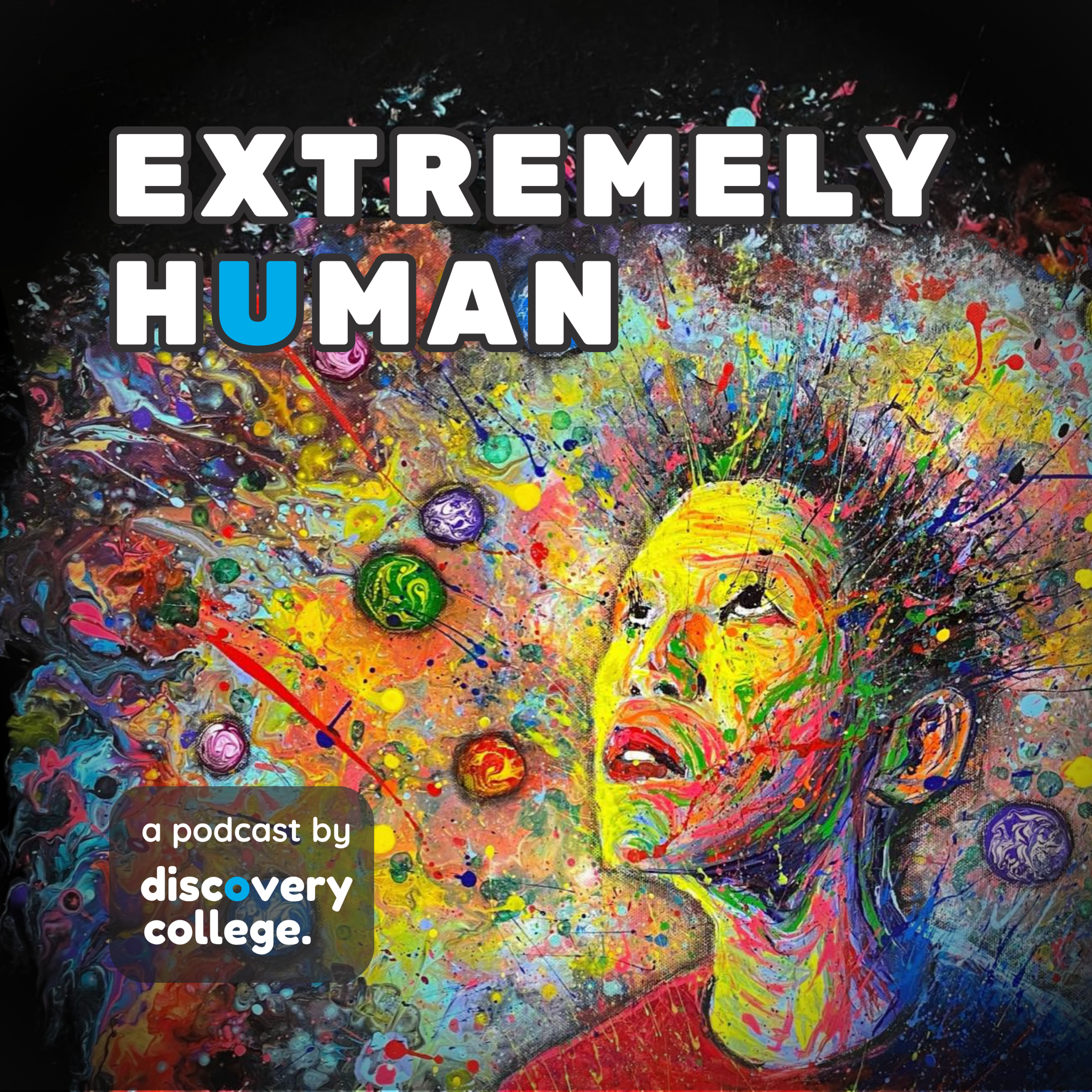
Extremely Human
by discovery college
Sometimes we move through big human experiences that others might not understand, like psychosis, grief, addiction, euphoria, or moments that feel completely unreal.On Extremely Human, we hear from people who’ve been there and share what they’ve learned along the way.Together, we ask: how can we meet the full range of human experience with kindness and compassion?Hosted by Lucy and Rachel
-
18
Power to Our Journeys
What is narrative therapy, and how did it begin? We’re joined by David Denborough, who shares the history of narrative practices, the difference it’s made in people’s lives, and the story of a beautiful group called Power to Our Journeys. Connect with dd (David) Email: [email protected] Power to Our JourneysLearn more about the Power to Our Journeys group https://dulwichcentre.com.au/wp-content/uploads/2021/12/Power-to-Our-Journeys-by-Brigitte-Sue-Mim-and-Veronika-1.pdf Explore the Dulwich CentreThe home of narrative therapy + so many great resources www.dulwichcentre.com.au Free course: What is narrative practice?Curious about narrative therapy? Take a look at this free introduction course: https://dulwichcentre.com.au/courses/what-is-narrative-practice-a-free-course/ “Sneaky Poo” + understanding tricky thoughtsLooking at externalisation https://dulwichcentre.com.au/in-our-own-wayshttps://dulwichcentre.com.au/beating-sneaky-poo-2.pdf Stories from around the worldIncluding the CARE Counsellors of Malawi + the “Bundle of Sticks” https://dulwichcentre.com.au/in-our-own-ways Come and listen with:Lucy (She/Her) – A big fan of ice cream and storytelling Rachel (She/Her) – Social Worker, Dialogical Practitioner, mad footy fan and wildly passionate about transforming the culture of mental health services to be person-led and human rights informed. Incredible artwork @sharleencu_art Shout out to Amplify for welcoming us into their recording studio EPISODE TRANSCRIPT – Power To Our Journeys [00:00:00] Lucy: This podcast has conversations around different mental health experiences that may be distressing for some people. If that doesn’t feel like something you want to explore today, you might want to visit another podcast and come back to us another time. [00:00:13] Rachel: discovery college acknowledges the traditional owners of country throughout Australia and recognises their continuing connection to lands, waters and community. We pay our respects to Aboriginal and Torres Strait Islander cultures and to the elders, past and present. They have never ceded sovereignty. [00:00:31] David: Sometimes when I’m in stressful situations and the voices are playing up, having the sticks next to me is really significant. They make me think of the people of Malawi overcoming enormous obstacles in their battles with HIV aids and they give me courage to keep going. They remind me that when you’re up against something very big, then it’s important to take things just one step at a time. They reconnect me to the importance of every l...
-
17
Healing through connection
We sit down with Shibs, a proud Wulgurukaba, Gunggandji Woman, Lived Experience worker, and passionate advocate for proactive changes for Aboriginal and Torres Strait Islander peoples accessing mental health services. With warmth and honesty, she shares her journey of navigating identity, living with chronic pain, and the healing that comes from reconnecting with culture and traditional practices. Learn more about Ngangkari: https://www.npywc.org.au/what-we-do/ngangkari-traditional-healers/ Come and listen with:Lucy (She/Her) – A big fan of ice cream and storytelling Rachel (She/Her) – Social Worker, Dialogical Practitioner, mad footy fan and wildly passionate about transforming the culture of mental health services to be person-led and human rights informed. Incredible artwork @sharleencu_art Shout out to Amplify for welcoming us into their recording studio EPISODE TRANSCRIPT – Healing through connection [00:00:00] Lucy: This podcast has conversations around different mental health experiences that may be distressing for some people. If that doesn’t feel like something you want to explore today, you might want to visit another podcast and come back to us another time. [00:00:13] Rachel: discovery college acknowledges the traditional owners of country throughout Australia and recognises their continuing connection to lands, waters and community. We pay our respects to Aboriginal and Torres Strait Islander cultures and to the elders, past and present. They have never ceded sovereignty. [00:00:32] Shibs: I saw a Ngangkari, which is an Aboriginal traditional healer. When you talk about healing, that is healing on steroids. These are things that aren’t utilized and knowing how much of an impact it’s had on my life, when you also are drawing on the strength of connection with your culture as well, there’s something really beautiful and magical that happens. And I hope to see a day where there’s a medium ground where we can come into those spaces and have access to both. Traditional healing has a place and it needs to be, you know, respected and really upheld in that space as well. [00:01:11] Lucy: I’m Lucy. [00:01:12] Rachel: And I’m Rachel and we’re the hosts of the Extremely Human podcast. [00:01:16] Lucy: Sometimes we move through big human experiences that others might not understand, like psychosis, grief, addiction, euphoria, or moments that feel completely unreal. [00:01:28] Rachel: On Extremely Human, we hear from people who’ve been there and share what they’ve learned along the way. Together, we ask, how can we meet the full range of human experience with kindness and compassion? [00:01:41] Lucy: In this episode, we sit down with Shibs, a proud Wulgurukaba, Gunggandji Woman, Lived Experience worker, and passionate advocate for proactive changes for Aboriginal and Torres Strait Islander peoples accessing mental health services. With warmth and honesty, she shares her journey of navigating identity, living with chronic pain, and the healing that comes from reconnecting with culture and traditional practices. [00:02:08] Rachel: Welcome, Shibs. Thank you to our Extremely Human podcast. We’re really great to have you here today. [00:02:13] Shibs: Yes, thank you. I feel really grateful...
-
16
Not Broken
In this episode, we speak with critical psychiatrist, Jon Jureidini about what it really means to be “not broken.” We explore why psychiatry often looks for simple solutions to complicated problems, how diagnosis can both help and harm, and what it looks like to support someone through tough times instead of shutting those feelings down. This episode is a reminder that not every hard experience is a medical problem—and it doesn’t mean we’re broken. Follow The Not Broken Project: Website: https://www.adelaide.edu.au/robinson-research-institute/critical-and-ethical-mental-health/not-broken-projectLinkedIn: https://www.linkedin.com/company/the-not-broken-project/posts/?feedView=all Check out Johann Hari’s book, Lost Connections: https://thelostconnections.com/ Come and listen with:Lucy (She/Her) – A big fan of ice cream and storytelling Rachel (She/Her) – Social Worker, Dialogical Practitioner, mad footy fan and wildly passionate about transforming the culture of mental health services to be person-led and human rights informed. Incredible artwork @sharleencu_art Shout out to Amplify for welcoming us into their recording studio EPISODE TRANSCRIPT- Not Broken [00:00:00] Lucy: This podcast has conversations around different mental health experiences that may be distressing for some people. If that doesn’t feel like something you want to explore today, you might want to visit another podcast and come back to us another time. [00:00:13] Rachel: Discovery College acknowledges the traditional owners of country throughout Australia and recognises their continuing connection to lands, waters and community. We pay our respects to Aboriginal and Torres Strait Islander cultures and to the elders, past and present. They have never ceded sovereignty. [00:00:31] Jon: We’ve been talking for years about people being broken hearted. Nobody wanted to give you heart medicine for your broken heart, but they do want to give you brain medicine for your broken brain. The danger is that people think that because we’re saying your feeling of great distress shouldn’t be dealt with medically, that we’re not respecting the distress, we’re not taking it seriously enough. That’s not the case at all. We know how horrible people can feel. They get to the point of wanting to end their lives. It’s not necessarily, or even most often a medical problem. [00:01:11] Lucy: I’m Lucy. [00:01:12] Rachel: And I’m Rachel and we’re the hosts of the Extremely Human podcast. [00:01:16] Lucy: Sometimes we move through big human experiences that others might not understand, like psychosis, grief, addiction, euphoria, or moments that feel completely unreal. [00:01:28] Rachel: On Extremely Human, we hear from people who’ve been there and share what they’ve learned along the way. Together, we ask, how can we meet the full range of human experience with kindness and compassion? In this episode, we speak with critical psychiatrist Jon Jureidini about what it really means to be not broken. We explore why psychiatry often looks for simple solution...
-
15
Tūrangawaewae: A Place to Stand
In this episode, Hayley shares her story of resilience, living through abuse, depression, and misdiagnosis. She reflects on what it means to re-write your story, and how nursing has become her tūrangawaewae — a place where she feels grounded and connected to something bigger than herself. Mentioned in the episode: Check out Jehan Casinader’s book: This Is Not How It Ends Come and listen with:Lucy (She/Her) – A big fan of ice cream and storytelling Rachel (She/Her) – Social Worker, Dialogical Practitioner, mad footy fan and wildly passionate about transforming the culture of mental health services to be person-led and human rights informed. Incredible artwork @sharleencu_art Shout out to Amplify for welcoming us into their recording studio EPISODE TRANSCRIPT- Tūrangawaewae: A Place to Stand [00:00:00] Lucy: This podcast has conversations around different mental health experiences that may be distressing for some people. If that doesn’t feel like something you want to explore today, you might want to visit another podcast and come back to us another time. [00:00:13] Rachel: Discovery College acknowledges the traditional owners of country throughout Australia and recognises their continuing connection to lands, waters and community. We pay our respects to Aboriginal and Torres Strait Islander cultures and to the elders, past and present. They have never ceded sovereignty. [00:00:32] Hayley: When you’re in an extreme state in terms of illness and things like that, it’s kind of like you sort of are struggling with who you are. And to read that like it wasn’t positive at all, it just feels like sort of in a way that you’re being ripped right open and that someone else is making an opinion about you and what your story is and what your life is like. It was quite hard to read the words. [00:01:06] Lucy: I’m Lucy. [00:01:07] Rachel: And I’m Rachel and we’re the hosts of the Extremely Human podcast. [00:01:11] Lucy: Sometimes we move through big human experiences that others might not understand, like psychosis, grief, addiction, euphoria, or moments that feel completely unreal. [00:01:23] Rachel: On Extremely Human, we hear from people who’ve been there and share what they’ve learnt along the way. Together we ask, how can we meet the full range of human experience with kindness and compassion? [00:01:47] Lucy: In this episode, Hayley shares her story of resilience, living through abuse, depression and misdiagnosis. She reflects on what it means to rewrite your story and how nursing has become her Tūrangawaewae, a place where she feels grounded and connected to something bigger than herself. [00:02:05] Rachel: Welcome back to the Extremely Human podcast. I’m so excited to welcome our new guest, Hayley with us today. Hi, Hayley. [00:02:11] Hayley: Hi, Rach. Nice to see you again.. [00:02:14] Rachel: Yeah, you too. Thanks for joining us. [00:02:16] Hayley: You’re welcome. It’s really good to be here. [00:02:18] Rachel: I think, you know, but we’ve got a bit of a standard opening warm up question that we like to ask all of our guests. What’s something ordinary? That felt beautiful recently. [00:02:27] Hayley: My mind’s so busy...
-
14
Conversations with emotions
This conversation with Siswella explores what it was like to lose her memories after intensive ECT and begin again. They reflect on how they found meaning through peer work, the impact of genuine support, and the importance of trusting your intuition. Come and listen with:Lucy (She/Her) – A big fan of ice cream and storytelling Rachel (She/Her) – Social Worker, Dialogical Practitioner, mad footy fan and wildly passionate about transforming the culture of mental health services to be person-led and human rights informed. Incredible artwork @sharleencu_art Shout out to Amplify for welcoming us into their recording studio EPISODE TRANSCRIPT- Conversations with emotions [00:00:00] Lucy: This podcast has conversations around different mental health experiences that may be distressing for some people. If that doesn’t feel like something you want to explore today, you might want to visit another podcast and come back to us another time. [00:00:13] Rachel: Discovery College acknowledges the traditional owners of country throughout Australia and recognises their continuing connection to lands, waters and community. We pay our respects to Aboriginal and Torres Strait Islander cultures and to the elders, past and present. They have never ceded sovereignty. [00:00:31] Siswella: I saw someone and I was like, do I know you? And I said, I’m not trying to pick up on you, but do I know you? And they were like, yes. We’ve actually had this conversation in the last couple of years before you’ve told me that you have amnesia, so I know you have amnesia. Something about that conversation just broke me because I think that was the first time that I realise d that even this stranger that I barely knew knew more about my history than I did. And I had a breakdown in that club. And that’s when I actually truly understood just really how much I had lost. [00:01:11] Lucy: I’m Lucy. [00:01:12] Rachel: And I’m Rachel and we’re the hosts of the Extremely Human podcast. [00:01:16] Lucy: Sometimes we move through big human experiences that others might not understand, like psychosis, grief, addiction, euphoria, or moments that feel completely unreal. [00:01:28] Rachel: On Extremely Human, we hear from people who’ve been there and share what they’ve learnt along the way. Together, we ask, how can we meet the full range of human experience with kindness and compassion? This conversation with Siswella explores what it was like to lose her memories after intensive ECT and begin again. They reflect on how they found meaning through peer work, the impact of genuine support and the importance of trusting your intuition. [00:02:11] Lucy: Thank you for joining us, Siswella. It started off as a little bit of a wobbly start to the day when I walked into the studio and everything was unplugged and we didn’t know if we were going to be able to record and. And you came in and I was like, do you have any tech skills? Because we can’t record. And you actually, you saved the day. [00:02:30] Siswella: Essentially, we figured it out. I definitely liked your escape room analogy because it felt like we figured out clues step by step and we got excited each time and when we figured it out, I did a little dance, so it was actually kind of fun. [00:02:44] Lucy: Yeah, good way to ease into the pod. So, Siswella, can you te...
-
13
A garden to grow in
Katya shares what it’s like to live with an eating disorder, like having two brains: one that loves pasta and ice cream, and one that only wants control. She reflects on how it all began, the role social media played, and why recovery feels like trying to grow a seed in winter—until you find your garden. Come and listen with:Lucy (She/Her) – A big fan of ice cream and storytelling Rachel (She/Her) – Social Worker, Dialogical Practitioner, mad footy fan and wildly passionate about transforming the culture of mental health services to be person-led and human rights informed. Incredible artwork @sharleencu_art Shout out to Amplify for welcoming us into their recording studio EPISODE TRANSCRIPT- A garden to grow in [00:00:00] Lucy: This podcast has conversations around different mental health experiences that may be distressing for some people. If that doesn’t feel like something you want to explore today, you might want to visit another podcast and come back to us another time. [00:00:13] Rachel: discovery college acknowledges the traditional owners of country throughout Australia and recognises their continuing connection to lands, waters and community. We pay our respects to Aboriginal and Torres Strait Islander cultures and to the elders, past and present. They have never ceded sovereignty. [00:00:32] Katya: You kind of just are searching and searching for this rush of approval and you don’t even realize that you’re never going to get it because its ultimate goal is to kill you. You think, oh, I’ll just get to what’s called an ultimate goal weight. That’s like the lowest I really want to go and I’m going to be so happy if I get there. And you don’t even realize that if you do get there, it’s just going to get lower. And that’s like the really scary realization to have. If I don’t stop, I am going to die. [00:01:11] Lucy: I’m Lucy. [00:01:12] Rachel: And I’m Rachel and we’re the hosts of the Extremely Human podcast. [00:01:16] Lucy: Sometimes we move through big human experiences that others might not understand, like psychosis, grief, addiction, euphoria, or moments that feel completely unreal. [00:01:28] Rachel: On Extremely Human, we hear from people who’ve been there and share what they’ve learnt along the way. Together, we ask, how can we meet the full range of human experience? With kindness and compassion. [00:01:54] Lucy: Katya shares what it’s like to live with an eating disorder, like having two brains, one that loves pasta and ice cream, and one that only wants control. She reflects on how it all began, the role social media played, and why recovery feels like trying to grow a seed in winter until you find your garden. [00:02:13] Rachel: I’m so looking forward to this conversation with Katya. I think some of our guests might have heard our last episode with Katya’s mum, Michelle. But this is a bit of a follow up. But it’s also also an exciting moment on its own because Katya’s got a great deal of wisdom to share. So welcome. [00:02:31] Katya: Thank you. Hello. [00:02:32] Rachel: Hello. I wonder, Katya, if you can say something about yourself. [00:02:35] Katya: My name’s Katya. I am 18 years old. Yeah, I’ve been in the Alfred family for a while, so to speak, through my journey with anorexia and afterwards as part of some of my advocacy things that I’ve done. Um, so...
-
12
Supporting our kids
Michelle shares her journey supporting her children, Nick and Katya, through extreme distress, from hospital stays to first responder callouts. She talks about the challenges with emergency services and the healthcare system, the power of being there for someone, instead of trying to fix them, and why she created Kaboose, a community app for neurodivergent people. Check out the Kaboose website and app here Come and listen with:Lucy (She/Her) – A big fan of ice cream and storytelling Rachel (She/Her) – Social Worker, Dialogical Practitioner, mad footy fan and wildly passionate about transforming the culture of mental health services to be person-led and human rights informed. Incredible artwork @sharleencu_art Shout out to Amplify for welcoming us into their recording studio EPISODE TRANSCRIPT- Supporting our kids [00:00:00] Lucy: This podcast has conversations around different mental health experiences that may be distressing for some people. If that doesn’t feel like something you want to explore today, you might want to visit another podcast and come back to us another time. [00:00:13] Rachel: Discovery College acknowledges the traditional owners of country throughout Australia and recognises their continuing connection to lands, waters and community. We pay our respects to Aboriginal and Torres Strait Islander cultures and to the elders, past and present. They have never ceded sovereignty at the time. [00:00:32] Michelle: You’re trying to do anything you can to keep your child safe. You’re calling whoever you can to help and hoping that that’s met with the right intentions. And certainly from a parent’s perspective, I think you’re always doing the best you can and looking for those good intentions. But it’s not always met with the right approach. I think, and especially when you’re that house that have needed help more than once or twice, you sort of start to think, oh, no, am I seen as that parent that needs help again? So I think you do question yourself a bit. [00:01:17] Lucy: I’m Lucy. [00:01:18] Rachel: And I’m Rachel and we’re the hosts of the Extremely Human podcast. [00:01:22] Lucy: Sometimes we move through big human experiences that others might not understand, like psychosis, grief, addiction, euphoria or moments that feel completely unreal. [00:01:34] Rachel: On Extremely Human, we hear from people who’ve been there and share what they’ve learnt along the way. Together, we ask, how can we meet the full range of human experience with kindness and compassion? In this episode, Michelle shares her journey supporting two young people through extreme distress. From hospital stays to first responder call outs. She talks about the challenges with emergency services and the healthcare system, the power of just being there for someone instead of trying to fix them, and why she created Kaboose, a community app for neurodivergent people. [00:02:20] Rachel: I’m actually really excited to be talking to our guest today, Michelle. [00:02:24] Michelle: Hi, Rachel. Nicke to be here. Thank you for having me. [00:02:28] Rachel: Do you feel like you can say. [00:02:30] Michelle: A little bit about yourself to start us off? [00:02:32] Michelle: My name is Michelle and I am. [00:02:34] Michelle...
-
11
Fight of my life
After her first daughter’s birth, Bek experienced intense postnatal panic. Misdiagnosed and overmedicated, she spent three years in and out of psychiatric hospitals. In this episode, she shares how she fought to get her life back and regain her agency. Check out Bek’s book: Dying for a Cure: A Memoir of Antidepressants, Misdiagnosis and Madness Come and listen with:Lucy (She/Her) – A big fan of ice cream and storytelling Rachel (She/Her) – Social Worker, Dialogical Practitioner, mad footy fan and wildly passionate about transforming the culture of mental health services to be person-led and human rights informed. Incredible artwork @sharleencu_art EPISODE TRANSCRIPT- Fight of my life [00:00:00] Lucy: This podcast has conversations around different mental health experiences that may be distressing for some people. If that doesn’t feel like something you want to explore today, you might want to visit another podcast and come back to us another time. [00:00:13] Rachel: Discovery College acknowledges the traditional owners of country throughout Australia and recognises their continuing connection to lands, waters and community. We pay our respects to Aboriginal and Torres Strait Islander cultures and to the elders, past and present. They have never ceded sovereignty. [00:00:32] Bek: So I went from being diagnosed with postnatal depression to being diagnosed with adjustment disorder, and then I was diagnosed with bipolar mood disorder and I ended up on six different psychoactive medications. I was in and out of psychiatric hospitals over and over and over. What didn’t become clear for an extremely long time was that every new behaviour that I was exhibiting and every new disorder I was diagnosed for that behaviour was also what’s known as a psychiatric adverse effect of the very medications I was on. [00:01:21] Lucy: I’m Lucy. [00:01:21] Rachel: And I’m Rachel and we’re the hosts of the Extremely Human podcast. [00:01:26] Lucy: Sometimes we move through big human experiences that others might not understand, like psychosis, grief, addiction, euphoria, or moments that feel completely unreal. [00:01:37] Rachel: On Extremely Human, we hear from people who’ve been there and share what they’ve learned along the way. Together we ask, how can we meet the full range of human experience with kindness and compassion? [00:02:02] Lucy: After her first daughter’s birth, Bek experienced intense postnatal panic. Misdiagnosed and overmedicated, she spent three years in and out of psychiatric hospitals. In this episode, she shares how she fought to get her life back and regain her agency. Today we’re here with Rebekah Beddoe, author of Dying For A Cure: A Memoir of Antidepressants, Misdiagnosis and Madness. Thanks for coming in today, Bek. How you going? [00:02:31] Bek: I’m so happy to be here. [00:02:32] Rachel: We’re really happy to have you. [00:02:34] Lucy: Did you want to tell us a little bit about you as a human? [00:02:37] Bek: Okay. Well, I am a mum of two girls .I’m married, have been for, I think, coming up on 25 years. I love all things nonfiction. I’m a real information maniac, if you like. I can’t get enough of information. And I love true crime. I love. I even love reality shows, even commercial tacky reality shows like, like MAFS and things like that. [00:03:06] Rachel: Secret Confession from me. Me too...
-
10
Lost and found
In this episode, our guest shares their experience of two extreme states: psychosis and depression. They talk about how they managed to overcome intense adversity and the teachings that followed. They speak about how reading 200 books in 2 years helped them find purpose and how they found a way to find a life worth fighting for. Please keep in mind that this guest would like to remain anonymous. ✨ Check out the Star Size Comparison video mentioned in this episode: https://www.youtube.com/watch?v=HEheh1BH34Q Come and listen with: Lucy (She/Her) – A big fan of ice cream and storytelling Rachel (She/Her) – Social Worker, Dialogical Practitioner, mad footy fan and wildly passionate about transforming the culture of mental health services to be person-led and human rights informed. Incredible artwork @sharleencu_art EPISODE TRANSCRIPT- Lost and Found [00:00:01] Lucy: This podcast has conversations around different mental health experiences that may be distressing for some people. If that doesn’t feel like something you want to explore today, you might want to visit another podcast and come back to us another time. [00:00:14] Rachel: discovery college acknowledges the traditional owners of country throughout Australia and recognises their continuing connection to lands, waters and community. We pay our respects to Aboriginal and Torres Strait Islander cultures and to the elders, past and present. They have never ceded sovereignty. [00:00:32] Lucy: In this podcast, we share stories that help us learn from each other, connect us and inspire growth. We want to acknowledge that this way of being, of coming together to share knowledge and stories, is a tradition that has already existed on this land for hundreds of thousands of years as a part of the culture of First Nations people. [00:00:51] Rachel: discovery college acknowledges the views shared in this podcast are about mental health experiences, but are not a substitute for professional mental health advice and support. The views in this podcast are not the views of Alfred Health, but are the views of the individuals we’ve had conversations with. [00:01:07] Lucy: The stories we share on this podcast aren’t just stories, but memories of the people who have bravely shared their experiences with us. Remember to take care of yourself as you listen, as well as to take care of the stories that you hear. [00:01:33] Rachel: Extremely Human is a conversation about the profound experience of extreme states. When we speak about extreme states, we want to explore a more humanistic way to understand people’s experiences that aren’t always shared by others. [00:01:47] Lucy: Each extreme state holds different meaning for each person, including those related to psychosis, depression, grief and addiction. As we chat with a variety of humans, we explore the important question how can we respond to distress with greater compassion and humanity? [00:02:15] Lucy: In this episode, our guest shares their experience of two extreme states, psychosis and depression. They talk about how they managed to overcome intense adversity and the teachings that followed. They speak about how reading 200 books in two years helped them find purpose, and how they found a way to find a life worth fighting for. Thanks for coming in today. For those who don’t know who you are, would you be able to just tell us a little bit about yourself? A few tidbits. [00:02:45] Gues...
-
9
The message of suicide
This is a conversation with Jesse about suicide. Jesse shares his own experiences of suicidality and offers different ways we can have more compassionate conversations about it. We think about suicide as a natural physiological response to distress that contains a message for the individual and those around them. We explore some of the misunderstandings around suicide, the importance of language and allowing people time and space to process and heal. Jesse works at LifeConnect who offer suicide awareness training for the community. To get in touch, head to their website https://www.neaminational.org.au/services/lifeconnect/ or email them at [email protected] Come and listen with:Lucy (She/Her) – A big fan ice cream and storytelling Rachel (She/Her) – Social Worker, Dialogical Practitioner, mad footy fan and wildly passionate about transforming the culture of mental health services to be person-led and human rights informed. Incredible artwork @sharleencu_art EPISODE TRANSCRIPT – The message of suicide [00:00:01] Lucy: This podcast has conversations around different mental health experiences that may be distressing for some people. If that doesn’t feel like something you want to explore today, you might want to visit another podcast and come back to us another time. [00:00:14] Rachel: discovery college acknowledges the traditional owners of country throughout Australia and recognises their continuing connection to lands, waters and community. We pay our respects to Aboriginal and Torres Strait Islander cultures and to the elders, past and present. They have never ceded sovereignty. [00:00:32] Lucy: In this podcast, we share stories that help us learn from each other, connect us and inspire growth. We want to acknowledge that this way of being, of coming together to share knowledge and stories, is a tradition that has already existed on this land for hundreds of thousands of years as a part of the culture of First Nations people. [00:00:51] Rachel: discovery college acknowledges the views shared in this podcast are about mental health experiences, but are not a substitute for professional mental health advice and support. The views in this podcast are not the views of Alfred Health, but are the views of the individuals we’ve had conversations with. [00:01:07] Lucy: The stories we share on this podcast aren’t just stories, but memories of the people who have bravely shared their experiences with us. Remember to take care of yourself as you listen, as well as to take care of the stories that you hear. [00:01:33] Rachel: Extremely Human is a conversation about the profound experience of extreme states. When we speak about extreme states, we want to explore a more humanistic way to understand people’s experiences that aren’t always shared by others. [00:01:47] Lucy: Each extreme state holds different meaning for each person, including those related to psychosis, depression, grief and addiction. As we chat with a variety of humans, we explore the important question how can we respond to distress with greater compassion and humanity? [00:02:17] Rachel: This is a conversation with Jesse about suicide. Jesse shares his own experiences of suicidality and offers different ways we can have more compassionate conversations about it. We think about suicide as a natural physiological response to distress that can contain a message for an i...
-
8
A difficult gift
We sat down to chat with Mary O’Hagan, who’s currently the Executive Director of Lived Experience in the Department of Health in Victoria. Mary shares snippets from her memoir “Madness Made Me” and speaks about how value and meaning can be derived from experiences of madness. We ponder what it could look like if communities looked after each other and created space for people in distress. Check out Mary’s Book here: https://www.madnessmademe.com/ Come and listen with:Lucy (She/Her) – A big fan of cream and storytelling Rachel (She/Her) – Social Worker, Dialogical Practitioner, mad footy fan and wildly passionate about transforming the culture of mental health services to be person-led and human rights informed. Incredible artwork @sharleencu_art EPISODE TRANSCRIPT – A difficult gift [00:00:01] Lucy: This podcast has conversations around different mental health experiences that may be distressing for some people. If that doesn’t feel like something you want to explore today, you might want to visit another podcast and come back to us another time. [00:00:14] Rachel: discovery college acknowledges the traditional owners of country throughout Australia and recognises their continuing connection to lands, waters and community. We pay our respects to Aboriginal and Torres Strait Islander cultures and to the elders, past and present. They have never ceded sovereignty. [00:00:32] Lucy: In this podcast, we share stories that help us learn from each other, connect us and inspire growth. We want to acknowledge that this way of being, of coming together to share knowledge and stories, is a tradition that has already existed on this land for hundreds of thousands of years as a part of the culture of First Nations people. [00:00:51] Rachel: discovery college acknowledges the views shared in this podcast are about mental health experiences, but are not a substitute for professional mental health advice and support. The views in this podcast are not the views of Alfred Health, but are the views of the individuals we’ve had conversations with. [00:01:07] Lucy: The stories we share on this podcast aren’t just stories, but memories of the people who have bravely shared their experiences with us. Remember to take care of yourself as you listen, as well as to take care of the stories that you hear. [00:01:33] Rachel: Extremely Human is a conversation about the profound experience of extreme states. When we speak about extreme states, we want to explore a more humanistic way to understand people’s experiences that aren’t always shared by others. [00:01:47] Lucy: Each extreme state holds different meaning for each person, including those related to psychosis, depression, grief and addiction. As we chat with a variety of humans, we explore the important question how can we respond to distress with greater compassion and humanity? We sat down to chat with Mary O’Hagan, who’s currently the Executive Director of Lived Experience in the Department of Health in Victoria. Mary shares snippets from her memoir, “Madness Made Me”, and speaks about how value and meaning can be derived from experiences of madness. We ponder what it could look like if communities looked after each other and created space for people in distress. Alright, Mary, thank you for coming in, joining us, I was wondering if you could share it just a little bit about yourself, what you’re passionate about, anything that you feel like you want the listeners to hear. [00:03:00] Mary: Yeah, so I guess the...
-
7
A search for meaning
Elsa talks us through her new role as the spiritual care lead and some of her hopes for the role. Elsa breaks down and simplifies what the word ‘spirituality’ means, what it can look like in a modern world and why it can be important in the context of mental health and healing. The definition of spirituality mentioned references the work of Canda, Edward (2008) Spiritual connections in social work: boundary Violations and transcendence. Journal of Religion and spirituality in social work 27. 25-40. This episode also mentions “My Beautiful Psychosis: Making Sense of Madness” by Emma Goude. Check it out here: https://emmagoude.com/books-2/#.ZdvvPnZByUk Come and listen with: Lucy (She/Her) – A big fan of pickleball, ice cream and storytelling Rachel (She/Her) – Social Worker, Dialogical Practitioner, mad footy fan and wildly passionate about transforming the culture of mental health services to be person-led and human rights informed. Incredible artwork @sharleencu_art EPISODE TRANSCRIPT – A search for meaning [00:00:01] Lucy: This podcast has conversations around different mental health experiences that may be distressing for some people. If that doesn’t feel like something you want to explore today, you might want to visit another podcast and come back to us another time. [00:00:14] Rachel: discovery college acknowledges the traditional owners of country throughout Australia and recognises their continuing connection to lands, waters and community. We pay our respects to Aboriginal and Torres Strait Islander cultures and to the elders, past and present. They have never ceded sovereignty. [00:00:32] Lucy: In this podcast, we share stories that help us learn from each other, connect us and inspire growth. We want to acknowledge that this way of being, of coming together to share knowledge and stories, is a tradition that has already existed on this land for hundreds of thousands of years as a part of the culture of First Nations people. [00:00:51] Rachel: discovery college acknowledges the views shared in this podcast are about mental health experiences, but are not a substitute for professional mental health advice and support. The views in this podcast are not the views of Alfred Health, but are the views of the individuals we’ve had conversations with. [00:01:07] Lucy: The stories we share on this podcast aren’t just stories, but memories of the people who have bravely shared their experiences with us. Remember to take care of yourself as you listen, as well as to take care of the stories that you hear. [00:01:33] Rachel: Extremely Human is a conversation about the profound experience of extreme states. When we speak about extreme states, we want to explore a more humanistic way to understand people’s experiences that aren’t always shared by others. [00:01:47] Lucy: Each extreme state holds different meaning for each person, including those related to psychosis, depression, grief and addiction. As we chat with a variety of humans, we explore the important question how can we respond to distress with greater compassion and humanity? [00:02:05] Rachel: In this episode, we talk with Elsa. Elsa talks us through her new role as the spiritual care lead and some of her hopes for the role. Elsa breaks down and simplifies what the word spirituality means, what it can look like in a modern world, and why it can be important in the context of mental health and healing. [00:02:35] Lucy: Thanks for joining us today, Elsa. Are you able to t...
-
6
Is this really radical?
In this honest chat with Paul, he helps to bust some myths about common misconceptions in the medical world. Paul speaks about the value of humanizing people’s experience rather than medicalising it and how including people’s loved ones in their care can make a real difference. Come and listen with: Lucy (She/Her) – A big fan of ice cream and storytelling Rachel (She/Her) – Social Worker, Dialogical Practitioner, mad footy fan and wildly passionate about transforming the culture of mental health services to be person-led and human rights informed. Incredible artwork @sharleencu_art EPISODE TRANSCRIPT – Is this really radical? [00:00:01] Lucy: This podcast has conversations around different mental health experiences that may be distressing for some people. If that doesn’t feel like something you want to explore today, you might want to visit another podcast and come back to us another time. [00:00:14] Rachel: discovery college acknowledges the traditional owners of country throughout Australia and recognises their continuing connection to lands, waters and community. We pay our respects to Aboriginal and Torres Strait Islander cultures and to the elders, past and present. They have never ceded sovereignty. [00:00:32] Lucy: In this podcast, we share stories that help us learn from each other, connect us and inspire growth. We want to acknowledge that this way of being, of coming together to share knowledge and stories, is a tradition that has already existed on this land for hundreds of thousands of years as a part of the culture of First Nations people. [00:00:51] Rachel: discovery college acknowledges the views shared in this podcast are about mental health experiences, but are not a substitute for professional mental health advice and support. The views in this podcast are not the views of Alfred Health, but are the views of the individuals we’ve had conversations with. [00:01:07] Lucy: The stories we share on this podcast aren’t just stories, but memories of the people who have bravely shared their experiences with us. Remember to take care of yourself as you listen, as well as to take care of the stories that you hear. [00:01:33] Rachel: Extremely Human is a conversation about the profound experience of extreme states. When we speak about extreme states, we want to explore a more humanistic way to understand people’s experiences that aren’t always shared by others. [00:01:47] Lucy: Each extreme state holds different meaning for each person, including those related to psychosis, depression, grief and addiction. As we chat with a variety of humans, we explore the important question how can we respond to distress with greater compassion and humanity? In this honest chat with Paul, he helps to bust some myths about common misconceptions in the medical world. Paul speaks about the value of humanizing people’s experiences rather than medicalizing it, and how including people’s loved ones in their care can make a real difference. [00:02:33] Lucy: Here we are again, Paul. Thank you for joining us in our humble little studio. [00:02:38] Rachel: Pretty excited to have you here, Paul, and to talk with us about. [00:02:42] Paul: Don’t give me too much pressure. [00:02:43] Rachel: Yeah, no pressure. [00:02:46] Lucy: For those who don’t know you, Paul, can you just tell us a little bit about yourself? [00:02:50] Paul: Sure. Well, I’m a child psychiatrist and I actually came up to 20 years working at the Alfred a few months ago, so I’ve been in my job as like clinical direc...
-
5
Is this really radical?
Paul helps to bust some myths about common misconceptions in the medical world. Paul speaks about the value of humanizing people’s experience rather than medicalising it and how including people’s loved ones in their care can make a real difference.
-
4
You can sit with us
In this conversation we chat with Chris about how the experience of bipolar can feel but also how we can learn and grow from it. Chris talks about the importance of inclusion and connection, having a ‘vibe tribe’ and dropping judgement when caring for people who are having a rough time. This episode mentions “The Road Less Travelled” By M. Scott Peck Come and listen with:Lucy (She/Her) – A big fan of pickleball, ice cream and storytelling Rachel (She/Her) – Social Worker, Dialogical Practitioner, mad footy fan and wildly passionate about transforming the culture of mental health services to be person-led and human rights informed. Incredible artwork @sharleencu_art EPISODE TRANSCRIPT –You can sit with us [00:00:01] Lucy: This podcast has conversations around different mental health experiences that may be distressing for some people. If that doesn’t feel like something you want to explore today, you might want to visit another podcast and come back to us another time. [00:00:14] Rachel: discovery college acknowledges the traditional owners of country throughout Australia and recognises their continuing connection to lands, waters and community. We pay our respects to Aboriginal and Torres Strait Islander cultures and to the elders, past and present. They have never ceded sovereignty. [00:00:32] Lucy: In this podcast, we share stories that help us learn from each other, connect us and inspire growth. We want to acknowledge that this way of being, of coming together to share knowledge and stories, is a tradition that has already existed on this land for hundreds of thousands of years as a part of the culture of First Nations people. [00:00:51] Rachel: discovery college acknowledges the views shared in this podcast are about mental health experiences, but are not a substitute for professional mental health advice and support. The views in this podcast are not the views of Alfred Health, but are the views of the individuals we’ve had conversations with. [00:01:07] Lucy: The stories we share on this podcast aren’t just stories, but memories of the people who have bravely shared their experiences with us. Remember to take care of yourself as you listen, as well as to take care of the stories that you hear. [00:01:33] Rachel: Extremely Human is a conversation about the profound experience of extreme states. When we speak about extreme states, we want to explore a more humanistic way to understand people’s experiences that aren’t always shared by others. [00:01:47] Lucy: Each extreme state holds different meaning for each person, including those related to psychosis, depression, grief and addiction. As we chat with a variety of humans, we explore the important question how can we respond to distress with greater compassion and humanity? [00:02:05] Rachel: Welcome back to the extremely human podcast titled you can sit with us. In this conversation, we chat with Chris about how the experiences of bipolar can feel, but also how we can learn and grow from them. Chris talks about the importance of inclusion and connection, having a vibe tribe and dropping judgment when caring for people who are having a rough time. Chris, welcome. We have been asking everybody the same question...
-
3
Stability in the storm
In this episode, we chat with our guest who describes how it feels to experience psychosis. We talk about what they found helpful and not so helpful while being in that state and what life after psychosis has looked like in their life. We touch on the different ways phenomena like psychosis can transform people and how we can better care for people going through psychosis. Come and listen with:Lucy (She/Her) – A big fan of pickleball, ice cream and storytelling Rachel (She/Her) – Social Worker, Dialogical Practitioner, mad footy fan and wildly passionate about transforming the culture of mental health services to be person-led and human rights informed. Incredible artwork @sharleencu_art EPISODE TRANSCRIPT – Stability in the storm [00:00:01] LUCY This podcast has conversations around different mental health experiences that may be distressing for some people. If that doesn’t feel like something you want to explore today, you might want to visit another podcast and come back to us another time. [00:00:14] RACHEL discovery college acknowledges the traditional owners of country throughout Australia and recognises their continuing connection to lands, waters and community. We pay our respects to Aboriginal and Torres Strait Islander cultures and to the elders, past and present. They have never ceded sovereignty. [00:00:32] LUCY In this podcast, we share stories that help us learn from each other, connect us and inspire growth. We want to acknowledge that this way of being, of coming together to share knowledge and stories, is a tradition that has already existed on this land for hundreds of thousands of years as a part of the culture of First Nations people. [00:00:51] RACHEL discovery college acknowledges the views shared in this podcast are about mental health experiences, but are not a substitute for professional mental health advice and support. The views in this podcast are not the views of Alfred Health, but are the views of the individuals we’ve had conversations with. [00:01:07] LUCY The stories we share on this podcast aren’t just stories, but memories of the people who have bravely shared their experiences with us. Remember to take care of yourself as you listen, as well as to take care of the stories that you hear. [00:01:33] RACHEL Extremely Human is a conversation about the profound experience of extreme states. When we speak about extreme states, we want to explore a more humanistic way to understand people’s experiences that aren’t always shared by others. [00:01:47] LUCY Each extreme state holds different meaning for each person, including those related to psychosis, depression, grief and addiction. As we chat with a variety of humans, we explore the important question, how can we respond to distress with greater compassion and humanity? Welcome back to the extremely human podcast. In this episode, we chat with our guest, who describes how it feels to experience psychosis. We talk about what they found helpful and not so helpful while being in that state, and what life after psychosis has looked like in their life. We touch on the different ways phenomena like psychosis can transform people and how we can...
-
2
Extremely Human: Trailer
How can we respond to distress with greater compassion and humanity? Sometimes as humans, we have experiences that aren’t shared or understood by others. Often these experiences can feel extreme, scary, unreal or even euphoric. Experiences like psychosis, depression, grief and addiction. Here is a little taster of highlights from some of the conversations Lucy and Rachel have had so far with incredible humans who vulnerably share their different perspectives on these ideas. Come and listen with: Lucy (She/Her) – A big fan of pickleball, ice cream and storytelling Rachel (She/Her) – Social Worker, Dialogical Practitioner and wildly passionate about transforming the culture of mental health services to be person-led and human rights informed. Incredible artwork @sharleencu_art EPISODE TRANSCRIPT – Extremely Human Trailer LUCY This podcast has conversations around different mental health experiences that may be distressing for some people. If that doesn’t feel like something you want to explore today, you might wanna visit another podcast and come back to us another time. RACHEL discovery college acknowledges the traditional owners of country throughout Australia and recognises the continuing connection to lands, waters, and community. We pay our respects to Aboriginal and Torres Strait Islander cultures, and to the elders past and present. They have never ceded sovereignty. LUCY In this podcast, we share stories that help us learn from each other, connect us, and inspire growth. We want to acknowledge that this way of being, of coming together to share knowledge and stories is a tradition that has already existed on this land for hundreds of thousands of years as a part of the culture of First Nations people. RACHEL discovery college acknowledges the views shared in these podcasts are about mental health experiences, but are not a substitute for professional mental health advice and support. The views in this podcast are not the views of Alfred Health, but are the views of the individuals we’ve had conversations with. LUCY The stories we share on this podcast aren’t just stories, but memories of the people who have bravely shared their experiences with us. Remember to take care of yourself as you listen, as well as to take care of the stories that you hear. MUSIC RACHEL This podcast series called Extremely Human Looks at the profound experience of extreme states from both personal and outsider perspectives. When we speak about extreme states, we are exploring a more humanistic way to describe and understand people’s experiences that aren’t always shared by others. LUCY Through sharing stories, we strive to understand and describe the unique journeys that may feel unusual, confusing, distressing, or even wonderful for individuals. Each extreme state holds different meaning for each person, including those related to psychosis, depression, grief, and addiction. As we have conversations with a variety of people, we explore an important question, how can we respond to distress with greater compassion and humanity? MUSIC RACHEL The Extremely Human Podcast came about because we started to realize there were many untold stories about extreme states that needed to be heard about what had been helpful to people and what hadn’t. LUCY We discovered a theme about the importance of compassion and here are some of the snippets of what we heard. JAMIE The more I was able to spen...
-
1
We’re only human
How do you be a human first and a professional when it’s required? In this episode, we speak with Jamie, a social worker in the mental health world. Jamie shares his unique perspective on what it’s like to experience his own mental health challenges and how that’s shaped the way he now works as a clinician and a person. Jamie talks about burnout, knowing when to take a pause and drawing on our humanity when facing distress. Come and listen with:Lucy (She/Her) – A big fan of pickleball, ice cream and storytelling Rachel (She/Her) – Social Worker, Dialogical Practitioner, mad footy fan and wildly passionate about transforming the culture of mental health services to be person-led and human rights informed. Incredible artwork @sharleencu_art EPISODE TRANSCRIPT – We’re only human LUCY This podcast has conversations around different mental health experiences that may be distressing for some people. If that doesn’t feel like something you want to explore today, you might wanna visit another podcast and come back to us another time. RACHEL discovery college acknowledges the traditional owners of country throughout Australia and recognises the continuing connection to lands, waters, and community. We pay our respects to Aboriginal and Torres Strait Islander cultures, and to the elders past and present. They have never ceded sovereignty. LUCY In this podcast, we share stories that help us learn from each other, connect us, and inspire growth. We want to acknowledge that this way of being, of coming together to share knowledge and stories is a tradition that has already existed on this land for hundreds of thousands of years as a part of the culture of First Nations people. RACHEL discovery college acknowledges the views shared in these podcasts are about mental health experiences, but are not a substitute for professional mental health advice and support. The views in this podcast are not the views of Alfred Health, but are the views of the individuals we’ve had conversations with. LUCY The stories we share on this podcast aren’t just stories, but memories of the people who have bravely shared their experiences with us. Remember to take care of yourself as you listen, as well as to take care of the stories that you hear. MUSIC RACHEL Extremely human is a conversation about the profound experience of extreme states. When we speak about extreme states, we wanna explore a more humanistic way to understand people’s experiences that aren’t always shared by others. LUCY Each extreme state holds different meaning for each person, including those related to psychosis, depression, grief, and addiction. As we chat with a variety of humans, we explore the important question, how can we respond to distress with greater compassion and humanity? Welcome to the first episode of the Extremely Human Podcast. My name’s Lucy. RACHEL and I’m Rachel. In this episode, we speak with Jamie, who’s a social worker in the mental health world. Jamie shares his unique perspective on what it’s like to experience his own mental health challenges and how that’s shaped the way he now works as a clinician and a person. Jamie talks about burnout, knowing when to take a pause, drawing on our own humanity when facing distress. Just a little shout out the guitar music that you hear throughout this episode is also by Jamie. Really hope you enjoy the episode. MUSIC RACHEL Welcome, Jamie. Uh, thanks so much for joining us today.
-
0
Introducing: Extremely Human
In this first episode, we chat about what Extremely Human is all about. Sometimes we move through big human experiences that others might not understand, like psychosis, grief, addiction, euphoria, or moments that feel completely unreal. On Extremely Human, we hear from people who’ve been there and share what they’ve learned along the way. Together, we ask: how can we meet the full range of human experience with kindness and compassion? Come and listen with:Lucy (She/Her) – A big fan of pickleball, ice cream and storytelling Rachel (She/Her) – Social Worker, Dialogical Practitioner, mad footy fan and wildly passionate about transforming the culture of mental health services to be person-led and human rights informed. Incredible artwork @sharleencu_art EPISODE TRANSCRIPT – Introducing Extremely Human RACHEL discovery college acknowledges the traditional owners of country throughout Australia and recognises their continuing connection to lands, waters, and community. We pay our respects to Aboriginal and Torres Strait Islander cultures and to the elders past and present. They have never seeded sovereignty. LUCY In this podcast, we share stories that help us learn from each other, connect us, and inspire growth. We want to acknowledge that this way of being, of coming together to share knowledge and stories is a tradition that has already existed on this land for hundreds of thousands of years as a part of the culture of First Nations people. RACHEL discovery college acknowledges. The views shared in this podcast are about mental health experiences, but are not a substitute for professional mental health advice and support. The views in this podcast are not the views of Alfred Health, but are the views of the individuals we’ve had conversations with. MUSIC LUCY I am Lucy and I’m a co-host on the Extremely Human podcast. I work at discovery college and I’ve definitely tipped my toes in some extreme states myself. I feel like it’s fitting that I’m on a podcast called Extremely Human ’cause. My best friend actually used to call me the Extreme Artist and used to make comic strips of me doing extreme activities like chasing after Rubbish that had blown away in a storm. A little bit about me is that I love story sharing, ice cream and my inner Nana loves sleeping. RACHEL And I’m Rachel, also a co-host on the Extremely Human Podcast. I’m a mental health social worker at Alfred Health. I chose social work as a profession because of my values of social justice and human rights. I believe in the importance of social connection and relationships. I’m also an open dialogue practitioner. This helps me to bring my values, beliefs, and all of myself to my work in mental health. I’m a mad footy fan and some of my best friends have fur and four legs. LUCY For those wondering what discovery college is. discovery college is a learning space that creates and runs courses with and for the community on mental health and wellbeing from these spaces. The seed for a podcast grew. So Rach and I ended up deciding to make a podcast, which is the extremely human podcast. And it’s basically just a conversation talking to different people about their experiences of being in an extreme state. And I think when we first came up with the idea, you sort of spoke about the extreme states and it wasn’t a term I’d ever heard before. Can you please sort of explain what an extreme state is? RACHEL Yeah, I’ll do my be...
No matches for "" in this podcast's transcripts.
No topics indexed yet for this podcast.
Loading reviews...
ABOUT THIS SHOW
Sometimes we move through big human experiences that others might not understand, like psychosis, grief, addiction, euphoria, or moments that feel completely unreal.On Extremely Human, we hear from people who’ve been there and share what they’ve learned along the way.Together, we ask: how can we meet the full range of human experience with kindness and compassion?Hosted by Lucy and Rachel
HOSTED BY
discovery college
Loading similar podcasts...
URL copied to clipboard!