
PODCAST · health
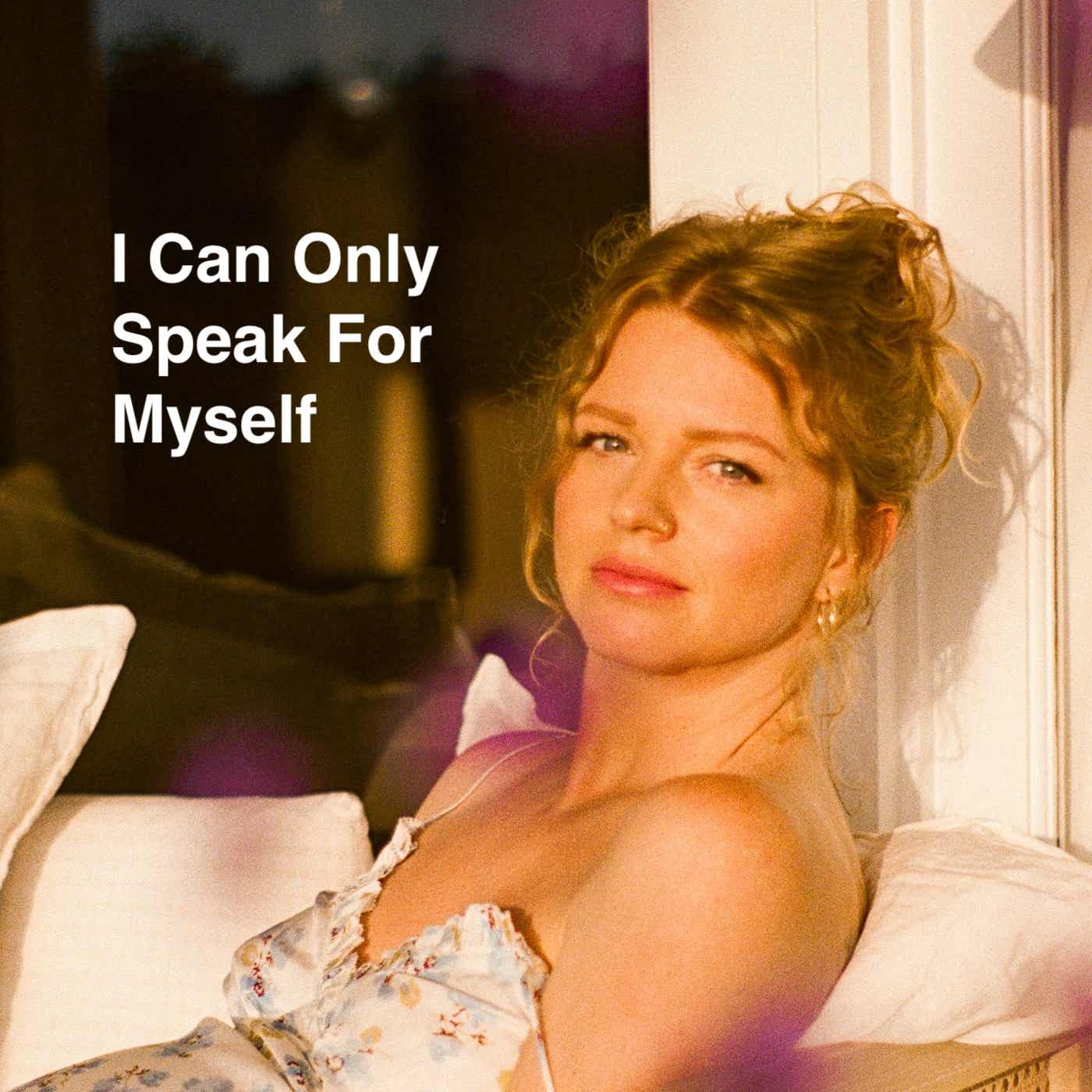
I Can Only Speak For Myself
by with Kacie Carter
Kacie Carter is a holistic nutritionist & devoted gatherer of resources and insight around physical, mental, and spiritual health. we'll explore my experiences alongside trusted resources, recipes, & tools. kaciecarterchamberlayne.substack.com
-
7
Before My Next Baby: Everything I'd Do Differently in Pregnancy & Postpartum
About a month ago, I asked you all on Instagram what you wanted to hear next on the pod and far and away the winner was: things I’d do differently in pregnancy and postpartum… and boy do I HAVE SOME THOUGHTS. Before we get into it, a small disclaimer about the title. Things I’d do differently is a little misleading because it doesn’t account for the sheer magnitude of what becoming a mother entails. It’s so indescribable, so earth shattering, so unlike anything else I’ve ever done, that it’s almost laughable to be like… ok, here’s the list, here’s what I’d change. As the iconic midwife (and one of the wisest women I’ve met) Pam England said to me during our Birth Story Listening session: you went through a massive initiation - and the thing about an initiation is you can only get the wisdom by going through the experience. So in the spirit of no longer being a person who regularly criticizes and beats myself up for being a human - this isn’t a regret list... or a, here’s what I did wrong. It’s more of a reflection - an honest accounting of what I’ve gleaned by the actual living through it, and a few things I’d hold lightly the next time around.And there will be a next time…. and soon! Brian and I are planning to start trying to conceive again at the end of this summer, so that’s the lens I made this episode through. I’m in this rare window where it’s all close enough to feel and far enough to see, and I’m gathering up all of my insights and preparations before I walk through that doorway again. Some of what I share is hyper-specific and practical (the lab work, the supplements, the things I genuinely wish I had done that could have eased my experience in some way). Some is more philosophical (the illusion of control I gripped so tightly, the information traps I fell into, the surrendering I had to do). All of it is, as always, only my experience - and I can only speak for myself, duh :) If I could wave a magic wand and give one gift to my pregnant self, or to a first-time mom, it would be grace. The most amount of grace that a heart could possibly give to another. Because we always think of the newborn as the precious, brand new being who needs all the protection - but in many ways, I believe a first-time mom is equally that, too. She is so worthy of gentleness, support, and the unjudged space to be a beginner at the most life-altering thing she will ever do.So please, as always, take what resonates and leave the rest.In this episode, we get into:* Preconception: the baseline lab work I wish I’d run, the supplements I’d start months ahead, and why all of this is “do what you can and hold it lightly”* The miscarriage that humbled me, and the hypervigilance that came after* The information addiction of our modern times- falling down the algorithmic rabbit hole and how it cost me my own intuition* What I missed in pregnancy - undiagnosed gestational diabetes and severe iron deficiency (cool, fun, etc) and how I’d go about preventing that next time* The mental health challenges I didn’t get help for, and really wish I had* The home birth that failed and traumatized me, the C-section I never expected to have, and what I’d actually think about going into a first birth if I could do it all over* The hospital experience - what to advocate for (and what to politely decline)* Postpartum support, or how Brian and I tried to do way too much alone* Why The First 40 Days template didn’t quite work for me - and what I’d eat and do instead* The truth about exclusive breastfeeding that nobody really tells you* The digital monitoring & surveillance trap, and what it did to my OCD* Letting go of who I thought I was supposed to be as a mother - and meeting the actual child, the actual partner, the actual self I had becomeIf I haven’t said it enough times in the episode itself, I’ll say it once more here - none of this is a mistake, all of it was the path. The whole point of an initiation is that it changes you, and to say I’m changed is an understatement.Resources are at the bottom, organized by season - preconception through postpartum. As always, I’m not your doctor, this is just what I would do (and am doing). Please work with a practitioner you trust to figure out what’s right for your body.If it’s something you’re interested in, I’m thinking maybe I’ll do a follow-up to this one… “Things I’m grateful I did do…” because there were so many things I got right too, and they deserve their own episode.As always, thank you so much for listening. Hope it helps you on your path, whatever it looks like. xo, KacieRESOURCESAt the bottom of every episode I share the resources I trust most for the topic at hand. This list is by no means exhaustive - there’s a whole world of pregnancy and postpartum support out there - but these are the ones I personally use, have used, or wish I had only used. I’ll add to this over time, so save the link.Books I’d Actually RecommendI read way too many books in my pregnancy and ended up more anxious, not less. If I could go back, I’d just study these three.Birthing From Within by Pam England: This book - and Pam herself - changed my life. It’s not really a birth book in the traditional sense. It’s a deeply spiritual, deeply human exploration of what it means to give birth and become a mother, drawing on rites of passage and indigenous wisdom. If you read one book during pregnancy, make it this one.Transformed by Birth by Britta Bushnell: Britta speaks to the truth that birth is not something you can plan or control, and that the most important preparation is preparing yourself to meet whatever shows up. I would love to have her on the podcast someday. Pair this with Pam and Erica’s books and you genuinely don’t need anything else.Nurture by Erica Chidi: My dear friend Erica’s book is a beautiful, practical guide to pregnancy, birth, and the early postpartum days. Warm, knowledgeable, accessible, and not extreme. The third book on the shelf.Honorable Mention for Fertility - It Starts With the Egg by Rebecca Fett: If you’re in a preconception window and have the luxury of time, this is the book on improving egg (and sperm!) quality. Especially helpful if you’re trying after 35, working through unexplained infertility, or recovering from a miscarriage.Preconception Lab Work & TestingFunction Health: My number one recommendation for any woman thinking about getting pregnant. Function tests over 160 biomarkers - vitamin D, full thyroid panel including antibodies, iron and ferritin, ANA for autoimmunity, the works. Way more comprehensive than what most doctors will run at your annual physical, and the dashboard makes it actually useful. Use code KACIE when you sign up and you’ll get $25 off— it’s $365 for the year, which is nothing compared to running this kind of work with a functional medicine doctor. I’ll be a member for life. Whether you spring for a Function membership or not, I recommend asking your doctor for baseline testing for the following: * HbA1C (3 month average of your blood sugar, ideally your number is under 5.3)* Fasting insulin (ideally between 2-5)* Fasting glucose (ideally below 90, 80-85 optimal)* Vitamin D (between 60-90)* Full Iron Panel including Ferritin (Ferritin are your iron stores, and you want them above 70!)* Full Thyroid Panel including Antibodies (you’ll want to get medicated if you have hashimotos)Hormone Panel (FSH, AMH, Estrogen, Progesterone): Worth getting hormone work done with a doctor who knows how to interpret it, especially if you’re over 35, have a history of irregular cycles, or have miscarried. Progesterone is particularly important - we need a big surge of it to establish and maintain implantation in the first trimester. A lot of women with recurrent miscarriages benefit from progesterone supplementation in the first trimester/during implantation. This is best tracked by the Inito (below) or a DUTCH test.Inito Monitor: An at-home urine based fertility monitor that tracks your hormones across your cycle, gives you an accurate conception window, confirms ovulation, and shows whether your progesterone is climbing high enough in your luteal phase. Way more accurate for hormone trends than a one-time blood draw, since hormone levels shift dramatically depending on where you are in your cycle.DUTCH Plus Test: The gold standard urine and saliva hormone test in functional medicine. If you want the deepest possible look at your sex hormones, cortisol patterns, and how you’re metabolizing estrogen, this is it. Order through a functional medicine practitioner.Preconception & Pregnancy SupplementsA note before this list: please do not freak out and feel you need to take all of these. People conceive children all over the world in all kinds of circumstances and you do not need to be a perfect specimen to grow a baby. These are the levers you can pull if you have the time, resources, and inclination. Hold it all lightly.High-Quality Prenatal: My favorites are Needed, Seeking Health and Fullwell. Most prenatals are missing or underdosed on key nutrients. Ideally start three months before you start trying - it takes about 90 days for an egg to fully mature, and during that window you can meaningfully impact egg quality. I personally am using Seeking Health MF this time around.Fish Oil / Omegas: DHA in particular is critical for fetal brain development. I love Rosita Real Foods Cod Liver Oil, Fullwell Omega. Most prenatals don’t include enough, so you’ll want to take this separately.CoQ10 : One of the most well-studied supplements for improving both egg and sperm quality. Therapeutic dose for fertility is 400mg daily. Talk to your doctor, but if you have a partner trying with you, get him on this too, great for sperm health.N-Acetylcysteine (NAC): Great for supporting hormone metabolism, antioxidant capacity, egg quality, and fertility. I take it most days.NAD Precursors: Mitochondrial health is foundational to egg quality, especially as we age. Anything that supports NAD production is going to help. TruNiagen is a great one.Choline - Most prenatals don’t have enough choline and our needs increase significantly in pregnancy - here’s a great article by the one and only Lily Nichols RD about just how important it is to consume enough. Women should be consuming 930mg of choline DAILY in pregnancy for optimal brain and neural development. Make sure you check your prenatal - some don’t contain any at all, so you may need 2 pills instead of one (especially if you’re allergic to eggs, like me!) Adapt Naturals Bio-Avail Organ Complex: Hands down the best way I know to build iron stores before pregnancy. I cannot stress how important it is to go into pregnancy with strong iron stores - see the postpartum section below for what happens if you don’t :/ Use code KACIE for a discount!Iron Supplement - Important thing to note is that most of the really high quality prenatals DO NOT contain iron (Needed, Fullwell, Seeking Health ) — their iron supplements are sold separately so that you can customize, but make sure you don’t skip this. All the more reason you DO need to track your hemoglobin, iron AND ferritin levels throughout pregnancy and increase your dosage as you go — I repeat, don’t skip this. Needed has this really convenient iron dosing guide. I also love grass fed organ meat supplements, but they are high in copper, so you should test once or twice just to make sure your copper isn’t getting too high (or outweighing your zinc levels- zinc should be slightly higher). Eat lots of red meat and get that iron up!Pregnancy: What I Wish I Had DoneJust Take the Stupid Glucose Test: Yes, it’s gross. Yes, it’s full of unnatural stuff and an amount of sugar no human would consume in one sitting. I refused it. I thought I was too good at balancing my blood sugar to ever get gestational diabetes and I got caught up in all the politics of it. I was wrong. If I could go back, I would take the standard glucose tolerance test (or the FRESH test, a more “natural” version) AND wear a continuous glucose monitor (the Stelo paired with the Nutrisense app) for my second and third trimester. Gestational diabetes can be silent and the consequences for both you and the baby are real (Khalil was 8.5 lbs and I am 5’2... not cool). Trust me, if even this nutritionist can get it…. it happens to the best of us!Track Your Iron Throughout Pregnancy: My ferritin started borderline high (over 100) and tanked to 13 by my third trimester. Nobody caught it until my energy totally cratered, and I think it had something to do with my mysterious gestational diabetes appearance. I had to get multiple iron infusions in my third trimester and I instantly felt better. Going into postpartum anemic is a major risk factor for postpartum depression. Get your iron and ferritin checked at least once each trimester, and supplement aggressively if it’s dropping, or consider getting an Iron IV (work with a doctor on this.) Look for bioavailable forms with vitamin C for absorption - and don’t consume iron rich foods with dairy, it will block the absorption. Vet Your Birth Team Hard: Ask the specific questions. What labs do you run and when? What’s your protocol if X happens? How do you handle disagreement about my preferences? Don’t be afraid to change teams if it’s not working. This is one place I really wish I had been more discerning and listened to my intuition when I didn’t like how certain things were progressing. Listen to your red flags, they’re telling you something.Mentally Prepare for The Possibilities: A dear therapist friend told me near the end of my pregnancy: spend a little time really sitting with the possibility you might have a C-section. I didn’t listen to her and I should have. Birth is not controllable, and a birth plan is more of a birth wish. Of course it’s important to stay positive, hope for the best and not spin out into negativity and fear. But I do recommend spending some inward, honest time with the reality that your birth might not go the way you want, that breastfeeding might have challenges, that recovery might be longer and harder than you imagined. Doing this in a sober, realistic way is not catastrophizing, it’s making peace with the uncertain nature of this process.Move Your Body: I was so afraid of miscarrying again that I barely worked out my whole pregnancy. Looking back I can see I lost too much muscle mass and I think that was a piece of the blood sugar puzzle for me, too. Find a good prenatal trainer or program you trust and keep moving. (See the postpartum section for one I love.)Birth & HospitalPam England’s Birth Story Listening: If you have a traumatic birth, or a birth that just doesn’t sit right with you, please please please book a session with Pam. Birth Story Listening is a specific therapeutic modality she developed and it is one of the most healing things I have ever done. She still does the sessions herself, if you email her. I came out of mine able to see the gifts in my birth, which felt impossible to me beforehand.Pack a Real Hospital Bag: Again, I didn’t think I was going to have a C-Section, so my “hospital bag” was packed almost like a joke, and I found myself woefully underprepared. Bring your actual pillow and a breastfeeding pillow like the My Brest Friend. Bring food and drinks you love and want to eat. Bring electrolytes and magnesium for the postpartum constipation that is one hundred percent coming for you.Skin to Skin, Constantly: The single best thing you can do in those first hours and days is keep the baby on you and at the breast. This stimulates milk production, prevents jaundice (the more colostrum they get, the more they poop out the meconium), regulates baby’s temperature, and starts your breastfeeding journey on the strongest possible footing. The hospital staff will want to take the baby to do measurements and tests and then wrap them up in a tight swaddle afterwards and pop them back in the bassinet. Most of those things can wait or be done in your room with the baby on you. You are allowed to advocate for that!Postpartum: Lactation & BreastfeedingKimmy Mills at Milky Way Mamas: If you are in Los Angeles, RUN to book Kimmy Mills. She is hands down the best lactation consultant and I love her. I met with her once before birth, had her come to the hospital the day after I gave birth, and then she came to my house regularly for the first few months. She is a heaven-sent angel and I want her to adopt me. Even if you have hospital lactation support (and you should use it), having one consistent person who knows you and your baby through the whole journey is the difference. This was probably the single best decision I made. She also takes insurance!Find a Local LC if You’re Outside LA: Look for someone IBCLC certified, ideally with a private practice so you get continuity rather than a different person every visit. Ask other moms in your area for referrals.The Truth Nobody Says About Breastfeeding: Exclusive breastfeeding is essentially a full-time job. It requires constant caloric intake, frequent stimulation every couple hours, and is genuinely incompatible with a lot of things about modern adult life (going back to work, baby starting to sleep through the night, your period returning, getting sick). If you’re able to do that, amazing! But if your supply drops or you end up supplementing with formula, you didn’t fail. Khalil is a thriving, robust toddler with a great microbiome and we used formula in his second half of his first year. It’s okay. Do what’s best for you and your family, you don’t have to drive yourself insane trying to exclusively breastfeed if it’s harming your mental health.Postpartum: Body RecoveryLabwork: Please have your OBGYN run this set of labs on you at 3 and 6 months postpartum: Vitamin D, Iron (Including ferritin), and a full thyroid panel including antibodies. This should be mandatory but sadly, it is not and I can’t tell you how many women become anemic or get an autoimmune disease and no one catches it, and it makes their postpartum and recovery so much harder. You may need to advocate for this, but please do it. The Sculpt Society: The best online program I’ve found for safely rebuilding your core postpartum. There are specific prenatal and postpartum programs and the progressions are genuinely smart. I’ll be doing this through my next pregnancy. You can start with gentle breathing-based core work in the very early weeks and their core recovery program is designed to actually restore your deep pelvic floor function. You can’t just go back to the gym and start ripping situps and planks, that kind of pressure can actually exacerbate the dreaded diastasis recti. Instead you need a structured program that will help you rebuild your deep core.Bodily Belly Band: A good belly band in the first weeks postpartum makes a huge difference for organ support and the yucky “everything is hanging out” feeling. Bodily makes the best ones I’ve found — other ones are too constrictive.Walking Pad: I am 100000% buying one for next time. Sitting on the couch all night watching The Sopranos in pregnancy and postpartum was, in retrospect, not great for my blood sugar or recovery (or my mental health?). A walking pad in the TV room means I can keep moving while still resting and watching shows.Bone Broth, Stews, Steaks, Roast Chickens, Soups, Cooked Vegetables: This is what I would actually eat next time, instead of trying to force myself through bowls of ayurvedic porridge in 105 degree LA summer. Postpartum nutrition needs to be calorie-dense, protein-rich, mineral-rich, and most importantly appealing to you. The food doesn’t work if you don’t want to eat it. A salmon and goat milk stew might be nutrient dense on paper, but if you can’t get it down without gagging, maybe reconsider the approach! It should be something other people can easily heat up for you.Postpartum: Mental HealthCBT and ERP for Postpartum OCD/Anxiety: If you have a history of OCD or anxiety, find a therapist who does Cognitive Behavioral Therapy and Exposure & Response Prevention before you give birth, not after. Postpartum is when these things flare hardest. The intrusive thoughts about your baby dying or accidentally hurting them are extremely common and there are real evidence-based tools to manage them. You don’t have to suffer through it.Consider Medication: If you are struggling, talk to a perinatal psychiatrist about whether a postpartum-friendly SSRI is right for you. There is no virtue in white-knuckling your way through postpartum mental illness and if my anxiety is as bad as it was last time, I’ll definitely consider it.Get Off the Phone Monitor: Having the Nanit camera and the breathing wear data on my phone made my OCD ten times worse. The constant checking didn’t make me feel safer in the long run — instead it made me more obsessed. We switched to a regular standalone monitor. Your phone doesn’t need to be a portal to your sleeping baby at all hours. Detaching helped my mental health immensely.Postpartum: Support & CommunityDoula Support, Both Birth and Postpartum: Worth every penny. A postpartum doula doing a couple of overnights for the first six weeks was one of the best gifts we gave ourselves, and I wish I’d gotten daytime help too, since we didn’t have family in town. Ask for More Help Than You Think You Need: I tried to do too much alone and it was too much. Even imperfect help is better than no help. Family, friends, hired help — all of it. Set boundaries about what you need (and what you don’t), but accept the freaking help!!!Baby SleepEileen Henry, Gentle Sleep Training: I swore I would never sleep train. I changed my mind around 7 months when nobody in our house was getting any rest and Brian and I were fighting like we never, ever have from sheer sleep deprivation induced rage??? Khalil didn’t wan to sleep in his crib but he hated cosleeping (and honestly, so did I!) Eileen does a beautifully gentle, attachment-based approach and our experience with her was transformative. Khalil now loves his crib and has a great relationship with sleep and while I do think it’s partly his personalty, it’s definitely also because of the sleep training we did. She also has a great book you can read. Not saying this is for everyone, only you can know that, but it was 100% the right thing for our family. If there are specific resources you’re looking for that aren’t here, send me a note — I’ll add them as I go. xoKacie Get full access to I Can Only Speak for Myself at kaciecarterchamberlayne.substack.com/subscribe
-
6
I Have Black Mold (Again)
Hi friends,I’ve been wanting to do a more recent health update for a while, but I’m glad I waited until now. In keeping with my original intent for the podcast—which is to share experiences and resources in real-time—I’m filling you in on a major health revelation: we recently discovered black mold in our house.Some of you may remember that living in a house with black mold was a huge piece of the chronic illness puzzle I faced over a decade ago—and treating and healing from it led to some of the healthiest and most resilient years of my life! Unfortunately, the last few years have not been the healthiest or most resilient for me, to say the least.We had a major leak in our home three years ago. Despite several remediations and multiple construction projects, we still ended up with mold exposure from the water damage, which I’ve since confirmed through urine mycotoxin testing.Water damage sucks. Dealing with it can be obscenely expensive, infuriating, and baffling—not to mention it can make you incredibly sick if left untreated.Since I have a wealth of experience in this department, this episode is a deep dive into how the exposure happened in our current home, the symptoms I’ve been experiencing, and how I believe it contributed to the health complications I’ve had recently (stretching back to my pregnancy). Despite the fact that I hate mold, I did actually have a lot of fun getting to nerd out as a nutritionist again ;) We cover leaky gut, SIBO, dysbiosis, candida, autoimmunity, and immune system reactivity. I also talk about the importance of functional medicine testing, accurate interpretation, and specific protocols for treating biotoxin illness.Again, this is just my experience—I’m not your doctor, and this isn’t the only way to treat mold. But this is the path I’m taking, and it helped me immensely in the past. Please seek out a qualified health practitioner to help you navigate this if you suspect a mold exposure; mold can persist in the body for a long time, even after you’ve left the source.Please feel free to share this with anyone dealing with a water-damaged home. Mold is serious business, and I hope this episode serves as a helpful resource.xo, KacieRESOURCES: Environmental Testing for Mold* ERMI Test: An Environmental Relative Moldiness Index (ERMI) test uses DNA analysis of dust samples to quantify indoor mold exposure and determine if a building is “water damaged.” EnviroBiomics ERMI* CSI in Los Angeles: A specialized inspection firm focused on identifying moisture sources and hidden mold growth using professional-grade diagnostic tools. This is who I used at my old house. CSI Inspections* Mold Dog: K9 mold detection utilizes the superior olfactory senses of trained dogs to pinpoint hidden mold behind walls or under floors that human inspectors might miss. The Mold Scout* Toxic Mold Hero: An educational platform and advocacy resource designed to help individuals navigate the complexities of mold illness and home remediation. Toxic Mold HeroFunctional Medicine Testing* Function Health: A comprehensive membership-based platform that provides an annual baseline of over 160 biomarkers to track whole-body health, metabolic function, and potential toxic loads. You can use my code KACIE when you sign up, it’s only $365 for the entire year!! Function Health* GI Effects (Genova Diagnostics): A premier stool analysis that evaluates the gut microbiome, inflammatory markers, and digestive capacity to identify root causes like dysbiosis or fungal colonization. Genova GI Effects* KBMO FIT Test: A specialized blood test that measures both IgG antibodies and immune complexes to pinpoint delayed food sensitivities and the specific foods triggering systemic inflammation, as well as leaky gut markers. KBMO FIT Test* NutrEval (Genova Diagnostics): An advanced nutritional assessment that utilizes blood and urine to determine your functional need for vitamins, minerals, antioxidants, and mitochondrial support. Integrated within the NutrEval, the Organic Acids Test (OAT) analyzes metabolic byproducts in urine to identify mitochondrial dysfunction, nutrient deficiencies, and microbial overgrowths. Genova NutrEval* Total Tox Burden: A comprehensive screening tool that measures cumulative exposure to environmental toxins by analyzing levels of mycotoxins, mold, organic acids, and heavy metals in the body. Vibrant Wellness Total Tox Burden.* Real Time Labs: A highly sensitive urine-based panel that detects 16 different mycotoxins, including those produced by Stachybotrys (black mold), using specialized ELISA technology. Real Time Labs Mycotoxin Panel* Mosaic Diagnostics (formerly Great Plains Laboratory): A comprehensive mycotoxin profile that uses advanced LC-MS/MS technology to identify 11 unique mycotoxins from over 40 species of mold. Mosaic MycoTOX Profile* VCS Visual Contrast Test: a FREE & easy resource that measures your “contrast” levels, which basically acts as a canary in the coal mine for the brain inflammation and nerve issues that often come with mold exposure.Surviving Mold VCS TestBile Support* The Bean Protocol: A dietary strategy created by Karen Hurd that uses soluble fiber from beans to bind to bile in the gut, facilitating the excretion of fat-soluble toxins. Unique Hammond has an amazing program to ease you into it and her podcast is a wealth of information. The Bean Protocol* TUDCA: A water-soluble bile acid that supports healthy bile flow and protects the liver from the damaging effects of toxic bile buildup. BodyBio TUDCA * Phosphatidylcholine: A highly bioavailable phospholipid complex that supports the fluidity of bile, preventing sludge and helping the liver export toxins efficiently. BodyBio PCMold, Candida & Dysbiosis Treatments* Amphotericin B: A potent antifungal medication used in nasal sprays or oral forms to target stubborn fungal overgrowth and biofilms in the sinuses or gut. My functional medicine doctor has it compounded. * Cholestyramine: A prescription bile acid sequestrant that binds to mold toxins (mycotoxins) in the small intestine to prevent them from being reabsorbed via enterohepatic circulation. * Nystatin: A non-absorbed antifungal medication that works locally in the GI tract to reduce Candida populations without disrupting beneficial bacteria. * Biofilm Removers: A specialized enzyme blend designed to break down the protective “slime” coating that mold and bacteria use to hide from the immune system and treatments. Kirkman Biofilm Defense* Biocidin: A potent, broad-spectrum botanical formula that targets dysbiosis and biofilms while supporting overall GI health and immunity. Biocidin Liquid* Chlorella: A nutrient-dense green algae that acts as a natural binder for heavy metals and certain mycotoxins within the digestive tract. Chlorella BinderBinders, Probiotics & Dysbiosis Support * Tox-Ease Bind: A comprehensive binding formula combining activated charcoal, bentonite clay, and humic acid to capture and eliminate a wide range of environmental toxins. Tox-Ease Bind* Biocidin G.I. Detox+: A multi-component binder featuring zeolite clay and charcoal to assist in the clearance of microbial byproducts and mycotoxins. G.I. Detox+* Thorne Saccharomyces Boulardii: A beneficial yeast probiotic that helps crowd out pathogenic fungi and supports the gut’s secretory IgA levels. Thorne S. Boulardii* Soil-Based Organism (SBO) Probiotics: Resilient, spore-forming bacteria that mimic those found in nature to help restore the ancestral gut microbiome and support immune balance. SBO Probiotic * Seeking Health Low Histamine Probiotics: A targeted probiotic blend formulated specifically for individuals with histamine intolerance, excluding strains known to produce biogenic amines. ProBiota HistaminX* Calcium D-Glucarate: A calcium-bound form of D-glucaric acid that inhibits the enzyme beta-glucuronidase, preventing the reabsorption of toxins and hormones (like mycotoxins and estrogen) so they can be properly excreted. Great for estrogen dominance. Thorne Calcium D-Glucarate* SBI Protect: A dairy-free source of serum-derived bovine immunoglobulins (IgG) that acts as a “molecular sponge” to bind and neutralize mycotoxins, bacteria, and fungal antigens in the gut. Ortho Molecular SBI Protect* Kepos HMO: A bio-identical human milk oligosaccharide (HMO) and lactoferrin complex designed to selectively feed beneficial bacteria like Akkermansia while blocking pathogens from adhering to the gut lining. Kepos Human Milk-Equivalent SuperfoodGut Healing* BPC-157: A therapeutic peptide that promotes rapid tissue healing and reduces inflammation within the gastrointestinal lining. This company makes a great gut healing compound but also has BPC157 on its own.* Glutamine: The primary fuel source for the cells of the small intestine, essential for repairing “leaky gut” and maintaining mucosal integrity. L-Glutamine Powder* Zinc Carnosine: A unique chelated form of zinc that adheres to gastric tissues to support the healing of the intestinal lining and modulate the inflammatory response. * Aloe Vera: A soothing botanical extract used to reduce intestinal inflammation and support the protective mucus layer of the gut. Nervous System Healing * DNRS (Dynamic Neural Retraining System): A neuroplasticity-based program designed to reset a “stuck” limbic system, which often becomes overactive during chronic mold exposure and other chronic illness. Retraining the Brain Get full access to I Can Only Speak for Myself at kaciecarterchamberlayne.substack.com/subscribe
-
5
A lil Q&A and The Sneaky Significance of the 2016 Throwback
My friends,It’s 2026 for god’s sake, we’re through the gauntlet of the holidays and racing headfirst into the New Year - which will surely be full of surprises, chaos, and even more forward momentum and upheaval. It’s a lot, but we’re here and we’re getting through it together.Thank you to everyone who has tuned in so far, it means the world to me to have connected with so many of you. Now that the first three foundational episodes (The Body, The Mind and The Spirit) are recorded and living in posterity on my Substack/podcast channels, I’m ready to dive back into the pod this year with more of the cadence and style I originally envisioned around this project… Casual, off the cuff, sharing my real time experience with you as it happens, and what I’m learning / doing / applying / or leaving behind.In this lil solo episode I’m answering some questions that have come through lately, and also a tangent about why those 2016 throwback posts you’re seeing are actually quite profound.A few topics I cover:* The importance of the year 2016 - personally, politically, societally and why this 10 year passage of time feels particularly poignant to acknowledge* Opening Honey Hi and reflecting on the evolution of the restaurant- especially the years 2016 and 2020* Advice for starting a small business* The complexities of working with a friend and how I’d recommend approaching it* Thoughts on the new food pyramid* How much protein should we actually be eating* OCD, HSP & ADHD Resources* Advice for partners of people who struggle with perfectionism, inner criticism, and guilt/shame* Loving & supporting someone with CPTSDHope you enjoy. See you soon for the next one! Get full access to I Can Only Speak for Myself at kaciecarterchamberlayne.substack.com/subscribe
-
4
The Spirit: People Pleasing, Perfectionism, and the Inner Work of Choosing Love over Fear
My friends,I’ll keep this brief, because I think this episode speaks for itself. What I will say is this took me much longer than I expected to release — somewhat fitting, since the very themes I explore here (hello, perfectionism!) resurfaced in a major way while I was in the process of making it. But that’s also how I knew it mattered.This episode is deeply personal. It weaves together the throughlines of my life we’ve covered in the last two episodes— the body and the mind — and explores the root causes of my struggles with them. Over time I’ve come to see that it all began in the realm of the Spirit.This episode takes you through what it means to finally come to terms with an inner world shaped by trauma, and all the patterns I’ve had to unlearn as a result:* Living from a subconscious fear-based belief system* Codependency* Perfectionism* A brutal inner critic* People-pleasing* Workaholism* Comparison* Addiction to controlAnd then I talk about the ways I’ve learned to heal:* Trusting myself & my intuition* Speaking up for myself after a lifetime of self-abandonment* Developing a kind, loving inner voice* Owning my role in unhealthy dynamics* Facing my biggest fear — the ending of relationships* And some other tools that helped me get where I am todayMy hope is that what I’ve shared helps at least one person feel less alone in their experience, and gives a glimmer of hope to anyone still struggling with these universal human themes that are often shrouded in shame.Thank you for listening — it means more than you know.RESOURCES:Al-Anon : A 12 - Step support group for family members, friends and loved ones of alcoholics, but also applies to any addiction or mental illness. Alanon focuses on recovery from people-pleasing, self abandonment, codependency, addiction to control, and so many more themes than I could possibly convey here. There are in-person meetings in almost every city and country, a plethora of meetings available on Zoom, as well as plenty of speaker tapes and literature available for support. I’m happy to share more specific resources for anyone interested!ACA Adult Child: Another excellent 12 - Step support group for Adult Children of Alcoholics and Dysfunctional Families. ACA focuses extensively on trauma work and reparenting. ”The Body Keeps the Score” by Bessel van der Kolk : An incredible book detailing the ways in which ACE (Adverse Childhood Experiences) affect physical and mental health outcomes. An essential read for anyone who has experienced severe or childhood trauma.“Codependent No More” by Melanie Beattie: The classic text on defining and overcoming codependency. She’s also pretty hilarious. There is a corresponding app called “The Language of Letting Go” with beautiful daily readings that have given me much support.Jeff Kober : Jeff was my meditation teacher who initiated me into twice daily Vedic Meditation (which I’ve fallen off of, sorry Jeff!) but he has an absolutely stunning podcast called Embracing Bliss and a book by the same name. I come back to his episodes time and time again for how to navigate the challenges of our earthly forms while keeping in mind there is a deeper spiritual truth— and that truth is ultimately love.Pema Chodron : If I had to pick a teacher in this life, it would be Pema. I’ve read every one of her books and nothing is a balm to the soul more than her grounded teachings on impermanence, letting go of control, and embracing discomfort as the spiritual path.IFS Internal Family Systems : IFS is a therapeutic model that views the mind as made up of different “parts” or sub-personalities, each with its own perspective and role, and healing comes from helping those parts feel seen, understood, and led by a calm, compassionate inner Self. My therapist uses this in our sessions together and it’s been immensely helpful in learning to work with my reactions and emotions.Somatic Experiencing Therapy: A body-based therapy that helps release trauma by gently guiding the nervous system to complete unfinished stress responses through awareness of physical sensations. I love this therapy because it gets you OUT of your head and into your body - I personally can get stuck in analysis mode and I’ve found the way I heal actually isn’t through “figuring it out.” It’s through letting my body know we are safe in the here and now, and allowing it to express whatever it’s holding without judgement.How To Listen To God : The Practice of Two Way Prayer. This practice comes from the lineage of the Oxford Group, which originated in the 1920’s (and led to the formation of the 12 Steps of AA!) It’s a specific method of journaling that allows you to access a deeper form of spiritual guidance, and to connect with your own loving higher power. I’ve gotten a lot from this practice.To Be Magnetic: I’ve known Lacy for almost a decade, and her neural reprogramming work dives into subconscious beliefs and helps you build self-worth through deep inner work. If you want structure around these ideas, this is a great place to go.Liana Gergely’s Substack : My dear friend (and therapist in training!) Liana writes so eloquently about every one of these themes, and shares actionable insights and education around recovery from perfectionism, control & people pleasing in particular. I love her!Hannah Ciordas: Couldn’t do an episode about The Spirit without mentioning the magical Hannah Ciordas and her substack, Beinghood. Hannah writes so radiantly about the work of becoming and learning to access the spirit. She also leads powerful breathwork and somatic release / writing workshops on Zoom (I’ve attended multiple!) Get full access to I Can Only Speak for Myself at kaciecarterchamberlayne.substack.com/subscribe
-
3
The Mind: OCD, Anxiety, ADHD in Women, and the Highly Sensitive Brain
Hi everyone,Whew! Here we are on the second episode and dare I say, I’m starting to find my rhythm… and it feels good.My favorite person on the internet and very dear soul, Hannah Ciordas of Beinghood, once described the calling she felt to be a writer like a child tugging at her pant leg for years, begging to be heard — and when she finally found the bravery to act on it, she started living as as her Whole Self. That’s how creating this podcast has felt for me. I’ve always wanted to share more deeply, more personally, to dive into the difficult and messy parts of life and have these conversations in the open. This feels like honoring a long-held whisper I’m finally giving voice to. I have no idea where it’s going, but that feels like none of my business — I’m just going to keep showing up.I’m truly touched by how many of you have tuned in and listened so far. And if you thought the last episode about The Body was something… well, buckle up. My experiences with the mind — with mental health — are even wilder.Until now, I’ve never shared this story publicly, even though these mental health struggles have been some of the most defining experiences of my life. They’ve shaped how I see and move through the world, how I treat myself and others, and they’ve given me a deep resilience I carry with me everywhere. Sharing them now feels terrifyingly electric, in the best way.In this episode, we’ll get into:* Developing a debilitating anxiety disorder out of the blue, and the two years where I felt like I was actually losing my mind * Miraculously stumbling upon my exact obscure diagnosis in a magazine on my parent’s coffee table.* What it’s like living with “Pure O” OCD — not the stereotypical handwashing, but intrusive thought loops, rumination about taboo topics, and an exhausting search for certainty you can never find.* Sneaking out of college classes to read notecards in the bathroom with my greatest fears written as if they were true 10x a day—yes, that’s how you get better.* How CBT and ERP therapy taught me to sit with uncertainty instead of giving into my compulsions to “know for sure.” * The realization that my anxiety has never been about the actual topics I worry about — but rather the primal terror of not being in control.* The watershed discovery of my long-masked, severe ADHD that, up until starting my own business had always worked to my advantage— and then all came crashing down.* How women are under‑diagnosed because they don’t exhibit the “textbook” signs and are experts at masking symptoms, even to themselves. * The identity crisis I went through realizing that my brain works differently, after years of punishing myself for not being able to operate like other people* The messy, contradictory mix of OCD’s perfectionism and ADHD’s chaos* Being a highly sensitive person who feels everything at a 10 — sounds, lights, emotions, substances - and especially other people’s moods * My mental health experience postpartum* Why these diagnoses aren’t moral failings, but a realization about my unique brain wiring — and how self-compassion, therapy, and being direct with others has changed everything.As always, my intention here is to speak from the heart so others feel less alone in their own experiences. I’ve linked resources below that helped me most, and I’d love to hear from you if you’re walking through something similar.Sending my love to everyone navigating a difficult mental health chapter in their life - I see you, and if you keep an open mind, I promise you will find help. Please never give up on yourself, it does get better.xo,KacieRESOURCES:Steven Phillipson and the Center for Cognitive Behavioral Psychotherapy - my beloved therapist who I saw for weekly for years. This treatment gave me my life back and I will love Dr. Phil (hehe) eternally for what he did for me.“Choice” - An article by Dr. Phillipson that completely explains the OCD brain and the mental framework needed to finally get better. I have printed this out several times in my life and reread it whenever I need the reminder that my job isn’t to get rid of the thoughts and vanquish my fears, it’s to accept that in not knowing, I can finally be free. Needing to Know For Sure - An excellent resource for those caught in the loop of reassurance seeking. I keep this book on my nightstand and pick it up whenever my brain is feeling sticky.Liana Gergely’s Substack - My dear friend (and therapist-in-training) Liana writes so beautifully about so many of these topics, and always makes me feel less alone in my experience. She is a gift. “When Worry Hijacks the Brain” - The very TIME magazine article that saved my life (I got weepy rereading this almost 20 years later.) The feeling that swept through me when I stumbled on this and finally understood I wasn’t crazy is difficult to describe. Finding this article truly felt like a divine intervention.Vibration Plate - I have a very sensitive nervous system, and this vibration plate always pulls me back into my body and senses when I’m feeling stressed. Vibration and shaking is known to help reduce cortisol responses and is a widely used somatic practice by animals in nature :) I’ve also noticed it lowers my blood sugar after eating. I will say, this one is great but the buttons are a little loud. If you know of a better one, lmk! Divergent Mind: Thriving in a World that Wasn’t Designed For You - A super important read to understand the spectrum of neurodivergence, and how it’s often missed in women until later in life. Women with ADHD: Another great book that really helped me understand myself. The Best Human Design Reader: Amy Lee of Holo Human Design. Book a session and prepare to be amazed. (I’m a Projector, obviously- 6/2 Splenic authority to be exact)Opal Social Media Blocker: Without this app, my battle against compulsive screen time is a lost cause. I block social media, news, and all other internet type things that consume me completely from 8pm-8am, and then set up blocks during the work day too. I’ll never be without this. Get full access to I Can Only Speak for Myself at kaciecarterchamberlayne.substack.com/subscribe
-
2
The Body: Chronic Illness, Healing, and the Nutritionist Whose Body Keeps Falling Apart
Hi, my friends.It’s taken me a minute to get this episode up — I actually recorded it 3 weeks ago, but then *Life* had it’s way with me. But here we are, almost a month later but right on track with my goal of being imperfect and showing up anyways :)A little note about where we’re going from here: When I launched this project, it was such a relief to know I wasn’t trying to teach, preach, or prove anything. I just wanted a space to show up and have real, honest conversations about my experiences and what I’ve learned along the way. I gotta say, I’ve been flustered by the response - I didn’t realize how much that energy would resonate with everyone! But after so many of you reached out after Episode 1 saying how refreshing it was to hear someone not striving for perfection, I’ve been feeling like I do actually *kind of* need to define what this podcast is about. It might surprise you, given that I’m a nutritionist who mostly shares overflowing plates of seasonal vegetables and the finer points of intestinal permeability, but my relationship to health has always been about more than what you eat.What I’ve come to realize is that everything I care most deeply for — everything I’ve lived and worked through — falls under three interwoven pillars of Health: Body, Mind, and Spirit.But for this second installment of the podcast, the body is where we’re going to start. Or more specifically, my body, and the experience of living in a very sensitive one that has required continual care, repair, and lessons that continue to humble me.This tale has everything: * Growing up on Hot Pockets and Marie Callender’s chicken pot pies* Drinking Pepto Bismol daily throughout college* Years of digestive distress, chronic illness, and autoimmune issues that forced me to reevaluate my whole life* Tyrannical fashion stylists and debilitating travel-related infections* Worsening my health problems with trendy plant based diets and agave smoothies* Discovering functional medicine and ancestral nutrition and truly recovering my health by doing the opposite of what the wellness world was fixated on at the time* Opening Honey Hi with zero experience and a dream to change the world — and proceeding to run myself into the ground again (Hey, I never said it was glamorous.)What you hear here really lays the groundwork for how my philosophy around healing and wellness has evolved over the years. In the second half of the episode, I open up about what I haven’t shared publicly yet: how pregnancy and postpartum exposed massive new layers of imbalance I didn’t see coming, and the identity crisis of being a health professional whose body just kept falling apart.This episode is as much a story about food as it is about resilience, self-trust, and the humbling lifelong work of coming back to yourself.For the next chapter, we’ll turn to the mind. This one’s a colorful tale, too — living with a debilitating anxiety disorder, OCD, ADHD, uncovering long-masked neurodivergence as an adult, and what it’s meant to move through the world as a highly sensitive person. It’s a story I haven’t told fully before, and I’m excited, hopeful (and nervous!) to open it up here with you all. As always, thanks for listening, xoKacie*** At 1 hour and 15 minutes there’s a little addendum about how I nearly rerecorded this entire thing but decided to keep it; be sure not to miss it :)At the bottom of each episode, I’ll try to always share a few resources that I’ve used over the years that might be able to help you in your own bodily exploration. For the body, here are some of my most trusted resources: Function Lab Testing : Function Health is a membership service that tests 100+ biomarkers twice a year— from hormones and nutrients to toxins and inflammation — through a quick visit to Quest Diagnostics. Results are tracked in an online dashboard so you can spot changes, catch issues early, and make informed health decisions. The dashboard is so snazzy and contains a ton of resources to help you learn about each biomarker, and what lifestyle, food and supplement related changes you could make to improve them. I wish this had been around when I was younger - I’ll be a member for life.Chris Kresser : My most trusted functional medicine practitioner. His website has a wealth of information about nearly every condition under the sun, including free E-Books that are well-researched and evidence based. His podcast is exceptional and just the right level of nerding out. Adapt Naturals: The line of supplements created by Chris Kresser that I implicitly trust and use myself. These are some of the highest quality supplements you can find and I love that he builds most of the products with synergistically supportive nutrients to give maximum benefit. I was so happy when he came out with this line and I am a gung-ho supporter of them. Their Bio-Avail Organ complex is my favorite way to get your iron stores up and support healthy hormone production.Genova GI Effects Test: A thorough at-home stool test that checks how well you're digesting fats, proteins and carbohydrates, whether there's inflammation or imbalances in your microbiome, and if there's any infection or leaky gut—kind of a gut-health deep dive. With scoring across digestion, inflammation, dysbiosis, metabolites, and infection, it’s designed to help clinicians pinpoint underlying issues and guide targeted support. You need to work with a functional medicine doctor to order this test.DUTCH Plus + Urine & Saliva Hormone Test: Urine is a much more reliable marker than blood when it comes to hormones, and this test tracks at a specific time in your cycle, multiple times a day and even through the night to get a full picture of sex hormones and cortisol patterns. Continuous Glucose Monitor: I love the Stelo monitor which you can order without a prescription. I pair it with the Nutrisense app for more advanced analysis of blood sugar trends. It also makes it easy to snap a photo of your meal and it will analyze both the nutrition and your body’s response to it. They also have nutritionists who are covered by insurance! So helpful to talk to them about your trends, questions, and what tweaks you can make to your diet and lifestyle to better balance your blood sugar. Any other specific resources you’re looking for, just let me know and I can try to include them :) Get full access to I Can Only Speak for Myself at kaciecarterchamberlayne.substack.com/subscribe
-
1
Episode 1: Start Somewhere
I Can Only Speak for Myself is a reader-supported endeavor. To receive new posts and support my work, consider becoming a free or paid subscriber.Hello my friends,Thank you for being here. It’s been a long time coming!I’ve been mulling over ways to share something more personal and longform than what the confines of social media can offer, and after much thought, this podcast-meets-newsletter feels like the perfect way to connect with more humanity and humility. I want to add that even though this is being hosted on Substack, I’m not proclaiming to be a writer just yet (I’m sure your inbox is full of enough newsletters!) This will mostly be a space to share from my preferred medium - the voice, from the heart, in real time, unfiltered and unedited - with the added benefit of space for actionable resources to be attached to each episode when it’s delivered to your inbox.In this inaugural episode, I’m introducing the intention behind I Can Only Speak for Myself — which is less of a “show” and more of a verbalized journal about my own personal process, discoveries and interests. I talk about my complicated lifelong relationship with perfectionism and people pleasing, how the internet makes me want to evaporate into thin air but I’m choosing to show up because I know it’s my dharma, and the phrase that’s saved my sanity time and time again - “I can only speak for myself.” I’m going to share the real tea behind my experiences and my approach, without skimping on the details that give you context or the vulnerable, messy processes that go into them. I’ll always make the effort to share nuance and complexity over the quick dopamine hit of oversimplification. It’s my hope that in sharing my real and honest feelings about some of the things I’ve gone through (and will continue to go through!) in my life, it can help others feel less isolated and alone- that’s what has helped me the most, after all. Although the podcast will be available on Spotify and Apple Podcasts and I plan to make a majority of my posts in audio form, I do encourage you to subscribe here on Substack, as I plan to use it to share resources, recipes, visuals, and other information that’s best transmitted through writing. I’m so happy you’re here and I can’t wait to keep exploring with you and sharing as I go. Thanks for listening.xo,KacieThanks for listening to I Can Only Speak For Myself. Please feel free to share. Get full access to I Can Only Speak for Myself at kaciecarterchamberlayne.substack.com/subscribe
No matches for "" in this podcast's transcripts.
No topics indexed yet for this podcast.
Loading reviews...
ABOUT THIS SHOW
Kacie Carter is a holistic nutritionist & devoted gatherer of resources and insight around physical, mental, and spiritual health. we'll explore my experiences alongside trusted resources, recipes, & tools. kaciecarterchamberlayne.substack.com
HOSTED BY
with Kacie Carter
CATEGORIES
Loading similar podcasts...
URL copied to clipboard!